1 free read left. Create a free account for unlimited reading + AI research.
Create free account
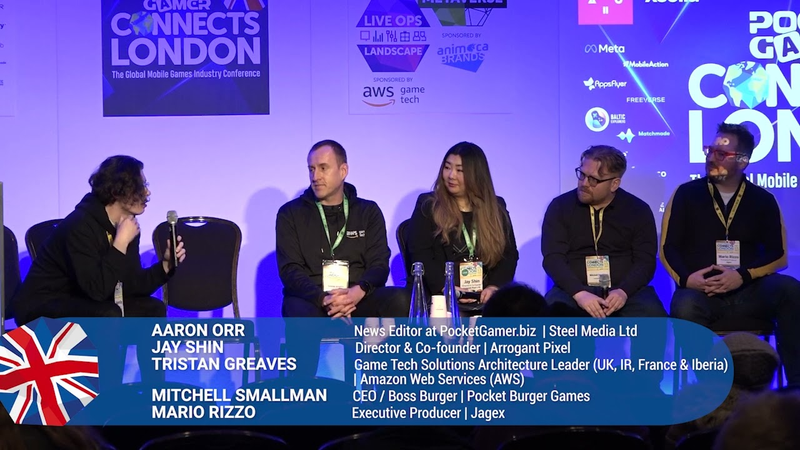
Panel: What are the Challenges of Running Live Ops Across Different Game Genres?
Key insights
6 takeaways- 01Developers can reduce production workloads without sacrificing core player experiences by utilizing strategic design choices, such as 2D assets or isometric perspectives.
- 02To sustain a stable player base, designers should create flexible, systemic experiences that allow players to fill narrative or social gaps rather than relying on resource-intensive, volume-based updates.
- 03Live operations must be integrated into the initial design phase rather than treated as an afterthought to ensure long-term player retention in the games-as-a-service model.
- 04Studios should prioritize a disciplined development flywheel that emphasizes systemic, manageable processes over reactive, high-pressure content cycles to prevent developer burnout.
- 05Data analytics must be used to distinguish between vocal community feedback and actual player behavior to accurately measure engagement and lifetime value.
- 06When scaling globally, studios must choose between local partnerships and a consistent global product, while avoiding the counterproductive trap of over-engineering content.
Ask AI about this video
Transcript
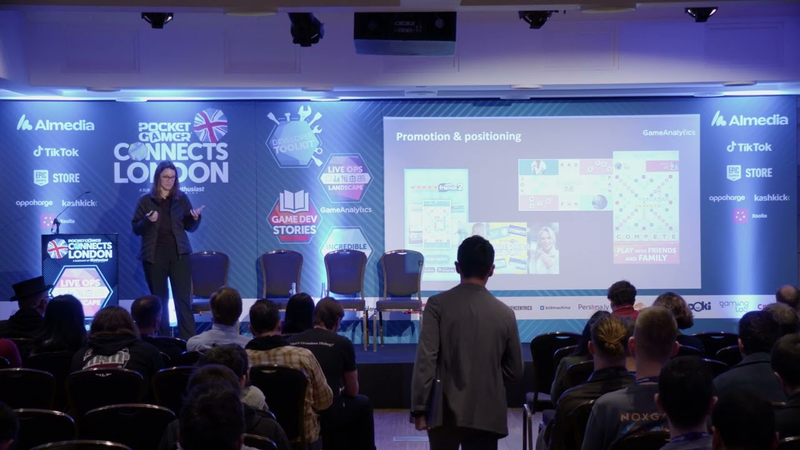
[Music] [Music] and i am going to hand over now to aaron aaron is going to come up on stage and introduce his panel we're going to talk about what are the challenges of running live ops across different game genres aaron over to you good afternoon uh i'm aaron awe the news editor of pocketgame.biz and i'm going to be joined on stage by jay shin from arrogant pixel tristan greaves of the sponsor amazon web services mario ruizo from jagex would you like to join me and yeah as oscar said we're going to be talking about the challenges the developers face when they're kind of operating well live operating live ops across different genres and let's begin with a little introduction from everyone
uh we'll go this way along with if you could kind of introduce yourself say what it is you do and uh we'll continue from there and also mitchell smallmouth from pocketburger please wonderful so me first wonderful so hi i'm justin from uh amazon web services so yeah kanye sponsoring today um so my role i look after basically a diverse team of students architects uh covering uk france and iberia they'll be obviously covering a much larger area across aws but really just helping our customers both with the art of possible building their games um helping in the best way possible both with just building in the first place getting it running successfully and the really exciting things i guess we're going to touch on today is growing them so once they're out there how do you keep them being successful that's truly exciting so that's me um hi um my name's jay i am the co-founder uh co-founder director of a small indie studio called arrogant pixel
uh we've released two games before but the game that we're working on right now is very much games of service live ops oriented so i'm really excited to hear what you guys have to say about it and learn a little bit more uh hi i'm mitchell um so i'm ceo of a new studio called pocketburger games we have a lot of experience on the team working in live ops in previous companies uh but now we've got the the opportunity to start building games with live ops uh from day one which is a new experience for us and so that's sort of the the insights we'll be looking at today hi i'm uh mario i'm an old man i've been uh working in games this year's my 20th year uh developing primarily mmorpgs so i started on a game called everquest um been doing that then i guess since 2002 and then uh quite recently in the last two years i came to jagex to develop a brand new mmo uh so that's what i'm working on right now brilliant we've got lots of different experience from across the board um
we'll start off with kind of my first question is are there any genres that are typically easier to work live ops with than others or is there like a kind of like a difficulty barrier to begin with certain genres compared to others should we start we'll go from mario and then work this way um i mean for me the toughest one was uh fps uh the reason for that is latency obviously and and two things a lot of the game engines typically are cpu bound so if you work with the unreal engine for instance that's uh that's a high cpu bound so single core lots of processing power so particularly in the older days um and and even today to a certain extent it was hard to find hardware except for our friends at aws who supported us during that launch it was very difficult to find hardware where which wasn't built for the web multi-threaded whereas these larger big games where you know you have a lot
of complex geometry uh that's being processed simultaneously across hundreds of clients on the server you have to have a lot of cloud-based processing power to do that and in a low-latency environment all over the world very tricky um i would say it's in terms of the number of sort of inputs and outputs that are in the game how much design real estate you've got so if you've got something with combat and health and damage in it you can continually build different layers onto that combat and offer new content that's fresh to the players in a in a way that you can probably do so for years but if you've got something like say a puzzle game in the casual space uh where those inputs and outputs are lower coming up with new things that are continually fresh becomes a bit more of a design challenge so that so and this is why i think we've only started seeing live ops in the sort of casual space in puzzle games you know and it's taken a lot of work for a lot of companies to do that well and it's only recently in the last couple of years you've seen it even though we're in more in the mid core space they sort of got to that a little bit a little bit
quicker and it's because of the design real estate and that's something like if you want to think long term like what are our events going to look like a year from now and what that content is going to what that content is gonna look like uh the ability to create that content on the design level is one of the is where that difficulty curve is gonna lie in my opinion um i think that in terms of any kind of multiplayer game especially there's going to be like massive networking challenges obviously when it comes to like sort of live ops and um i can see um live ops isn't necessarily meaning like a multiplayer experience but though i can see that being like really difficult to sort of um manage as we're sort of running into those challenges at the moment designing something like this um but if you look at a game like um slime rancher for example that is definitely got like live ops elements in it but it's it's something that as um in terms of like post launch content it's just been incredible and they update it all the time so it's just about um creating an experience that
people can always come back to and see something fresh so i can imagine the narrative games in particular would be very difficult to sort of update and keep fresh if it's a kind of like a almost like a boxed in experience right so the story from start to finish um i can imagine you adding like chapters onto it but is it actually necessary so it's just about it's almost like going into the design knowing that you're creating like a games as a service product i think it's like the main design challenge there that's great um i'm just loving these answers and also i'm also loving the evercrest background so we should we should definitely grab a beer afterwards i think i think i hate to say what what everyone said but literally what everyone has already said but in a sense it depends and all genres are challenging it really depends on i definitely call it fbs's i think that's a great starting point for a few reasons one apart from the networking challenges huge amounts of data these games latency is just so important and uh and the player bases as well i
think we just talk about different types of player bases and cohorts here in the sense of is your latency slips in those sorts of games what's the player-based reaction i mean just look at twitter during any of the big fps's where they have downtime or the game experience is compromised it gets tops it real quick and so that's a challenge as well in terms of like keeping your game going in terms of live ops so that's one side networking making sure you've got you've got the right solution and thank you for calling us out i i love you very much but in terms of yeah making sure that you can support that but i think it's a really good point from jay about the narrative right that what what keeps people interested in your games you can talk about the sort of fact that keeping the game sort of i guess up and running and stable but what about players just get bored right i mean if it's an fbs and they shot people enough times or they run out of story so yeah the key thing really for any genre is just understand the question like what is it what is it you're trying to ask what is it you're trying to get from your players get them invested understand what they want gather that and then take action i make it sound easy it's not right this stuff is really really hard but yeah start with what
you're trying to achieve so that's great insight yeah mitchell you brought a pretty good point about the kind of shift in demand and how you know as as more people are getting into games as we've seen how how are developers kind of matching the demand for live ops because obviously there's a challenge that you know people people want more and we're getting huge games like you know gentian impact is massive and it's constantly updating and evolving how how will developers tackling that or is it something that is a quite profound challenge or is it something you think the industry is quite equipped for um i can only sort of speak for like the free to play mobile space uh in this regard um and i i found like it started off right you create your game you've got your good retention stats your your players are kicking around and you think okay let's do live ops to sort of keep them in right um but eventually what happens is the players will get through you know that challenge of hey what do they do when they get through the content and they are playing the live ops content that's what they have left right that's the game for them and there's and oftentimes they're very socially connected uh in guilds and things like
that and so that's what they do uh in now in mobile right that's uh that's a real strength right because it becomes that habit that you have in your life and it's that sort of thing you're waiting for you know lots and lots of mobile games right like you're waiting for the update on the weekend right and it comes out every weekend you know it's there and it's part of your life and it's part of how the game is played and so now the shift is you know for us looking it's like okay how do we do that from the very beginning right as opposed to let's create all of this big amount of content that's going to keep people in for as long as humanly possible and then put live ops at the end when they run out it's like oh how do we design our system so that we know there's going to be something every weekend and designer systems around that and you're seeing more of that in the mobile space as people get more savvy around that um and more players in mobile are expecting it right as it moves from midcore into casual and now lots of players have played toon blast for example which is a fairly good live ops uh royal royal match also got really really good live ops and right and so now as more it's going to get to the point where every mobile player is you know it's like hey
why isn't there something for me new to do this weekend that's the expectation that's going to come about and and so that's where things are moving right and that's where i think people really have to start thinking very carefully would anyone else like to add anything i just really like the idea of just embedding live ops into the very beginning because i think that that's important because you've got to establish what the what the goal is essentially for the game and what is it that you want the players to do and i love the fact that you're um that you highlighted like the social aspect of it and building communities around it because gamers want to be with other gamers and just providing that space i think that it's a really positive sort of step for the industry not only for like sustainability of the studios like long term but also just providing people something fun to do you know sorry and i totally agree i really like genshin as uh it's kind of a mark of comparison it's something we look at a lot which is we call the more modern mmo phenomenon where cloud-based infrastructure is very
important if you look at games like engine fortnite essentially they set the standard for cross-play on launch so that's the new demand so gentian for instance a lot of people don't know it's the fifth game that they've released right so they've essentially released versions of the game they did a sci-fi game previously they built up to releasing impact then they went all in they spent 100 million in r d team size into the hundreds so what that means is just like in aaa we're seeing in games as a service a war an escalation that you know if you are not going to tackle the amount of content that a 100 million dollar r d game is going to throw out there because genshin you know goes right head to head with with everybody in a sense when you look at it like they don't care that my budget's 10 million or theirs is 100 players just care about what they're getting for the experience so i think that is the the real challenge which is do you want to go down the innovation path for your game or do you want to get into the content more and with the content warp you need money yeah it's really interesting you've
brought up about how many games um mihoya have actually had i think they're about to release their sixth game that's currently being tested which is and it's not not that they're really innovating in a sense they've kind of repeated their kind of mmorpg format and it's and it's worked it's now worked amazingly for them with genji impact but it kind of i want to bring it back to another point about expectations do you think that as there are different genres that maybe demand a lot more from live ops or do you think that because if i my neighbors she's been playing candy crush since day one either she's really bad or she hasn't finished all the levels yet so she is constantly going they're meeting that demand as you said with casual games she's constantly going and going but oh yeah are there genres where the demand is kind of outpacing the the speed of which developers can match i think oh i think one genre which we see that a lot in is the mmo space actually that's the classic genre where players you design i mean hemorrhoids the joke of mmo is that you design content to be
like interesting and exciting and you like great stories and compelling stories but players for some reason will sometimes try and play these games the most boring way possible in order to like ramp through the content as quickly as possible right the goal everything all the stories you build almost secondary to getting to the max level with all the max stats there are exceptions but that tends to be what you see and therefore yeah there's a huge problem that these players can absolutely burn straight through the content and if you're relying well depending on what your subscription model is is it is it monthly or is it freemium whatever it is yeah they'll burn through that content incredibly quickly and it can be expensive to get that new content created and out there again if you want the content to be interested and maybe not just procedural so i think the key thing the key message really is to at least build your game from the start that you can actually iterate quickly right and you can see you can really get content out there quickly in a stable way really important with cross-platforms if you're across about four or five different platforms you need a way of doing that in a way that works so you can obviously see successes with likes of fortnite as you mentioned but yeah and equally when you're in the development process it's the standard development model don't be afraid to be
able to fail fast like if you get an update out which doesn't work for your players like the metrics show or the engagement drops or whatever it is then you need a way to be able to get a new one out there so yeah so for me yeah mmo's has been a classic one maybe it's because it's close to my heart but that's the one that i tend to see is a where that comes in um yeah one one thing yeah you you brought up the social element uh and i i'd be remiss if i didn't mention that social is really really good at bringing people together and it's really really strong but once you've got that expectation of live ops uh sometimes your social player your social communities especially if you've got a reward for them working together they will then sort of create this sense of obligation in their communities um which is good you know which can be good for your game right engages people and then your players are helping engage in the you know the content that you've created which is great um but that uh that's a different thing than doing it on your own um and so like and people can get burned out right and i was like oh my guild leader is making me you know do
this event this weekend and i wanted to go to the you know go to the cottage right and then people are making those sort of choices and that comes you know that's much stronger in you know games where the social is happening uh on on the live ops level than it is on something like narrative based right where people can just go it's like okay cool i'm done and i'm just waiting for more content at my pace or maybe it's only available for the weekend maybe i do it or maybe i don't but no one's telling me to do it um and so that sort of social layer is can be a double-edged sword and so that's something that's a difficulty that you have to manage but community managers are your best friend uh in terms in terms of helping that saying hey cool you know we might release this content in a different thing later right you don't have to you know you don't have to have that pressure but please stick around for a couple of months to do it um but uh but yeah that's uh it's uh that adds yeah it adds uh difficulty in some layers and takes difficulty away in others so with communities actually it's very important for a lot of liveops games i mean um i mean i'm someone that's really boring and i've read for everything in
mmorpgs so the community is kind of like stop doing these quests we're doing this now and i'm like playing it like it's a single player game but how do you address the challenges in the communities when they're perhaps they're asking for certain things in the game and you're like oh well this is in our pipeline for next year like how do you kind of deal with the what the communities demand and what you're able to like actually achieve within that time frame i think that's probably an mmo question i think um for us there are many different ways uh for runescape for example i don't know if you're familiar with old school runescape which is a classic version of the game very popular the communities actually vote so what we do is we put a list of what features are going into a build it's hosted online on the web and if 70 of the people don't vote yes we can't put that bill live so that is a an agreement we made with the community when we created that version of the game because they wanted they had felt like we had modernized the game and it had gone away from what they
wanted so the whole existence of that game has been born out of studying the needs and wants of the community normally i would say if you're talking like in a more iterative process for small things the community wants it's a combination of several different groups right so you have your community group your customer support group you have the development team you have qa and then you have strategy and analytics he's in the background there hi alistair so um and those groups kind of form i would say almost like a council we sit together and we go okay this is how much time we have in this sprint right this is how this is and we have people the teams are split up so you'll have one team that's working on a piece of content that maybe takes a year to develop then you have the teams internally that are focused on what's coming next month in live operations so then that group will meet together and essentially we'll say okay we can afford to do 10 things so community give me the top three things qa dev team customer support and based on that we usually come to a very consensus-like
agreement of okay we're going to take these two things from community this from qa this from the development team this is something that purely came from the players and now here's our list for the next month so these are the incremental liveops changes we can make and then of course the strategy team and our our data analytics team will be able to measure because what people ask for and what they actually want are two different things normally yeah i was just going to say like make sure your analytics are strong because uh you know players will tell you one tell you that they will never ever ever ever buy this thing uh that you've put on there they'll never ever behave in this way but you've seen and looked at their behavior you've looked at the analytics they're already doing that and then lo and behold you put it out and then it's popular uh and uh and and all of these sort of complaints and everything uh you know went that went against the analytics uh oftentimes the analytics will prove it true not to dismiss it and uh and say because oftentimes you're wrong but you should be doing it in conjunction um in in terms of that uh because they will
surprise you constantly so obviously you need to please your players like that's first and foremost but you know everything's about pleasing people in live ops you also have to kind of you know please the publishers how do you how do you approach publishers with liveops to match their expectations with again what is actually achievable for your for your studio um i could probably speak on this because i've been doing plenty of pitching i'm sure many of you have seen me out um i think that a lot of investors and publishers um in gaming are moving into more games as a service live ops titles because they see the potential obviously in the earning potential but just to have a real go at making the game a success because it's very rare that like you in terms of traditional game development you kind of just like create it in a silo without like much fanfare nobody really knows about it you kind of do it in secrecy but once it's launched and you're getting all of that feedback you
have so much more data to then iterate on and work on and incorporate all of the you know community elements into it the technical elements and then also you can come up with like pretty amazing ideas afterwards as well so um i think it's something that publishers are looking for right now a lot of the larger publishers for sure are moving sort of into that space so it's probably a good thing if you're considering at least some elements of your post-launch content to be you know something that you can work on after the launch i think it's a good idea to incorporate that but that's just my experience so what do you think would be like a kind of good time frame to pitch your head say look we've got this planned for how long and what what do publishers really expect from you when you're saying this is what we want to do in the future i mean it's there are publishers out there that are um very much games or service oriented so obviously we are selecting yeah so we're definitely selecting people to talk to that are interested in that space so obviously we
are on the same page when it comes to like the kinds games that we're pitching but i've seen um more traditional publishers be interested in a pitch for games as a service or live ops oriented game just purely because of the future potential for it and just the idea that like it could explode is sort of the idea whereas um if it's kind of like a one and done situation it's very much like a very boutique you know narrative heavy kind of style game which we'd love to do um but it's just i i guess like we're just really excited to have a project that we can work on like really full time and get our teeth into it and just again give it like a really good go and i think that that is the dream for most indie developers i think is just to be working on something that they love for a long time but i think that you also need to understand that it's a job you need to have the stamina to stick to the same thing for a really long time and that's just discipline and it just comes through just working you know in the industry
i would say first not to compete but jagex has launched two has published two games of service so please give us a call if you're looking to do a game as a service we'd be happy yeah don't worry i have some cards here i will get them out of my code um so the second is i would say depending on the publisher like you said those that do operate games in the space are usually a little bit more forgiving most investors or publishers that i talk to who are coming into the space and they want to invest in a game will want metrics so they will want a game that is operational that has customers they will want a clear definition of who you're targeting what is the lifetime value of a customer how long you want to keep them how much money per person does it cost to market to them what platforms what languages what is the hosting cost and solution that you're doing for instance if you're doing cloud infrastructure in aws what's that cost a month and then what is your net revenue going to be so that's you
know very free to play type metrics which i assume a lot of us are are doing those are i think the the big prerequisites so when you go to an investor or a publisher the first thing you're going to say is you know when you show a retail business plan you say hey i'm i'm just doing a pure retail game i'm selling this many units we're break even here this is when we make money here's how we split revenue that's very clear but with a live game where you have continuous service where basically you have a staff to pay for the lifetime of the game it gets quite different because then they want to know are we paying for half of it how does it work like are you paying for does it come out of your end those are the kind of questions i think you'll want to be prepared for if you talk to an investor or publisher in the space about how you want to pitch your game as a service i think um i've got a magical one um there's a theme here isn't there with data right it's i think we're highlighting just how important that is so one for pleasing the publisher and that's a conversation we have a lot right so someone gets funding there's a publisher involved whatever it is suddenly there's a need and sometimes designers or game companies haven't
considered it yet they need to do analytics suddenly there's a demand you need to tell us you know all these details your metrics how many players you name it the data's needed but also you need that in order to get the game design right for it to be a success and please the players and understand how the players are playing the game or not playing the game are they playing the game right i mean hey we talk about mmos emergent behavior is a theme maybe the players are playing the game in a completely different way to which you imagined are they cheating we haven't really covered that but certainly with certain game genres we're talking about toxicity or things going wrong with the game if players hate more anything more than anything it's perhaps cheating in a game an unfair behavior again you need the data you need the analytics there's a definite theme here and my advice always be start early like always assume that your game is going to be and i hope it is for every single person in this room your game would be an absolute runaway success and it would be games as a service and and it will run for years and years it would be the new runescape uh perhaps and maybe have a new legacy edition uh releasing who knows who knows um but start early plan for that because you don't want to be in a position where you launch
and you haven't thought about it and suddenly you don't have the data you need to answer the questions and you want to know that before it's too late and we don't want to have those consequences happen so yeah that would be my advice yeah just to double down on that advice um data like in the early phases of making sure you're getting that is super important but you will find uh as you get successful uh it still remains important uh in terms of you may be doing an event uh an event to type in a game or that you give to the players for a short period of time and they really really like it then your question is like how many of them engage with it do we do it again do we do something similar or we do it and usually the answer that is at least once yes but then you want to say hey did it do as well as the last one or did it uh did it deplete we do another one that's new right and it's completely different you want to see when your players are getting tired of what you're doing and you want to see the new things that they're getting excited about and that comes from looking at the engagement right like your most vocal players are going to tell you they hate things and maybe all your silent players
are the ones that actually really really really enjoyed it right and you want engagement above all else in your like if you're doing especially if you're doing event based right um because if you've got a hundred players that love what you're doing and you're just listening to them and everybody goes away um then you're not you're not serving those other players who are being silent um so data and and it will change over time the behavior the same sort of things that work a year into your game are not going to work two years not going to work six months right you have to be on it and you have to be on that data so you understand and serve your players the best way you can it never ends yeah so that's that's obviously really really important i was going to move on to my next point actually it's really nicely segued into it so when you do release something that just kind of falls below your expectations and doesn't perform as well let's say oh it's been really great that we've been doing seasonal events this year and then you do your next let's say valentine's day with yesterday you do your valentine's day event and everyone's just like it's like last year's event when if you
can give examples as well when you've uh approached live ops in a certain way and it just hasn't worked as well how have you then tried to combat that with either future live ops or just an another strategy you might use to tackle this i'm actually really curious about this so please um let's see so probably the best example i would say uh to answer your question is is normally to determine kind of the baseline of a game um we have an idea of just like when you're making a retail game right you have an idea of how much money you want to make how much money you need to sustain the team and how much money is kind of the break-even point let's say and when you're doing a game as a service i don't expect the game to break even for unless it's a huge success at least the first year right so you're operating in the hole um and how we measure the success of certain events and things like this is obviously there's a data team that's pulling information or whatnot but i wouldn't say that changes our strategy what change is a strategy
is more the overall consumption of the game the engagement between players so let's say if i have a you know a million monthly active players or whatever in the game and that's kind of the flat rate if the christmas event doesn't do as good as a valentine's event you don't care right because the idea is actually to maintain those million players and to determine how many of them are leaving every month how many new people you need to replace them and what the cost of that is that's the only things i really focus on with the short term things you get small bursts maybe you want to do more microtransactions this month because it's the end of the quarter and your boss is on you so you introduce something for that or maybe it's because you think there's an opportunity because everybody's inside playing mmos right now because of covid so then you put a whole team on creating live events and things like that but i would say as long as the customer engagement number is more or less the same even if i go down 10 20 percent or up 10 20
i'm fine i don't worry about how individual pieces of content perform for mmos and free to play games it's about the long game right meaning if you give up or if you react when something happens one month you can kill a game that you've spent 10 20 30 million 40 million developing so you have to have a strong constitution i would say and maintain you have to have faith in the product and when you decide to kill it that's it that's a that's a final decision right you have to inform the player base and you have to make big adjustments to budget and live team so that's i don't know does that answer the question so what i'm hearing from you is basically like avoid knee-jerk reactions basically give it some time to like understand the data overall give it some time and then you can average out like the the sort of experience the players are having because there's so many things outside the game that can affect things like that let's say the valentine event i don't know um for whatever reason people decide that this year they don't want to celebrate valentine's day and they
definitely don't want to do in a video game so then if that event if you find out it's not worth it it doesn't mean that you shouldn't do another one next year or that you shouldn't try to do a christmas or a halloween event there are so many factors that we don't see all i can see is how people are engaged in the game and how they are playing it i can't see what's happening in their lives what's happening in the world i can guess based on what i do what my family does but that's why i try to focus on what is the bottom line what is the minimum we need to keep the service happy and of course any incremental gains you make usually that happens over time i'm sure all of you have heard stories about games that started off oh it's a failure you know people talk to me you know many i don't know how many of you are familiar with the elder scrolls online when that game first came out it was near you know the the area of world of warcraft right people were like oh it just died and crashed and they shouldn't have come out at that you know so close to a design as wow now i think it's earned more game more money than the old that's why they're not making elder scroll retail
games it earns you know hundreds of millions a year right it's a huge success and i think um and that's that's really important points we've seen the same with like uh well pick out destiny and destiny too just let's just keep that game going right it's like we don't need to make another one when we can make this game as a service work um so yeah really really important point and i think um on uh on data as well i guess a key point actually in terms of responsing and i love the knee jerk reaction thing actually it's this one glad i'm not a game designer i would totally be having knee-jerk reactions i think the main thing is to make sure you need to have an efficient flywheel right and when you launch an event you can get the metrics from the event you understand it be that player feedback what the numbers are telling you about engagement and then when that feeds into your game design teams they can react quickly and then your builders can build it quickly and then you can release it quickly so if you need to you can react quickly because sometimes i know typically for fps games more that's where balance issues can become obvious very very very quickly and the players and if and if
anything plays in fps games like to comment about its balance issues um and so if that happens how quickly can you react and again comes back to data being able to understand that data i'm not going to add this to when i talk about it and don't have knee jerk reactions uh i think is the key point as well so are there are there genres where it's easier to react then when you are doing live ups let's say uh it might be a bit easier to implement you know your casual game live ops than your first person shooter liveops your mmo live ops and how do you kind of approach it on a genre basis when you are implementing them uh i think that depends on what you're how you're reacting and like what you're deciding to do about it like making a balance change in an fps is a huge thing perhaps in a building battler or something like that with like hundreds and hundreds and hundreds of gadget characters just changing one to make a small part of the community happy isn't going to throw everything out of whack right so two completely different scenarios um but sometimes the answer is we should build a feature that plugs
this hole in what our live ops is and that's a big decision right sometimes it does need to be done often if you're getting you know if you hadn't thought about certain things in terms of in terms of the design before um but so yeah it really depends uh it it's more on what the reaction is uh as opposed to like the genre right because you can make big changes to a to a to a match three game right and like oh okay we're going to design a whole new live ops event system right that's one option uh or we're just going to change the value of the diamonds that that you're earning or spending in it it's a small thing right so it's it's that part i think is less genre dependent uh it's just what's the solutions you are and sometimes your solutions need to be small and sometimes they need to be big um i just well i don't have a lot of experience in terms of like operating this so i'm just looking at an example of a talk um that was given by celia hodan in terms of like a ux perspective in that there's global changes and obviously like smaller changes that you can make as you were talking about um but the one
example that i really liked was in fortnight it was just there was this ability of being able to be more efficient when mining materials so if you were paying attention you can they gamified the process of actually mining that material to make it more fun and therefore the grindy elements of it then became entertaining and therefore prolonging like the player um engagement in the game so if you're making things that are fun that keep the player engaged that like sort of positively reinforce you know your actual user then the more time overall they're going to spend in your game playing and having fun so i don't know it just i think it like you know it depends on the business need obviously if there's a commercial need to like again earn more money more micro transactions or is it like a whole um game design problem where you're going to make like a more global change like the mining you know thing but um just try to
make something that's going to be like just make a change across the whole game is um just generally is is tricky because the you have to get the whole engineering team involved if it's like small changes maybe that the designers could have like tools to be able to like adjust like small certain things but again it's just building the game with that in mind because then obviously the tools engineers obviously need to create the tools so the designers can come in make those changes so um it's a tricky decision i don't know um specifically about um genres but yeah it's it it differs from project to project you mentioned a couple of things there that kind of like flicked a switch in my head one of them was about updating the whole game and also with global changes so i've been playing a game recently uh it released in japan and it released in other countries uh about seven months afterwards rather than kind of you know catching us up with all of the liveops content
they've decided to really flood it into the game so i just had a halloween event last week a bit bit weird seeing all of that and that's all the stuff you unlock in the game and really if anything that's driven me away from playing that game even though there is a new event every four or five days constantly going and you can keep being involved so how do you how do you approach live ops across genres when you're localizing games because if you are going to update as you said the whole game are you doing that worldwide obviously with much larger scale games like as you know the fortnights and like uh world of warcraft all scrolls online they will do that but how would you approach that from maybe a mobile perspective when you don't have that capacity i imagine with great difficulty it's just because it's not just about translation right it's about fully culturalizing the game so that it doesn't feel alien to the player base that is something that i'm quite concerned and nervous about when it comes to designing the game because it's just like okay we're going to target these territories but how do we make it feel authentic to the player
because i know as like a korean player like if someone's translated something badly i see it immediately and it's not just um a few hours into the game it's like like from the moment that you open it that you like something's wrong you know and you can see it on like um the user reviews as well so you can say you can see that it's doing really well in english but maybe on like chinese sites it's got like 60 you know and then you're like okay there's there's an issue here um i wonder how you guys deal with it because there's there's so much to translate and so much to you know and if you're doing voice acting as well like i can't imagine what that's like you know i i can speak for mobile the the the one solution to this that works really really well is unfortunately also very expensive um which is you want to get partners in the spaces you're at because you can do different versions uh of the game perhaps release sort of publisher uh in that area that sort of specializes in it and then you can you know you know if you have the opportunity to
do a holiday themed event for a regional holiday that is not just one of the holidays in the u.s the players are always so appreciative and go oh this company actually really really cares about players like me and they will always always perform really really well but you need a good partner to do that and you know if you're a small studio like we're not doing it for a while we're still still seven people um but uh that's gonna but if you have the opportunity to do that that is the best way uh in my experience because i've just seen the results for it um and because because it you'll get more you'll get more monetization if you're doing micro transactions you'll get more engagement then you're certainly going to get you know for your halloween event or your christmas event uh or anything like that and you'll get so much goodwill so it's definitely worth it if you can do it um so it just involves finding those partners but they're out there um and so that's a you know in terms of usually it goes through the publishers uh in those spaces that sort of specialize but if you can do it i recommend it oh sorry
i would say okay to answer your question directly so um when i started working on everquest i was working for sony so i work quite a lot in japan i would say after being in the industry for a while i now go if it's a bigger game i go the opposite way which is i don't even try to localize for those countries as a western developer who understands western audiences and western needs it's kind of like the same thing with jrpgs right final fantasy doesn't try to do a version in the west that's more like skyrim and and so on and so forth so if i'm developing a western game i have a western team western game designers i expect them to deliver a western experience and of course there's a certain level of polish and technical sophistication and platform integration that's expected but beyond just having proper partners to localize the language i won't try to change the game design or do region specific content because i feel like we wouldn't do it well
and the idea for a game like this is you have to do it well and you know to be fair i think even if we did it as well as could possibly be done with a western team that doesn't really understand japanese or korean or chinese culture it'll still be at best 60 or 70 percent of what they're expecting so i just instruct my team to ignore it now if the day comes our ceo says mario we want to approach a chinese market or whatever then as you said we do a sub-licensing deal we talk to tencent we talk to netease we talk to whomever and we tell them hey here's our game code can you make the chinese version where they will update the design specifically with what you're talking about with the events and things like that and them coming over the other thing you got besides a halloween event is if that game's been running live in japan and they've been fixing bugs for a year they'd probably have a much cleaner version of the game so a much less buggy more easier to play ui elements fixed and things like this so you do get all those benefits but you have to go through the halloween event in july right so that's uh maybe the downside
and i think um yeah completely right place your strengths right there's probably a reason why the likes of fortnite released the one game in different territories and all the events change after one time maybe look at what we're doing obviously amazon with uh lost ark right that's just uh launch now and that's a translator game have we changed the game is it have we made it a western game and i don't know it's the same game but it's been translated and that's where that's where all the polish has gone and also i was lucky enough to be involved in some of the early stages of that and that's taken an incredibly long time it's a lot of effort to do that and that's without changing what the game actually is so yeah time allowing i think i'd have you here for the rest of the day but i don't know if we have much time left lady at the back thank you sorry yes we are we give us two seconds to get um ed set up and uh yes so i'm gonna just chuck something in because i can i mean after all you know wrote the book on topic i should all i add something
and i again we steal the uh phil's line about living games all the time so phil mansell um was the person who coined the phrase living games and it's uh it's a perfect explanation i mean one thing i think you guys have been talking about which i think um we i focus launch a getting people to understand what a living game is at all uh the number of people are saying my game can be played many times therefore it's a living game isn't it no but the real one for me is like how we how do you guys avoid the content treadmill because you know i think a lot of people are over engineering and to mario's point i think largely you know we're trying to do too much you know we're not we're we're we're jumping in knee jerk all the time actually we need a systematic scheduled manageable process that doesn't rely on art doesn't rely on code it can do be community focused play as our content but how do you guys deal with the content treadmill um i'd love to know what you think
um one of the trends that i am sort of seeing in mobile at least is that there are a lot of companies that have just sort of accepted that the players do not give a about your content to treadmill right you look at things like homescapes right where they're just they just beat everybody by putting in so much well-polished content like you know three 3d items that you pick from you'll only see one for the rest of the game the other two get discarded and that game is making hundreds of millions of dollars because they just got a thousand person team on it saying hey we don't we don't care about that so in the mobile space that's the people you're competing with and that's something you have to factor in at all times the ways around that if you're not a thousand person team i think it's uh what uh oscar's sort of saying in terms of like the system design right the design real estate of like sometimes it's like hey this kid you know this it's a new character with a new skin and just a slightly different ability but it plays to a different particularly different play style that's felt neglected right um but if you don't have things like health and damage and four
elements and all of that on top of that that becomes very difficult to do um you know 2d art is really like if you can do things with 2d art instead of 3d art that solves a lot of problems so like if your things you know if you have to choose you're thinking live ops in your game of are we going to put 3d characters that they collect or are we going to give them cards that represent those characters and you're pretty sure your player base does not care whether they are cards or the 3d pick the cards um that's one way of uh you know sort of avoiding i feel like you're a ringer for me michael because you you basically say everything i want you to say i think we've talked a lot about this we have talked a lot about this i think it's ready now um so i'm going to uh anyone get any last minute comments i want to add to that i mean i think it's brilliant but yeah i think my new strategy for how i look at this is to obviously identify the audience we want to build for so when i look at modern mmos i look at games outside of the mmo space and think what are things that are very community based that are quite interesting for
people that aren't traditionally looked at in mmo so animal crossing would be a very good example of a non-mmo game that is very community based where people are playing together there's no combat the focus is on you and your group of friends instead of this giant community that's fighting bosses or raids and playing competitively so a choice you can make for instance is let's make a game where there's no competition where the game is completely cooperative or you go completely the other way uh we look at um you know albion online for instance uh watch i think they did a game that's very similar in many ways to runescape but one thing they did differently was they heavily focused on pvp and they made a lot of the content systemic so you have like generated content including world terrain characters they do an isometric camera view so it's very easy then to model the art with a smaller team i think that's a choice as well right so as long as you make these choices i think that is how you'll get the best
bang for your buck i'll say i i want to leave people with a thought of channel colombo the tv show colombo the reason being is that colombo we aren't watching the murderer because we saw who did it we're watching the detective because he's an absolute idiot but at the end of the session about five minutes before the end he's going to turn around and say the immortal line just one more thing and what we've done in watching the tv show colombo is fill the gaps that the designer the writer the artist the film production company didn't think about we just assumed that everything that they accidentally put in the scene was genuinely deliberate and if we can design games like that it just makes life a lot easier thank you very much guys thank you right okay so ed thank you very much [Music]
[Music] you
Summary
Modern game development increasingly centers on the games-as-a-service model, where long-term player retention depends on the seamless integration of live operations into the initial design phase. The primary challenge lies in balancing technical infrastructure with the creative demand for consistent, high-quality content updates. While genres like first-person shooters grapple with latency and server-side stability, casual and narrative titles face the constant pressure of the content treadmill. To remain competitive in a landscape shaped by high-production standards, developers must prioritize rapid iteration and social connectivity to meet evolving player expectations.
Success in this environment requires a disciplined approach to data analytics that distinguishes between vocal community feedback and actual player behavior. Robust tracking systems are essential for measuring engagement and lifetime value while preventing developer burnout. Rather than reacting to short-term fluctuations, studios should focus on building an efficient development flywheel that emphasizes systemic, manageable processes. This often involves strategic production choices, such as utilizing 2D assets or isometric designs, to reduce workload without sacrificing the core pillars of the player experience.
When scaling operations, particularly across international markets, studios must decide between local partnerships or maintaining a consistent global product. Over-engineering content is frequently counterproductive; instead, designers should create flexible, systemic experiences that allow players to engage with narrative or social gaps. By focusing on core mechanics—whether cooperative play or competitive PvP—and avoiding the trap of resource-intensive, volume-based updates, developers can sustain a stable, engaged player base. Ultimately, the most effective live operations strategies prioritize long-term stability and production efficiency over reactive, high-pressure content cycles.












Comments