In-Game Advertising reports and market data
Documents
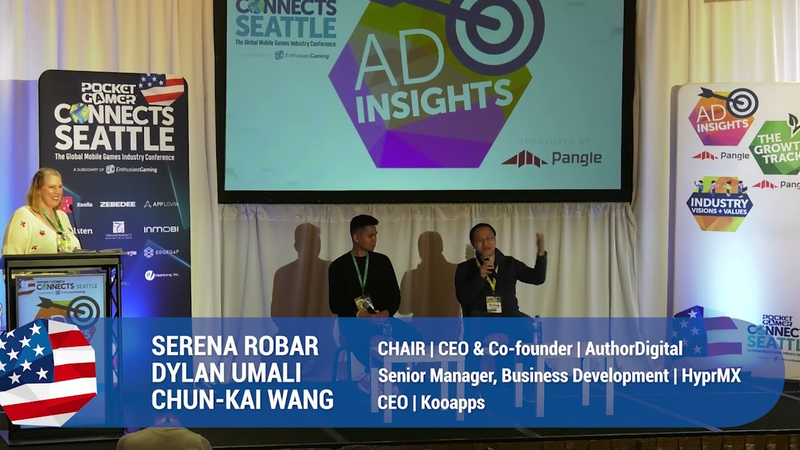
Panel: How To Design Your Game With Multiple Ad Formats in Mind
Effective game monetization hinges on a balanced integration of rewarded video, interstitials, and banner ads, with the optimal mix dictated by a game’s core loop and session length.
- For hyper-casual games, interstitial ads typically account for approximately 50% of total revenue, while rewarded video (RV) is preferred by developers who prioritize user experience due to higher opt-in rates.
- Developers can achieve 70% to 80% of their potential ad monetization efficiency with a minimal time investment of one to two hours for initial waterfall setup, while dedicated optimization teams can drive an additional 20% revenue growth.
- Maintaining a balanced in-game economy is critical; developers should treat advertising as a revenue supplement rather than a replacement for in-app purchases (IAP) to ensure long-term sustainability.

In-game Ads for Console and PC Games - Opportunity or Threat?
The gaming industry is undergoing a strategic shift toward integrating in-game advertising within console and PC titles, mirroring the successful ad-supported tiers popularized by streaming services.
- Console and PC developers are shifting toward dynamic, rewarded video ads to create a sustainable monetization alternative to aggressive microtransactions and reliance on high-spending users.
- The strategy targets the 16–34 demographic, a cohort that has largely abandoned linear television, making the massive daily-active audiences of gaming titles a primary target for advertisers.
- Unlike mobile gaming's focus on app-install metrics, console and PC advertising prioritizes high-quality, brand-led video content integrated during natural downtime like menu navigation.

two & a half gamers session #14 - How to read Ad mon data for beginners? ATT & player segmentation
The mobile gaming industry is currently navigating a period of significant structural shifts, characterized by aggressive consolidation, shifting investment priorities, and the maturation of post-privacy monetization strategies.
- Post-privacy revenue success is increasingly driven by internal player segmentation and in-game progression depth rather than reliance on external tracking data.
- Apple’s App Tracking Transparency (ATT) opt-in rates have stabilized at approximately 40–42% in key Western markets, indicating a predictable environment for post-privacy monetization.
- To maintain bidding efficiency and prevent latency, developers should limit ad placements to fewer than 43 per geography.
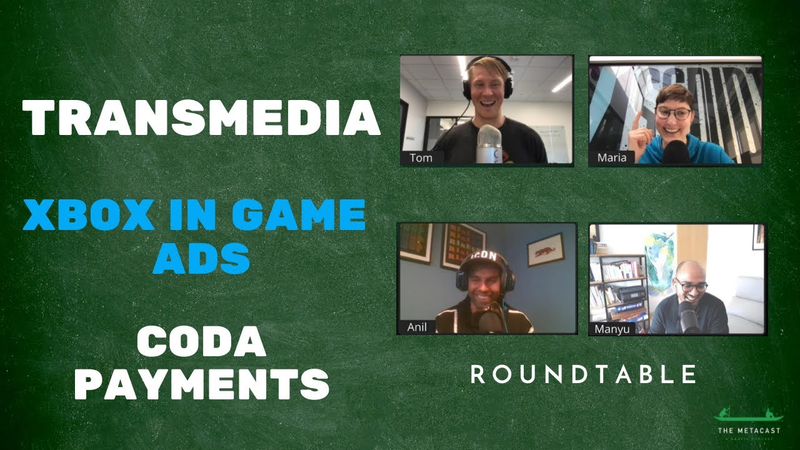
Is Transmedia the Next Mainstream Game Dev Strategy? - The Metacast by Naavik
Transmedia storytelling has emerged as a critical strategy for game studios aiming to build evergreen intellectual property and mitigate the escalating costs of user acquisition.
- Transmedia storytelling is being adopted as a primary strategy to build evergreen intellectual property and reduce reliance on expensive user acquisition by fostering deeper emotional engagement through film and television adaptations like Arcane.
- Developers are increasingly integrating opt-in, rewarded video advertising as a sustainable revenue stream that mimics mobile monetization models without degrading the core user experience.
- Specialized fintech providers are becoming critical infrastructure for developers by navigating app store regulatory challenges and enabling localized payment solutions for unbanked populations in emerging markets like Southeast Asia, India, and Latin America.
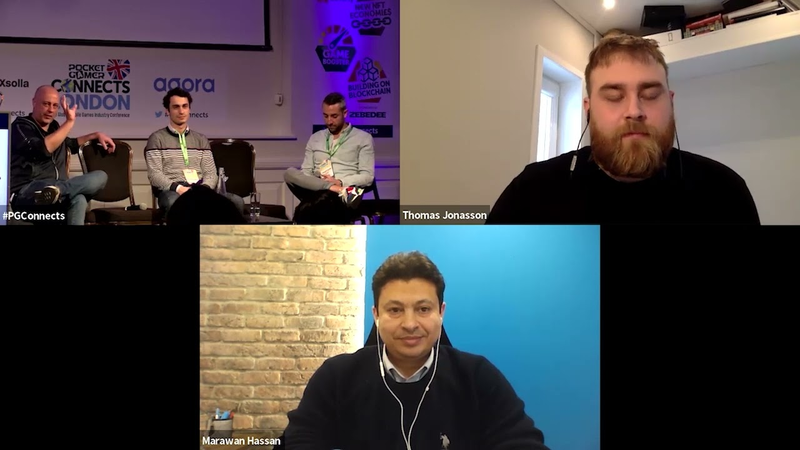
Panel: In-play Ads: Tips & tricks for Creating a Seamless Experience
In-game advertising is shifting toward native, immersive integration strategies designed to monetize gaming environments without disrupting the player experience.
- Native in-game advertising generates an incremental revenue lift of 4% to 10% without negatively impacting player engagement.
- Monetization strategies are shifting toward utilizing existing 'dead space'—such as billboards and arena perimeters—to integrate branded content that feels like a natural part of the virtual environment.
- The industry is prioritizing the development of standardized, drag-and-drop integration tools to reduce technical barriers and development friction for smaller studios.
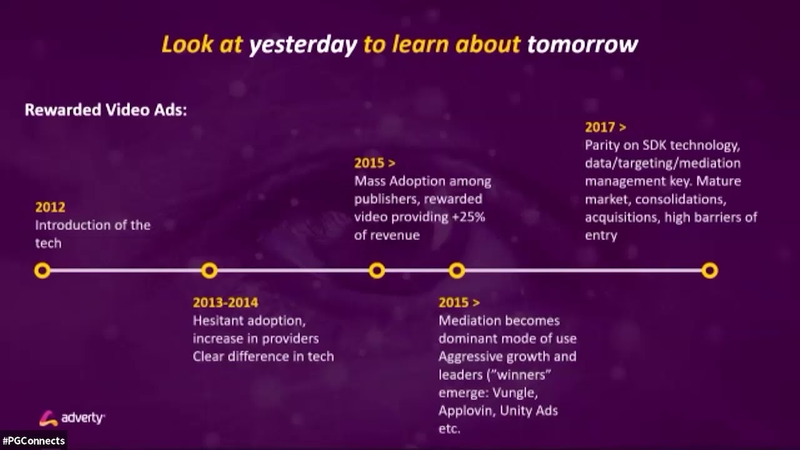
Superstar Session: In-play Ad Monetisation - Past, Present & Future
In-play advertising is currently undergoing a critical transition from experimental adoption to widespread industry integration.
- In-play advertising provides developers with an incremental revenue increase of 5% to 15% by embedding brand placements directly into game environments.
- Programmatic eCPMs for in-play ads are currently stabilizing around $1, while direct brand campaigns command significant premiums above that baseline.
- The sector is transitioning from experimental adoption to widespread industry integration, supported by the emergence of standardized SDK technology and sophisticated mediation solutions.

Creating in-game ads that better suit players with Harriet Hughes from Playstack
Playstack, a mobile and console game publisher, has introduced Interact, an ad-tech solution designed to replace intrusive, full-screen mobile advertisements with organic, integrated brand experiences.
- Playstack has launched Interact, an ad-tech solution that replaces intrusive, full-screen mobile advertisements with native, organic product placements within the game environment.
- The platform functions like film and television product placement, allowing developers to embed brand assets such as logos on equipment or environmental structures to avoid disrupting the player experience.
- Interact prioritizes high-quality, genuine engagement over volume-based metrics, enabling players to opt-in to interactions like saving brand vouchers for later retrieval.
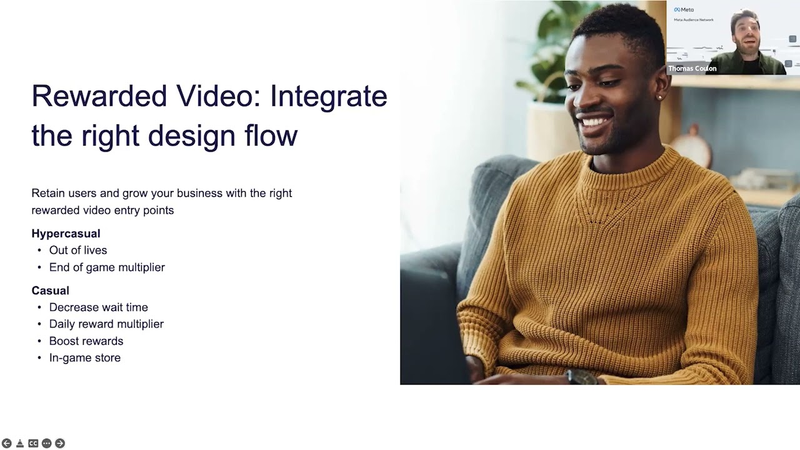
Keynote: Hypercasual & Casual Success Factors
The mobile gaming industry is currently undergoing a significant transformation, characterized by the rise of the hybrid-casual genre.
- The mobile gaming industry is projected to reach nearly 200 billion dollars in combined in-app purchase and advertising revenue by 2023.
- Hyper-casual games have seen significant market expansion, evidenced by a year-over-year increase in install rates of over 60 percent.
- Hybrid-casual games are emerging as a dominant trend by integrating mid-core mechanics, such as progression systems and collectibles, into simpler titles to improve long-term retention.

Unity Mediation: Monetisation That Grows With You
The monetization landscape for game developers is undergoing a period of rapid transformation, driven by shifting privacy regulations, industry consolidation, and the increasing complexity of balancing user experience with revenue generation.
- The deprecation of the Identifier for Advertisers (IDFA) and shifting privacy regulations like GDPR, CCPA, and PIPL have disrupted traditional monetization strategies, forcing developers to prioritize compliant and privacy-focused ad models.
- Developers should align their monetization strategy with the game’s lifecycle, avoiding complex implementations during early growth phases to ensure resources are focused on scaling only when the user base justifies it.
- Monetization must be integrated into the core development process rather than treated as an afterthought to effectively balance ad revenue with in-app purchases and subscriptions.
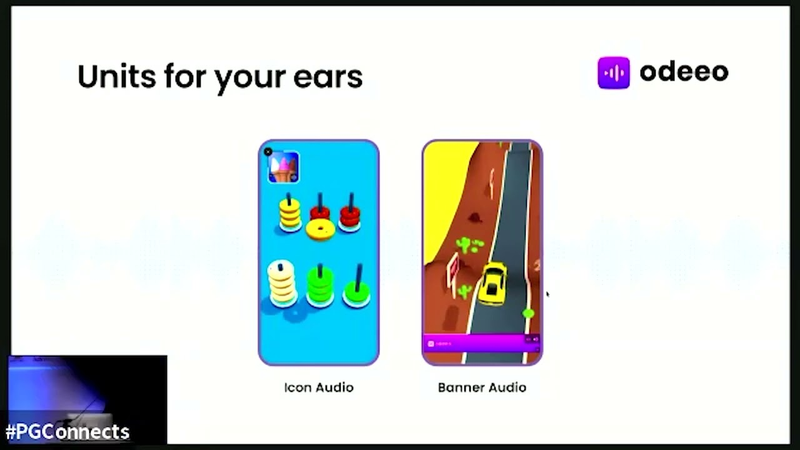
Keynote: Turn up the Volume: Let Your Users PlayOn With In-game Audio Ads
In-game audio advertising represents a strategic evolution in mobile game monetization, designed to replace intrusive visual formats with a seamless, non-disruptive user experience.
- In-game audio ads increase average revenue per daily active user (ARPDAU) by 10% to 15% by offering a non-disruptive alternative to intrusive visual formats.
- Standard CPM rates for audio ads in tier-one markets typically range from $5 to $15, with direct deals occasionally reaching $30.
- Proprietary SDKs ensure ad delivery by performing real-time, on-device analysis of device volume, mute status, and competing audio sources to prevent playback conflicts.
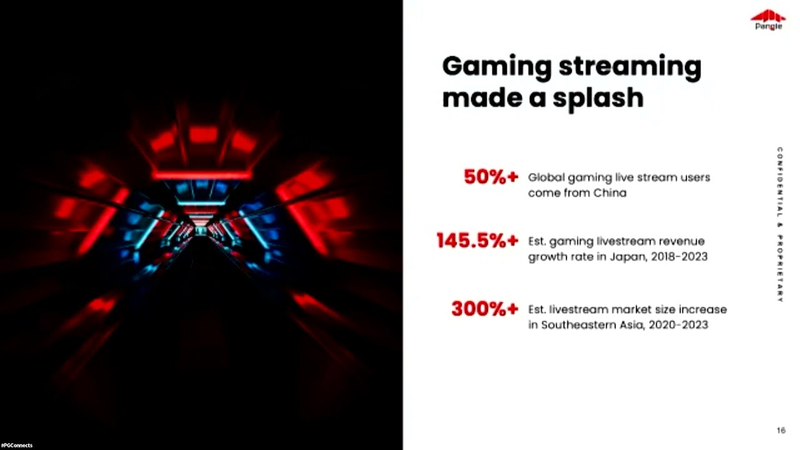
Seizing the Trends in Asia: Three Top Trends Game Publishers Should Prepare for in 2022
The Asian gaming market represents a significant opportunity for global publishers, accounting for 50% of the global gaming industry with approximately 1.5 billion players.
- The Asian gaming market accounts for 50% of the global industry, representing approximately 1.5 billion players and offering higher ROI potential for publishers who move beyond simple localization.
- RPGs dominate revenue in the Asian market, requiring publishers to implement complex, event-driven gameplay and frequent live operations to maintain player engagement.
- In-game revenue correlates strongly with regional e-commerce shopping events, such as the 11.11 Singles Day, which publishers should leverage to boost in-game spending and eCPM.

Why audio advertising is the new frontier with Wilfrid Obeng from AudioMob
Audio advertising represents an emerging frontier in mobile gaming, offering a non-intrusive alternative to traditional visual formats.
- Audio advertising in mobile games has demonstrated a 2,000 percent increase in engagement compared to standard banner ads.
- AudioMob’s technology integrates ads into game environments by monitoring device volume thresholds and offering in-game rewards to users who unmute.
- The platform is currently utilized by over 50 game development studios, scaling from indie projects to titles with 50,000 to 100,000 daily active users.