In-Game Advertising reports and market data
Documents
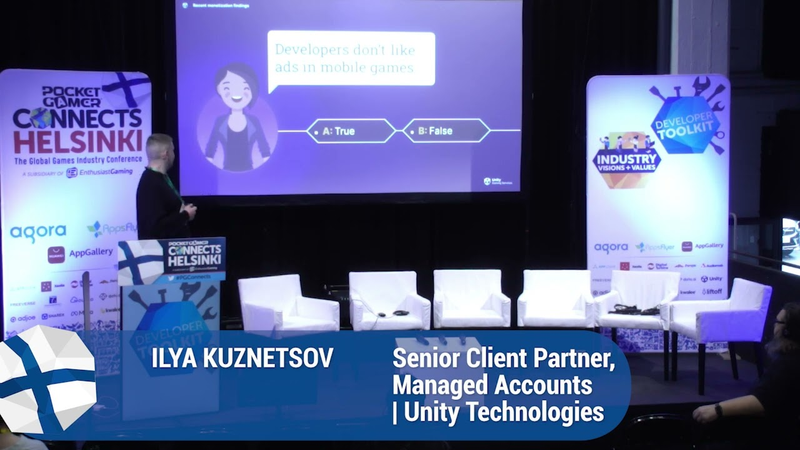
Creating Impactful Player Experiences With Monetisation
Hybrid monetization models that combine in-app purchases with strategic advertising represent a sustainable approach to game development, effectively serving the vast majority of players who do not engage in traditional microtransactions.
- Hybrid monetization models combining in-app purchases with strategic advertising create sustainable revenue streams that support long-term content updates for non-paying players.
- Well-implemented ad formats like rewarded videos and interstitials do not negatively impact player retention and can actually enhance the user experience by providing a democratic path for progression.
- Success requires a data-driven approach that analyzes specific performance metrics including eCPM, ARPDAU, and impressions per daily active user to isolate the causes of revenue fluctuations.

Panel: In-Game Advertising – Learn From the Best
In-game advertising has evolved into a vital, non-intrusive revenue stream that complements traditional monetization models while enhancing player immersion.
- In-game advertising serves as a strategic hedge against revenue volatility caused by tightening privacy regulations and restricted user tracking.
- Successful integration requires blending advertisements into the game environment, such as through billboards or branded assets, to maintain immersion and avoid disrupting the user experience.
- Publishers should shift their performance measurement focus from traditional click-through rates to brand awareness metrics like viewability to better demonstrate the value of native placements.
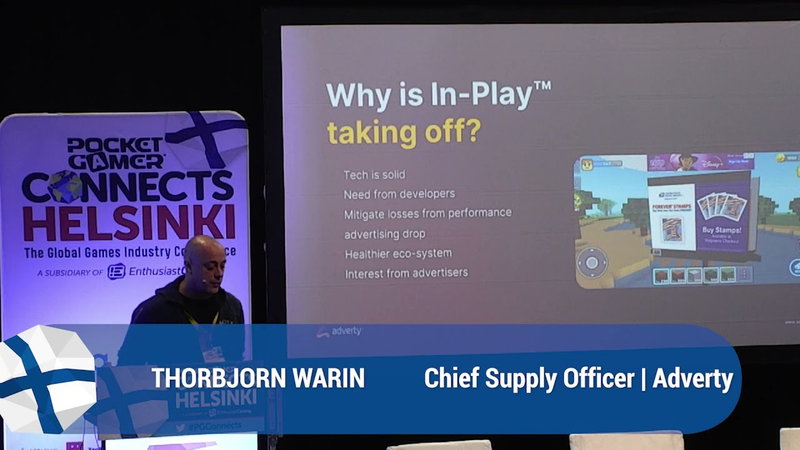
Keynote: Mastering In-game Ads
In-game advertising has emerged as a critical, low-risk monetization strategy that integrates native, non-intrusive placements directly into virtual environments.
- In-game advertising provides an incremental lifetime value increase of 2% to 10% by integrating non-intrusive, native placements into virtual environments.
- The strategy is most effective in 3D, sports, racing, and hyper-casual genres, where ads function as organic elements that enhance rather than disrupt gameplay realism.
- The industry is currently focused on attracting non-gaming brand budgets by positioning in-game placements as a more measurable and effective alternative to traditional out-of-home advertising.
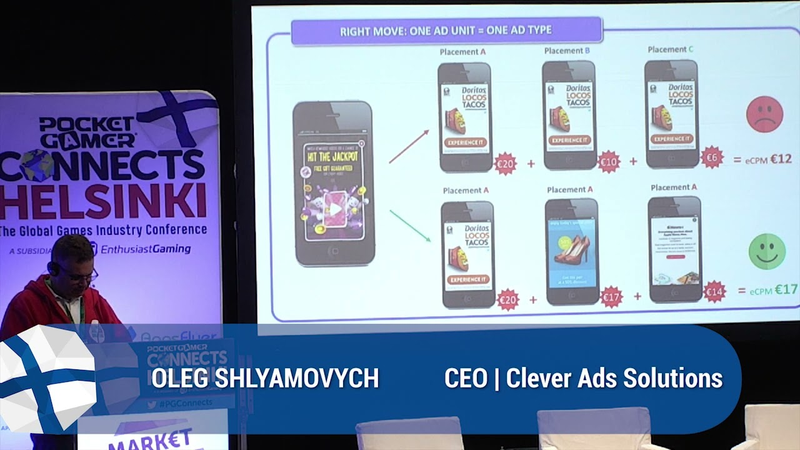
Mobile Ads Monetisation: Stop Shooting Yourself in the Foot
Effective mobile ad monetization requires a strategic balance between internal game design and external revenue management.
- Prioritize Average Daily Revenue per Active User (ADRPU) over isolated metrics like eCPM or fill rates to ensure a holistic view of monetization performance.
- Mitigate eCPM decay by limiting daily impressions per user and diversifying ad networks to prevent revenue drop-offs after consecutive ad views.
- Conduct A/B testing on monetization changes using staged rollouts of at least 2,000 users, focusing on long-term Lifetime Value (LTV) rather than short-term gains.

Adjoe on helping to grow apps through smarter advertisement
The advertising technology company Adjoe focuses on transforming user acquisition and monetization strategies for mobile applications.
- Mobile gaming is shifting away from traditional in-app purchases and intrusive interstitials toward reward-based, personalized advertising models.
- Opt-in rates for personalized ads in gaming have increased by approximately 20 percent despite the removal of identifiers like IDFA.
- Rewarded video and interactive ad formats are driving higher user engagement by providing tangible incentives, such as in-app currency, in exchange for interaction.

TikTok’s Sticky Algorithm Plus Games Equals Success? - The Metacast by Naavik
Activision Blizzard and Ubisoft currently face significant operational hurdles as they navigate internal restructuring and shifting market expectations.
- TikTok is integrating mini-games directly into its ecosystem, utilizing its recommendation algorithm to blur the lines between social interaction and interactive entertainment.
- Google has implemented new policies restricting intrusive, full-screen interstitial ads on the Play Store, forcing a shift in monetization models for the hyper-casual gaming sector.
- Ubisoft is facing investor skepticism and stagnant stock performance, with analysts calling for a comprehensive cultural and portfolio reboot to improve execution.
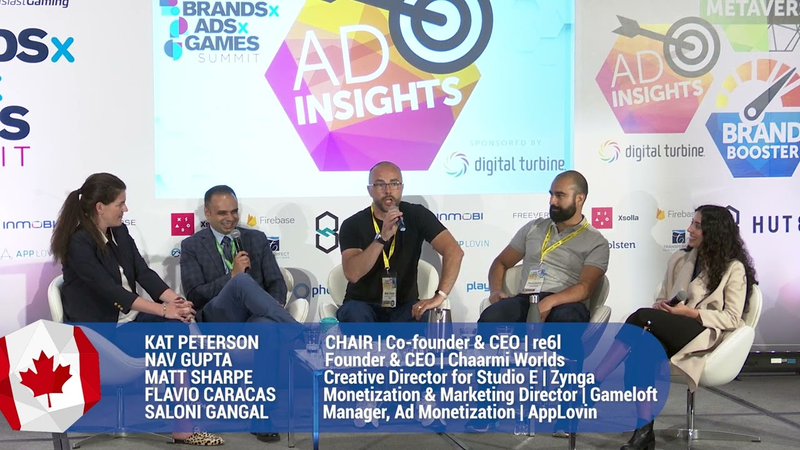
Panel: Why Creating Seamless Ads in Game Is Essential to User Retention
The modern mobile gaming landscape necessitates a fundamental shift from disruptive, intrusive advertising toward seamless, value-driven experiences.
- Mobile game developers must shift from disruptive, push-based advertising to pull-based models like rewarded videos to maintain long-term user retention.
- Advertising should function as a utility for game progression, ensuring that monetization strategies enhance rather than interrupt the player experience.
- To combat user desensitization, developers must prioritize high-quality, immersive ad formats such as playable ads and native brand partnerships that integrate organically into the game world.

Fireside Chat: The Future of Mediation: Created & Run by Publishers
The future of mobile ad mediation is increasingly defined by a shift toward publisher-centric models, as developers seek greater transparency, control, and independence from the traditional black-box solutions that have dominated the market.
- Mobile publishers are shifting away from opaque, black-box mediation toward publisher-centric models that prioritize transparency, control, and data integrity.
- While large studios are building proprietary in-house mediation layers, the broader market is demanding third-party platforms that offer better yield optimization without compromising user retention.
- Mediation platforms are increasingly expected to move beyond simple ad-fill optimization to provide specialized solutions tailored to specific game genres, streaming platforms, and emerging formats like in-game audio.
Superstar Session: Practically Personalized – Building Experiences Beyond Ad Monetization
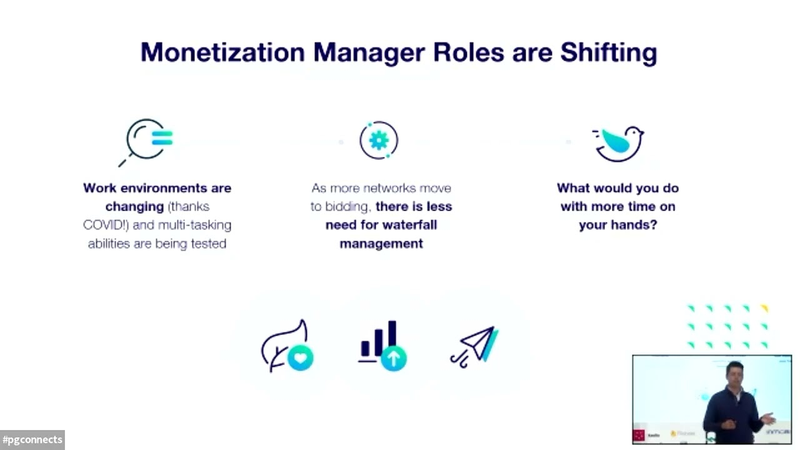
The mobile app monetization landscape is undergoing a significant transition, moving away from manual waterfall management toward automated bidding and personalized user experiences.
- The mobile monetization landscape is shifting from manual waterfall management to automated bidding, requiring growth managers to focus on strategic audience segmentation rather than operational tasks.
- The deprecation of Apple’s Identifier for Advertisers (IDFA) has made the collection of first-party data the primary requirement for maintaining effective ad targeting and user personalization.
- Developers are increasingly using gamification tactics, such as offering in-game currency or ad-free periods, to incentivize users to share the first-party data necessary for segmentation.

The Rapid Evolution of In-App Ad Monetization & What It Means for Publishers
In-app advertising monetization has historically been characterized by opaque, inefficient practices that limit publisher revenue.
- Transitioning to a unified auction model—integrating direct sales, open bidding, and header bidding—can increase publisher revenue by up to 200%.
- Modern monetization strategies are replacing manual ad waterfalls and fragmented mediation with server-side integrations and unified auctions to eliminate revenue leakage and improve transparency.
- Publishers are increasingly prioritizing first-party login data and contextual advertising to maintain high CPMs as third-party cookies decline and privacy regulations tighten.

two & a half gamers session #26 - Unpacking Google ads "disaster", ASA Today's new ad, Google & MAX
Google’s recent implementation of stricter guidelines regarding full-screen interstitial ads marks a pivotal shift for the mobile gaming industry, particularly within the hyper-casual sector.
- The integration of Google AdMob bidding with AppLovin MAX removes the previous three-ad-placement limit, which is expected to increase fill rates and overall ad revenue for publishers.
- Google’s new, stricter guidelines on full-screen interstitial ads are forcing a shift in the hyper-casual sector toward rewarded ad formats to maintain monetization viability.
- Apple’s expansion of advertising into the App Store’s 'Today' tab is viewed with skepticism, as historical data indicates search-based placements often fail to scale complex gaming titles effectively.
Panel:Are Ads the Right Monetization Method for Your Game?
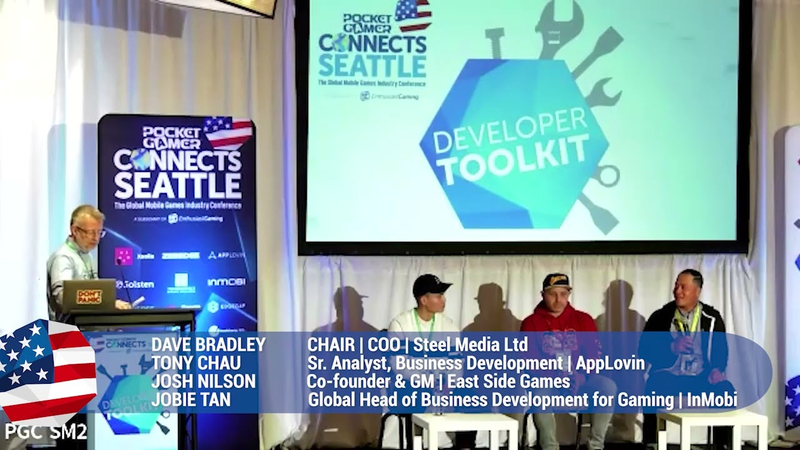
Effective game monetization requires a strategic, integrated approach that treats advertising as a core component of game design rather than an afterthought.
- Integrate advertising into the core game loop during early development rather than treating it as an afterthought to ensure a balanced revenue model.
- Prioritize user-centric ad placements and maintain rigorous brand safety standards by partnering with technology providers that offer full transparency into bidding processes.
- Utilize high-quality, interactive, and context-aware ad creatives to maintain growth despite industry-wide challenges caused by data privacy shifts like IDFA.