VideoDeconstructor of Fun
In-game Ads for Console and PC Games - Opportunity or Threat?
30 May 202261 min video
Transcript
welcome welcome welcome everybody to the deconstructor fun podcast i'm your host mr katkopf and today we're gonna we're having dave madden president of player one former senior vice president of global partnerships at ea joining the podcast to talk about ads in console and pc games dave welcome to the podcast thanks mishka pleasure to be here so so you've done you've done a lot of stuff in in gaming uh and before we jump into the hot topics start talking about sony microsoft both announcing the start of adding ads into their games let's talk a little bit about your yourself uh can you talk can you walk us through of your extensive career in games till the point of of now being a president of player one sure yeah i definitely have um i've been circling around the topic of brands and advertising in video games for for over two decades now and you know it's become a passion project for me to really see it happen
in the right way for the industry but most importantly for for players who um you know really need greater optionality across the spectrum of video games so in the early 2000s i was a founder of a company called wild tangent it was created by a couple of brilliant engineers along with building a game service that we got shipped on every pc out of the factory by all the major manufacturers we ended up with a with an advertising model called brand boost that was essentially the first rewarded ad model in video games and we created that around 2002 or 2003. um we were sued by a patent troll went to the supreme court a couple times um ultimately a couple other companies settled we didn't and what uh what eventually became a brand boost was it became like a default way for players to get virtual currency that we created called wild coins in return for watching uh video ads very popular with gamers um i then worked with
facebook convinced them to allow that type of advertising to run on the on the social games platform i worked with uh devblue facebook 2007-2008 area where they're gonna close down the idea of uh some of the social game companies were doing some pretty aggressive stuff with advertising but i showed her how brands really appreciate it and gamers appreciated rewarded became an ad type on facebook games for a few years but obviously facebook games kind of came and went pretty quickly the social games on facebook exciting uh period of time and then i joined ea in 2011 and really the first project i did with uh together with then ben webley who's now over at scopely and bernard kim who was running uh mobile publishing then is we had burstly built i think what might have been the first rewarded ad in mobile games in like 2011 and the rest is history and mobile gaming obviously uh rewarded advertising is a huge part of the ecosystem but i felt like there
was an opportunity to really play around with the notion and test it even in console games so i did some of that in sports games at ea where we had most of the major sports games work uh tested the idea and had one or two years or more of players choosing to watch video ads deep inside the live service and get free rewards so those tests came and went but it gave me the idea of really starting a company uh with the notion of in console and pc free to play games unlocking the potential for player controlled advertising but i would say um throughout the two decades of work i did a lot of stuff with in-game and around game and partnerships some of the biggest partnerships in video games across you know companies like coke and pepsi and mcdonald's um deep sponsorships and big console games but uh you know i've kind of tried it all over the last 20 years so you're definitely a pioneer in when it comes to ads and partnership and video games i used to really use the
word og but that's not a good word the pioneer is a great word sure and uh first i mean there's a lot of interesting pioneers in companies but i've definitely dabbled in a little bit of everything here yeah yeah and uh and you know pioneers uh land on some minds as well like there's some some challenges you mentioned that uh that that the first ads on console in sports games like like the first ones in fifa and then some other games i remember battlefields had some ads on the background were you working on those so i don't i think that you might be talking about the early massive double fusion days uh i was still i was still a wild tangent back then but i know that there were some tests with like in-game uh billboards that were served into some video games across the industry i'm not sure which games they went into and that that fad kind of came up pretty quickly and died pretty quickly as well for for a lot of good reasons some of it being the software itself
seemed to slow games down and didn't necessarily uh work that well but the other being that you know it's not really clear that players are you know in their world of fiction they all of a sudden want to see a real billboard or banner show up in the middle of a of a game experience in general not you know you can't say that exclusively but you know in certain games like sports games it may make some sense but i think you know that first wave and some of the issues that happened around it um that preceded me in in my move into the uh to electronic arts but i know that uh in general across the industry there's a big excitement i think mike microsoft ended up buying massive actually yeah yeah they did they did i mean yeah the ads definitely fit sports games i mean whenever you watch nfl or anything it's just ads on ads on ads it's everything is presented by somebody other than the uh the nfl or the team yeah in general in sports games like uh it can fit brands can fit in really well
because it's so natural to the environment and it's it mirrors what happens in the real world which players and sports games want to see the real world so the big sports games already work with all the league sponsors and they get the league sponsors involved in the production of the game sometimes it's on billboards and or signage other times it's you know deeper sponsorships like uh we did a really great partnership with coca-cola around fifa where you know they're putting promotion for the game on cans at retail with uh the character alex hunter and then uh coke became like the sponsor of the alex hunter story line in the game which was really cool it's a very deep uh integration but those programs are amazing they take years to develop so they're not you know they're not really turnkey things that scale across a lot of games okay now i have to ask what's the incentive to do these type of deep integrations like is it monetary reason is it um promotional reason or reach reason uh
because coming from uh from a game developers or game studio perspective you know your road map is filled with everything it must be right pretty hard to get that through the road map when there's so many things that are being cut out uh from especially from a console release that is you know it's not it's not up nowadays it is updated back then it was just like shipped yeah the road maps are always super busy and the brands have to make tremendous sense in fact it doesn't make the game better or more realistic it's not going to happen there's not there's not enough money trading hands between the brands you know in their sponsorship of the games for the developers to want to do the work but if you think of a brand like a gatorade which you know in the real world the gatorade gets used during the during the game and the coach gets stunked after the game so that kind of brand works really well into you know sports video games where they're you know a sponsor already but the one of the big drivers of the deeper
integrations and partnerships is the retail co promotion and the ability to put codes on pack so like the coke example i mentioned and you know you're probably familiar with the uh doritos mountain dew power of one promotion with call of duty and other uh game we had it with titanfall for one year as well you know there's a lot of game codes that get put on products that players then can unlock unique content in the game and so the usually the consumer products company will do a big promotion maybe create some commercials to promote the partnership and from a game developer's point of view that that's really powerful from the marketing team's point of view as well so it's really a true partnership but those are far and few and they're hard to do and super exciting but at the end of the day what players get out of those promotions is they get a code to unlock some valuable in-game content and and that's you know the light bulb kind of went off for me in my head when i was like okay i've done a bunch of these programs they take you know 18 months or more to
negotiate you have to get a lot of lawyers involved and then you're making a commitment uh you know to be on pack with them and so you have to hit certain deadlines which is really tough for for game developers to commit to deadlines so um that was the genesis for player one right there in a nutshell was hey wait a minute i i can put you know a billion codes on on cans of retail around the world or i can give players essentially the exact same opportunity in the game dynamically by letting them unlock valuable in-game content without having to go down to a store buy a can crack the lid put a code into a website what if it just happens you know auto dynamically while i'm playing the game and i get the reward immediately and so that was that's really the genesis for player one was the idea that there's a better way for games to give content to their players and reward them and a better way for brands to play a role in that without you know having to be like a needle in a haystack situation
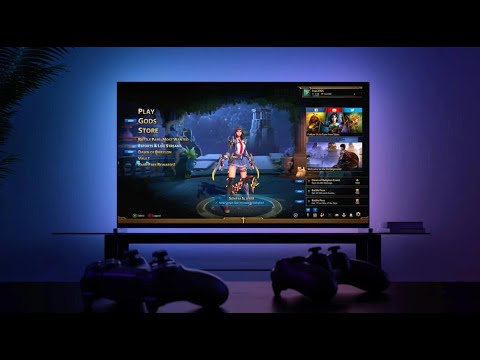
um so okay well let's jump into the the most relevant part of it why is microsoft and sony suddenly at the same time essentially announcing that that they are moving or that they're adding ads into their games they have not given any details but you know one could assume that they will be rewarded videos uh that's that's usually probably the the most um best performance i'm not aware that sony microsoft has said anything um topic yeah i haven't seen any any commentary from them i've seen other um people suggesting that things are happening uh there was an event in new york called the play fronts which uh player one was one of the companies that presented at it along with a lot of other game companies it seems like out of that um you know some rumors swirled after that from an article or two that was written on the play fronts but personally i'm not i'm not aware of either
of the platforms specifically uh responding or talking about it so uh but but in terms of whether it makes sense or not the answer is clearly there's um a big opportunity as more and more games go into cloud services and more free to play gaming happens there's got to be optionality for players coming down the the road that allows them to get their hands on more game content without having to you know spend either you know 75 or more to get the full game or in a free-to-play or cloud environment you know pay either a monthly fee or buy battle passes in order to get their hands on on all the content yeah oh no i mean you're you're not maybe you're 100 right that they haven't said it i just remember going through those articles and assuming that that they came in from from the companies themselves because i i vividly remember this is
which might not be true because because my memory is what it is but i remember that the cheapest tier of was it xbox subscription that is being planned that it has an ad element to it and that's why it's cheaper because there's going to be ads in the uh in the games i might be totally wrong this is just something that i remember yeah sounds sounds like it makes sense i'm just not aware of any official um you know i think there's a lot of speculation um also given you know what's happening in the in the video space with hbo max coming out with ad support netflix now supposedly going to have ad support by the end of the year the dramatic success for services like hulu and paramount plus and peacock where they are seeing a large percent of their users come in through the lower priced or free ad supported tiers and then you've got services like spotify where over 70 percent of the spotify users are on the free
version so when you let consumers and gamers in this case vote with their wallet you know that a lot of them are going to opt for lower priced or even free options and so you know if you're running a subscription service or free to play game you really want to cast the widest net possible and then convert you know consumers and players into spenders whether that's buying individual items season passes um or subscription to a monthly service the more people you can get into to sample it taste it and enjoy it the better off the business model is going to be and the competitive moat you create against other companies as well so you know that's really what happened to netflix is they realized we're slowing down on growth there's new competition and competitions coming in at lower prices and they're doing it through you know it's at the end of the play you know user choice yeah yeah that's actually i had to check out i opened i
put it into google search and and literally like playstation xbox could add even more ads microsoft and sony considering in-game ads like this is fox bit fox business surprise uh techcrunch we got forbes we got the verge so yeah so pretty credible sources are all saying uh ads of the world are all saying that that ads are coming or they're being planned it's reportedly so yes you're correct the xbox only have that itself stated this but it seems to um seems to be something that uh that is going to happen i mean these are quite credible sources in everybody microsoft microsoft bought zander you know from att a year or two ago and that's a huge programmatic ad platform so they've obviously got the plumbing in place or they're building the plumbing to make it a possibility but uh you know i'm not aware of any
official uh you know official announcements got it and and it didn't make sense because as you said um there's a platform war going on between between several parties not only sony and microsoft but amazon is definitely there um you know i don't know if nintendo is that big of a player it is it's it has its own fan base in its own niche but it's not you know competitive against it's more like a add-on product like people who buy nintendo won't buy nintendo and xbox as well anyway uh platform wars going on uh they want the subscriptions in they want to have as many players as possible but having that steep price of you know 10 15 they have to be pushing that price up as the time goes on having an ad supported subscription just like netflix will be having means that you can have a wider audience at a different price point but you're not still losing players and that's probably the hardest thing in the subscription model is to create different price points
because essentially everybody's getting the same amount uh so so you know something has to give and then this is apparently it would make sense it's gonna be it's gonna be an interesting time uh obviously it's a sensitive topic people have uh you know in the gaming press in particular have very strong feelings and opinions about the you know sort of the sanctity of the the the video game or the triple a gaming space you know we've taken approach with player one that was really to go in through free-to-play gaming and you know i looked at frankly when i was kind of surprised the how mobile uh game advertising evolved so quickly to be a acquisition model for essentially arbitraging your users to uh you know make getting some money from the non-spending or from your player base to then spend on marketing and other games to get people into your game and you know i
definitely saw the origins of it and thought it was really interesting i mean the studios originally came to us at ea but other studios at other companies said hey do you guys want a trade audience and um and then pretty quickly companies like ad colony stepped into the void and said hey i can make that trading a lot easier you guys can do it all through an auction model you know in in my system and so you saw the the quick expansion in in mobile in-game advertising to companies like iron source and ad colony and other now unity obviously and others in in the aaa hd space which is you know generally console pc it's it's been uh significantly more challenging to have that conversation with developers and get the idea up and running just because of the you know the the general palette is very different and there there isn't really there's not an app install model this is brands coming uh to big screen video gaming trying to reach the young you know 16 to 34 year old audience that
doesn't watch tv anymore so there's a tremendous you know advertiser demand that in the us alone it's you know an 82 billion dollar year connected tv linear tv advertising model and these are you know brands that are spending anywhere from a quarter million to two and a half million dollars making their creative and they're not necessarily looking for a click-through they're they're hoping to reach an audience that is forming their buying behavior habits and convince them to to think about using their products or going to their stores and so it's really the same stuff that you see on you know that we're working with brands that you see during the super bowl those types of ads as opposed to you know an app install ad for another video game branded as is something that that has been talked about in in games forever uh not in games sorry in mobile games there are always been talk like brands are coming brands are coming in and brands never really came in in the same
in the same extent because as you said the biggest buck can be made through insole arbitrage so what i'm what i'm asking here is how long will it take before you know assuming that that console and pc games are gonna the free to play console and pc games are gonna get integrated with ads everybody will have branded ads but at some point um the cpms and the ecpms of showing bran of showing ads for other games will be just so um lucrative that that that will be a big part of the inventory do you think that will happen so do you think that same same type of way will happen on on console as it did on mobile i'm not i'm not sure it's going to you know the thing that's unique about mobile is the fingerprinting and the amount of data that the ad platform sdks knew about the users and were able to do that very targeted you know app install advertising the
i don't expect that to ever be similar in the console pc free to play space or not anytime soon the other thing is if you're a brand and you want to reach a gamer on a mobile device you can do that on tic tac or snap tick tock or snapchat you don't need to go into a mobile video game to reach a mobile video game player all that data sits in other platforms and they know they can reach them with a maybe a better ad experience and and maybe not competing with game install advertising on the cpm basis so there's there's plenty of other ways to reach them and and frankly maybe easier ways to do it when you get to the the big screen which we're talking television and pc tv advertising dollars and as i mentioned it's a huge you know 80 plus billion dollar a year business in the us a lot of it bought you know by ad agencies in upfront marketplaces and then the rest place throughout the year and scatter and that's where the parent company of
player one is called simulmedia it's a very big player in that in that tv advertising ecosystem we know that the brands are are desperate to reach 18 16 to 34 year olds they are almost unreachable on a big screen tv today because they're not watching you know the cable tv systems that we grew up with or i grew up with they're not watching ad-supported tv they're watching streaming services some of those may be ad supported but a full third of the gamers playing free-to-play console pc games don't watch any tv at all they don't even have a tv service so so it's really uh very difficult for a brand that wants to not on a small screen but on a big screen tell a story sight sound in motion video high production storytelling that leads to awareness and purchase intent very difficult to do against the gaming audience today worldwide but but you know the if you use the us as a proxy
for it the most advanced ad market there's a lot of money waiting to get to the video game audience but but if you can't just you know it's not it's not a simple equation what i'm strongly suggesting in our approach with player one is it's player control it's not something that just shows up on the screen or interrupts you yeah so okay so let's take out let's zoom out a little bit and talk about symbol media and player one uh so can you talk can you a little bit explain what is simulmedia and player one has spun off as its own company two years ago so what is player what is simon media what is player one what was the market opportunity that the parent company saw to spun off player one and um and why did it spun off a different entity yeah so i had been approaching the the founder of simon media dave morgan for a couple years saying hey there's this look at fortnite
every you know i watched my own kids like they stopped doing everything and started playing fortnite and i was like okay this is a free to play model and i surveyed the kids in my i'd have 17 kids in my in my den playing fortnite all week and i said hey if i could get you a free skin for watching a 15 or 30 second movie trailer would you do it and they were like 100 percent of course we would so so um when i was when we were playing around with some rewarded um ads in console at ea i had simul media which is an advanced tv uh platform that started by dave morgan to come in and help us bring in tv quality advertising because the problem with you know doing any sort of um in-game advertising is going to be the quality of the the brand fill and the consistency of it and so uh dave and i decided hey you know really the marketplace is much bigger in the free-to-play world and so we decided to launch uh player one inside of simul
media and simul media basically gives us a guaranteed flow of high quality brand tv dollars that are thirsty for this younger audience and a lot of the technology plumbing that was needed to get player 1 up and running player 1 is a subsidiary of of simul media and so the you know essentially the ad sales in the us war player one comes all through through simul media the the um impetus to star player one was really looking at the growth of free to play and knowing that i'm not very different than mobile the majority players aren't spending money yet they want to get their hands on all that extra content that's been created by these live service teams and is being consumed you know in a variety of ways but you know the the biggest way is by people spending money to get it uh and knowing that the players uh covet all this content and thinking okay there's got to be a better way to provide more optionality across these games and do it in a way that's
looks really good and feels really good to the player most importantly and um that's not only the experience of having you know like sort of total control over choosing whether or not to watch a video to earn in-game rewards but it's also from a developer standpoint is this going to be you know consistent with their their quality of experience is going to help them retain and engage players and then you know as a side benefit it may create a new revenue stream but really the most important aspect of of creating player one was around um this helps engagement helps drive players back to the game to get uh deeper into the live service and you know we've actually done research that shows the players that are getting free stuff end up spending more money in the games too so um okay well a few questions regarding that so it makes sense cyber media has all the brand contracts essentially so for them it's just they're offering a new vertical a new way to reach a certain audience the way you describe it sounds like a ufc audience 16 to 34 male
that's that's pretty much um i would say ultimately it'll be broader than that but but the majority of games were in that's you know right now the in the kind of battle royale first first and third party shooters it tends to be younger male uh gamers yeah today yeah yeah and um a few questions regarding that how easy it is to deal with these so let's just go one by one how easy it is to make a deal with a developer because on mobile it's um you don't even make deals like it's just integrate the uh the sdk or the apk and the sdk or and that's pretty much it uh you're up and running and you put in a couple of different of these mediation and um and add um add partners in into your game and just create a waterfall between them and just start optimizing but in this case it probably requires a little bit of work to get them on the side of actually having ads in their game yeah that's without a doubt is the
hardest uh part of the conversation is is in fact i have we have a very large game going live uh in a couple weeks and my first meeting with the executive overseeing it he's you know i got into video games because i hate advertising and i said i was like yeah you know i hate advertising too like i was so excited when you know the tivo came out and you could skip commercials because it was just abusive but this isn't really advertising this is like dynamic sponsorship it's the same notion from a player's point of view they feel like the brands are giving them something of tremendous value so they don't see it you know as necessarily advertised they see it as like a new reward system in the game so that's definitely the hardest part is is getting developers comfortable with with that notion and then they want to see you know the data and understand you know what it what it means for their their players journey in the game and that's without a doubt the most important thing so like our our engineering team that's building the player one api and then eventually sdks they all came from game development backgrounds like we're not an ad tech
company it's it's everything's built with the player in mind and that's why we actually named the player w-o-n was for the to really be clear like this is all about the benefit for the player and if the player wins then the developer gets greater engagement retention so the developer wins you know more more more play more pay as they say and then you know advertisers in general understand that gaming is really sensitive interactive emotional experience and they don't want to be a bad actor in general certainly not in in these big screen games that really buy into this notion of being a benevolent sponsor and helping players get deeper into the game so um you know from from that standpoint uh the conversations have gotten a lot easier as we've had more and more games out there and people can see what it what it's doing i would also say this that the market in general tends to be heading in this direction as there are more and more free-to-play games with
larger audiences uh developers realize that they need optionality for their players and that this is this is a way to help them not only monetize you know instead of five percent or 10 or less of the players but actually um help the players get deep more deeply into the game without forcing them to have to buy all the items and and boost some power ups and things got it so as always like selling multiple different things which is you know the same thing has happened in mobile over the years and social or canvas as well is you it will help you to monetize those who are not paying it will help you to retain players because they'll be more engaged it will be safe it won't crash your game where you have a good tech team the sdk or the api is going to be you know good upper also important part and players don't hate it that's usually the research that you need and and um there's there's a lot of elements but i've actually i've gone through this so many times over the years where you're
trying to convince a game team to put in some ads in the game uh and it's hard especially the bigger the game the harder it gets because the bigger the game the more money they're making through the other channels and they will say i don't need this i don't need this i i'm like this is gonna make five to ten percent of my rev not even five ten it was gonna be two percent to maybe five percent i would spend the same amount of time on it on adding more content and that will give me better roi than than this do you do you face those type of communications yeah the the roi is pretty pretty great so you know we're getting tv campaigns at tv tv cpm so cost per thousand uh and it equates to uh in the us around uh four cents per completed video view which is we see 97 of the players who start to watch a video complete it so they really want to get the rewards and you know that equates to you know essentially a four cents uh total value in the us right now and that i think
that'll go up as we scale the network and you know the average player will watch seven ads or more per per day they're playing a couple hour game session it tends to happen from the menu screen in the game it's not happening during game play you know it's while they're setting up their team while they're killing time there's actually a lot of downtime in in these games and so uh players actually will use that down time to to earn some free rewards the games are starting to do some really cool stuff with like ad tracks where you know after you bundle and watch a certain amount of ads you get sort of a mega reward that can be super valuable so they're gamifying the experience and making it really uh compelling and you know kind of creating a surprise and delight mechanic for the players so it becomes part of the gamification experience for the player but if you don't want to watch an ad you just never see it you know it's there's there may be a mention in the menu screen in the game or something that's telling you you know where uh where you can get your reward and what your reward might be but uh but there's no there's no reason
you don't have to do it so it's really only the players that want to do it and what we've seen on like on reddit and discord is uh the players have been overwhelmingly positive in fact you know some early negative comments when before a game typically is launched but they put in their developer notes you'll get a couple players coming in saying oh they're turning this game into a crappy mobile game and what happens is the other players compiling on top and go wait a minute i'm getting free stuff man don't you know if you don't like it go away and and then over time people start talking you know about the players start talking about what what kind of rewards they're getting and and you know how to how to trying to beat that system and so it really becomes really fun part of the overall experience i think for players and so i i wouldn't be i mean i remember the first days of putting ads into the uh mobile games at ea but industry-wide it wasn't like developers embraced it in general it was like it was almost a necessary evil because games weren't monetizing as well as people wanted them to and but now you look at the sophisticated mobile developers like
zynga where they really have built a science around you know and others and how they integrate the advertising in and make it part of the game you know core loop and mechanic and and um you know from the from the design phase of the game we're not there yet on the triple a console free to play but i wouldn't be shocked if in a year or two this this moves pretty quickly maybe not as quick as it moved in mobile but it's going to move pretty quickly um what kind of uh do you up like does player one offer any kind of segmentation tools when it comes to these ads so um meaning do does everybody see the ads in certain geo or or how how is that throttled or are they shown yeah so we're not monetizing etc yeah so we definitely give the tools to the developer we actually built a whole developer portal they get to see the creative before it ever runs they approve the creative they have control over the creative so to some extent the developers really running the ad system
themselves and we're providing you know the inventory for them we provide the technology the api and we manage it all from the cloud but really develop the developer is in complete control of the location the type of rewards the frequency which ads they want to approve which ones they don't we see developers now running a lot of house ads as well promo so you know if you're watching the super bowl great example about a third of the ads that cbs ran during the super bowl were promos for their upcoming shows that were about to hit you know hit the new season we're finding the developers are really enjoying using this this video palette that their players are choosing to engage with to promote season passes updates other games in their in their in their development studios things of that nature so um it's starting to look like a more sophisticated uh approach and then ultimately we'll have more micro segmentation as a network scales and you know we are building the mediation layer and all that kind of stuff but right now it's you know it's pretty pretty much uh
player sorry rather developer control over the system and how do you find these developers um but yeah yeah well you know what i'm so happy that uh the industry shows are back on because we launched player one during covet and all the meetings were over first of all the outreach was like over linkedin and through uh you know contacts that i've built up over the years but going back to dice and then gdc and then games beat in la it's just been wonderful to you know to actually see people in person and be like hey do you guys want to check this out and just sit down for two seconds on an ipad and show them and they're like oh wow i didn't realize that's what you're doing i'm like yeah that's what i've been reaching out to you for you know for 12 months on like oh yeah let's get a meeting this is really cool let me bring it to my development team and so um you know it's a trust it's a trust model to start i think over time this will be an industry norm but there's also a lot of other stuff going on that that you know there's a lot of hype around this these
in-game billboards and other things so you know getting you know creating a little bit of distance and clarity from from that model has been super important for us too okay so so shows ads you know the personal contacts that i mean though those are probably the most important deconstructor fun man can i do a do a little uh pr i mean being a sponsor deconstructs deconstructor fund was uh really has been really positive for us so we've gotten great great great leads and i'll be happy to you know um tell you more about it later but we've gotten some great leads from your podcast so you guys clearly have uh you know industry leaders and people that are developing and designing games and game business models listening in we've gotten a number of good good partners through that awesome that will be then the the business case actually i i did talk to one you know advising one of aaa developer uh on a certain project for for a good amount of time and we're talking about you know going through business model discussion and so forth
and it's like well there's an opportunity to do ads and they're like yeah yeah we know all about player one like system i wouldn't call them system integrators but there's a bunch of live service companies popping up that um that have taken an interest in what we're doing so they're adding us into their essentially into their menu of options when they're providing a live service analytics platform or development platform for for uh big developers they're actually you know building us into that as well so we've actually picked up like an extended um sales force from the standpoint of everybody kind of sees and goes the light bulb goes off oh well that that seems pretty great i mean player control and you know more engagement more money and and uh sure we'd love to help you guys do this we believe in it so it's been
really positive to see the you know uptake from uh you know people that are very deep into the game industry and understand where the economies are going yeah i mean this is a part of discussion when the game project goes into a phase where you're actually projecting revenue for the executive meeting and you're seeing your payback returns you'd be like uh what are the other ways we can do that we already added the battle passes and we're already projecting this and that and i'm like well the uh the return investment improved slightly if we had ads okay let's do that what else we can do so it's kind of part of the arsenal and that's that's good it just makes it uh just you just have more more opportunities to monetize anyway i wanted to ask like what kind of a developers are you looking for are you looking for big ones like the fortnites that will make the bank or are you more looking for pretty much everybody so that you can you can have as big of a reach as possible or like what's what's the uh what's the approach yeah our um so far we started out with some some
pretty you know we're in a number of top 25 uh free-to-play games on uh you know xbox playstation and pc and we've got some longer tail games as well and we've got some pretty big ones coming on board so it's really a mix we're building a network of games and that will um to your earlier point that will start to broaden the demographic a little bit as well um i think you know their uh the initial games coming on board tend to be battle royale and third-party shooters and things but but over time i expect to have a pretty large library of games and then you know for four brands and you can start to segment the audience into you know targets that they want to reach but ultimately uh obviously the biggest games drive the biggest brand awareness so so advertisers you know at tv scale they like to buy on an efficiency basis so they spend millions of dollars a month or tens of millions of dollars a month through simon media and so you know when they deploy money they prefer to deploy it right now we're
really working with test budgets and early early partners but ultimately to unlock the tv marketplace you know you really need to be able to deploy you know hundreds of thousands if not millions of dollars a month for a brand because that's how their ad agency models are built for efficiency got it and uh what does the inventory tend to look like at the moment like is it is it global is it more for tier one countries um how does it how does it look like yeah so these games go live globally um the uh that we're really focused we've got partners in in the key global markets latin america canada western europe uh korea japan and then in the second tier third tier countries um you know over time we expect to be able to bring in more of like a a programmatic model but right now that you know we're really trying to be um you know very uh controlling over what the quality of the
ads and what type of advertising come in and we don't think that the programmatic marketplace is up to scale for that yet so we're working with managed campaigns in those markets and then we recommend that the developer give players in the second tier third tier countries the ability to earn rewards as well but use primarily use um you know cross-promotional ads in those markets as those markets develop from an advertising standpoint we'll add them on and you know but there may be some markets where just the juice isn't there's not enough juice in the squeeze it's not maybe worth just not strong ad markets that might have a decent pc player base or something like that and that probably if you know affects a little bit and what kind of uh what kind of partners what kind of a games you're looking for they have to have to be essentially have meaningful certain type of audience in certain type of countries correct like you wouldn't want a game that is massive in thailand correct and that's why like con you know console
pc cross platforms great because the console markets in general tend to be you know the 13 or 15 countries and then uh you know but but we are you know we are broadening we've got some pc only games as well and um uh i think over time it'll work you know in every every major market but but we're you know we're sort of we're pretty early in on this so we're not creating expectations you know that we can monetize thailand or um you know pick pick any you know an eastern european country where there's a lot of players but not a lot of bad budgets in the market yeah yeah yeah that makes sense um then what what are the sort of games that tend to work best with player one like do you have specific genres um based on the type of audience you're looking for like 16 to 34 that yeah definitely leans towards shooters and racing uh sports yeah racing shooters um i i think the audience will broaden in 16-34 could
be 16 to 48. there's obviously huge audiences younger than that on roblox and minecraft i think those are really super exciting platforms um but but you know there's not necessarily tremendous amount of tv dollars chasing that you know those younger audiences and there's a lot of um you know copa and compliance issues there so i we're not really focused on that um today but but i you know the there's there are massive audiences you know across all ages and obviously when you get to mobile gaming you really get the more casual older female audience uh in games like candy crusher just ginormous but but right now the sweet spot tends to be um you know in that in that more action uh dynamic moba battle royale sports area racing you name it and um and i think uh you know that will there's so much opportunity there just such huge audiences you look at you know
games like fortnite and warzone and and pubg and and apex legends you go with you know like if you take any one of those games their audience on a daily basis is bigger than any tv network in the us for reaching that younger demographic i mean just like the dwarf 10x 20x the size of what nbc is going to reach on any given day before that for that demo that's why brands are so excited about this and um but but to our earlier uh conversation it doesn't make any sense if the players don't appreciate it it's just you know just a recipe for disasters you have to really get get the experience right first and make sure the players love it and are asking for it and i see that you know kind of we see that right now like if you're a player in pick france maybe we have a game that hasn't gone it's live in the us but not live player one's live in the game in the us but not in france and the players in france are complaining i want to get player one i want to get free stuff and so um i think players can start
demanding this of their free to play games as an optionality choice and um and when you do that then it really makes it possible to broaden the the classes of games as well yeah that's something that we've seen in mobile as well like like players in tier two tier three countries if you don't have inventory there tend to complain as well as players who who are not shown ads because they are deemed as you know if they are monetizing and you don't want to show them ads because normally the ads that we show are from other games then then they are also pissed off or sent they actually send just customer tickets uh the the uh the tickets to the customer support of like i'm not seeing ads anymore what's happening like something something went wrong and i'm not getting my free jams from from from the ads like well something happened you paid 50 bucks that's that's what happened yeah and i don't think developers want to see ads for other competitive games in their games in the in this you know win or take all free to play space so i so i think that's the
importance of really having a brand uh marketer model as opposed to you know uh app install competitive game model which for whatever reason it seemed to work in mobile but is definitely not not the approach that work we think there's enough massive budgets worldwide and brands desperate to reach the gaming audience that this this has legs to it on its own without having to bring in a lot of uh game advertising the way mo the mobile industry has had to do it and in terms of like direct monetization you mentioned four cents uh but but in terms of like uh like let's say arp mal like what kind of a numbers uh are developers looking at you know assuming that they have we tend to very healthy tier one audience yeah so we kind of look at arp dow so um we base everything on a dau model um and then i don't know exactly how they end up you know weaving that back into their their models but but you know in the us we can
on on average we'll have a player watching as i mentioned around seven ads per day of the play of the cohort that chooses to watch out so i should be clear not a hundred percent of the players choose to watch ads every day it's it's a decent you know double digit figure but we see that's like a real opportunity and the hardest part of the of the business is um really becoming part of the live service mentality at the games and having them weave it in into the you know the valuable rewards and the gamification of it all but when you do that you know in like so i'll just use the us as the proxy seven ads times you know four cents that's that's you know sort of the ad arp dow gross and then there's um you know the majority of it goes to the game developers so it can be pretty meaningful money on a daily basis against the cohort that's choosing to engage with ads and then then the the hard work is around getting that uh percentage up to the majority of the players over time and that's you know that's what we're aiming for and you think that's um will help support game economies in a
way that's really healthy and and you know even like we recommend developers show spenders and non-spenders the same opportunity and that's what they're doing so far because it's actually led to deeper you know deeper spending and re-engaged vendors in the games yeah of course i mean of course it happens by being done quite a lot so happens when they get a little drip and they get closer to a certain purchase that they want to make and that drip comes from a premium currency and then they tend up to to convert because they're closer to it and um yeah just normal human behavior still tends to be like that um is it difficult to to so you said you have an api at the moment and it will turn into an sdk at some point and it's easy to implement you have like your internal team i'm asking this because uh back in the days and i'm kind of like pushing this back when i was integrating first-time ads into in into a mobile game that was like 2012 2013 and we had
like if if an sdk caused an issue where the game was down for a while and these games made a lot of money then that is right they went out forever i mean they had to come they have to fly from the us and and bow and ask for forgiveness and promise eternal love in order to get the sdk back into the game but um but like what's what's uh how difficult it is to uh to integrate one of those that you have so i know those i know those uh mobile sdk days very well myself i had some you know late night phone calls um particularly around bad ads and you couldn't figure out what ad network they came from which is the whole thing we're trying to avoid in this very pristine model which is only good ads coming through and the games that i was putting them in had had a big audience so that was exactly of course it depends on the game but those are like tier one games yeah right and you don't want bad ads and the whole and the thing uh yes so 100 so we we built an api we will have an sdk for
um unity and unreal but the developer k is you know is coding it into their own game the only um real challenges of it you know sometimes there's proprietary engines that can be you know several year or many years old that don't have a video player so then you know that's uh all modern game engines come with a video player so it just works um but if you don't have a video player then there's there is some work in you know encoding in a video player capability into the experience but that's that seems to be the biggest challenge i would say the work has not been around integrating uh the api or or going live with it it's the work is much more around the ux ui what is that how do you make it a great player experience how do you make it part of the flow of the game not something that seems out of place or is jarring and then how do you uh create the reward model that is conducive to driving you know reducing churn driving engagement and and making people feel really good about donating
15 or 30 seconds of their time because that's at the end of the day the players going to make a calculation like that 15 seconds was worth it or it wasn't worth it if it's not worth it they're not going to come back and do it again and so i'd say that's where you know getting that mix right is is definitely the most uh where the most work is right now and we've got a live service team we've got a developer success team we've got you know game engineers to help you know work through all the other stuff yeah that's a that's a that's actually a good call i remember like again back back back in the days uh the game lead on uh on heyday which was one of the uh the biggest farming games um they had a very had a movie they had like a movie theater right wasn't it yeah yeah so the interesting part is that the uh the gaming kind of put in a challenge for the designer for the team of like i know everybody hates ads but what would the best in class like let's show everybody how do you do like how you do ads and let's make the coolest thing that is most most integrated and the way they construct it
is two ways like back then banner ads was a thing as well uh so there was like this uh in-game uh auction place so they would put in ads also as a part of the in-game auction place there would be potatoes and wheat and like suddenly an ad for a different game and then so forth i as you're scrolling through um through the newspaper paper and those were uh customer officials uh and i mean they got insane amount of views just because it's something that you do in the game all the time uh and the second part was yes the movie ticket and the way they did it also was well first of all a movie which makes sense uh and because it's hard to show a video out otherwise but secondly was that the ticket was hidden somewhere on the on the level so you found the movie ticket like yes right i found the ticket and now you get to watch an ad surprise so so it was it was done by the player it was initiated by the player but it was a positive feeling because you found the ticket you found the ad right instead of
being pushed or even asked whether you want to watch it or not so so that was uh like a brilliant way to to do it and yes they monetized incredibly well back in the days uh so so that that was uh that was pretty click killer yeah i remember that i remember that and hey there was you guys were early and brilliant on it and uh clearly people are gaming because they they like the challenge of gaming the experience and so you want the you don't want to create something in the game that just sort of is static and generic and the same thing over and over again it gets boring i mean people want to have the same surprise and delight that they get from finishing a level or beating a boss and they want to get the same experience in the reward mechanic too yeah that was that's that's just uh i i always remember that approach of of kind of like challenging the team instead of uh forcing them to do something that they don't want to just challenge them let's do something crazy let's have fun right so that's uh that's that's the part um yeah
i've asked a lot of questions what happens is really fun what haven't i you know asked about about ads and pc and console i assume you're doing pc and console right pc and console yeah okay so even that question was was asked now um yeah did i did i forget to ask something that i should be asking about um games about ads and you know in sort of triple yeah i think i think i mean i think the games are uh you should not say you should ask me anything but i will suggest i think games are obviously going clearly completely cross-platform and you know with this weekend all i've yet to be able to successfully get on the um fortnite on xbox um cloud service just kind of spins but but the idea that you can play a game on any device really makes this compelling for brands and um and so yeah i think this will end up uh player one will end up across platform on mobile devices on uh direct-to-tv
sets don't have a con you know a game um console hooked up to them i mean ultimately this is just a technique to get players more engaged and feel better about the game economy and get to get access to uh content not have to depend on whales for you know complete success which you know was part of the issue with i think mobile gaming and ultimately um we see player one you know brands giving us the the rights to say hey just help us run the most effective campaign across all these devices at once and you know start to manage it to success on the you know by platform through your your cloud-based and machine learned ai system which is what we built but right now we're really focused on console and pc because that's you know the early learnings for brands is you know we're getting big screen budgets so we've got to put it on a big screen that's well there you have it everybody who's listening if you have a pc or console game is free to play
this is the way to add a nice little uh buffer into your into your budgets to keep on developing stuff because you can start monetizing audience that is traditionally not paying and the best thing is you're not losing that audience because you're not showing ads of other games you're showing brand ads and and though and you know player one can actually bring the brand ads because you're part of simo media so so that's a that's a good that's a good um good offering uh excited to to hear the the new games that will be coming out with with your admonization system and very excited to see how this evolves whether it will be similar than the evolution of mobile gaming or whether it be totally different and more like evolution of interactive ads in interactive media type of type of experience so so thank you dave for for joining and then kind of like opening up the books on this sort of a new industry uh do you have any competitors like are you the only player in the uh in the in the sphere or there's more coming in i mean there's a ton of excitement around uh the dynamic
background billboard space right now and there's i think i'm counting like 15 companies that are all you know getting funded and chasing that um i i think the jury's out on on exactly how much brands are going to enjoy that experience so uh i think that's for most other companies energies are focused right now frankly yeah that's bs that's banner as let's get out of here like i mean you've been banned around before like it's uh it sounds well you get a lot of volume but you don't get a lot of action so that's uh i can tell that already i've seen it over the last seven eight years now the the rewarded video is is where it's at it has to be a moment player chooses it they watch a video there's call to action or just uh you know they can be a call to action because if that's actually interesting if you're if like i'm playing mainly a triple a like i'm playing on on ipad sometimes and on pc yeah but i would have my phone free
when i let's let's say about tft on on ipad so if there's a call to action i can actually do that call to action of a brand you know if it's a correct nightmare whatever by just phoning it in just opening up my phone and then and uh and we are doing we're doing campaigns with qr codes right now and the response rates have been really great yeah exactly players will have their phone there and they'll just scan the scan it and keep playing yes yeah because you have another screen right next to you that's actually i didn't think about it but yes you could yeah it's like it's like watching netflix you can do two things at the same time we actually do our player surveys to get player satisfaction so we're very we stay very close to the how players feel about what we're doing and do they feel like the rewards are valuable enough and we just pop a survey into the into the player one container with a qr code and we'll get you know we'll get 2 500 respondents within a couple hours on a survey telling us exactly how they feel about the rewards we actually do brand lift surveys for the advertisers
as well yeah and so you know we've seen like um uh like a quick serve restaurant brand saw a 300 percent increase in purchase intent and we just sell to that live and well people you know as they were playing the game they answered the survey yeah i heard of this one i haven't heard of that one i'll go to this one not go to that one and and we you know it's really it's very powerful medium interactive i mean people's hands on the controller right let me do anything in you know while i'm in the lobby like i mean we i'm waiting to be mad like that those are the games like of course i'll watch three videos while i'm you know because i'm on my phone when i'm in the lobby when i'm waiting to be matched when i'm waiting especially on the on the times when you're here in finland it's a different so we're doing that too we've we've got an ad track where you can watch four ads in a row and you can choose and you can you can say i want to watch four ads in a row and i'm gonna get four times the rewards and then jump in and play yeah yeah just stop the ad when when i'm being matched that's the only thing like then i want to go back and you know what happens in our with uh
with us if an ad is running and the match is ready we shut the ad down but you still get the reward oh wow see all right there's no there's no reason not to do it so yeah so exactly well thank you dave for for uh for really kind of giving an insider thank you vertical um yeah happy that you got business and hope you get more because i i truly want to support this because it's a valuable way for developers to monetize uh and monetization is important because it allows you to keep your operations running it allows you to hire more people it allows you to produce more content so if you find ways that are not predatory that people like to be monetized that way there's nothing bad in ads we watch ads all the time everywhere so games is no different as long as they're well designed and well implemented so that's it so thank you so much dave thank you everybody for listening bye bye everybody thanks for having me
Auto-generated captions from YouTube — names and numbers may be misheard.


















Comments