1 free read left. Create a free account for unlimited reading + AI research.
Create free account
Why audio advertising is the new frontier with Wilfrid Obeng from AudioMob

Key insights
6 takeaways- 01Audio advertising in mobile games has demonstrated a 2,000 percent increase in engagement compared to standard banner ads.
- 02AudioMob’s technology integrates ads into game environments by monitoring device volume thresholds and offering in-game rewards to users who unmute.
- 03The format is designed to capture the 16-to-25 demographic, who frequently play games while simultaneously consuming external audio like music or podcasts.
- 04The system preserves user experience by seamlessly pausing and resuming external audio streams when an advertisement is triggered.
- 05Developers can use a provided API to customize visual cues and click-through options, ensuring ads fit specific game designs without requiring forced interruptions.
- 06The platform is currently utilized by over 50 game development studios, scaling from indie projects to titles with 50,000 to 100,000 daily active users.
Ask AI about this video
Transcript
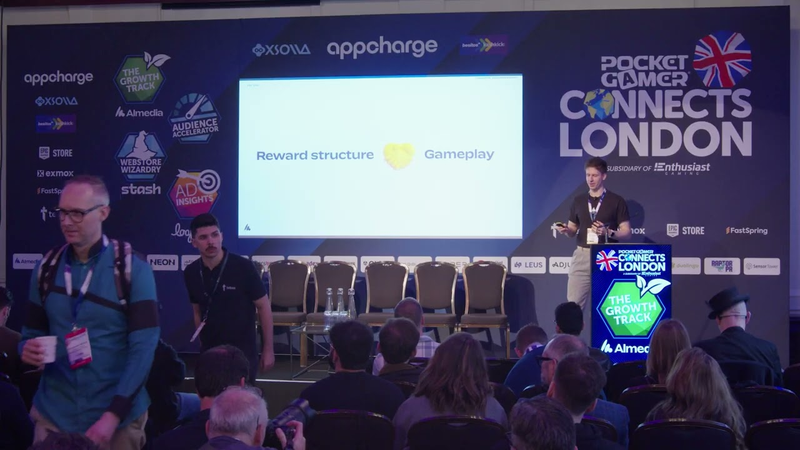
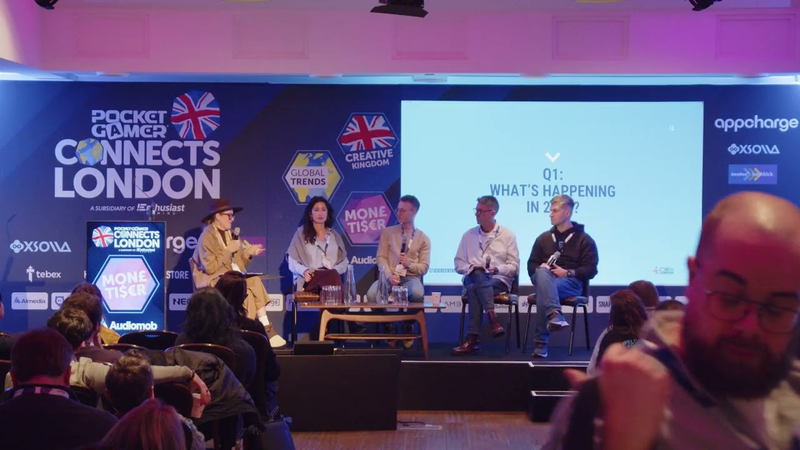
[Music] [Music] so i am now joined by wilfred obeng the co-founder over there at audio mob how's the show been for you so far it's been really good really busy um and loads of travel to those different events but i think pocket game is always one you have to come to you guys you did a talk yesterday didn't you yeah yeah i'll talk around the background how did that go people often feel a lot more relaxed once they've got it out the way yeah yeah um so you know the talk went really well we had a lot of game developers coming and asking different questions about audio ads and it's a new format so a lot of people have naturally a lot of questions about how it works speaking of when i think of audio ads and you specifically talk about non-interruptive audio ads which is a word i'm hearing a lot and i'm sure doesn't exist but people are using it anyway when i think of that my mind goes to write so i'm playing a game i'm playing gta i've got the radio on in the background in the car and then an ad starts playing on that or there's a tv commercial running in the background is
this what you mean by non-interactive audio or is it is it something else yes so now that that's one example of a non-interrupting audio so the way we look at ourselves the audio mobile is like we are the diy toolkit for game devs in the way they want to use audio ads in their games so for some of our games like we're in big brother the game it works exactly how you mentioned like it's an audio ad that you actually initiate by clicking on the radio in the game so you walk around the violin click on the radio you get extra rewards for doing that but the cool thing is you can continue to play the game right continue to walk around continue to do other tasks in the game and we have other games where they do stuff like instant rewards so like immediately when you trigger the audio ad you have an instant reward and then by lowering the volume of things people are doing cool interesting um applications where they take away the reward when the volume falls below a threshold so it's going to ask how you track something like that so you do have to have that trigger point initiation and i guess that counts as an engagement but then if you the volume drops below a certain point you've lost it so that
brings us on to another thing which is especially in the world of mobile which we tend to focus on a lot of people play games either with the audio very low with no headphones on or even no audio at all how do you work around that is that something that makes it just it won't work for that particular kind of game or do you have solutions yeah so we spent two years doing research and development on the actual audio state of your device so that may that be an android or ios device so we're actually looking at the device volume we're able to track that so we see if it if it's above the threshold of 30 and then if it's below that we show like an unmute problem that says the user hey you're going to get a reward if you unmute your audio because what's interesting especially with 16 to 25 year olds is the majority of them are actually listening to music with their airpods in but they aren't listening to the game audio so this is why we track the actual device volume and another thing we do because we realize that they're listening to audio it's like around 61 percent of people actually have their audio on what they might be listening to music is that we're tracking also whether they listen to
music and will generally pause their music play the ad but then return their song back to the point it was at just to make the experience a bit more seamless for the user and less annoying than uh having like ads playing at the same time as your music or even worse just stopping your music and then um they're just playing the ad you talk about like a 2000 percent increase in engagement using these kind of audio as compared to something like a banner ad firstly like how is that just the result of more people have clicked on it do you think people are aware that they are clicking on an ad is part of it the fact that they just i want to turn the radio on and they don't realize it's an ad going in why do you think there is this huge increase yeah so the reason why we've seen that especially with music and i've shown the case study yesterday with like nars the wrap on us we were it was really interesting is because also we got him to lend his voice to the creative so it's almost like you've got this person talking out at you and actually saying hey listen to our album and check out and stream it that's where we see the massive increases or we also
see it generally because people are not used to this idea of like a voice and it's more human right and it's really interesting from our focus groups what we've seen is a lot of people will say yeah i just continued playing the game and i wasn't focusing on the audio ad but then you ask them to recall what was being said in the audio ad and hundreds of people like oh yeah think of something could be instead about you know linkedin or something said about mcdonald's so it's quite interesting in terms of how audio plays a part in terms of when we're listening to music how we can recite and remember um music lyrics very easily after a few lessons it's a very similar thing we've seen with audio advertising and i think that's what's spurring on that engagement oh actually that's actually uh i can recognize that voice or that product or that sonic signature so for example the mcdonald's sonic signature the netflix sonic signature that everyone's really familiar with so do you rely on kind of embedding it in your audience and then later they might get oh yeah maybe i'll try that out or do you actually try and direct users out of the ads via because you know things like banner ads and
other ads you'll actually click and then you'll find yourself being taken outside of the app do you try and implement that kind of stuff as well so someone will say hey if you just click here and a pop-up will appear or do you rely on it being purely kind of almost subliminal so no great question so we we have the ability for you to do audio ads with the banner so you can click through into it we also have the ability for you to do audio only so it's just like a more right it just says the audio ad is playing so there's a visual cue to let the user know audio is playing but we actually leave that again up to the developers because some developers care about screen real estate they don't want the idea of a banner ad taking up the whole space some developers don't want the click-through to go through and break the user experience so they actually prefer that they click through um they can gather that information and use it somewhere else or show it after the level is complete so we actually in our api allow game developers to choose the different elements of our creative and how they actually format them how they want them to look visually as well to give them that kind of optionality around them have you seen any change in
the way that users are interacting over the last two years or the pandemic kicking in how many games have you implemented this in so far are you still are you in a baiterish stage or is it very much out there and in the wild yeah you know so we're very much out there in the wild we've got over 50 uh game development studios and what we actually did is we started with really small game development studios they looked like a thousand uh dau but now we've moved on to much bigger studios with when you're in the like the 50 to 100 000 uh daily active users and what we've learned from that is there is a very interesting um kind of new form of user uh behavior that's actually coming out of this where like with the big brother game we've seen a lot of users actually prefer they're using the audio ads to get a load of rewards really quickly um so that they can gather a lot of rewards while doing other tasks in the game without being blocked for 30 seconds it's after listening to podcasts while doing you watching exact gaming yeah exactly exactly and it's stopping that whole idea back in the day when we
before netflix where you had to go you're watching a tv show as soon as you saw an advert break you'd use that as time to go and do something else and we're stopping that disruption and that drop in retention that game developers see usually when that happens so what are the plans for 2022 then now that everyone's opened up and some people are returning to the real world situation and in some cases they're seeing that we're seeing a drop in people interacting online as much but in a lot of cases that is kind of sticky people are staying attached to their mobiles regardless for you what are you working on in the new year yeah so for us the focus really is talking with more game development studios getting that feedback as well and one thing i love i don't um especially as as more candid the more interesting the more um um insightful the the feedback the better for us because for us it's really about making the actual format work for the game development studios and fit into their games and and see new creative ways actually that you can use from audio ads
also going forward in the future so for us is really just getting that growth getting that um getting into more more games getting interesting applications i'm really growing our team as well so we're hiring a load as well so and expanding out into america and also into abu dhabi [Music]
Summary
Audio advertising represents an emerging frontier in mobile gaming, offering a non-intrusive alternative to traditional visual formats. By integrating audio ads directly into game environments—such as interactive in-game radios or reward-based triggers—developers can maintain user retention while providing value. This approach addresses the challenge of modern player behavior, particularly among the 16-to-25 demographic, who frequently play games while simultaneously listening to external music or podcasts.
The methodology behind these implementations involves sophisticated device-level tracking. Systems monitor volume thresholds to ensure ads are audible, prompting users to unmute in exchange for in-game rewards. To preserve the user experience, the technology can pause and resume external music streams seamlessly. This strategy has yielded significant results, with reports of a 2,000 percent increase in engagement compared to standard banner ads. This high performance is attributed to the human element of voice-led creative and the effectiveness of sonic branding, which fosters high recall rates even when users are not actively focusing on the advertisement.
Currently active in the wild with over 50 game development studios, the format has scaled from small indie projects to titles with 50,000 to 100,000 daily active users. Developers are granted flexibility through an API that allows them to customize visual cues and click-through options, ensuring the ads align with their specific game design and screen real estate requirements. Moving forward, the industry focus remains on refining these creative applications, expanding global reach into markets like North America and the Middle East, and further integrating audio ads as a standard, non-disruptive monetization tool that avoids the retention drops associated with traditional, forced-interruption advertising.















Comments