Global reports and market data
Documents

MTG Capital Markets Day 2025: Spotlight Session AI
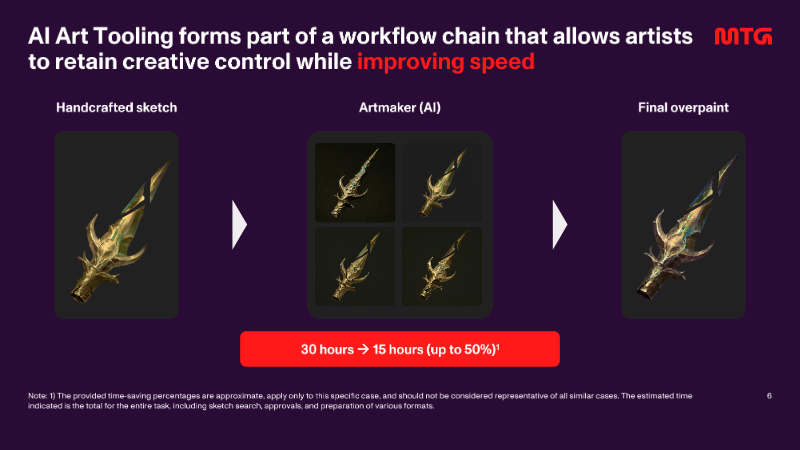
Artificial intelligence is fundamentally reshaping the game development lifecycle at MTG, transitioning from initial creative ideation to the management of global live operations.
- MTG is integrating generative AI across its studio network to accelerate production timelines and improve developer productivity.
- AI-assisted art production has reduced 3D modeling time by 20% and improved sketch-to-final workflows by up to 50%.
- Engineering teams at MTG have increased code writing speeds by 10% and accelerated documentation creation by four to five times.
MTG Capital Markets Day 2025
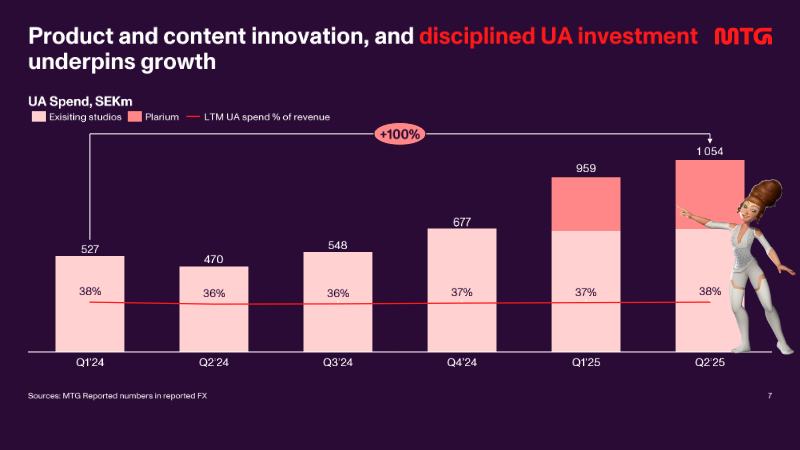
MTG’s 2025 Capital Markets Day presentation outlines a strategic roadmap for sustained growth, operational efficiency, and value creation within the global mobile gaming sector.
- MTG has achieved an LTM revenue of approximately SEK 6.1 billion as of Q2 2025, following the acquisition of Plarium which doubled the company's size.
- The company is targeting medium-term organic revenue growth of 3% to 7% and an adjusted EBITDA margin exceeding 24%.
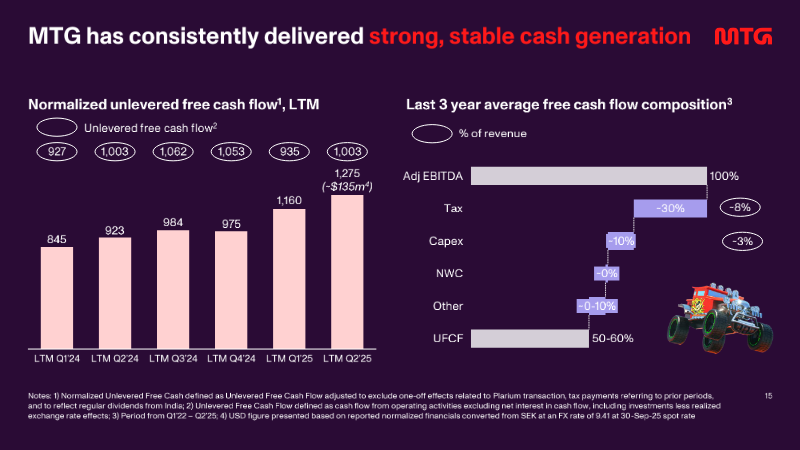
- MTG generated SEK 1.275 billion in normalized unlevered free cash flow and has launched a new SEK 400 million share repurchase program.


Acquisition: Versus Evil and Red Cerberus
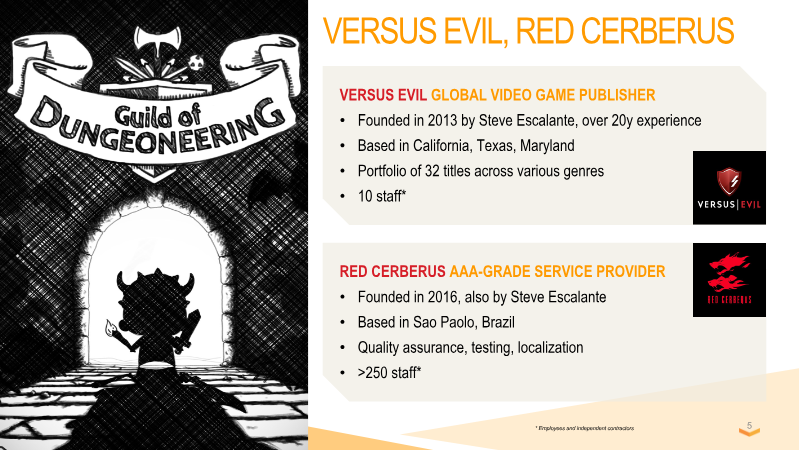
TinyBuild Inc. has finalized the acquisition of Versus Evil, a global video game publisher, and Red Cerberus, a Brazil-based AAA-grade service provider.
- TinyBuild Inc. acquired publisher Versus Evil and service provider Red Cerberus for a total maximum consideration of $31.3 million, consisting of $12.5 million in upfront cash and up to $18.8 million in deferred share-based payments.
- The acquisition is projected to be marginally accretive in 2021 and approximately 10% accretive to earnings in 2022.
- The combined entities generated $12 million in revenue with an EBITDA loss of $0.2 million during the 2020 fiscal year.

Gaming's Cheating Crisis: The Impact on Players and Profit
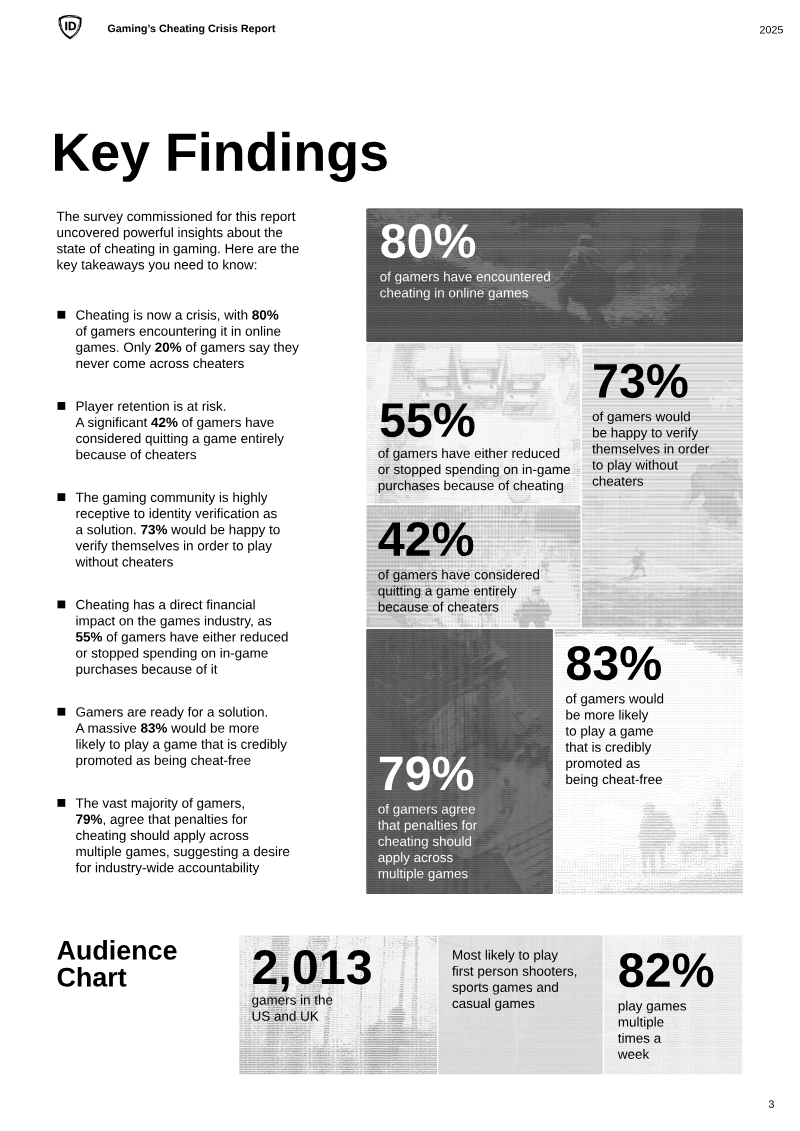
The gaming industry is currently facing a widespread crisis regarding cheating in online titles, which significantly undermines player retention and threatens long-term revenue.
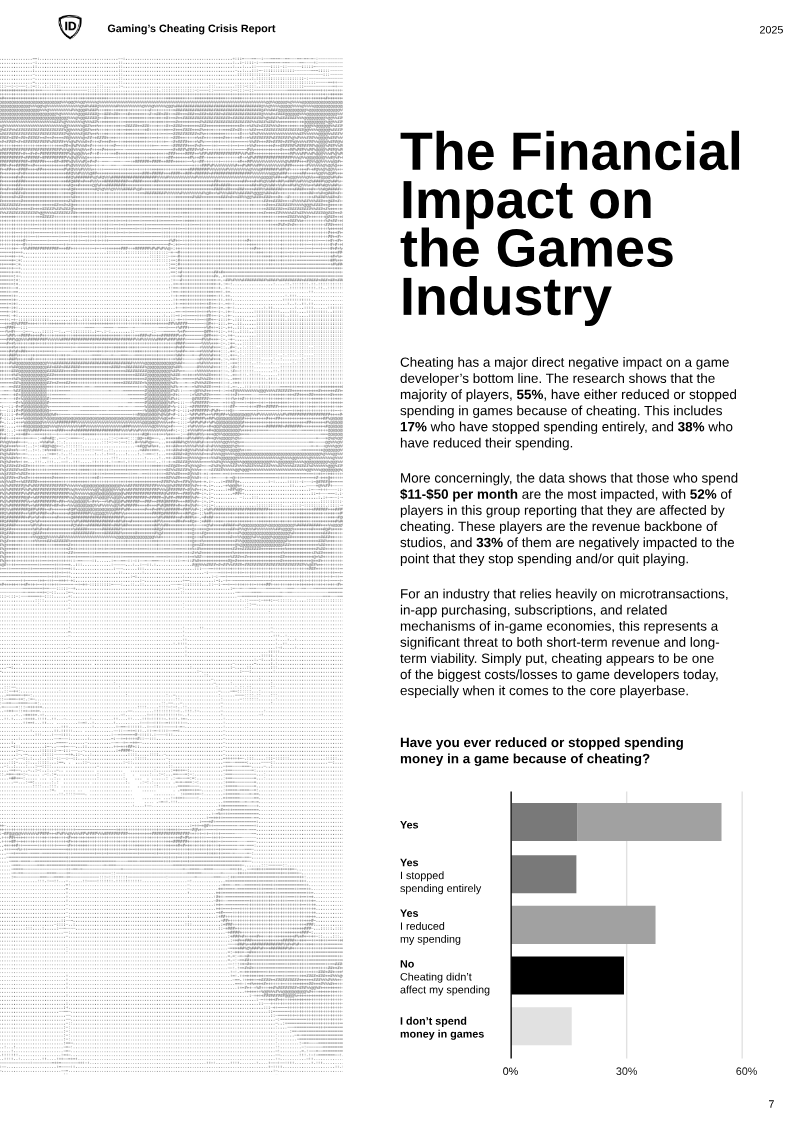
- Cheating directly impacts revenue, with 55% of gamers reducing or stopping in-game spending due to unfair play.
- 80% of gamers have encountered cheating, and over 50% experience it at least monthly, driving players away from titles.
- There is strong consumer demand for systemic solutions, as 83% of players are more likely to engage with games marketed as cheat-free.

Konami Group Report: Fiscal 2022
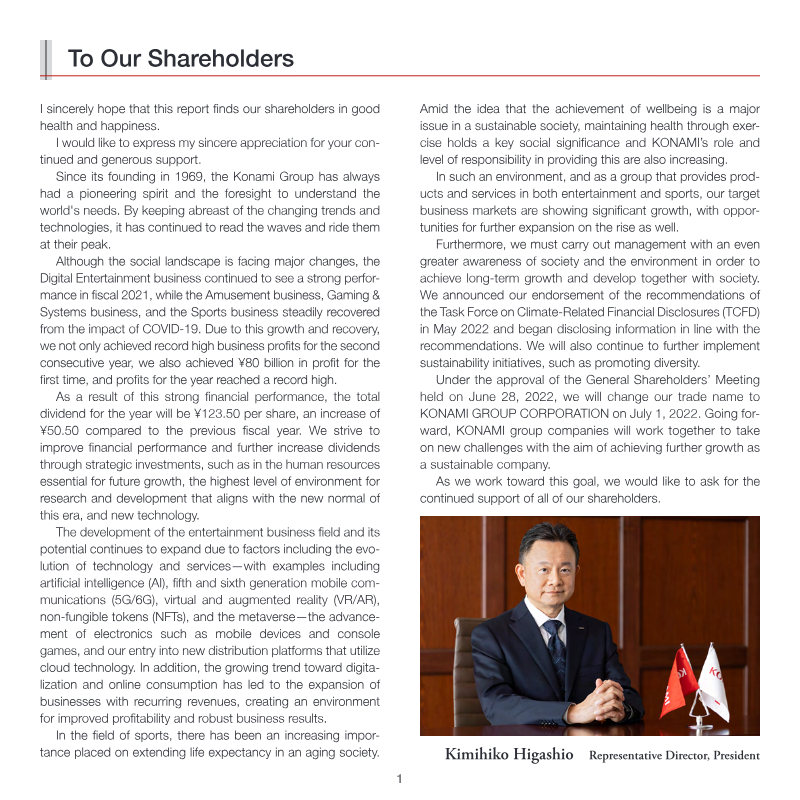
The Konami Group Fiscal 2022 report outlines a period of record-breaking financial performance and strategic organizational evolution.
- Konami achieved record-high financial results for fiscal 2022, with total revenue reaching ¥299.5 billion (a 9.9% increase) and profit attributable to owners of the parent rising 69.9% to ¥54.8 billion.
- Operating profit saw a significant 103.6% year-on-year increase to ¥74.4 billion, while business profit grew 25.2% to ¥80.3 billion.
- The Digital Entertainment segment saw strong performance driven by mobile and console titles, including the launch of 'Yu-Gi-Oh! MASTER DUEL,' which surpassed 30 million downloads within three months of its January 2022 release.
2023 M&A Outlook: Post-Pandemic Boom
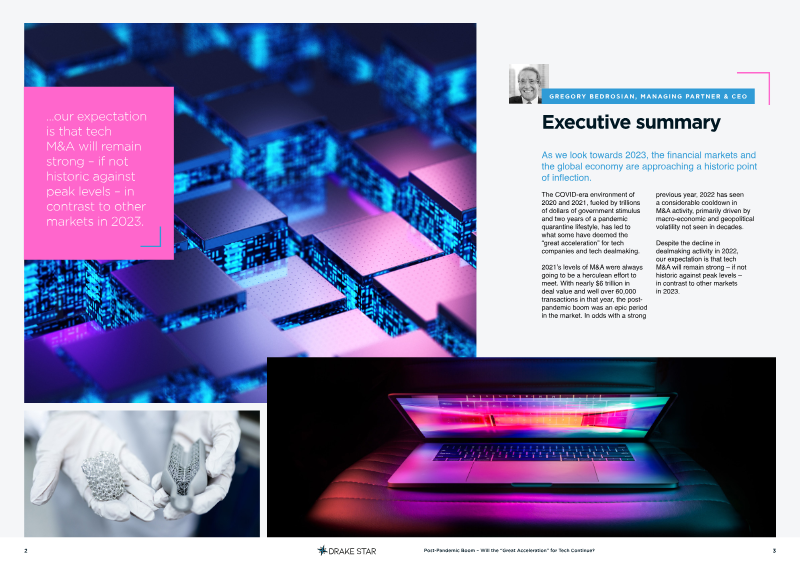
The 2023 M&A Outlook provides a strategic assessment of the technology mergers and acquisitions landscape following the record-breaking activity of 2021 and the subsequent market cooling in 2022.
- Strategic necessity is driving a shift toward consolidation in 2023, as mature corporations prioritize acquiring disruptive, value-add companies to maintain innovation despite macroeconomic volatility.
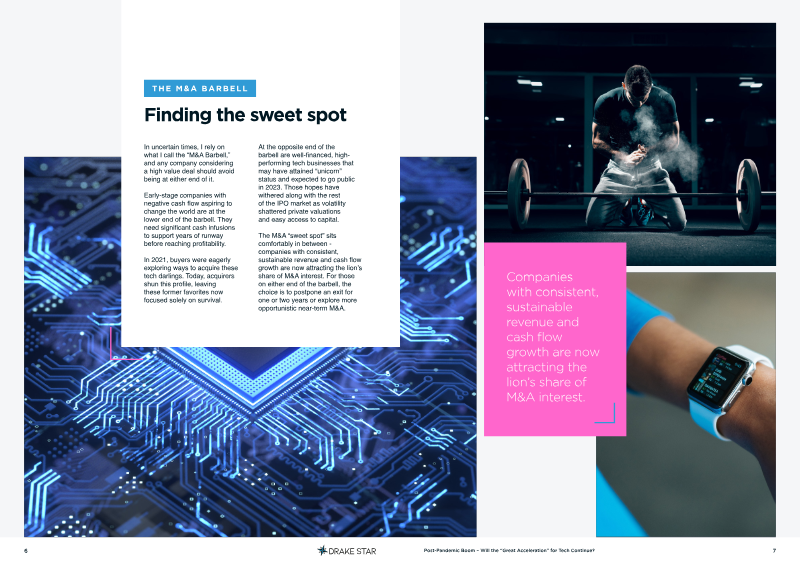
- The market has shifted toward an 'M&A barbell effect,' where investors avoid early-stage, cash-burning startups and high-valuation unicorns in favor of companies with sustainable revenue and cash flow growth.
- While 2023 deal volume will not reach the record-breaking levels seen in 2021, robust deal flow is expected to persist due to significant dry powder held by private equity firms and large-cap corporations.

Video Game Market Update: Q3 2026
The global video game industry experienced a period of significant structural divergence during the third quarter of 2026.
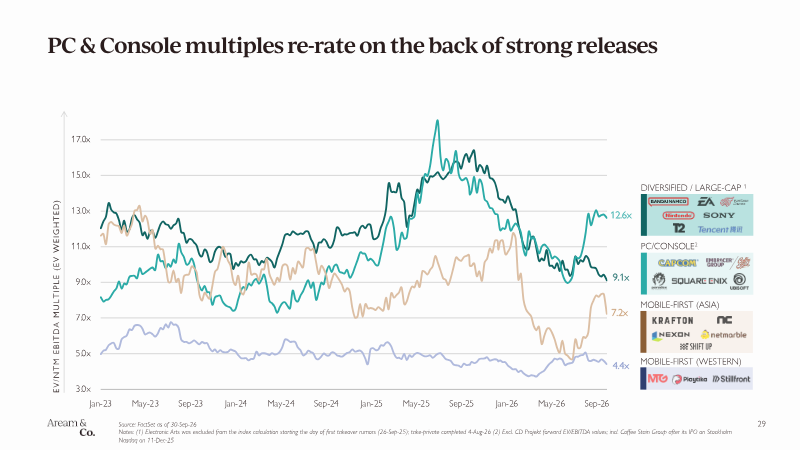
- The global video game industry saw a $57.8 billion surge in M&A activity in Q3 2026, driven primarily by the $55 billion take-private acquisition of Electronic Arts.
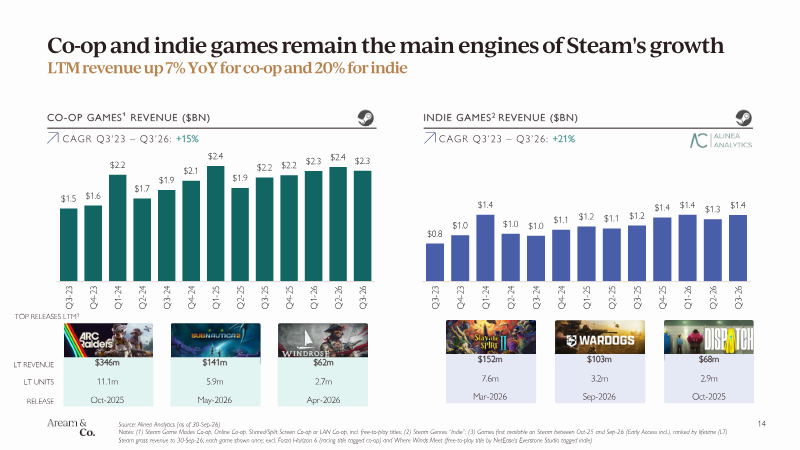
- Market performance was structurally divergent, with double-digit revenue growth on Steam contrasting against year-over-year declines of 12% in the console segment and 7% in mobile.
- Investment capital is shifting toward late-stage rounds and AI-driven firms, while seed-stage funding has dropped to a five-year low.
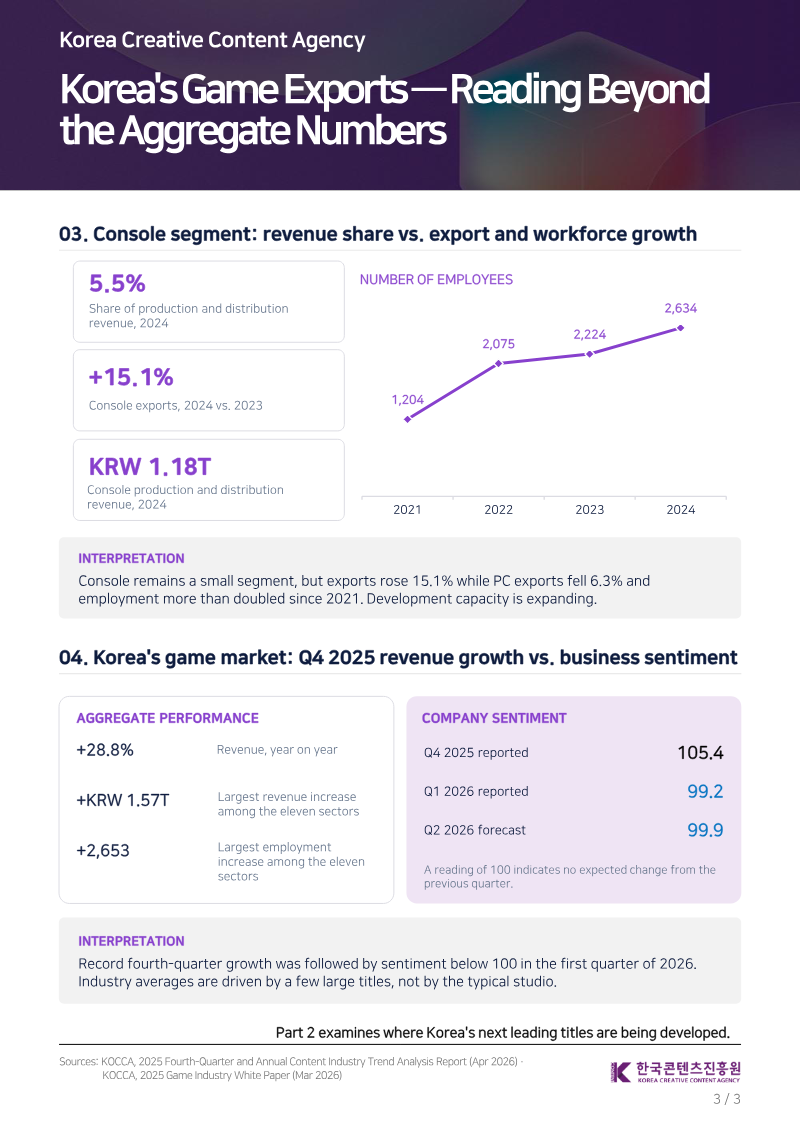

Korea's Game Exports: Reading Beyond the Aggregate Numbers
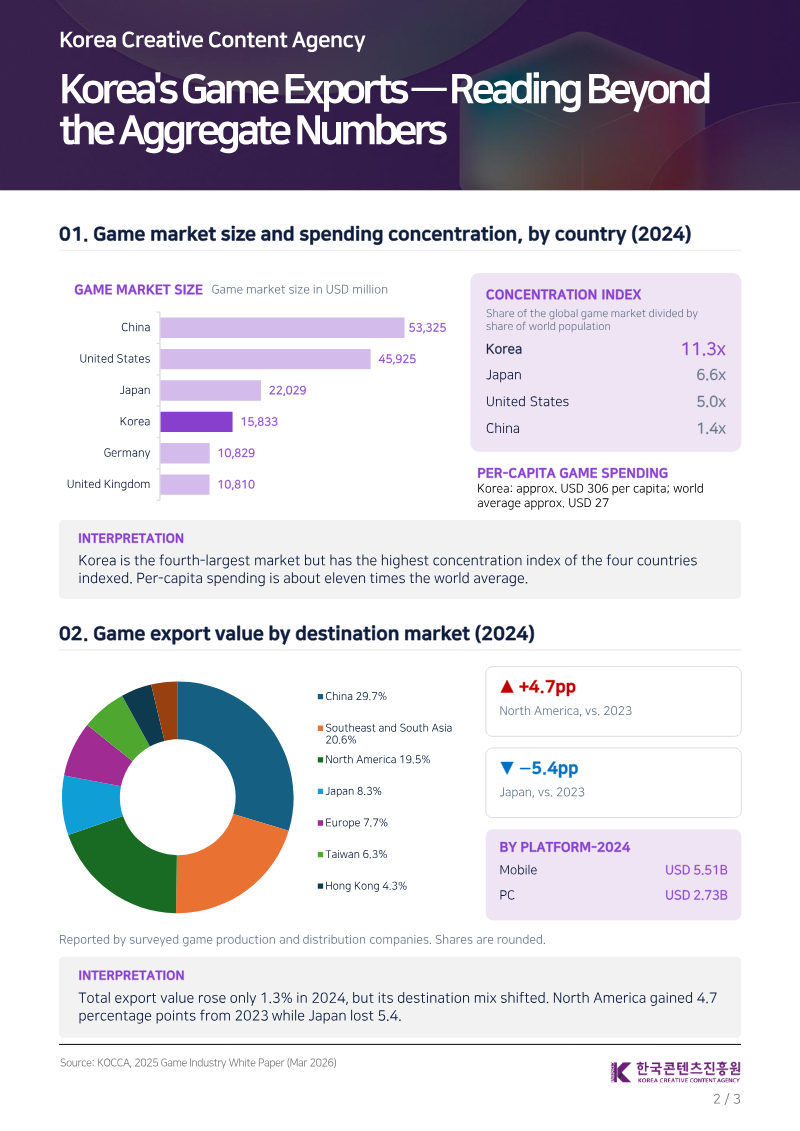
Korea's game industry posted strong aggregate results in 2025, but those figures mask a concentration in a small number of large titles, so overseas buyers should evaluate developers at the title and studio level rather than relying on industry averages.
- The South Korean game industry generated USD 8.60 billion in exports in 2025, representing 57.7% of the nation's total content export value.
- Console game exports grew by 15.1% in 2024, supported by a workforce that has more than doubled since 2021 as studios pivot development capacity.
- Mobile gaming remains the primary revenue driver, accounting for USD 5.51 billion of the industry's export total.
Global Video Gaming: The State of Play, 2025
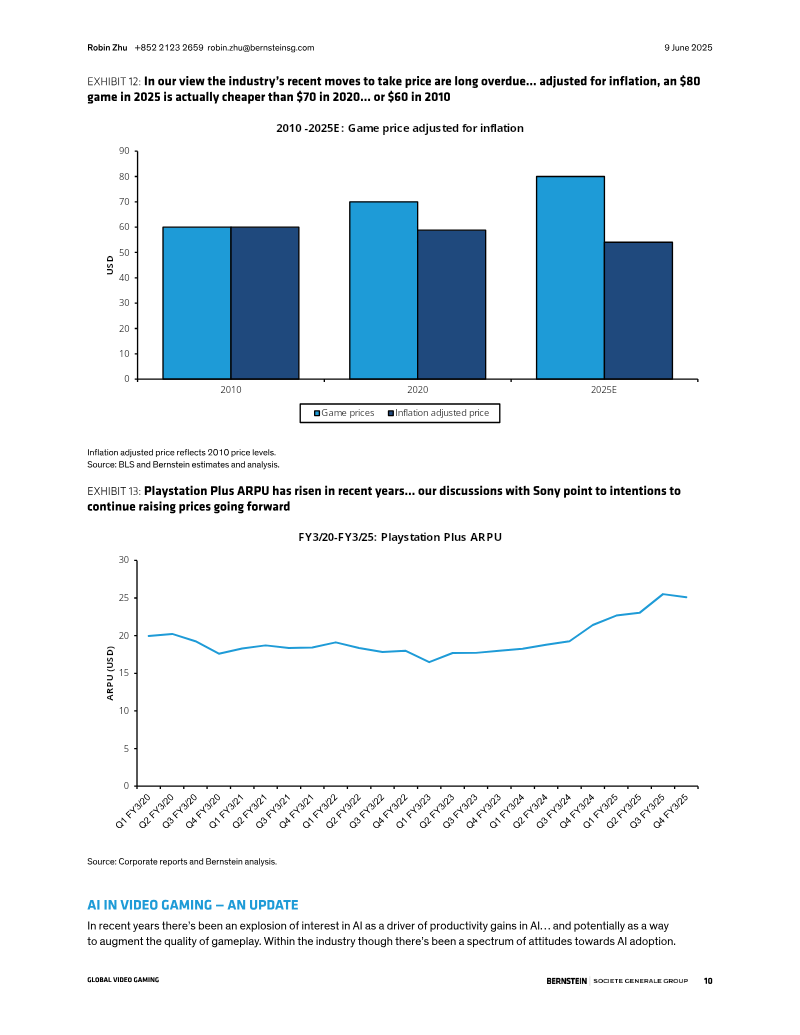
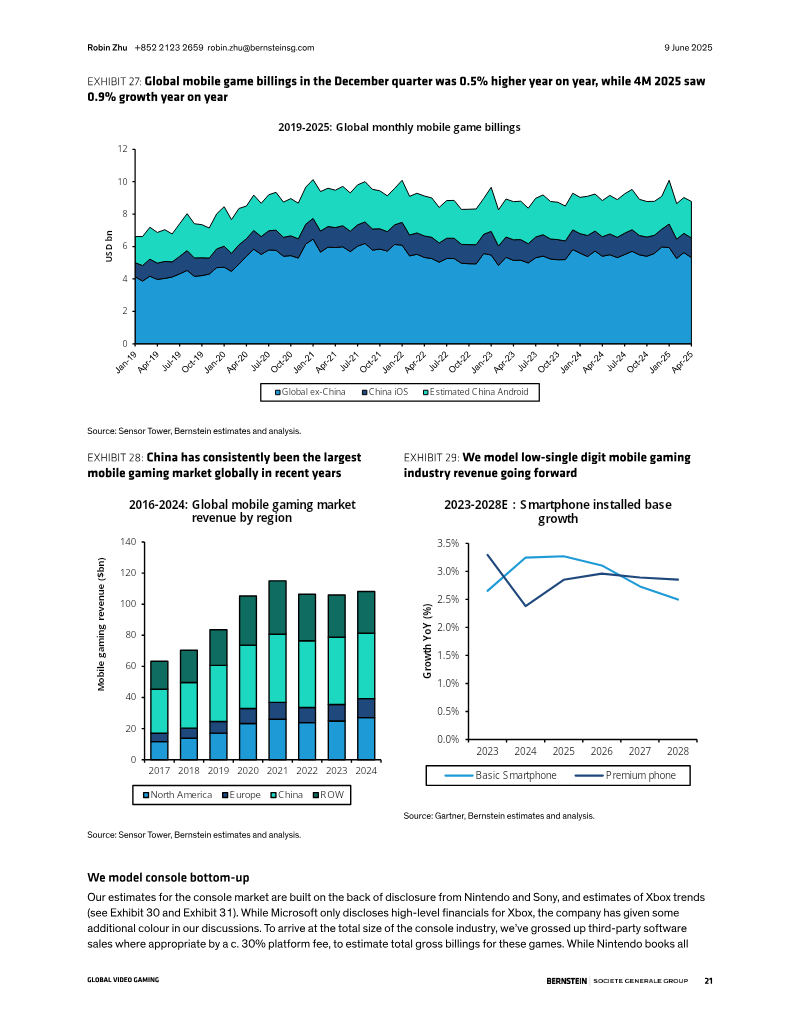
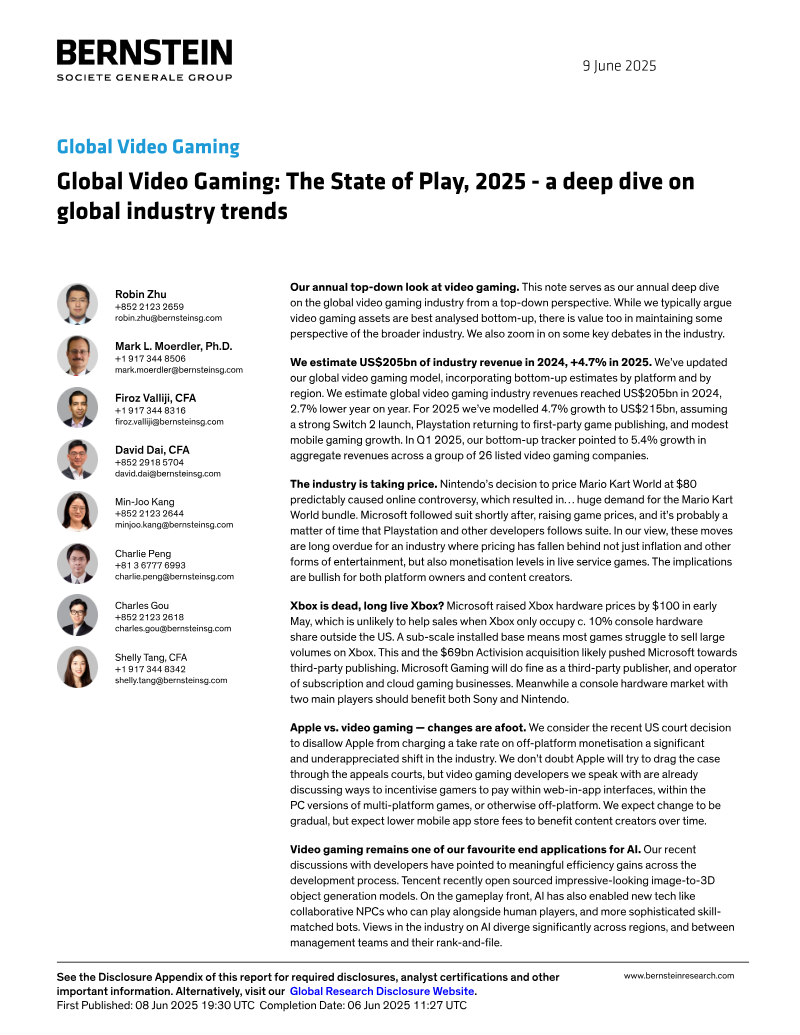
The global video gaming industry is entering a phase of stabilization and renewed growth, with total revenue projected to reach US$215 billion in 2025, representing a 4.7% increase following a 2.7% decline in 2024.
- The global video gaming industry is projected to reach $215 billion in revenue in 2025, marking a 4.7% recovery following a 2.7% decline in 2024.
- Major industry players are shifting from hardware-centric models to software-led growth, exemplified by Microsoft’s pivot toward third-party publishing and the expansion of Game Pass and cloud services.
- The PC gaming ecosystem, led by Steam, has emerged as a primary driver of industry expansion, offsetting the recalibration occurring within the console market.
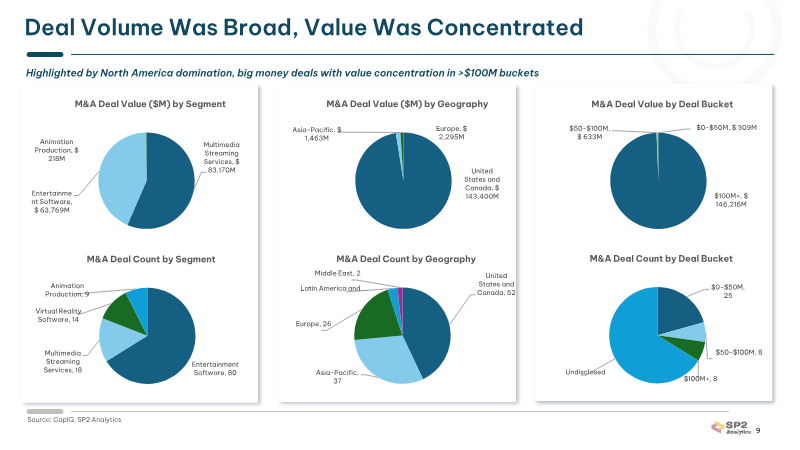
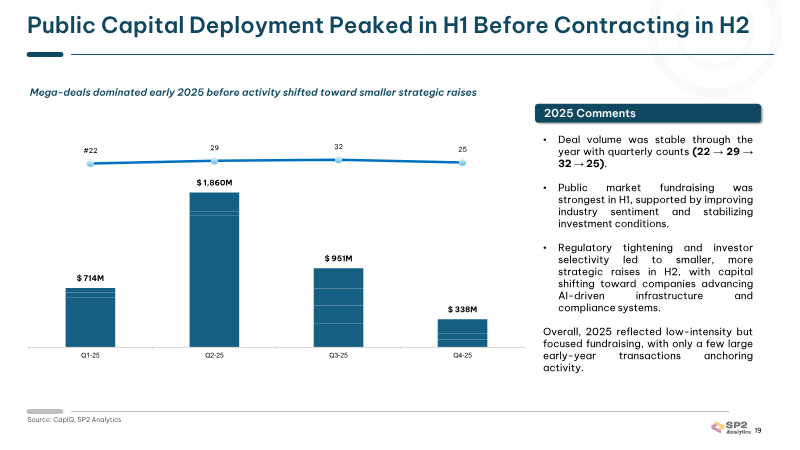
Global Gaming Report 2025
The 2025 Global Gaming Report characterizes the gaming industry as a capital-intensive, scale-driven sector where competitive advantage is increasingly defined by platform ownership, intellectual property (IP) aggregation, and long-term strategic positioning rather than individual title performance.
- The gaming industry saw $147 billion in M&A activity in 2025, headlined by the $83 billion Netflix-Warner Bros. merger and the $55 billion take-private acquisition of Electronic Arts.
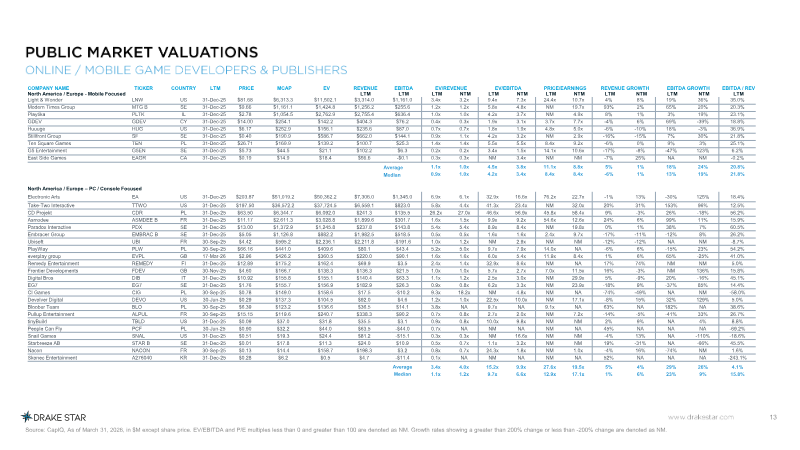
- Market valuation is increasingly driven by platform ownership and IP aggregation, with top-tier strategic players now commanding EV/EBITDA multiples exceeding 25x.
- Capital deployment has become highly concentrated, with private placement rounds for AI-driven simulation and development tools consistently exceeding $100 million per transaction.
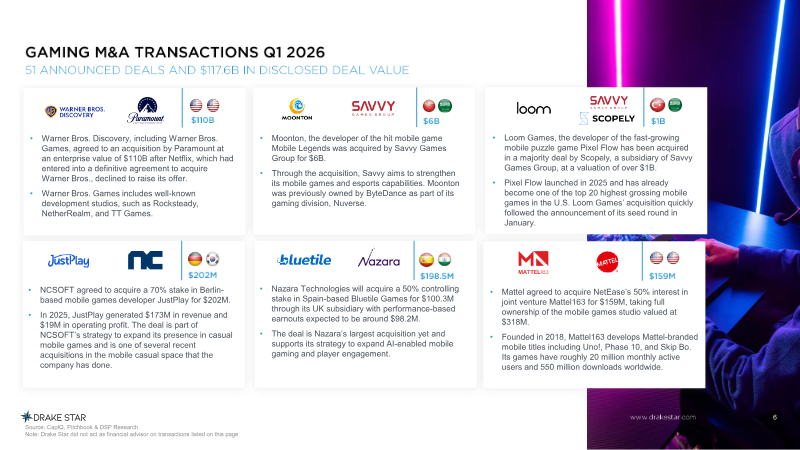
Global Gaming Report Q1 2026
The global gaming industry experienced a complex start to 2026, characterized by a sharp divergence between high-level strategic consolidation and broader market volatility.
- M&A activity reached a 15-month peak in Q1 2026 with 51 transactions totaling over $100 billion, headlined by the Paramount acquisition of Warner Bros. Discovery and Savvy Games Group's purchase of Moonton.
- Private financing remained steady with $785 million raised across 106 deals, showing a clear investor preference for AR/XR hardware and infrastructure over traditional software.
- The Drake Star Gaming Index declined by 1.8 percent, driven by market weakness in Western regions and the mobile gaming sector.
State of the Industry 2019: Mental Health in the Game Industry
The 2019 assessment of the global game industry identifies systemic organizational failures as the primary drivers of a pervasive mental health crisis among developers.
- Systemic organizational failures, specifically the normalization of chronic overwork known as crunch, are the primary drivers of a pervasive mental health crisis and burnout among game developers.
- Job instability caused by frequent layoffs and a lack of professional security creates a high-stress environment that threatens the long-term sustainability of the industry workforce.
- Exclusionary workplace cultures—characterized by harassment and microaggressions toward women, LGBTQ+ individuals, people of color, and neurodivergent employees—stifle team creativity and degrade the quality of game content.