Key insights
6 slides
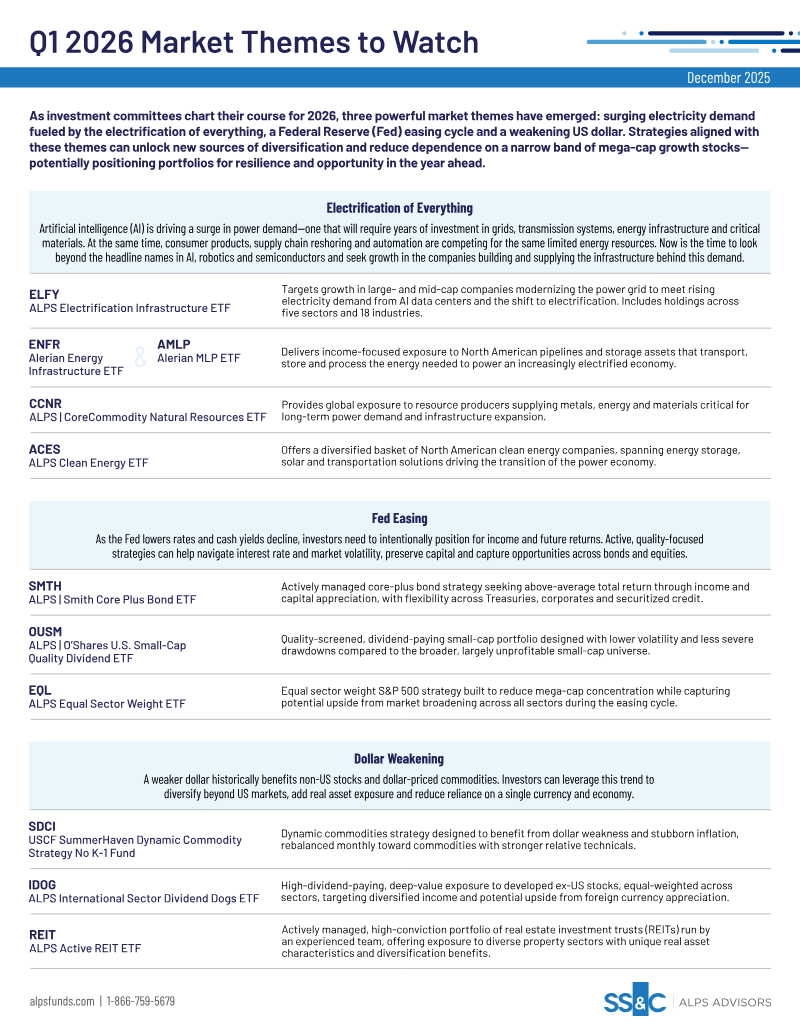
Market Projection
Global video gaming revenue is projected to reach $215 billion in 2025.
The industry is transitioning to a more diversified, software-led growth model.
Page 1 of the report$215 billion
Projected global video gaming revenue in 2025.
- Projected increase in 2025
- 4.7%
- Decline in 2024
- 2.7%
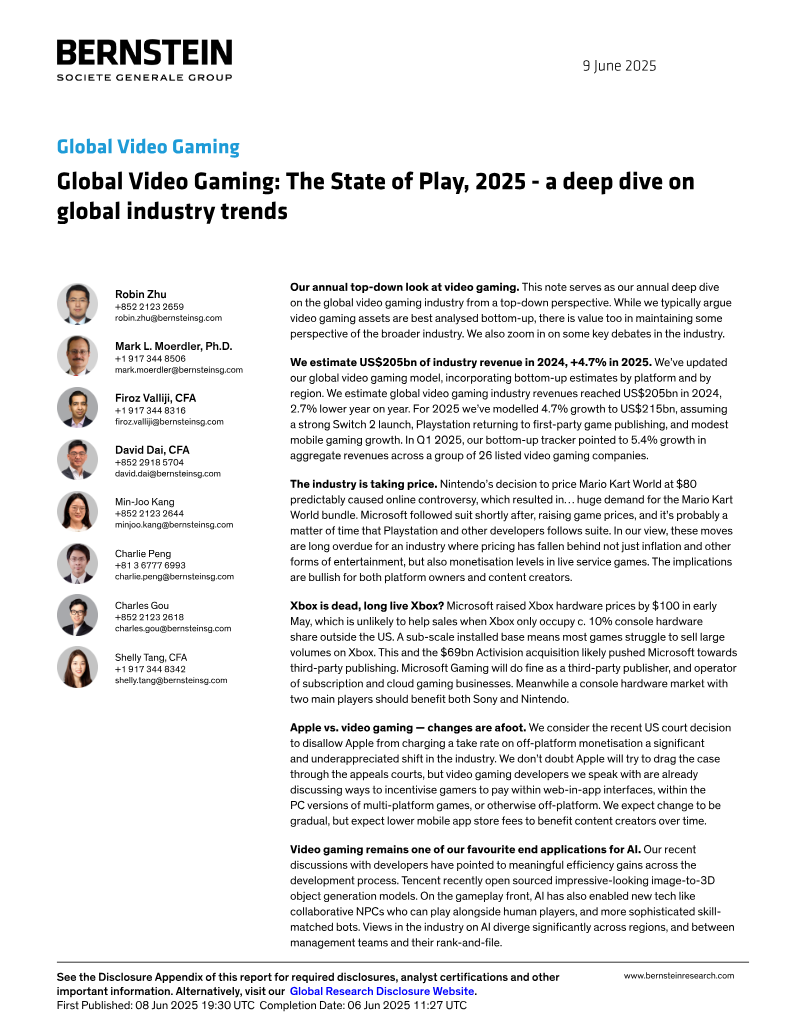
Growth Drivers
Strategic pricing adjustments and new console hardware support industry revenue growth.
Software and subscription services are seeing pricing adjustments. The anticipated launch of new console hardware also contributes to this growth.
Industry Pivot
Major industry players are shifting from hardware-centric to software-led growth models.
Microsoft is pivoting toward a third-party publishing model.
Market Dynamics
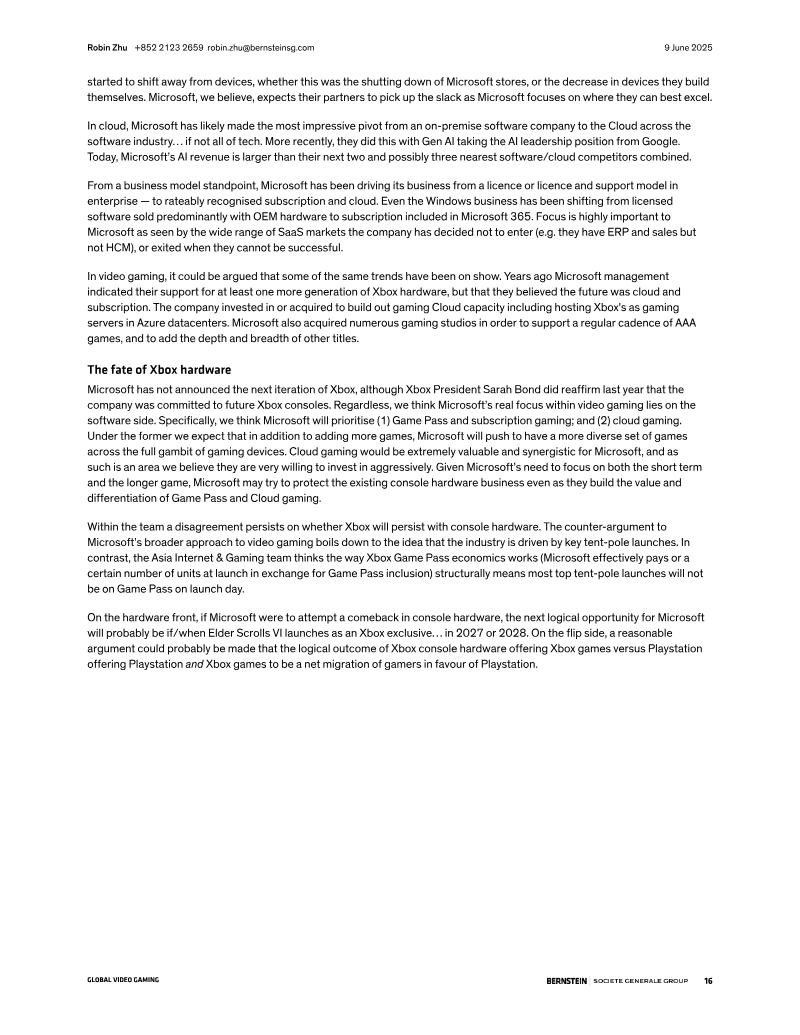
The PC gaming ecosystem, led by Steam, drives industry expansion.
The mobile gaming sector shows signs of modest growth.
PC Dominance. The PC gaming ecosystem, led by Steam, has emerged as a primary driver of industry expansion.
AI Integration
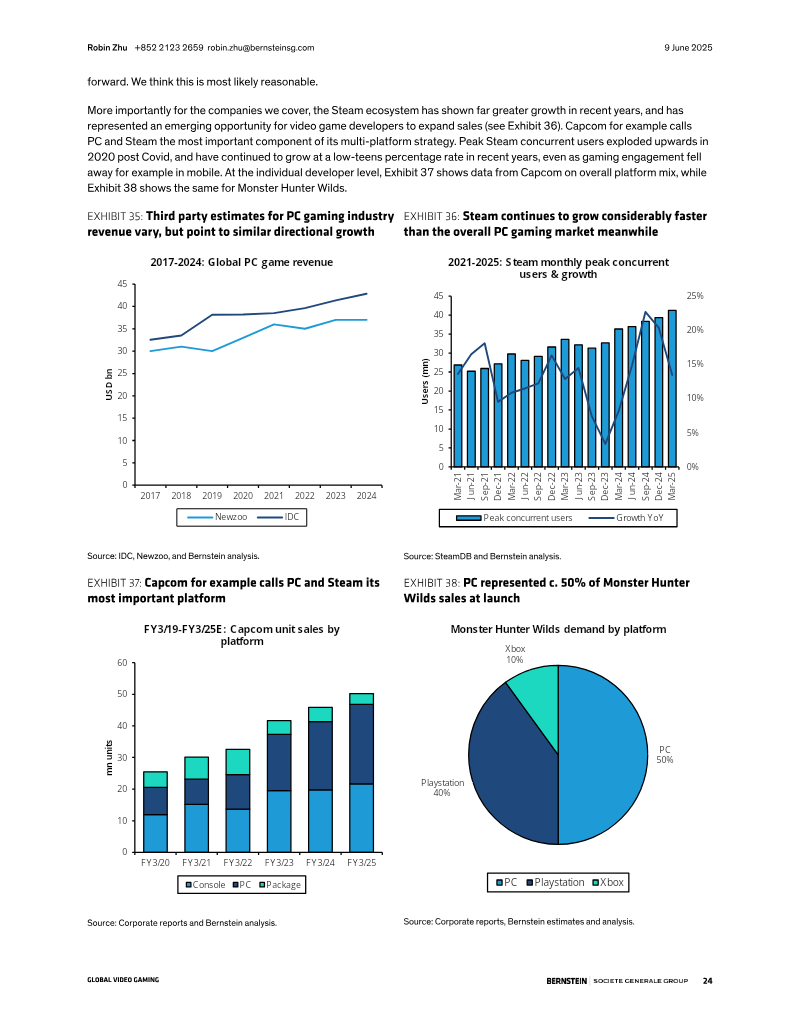
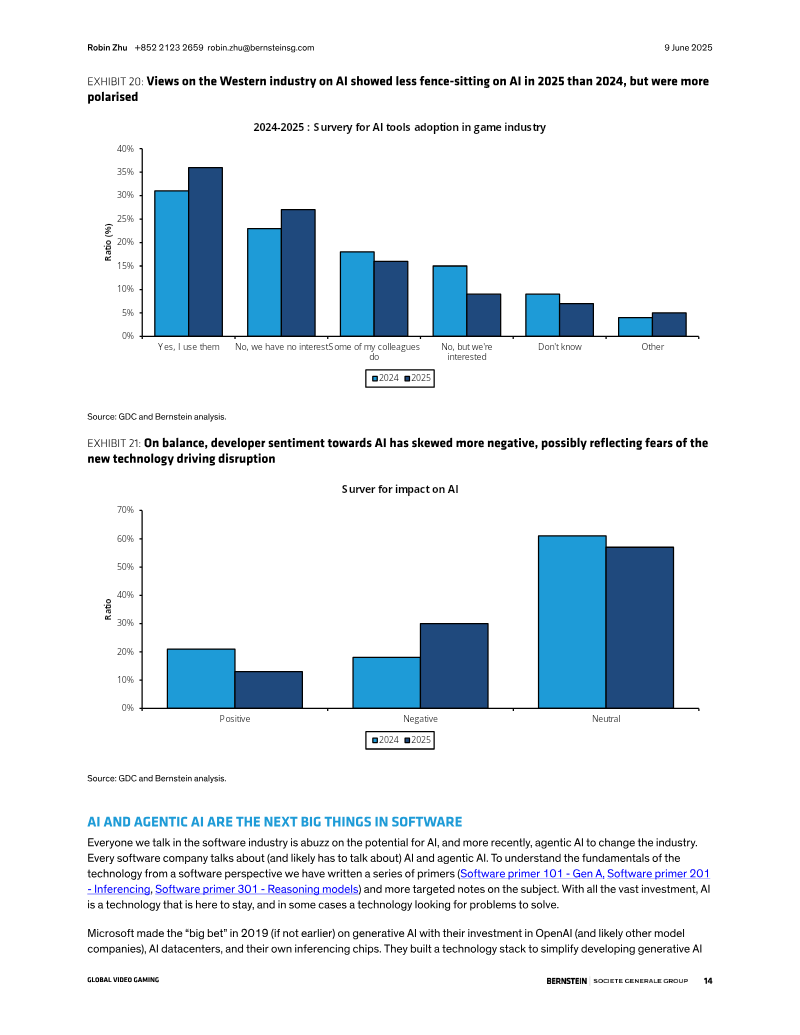
Generative AI is being integrated into production pipelines for operational sustainability.
This is considered a necessary evolution, despite varied sentiment among developers. It enhances development efficiency and maximizes software distribution.
Regulatory Influence
Legal rulings may reduce mobile app store fees, shifting power dynamics.
This impacts the balance of power between platform owners and content creators. Major entities like Sony, Tencent, and Square Enix are affected.
1 / 6
Ask AI about this report