Global reports and market data
Documents
Rules of the Game: Five Techniques from Quite Inventive Designers
Successful game design hinges on rigorous iteration and the early implementation of functional systems rather than reliance on abstract concepts.
- Prioritize functional systems and 'pizzazz' during prototyping to validate core mechanics and communicate project potential to stakeholders early.
- Utilize early visualization tools like flowcharts and heat maps to identify logic errors and system imbalances before formal playtesting commences.
- Design enemy variety through distinct movement patterns, timing, and counter-mechanics rather than superficial aesthetic changes to ensure each encounter requires a unique strategic response.
It Takes Two to Tango: Integrating UX Research and Production at EA
Electronic Arts transformed its approach to user experience research by shifting from informal, designer-led playtesting to a rigorous, integrated professional discipline.
- The 2010 cancellation of NBA Elite served as the primary catalyst for EA to transition from informal, designer-led playtesting to a rigorous, integrated user experience research discipline.
- Effective research requires an embedded model where researchers function as core project members rather than external consultants to ensure insights align with production constraints.
- EA utilizes statistical tools like confidence intervals to help developers differentiate between stable game features and those posing high-risk, polarized outcomes.

Legends of Game Design
The evolution of the video game industry from its inception in the late 1970s through the late 1990s reflects a transition from experimental, individual-driven development to a sophisticated, large-scale commercial enterprise.
- The video game industry evolved from an experimental, individual-driven field in the late 1970s into a large-scale commercial enterprise by the late 1990s.
- The transition from coin-operated arcade machines to home console and PC platforms allowed developers to move beyond hardware constraints and prioritize immersive, high-quality player experiences.
- Independent studios like id Software were instrumental in this era, pioneering 3D gaming technology and establishing rapid development cycles.

Dots That Go for Walks: How to Maximize Minimal UI
Minimalist user interface design functions as a strategic exercise in restraint, prioritizing clarity and the deliberate use of negative space to prevent digital environments from feeling inert.
- Minimalist UI design prioritizes the reduction of cognitive load by ruthlessly eliminating non-essential elements to keep the core gameplay as the focal point.
- Functional components should be integrated directly into illustrative assets rather than using superfluous, standalone UI features.
- Typography should be used as a primary tool to guide player behavior and establish brand tone, ensuring instructions are not overlooked by users.

How Games Speak - Learn the Language of Design - Extra Credits
Game design functions as a sophisticated language, utilizing a system of arranged elements to communicate complex ideas and experiences to players.
- Game design functions as a hierarchical language consisting of three layers: isolated, associative, and dynamic meaning.
- Dynamic meaning is the most potent layer, utilizing narrative twists and systemic responses to create a dialogue that explores complex themes like violence or human relationships.
- Associative meaning occurs when individual elements are combined to create experiences greater than the sum of their parts, such as linking visual recoil and sound effects to define combat feel.
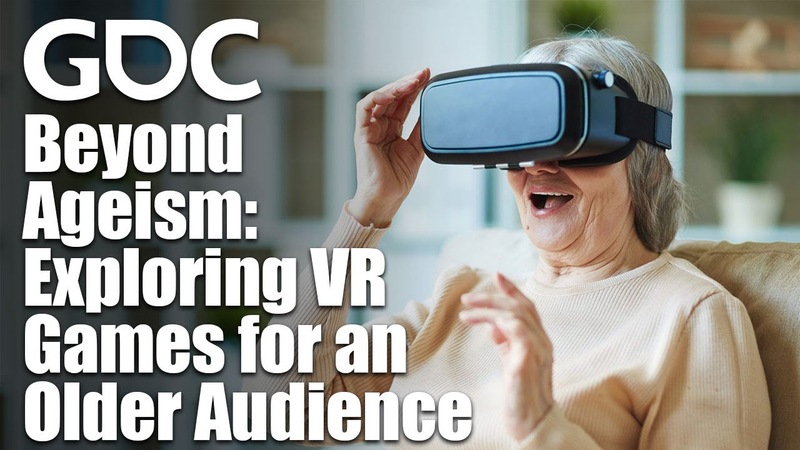
Beyond Ageism: Exploring VR Games for an Older Audience
The gaming industry possesses a significant, untapped opportunity in the 50-plus demographic, a segment that demonstrates a robust interest in immersive technology.
- The 50-plus demographic represents a significant, untapped market for VR that values high-quality, challenging, and aesthetically mature content rather than simplistic brain-training games.
- Developers should prioritize inclusive design by implementing seated play modes, adjustable UI scaling, and intuitive motion controls to accommodate physiological needs related to vision, hearing, and balance.
- Successful engagement requires avoiding ageist tropes and instead focusing on mechanics centered on exploration, social interaction, and lifelike aesthetics that respect the player's intelligence.

Engineering success: The CSR Racing 2 story
The development of CSR Racing 2 by NaturalMotion serves as a case study in scaling a successful mobile franchise through iterative design, technical refinement, and a commitment to player-centric live operations.
- CSR Racing 2 achieved global market dominance upon its June 2016 launch, reaching the top-grossing racing title position in 126 countries.
- The game utilizes a 'digital collectible' model that drives high engagement, with the average player owning 16 cars and top users collecting over 1,400 vehicles.
- NaturalMotion scaled the franchise by leveraging four years of quantitative and qualitative data from the original CSR Racing to inform the sequel's development.
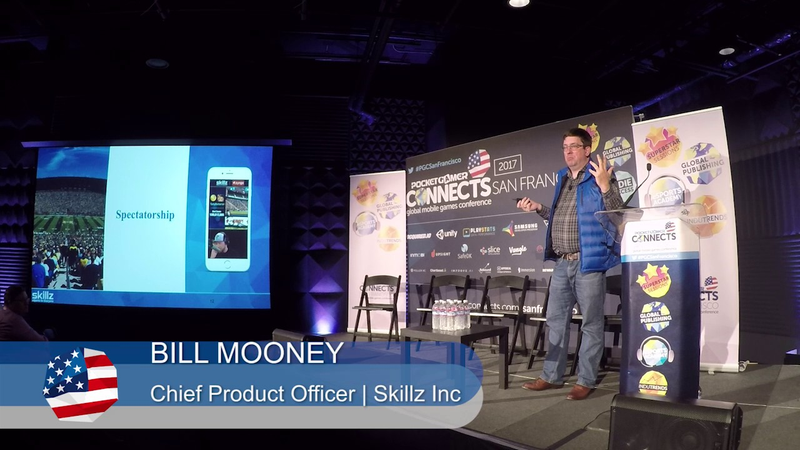
Mobile eSports 101: The past, present and future of an industry on the rise
Mobile eSports represents a rapidly expanding segment of the global gaming industry, driven by the ubiquity of smartphones and a shift toward competitive, skill-based play.
- Mobile eSports is a distinct, high-growth ecosystem serving a global base of over 2.6 billion mobile gamers.
- Approximately 20% of a typical mobile game's audience is inclined to engage in competitive play, spanning genres from complex strategy to casual puzzle games.
- The integration of real-world prizing and bracket-style tournament structures has been proven to significantly improve both user retention and monetization.
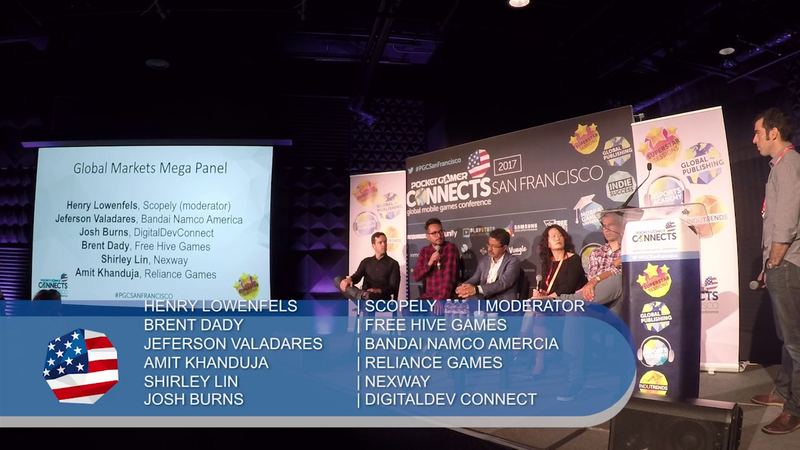
PGC San Francisco: The global markets mega panel
Mobile gaming strategy is undergoing a fundamental shift from standardized global releases toward highly localized operations.
- Mobile gaming strategy is shifting from standardized global releases to highly localized operations, requiring region-specific UI/UX, content cadences, and dedicated live operations.
- The Chinese mobile market has seen intense consolidation and rising user acquisition costs, which have reached approximately $17 per install.
- Developers in China are increasingly integrating e-commerce, livestreaming, and aggressive advertising into their games to remain competitive amidst high acquisition costs.
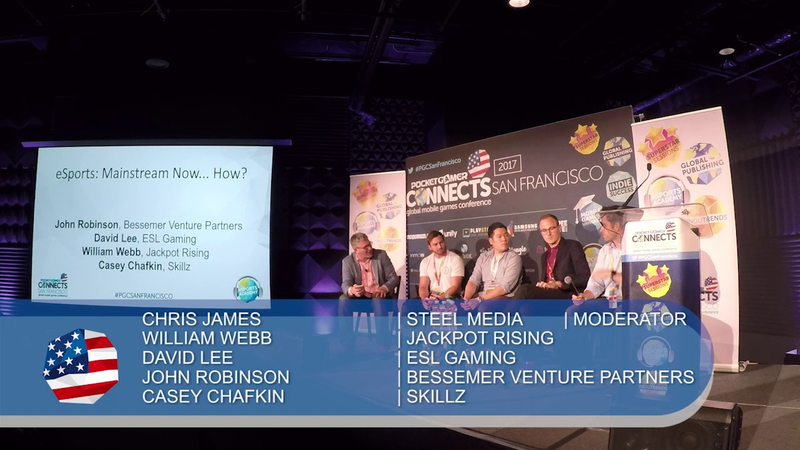
What the mobile games industry needs to do to get mainstream recognition
Mobile eSports currently occupies an early developmental stage, mirroring the foundational era of PC competitive gaming.
- Mobile eSports is currently in a foundational development phase, mirroring the early era of PC competitive gaming but positioned for rapid expansion due to its massive global user base.
- To achieve mainstream normalization, the industry must prioritize professional-grade technical features, specifically robust spectator modes, custom game lobbies, and rigorous anti-cheat protocols.
- Establishing competitive integrity through advanced technical infrastructure is a prerequisite for attracting the consistent brand sponsorships necessary for industry maturity.
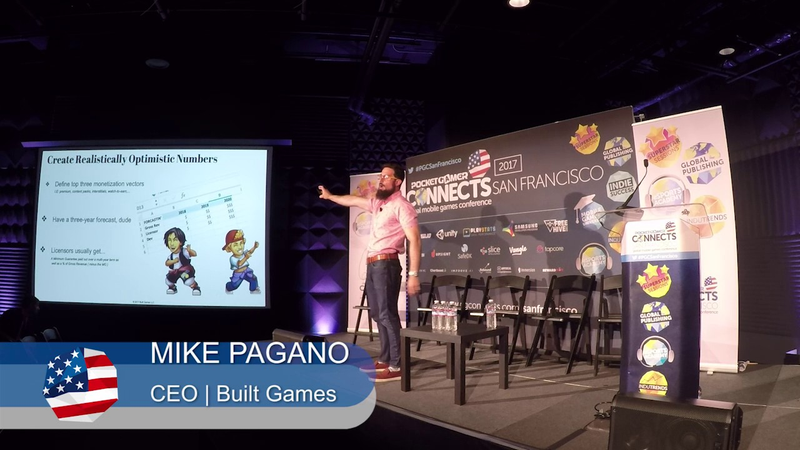
Licensed games masterclass
Securing and managing intellectual property licenses for video games requires a strategic, professional approach that prioritizes relationship-building and clear communication over technical jargon.
- Secure licensing partnerships by identifying business development managers and translating game concepts into non-technical language that aligns with the brand owner's commercial goals.
- Pitch effectively by using a concise, one-page concept document that clearly outlines the game's value proposition and user acquisition potential.
- Develop a playable demo to simplify the decision-making process for stakeholders, as this is highly effective for securing brand approval.
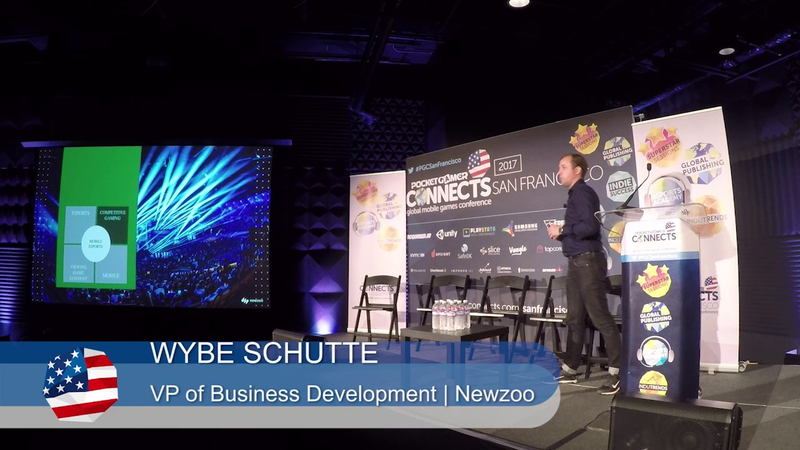
The key trends and regions driving mobile eSports
The mobile eSports landscape is experiencing rapid growth, driven by a shift toward accessible, spectator-friendly titles and increasing investment from major brands.
- The mobile eSports industry is valued at approximately $696 million, with nearly $500 million generated through brand sponsorships, advertising, and media rights.
- Professional organizations including Fnatic and Immortals are entering mobile leagues, indicating a maturation of the sector beyond traditional PC-dominated titles like League of Legends and Dota 2.
- Mobile eSports viewership is increasingly spectator-focused, with 40% of enthusiasts watching competitive games they do not personally play.
Writers
Games and companies
Games