1 free read left. Create a free account for unlimited reading + AI research.
Create free account
Mobile eSports 101: The past, present and future of an industry on the rise
Key insights
6 takeaways- 01Mobile eSports is a distinct, high-growth ecosystem serving a global base of over 2.6 billion mobile gamers.
- 02Mobile eSports is transitioning from a niche interest to a mainstream phenomenon that mirrors the engagement patterns of traditional professional sports.
- 03The integration of real-world prizing and bracket-style tournament structures has been proven to significantly improve both user retention and monetization.
- 04Technical integrity, specifically robust anti-cheating measures and fair matchmaking, is a mandatory requirement for developers to sustain a competitive ecosystem.
- 05The industry relies on a 'spectator loop' model where streamers provide context and entertainment, leveraging the mobile device's role as a second-screen experience.
- 06Approximately 20% of a typical mobile game's audience is inclined to engage in competitive play, spanning genres from complex strategy to casual puzzle games.
Ask AI about this video
Transcript
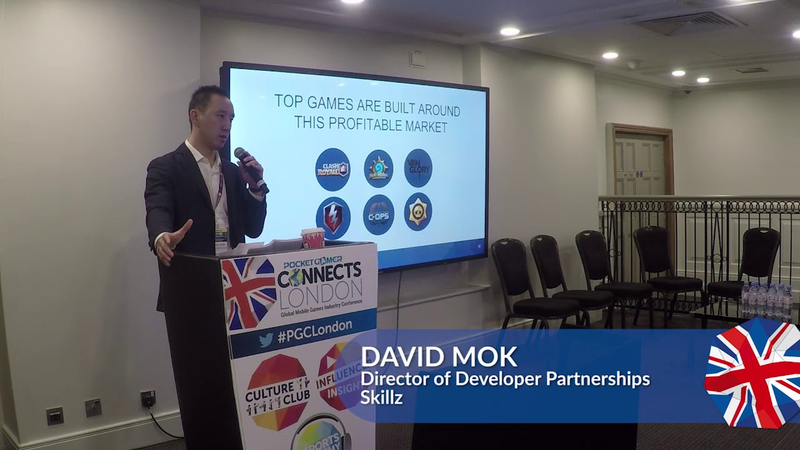
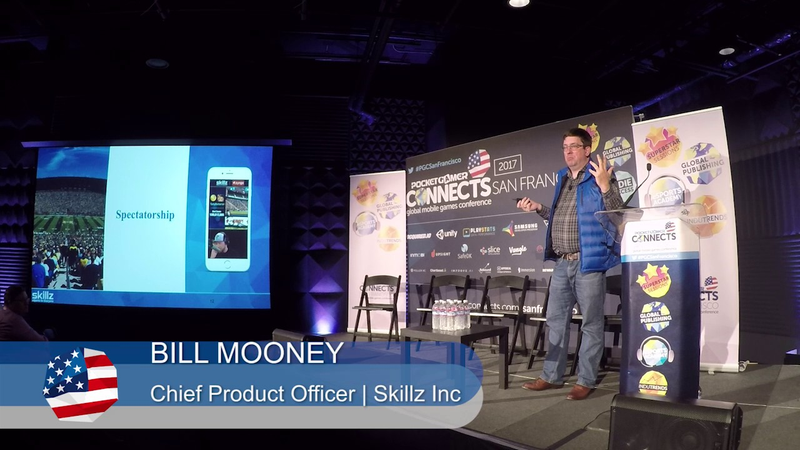
[Music] thank you so just to get a sense of the folks here how many of you feel like you know a lot about eSports okay how many people feel like they know almost nothing about eSports how many people know a little okay so that's sort of where I'm going to try name this so we talk about eSports people overwhelmingly think of stuff like League of Legends counter-strike etc and what's interesting is I think most of us here at this conference get how important the phone is right and so there are two billion people plus on it and I'm going to give some numbers but really one of the key things for you folks to understand is that just like eSports have been going longer than people think of mobile eSports have already actually been growing steadily so it's not an if question or even a win question it is
how fast is it growing and so that's something for sort of important to understand so my first slide is the way fundamentally we look at eSports is it's fundamentally sports and it's fundamentally competition and one of the things to understand is that as we've seen with stuff like Starcraft it takes time to build it's 50 years for a game to become a sport video gaming is 50 years old I just was at e3 and people we're talking like Street Fighter or more than 30 years old now the history of eSports it has started really early because when we talk about eSports what we're really focusing on is people competing seriously right and so here's sort of a timeline that we would suggest and I think for most of us you would think of sort of the land parties where people grab their computers got together in a room connected it went through all the hassle and that really many ways is sort of the spiritual successor spiritual predecessor to sort of the hardcore eSports that are going on but the phone does so much more makes so much of this easy that we've seen a massive massive increase in the play
just like we have another areas and very much sort of in that second screen phenomenon eSports on mobile dramatically appeal because I can have this while I'm doing other stuff I can watch it watch various channels and there are people who put out feeds for that and I can play the game while I'm watching twitch and other sort of traditional channels so I mentioned the size of the market this may be surprising but it's already a very substantial market I mean they're 120 million people who are enthusiasts there are two hundred and thirty five million people in 2015 this year there's going to be almost four hundred it's a very steady growth and what's key is it's already a very established audience what's fascinating is we're seeing it for compared to sort of traditional sports I'm sure this is familiar to people that really sort of the younger generation of players of viewers have migrated heavily to this so we see League of Legends as bigger than the NBA Finals it's getting very very close to
the Super Bowl when we look at the biggest stuff so this is already an absolutely established phenomenon unsurprisingly and again on mobile it's bigger than people think of because largest most popular gaming platform none of this is surprising continuing to grow continuing to be more and more accessible continuing to monetize at a higher and higher level and everybody already has it right you don't have to go spend 1,500 bucks on a PC you don't have to spend for a console you don't have to worry about whether your thing is 4k it's on your phone and it works okay we get this and the key is everybody has access to it and people who wouldn't necessarily think of themselves as eSports gamers or as eSports viewers or as serious competitors what we'll see what we certainly are seeing is that a solid percentage of every game that we see has a competitive element okay so mobile esports basic numbers here I'll let you absorb them nothing surprising 2016 mobile game revenues are
bigger only going to further widen now we get into what's really interesting so we say any sport you sort of know a little you think of a bunch of kids playing Starcraft years ago and now a bunch of sort of young people being excellent at stuff like League of Legends but let's break that down a little further really what it boils down to is fair competition and especially on mobile where the pattern has been free-to-play which in many ways is sort of AI pay to win right when I'm playing competitively because I've spent a lot in the game and I better get that awesome thing I use better benefit me later is directly different in an eSports context because one of the most important elements is it's fair competition right I don't have a competitive advantage and I think eSports as a whole we certainly in our games and everybody goes to great lengths to avoid cheating hacking all kinds of things like that and I'll talk a little bit more in detail but that fair competition that everybody is on a level playing field that motivation that's very different than it exists on mobile is critical to understand that right that is the basis of this it is I
have to have fair competition I have to feel like I have a perfectly equal chance I have to be able to compete right I don't I'm not advantaged I'm not disadvantaged it is fair ii organize tournaments the analogy here again is to regular sports where it is the tournament's it is the league it is the standing it is the status of me being better my team being better I know how my team does its objective right and it is something where there is this head-to-head element and that is critical because you need the tournaments to say no Lee is the competition fair but the competition matters because here is where matters here is the result that determines whether I won and then third spectatorship and there's a further element within that which is narrative because with sports as a whole the reason that's interesting as a business the reason there are professional leagues is because there are people who can appreciate what they're watching who engage with what they're watching and to understand what they're looking at and this is a very important element because
League of Legends how many people here feel like they know how to play League of Legends at a decent level I don't how many people he'll feel like they can watch soccer and have a good understanding of what they're seeing right how many people here understand solitaire right this is a meaningful thing and yet the League of Legends audience is huge is passionate and has this great loop where I watch it gets me more involved in my game I play my game it gives me more insight so that when I watch it's more and more appealing and there's this great loop okay so competition I've been going into that one of the things for example that we do we do a lot of work around making sure that we control for stuff like device we do it sort of in a modified yellow and good competition there are startups that do nothing but focusing but focus on how to create fair and good matchups I can tell you a meaningful percentage of my company works doing data just so that we can make sure you have a fair match and just so that you're not cheating so that
we see nothing weird in your play patterns we've even for some of our real money winners set somebody out and made them play in front of our investigator to make sure that they can replicate scores that's not a joke and this is on a mobile site that probably you've heard of us this year you may not have heard of us before but it's this key element of it is a fair competition and it's important it's actually this is something that takes a shocking amount of work in the online mobile environment where we have to care about sort of distributed devices tournaments I feel like I've talked about it we know ourselves when we when we started to add bracket style tournaments we saw retention and monetization increased dramatically people liked it this is obvious and many things in many areas it is the competition that is key it is that sort of later'd element of I have beaten this group of people I can see myself getting better I watch the World Championships of whatever I know that this applies and then the spectatorship now it's interesting on mobile one of the things that skills didn't do this at first and this is sort of our own experience and for you to sort of I
think capture is we've invested a lot of time in the last year and a half really focusing on sort of providing the experience that people can stream and how many of you watch twitch at least once a week YouTube's game streams I mean I will tell you this is something that for me in the last nine years of games I've been in the game industry for 17 years it was striking how much more prevalent this has become so to the extent that you're working with your staff my experience is that people who are 28 and younger this is half of what they consume many of them grew up watching Minecraft Starcraft whatever the games are changing but this spectatorship very used to this distributed bottoms-up model with a million different streamers probably literally putting out content on 50 different games that people then find absorb and get get more and more involved and I mean you guys are probably heard of the minecraft there's a startup that's doing in theaters in North America competitive minecraft League which I find interesting but the key is that spectator realm because I'm
there to watch I'm there to play but I'm there to also participate feel like I'm getting better feel like I'm seeing who's impressive and it can be digested in this very dispersed model because we can't assume on mobile that we will have the DOTA competition with the very best pastor who knows the intricacies of the game so we have to actually when we as an industry think about mobile have to think about how do we do this in a distributed manner one of our solutions has been to build tools that basically help the streamer call out what's important but it's the spectatorship and it's the narrative of the match one of the things we talk about is even the score we spend a lot of energy on games that are on our platform adjusting scoring so that I can look at the score and have a sense of what happened in the match and when I see other people play what can I possibly do so that the person watching knows that person is better and here's why okay so this is how we think of the infrastructure and you see it's sort of broken into three big pieces in the player matching you have to make sure that the matching
itself is fair and in skills this case we do both virtual currency and real money prizing so people can pay either to enter a tournament and the winners get it real money introduces lots of complexities as you can imagine if anyone has ever had to deal with getting deep into payments you can appreciate the complexities of that I think it's one of the advantages we've had in the guys who found it skills actually had a payment company before that and that stuff's very hard the nice thing about doing all the payment stuff is it actually good for anti cheating and anti cheating is important because if people feel you guys have probably seen some of the scandals has sort of made it to more broad news where there have been questions about fairness and about cheating and this is central to an experience that people just have to know that it's fair and that the company and that the game and that everybody involved is doing everything they can to preserve that integrity which sounds funny when you think about people playing bowling competitively on the phone but we know this matters when we talk to our users and I hear this sort of generally from sort of PC sports people they are obsessed with fairness
and it's hard it's probably the hardest thing to do the second level is eSports tournaments to the extent that people do real-world pricing you have to comply with local rules we for example indemnify and and help people understand that but it's making sure you're following that making sure that you understand what's going on and really making sure that it's done in a way that can't act okay the third thing is I mentioned talk a little bit the streamer enablement to give you guys an idea one of the things that we felt was so important we've devoted a lot of resources to it is we have the ability to capture and capture the gameplay for everything and we do it in a way that we don't have to embed in the code one of the things we do is we spend a significant amount of majority to tag that with metadata so that we can present to the person who's presenting the game to the streamer information automatically in a way that they can actually incorporate in sort of the course of talking to their viewers for six hours because these people are probably streaming on average 6 hours a day and we want to give them interesting little nuggets we sort of jokingly
internally call it eSports Center and the idea is to give them nuggets to tell them why this match is interesting what's the biggest upset hey X just got their best score ever because this is stuff that too the streamer economy matters hugely and it's something that too building that spectatorship we talk a lot about sort of in the NBA they're only 150 people in the NBA and there are 45 million people in the u.s. that play basketball it is that reinforcing loop and it's again I know I'm good because I've made that shot I know that person is good because I have enough underlying information about basketball to appreciate it and that's something that we feel is critical when you think about how to do mobile eSports understanding that there's the sort of entertainment merger with gameplay and it's that combination that as sort of I came to it understanding how to present that in a way that's intuitive in a way that's natural in a way that doesn't sort of have to be front and center because I don't know if anyone's ever seen the NFL broadcasts in England they do a lot of very remedial explanation to sort of because they have to assume that
people don't understand what they're doing so to the extent that you can minimize that and help people understand why what they're looking at is interesting or cool you will be successful okay why do you care this is great that sounds super cool what does it actually matter to your users here's the kind of stuff that we actually see in hardcore numbers on games on our platform right and for those of us who've done games for a long time I think most of us would say that if you could have one number that's amazing it's retention right and I can't share some of the numbers but I was shocked at the four year survival rate from the earliest skills users and seeing that go up if the game quality's improved on our platform these are numbers that you know this is compared to the games before implementing this and my own opinion is that call it 20% of your game unless it's specifically competition only 20% of everybody's game and everybody's audience will happily play each other competitively and a meaningful percentage of that audience if you offer real-world prising will participate in that everywhere we see this across stuff like solitaire bridge right these games
that you wouldn't think of monetizing that way to Domino's games are tearing it up on our system right now so we're seeing this behavior just like people will play darts at a bar they will play pool at a bar these are things that people understand they will do this in the front on their phones they will do this in the mobile environment they will do this in a tablet if presented in that sort of casual way and some of them get very excited about and start getting very competitive by the way a thing to note here is these are numbers for the system as a whole so the great majority of the players we see on our system although I mentioned we offer cash pricing play virtually so this is a behavioral pattern not just a cash pattern okay so the key takeaways number one hopefully to this audience is very very straightforward the future of eSports is mobile the future of everything in games is mobile right I mean you could argue AR and VR they're very interesting see them actually in many ways as the fun as derivative of mobile because I have my phone with me all the time right the air stuff to me is actually more promising because I can experience it as
I go I certainly myself don't work directly in VR all those skills is having conversations I'm much I was much more bullish when I put on the Google daydream than when I put on my wife my vibe is amazing but that they very limited very controlled very necessarily sort of experience in a bubble it's sort of an appointment thing whereas when I put on the daydream I could imagine using that in sort of idle moments in that hour a day of my life where I happen to have my phone there's something cool I think of it and this is really our fundamental thesis because not everybody is going to spend six hours a day in front of their computer playing eSports but that audience is passionate about in what we think and what we observe is they'll do both so even in stuff we had the guy who was the third best I think he's the third most populous streamer guy named doublelift who went back to play League of Legends this is all stuff that is perhaps a foreign language but it's important to understand we run a charity tournament with that guy and it was shocking to see the engagement on that and we were seeing it
ourselves from an audience that we thought would have been very hardcore and they were playing a puzzle game on our system and it was fascinating because it was mobile because it was a second screen experience because it was something that streamers can just incorporate it works naturally and for people everybody knows this I mean how many of your how much of your gameplay occurs while you're waiting for me to talk at this while you're waiting in line while you're waiting for your car to show up there's a half an hour to an hour a day that you fill with entertainment that you didn't before because you can and even the eSports that applies for a mobile game to be considered an eSport it needs good competitions and fun and fair tournaments and stream ability what that really means this first the second point here is it has to be fair and you have to care and it has to make sure that somebody can come in and win by skill right this is not something where somebody can buy their way to have a better advantage they shouldn't be on a better phone or have a better connection to the extent that is interesting for you in your particular situation it has to be fair that is the bedrock stream ability is important because the third element and the one that it took me a
while to really understand how do I have the narrative how do I keep the spectators interested how do I give context to what the person is looking at because that's the piece that makes it fun and just to give you guys an idea can you crush level videos get millions of views right I mean it would be shocking if you go look at the kind of things to get millions of views that you would never think of it it's critical and that's because in almost all those cases someone's either telling you why what you're looking at is material like league of legends or it's obvious from its face because for the 250 million people that play candy crush they can appreciate if somebody does a great job on that level and I suspect that many of those people are trying to solve that particular level but they're nonetheless watching it and getting it and that's something that really if you walk away the two words that I wish if you don't already know them are competition and narrative right burn those into your brain because that is the critical stuff that's not obvious coming from the rest of the game world okay with that I wanted to make sure I left a couple minutes for questions I have three or four minutes feel free to ask whatever you would like
I think it's profound I think it's turned out to be a good buy at a billion dollars for Amazon I think they've gotten access it's like Instagram when Facebook bought it this is an audience that would anywho here thought to which was worth a billion dollars four years ago not me right I was shocked and I think that they got a total bargain from it now because again I'm seeing as we people come into the office the younger sort of our younger hires people fresh out of school they watch hours a day of it and what's interesting I don't know if anyone looks at sort of what's popular on Twitch they're IRL streams are climbing quite high which is people doing stuff like knitting so it's a much more profound media change I mean I know the media companies have woken up to it so I think that twitch is twitch has the early mover advantage now what's not clear to me the thing I personally if I'm twitch I'm thinking about very very hard is how do I make a compelling experience on this little screen right
how do I make a compelling experience second screen on my second screen because how am I going to digest it in the four five 10-minute bites that people view it because streaming weirdly we sort of our internal image of it is it's almost like running an old radio broadcast you've got six hours of error every day that you better fill or your streamers won't or your audience won't stick with you so we think one of our advantages right now for example for us is that it gives streamers something to do because these people have to be on 30 to 40 hours a week to get serious about being able to stream so if i'm twitch this is the burning question how do I have an experience that's digestible that's interesting that's authentic that still doesn't make me just watch my phone for an hour which I probably won't do so hopefully that's helpful another question yes when the ranges of prizes that you're seeing in your system in terms of types of games like really complexity sports or even some of the simpler puzzle games the types of you
know what ranges do you see types of ranges in terms of what the prizes are in terms of these well it's interesting because ours are sort of tournament funded right so we'll see if I actually turn my phone off so I wouldn't get beep during this conversation I think our leaderboard just to give an example for the cash tournaments I think we run like a $10,000 leaderboard in ourselves our game every couple days on solitaire and what's fascinating and this is the thing that I think is but I found one of the reasons that skills was interesting to me personally is I like seeing a big audience where people don't know how to use it yet I went I was at Inga very early and that was one of the insights as a lot of people are on Facebook with not enough to do but worked out very well as it turns out but I think the key here is that what we're seeing to your point about prizes to me the interesting point about that is it seems to be who participates in the competition fits with the games demographic so in solitaire it's a primarily female game it's older but the percentage of people that like to play competitively is
actually surprisingly pretty flat now that's typically the games we focus on are games that are in many cases single player but it's not like four percent of solitaire wants to play it and 30 percent of dominoes wants to play it it's that constant twenty percent seventy percent of the people we've surveyed said they would play competitively we see forty or fifty percent involved in that I mean these are not exact numbers but to give you a sense of it but what's fascinating is it is a pretty constant percentage of the audience of whatever game it is of whatever genre it is rather than the same people playing across multiple games it's not everybody being nineteen who's playing of everybody being a social casino player who only plays these games it is a very common percentage of that audience who likes to play competitively and I think with twitch my sense is that the games that ultimately work best they're just to tie back to that earlier pointer overwhelmingly with that emergent gameplay of player versus player rather than just experiencing a narrative no matter how great it is because I love breath of the wild I put a hundred
dollars into it maybe I'll spend another 30 hours on it League of Legends I just was reading an article about a guy who played dota for 3,000 hours in the last six years okay I'm at time I'm good at yeah go be round so I can give about two leagues it's fantastic very smart guy we can have a panel about this always issues late as well remember opportunities in about half an hour to ask direct questions obviously build around smash I'll stay back there if anyone wants a chat thank you so much you so much indeed so cool [Music]
Summary
Mobile eSports represents a rapidly expanding segment of the global gaming industry, driven by the ubiquity of smartphones and a shift toward competitive, skill-based play. With over 2.6 billion mobile gamers worldwide, the industry is transitioning from a niche interest to a mainstream phenomenon. The core thesis posits that mobile eSports are not merely a derivative of PC-based gaming but a distinct, high-growth ecosystem defined by three pillars: fair competition, organized tournament structures, and engaging spectatorship.
The industry’s growth is supported by a steady increase in both player participation and viewership. Data indicates that approximately 20% of a typical mobile game’s audience is inclined to engage in competitive play, regardless of the genre, ranging from complex strategy titles to casual puzzle games like solitaire or dominoes. This competitive behavior is bolstered by the integration of real-world prizing and structured, bracket-style tournaments, which have been shown to significantly improve user retention and monetization.
A critical component of this evolution is the "spectator loop," where gameplay and entertainment merge. Because mobile devices serve as a second-screen experience, they allow for a distributed, bottom-up model of content creation. Streamers play a vital role in this narrative, providing context and excitement that helps viewers appreciate the skill involved in a match. To succeed, developers must prioritize technical integrity—specifically anti-cheating measures and fair matchmaking—to ensure a level playing field. By focusing on these elements, mobile developers can tap into a passionate, established audience that values both the ability to compete and the narrative experience of watching others excel, ultimately mirroring the engagement patterns seen in traditional professional sports.