1 free read left. Create a free account for unlimited reading + AI research.
Create free accountReport game – Verband der deutschen Games-Branche e. V.
1 free read left. Create a free account for unlimited reading + AI research.
Create free accountReportgame – Verband der deutschen Games-Branche e. V.
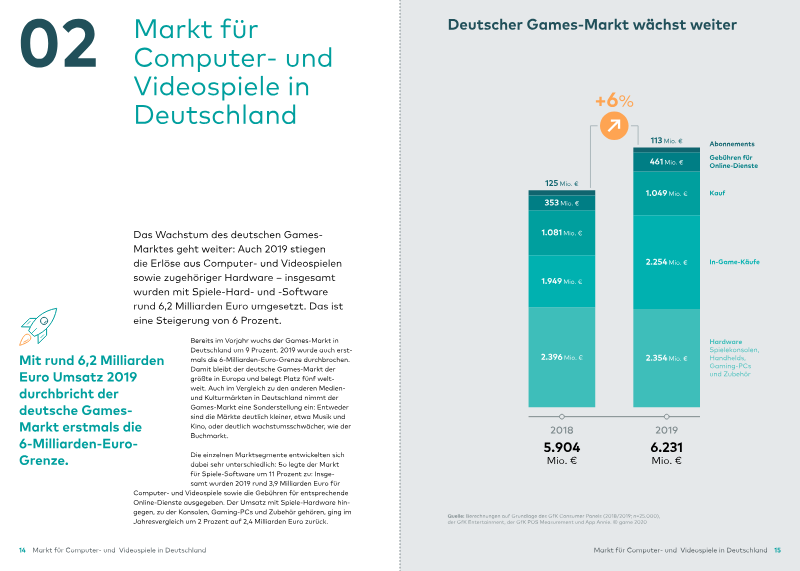
This marks a 6 percent growth rate, primarily fueled by in-game purchases and online service fees.
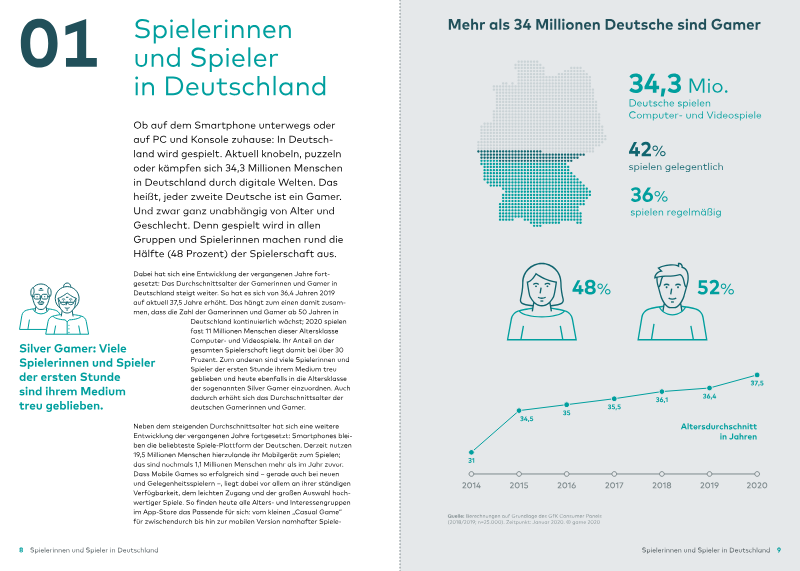
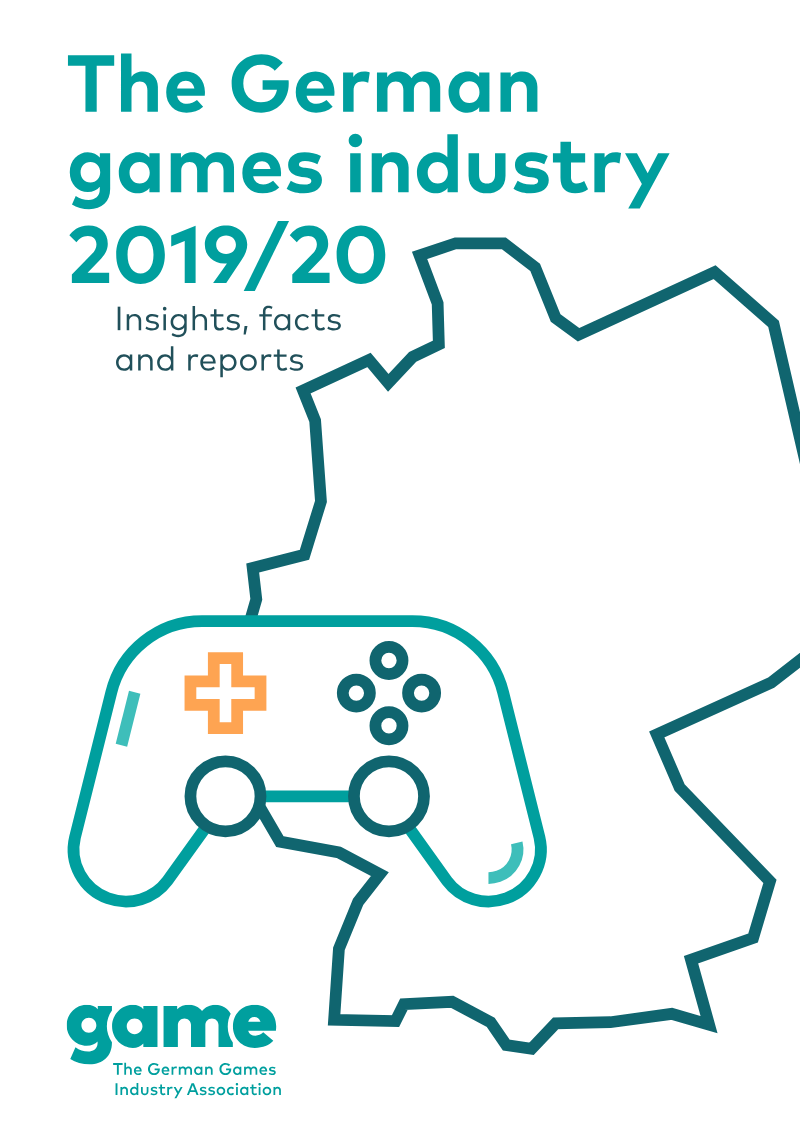
The German games market reached a record turnover of over 6.2 billion euros in 2019, representing a 6 percent growth rate despite the transitional phase between console generations. This expansion is primarily fueled by in-game purchases and online service fees, which have offset declines in traditional one-time software sales and hardware revenue. With a player base of 34.3 million people and an average age of 36, the industry has matured into a significant cultural and economic force. Smartphones remain the dominant platform, supported by widespread internet adoption and a long-term growth trajectory that has persisted since 1995.
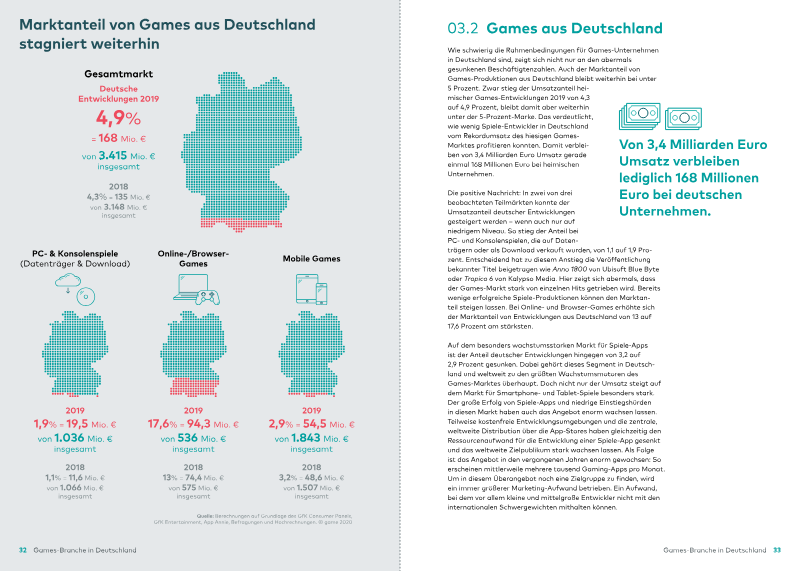
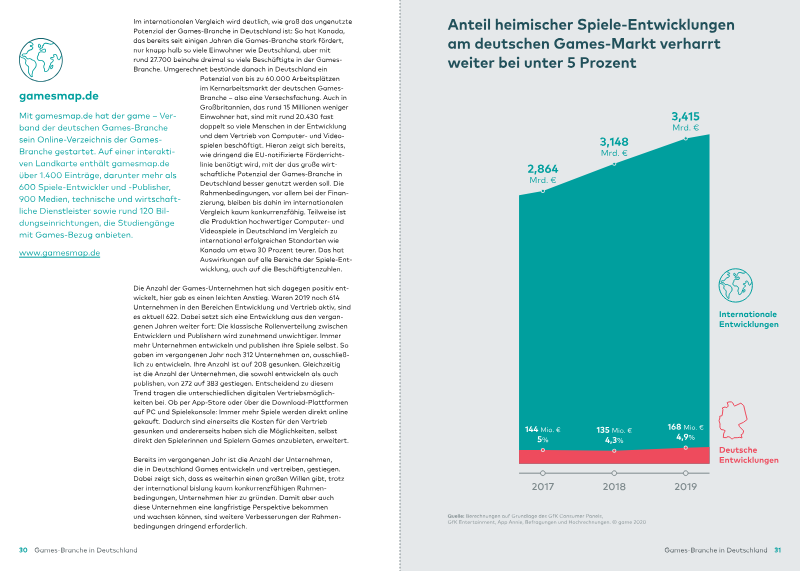
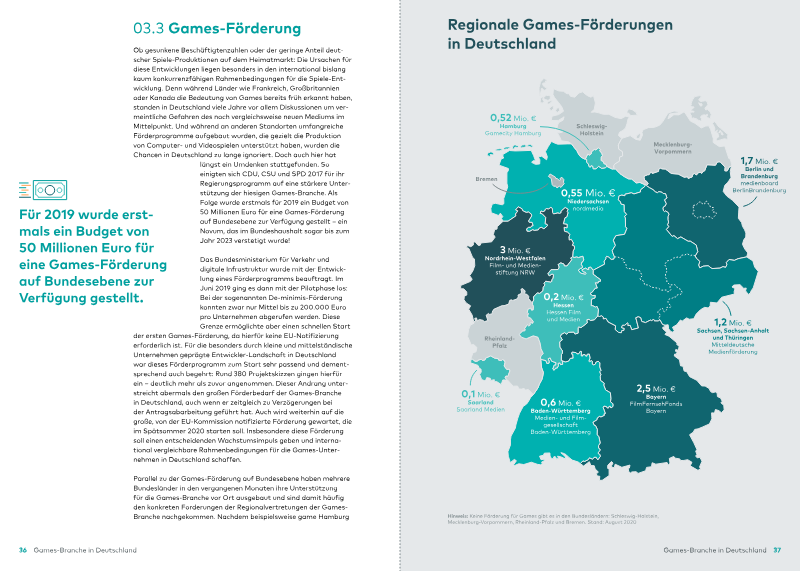
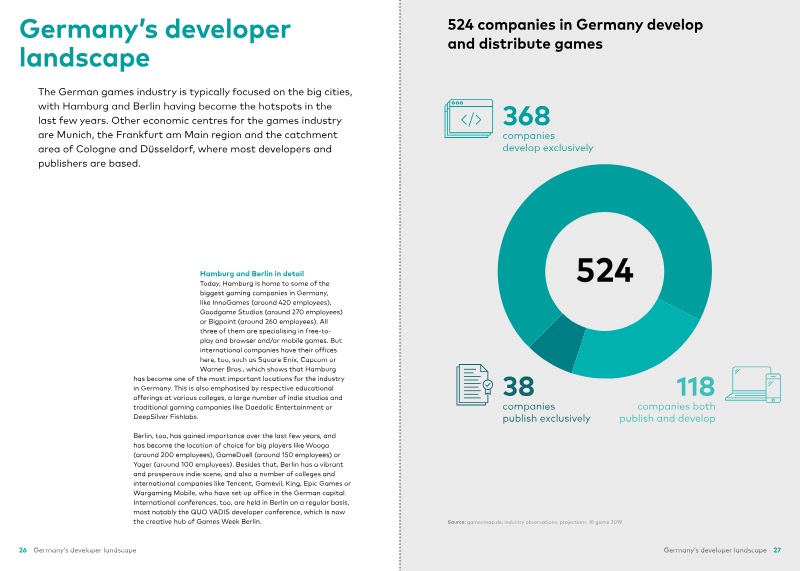
Despite this robust consumer demand, the domestic production sector faces structural challenges, with German-developed games accounting for less than 5 percent of the local market. The industry has experienced a two-year decline in employment within development and publishing, largely due to international competitive disadvantages and higher production costs compared to subsidized global hubs. To address these disparities, the sector is increasingly reliant on federal and regional funding programs, alongside a strategic push for improved digital infrastructure and clearer legal frameworks. These efforts are complemented by initiatives like the German Computer Game Prize, which has undergone reforms to provide more stable, government-backed financial support.
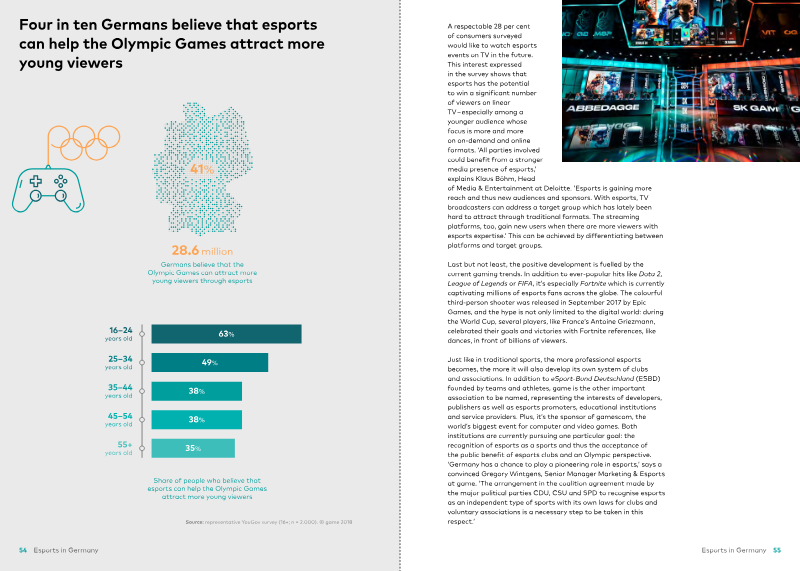
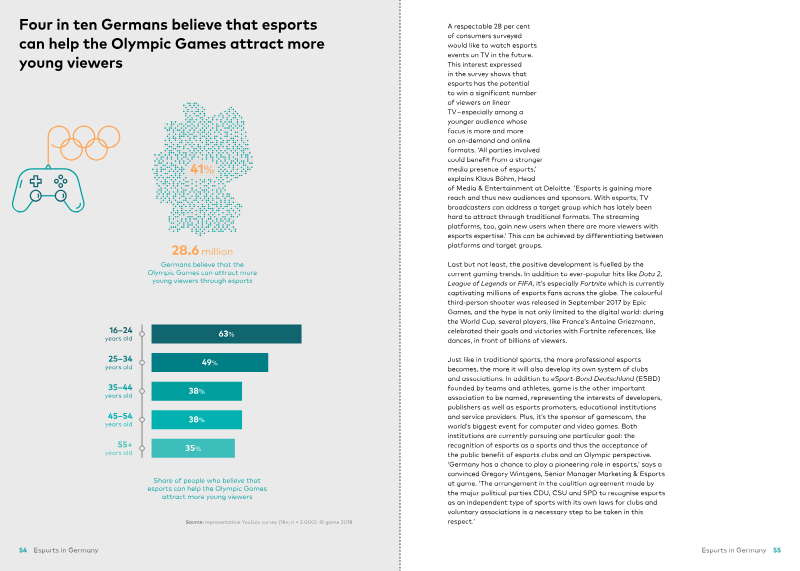
Beyond economic metrics, the industry is prioritizing professionalization and social responsibility. Efforts to establish Germany as a global esports hub are underway, though regulatory hurdles regarding the non-profit status of esports clubs persist. Simultaneously, the sector is actively fostering a more inclusive environment through initiatives like "Hier spielt Vielfalt," which promotes diversity and anti-discrimination. By strengthening ties with institutions focused on youth protection and cultural education, the German games industry aims to stabilize its core workforce, enhance its international competitiveness, and solidify its role as a vital engine for national innovation.

game – Verband der deutschen Games-Branche e. V. · 2026

game – Verband der deutschen Games-Branche e. V. · 2026

game – Verband der deutschen Games-Branche e. V. · 2026

game – Verband der deutschen Games-Branche e. V. · 2026

game – Verband der deutschen Games-Branche e. V. · 2026
game – Verband der deutschen Games-Branche e. V. · 2026
game – Verband der deutschen Games-Branche e. V. · 2026
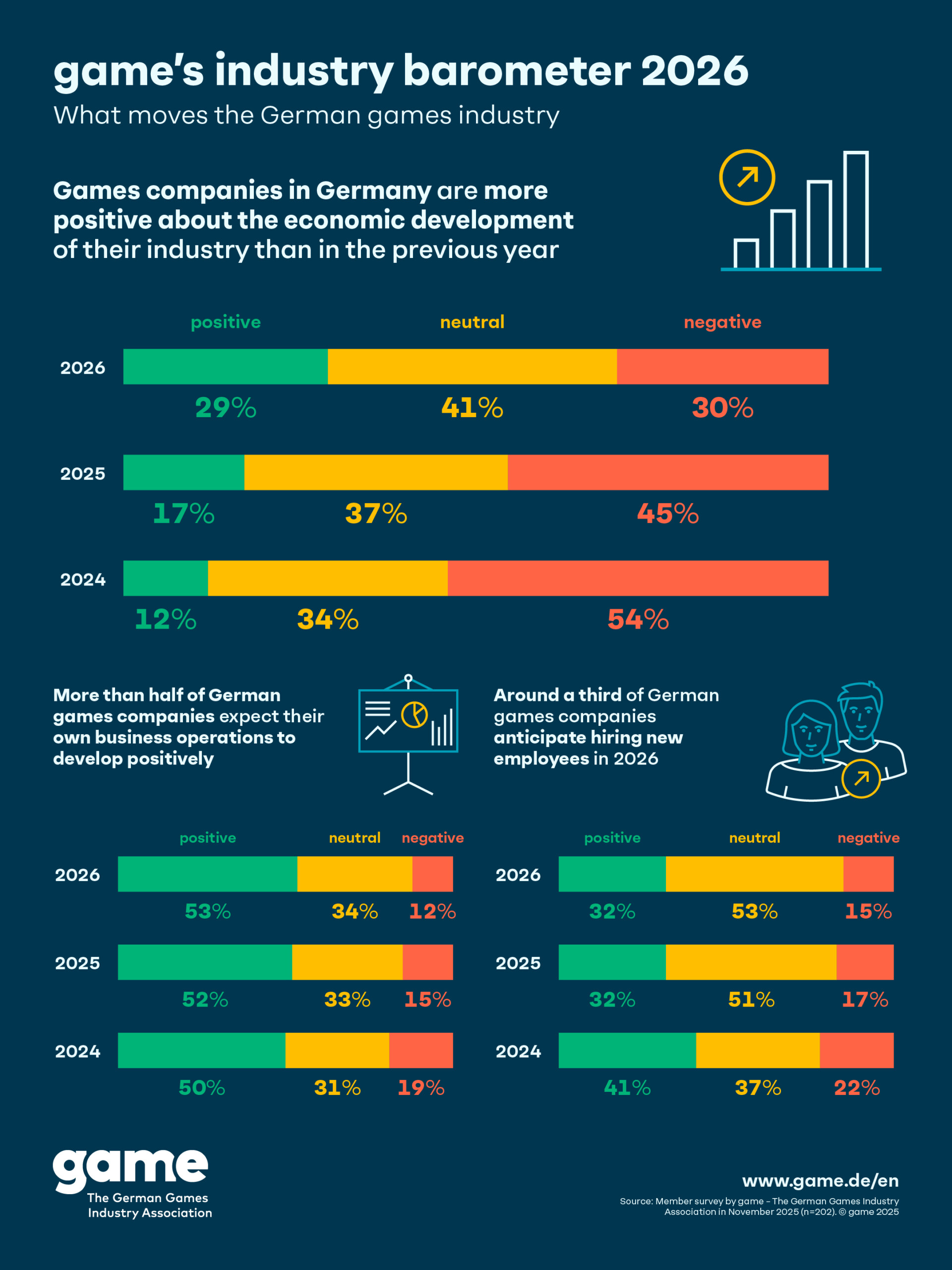
game – Verband der deutschen Games-Branche e. V. · 2025

game – Verband der deutschen Games-Branche e. V. · 2025
game – Verband der deutschen Games-Branche e. V. · 2025
game – Verband der deutschen Games-Branche e. V. · 2025
game – Verband der deutschen Games-Branche e. V. · 2025
British Esports · 2025