Game Studies reports and market data
Documents
Return in Play: The Emergence of Retrogaming in Finnish Computer Hobbyist and Game Magazines
Retrogaming in Finland evolved from a practical necessity for software compatibility into a formalized cultural movement that defines how digital history is preserved and consumed.
- Retrogaming in Finland transitioned from a practical necessity for maintaining software compatibility on aging hardware into a formalized cultural movement focused on the canonization of digital artifacts.
- The late 1990s served as a critical inflection point for the movement, driven by the proliferation of internet communities and the adoption of emulation technologies like MAME.
- Finnish computer hobbyist magazines acted as the primary architects of gaming heritage by publishing nostalgic columns and personal recollections that codified a shared history for the player base.
Rewriting History: Keynote Address to the 2014 Game History Annual Symposium
Video game historiography requires a fundamental shift away from the traditional, linear focus on American console hardware and marketing-driven milestones.
- Video game historiography must shift from a narrow, hardware-centric focus on American consoles to a broader, multifaceted cultural narrative that accounts for global design trends and societal influences.
- The industry must prioritize the immediate collection of oral histories from pioneers to preserve firsthand accounts before these primary sources are permanently lost.
- Methodological rigor requires synthesizing thousands of individual game titles with qualitative oral histories to move beyond simple sales figures and technical specifications.
Teaching Pre-Service Teachers to Integrate Serious Games in the Primary Education Curriculum
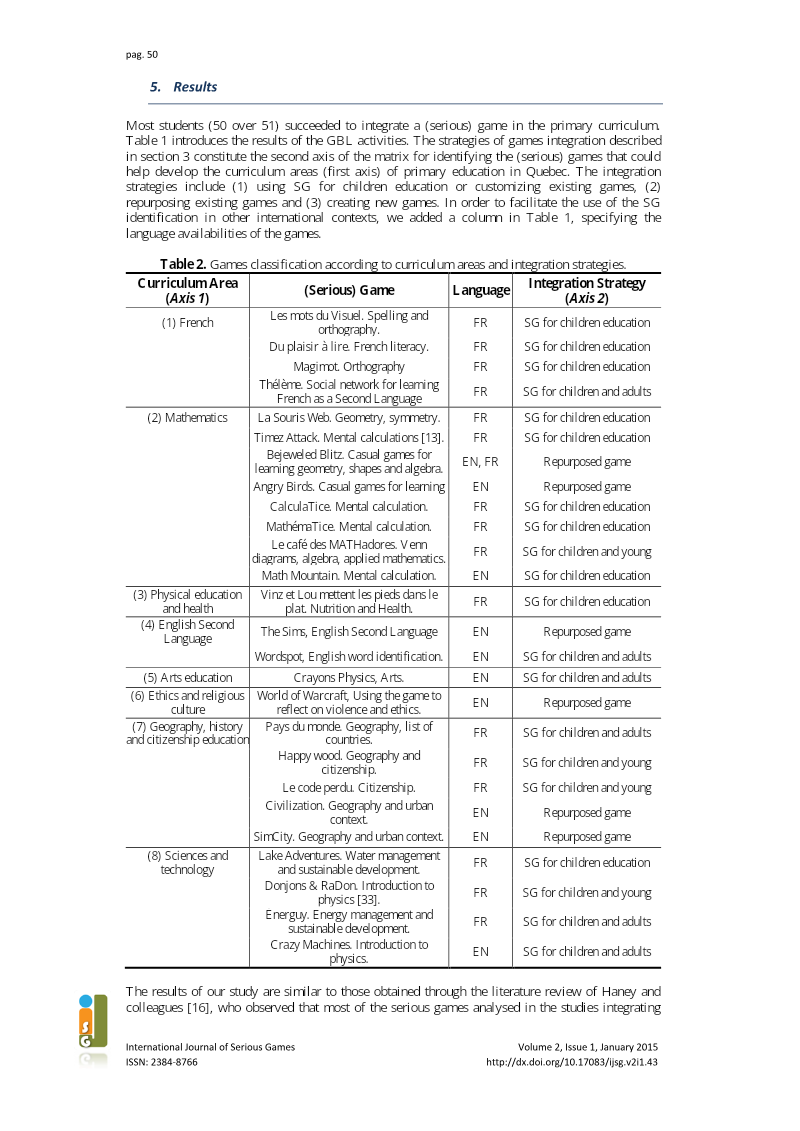
Integrating serious games into primary education curricula serves as a vital pedagogical strategy for enhancing student engagement, particularly within mathematics, science, and history.
- Successful integration of serious games in primary education relies on teachers acting as facilitators in a community of learners rather than as developers of original content.
- A study of 51 pre-service teachers in Quebec confirms that technical proficiency and time constraints are the primary barriers to creating bespoke educational games.
- Educators prefer repurposing existing entertainment titles or utilizing established serious games over developing original software due to the high preparation time required.
Game Elements Improve Performance in a Working Memory Training Task
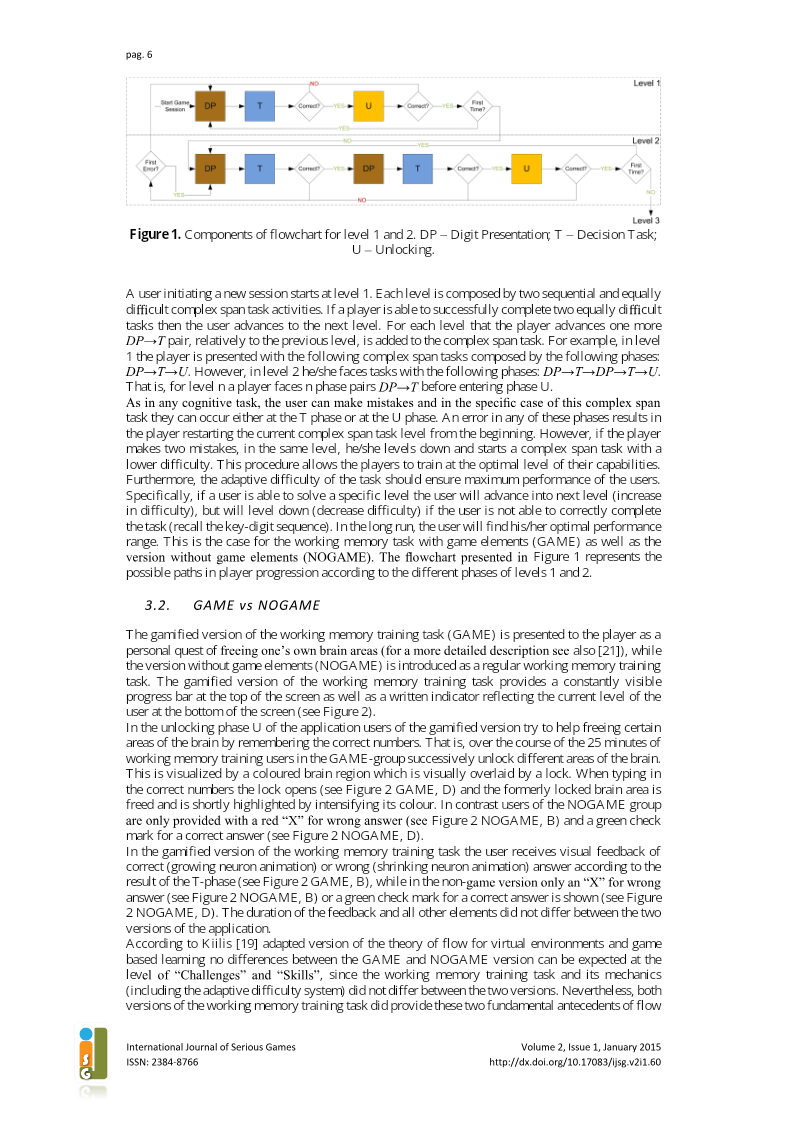
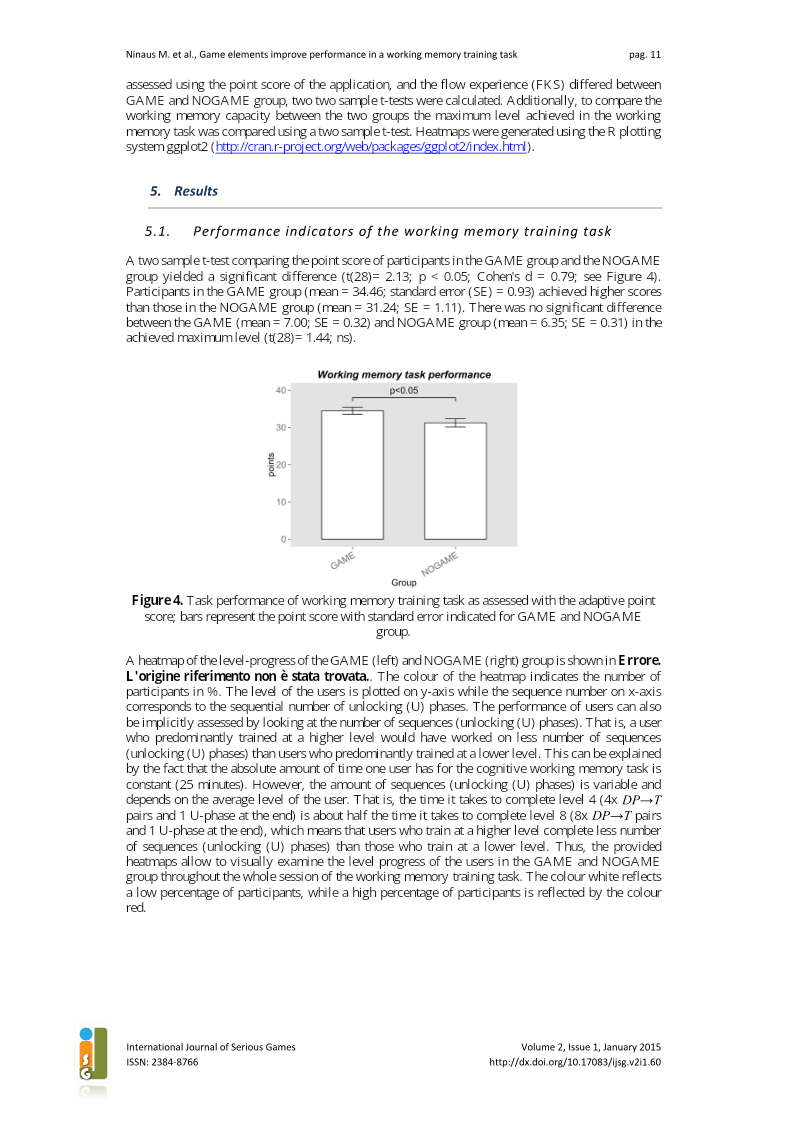
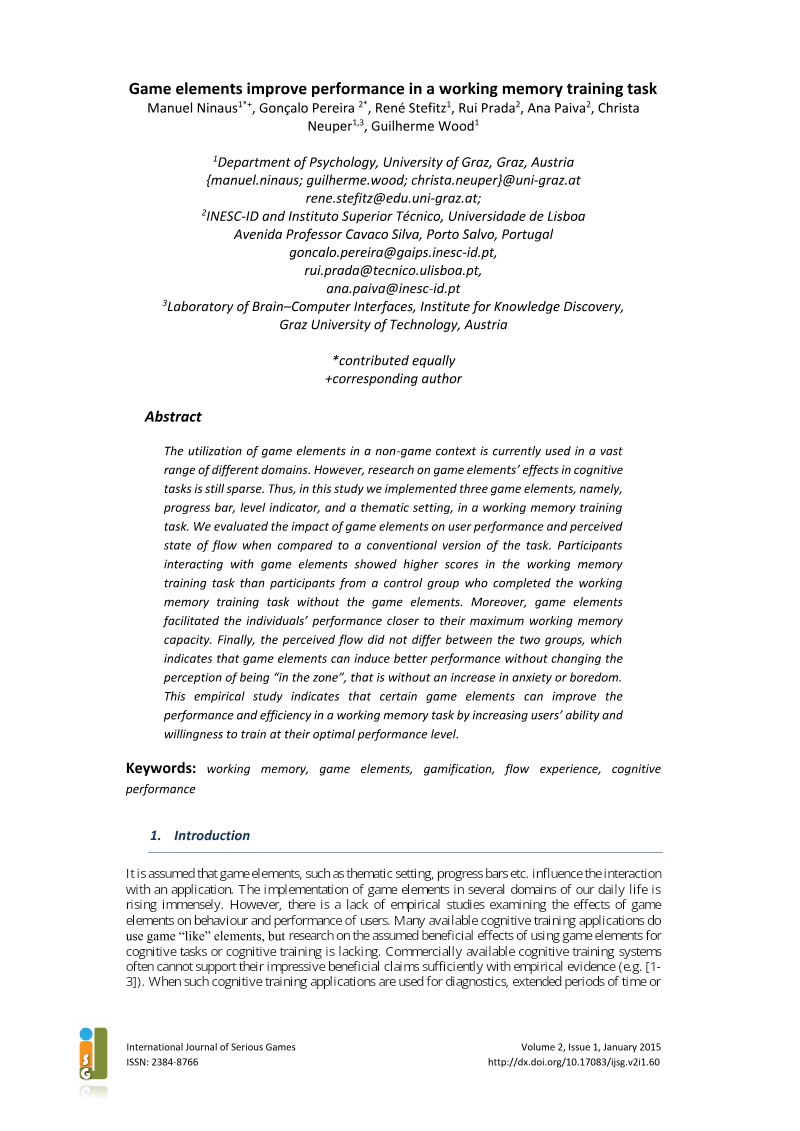
Integrating game elements into cognitive training tasks significantly enhances user performance and operational efficiency.
- Gamification elements such as progress bars and level indicators significantly increase user performance and operational efficiency in working memory training tasks.
- The integration of game mechanics encourages participants to utilize their maximum working memory capacity more effectively than conventional, non-gamified training methods.
- Gamification acts as a performance catalyst for objective output without fundamentally altering a user’s maximum cognitive capacity.
Cognitive Intervention and Reconciliation: NPC Believability in Single-Player RPGs
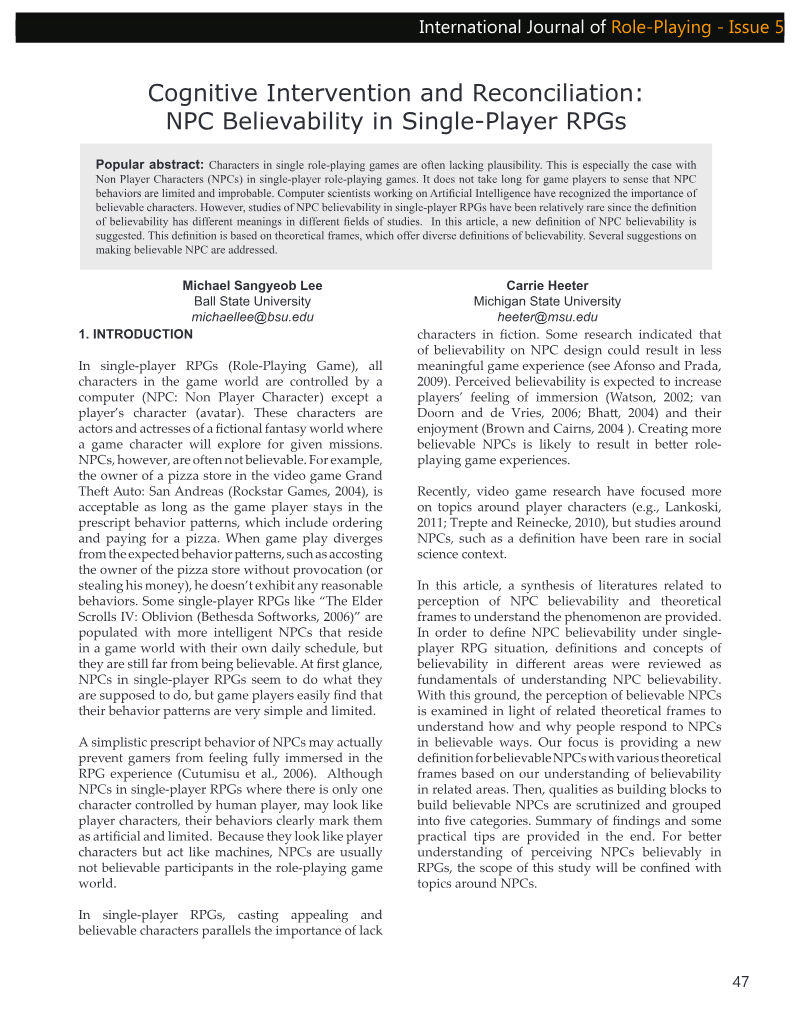
NPCs in single-player RPGs are often experienced as mechanical and limited, a shortfall that erodes player immersion and enjoyment.
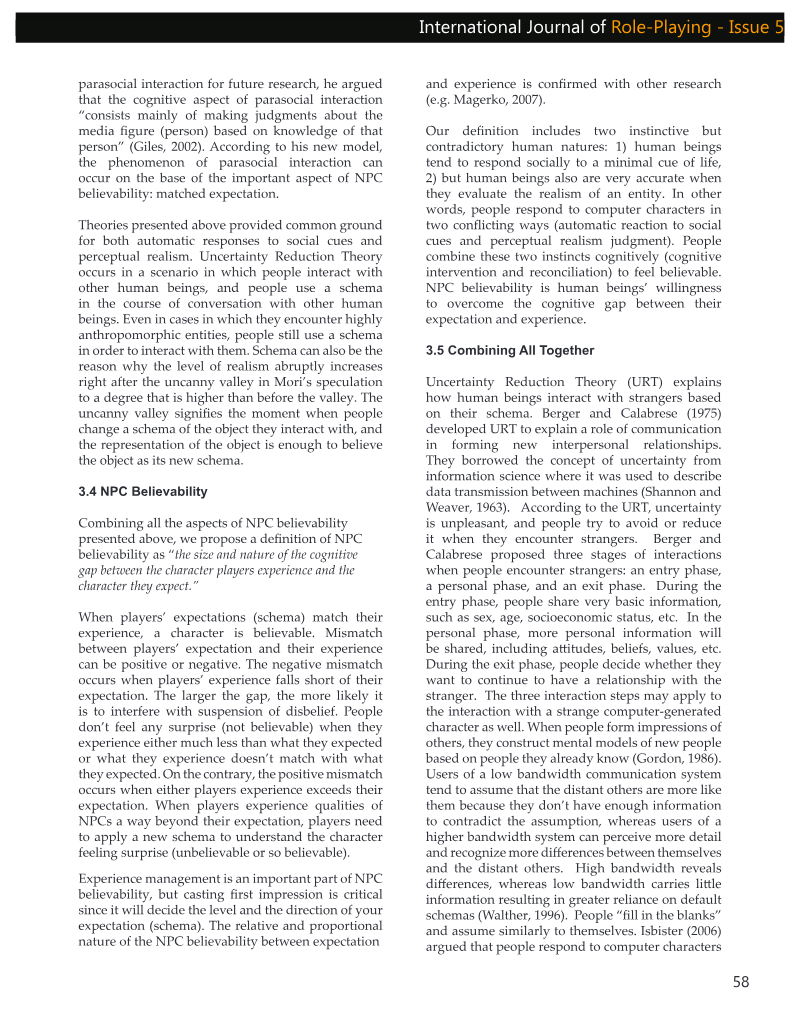
- Believability in single-player RPG NPCs is treated as a cognitive gap between players' expectations and their actual experience, and the report synthesizes AI, communication, film theory, and game studies to build a working definition rather than adopting one discipline's framing.
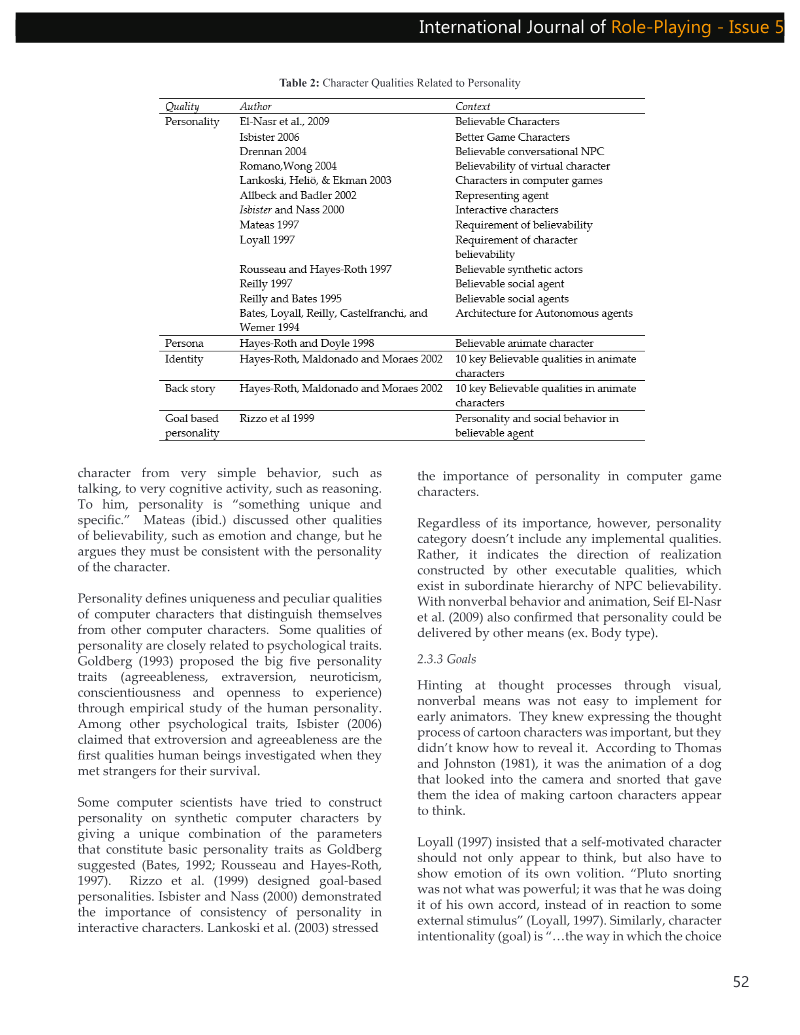
- Five qualities (appearance, behavior, personality, goals, and emotion) must be displayed clearly and consistently to players rather than assumed, since they act as precursors that shape one another.
- Appearance more expressive than an NPC's internal models produces false impressions, a risk illustrated by the Eliza and Tale-Spin effects.
Ecological Approach to the Performance of Larping
Lampo's paper proposes an ecological framework for understanding the performance of live action role-playing games (larps), drawing on Gibson's ecological perception, Kershaw's theatre ecology, and Ingold's notion of knots and lines.
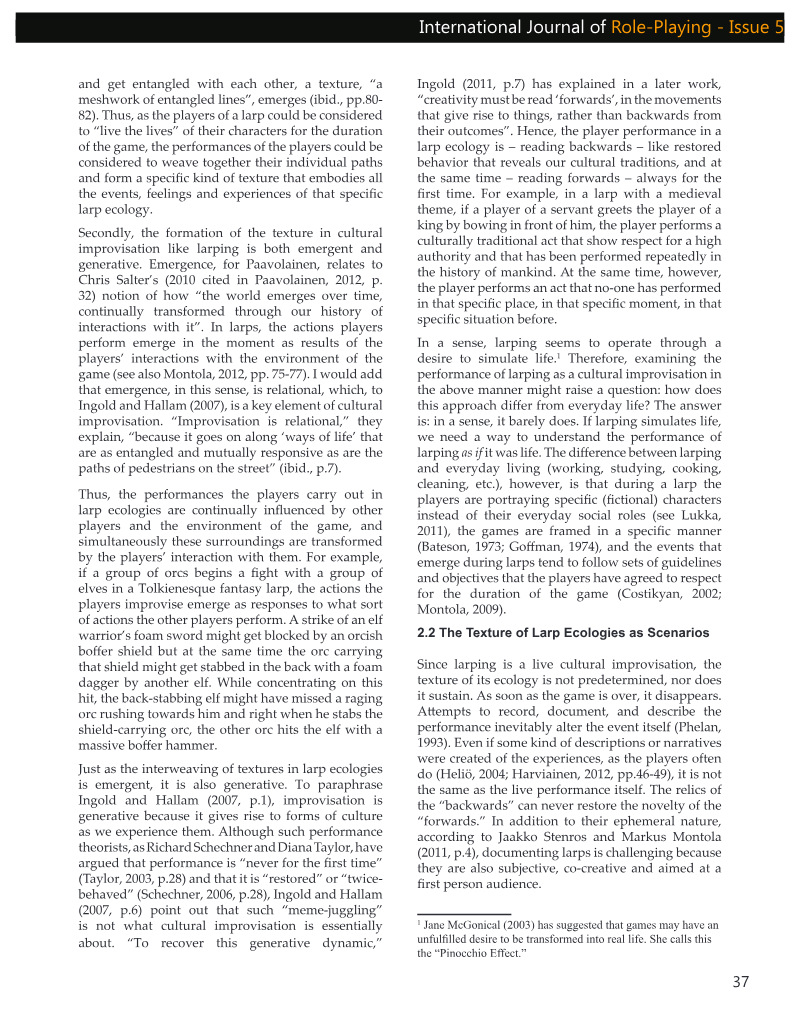
- Larp performance is framed as an ecology rather than a set of isolated acts: individual player actions interweave into an interdependent, improvised texture drawing on Gibson's ecological perception, Kershaw's theatre ecology, and Ingold's knots and lines.
- Because larps are unscripted and transient, they can only be partially captured through documentation, and Taylor's concept of scenarios is proposed as a way to grasp their structure.
- The core model describes player performance as four steps: information pickup, extraction of possibilities, choice-making, and embodiment.
The Effects of Using Academic Role-Playing in a Teacher Education Service-Learning Course
This study examines the effects of academic role-playing, using an adapted Shaftel model, in an undergraduate physical education and coaching service-learning course at a large urban university.
- Academic role-play using an adapted Shaftel model was tested in an undergraduate physical education and coaching service-learning course, comparing an intervention group of 52 students with a control group of 50.
- Role-play participants scored significantly higher on two of six course effectiveness items: the instructor asking students to discuss topics (p=.037) and students asking and responding to questions (p=.039).
- In focus group and questionnaire data, 22 of 24 pre-service teachers preferred role-play to lecture, two rated both equally, and none favored lecture; 21 participants reported feeling more engaged during role-play sessions.
Target BACRIM: Blurring Fact and Fiction to Create an Interactive Documentary Game
Target: BACRIM is an immersive, interactive documentary game designed to expose the realities of organized crime and human rights abuses in the Bajo Cauca region of Colombia.
Game Mechanics Supporting Pervasive Learning and Experience: Games, Serious Games, and Interactive & Social Media
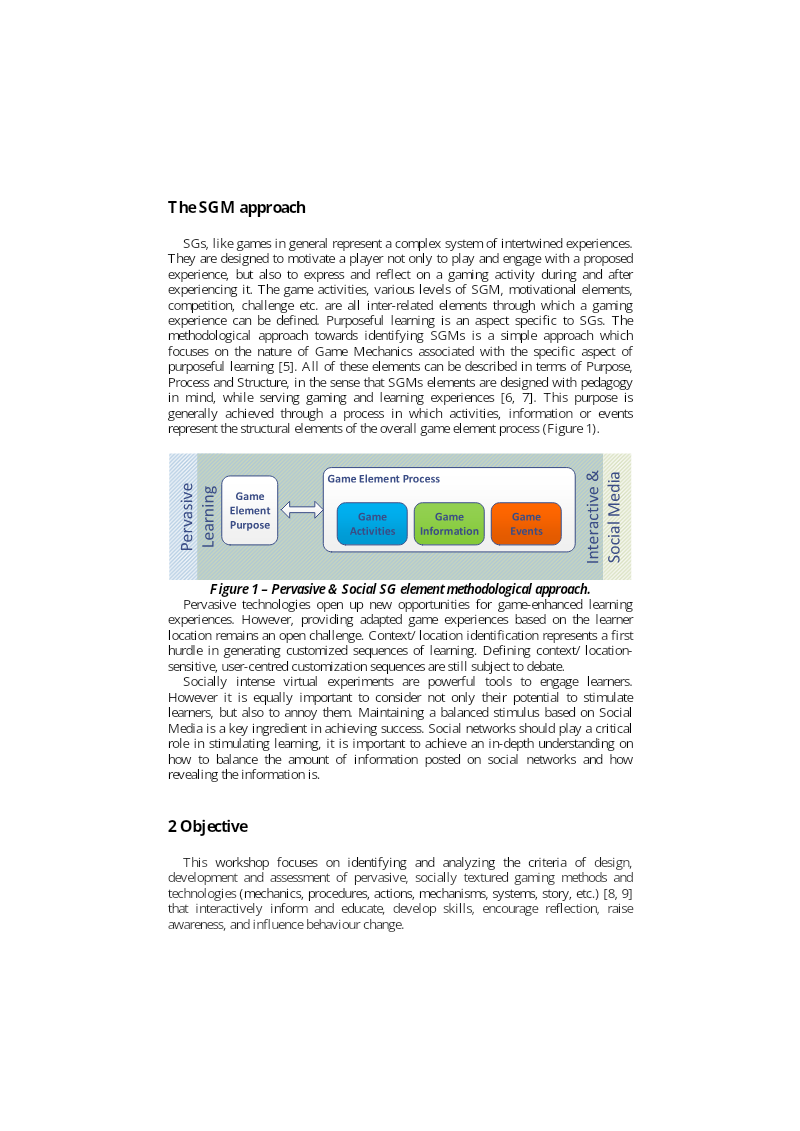
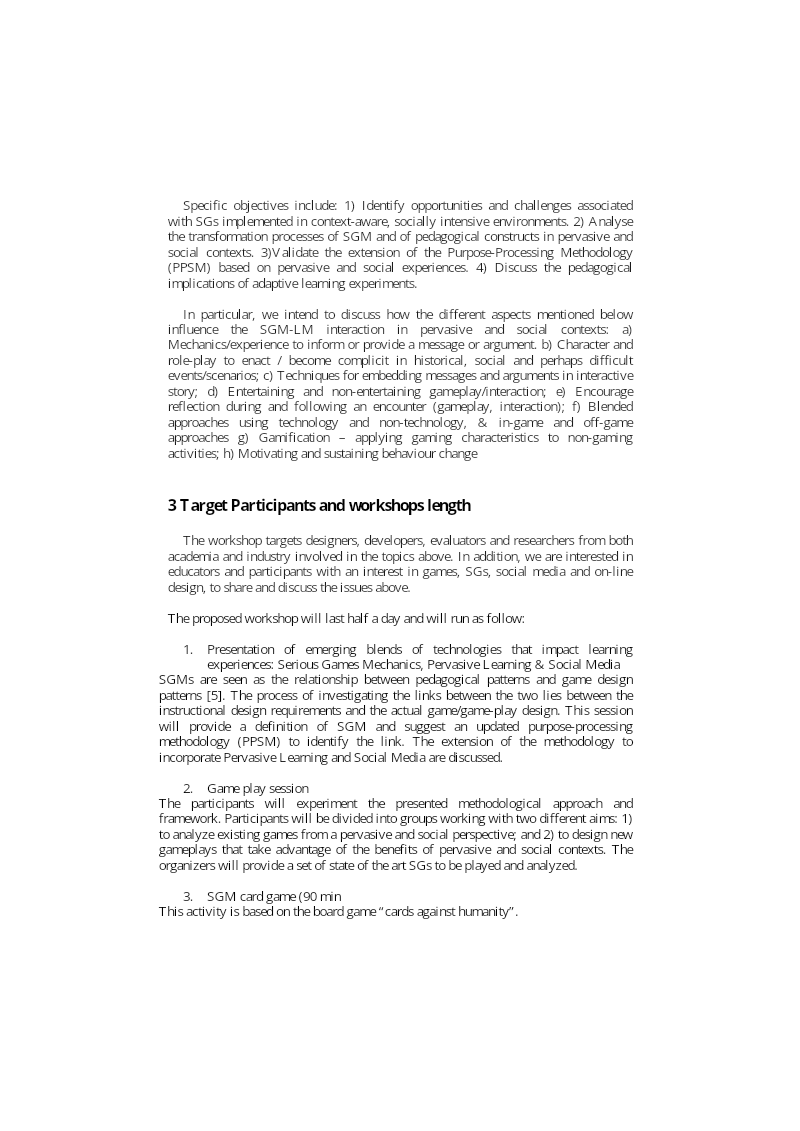
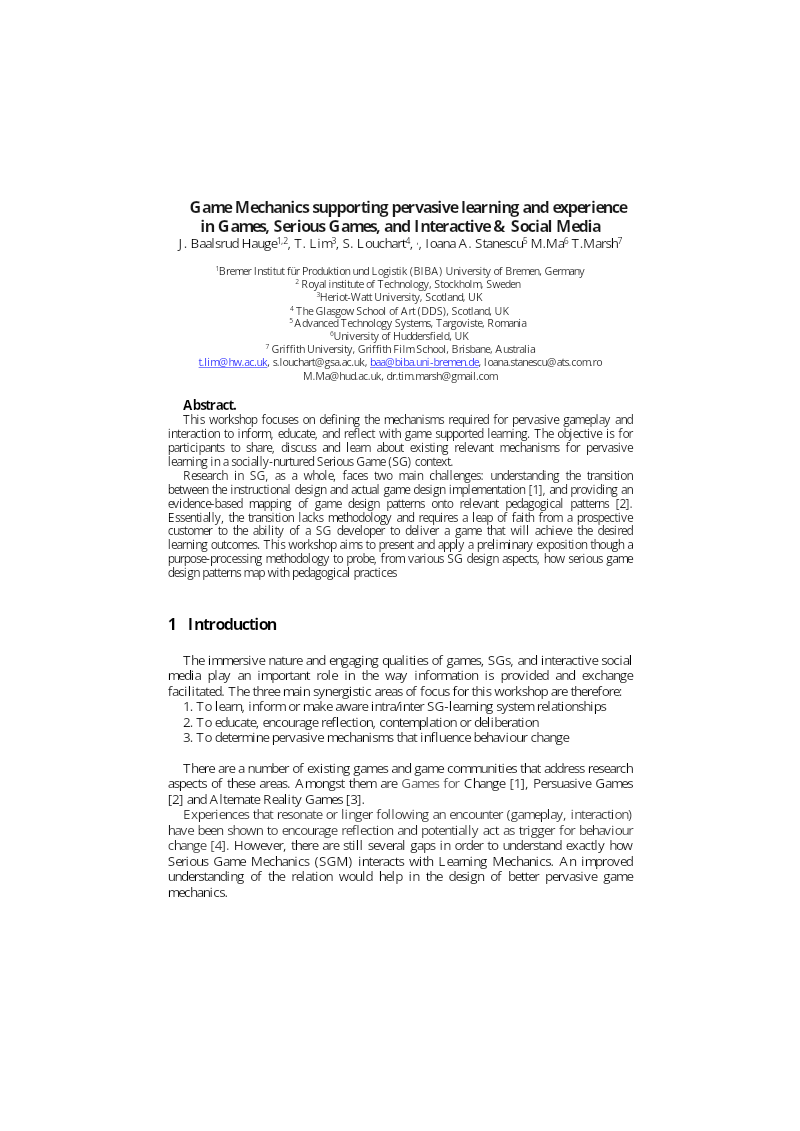
The primary objective of this research initiative is to define and analyze the mechanisms required to integrate pervasive gameplay with educational and reflective learning outcomes.
- The Purpose-Processing Model provides a structured framework to map Serious Game Mechanics (SGM) onto pedagogical patterns, bridging the gap between instructional design and technical implementation.
- Successful pervasive learning requires balancing information delivery with the social context to prevent learner fatigue and maintain engagement.
- Integrating context-aware and location-sensitive learning sequences remains a primary technical challenge in the development of effective serious games.

Evolutionary Changes of Pokemon Game: A Case Study with Focus on Catching Pokemon
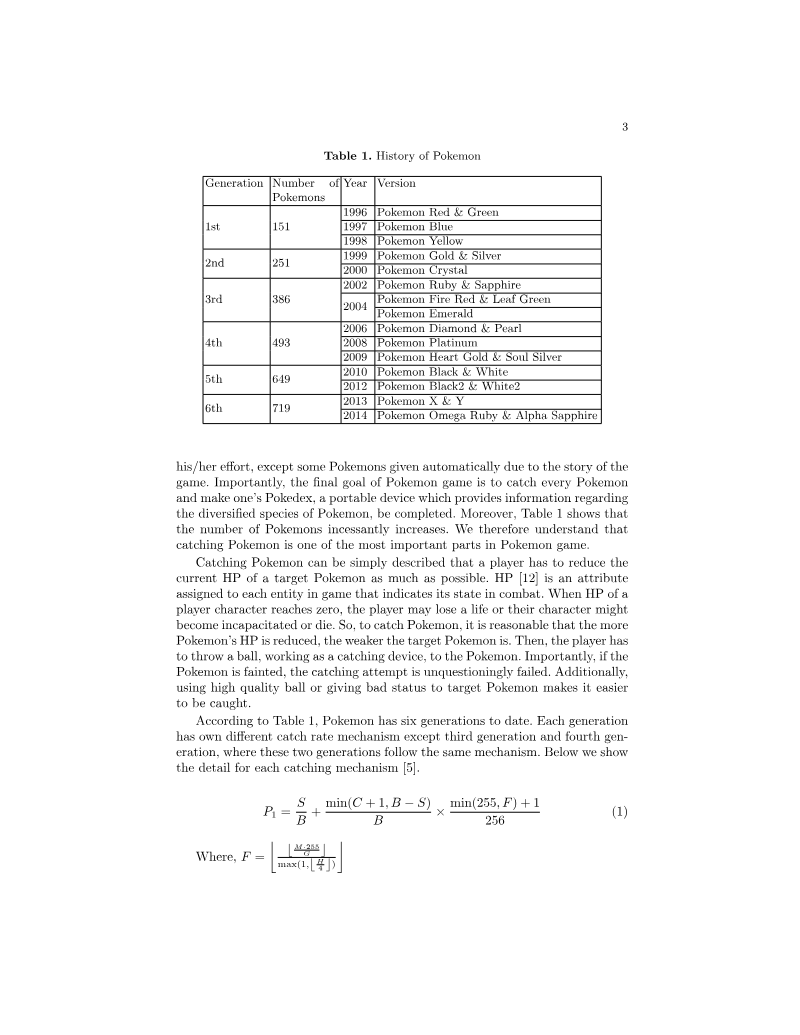
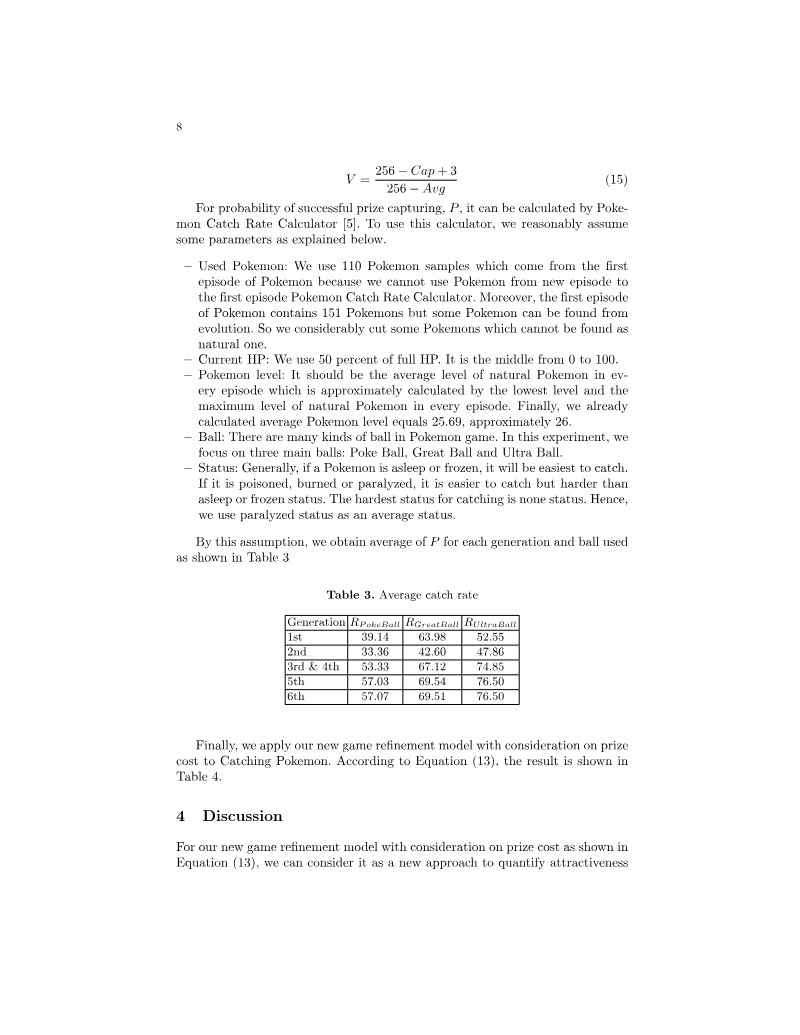
The Pokémon franchise maintains long-term player engagement by iteratively refining its core catching mechanics to align with established mathematical models of game balance.
El Presidente Experiences: Mechanisms of Capitalizing Player Productivity in Tropico, Torchlight, and Diablo
This analysis examines how video game developers capitalize on player productivity, defined as the investment of time, skills, and cultural capital to generate value for a title.
- Game developers increasingly design mechanics that prioritize the capitalization of player productivity—defined as both gameplay efficiency and the creation of fan-made modifications—over traditional notions of player skill.
- In Tropico III (2009), success is tied to the adoption of authoritarian and neocolonial management styles, forcing players to internalize and execute specific ideological patterns to progress.
- Diablo III (2012) and Torchlight II (2012) utilize different strategies for player engagement: Blizzard focused on centralizing gameplay through online systems and auction houses to monetize play, while Runic Games leveraged expressive productivity by encouraging community-driven modding.
What Will Be the Future of the Past?: Report from the NECS 2015 Conference
The 2015 European Network for Cinema and Media Studies (NECS) conference, held in Lodz, Poland, served as a major academic forum for nearly 350 researchers from 33 countries to address the evolving challenges of audiovisual culture, with a specific focus on the preservation and archiving of digital media.