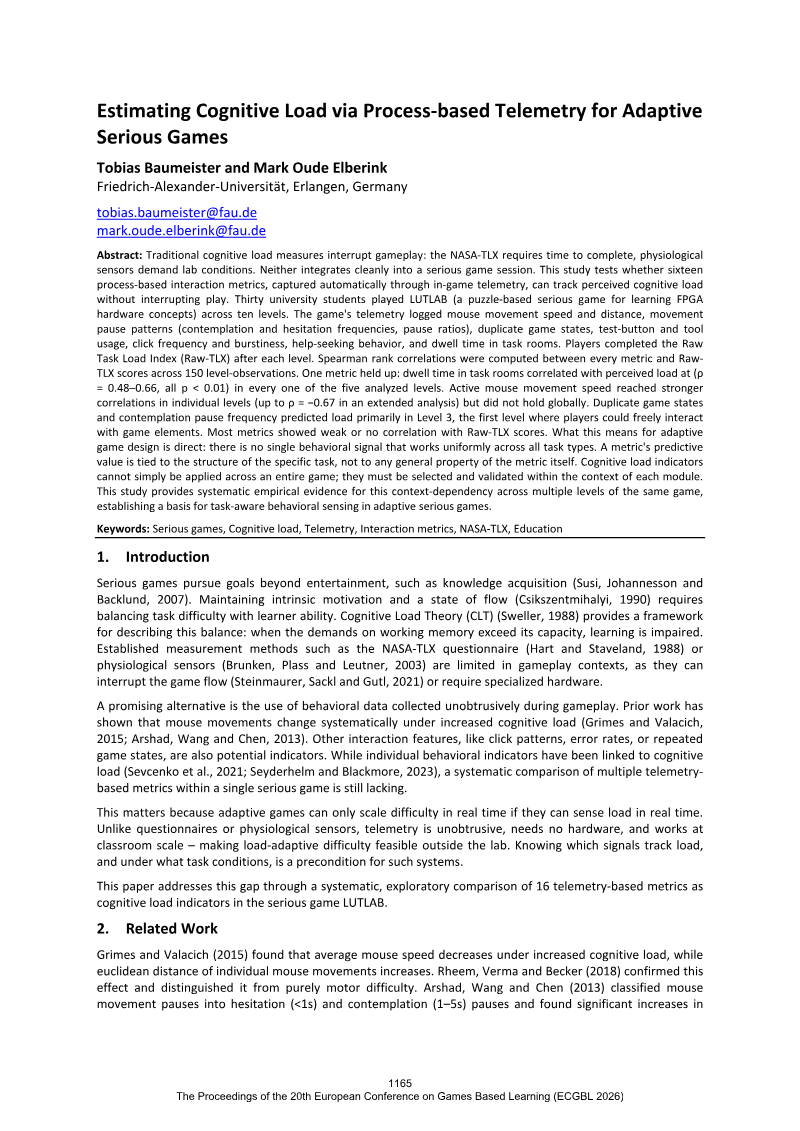
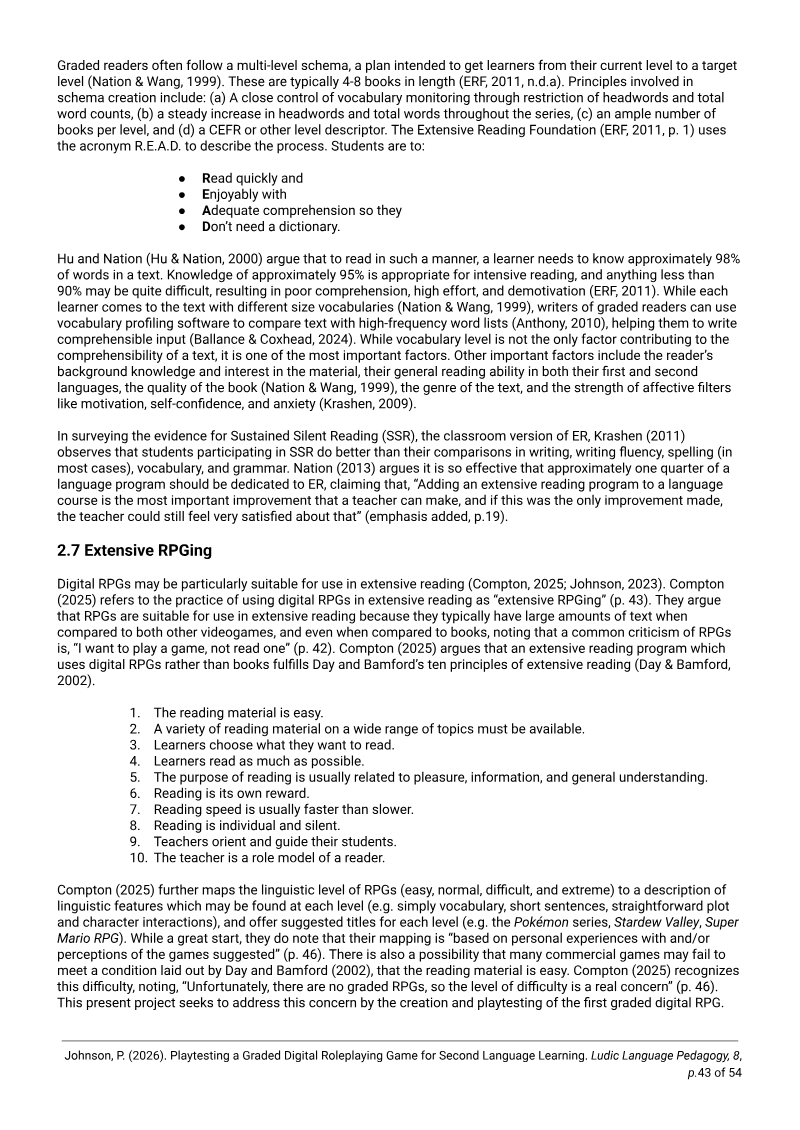
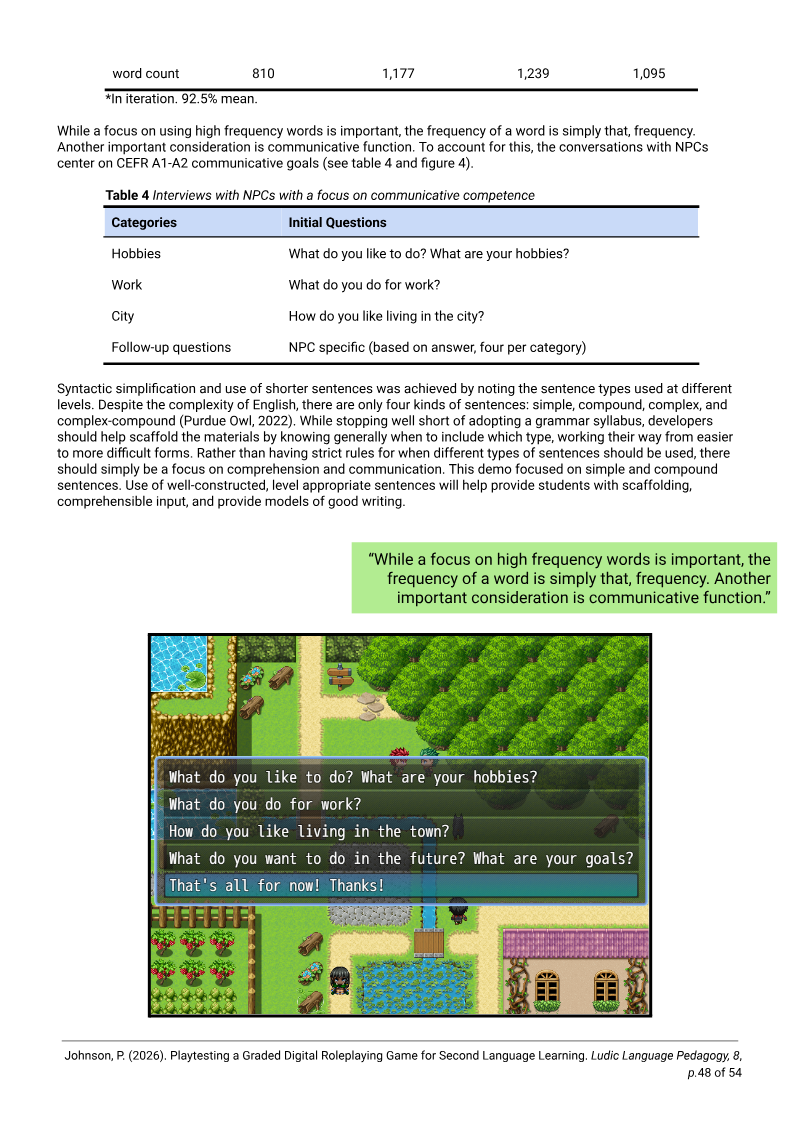
This analysis examines how video game developers capitalize on player productivity, defined as the investment of time, skills, and cultural capital to generate value for a title. By comparing the action-RPG titles Diablo III and Torchlight II with the economic strategy game Tropico III, the study explores how game mechanics are designed to internalize specific ideological frameworks and monetize user activity. The research posits that these games do not merely reward player proficiency but actively structure the user experience to enforce specific discourses regarding resource management and labor.
The findings highlight distinct strategies for leveraging player input. Torchlight II capitalizes on expressive productivity by encouraging fan-created modifications, effectively outsourcing content development to the community. In contrast, Diablo III initially focused on instrumental productivity through an in-game auction house, which prioritized economic speculation over traditional gameplay, ultimately leading to significant community backlash and the feature's eventual removal. Tropico III is analyzed as an ideological simulation that forces players to adopt authoritarian, neo-colonial management styles to succeed, naturalizing these practices as the only viable path to victory within the game’s systemic logic.
The study utilizes a qualitative, comparative methodology, drawing on software studies and ludology to evaluate the interaction between user interfaces and game design. It concludes that modern high-budget games increasingly treat player behavior as a resource to be managed, whether through the exploitation of free fan labor or the integration of market-based monetization models. By shaping the "model player" through rigid systems of rewards and constraints, developers effectively align user actions with corporate objectives, often masking these mechanisms behind layers of satire or genre-specific tropes.