Game Studies reports and market data
Documents


A Metric Instrument for the Games with Cultural Heritage
Commercial video games represent a largely untapped resource for the preservation and dissemination of cultural heritage.
- A new 56-item Goal-Question-Metric instrument provides a standardized framework to quantify tangible and intangible cultural heritage across five core design components: gameplay, narrative, acting, art/design, and music/sound.
- Statistical validation using Mann-Whitney and Kruskal-Wallis tests confirms that this metric effectively distinguishes between varying levels of cultural representation in commercial video games.
- The Assassin’s Creed franchise serves as a benchmark for high-performing titles, demonstrating that intentional design and strong historical foundations result in superior cultural integration scores.
A Scholarly Character Sheet to Frame Learning Activities and Improve Engagement
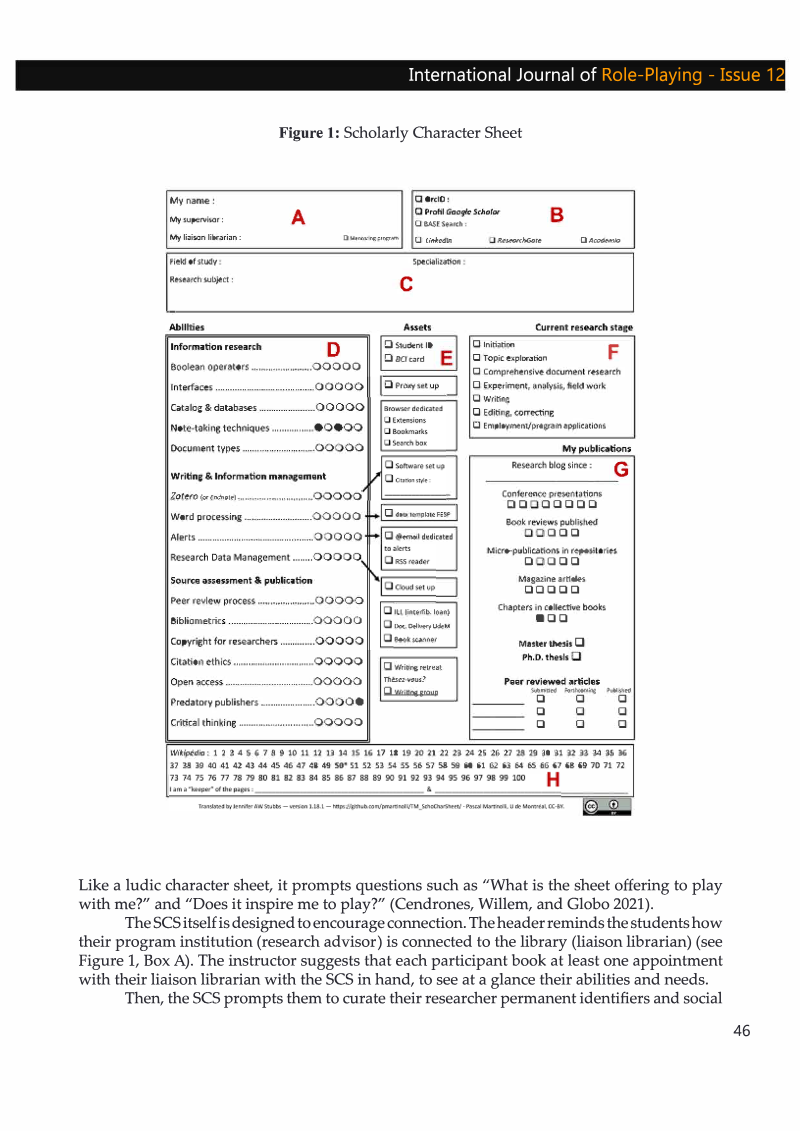
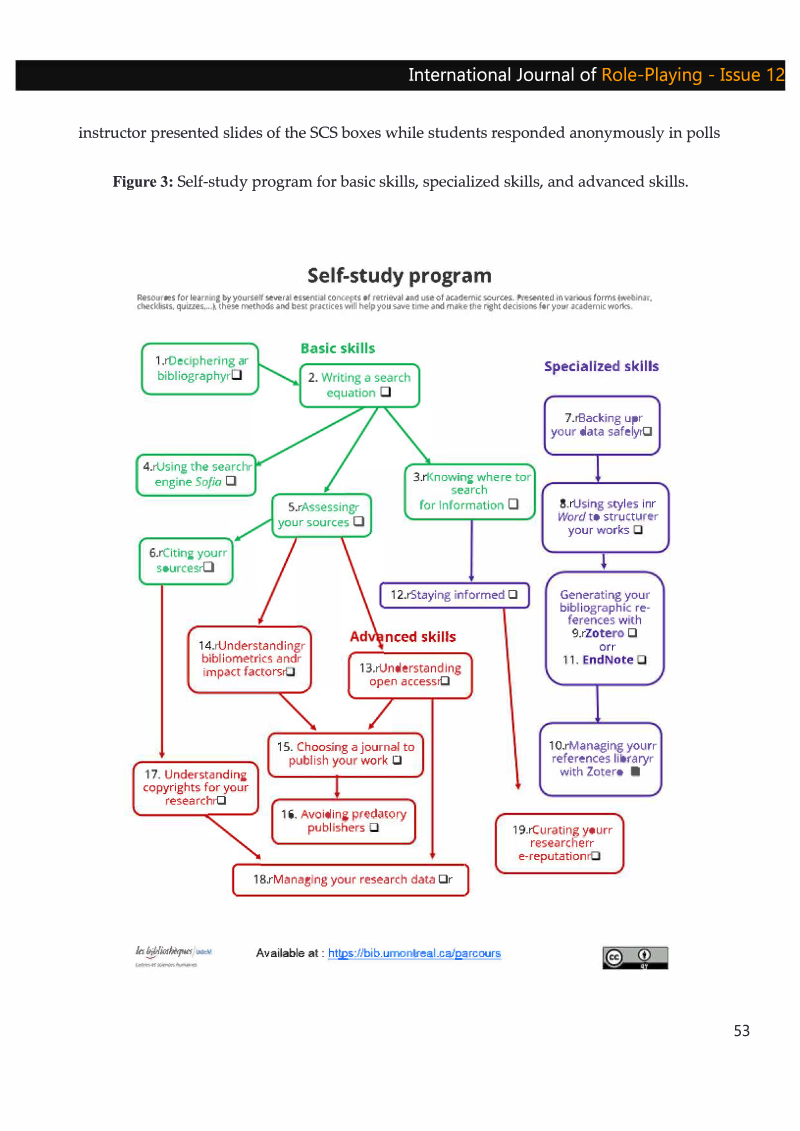
Pascal Martinolli's paper introduces the Scholarly Character Sheet (SCS), a gamified self-assessment and role-taking activity adapted from tabletop role-playing game character sheets and used in information-literacy and research-skills seminars at the Université de Montréal.
- The Scholarly Character Sheet (SCS) is a gamified self-assessment activity adapted from tabletop role-playing game character sheets, designed to frame learning objectives, surface prior knowledge, and recognize non-traditional skills in information-literacy and research-skills seminars at the Université de Montréal.
- The SCS has been used since Fall 2017 in a five-week graduate seminar and a 15-hour library information-literacy seminar, with roughly 80 percent of the 276 participating students sharing their completed sheets.
- A 2022 e-survey (55 respondents out of 217 contacted) and departmental evaluations showed only slight gains in satisfaction with course structure and fit to student needs.
Analog Role-Playing Game Studies: A Brazilian Overview
This paper offers a mixed-methods overview of analog role-playing games in Brazil, combining bibliographic research with autoethnographic document analysis.
- The paper argues that analog role-playing games (tabletop RPGs and larp) are a neglected area of game studies, partly because their analog and role-playing nature strains conventional game definitions, and partly because Brazilian scholarship is published mainly in Portuguese, remains isolated from international dialogue, and is poorly documented.
- Brazilian RPG history runs from photocopied imports of commercial TRPGs in the 1970s and 1980s through the first international RPG meeting in 1993 and the magazine Dragão Brasil in 1994, with larp arriving via Vampire.
- A 2000s boom in Vampire and boffer larps was cut short by a moral panic from 2001 to 2005 that led to age-rating rules, sales bans, and a publishing slowdown, compounded by piracy, the shift to d20 and the Open Game License, and distribution crises.
How to Play Board Games?: A Framework Proposal for Classroom Settings
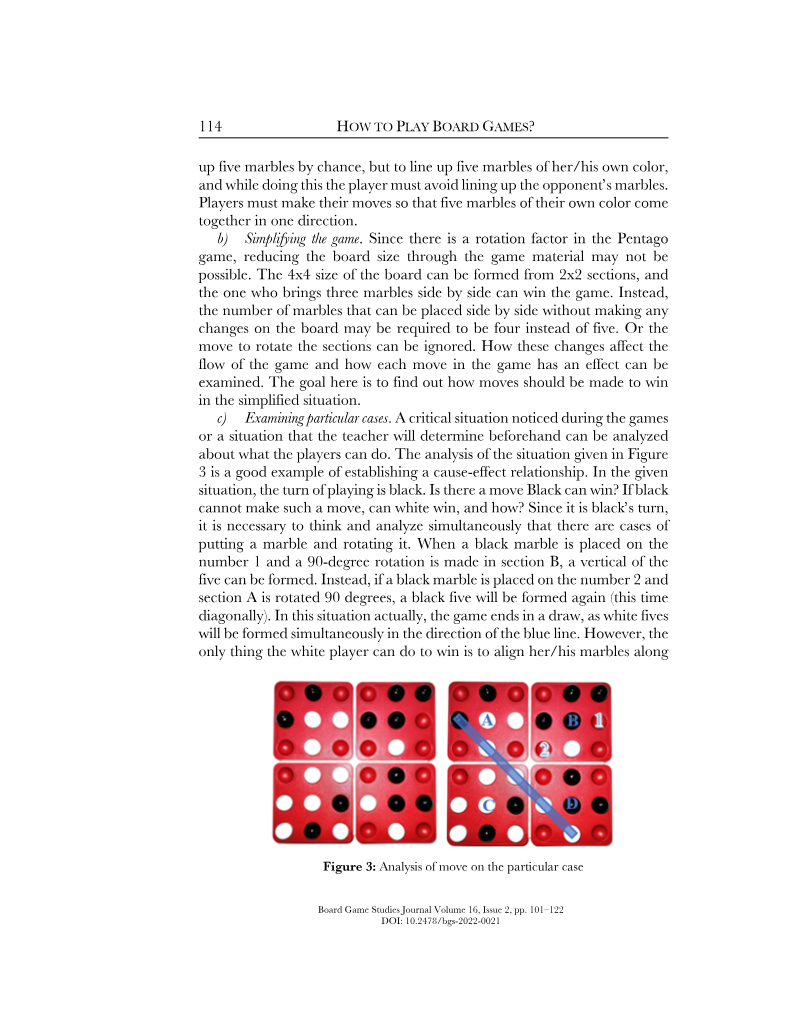
This article proposes a structured, teacher-guided framework for using strategic board games in classrooms, with Pentago serving as the central illustrative case.
- Board games are commonly used in classrooms for emotional and social benefits, while their cognitive learning potential usually goes unplanned; the authors argue deliberate sequencing can turn gameplay into targeted learning in reasoning, critical thinking, and communication.
- The proposed framework has six steps: encounter with the game, understanding cause-effect relationships, strategy development (experience-based inference, predictive play, and building move sequences), clarification, verification, and evaluation.
- Teachers should guide students with questions grounded in concrete play rather than supplying strategies directly, because teacher-provided strategies were shown to undermine students' conceptual understanding and intellectual satisfaction.
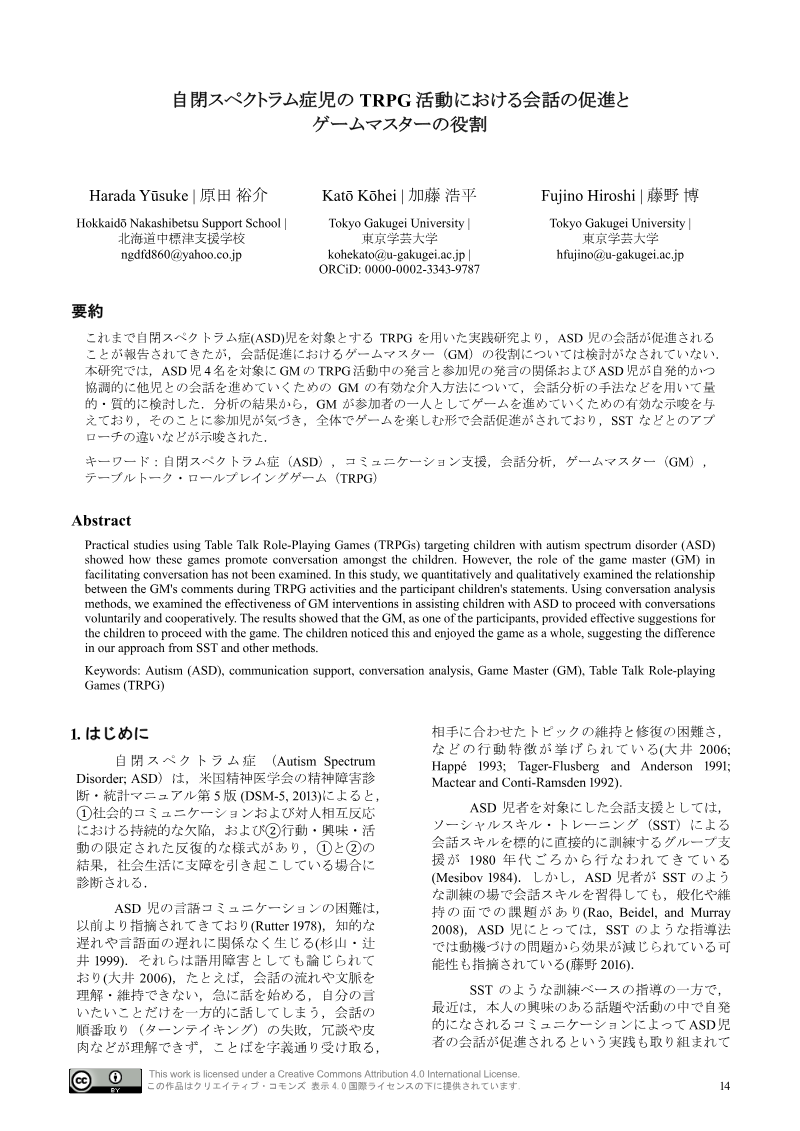
Facilitating Conversation and the Role of the Game Master in TRPG Activities for Children on the Autism Spectrum
This study investigates the role of the Game Master (GM) in facilitating communication among children with Autism Spectrum Disorder (ASD) during Table Talk Role-Playing Game (TRPG) sessions.
- TRPGs serve as an effective environment for children with ASD to develop social skills through self-directed, cooperative play rather than traditional direct instruction.
- The Game Master (GM) acts as a participant who provides 'soft frameworks' based on game rules to guide interaction, rather than functioning as a formal instructor.
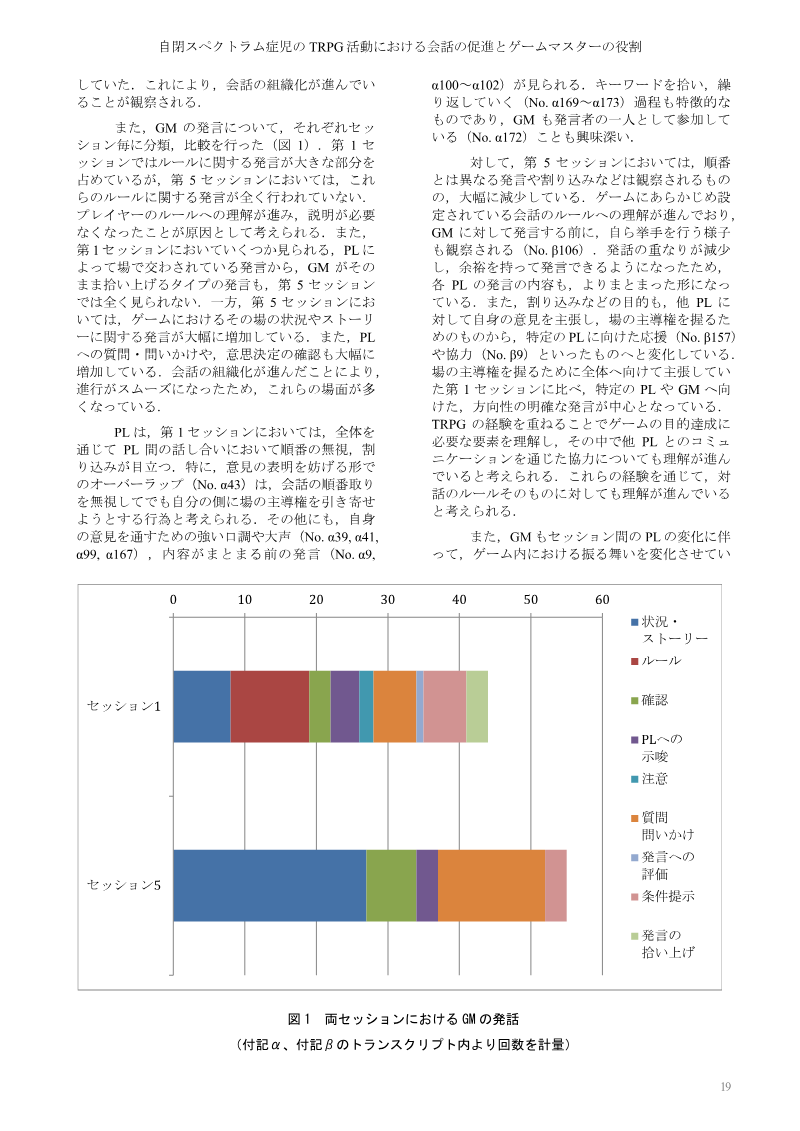
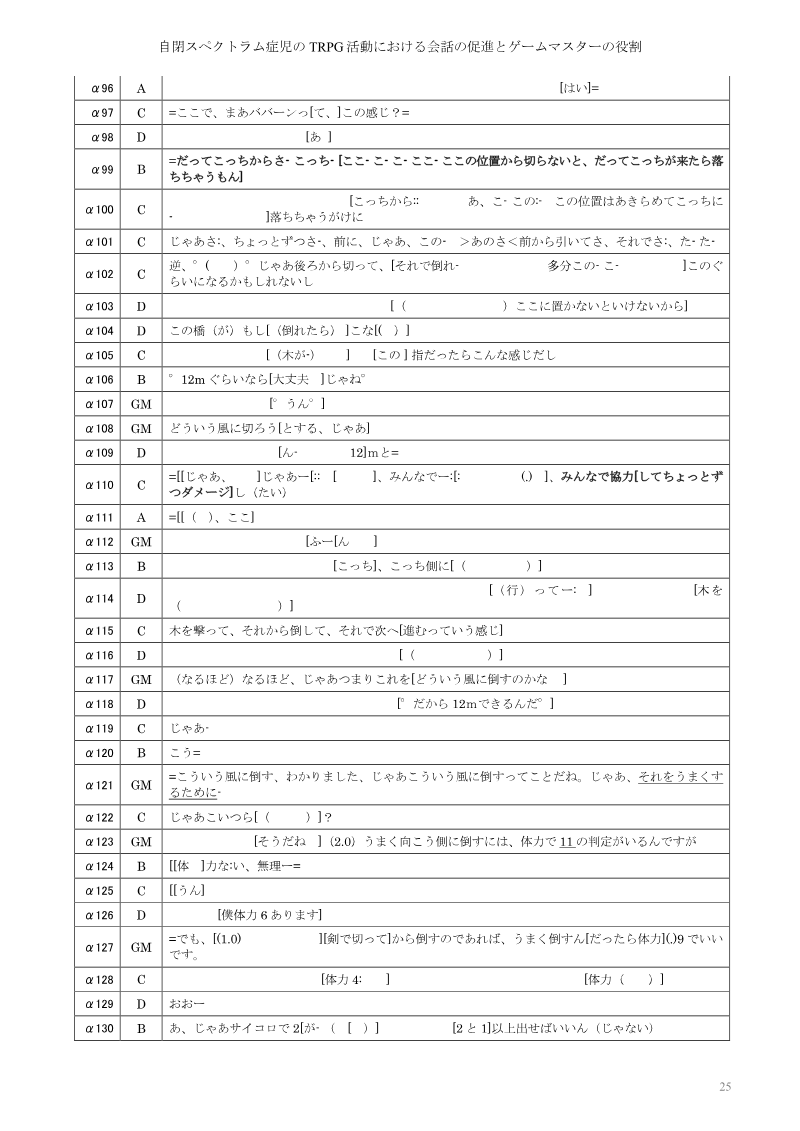
- Participants demonstrated improved turn-taking skills over five sessions, evidenced by a significant reduction in verbal overlaps and interruptions by the final session.
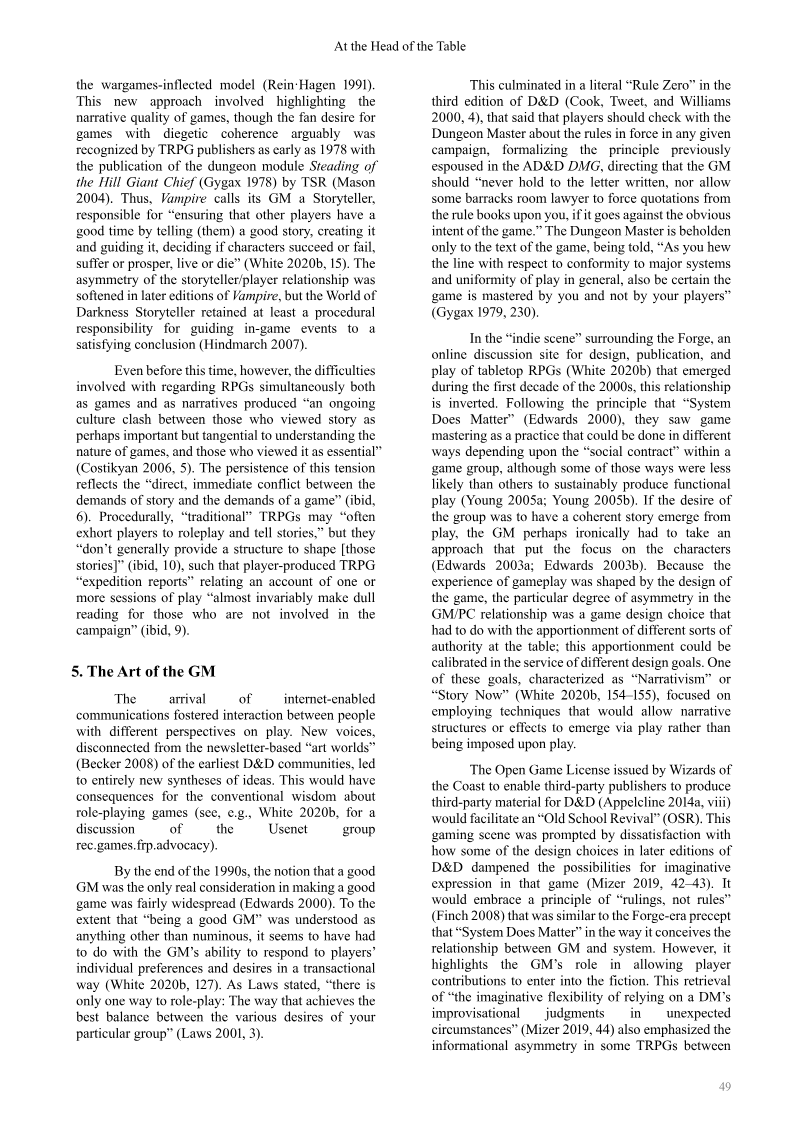
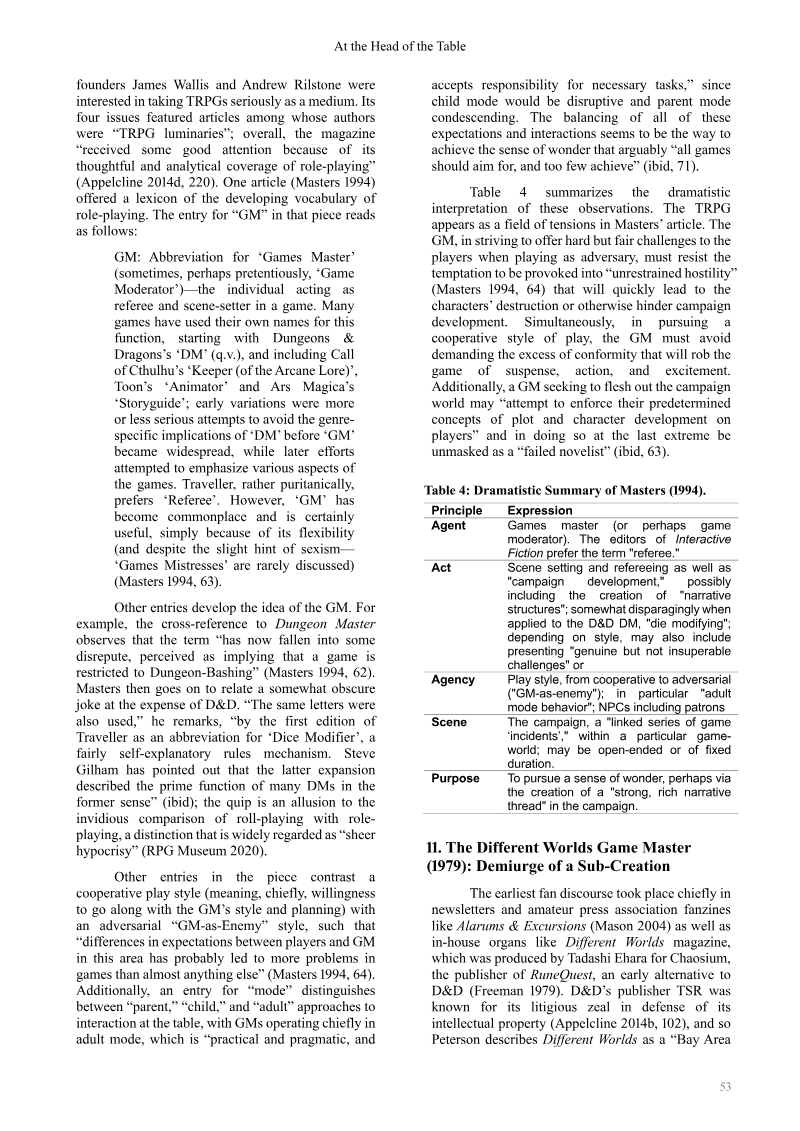
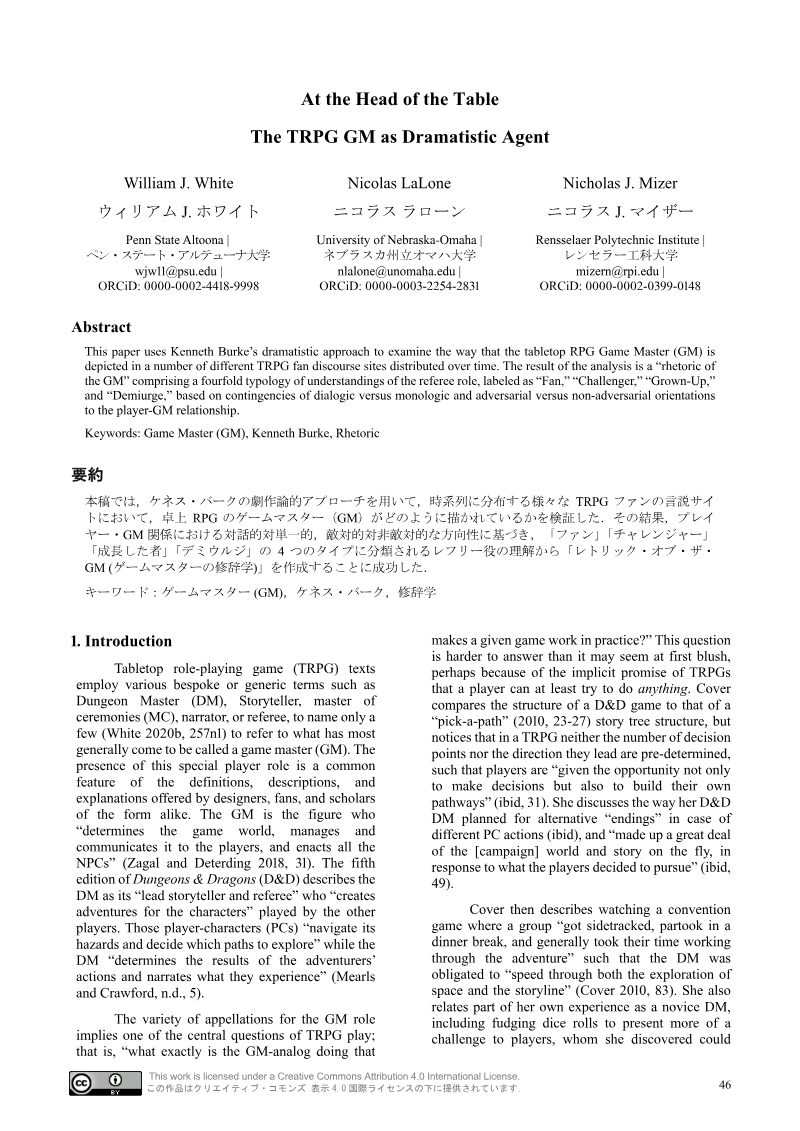
At the Head of the Table: The TRPG GM as Dramatistic Agent
The role of the Tabletop Role-Playing Game (TRPG) Game Master functions as a complex dramatistic agent, shaped by evolving rhetorical frameworks and shifting design philosophies.
- The Game Master’s (GM) role has shifted from a preparation-heavy authority figure to a collaborative, dialogic practitioner due to the industry-wide transition toward narrativist game design.
- GM authority is not a static function but a product of ongoing negotiation and rhetorical evolution within gaming communities.
- The GM role can be categorized into a fourfold typology—the Fan, the Challenger, the Grown-Up, and the Demiurge—based on their approach to cooperative versus adversarial dynamics and communication styles.
The Meaning of Creating Player Characters in TRPGs: Focusing on Gender and History Settings
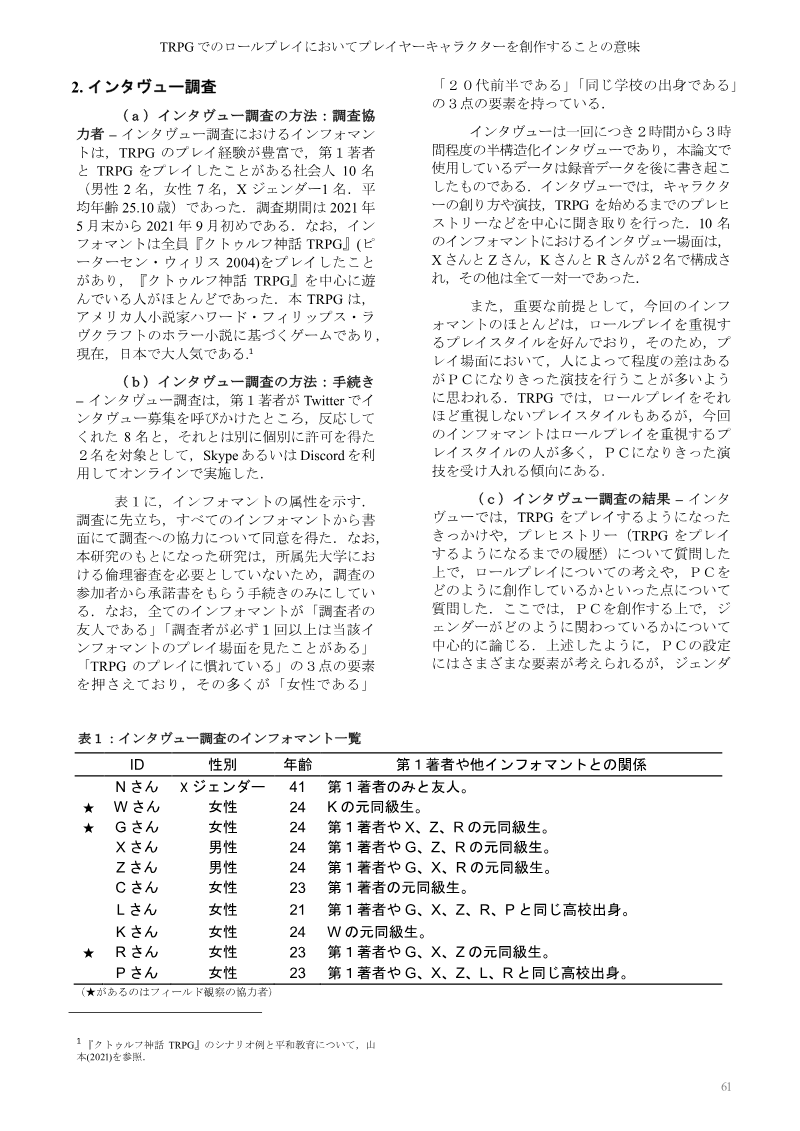
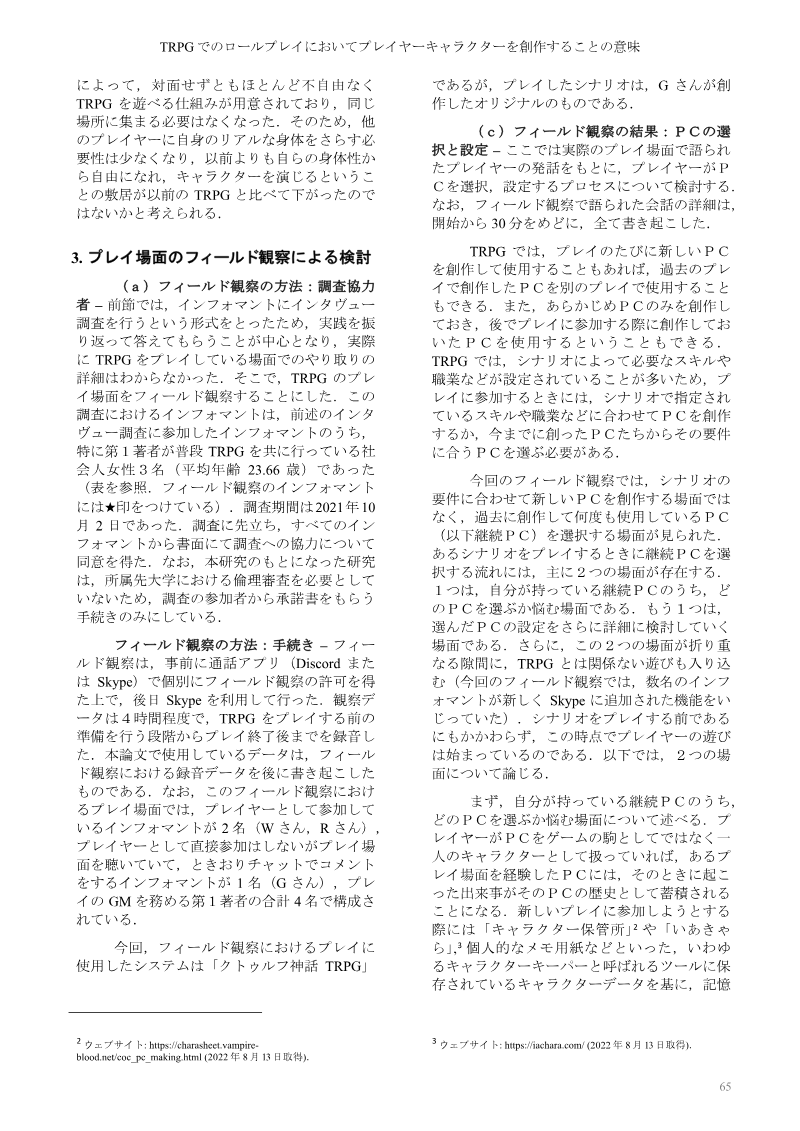
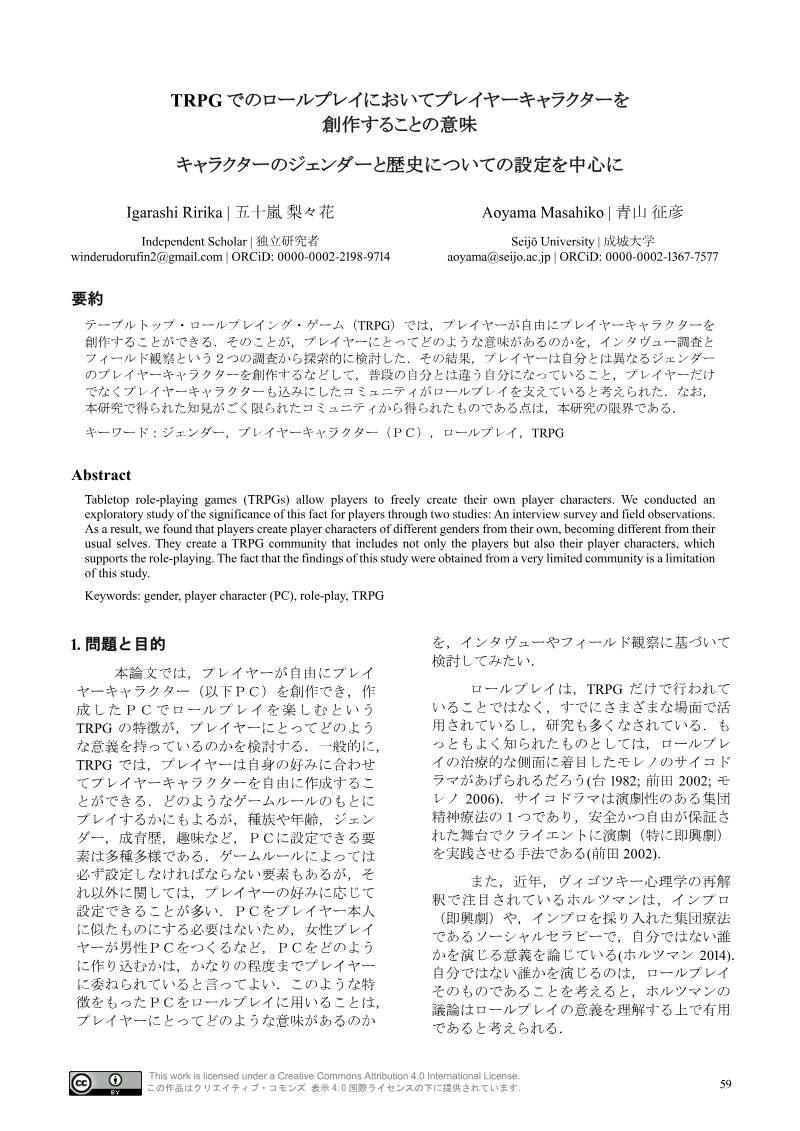
This study explores the psychological and social significance of player character (PC) creation in tabletop role-playing games (TRPGs), focusing specifically on how gender performance and the use of long-term, recurring characters shape the player experience.
- TRPG character creation serves as a primary mechanism for self-exploration, allowing players to inhabit identities that diverge from their daily lives.
- Players frequently use the 'magic circle' of the game to perform gender identities different from their own, with female players often adopting male characters to escape real-world gender constraints.
- The social validation provided by fellow participants is essential for the success of these constructed identities, effectively integrating them into the shared social space of the game.
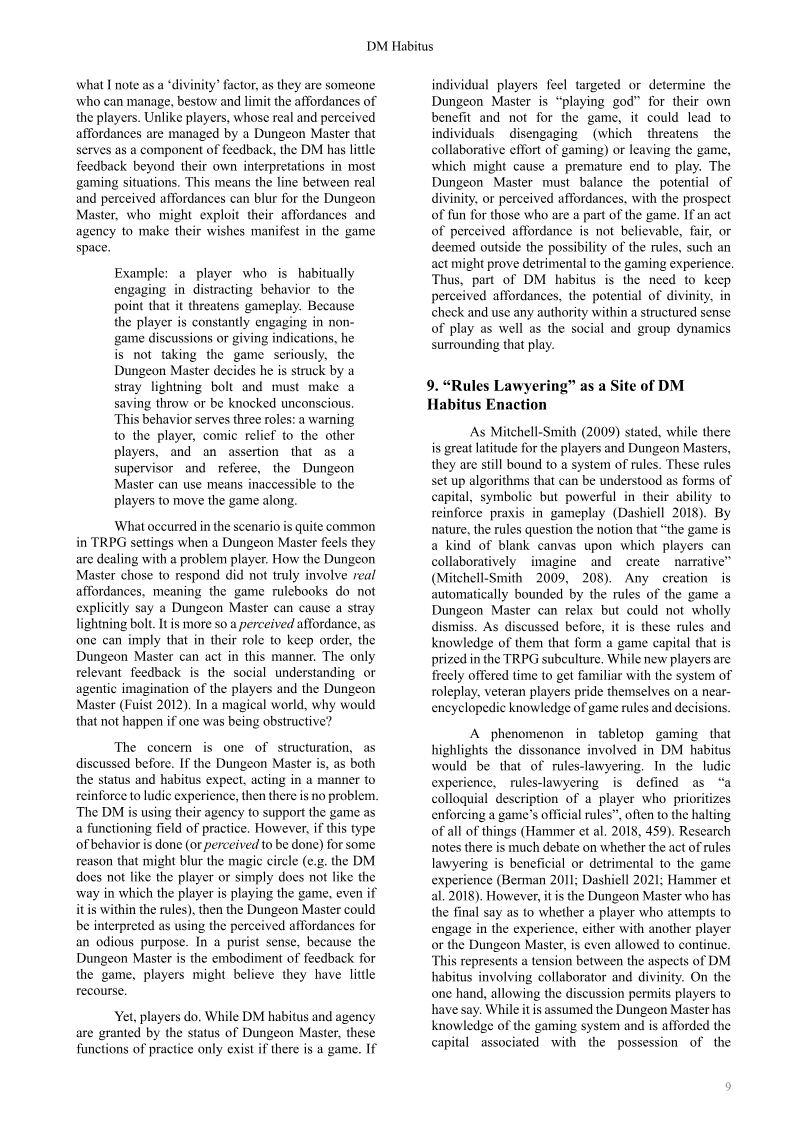
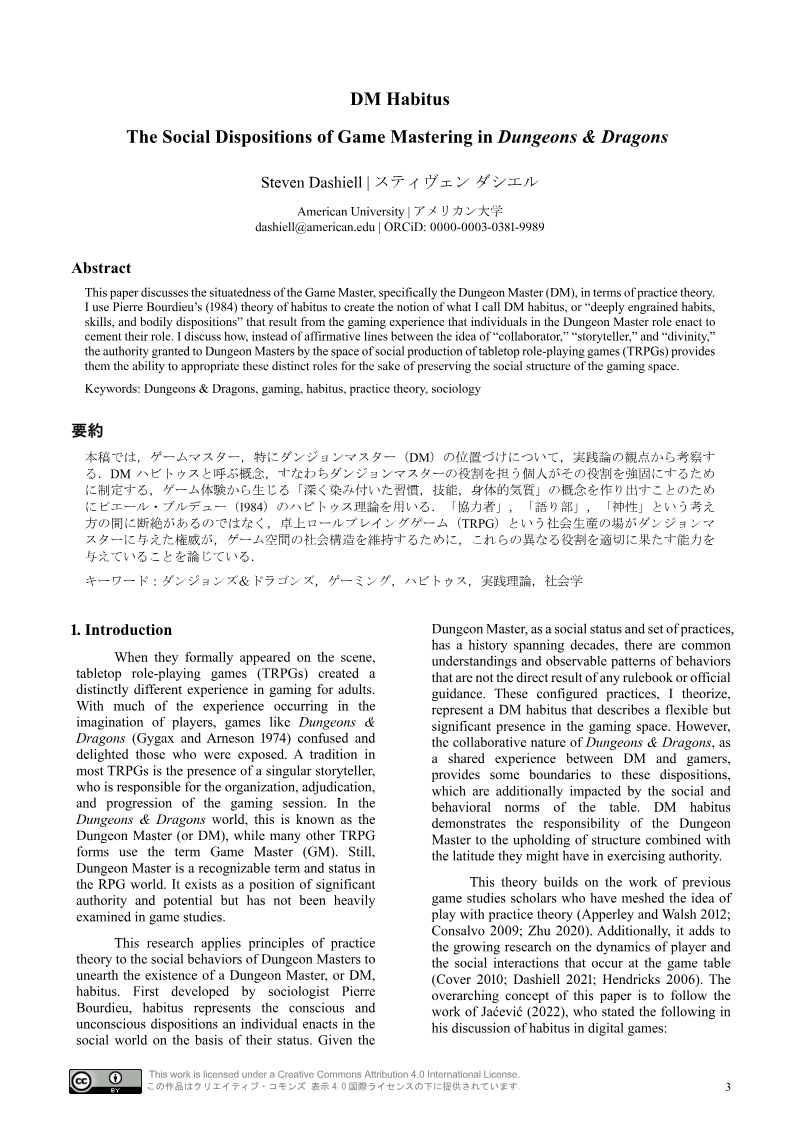
DM Habitus: The Social Dispositions of Game Mastering in Dungeons & Dragons
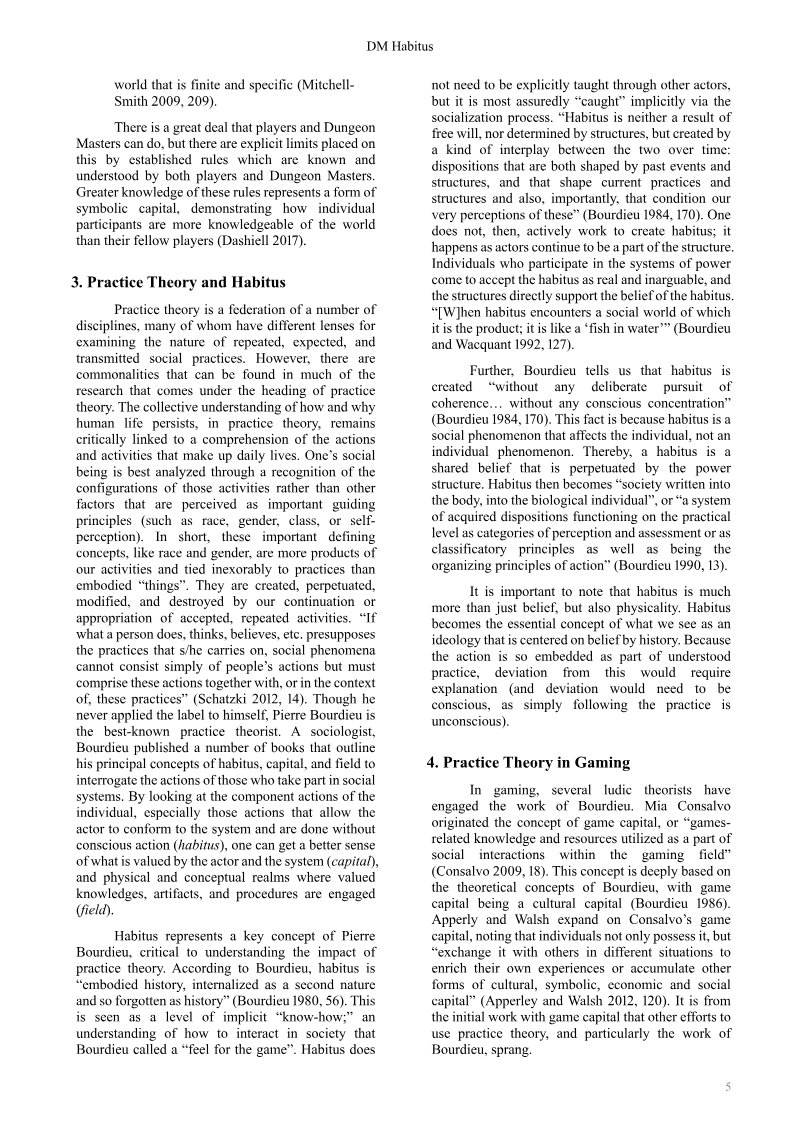
The role of the Dungeon Master in Dungeons & Dragons functions as a complex social practice defined by a specific habitus, a set of ingrained dispositions that allow individuals to navigate the tension between creative authority and collaborative facilitation.
- The Dungeon Master functions as a mediator who must balance creative authority with the collective agency of the gaming group to maintain the integrity of the game.
- Successful game mastering requires the internalization of a social habitus that prioritizes narrative flow and group enjoyment over the individual ego of the facilitator.
- The authority of the Dungeon Master is not absolute but is strictly bounded by an implicit social contract that governs the protected space of the game.
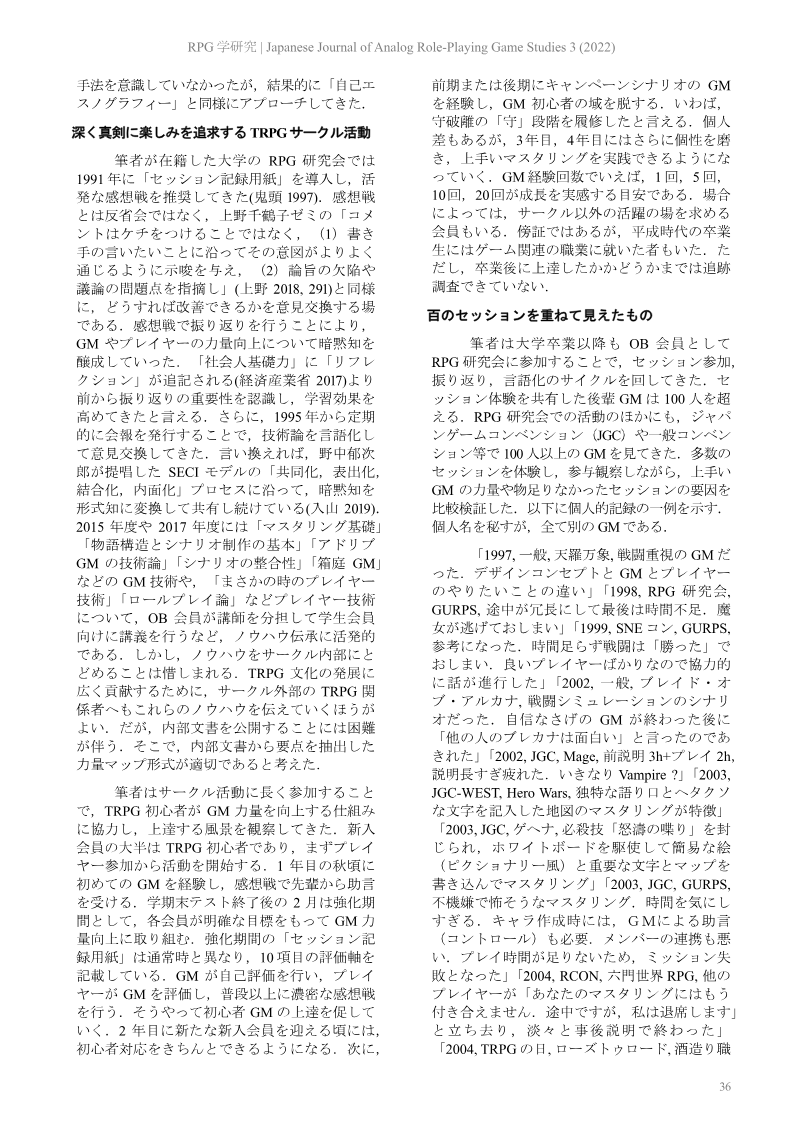
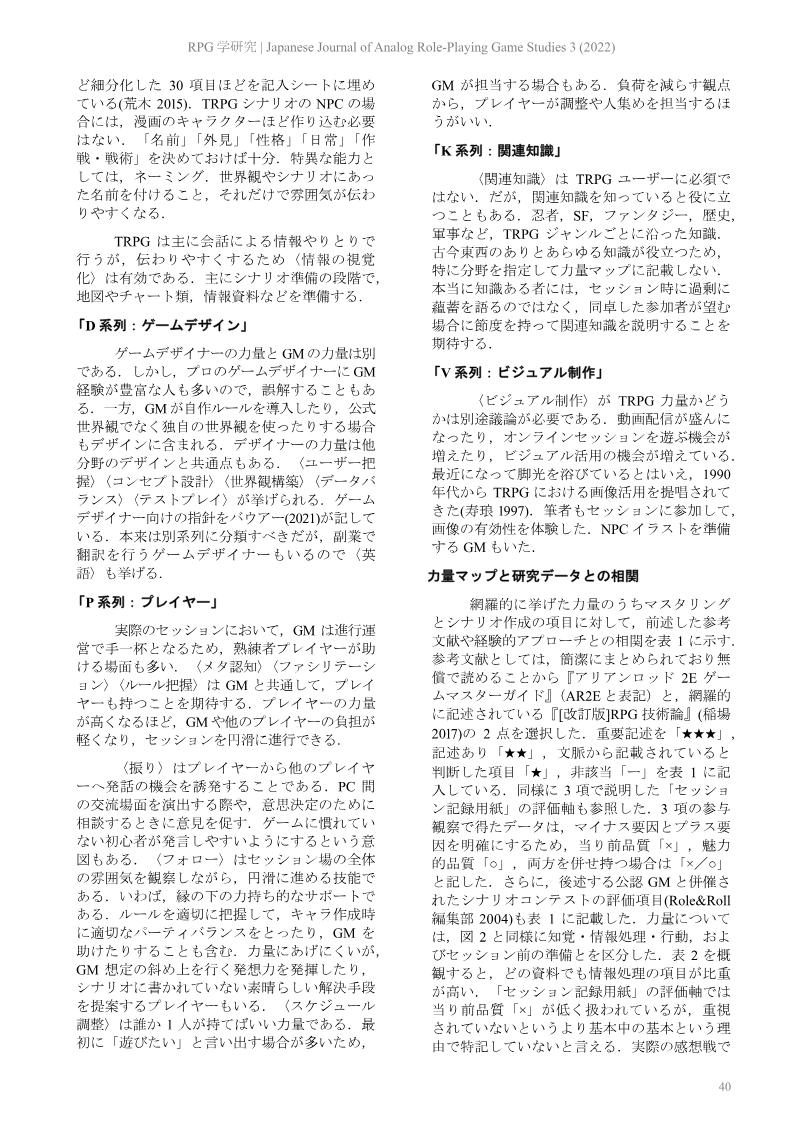
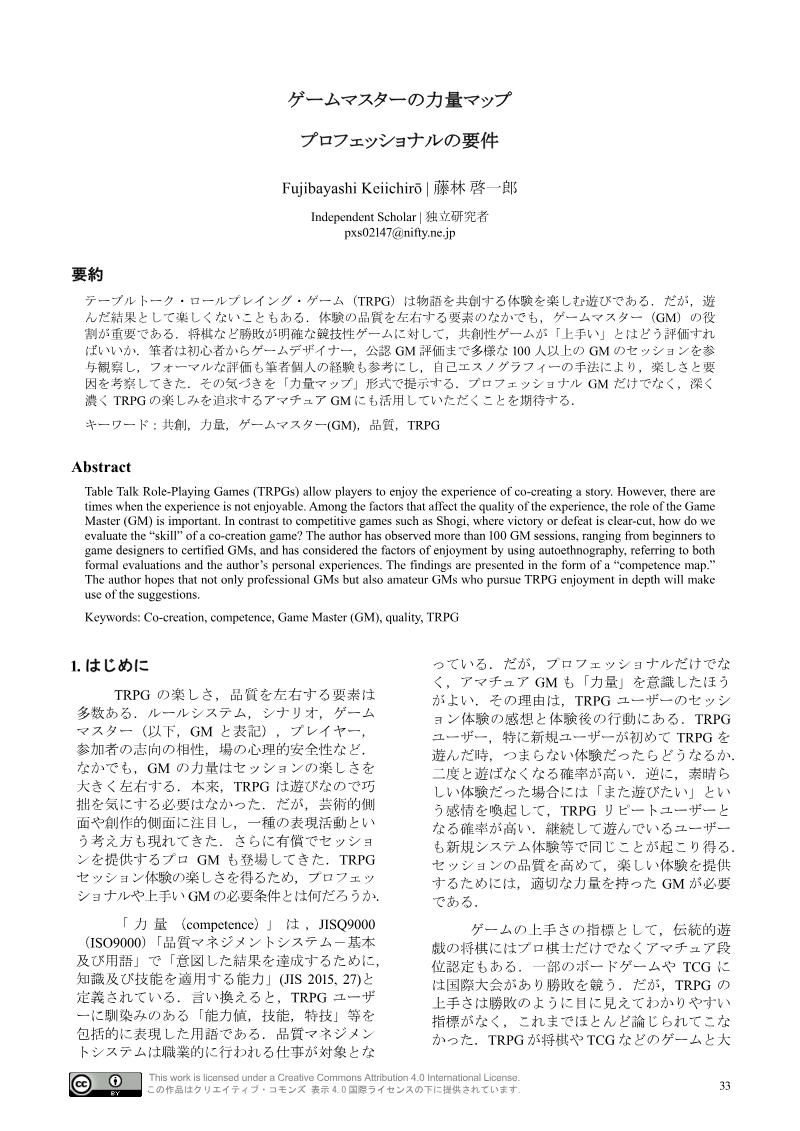
Competence Map for Game Masters: Professional Requirements
This analysis establishes a formal competence map for Table Talk Role-Playing Game (TRPG) Game Masters (GMs), aiming to define and evaluate the skills necessary to provide high-quality, enjoyable co-creative experiences.
- Game Master (GM) proficiency is a primary driver of player retention and long-term user engagement in Table Talk Role-Playing Games.
- The competence map was developed through an autoethnographic study of 422 individual gaming sessions.
- Effective GM performance requires a combination of core competencies including metacognition, facilitation, rule mastery, information organization, active listening, instruction, fair adjudication, and time management.
Demand for Online Short-Time Voice Sessions of Golden Sky Stories: Japan
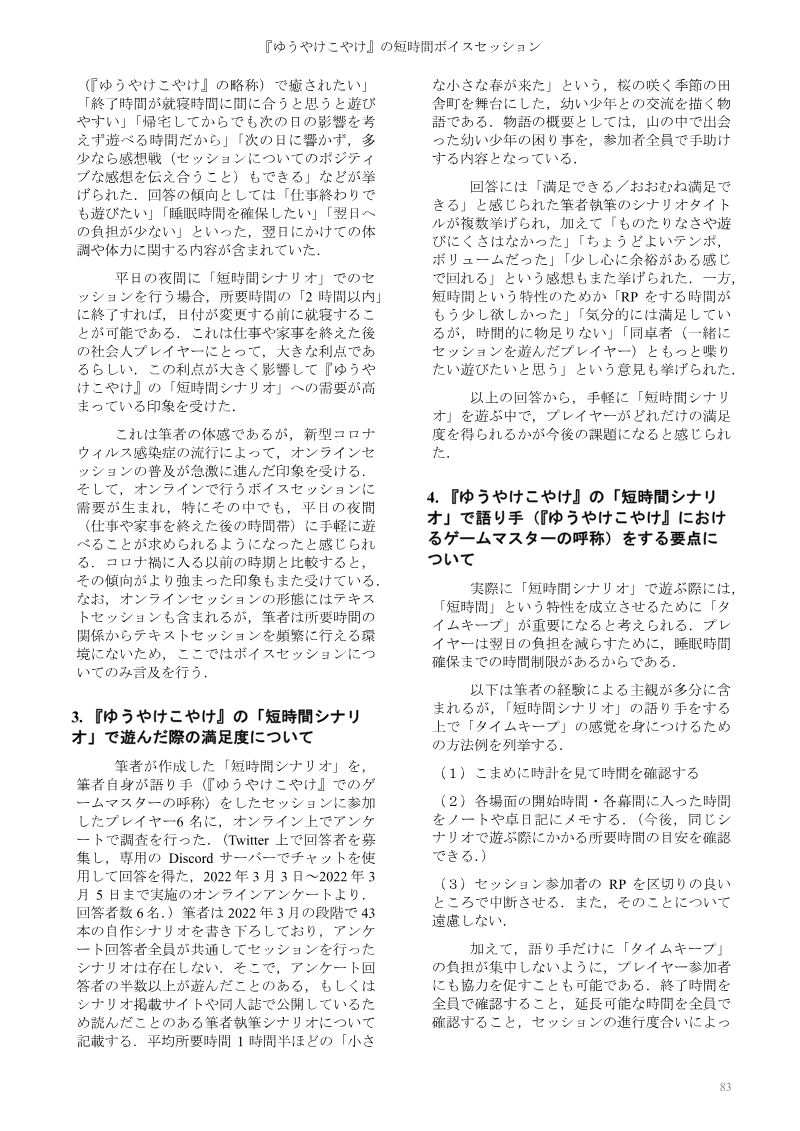
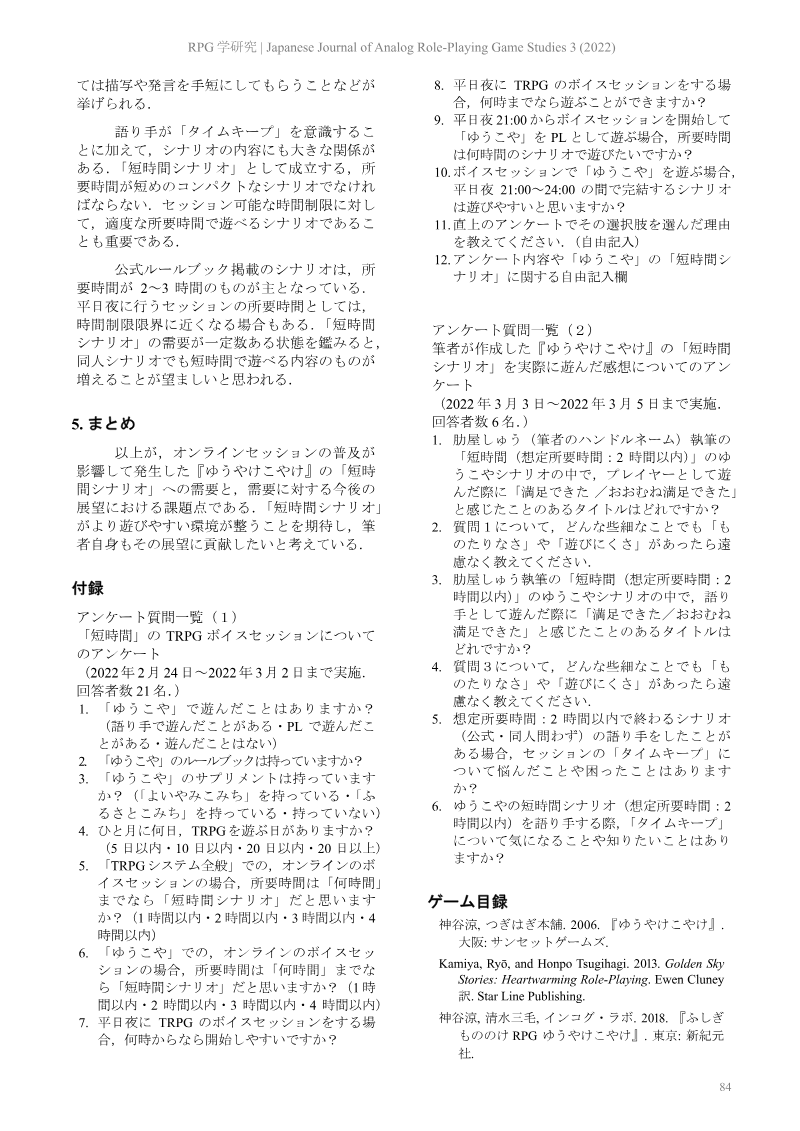
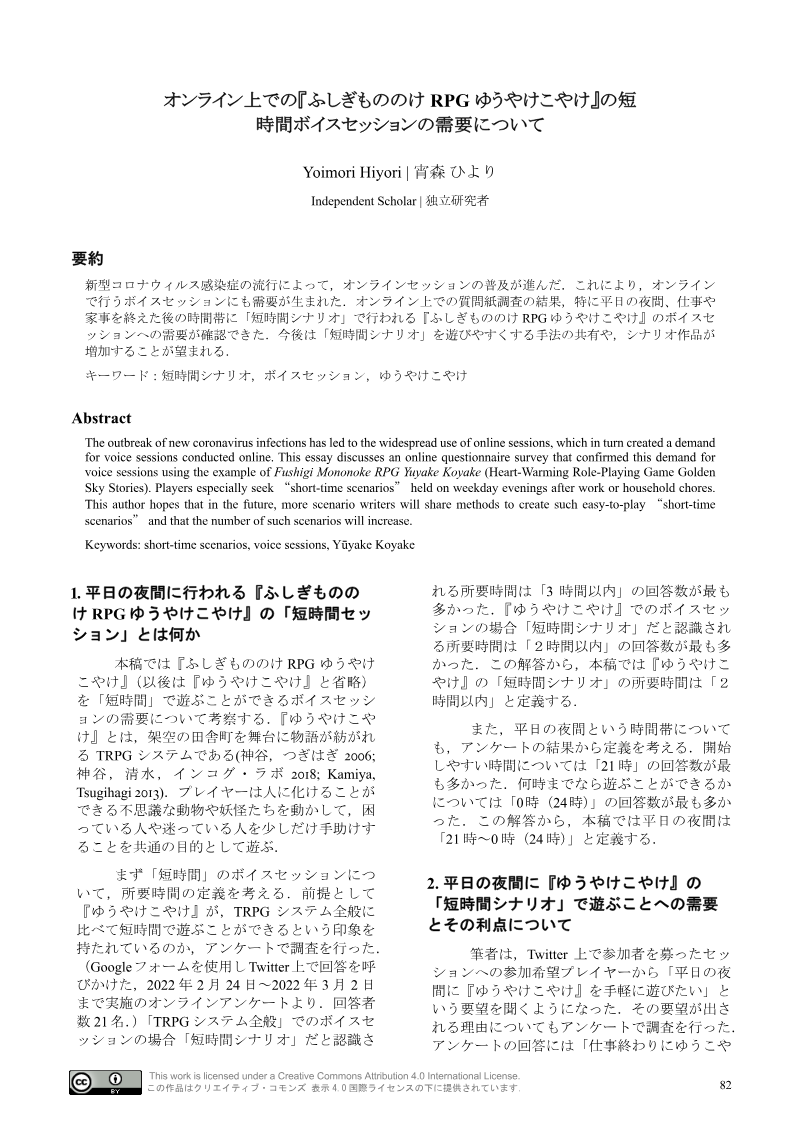
The rise of online tabletop role-playing game (TRPG) sessions, accelerated by the COVID-19 pandemic, has created a distinct demand for "short-time" voice sessions.
- There is a significant unmet demand for 'short-time' TRPG scenarios lasting two hours or less, specifically tailored for working adults who play on weekday evenings.
- For the Japanese TRPG 'Golden Sky Stories' (Yuyake Koyake), the ideal window for these sessions is identified as 21:00 to 24:00.
- While players report high satisfaction with the convenience of two-hour sessions, there is a noted tension between the need for brevity and the desire for deeper role-playing and social interaction.
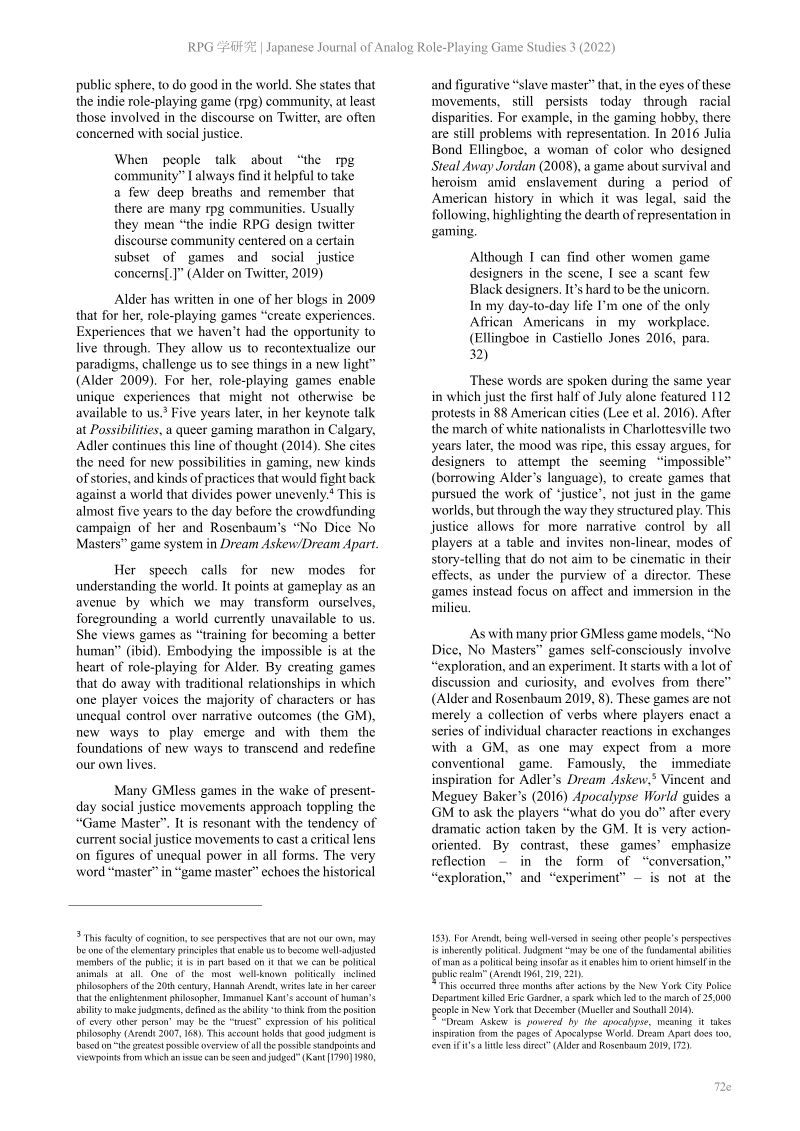
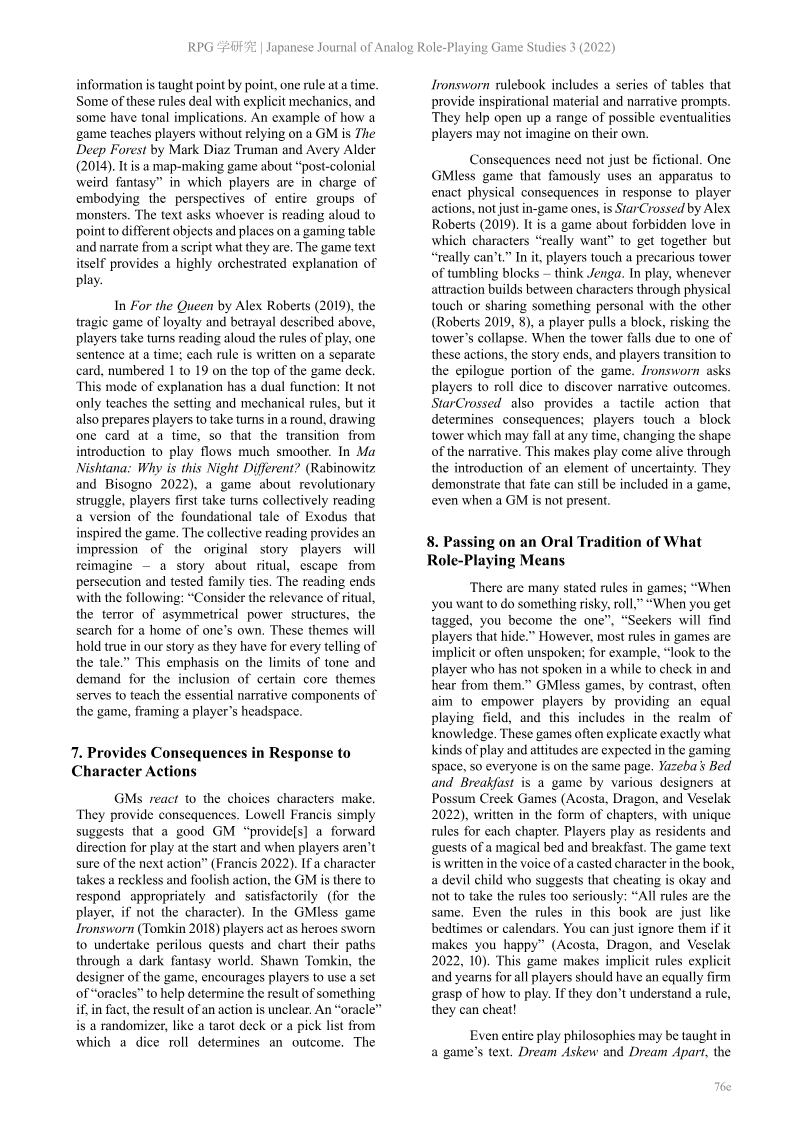
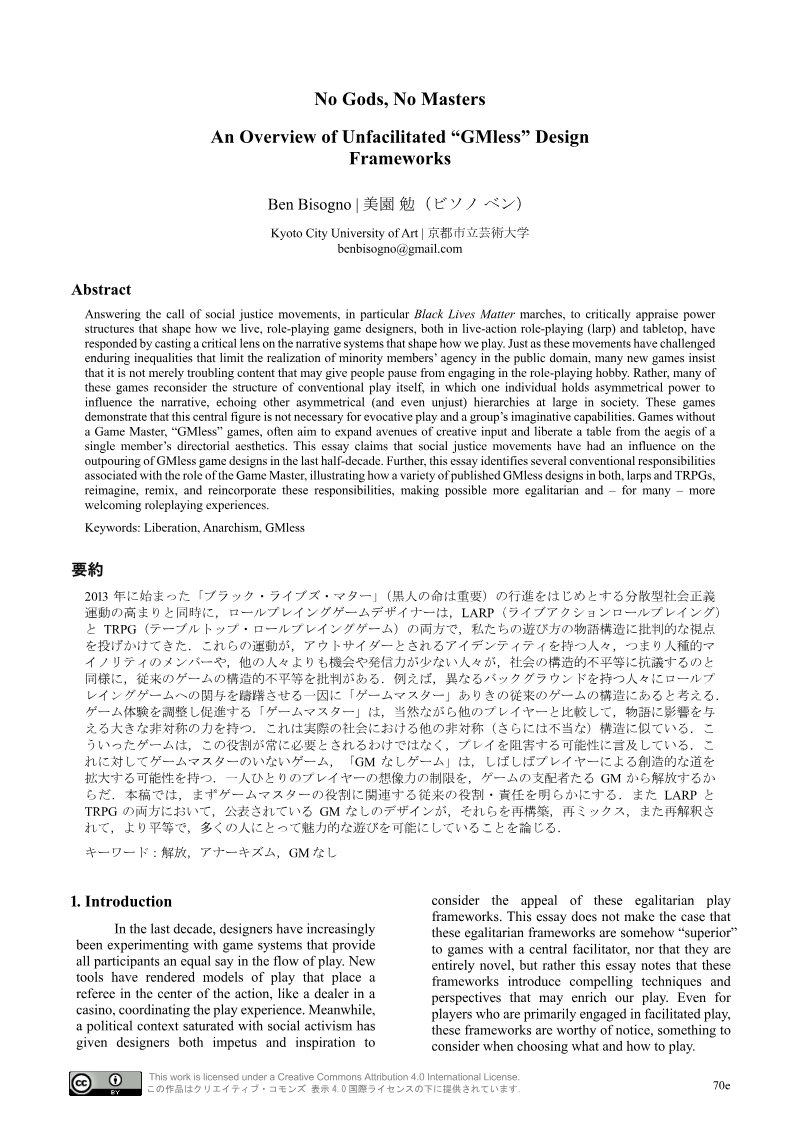
No Gods, No Masters: An Overview of Unfacilitated GMless Design Frameworks
The rise of unfacilitated, GMless tabletop and live-action role-playing games represents a significant shift in ludic design, moving away from the traditional, asymmetrical power structures of a singular Game Master toward a model of distributed narrative authority.
- Unfacilitated, GMless design shifts narrative authority from a singular Game Master to a distributed model, prioritizing egalitarian and inclusive play environments.
- These frameworks replace traditional top-down direction with procedural design elements, such as timers, structured prompts, and explicit safety mechanics, to maintain pacing and tone.
- By formalizing social expectations and rules, these systems ensure all participants share a cohesive understanding of the game's mechanics and thematic goals.
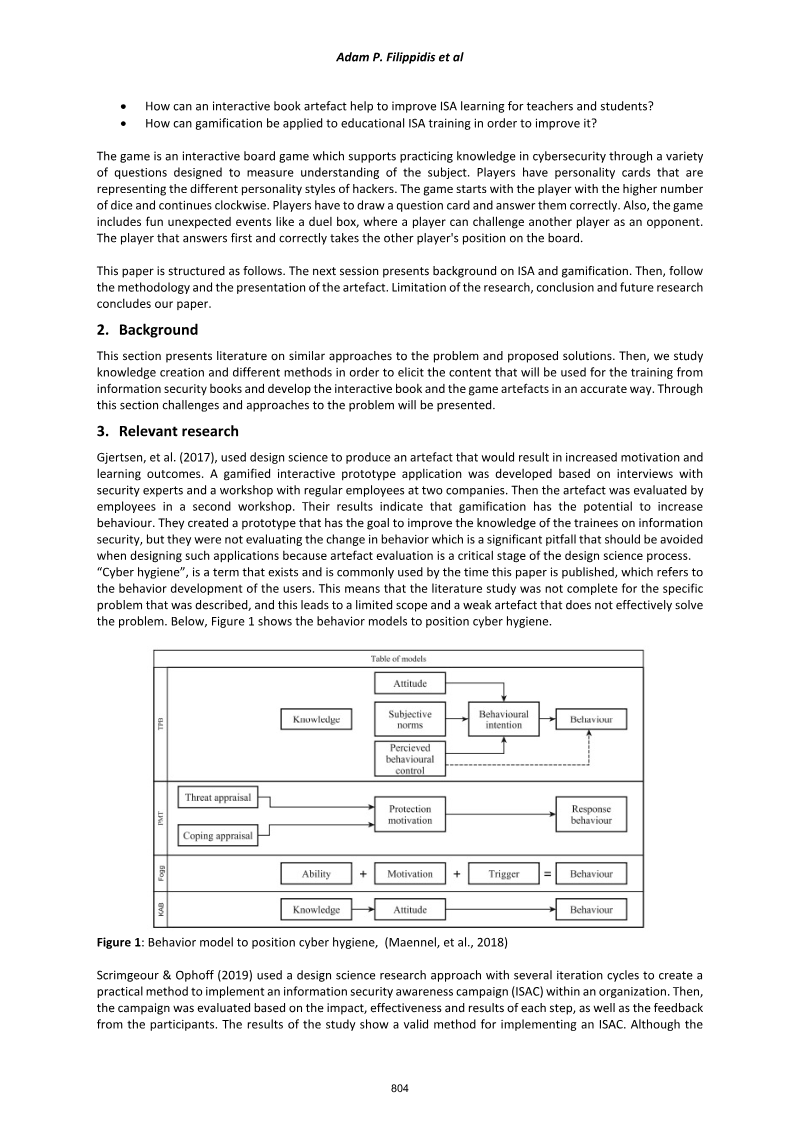
Enhancing Information Security Awareness Programs Through Collaborative Learning
This paper presents a design science study aimed at improving the efficiency of information security awareness (ISA) training in higher education, targeting teachers and students.
- The study addresses ineffective information security awareness training in higher education, motivated by the rise of human-targeted attacks such as phishing, and proposes gamification to boost engagement and motivation.
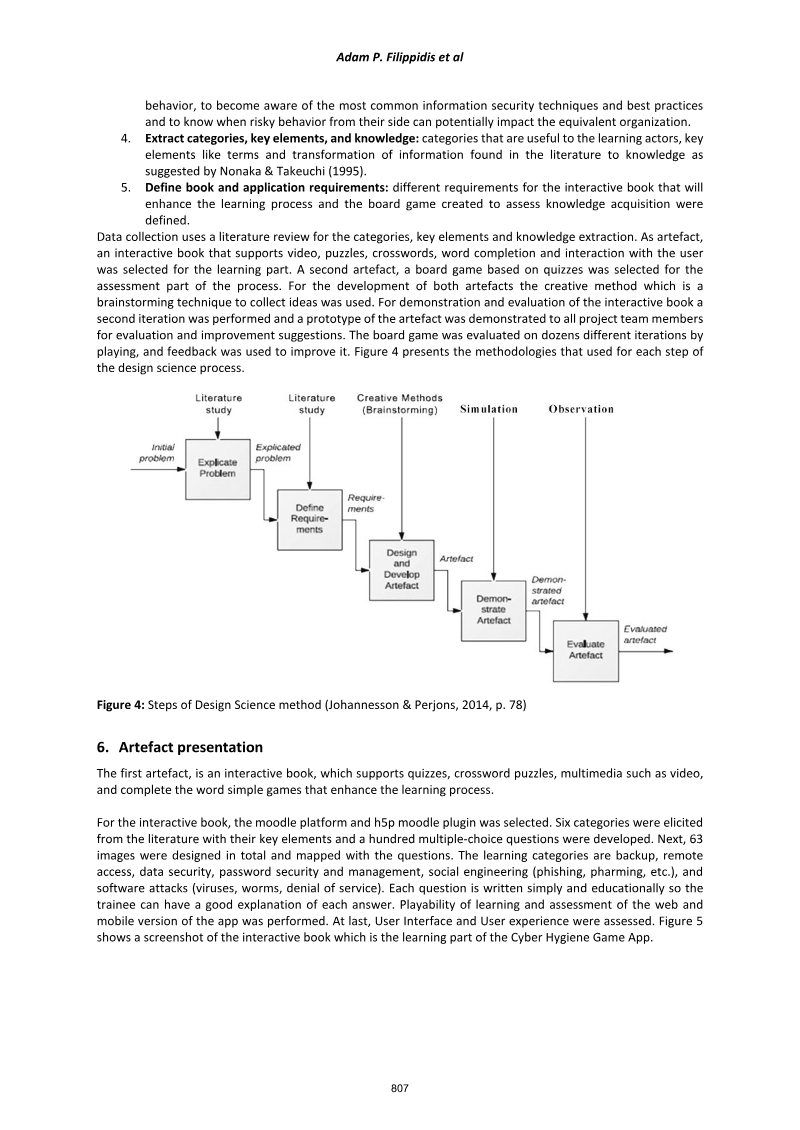
- Two artefacts were designed: an interactive online book built on Moodle and H5P covering six security categories (backup, remote access, data security, password management, social engineering, and software attacks), and a printed multiplayer board game with graded questions, personality and hacker cards, and duels.
- The only empirical result is a small two-group comparison in which the game group (interactive book plus board game) showed better knowledge retention than the textbook group, as measured by pre- and post-quizzes, though the authors acknowledge a broader sample is needed.