Game Studies reports and market data
Documents

Linguistic Landscape in Film Works and Video Games
This paper examines how linguistic landscape, the visible language on signs and public displays, functions within fictional works, specifically films and video games.
- The paper argues that linguistic landscape, the visible language on signs and public displays, can be used by filmmakers and game designers to convey politics, economies, and identities in invented worlds, drawing on the established view that it reveals social structure and language hierarchy in real societies.
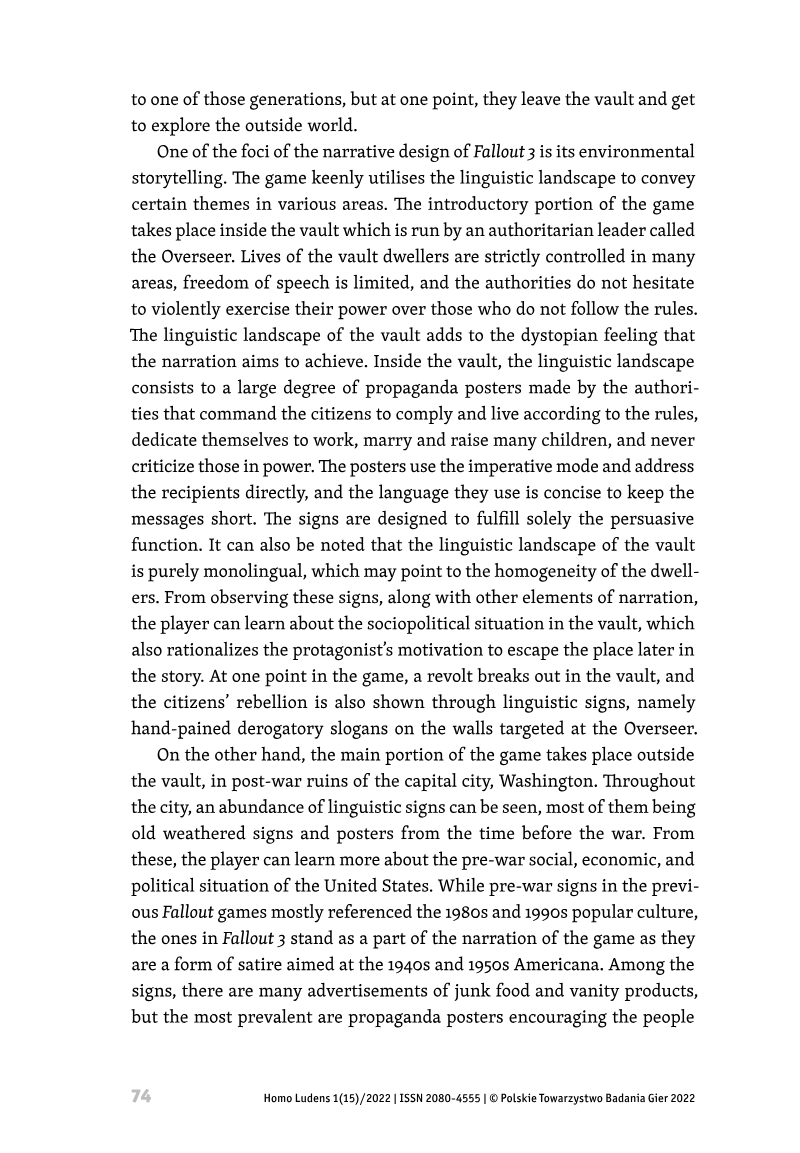
- The analysis is qualitative and case-based, based on close readings of two films (Blade Runner, 1982) and two video games (Deus Ex, 2000; Fallout 3, 2008) rather than on survey data or statistical sampling.
- In Blade Runner, dense neon advertising and a mix of English, Chinese, Japanese, Russian, and Spanish signage express concerns about corporate capitalism and globalization, tied to Reagan-era economic policy.
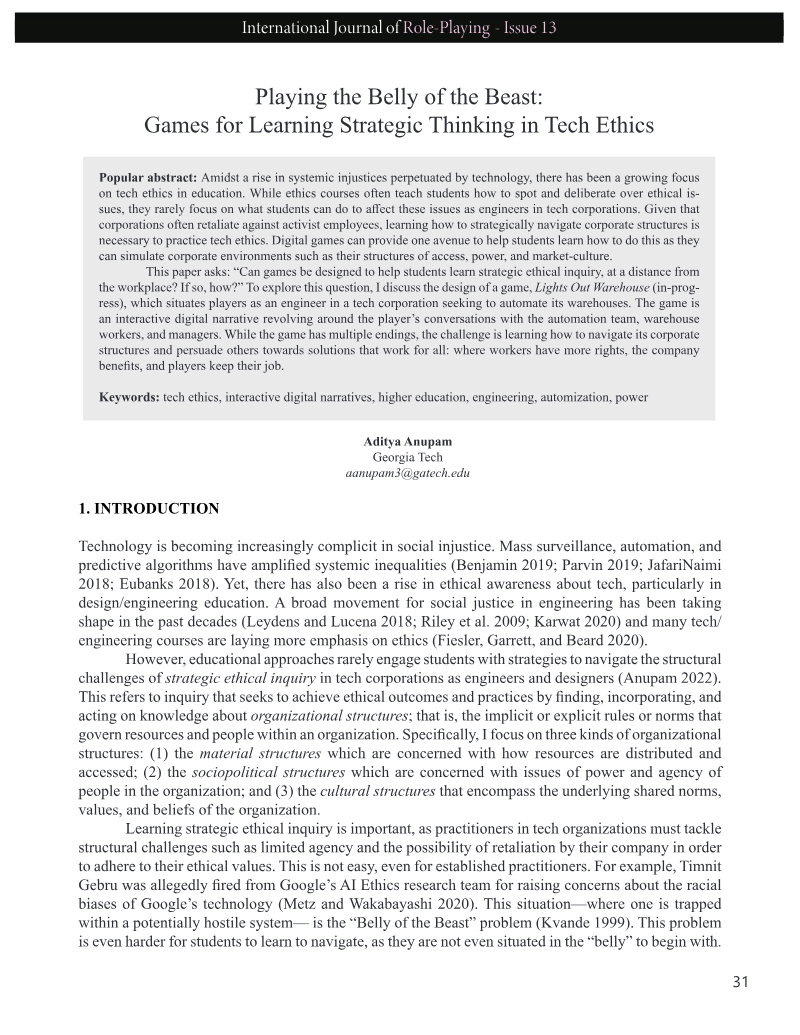
Playing the Belly of the Beast: Games for Learning Strategic Thinking in Tech Ethics
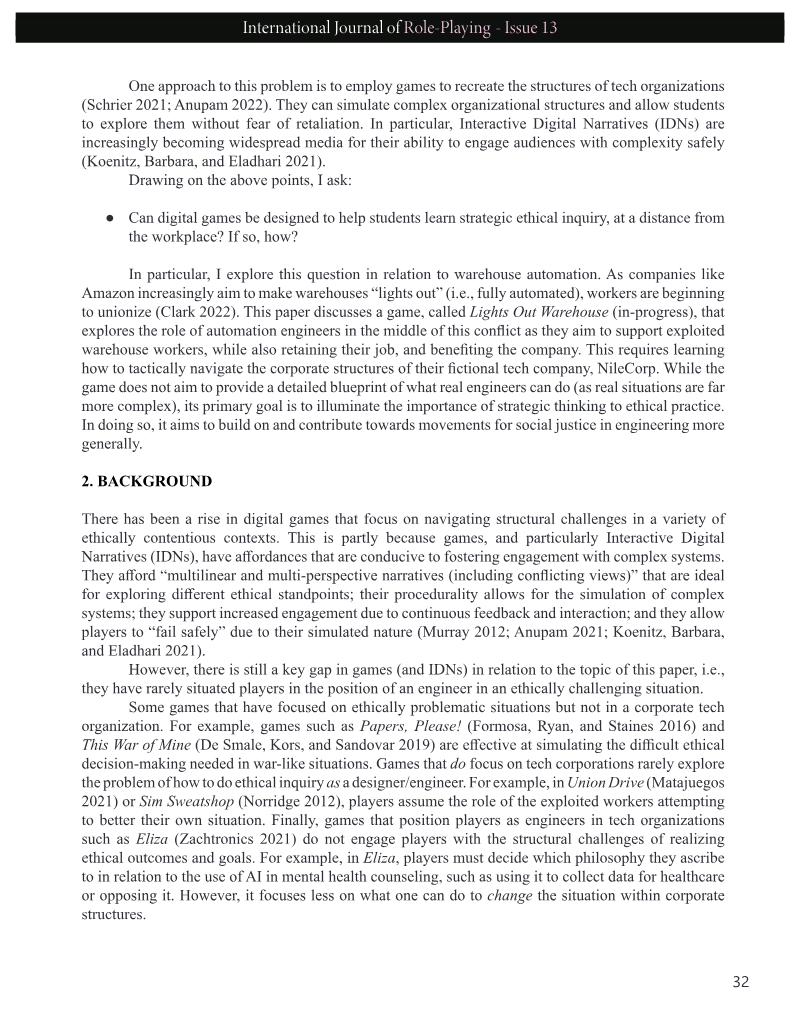
This paper, presented as an in-progress design study by Aditya Anupam of Georgia Tech, argues that tech ethics education has focused heavily on identifying ethical problems while neglecting the strategic skills engineers need to act on them within corporate environments, where dissent can bring retaliation.
- Tech ethics education has concentrated on spotting ethical problems while neglecting the strategic skills engineers need to act on them inside corporations, where dissent can invite retaliation.
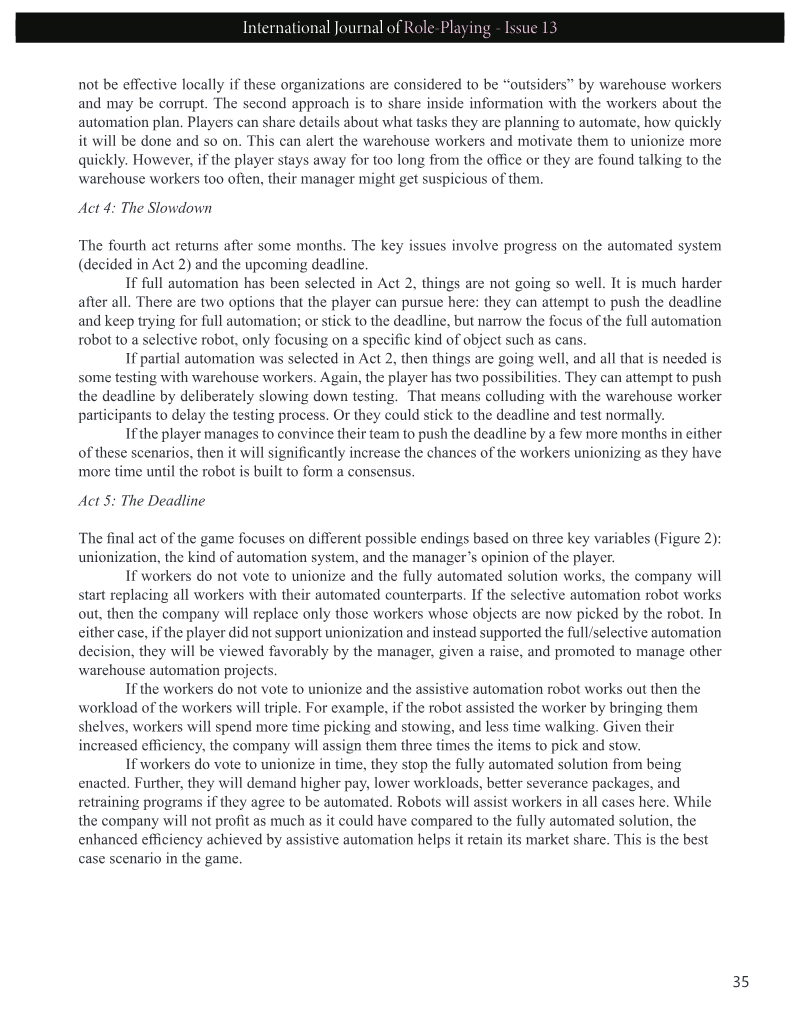
- The paper proposes interactive digital narratives as a way to teach strategic ethical inquiry at a safe distance from the workplace, illustrated by the prototype game Lights Out Warehouse.
- In Lights Out Warehouse, players are automation engineers at the fictional e-commerce firm NileCorp, balancing outcomes that support workers, the company, and their own jobs.
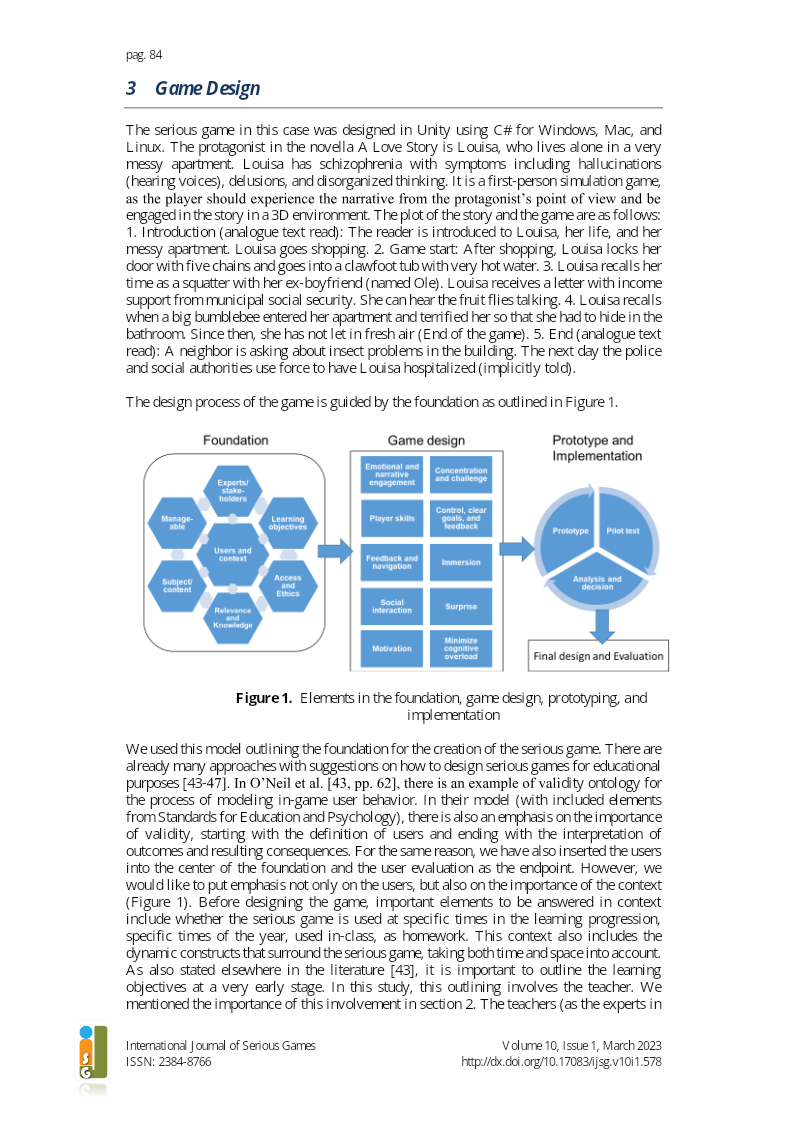
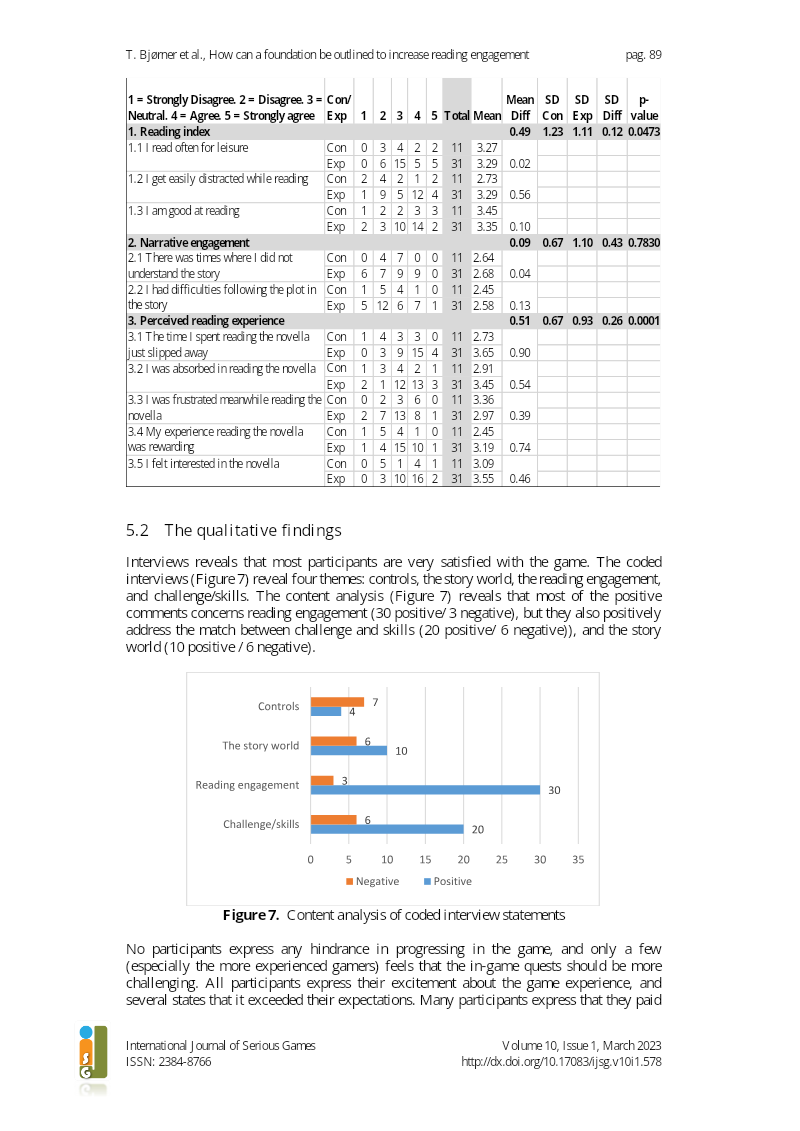
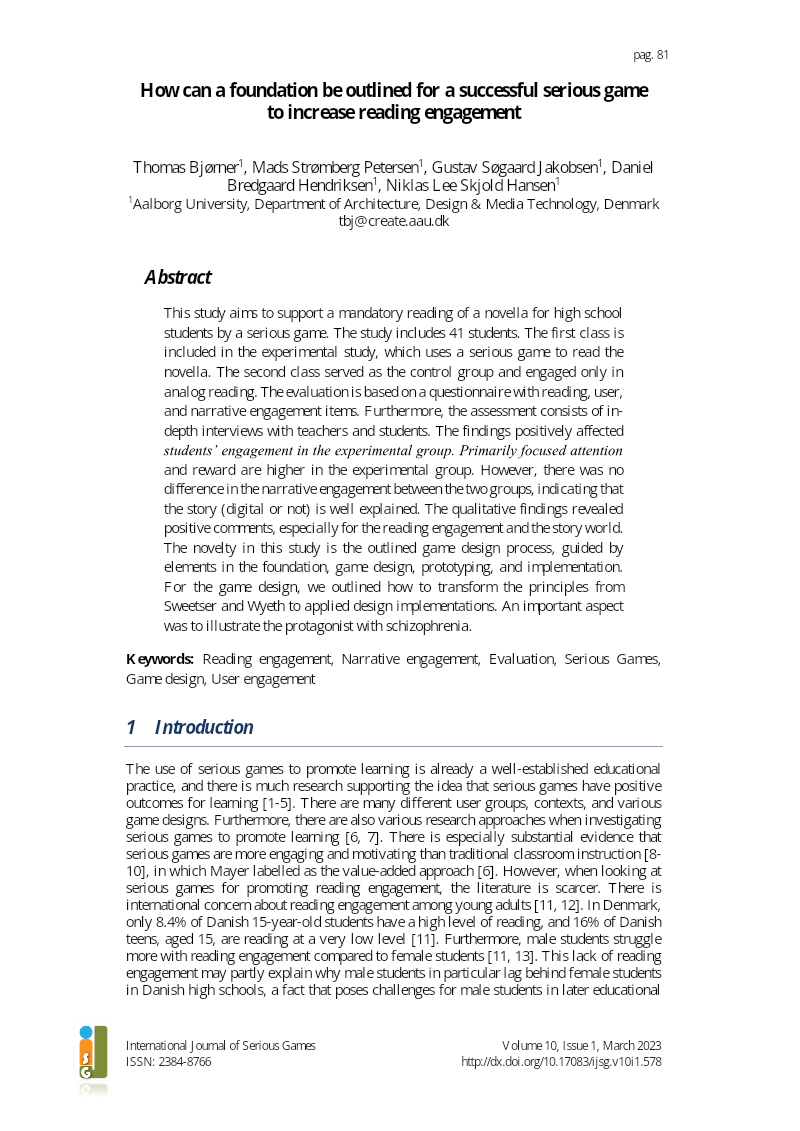
How Can a Foundation Be Outlined for a Successful Serious Game to Increase Reading Engagement
Integrating serious games into high school literature curricula serves as a powerful pedagogical strategy to enhance student engagement, particularly regarding focused attention and reward mechanisms.
- Successful serious games for literature require a structured design framework that mandates close collaboration between educators and developers to ensure mechanics align with specific learning objectives.
- Serious games should function as a complementary pedagogical resource rather than a replacement for traditional reading to avoid novelty bias and support deeper literary analysis.
- Immersive 3D environments that simulate a protagonist’s perspective increase student absorption and improve the identification of narrative details compared to analog methods.
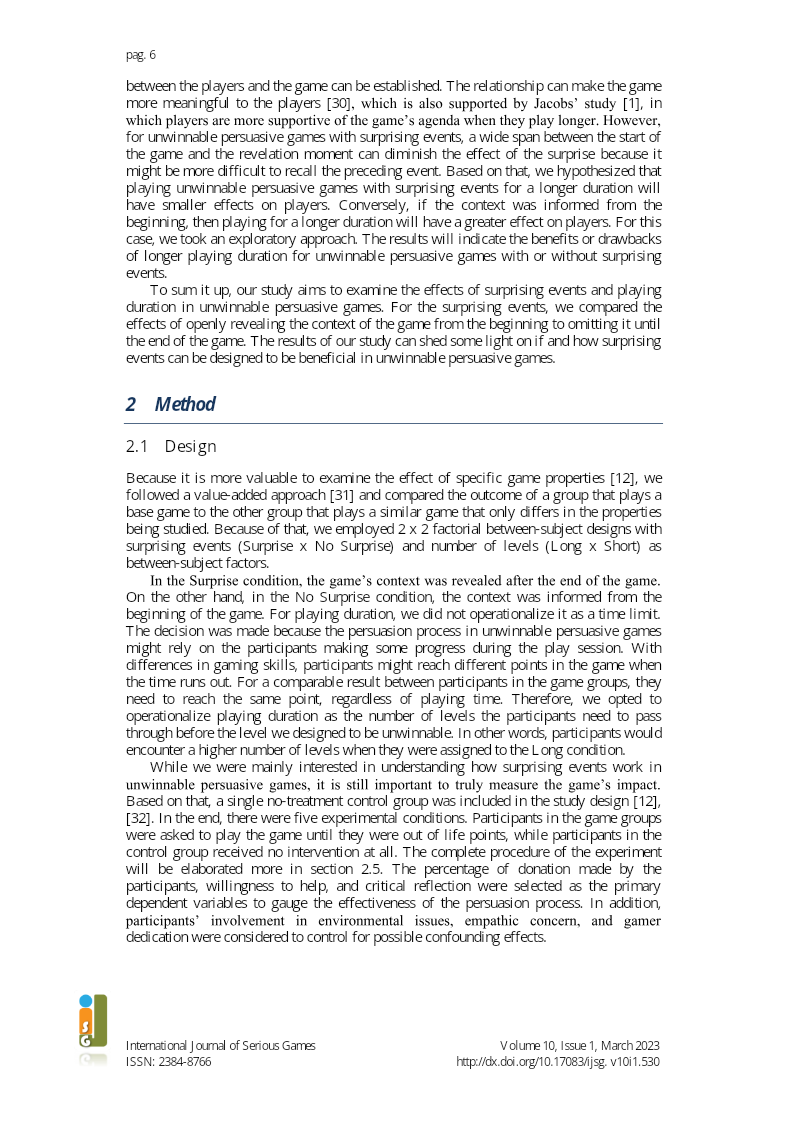

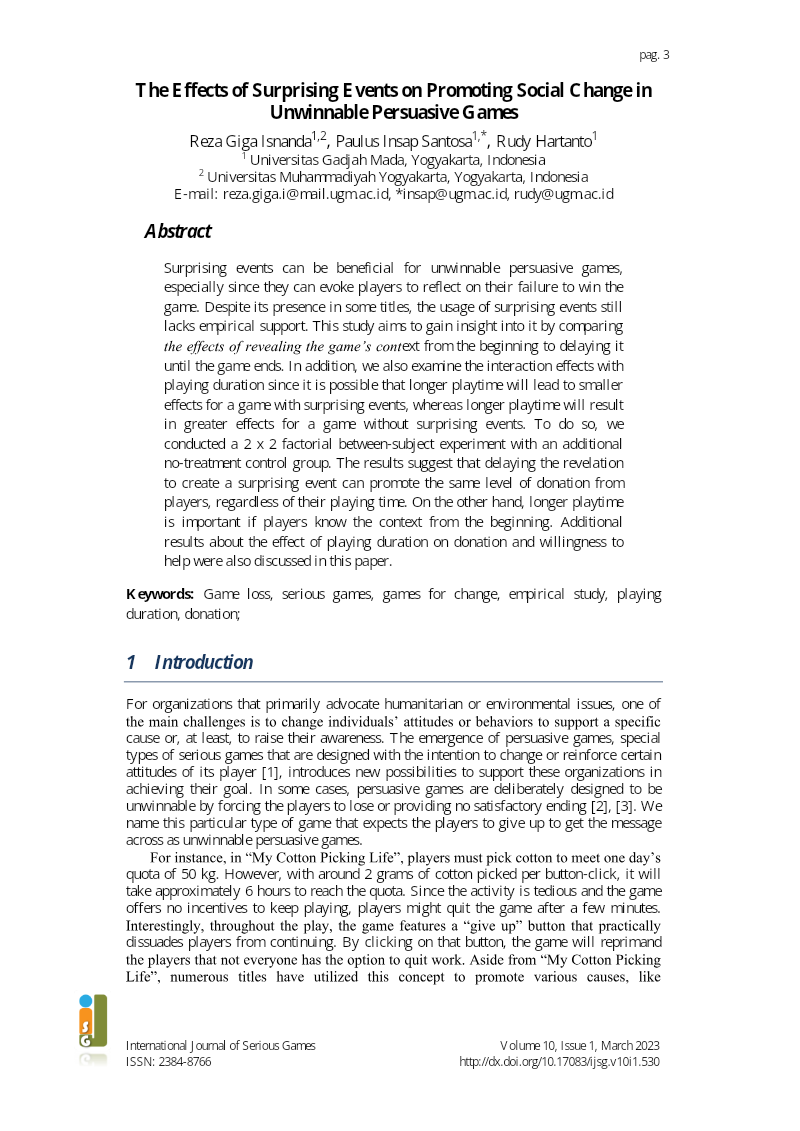
The Effects of Surprising Events on Promoting Social Change in Unwinnable Persuasive Games
Persuasive games designed to be unwinnable often struggle to balance player engagement with the delivery of a social message.
- Surprise acts as a viable substitute for long playtimes in persuasive games, as withholding context until a surprising event maintains consistent donation levels regardless of session duration.
- In games where persuasive intent is disclosed at the start, donation amounts are directly correlated with the length of gameplay sessions.
- Despite positive self-reported willingness to help, there is no statistically significant difference in actual donation behavior between players of these persuasive games and control groups.
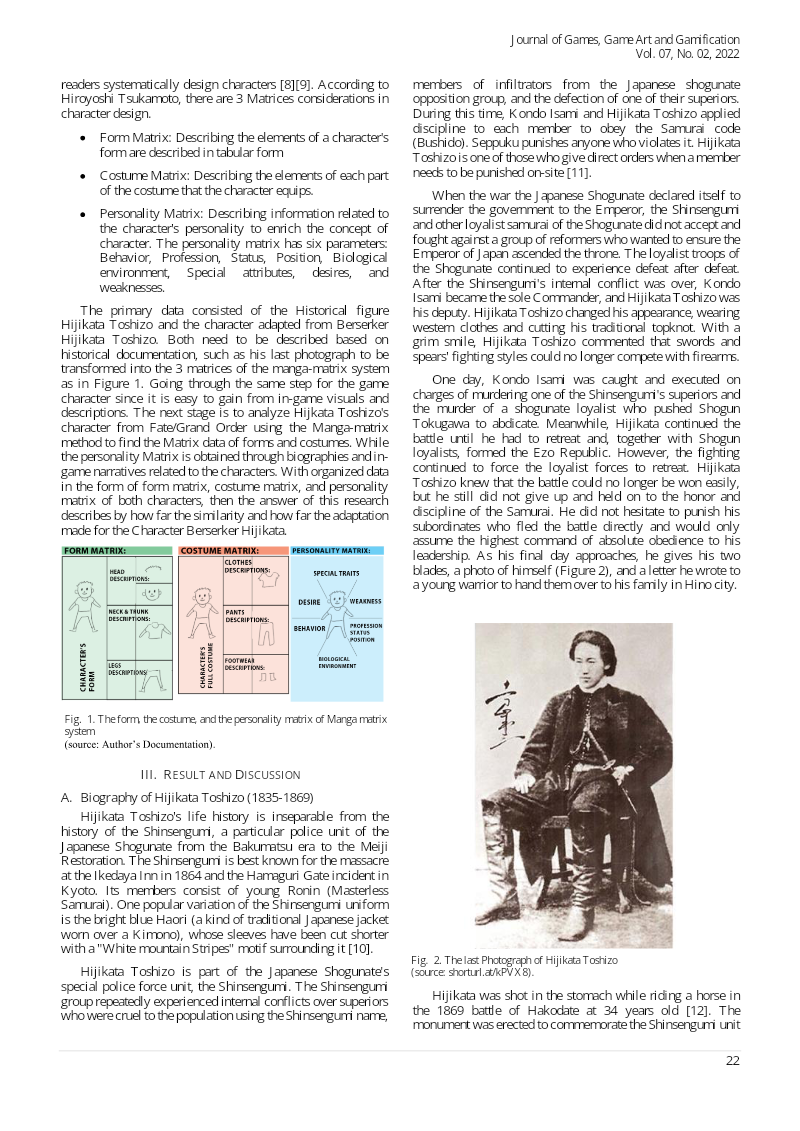
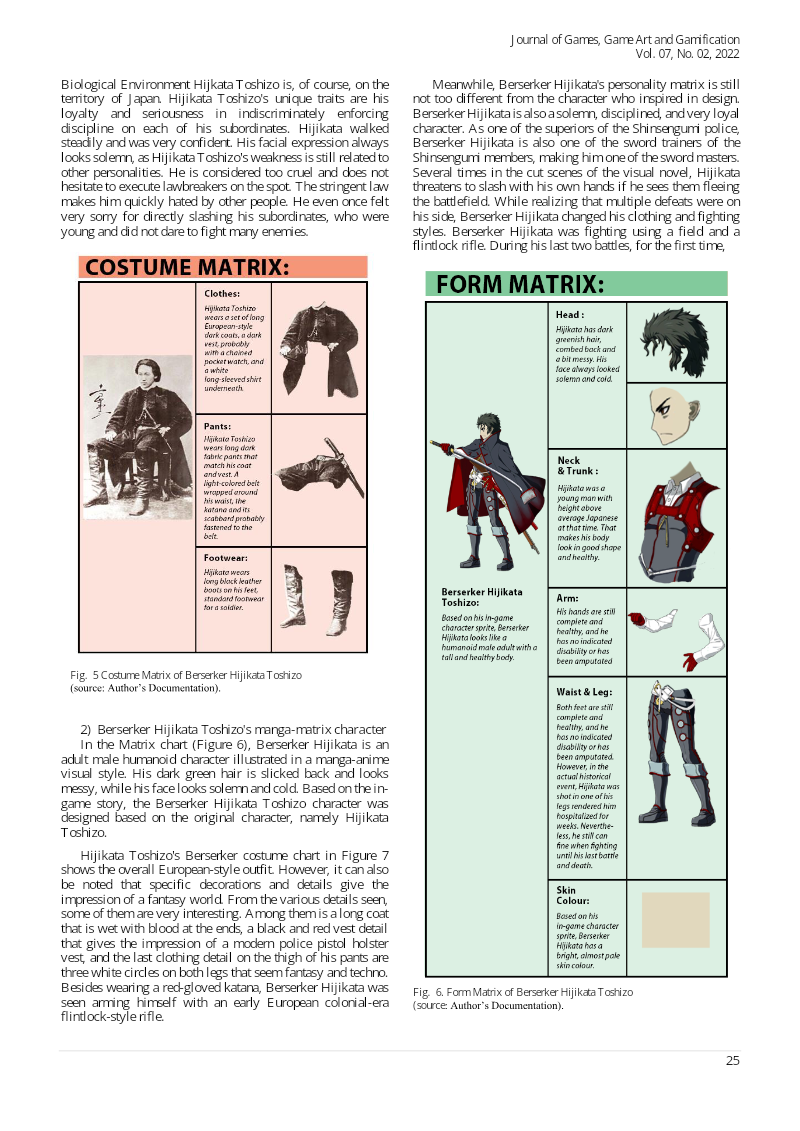
Adaptation of Historical Figures into Mobile Game Characters: Case Study of Hijikata Toshizo from Fate/Grand Order
The adaptation of historical figures into mobile gaming requires a delicate equilibrium between biographical fidelity and the creative demands of interactive narrative archetypes.
- Successful adaptation of historical figures requires a matrix-based methodology that maps biographical data against specific gameplay class archetypes.
- Character design for mobile titles like Fate/Grand Order relies on a strategic integration of historical fidelity and creative narrative requirements rather than a binary choice between the two.
- Developers anchor characters in reality by preserving key historical markers, such as Hijikata Toshizo’s disciplined leadership style and his transition to Western-influenced military attire.
A Mapping of the Kinds of Work Activities and Other Productive Uses Inspired by Play or Games
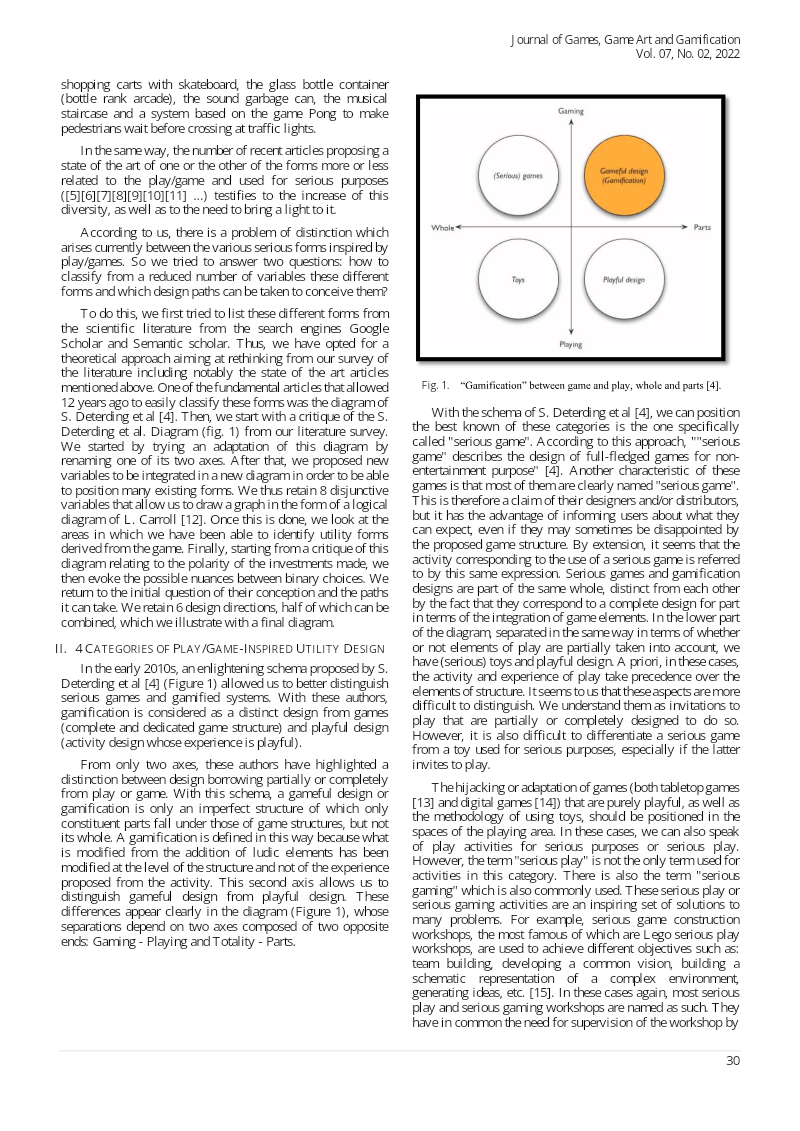
The blurring lines between recreational gaming and utilitarian productivity necessitate a more rigorous classification system for game-inspired design.
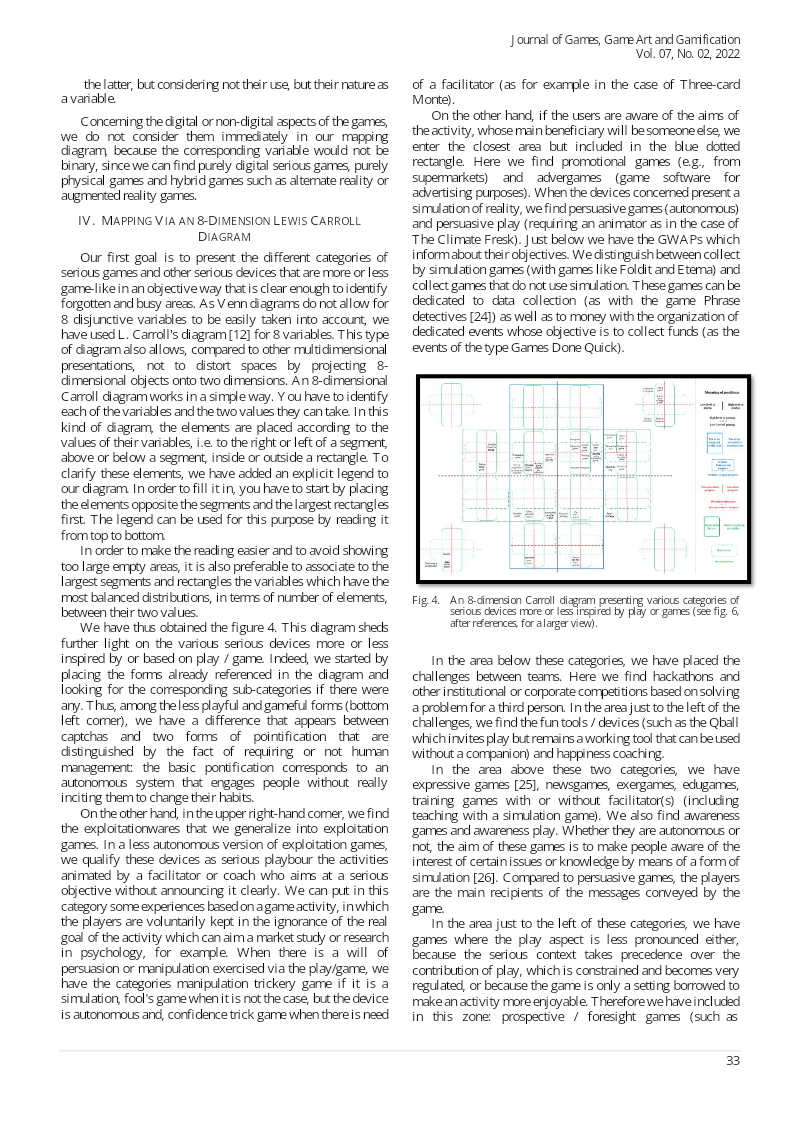
- A new eight-dimensional Carroll diagram provides a diagnostic framework to categorize thirty-seven distinct forms of game-inspired activities.
- The framework distinguishes between educational, persuasive, and utilitarian applications by evaluating variables such as transparency, user autonomy, and the primary beneficiary.
- Current industry frameworks often fail to differentiate between gamification, serious games, and serious play, leading to confusion and the potential for manipulative design.

Archetype and Individuation Process in Alan Wake
The narrative of Alan Wake functions as a sophisticated exploration of the human psyche, utilizing the framework of Carl Jung’s individuation process to map the protagonist’s path toward self-realization.
- The narrative of Alan Wake is structured as a Jungian individuation process, framing the protagonist’s conflict as a psychological journey toward self-realization rather than a purely supernatural struggle.
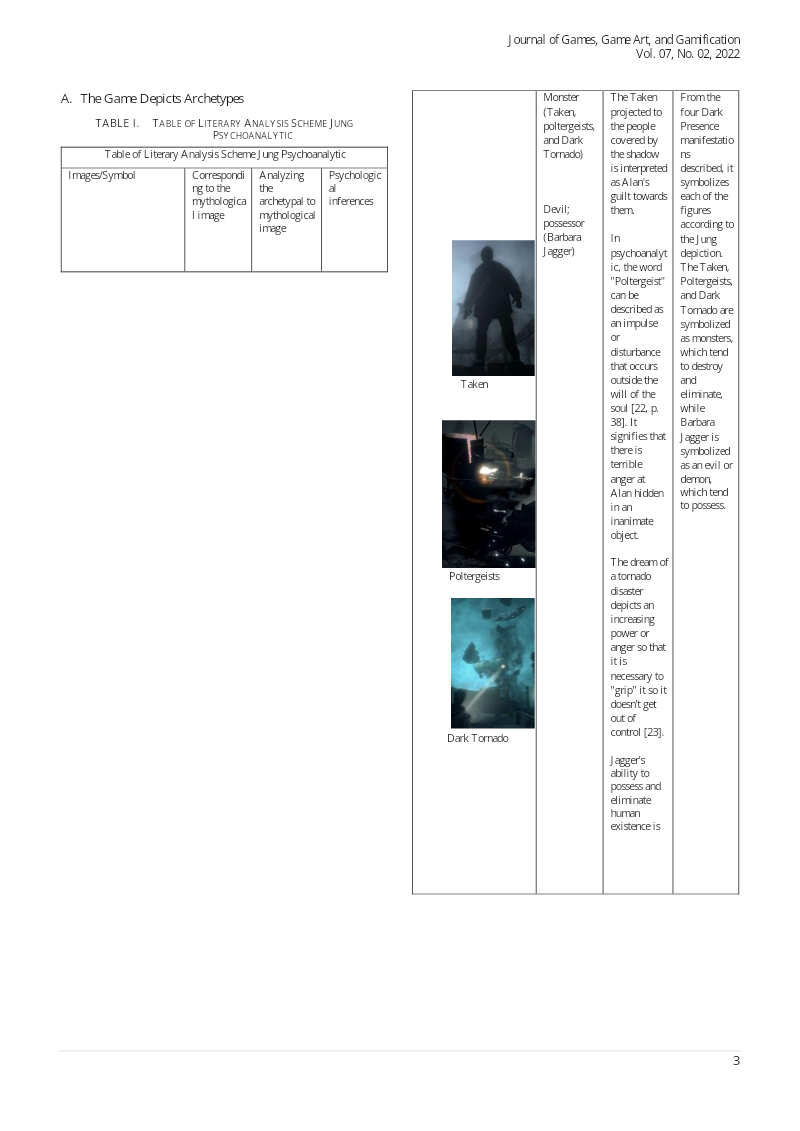
- Alan’s character development relies on interactions with specific archetypal figures, such as Thomas Zane as the 'Wise Old Man' and the Dark Presence as the 'Shadow,' which force him to confront suppressed guilt and fear.
- The Bird Leg cabin functions as a manifestation of the 'Great Mother' archetype, grounding the protagonist’s internal maturation within a broader mythological context.

Self-portraiture in Pseudo-museums as Immersive Playscapes for Adults
Katriina Heljakka's study examines self-portraiture in "pseudo-museums," immersive selfie-oriented venues such as the Museum of Ice Cream, HAPPY PLACE, and the Museum of Selfies, as adult playscapes.
- The study analyses selfie-oriented 'pseudo-museums' such as the Museum of Ice Cream, HAPPY PLACE, and the Museum of Selfies as adult playscapes, using visual autoethnography of visits made between 2018 and 2020.
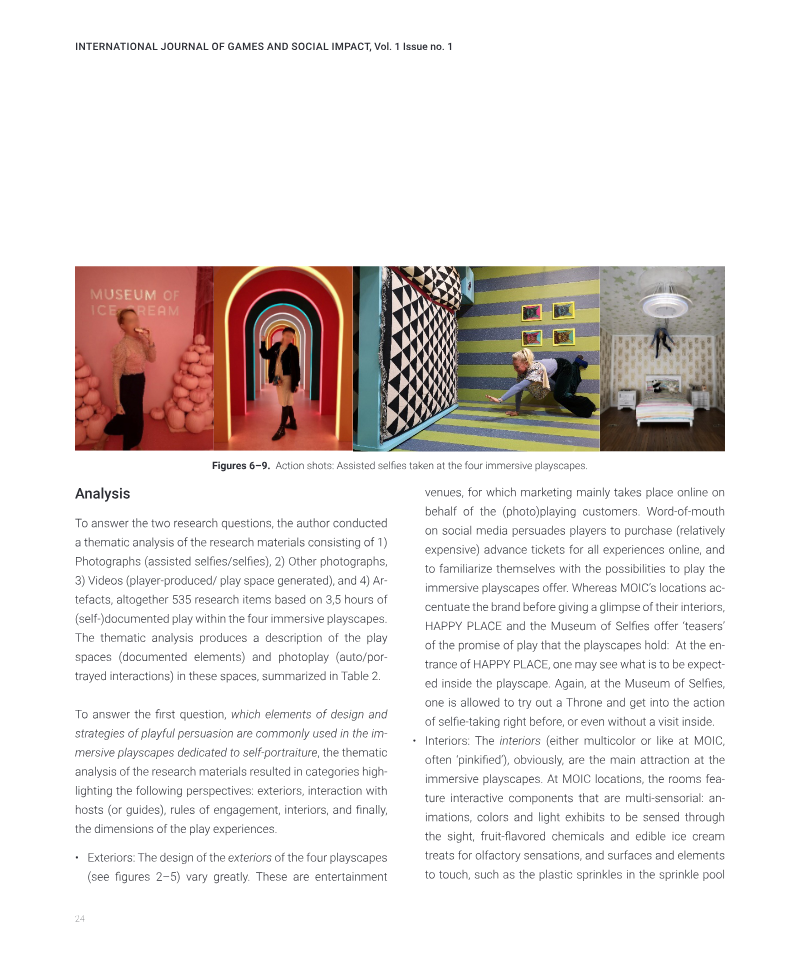
- Drawing on roughly 535 research items from four venues in San Francisco, New York, and Las Vegas, the author identifies multisensory interiors, physically active installations, hosts, and rules of engagement (such as one-directional movement) as key design elements shaping adult photoplay.
- The author argues that selfie-taking in these venues is both solitary and social play, extending into online sharing, and frames the self-documenting visitor as a kind of toy or spectacle.
“We’ve All Come Together”: A Board-Gaming Approach for Working with Autistic People
Board games offer autistic people an affordable, structured, and collaborative setting for practicing social skills such as turn-taking, cooperation, and theory of mind.
- Board games are proposed as an affordable, structured, collaborative alternative to traditional social-skills interventions for autistic people, targeting turn-taking, cooperation, and theory of mind in an authentic peer context.
- In a school-based study, fifteen autistic children aged 10 to 15 played games such as Dixit, Codenames, One Night Ultimate Werewolf, and Spyfall weekly over a school year; thematic analysis found gains in perspective-taking, lie-detection, peer relationships, classroom cooperation, and flexibility.
- A follow-up study with nineteen autistic adults aged 21 to 61 at a community center ran for twelve weeks, mostly with Dixit, and reported stronger group cohesion and friendship, improved memory and adaptation over sessions, and greater independence.

Is Fun a Matter of Grammar?
The concept of fun is frequently misidentified as a specific psychological state, such as the flow state, within academic and game design discourse.
- Fun should be categorized as a linguistic marker for habitual, repeatable activities rather than a specific psychological state like flow.
- The term 'fun' functions as a grammatical descriptor for generic actions that transcend specific moments in time, distinguishing it from localized experiences like pleasure or enjoyment.
- Game engagement is more accurately understood through the linguistic framing of activities rather than the pursuit of elusive internal phenomenological states.

Playing with Fake News: State of Fake News Video Games
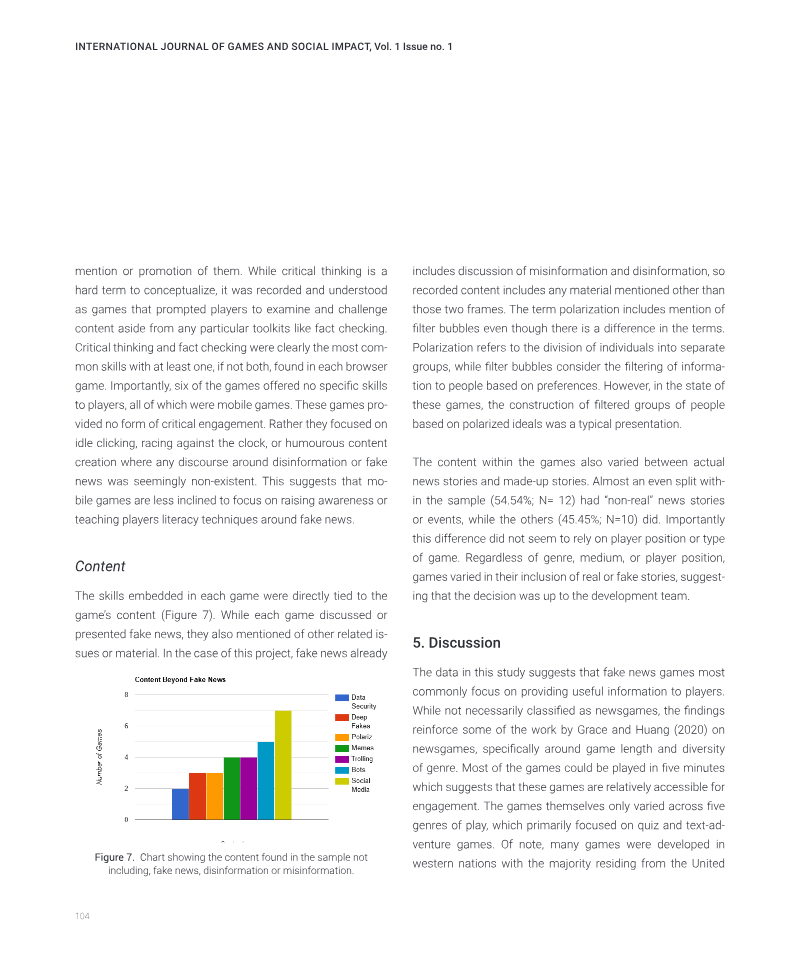
This study examines 22 video games that center fake news in their play or design, collected in November 2020 through keyword searches, app stores, and the gamesforchange.org repository, and playtested for up to 15 minutes each.
- The study analyzes 22 fake-news-themed video games (16 browser-based, 6 mobile) collected in November 2020 and playtested for up to 15 minutes each, with most titles released between 2017 and 2020 and mostly developed in the United States.
- Browser games consistently carry awareness-raising or educational intent, typically teaching critical thinking and fact-checking through quizzes and text adventures, whereas mobile games rarely have explicit educational objectives and six teach no literacy skills at all.
- Most of the games can be completed in five minutes or less, and roughly 73 percent include reward systems, but only three feature leaderboards, suggesting they are designed as individual rather than competitive experiences.
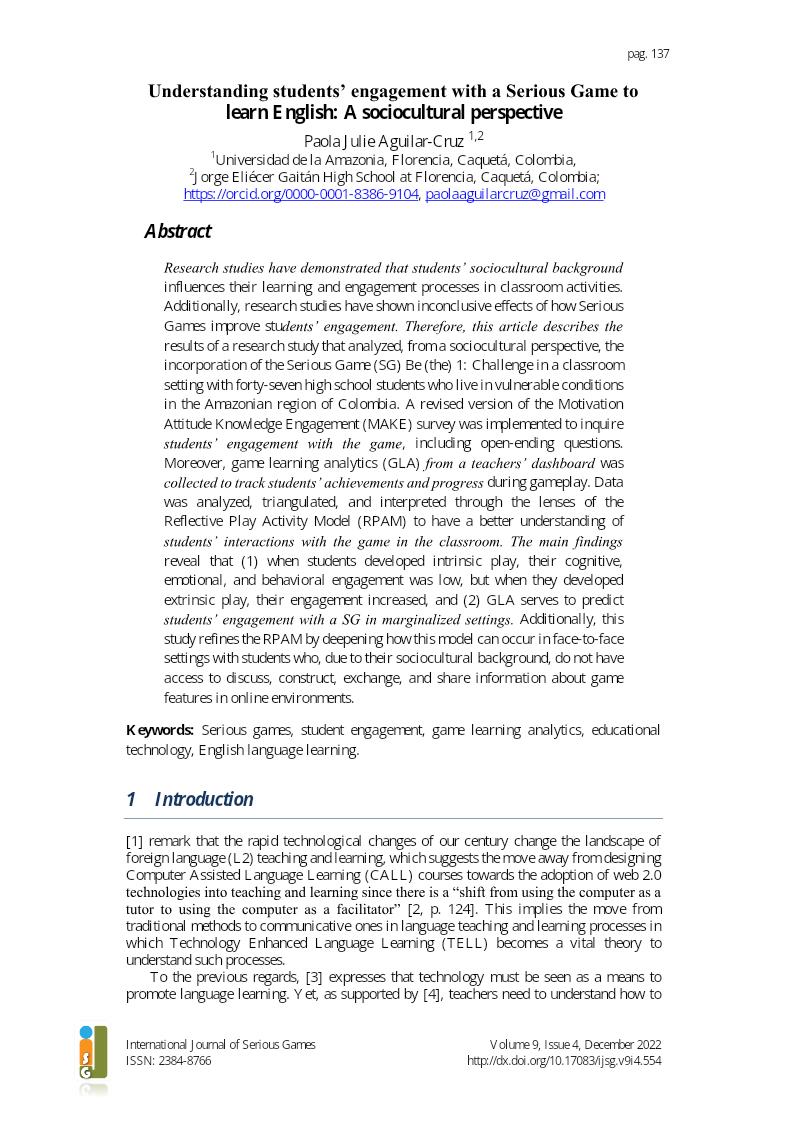
Understanding Students’ Engagement with a Serious Game to Learn English: A Sociocultural Perspective
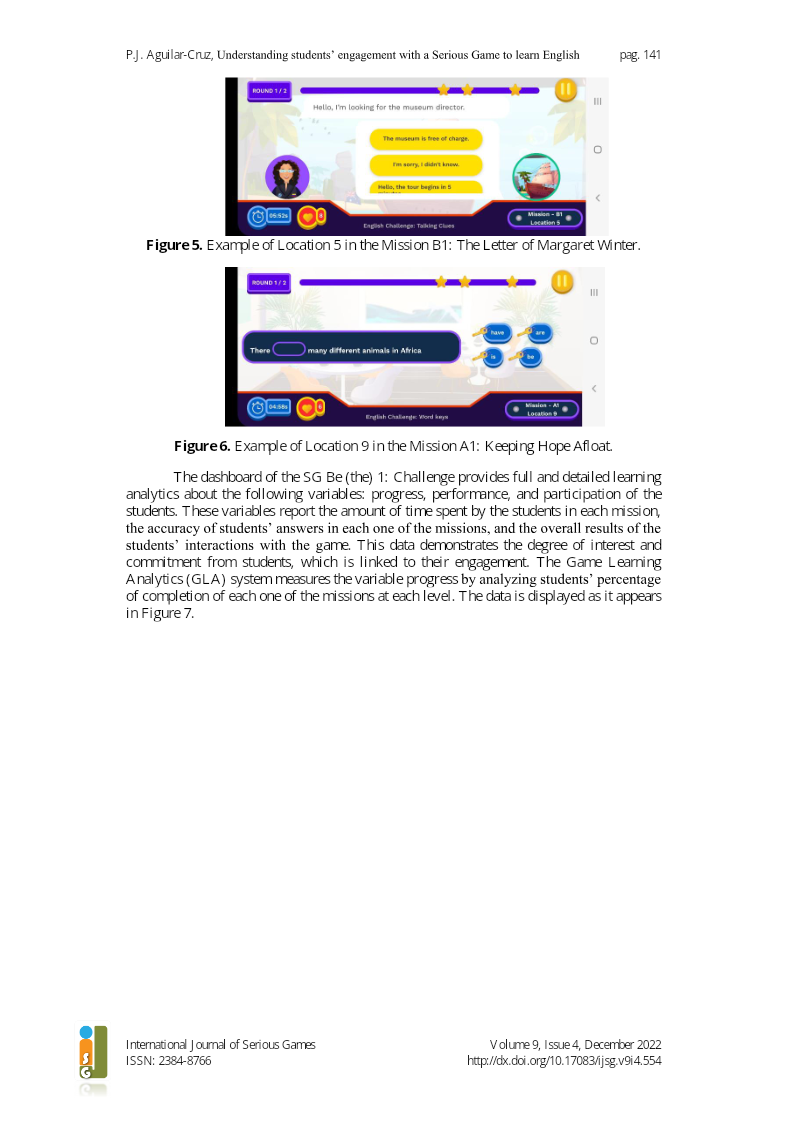
Serious games serve as a potent pedagogical tool for English language acquisition among high school students in marginalized regions of Colombia.
- Collaborative, group-based gameplay significantly outperforms individual play in enhancing cognitive, emotional, and behavioral engagement for English language acquisition.
- The Reflective Play Activity Model, when adapted for social agency in resource-limited settings, improves student performance metrics and persistence in vocabulary acquisition.
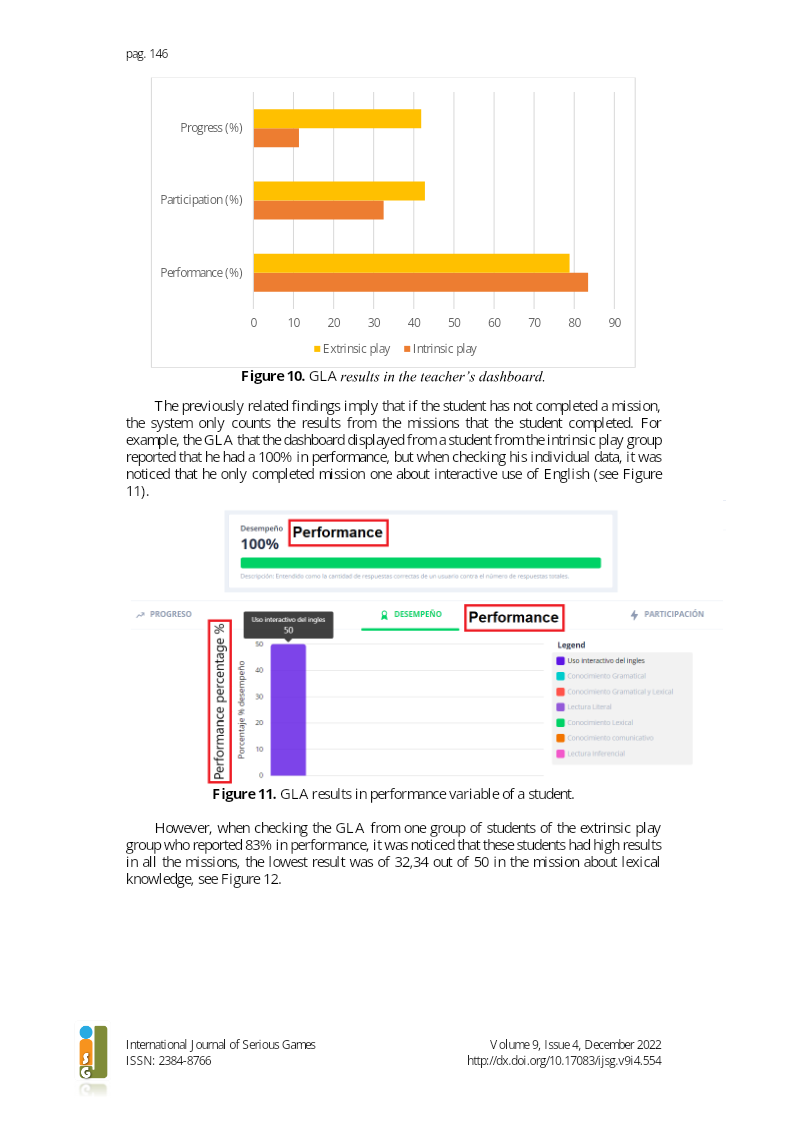
- Game Learning Analytics provide a functional framework for educators to monitor and predict student commitment levels in real-time.