1 free read left. Create a free account for unlimited reading + AI research.
Create free accountWhitepaper Japanese Association for Role-Playing Game Studies (JARPS)
1 free read left. Create a free account for unlimited reading + AI research.
Create free accountWhitepaperJapanese Association for Role-Playing Game Studies (JARPS)
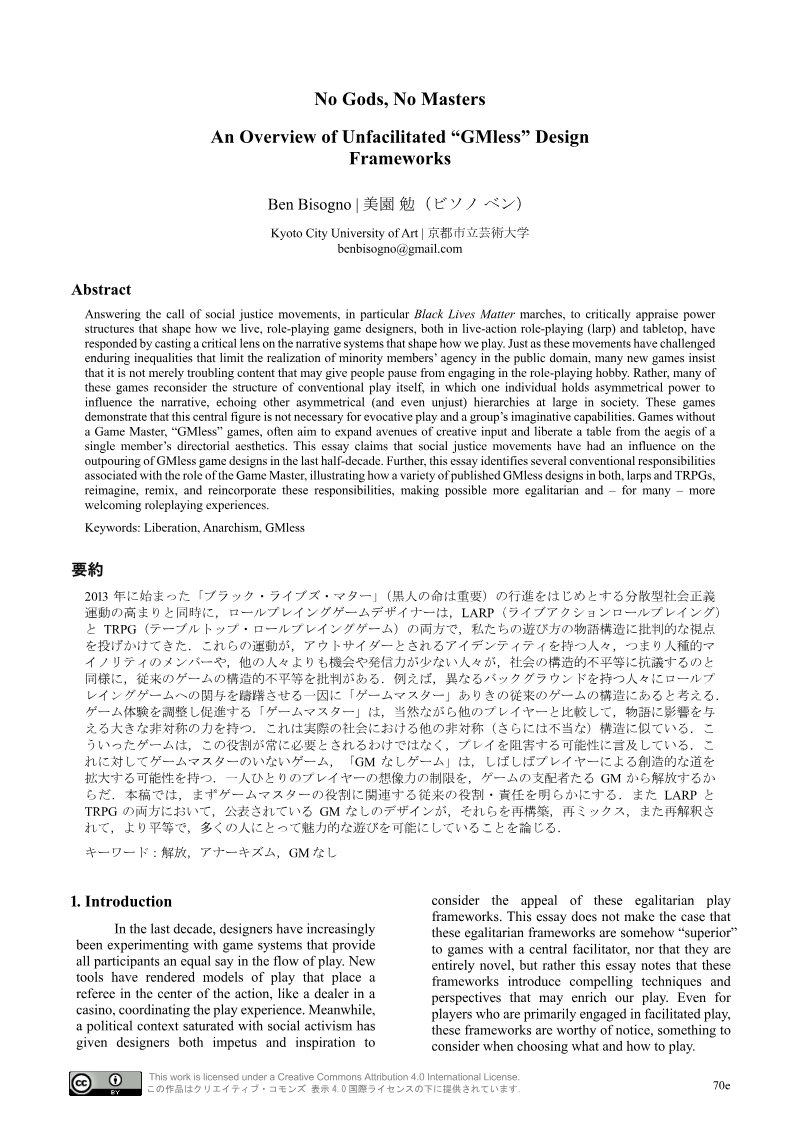
This new approach prioritizes egalitarian and inclusive play environments. It represents a significant shift in ludic design.
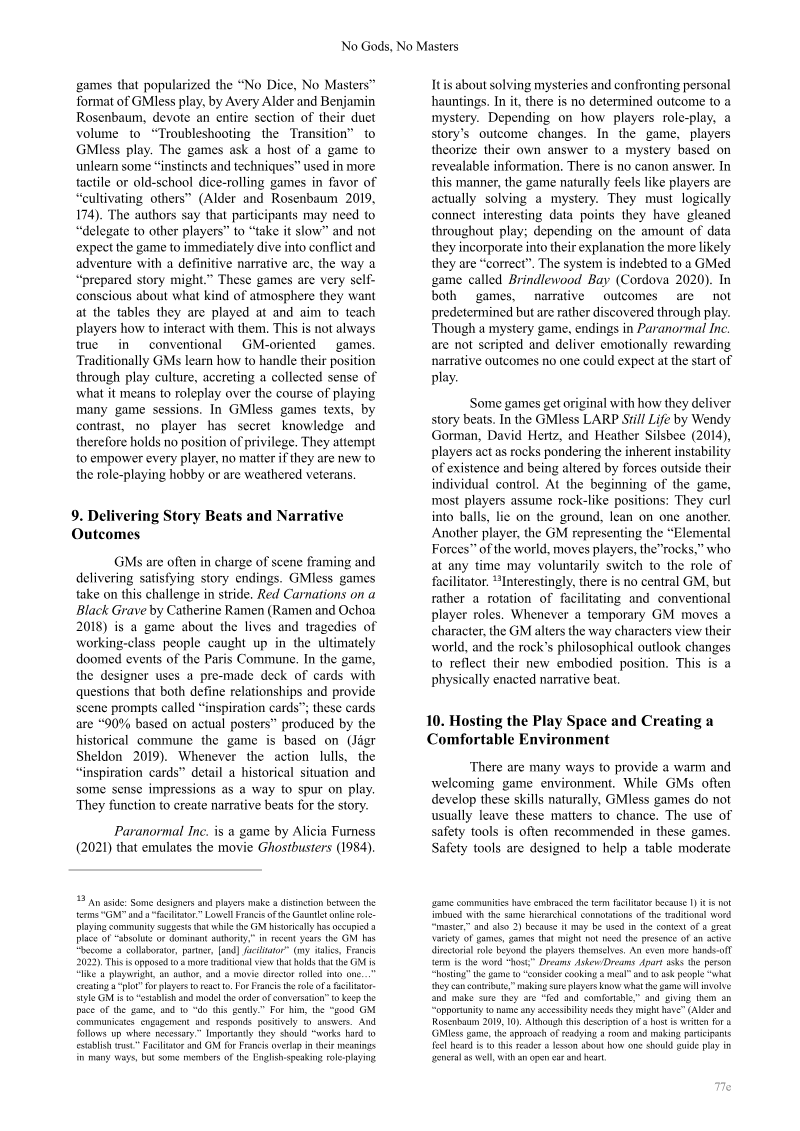
The rise of unfacilitated, GMless tabletop and live-action role-playing games represents a significant shift in ludic design, moving away from the traditional, asymmetrical power structures of a singular Game Master toward a model of distributed narrative authority. These systems are fundamentally driven by contemporary social justice movements, aiming to foster egalitarian and inclusive play environments. By decentralizing control, these frameworks function as practical exercises in agency, allowing participants to challenge hierarchical norms and explore complex social dynamics within a shared imaginative space.
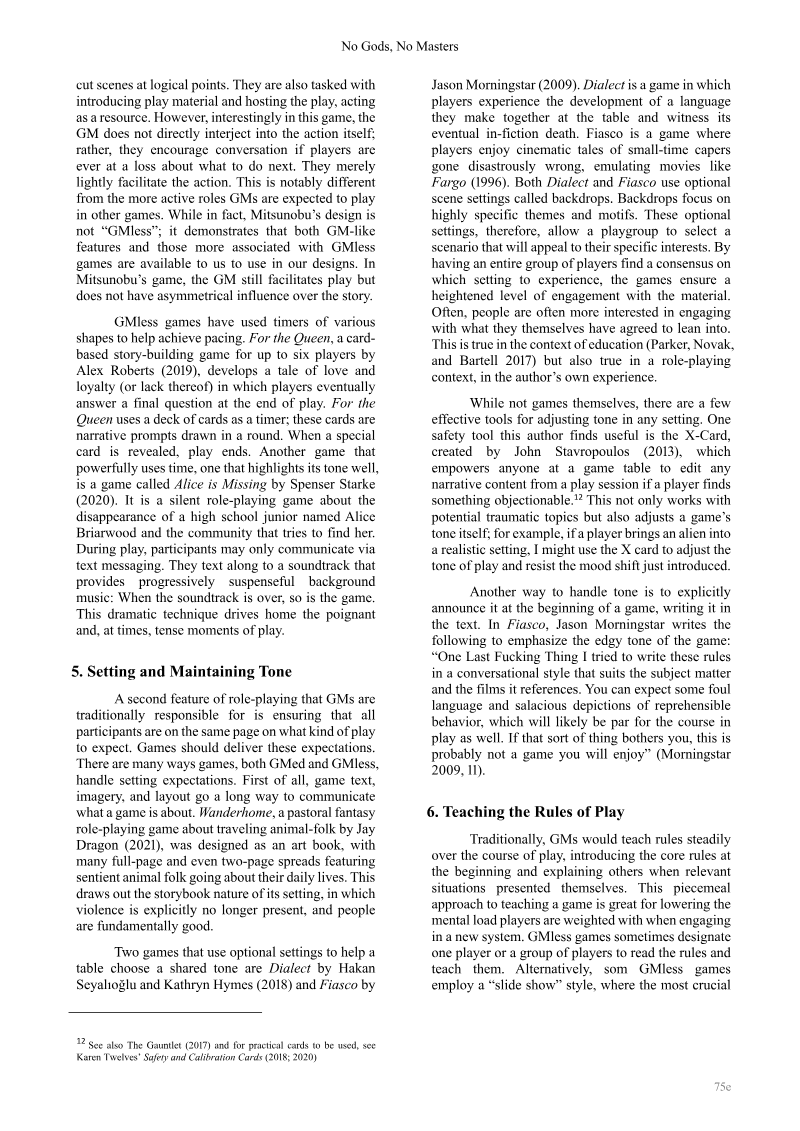
To maintain narrative flow and verisimilitude without a central director, these games redistribute high-bandwidth responsibilities—such as pacing, tone management, and rule enforcement—across the entire player group. This is achieved through the integration of procedural design elements, including structured instructional prompts, timers, and explicit safety mechanics. By making implicit social expectations transparent, these tools ensure that all participants share a cohesive understanding of the game’s mechanics and thematic goals. This approach does not render the traditional Game Master obsolete; rather, it introduces innovative techniques that enhance collaborative storytelling and can be adapted to improve both facilitated and unfacilitated gaming experiences.
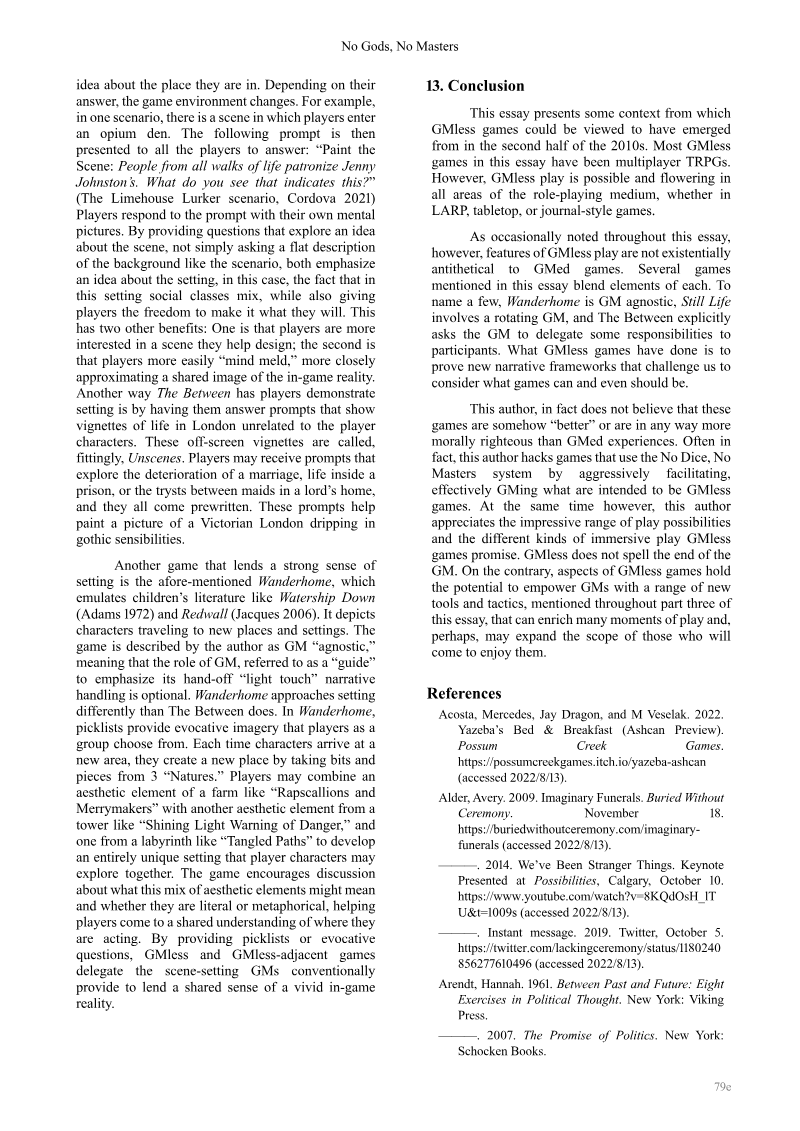
Spanning the contemporary landscape of tabletop role-playing, these design frameworks rely on tools like oracles and evocative questioning to delegate scene-setting and world-building duties to the players. By formalizing the collaborative process, these systems empower participants to take active roles in shaping the narrative arc. Ultimately, the evolution of GMless design reflects a broader industry trend toward procedural transparency, providing a robust toolkit for creating inclusive, player-driven experiences that prioritize collective engagement over top-down instruction.
Japanese Association for Role-Playing Game Studies (JARPS) · 2025
Japanese Association for Role-Playing Game Studies (JARPS) · 2025
Japanese Association for Role-Playing Game Studies (JARPS) · 2025
Japanese Association for Role-Playing Game Studies (JARPS) · 2025
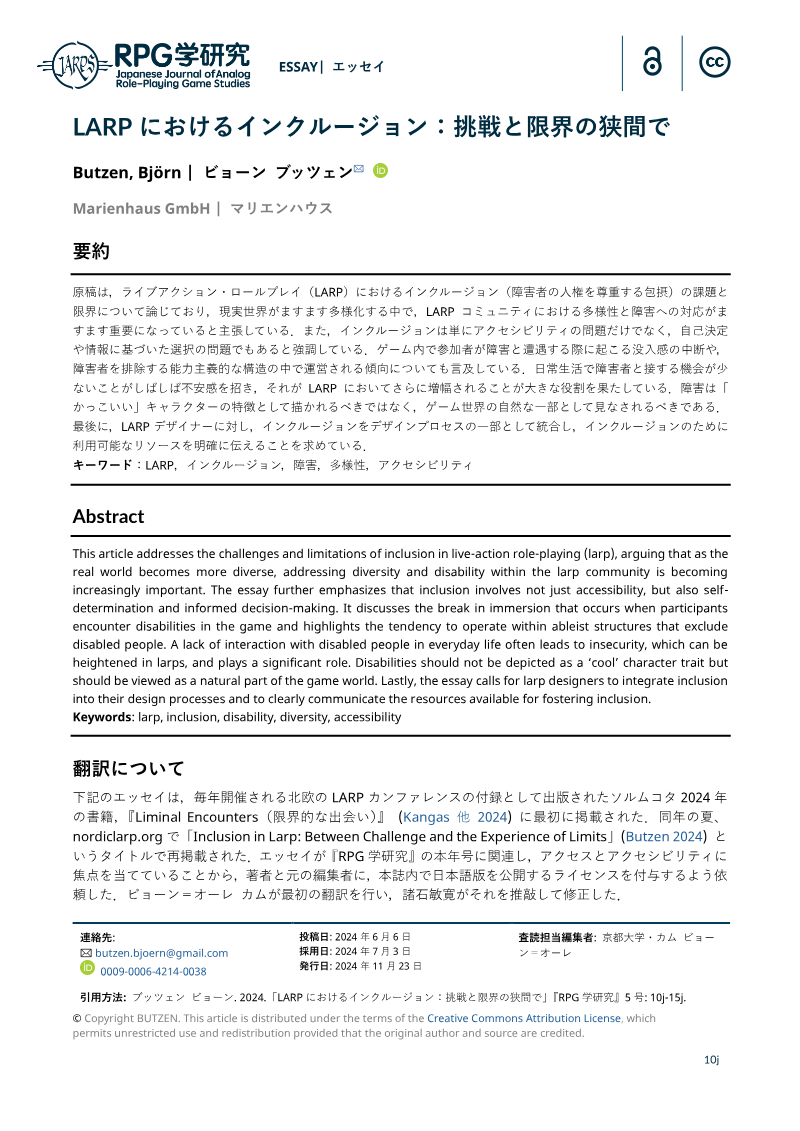
Japanese Association for Role-Playing Game Studies (JARPS) · 2024
Japanese Association for Role-Playing Game Studies (JARPS) · 2024
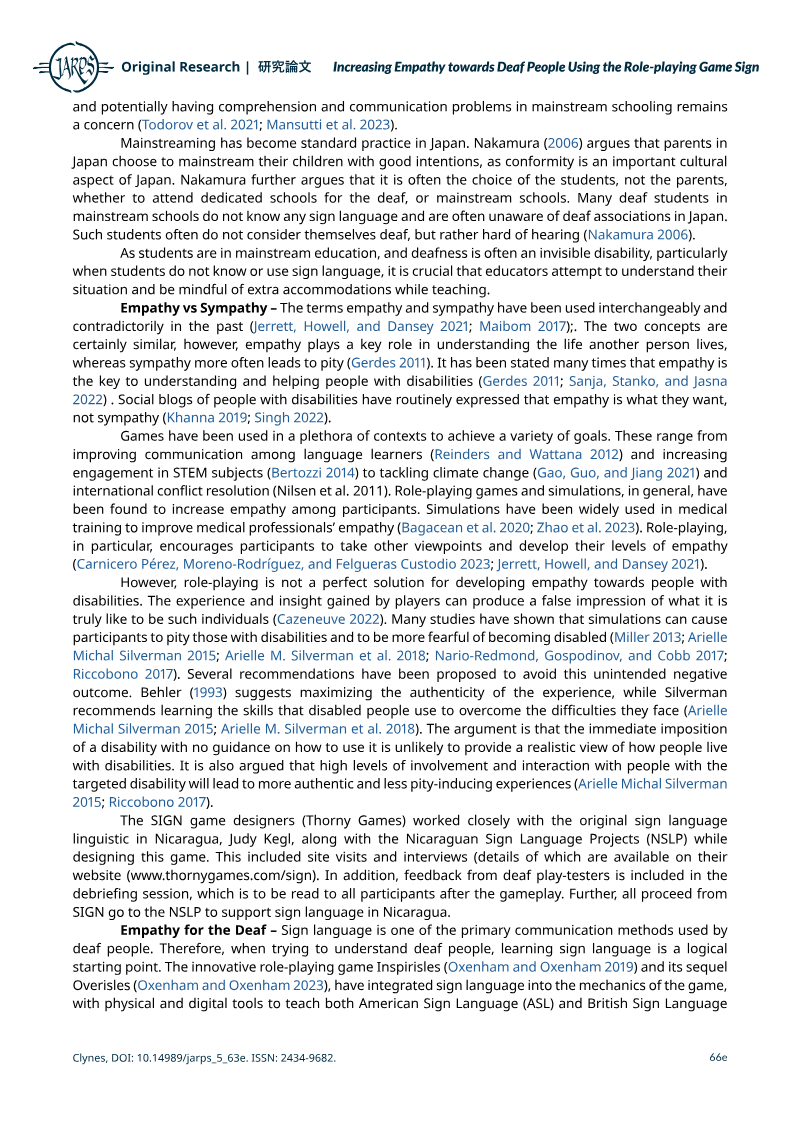
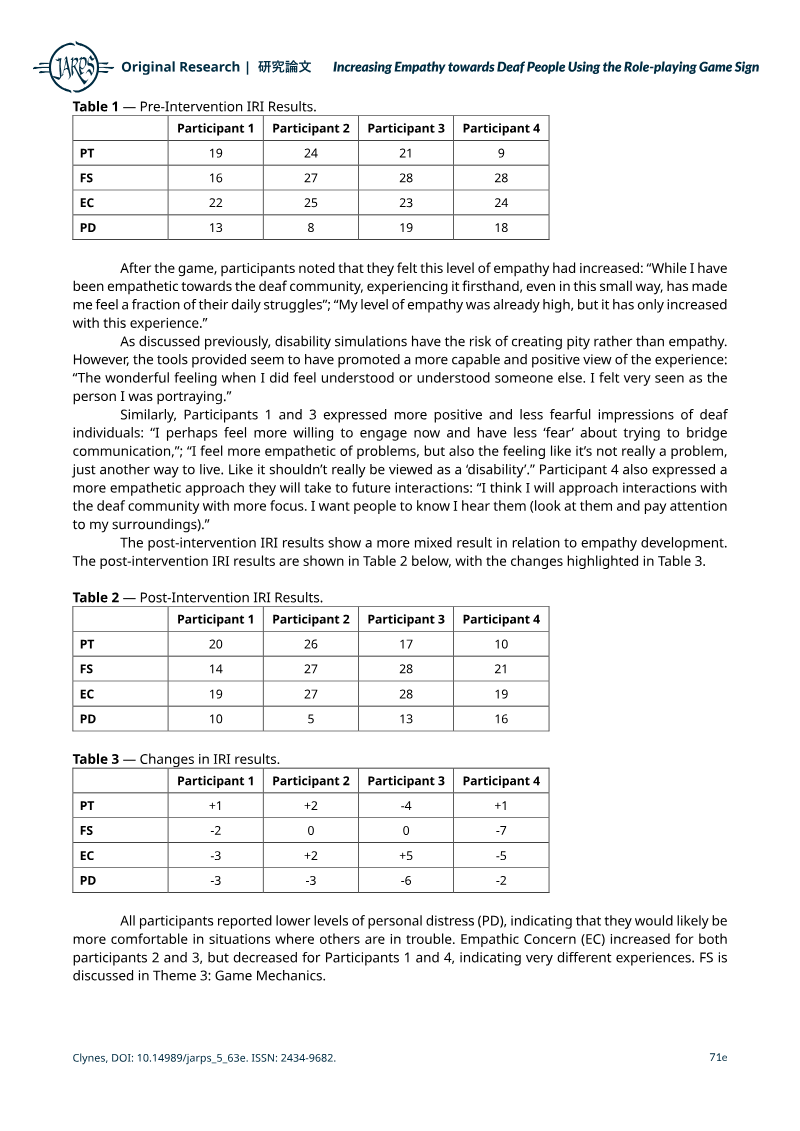
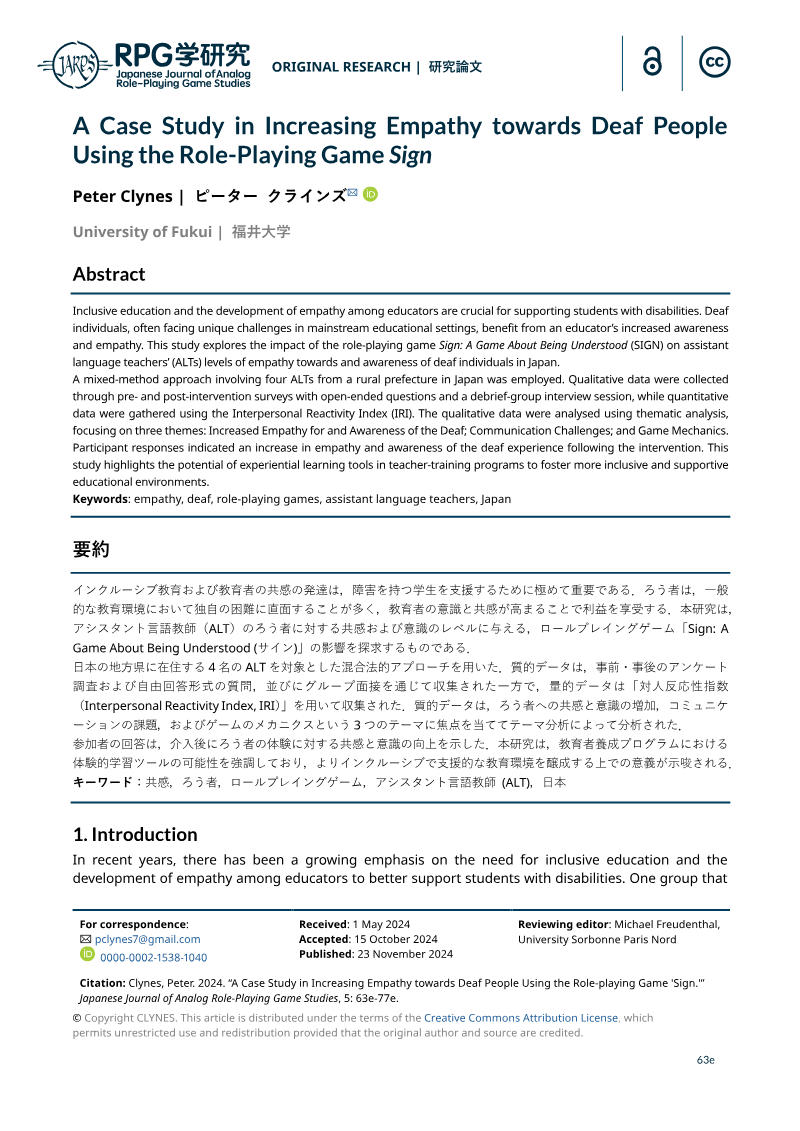
Japanese Association for Role-Playing Game Studies (JARPS) · 2024
Japanese Association for Role-Playing Game Studies (JARPS) · 2024
Japanese Association for Role-Playing Game Studies (JARPS) · 2024
Japanese Association for Role-Playing Game Studies (JARPS) · 2024
Japanese Association for Role-Playing Game Studies (JARPS) · 2024
Japanese Association for Role-Playing Game Studies (JARPS) · 2024

Japanese Association for Role-Playing Game Studies (JARPS) · 2024
Japanese Association for Role-Playing Game Studies (JARPS) · 2022
Japanese Association for Role-Playing Game Studies (JARPS) · 2021