Game Studies reports and market data
Documents
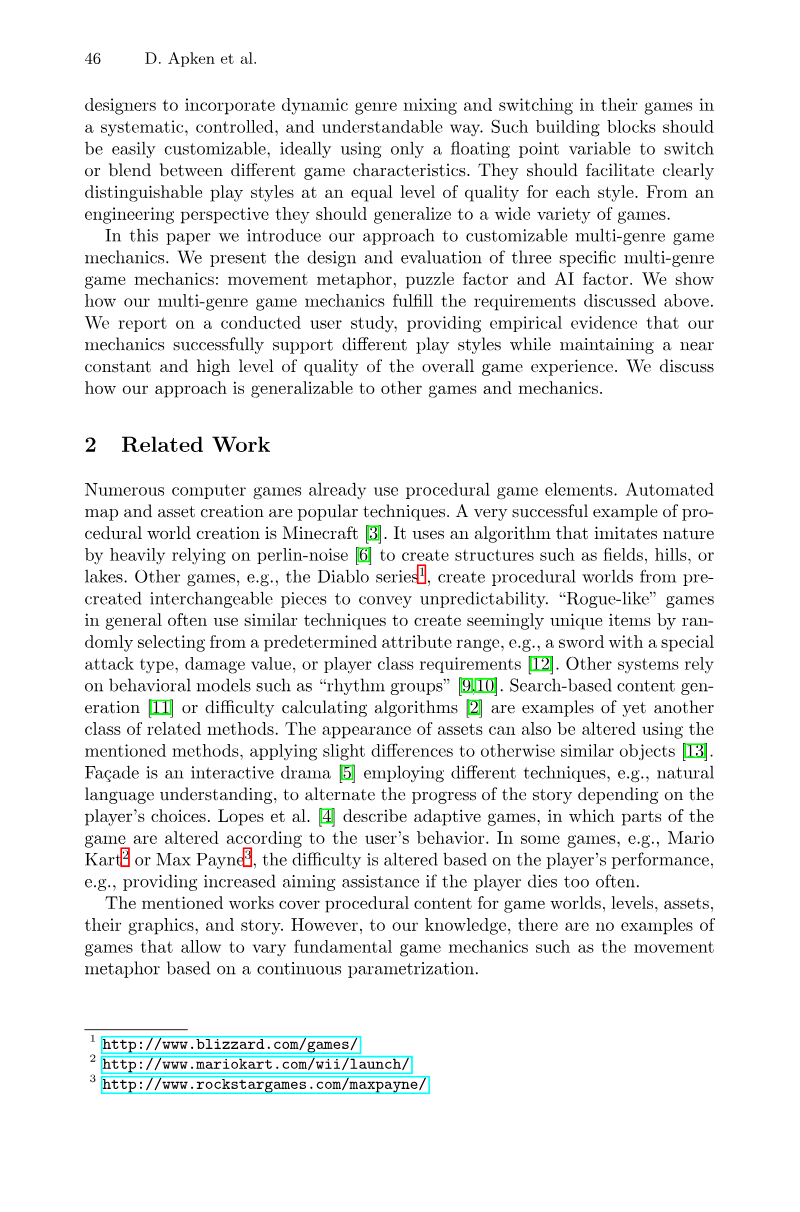
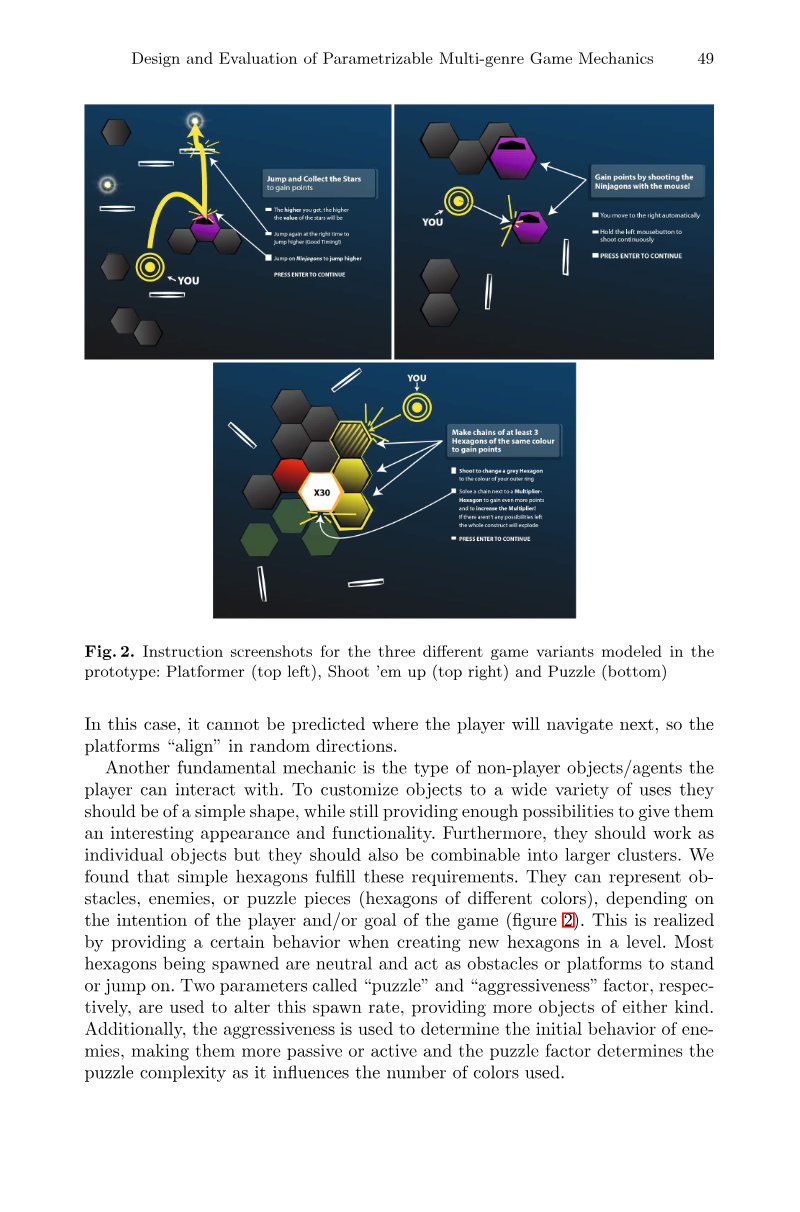
Design and Evaluation of Parametrizable Multi-genre Game Mechanics
The research introduces a novel framework for designing digital games that allows for dynamic blending between genres through the use of parametrizable game mechanics.
Cognitive Processes Involved in Video Game Identification
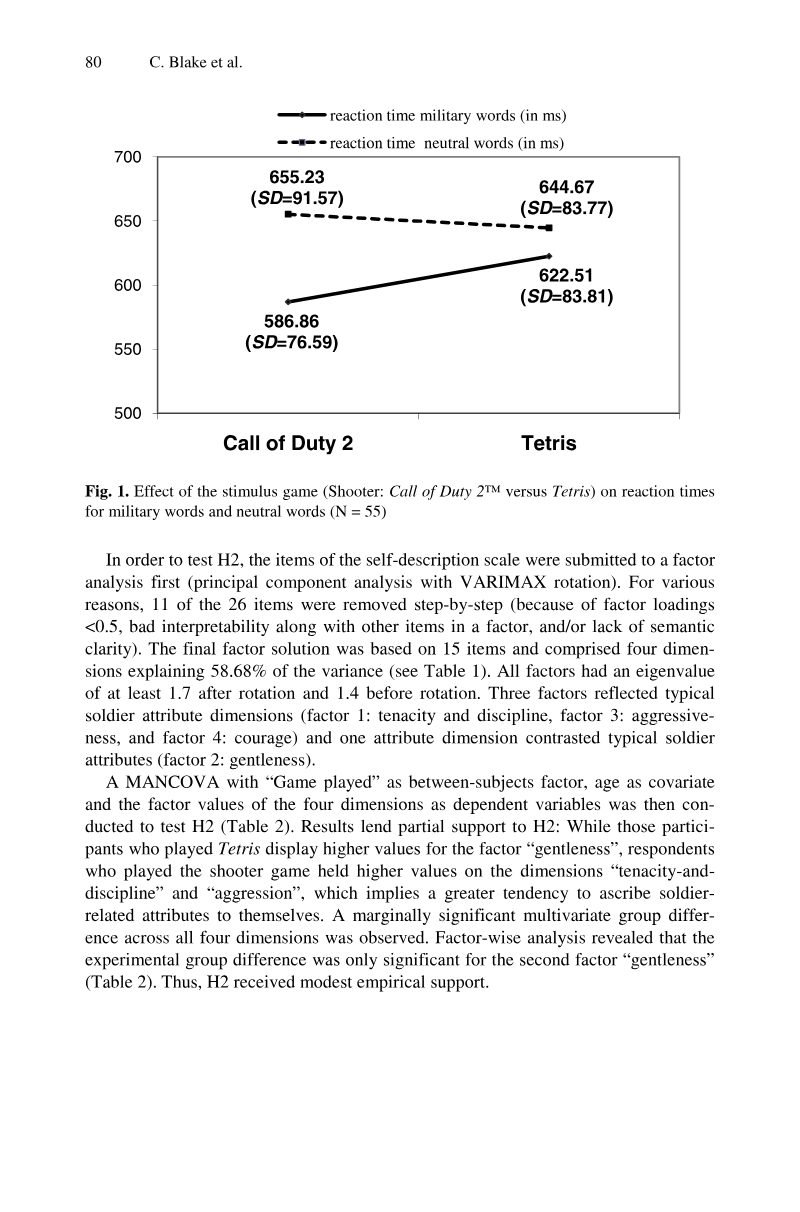
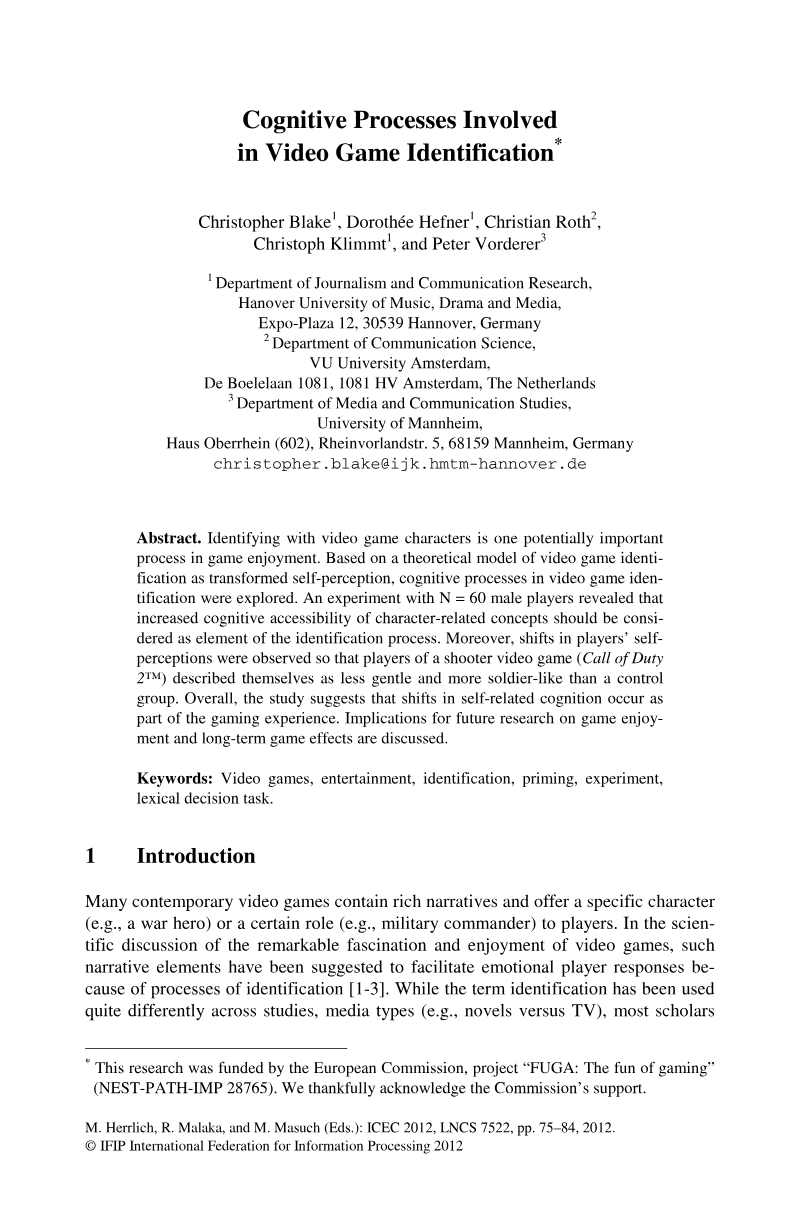
This study explores the cognitive mechanisms underlying video game identification, specifically testing the theory that identification functions as a form of transformed self-perception.
A Framework for Usability Evaluation of Mobile Mixed Reality Games
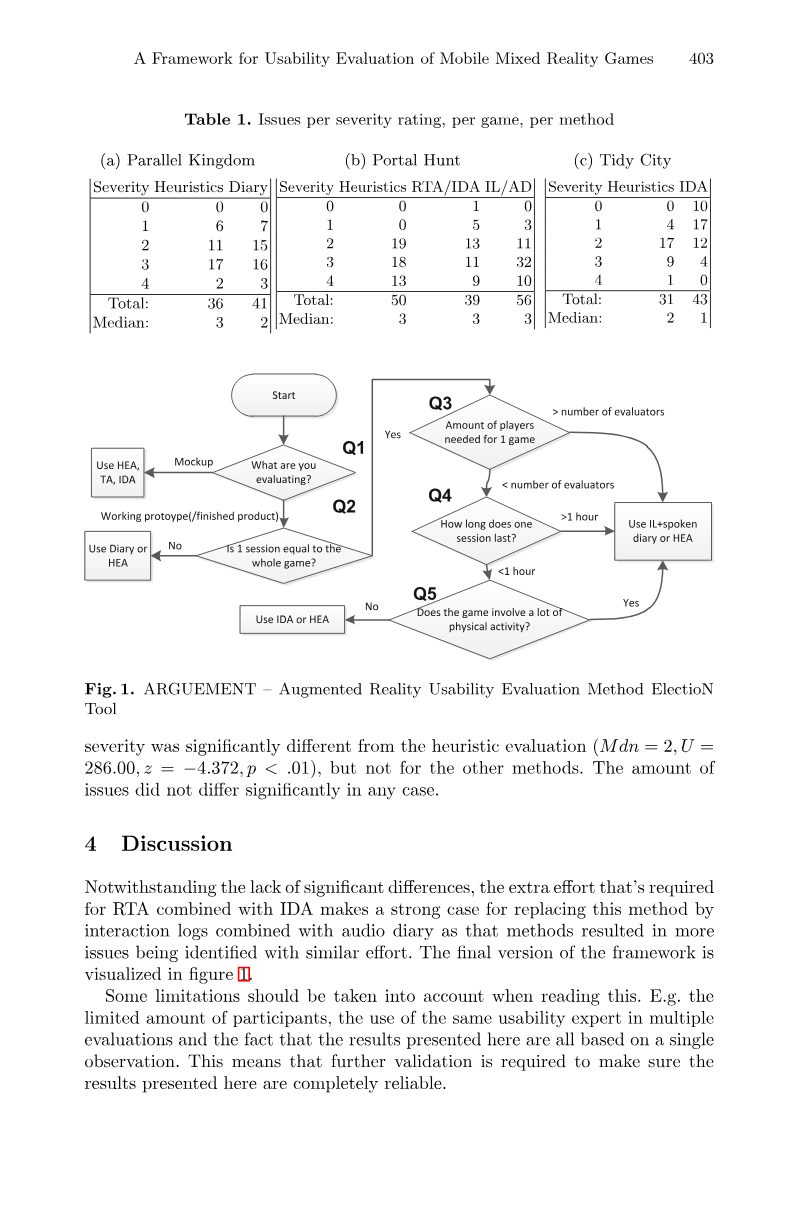
This research establishes a decision-making framework designed to assist usability experts in selecting appropriate evaluation methods for Mobile Mixed Reality Games (MMRGs).
- The ARGUEMENT framework provides a structured decision-making tool to select usability evaluation methods based on specific game variables like session duration, player count, and physical activity levels.
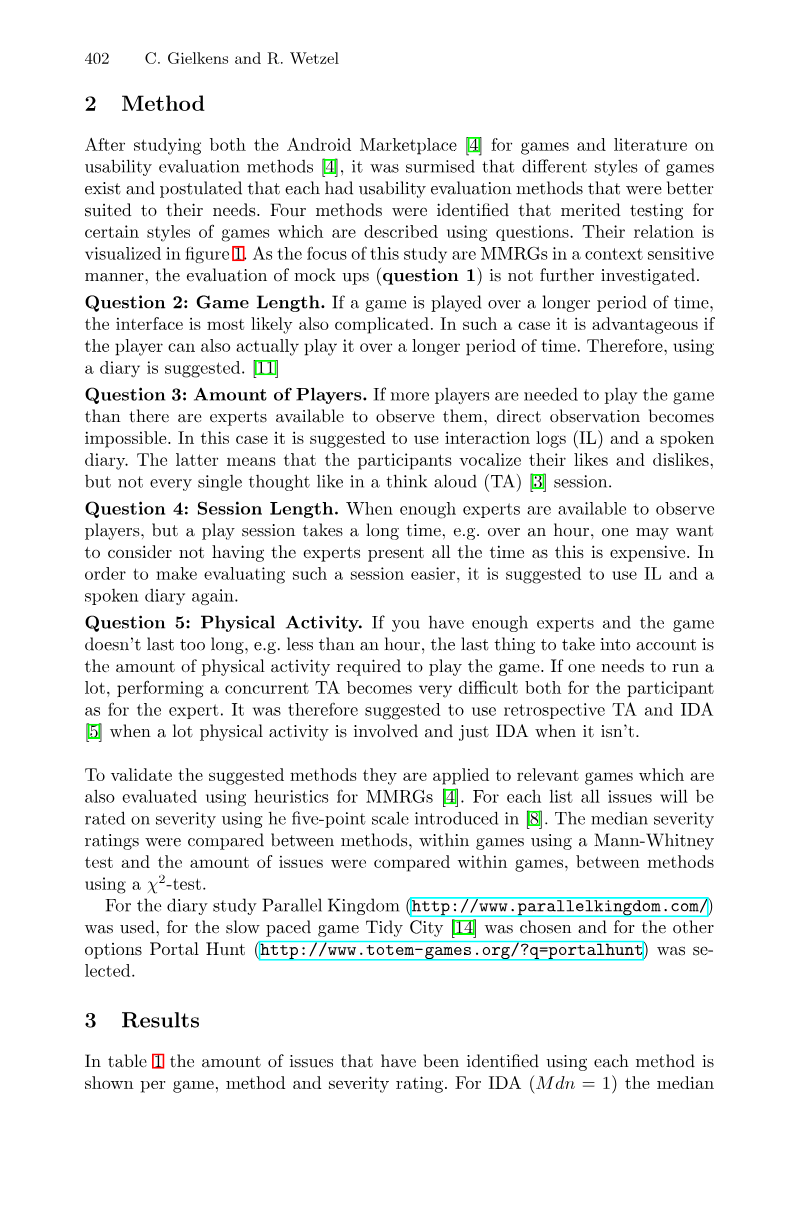
- Combining interaction logs with audio diaries is more efficient than retrospective think-aloud sessions, yielding a higher volume of usability issues with less intensive effort.
- Heuristic evaluation serves as a baseline for comparison, but most alternative methods perform statistically comparably while offering different qualitative benefits.
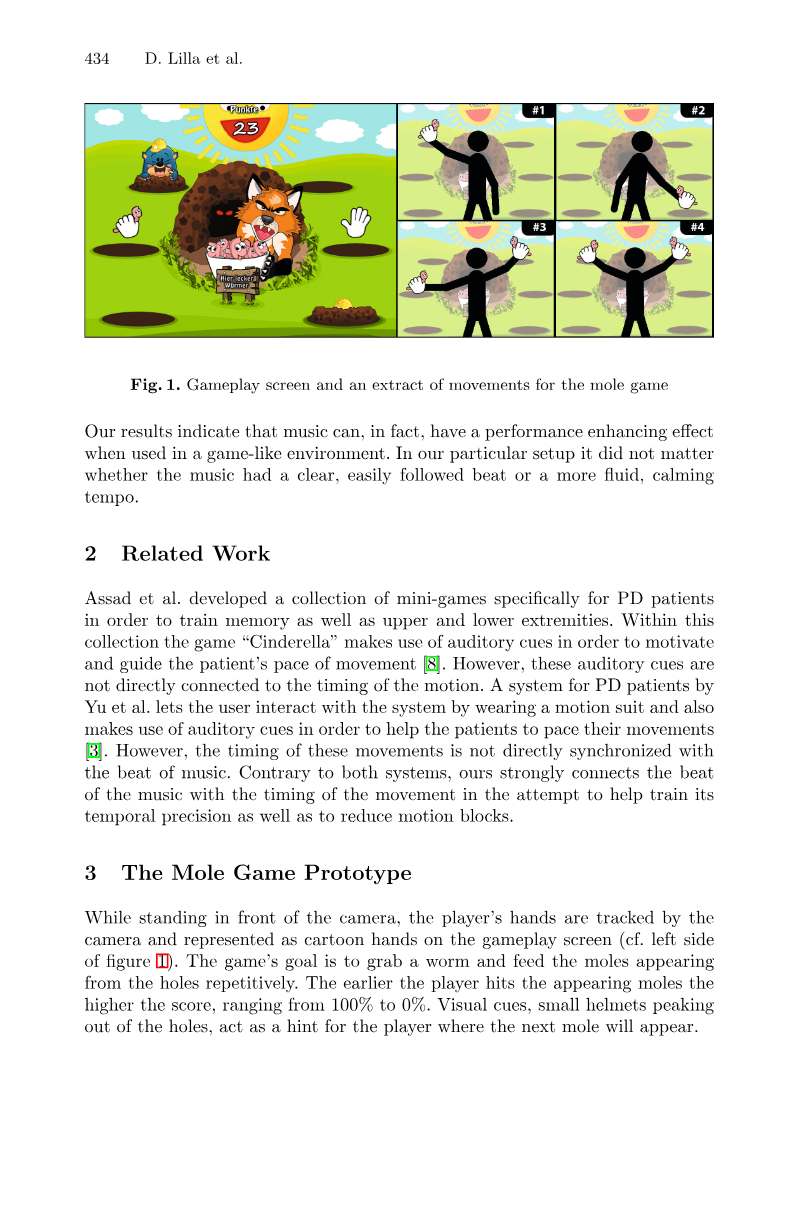

The Influence of Music on Player Performance in Exergames for Parkinson’s Patients
This study investigates the impact of auditory cues on the physical performance of patients with Parkinson’s disease (PD) within the context of motion-controlled exergames.
- Integrating music into exergames significantly improves physical performance for Parkinson’s disease patients compared to gameplay without auditory stimulation.
- In a study of 24 participants with a mean age of 70.9, both synchronized and unsynchronized music groups outperformed the control group during the second round of gameplay.
- There is no statistically significant difference in performance outcomes between music that is synchronized to game interactions and general background music.
Stories from the History of Czechoslovakia: A Serious Game for Teaching History of the Czech Lands in the 20th Century
The project Stories from the History of Czechoslovakia aims to develop a serious game designed to teach high-school students about the political, social, and cultural history of the Czech lands between 1938 and 1989.
Game-Based Trust
The integration of location-based mobile gaming serves as a viable mechanism for cultivating interpersonal trust within real-world communities.
- Location-based mobile games can be intentionally designed to increase interpersonal trust by incorporating mechanics like emotional disclosure, face-to-face collaboration, and virtual expressions of goodwill.
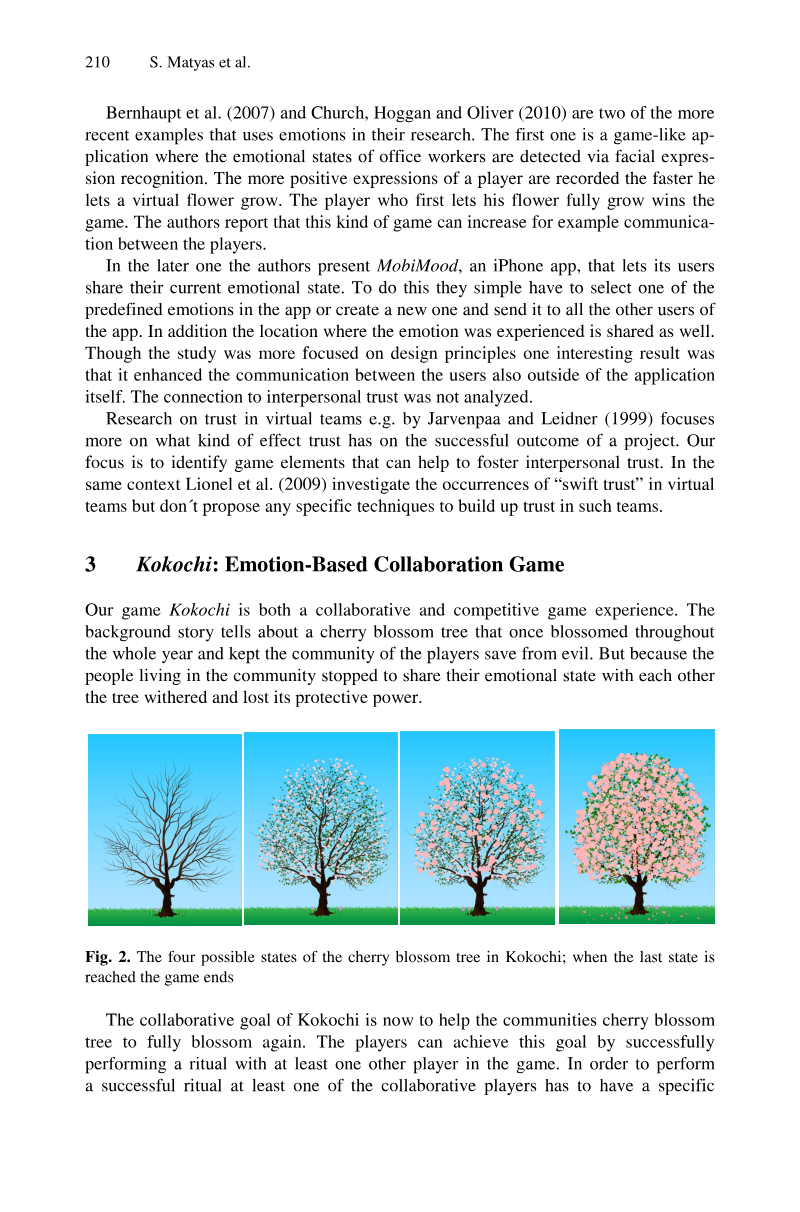
- Empirical studies of the mobile game Kokochi demonstrate that shared rituals and physical interaction prompts effectively bridge digital engagement with tangible social outcomes.
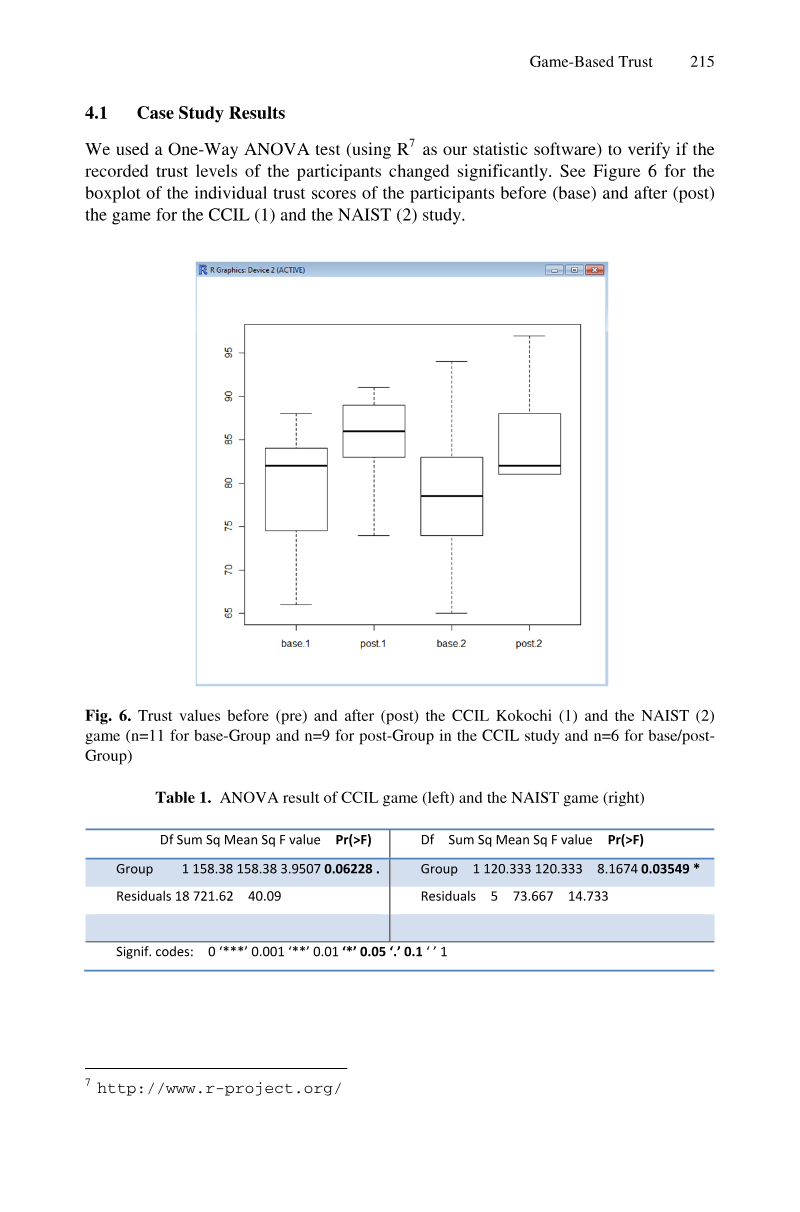
- Participants engaging with social and emotional game mechanics show a statistically significant increase in interpersonal trust compared to control groups.

Gaming after Dark: Visual Patterns and Their Significance for Atmosphere and Emotional Experience
The visual design of survival horror games relies on a structured application of aesthetic patterns to evoke specific emotional responses, such as anxiety, vulnerability, and dread.
Spotting the Difference: Identifying Player Opponent Preferences in FPS Games
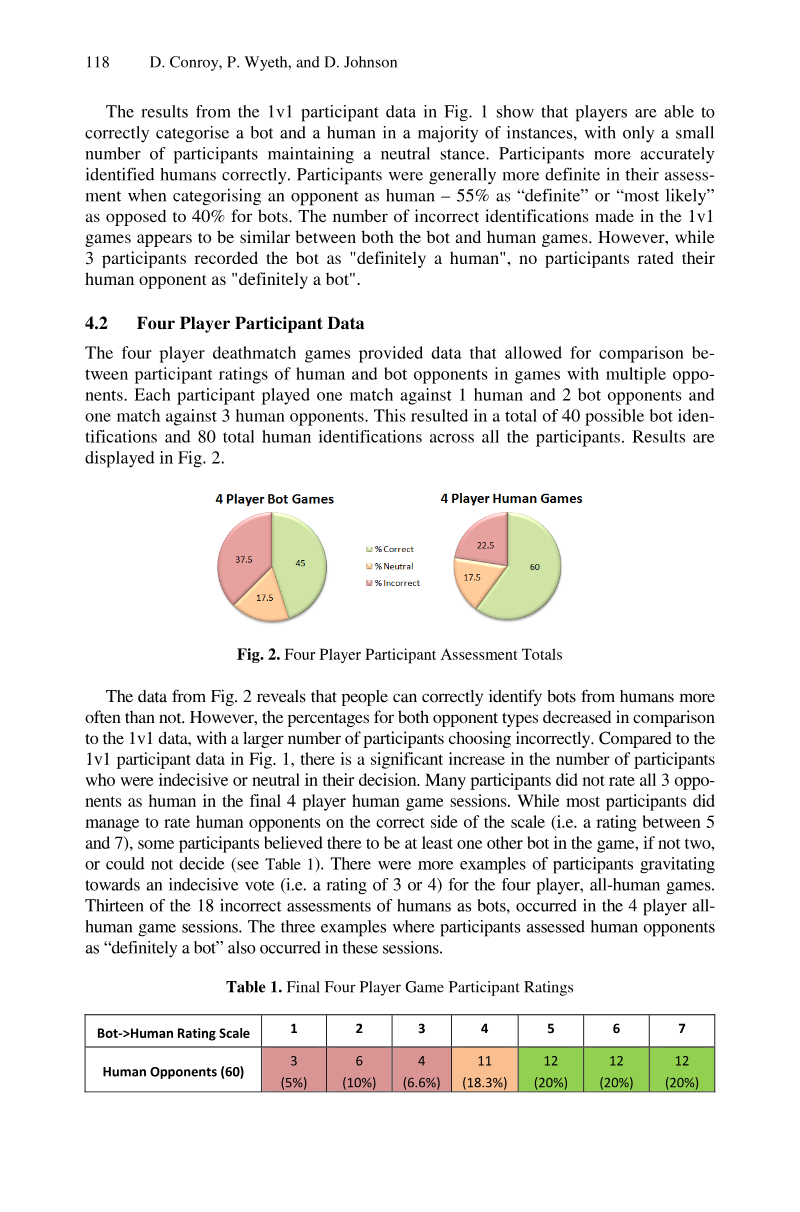
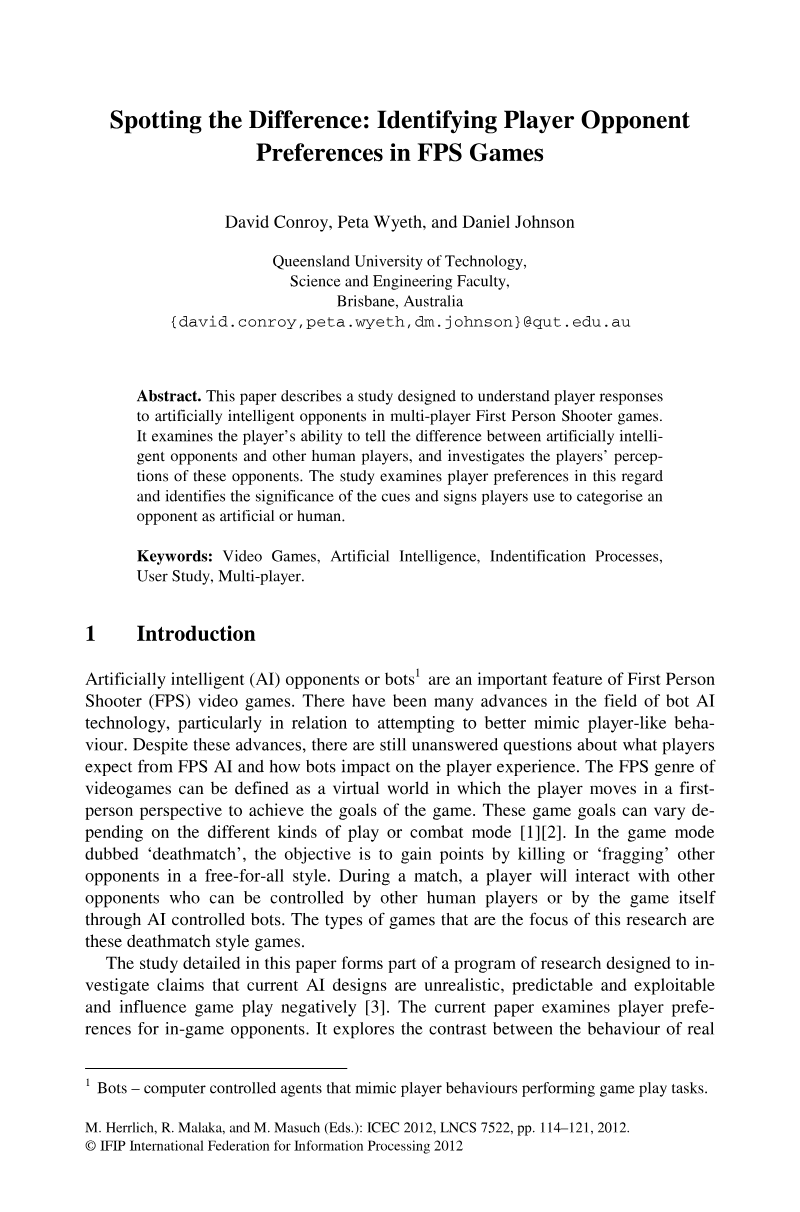
This study investigates player perceptions of artificially intelligent (AI) opponents in first-person shooter (FPS) games, specifically focusing on the ability of players to distinguish between human opponents and computer-controlled bots.
- Players prioritize human opponents over bots, maintaining a preference for human play even when they incorrectly identify a human opponent as a bot.
- Reactive behaviors—specifically how an opponent detects, pursues, or flees from a player—are the most reliable indicators of human-like play.
- While players can generally distinguish between humans and bots, identification accuracy decreases significantly in four-player matches compared to one-on-one sessions.
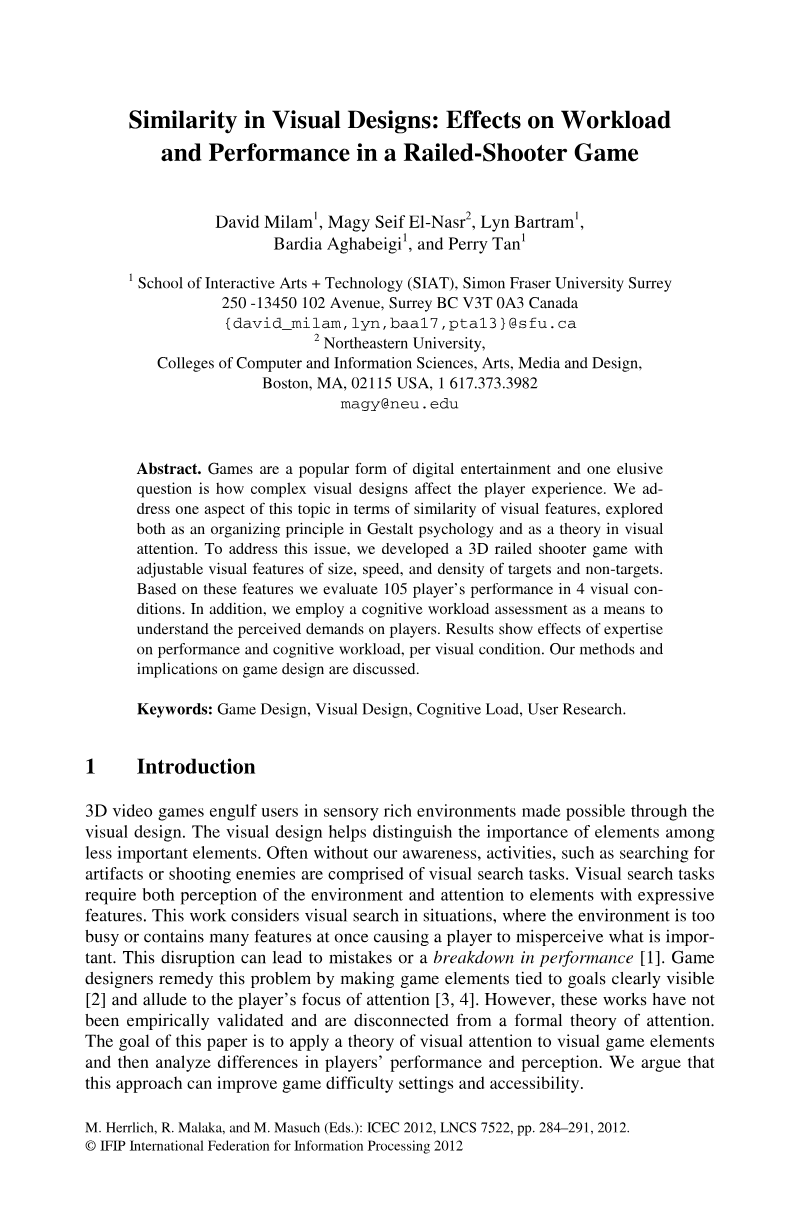
Similarity in Visual Designs: Effects on Workload and Performance in a Railed-Shooter Game
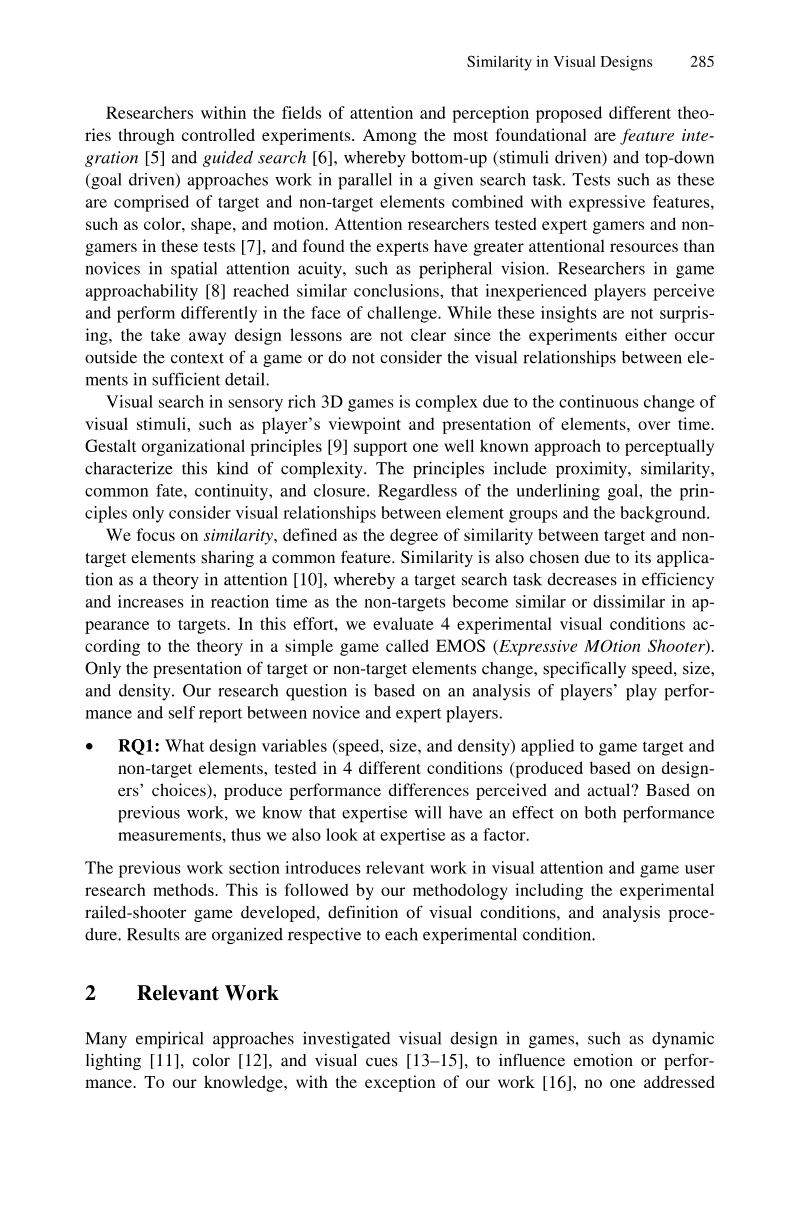
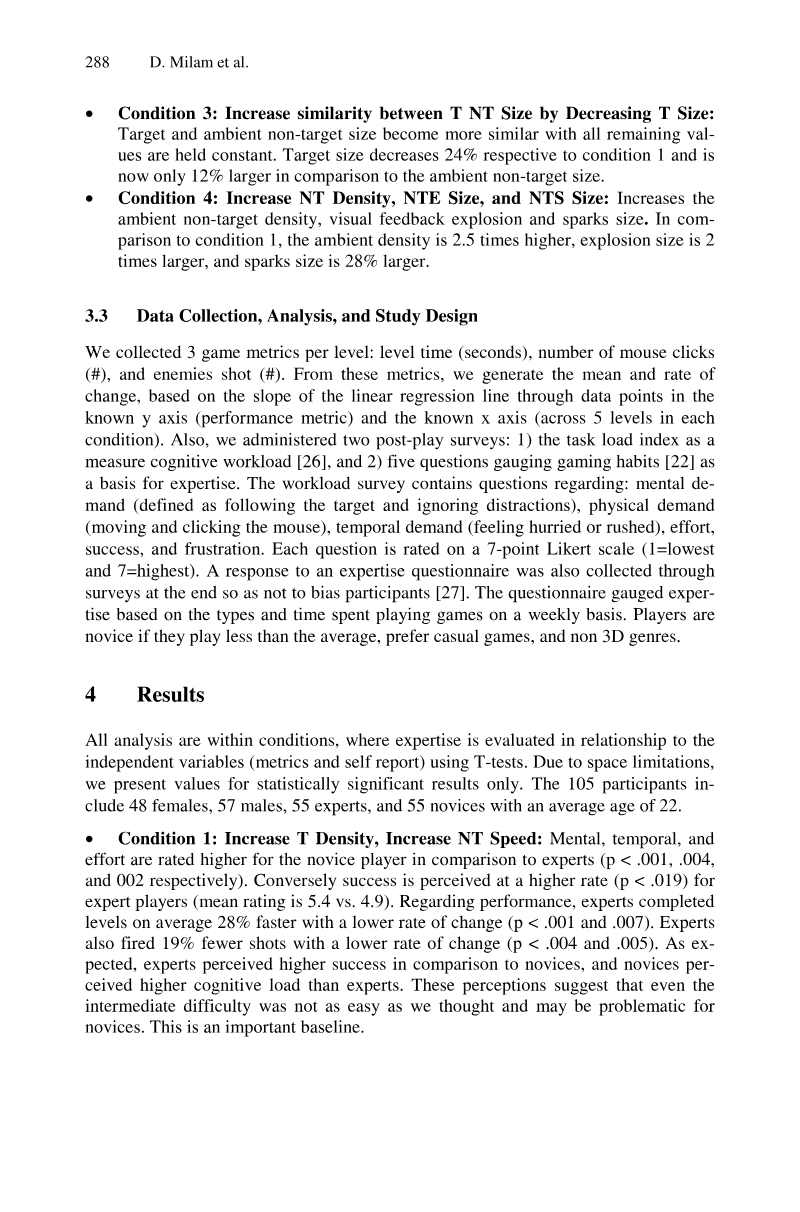
This study investigates how visual design variables—specifically target and non-target size, speed, and density—impact player performance and cognitive workload within a 3D railed-shooter game.

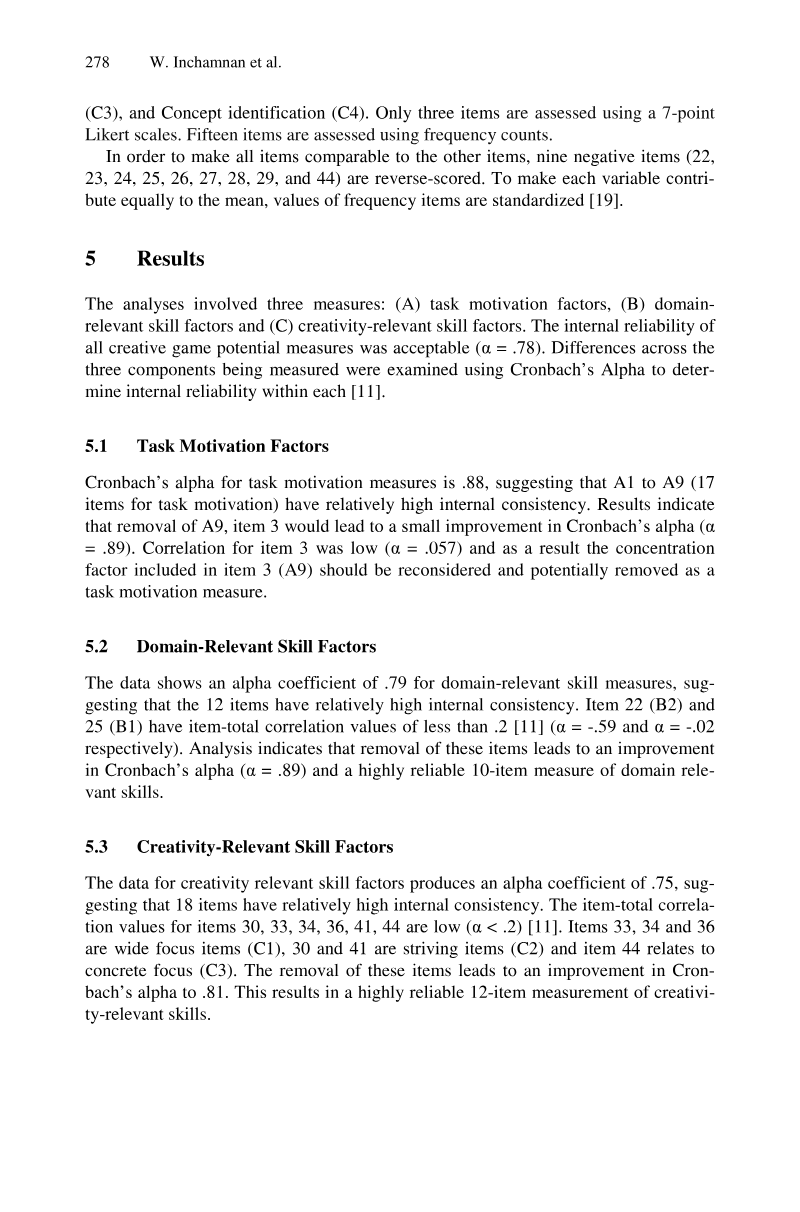
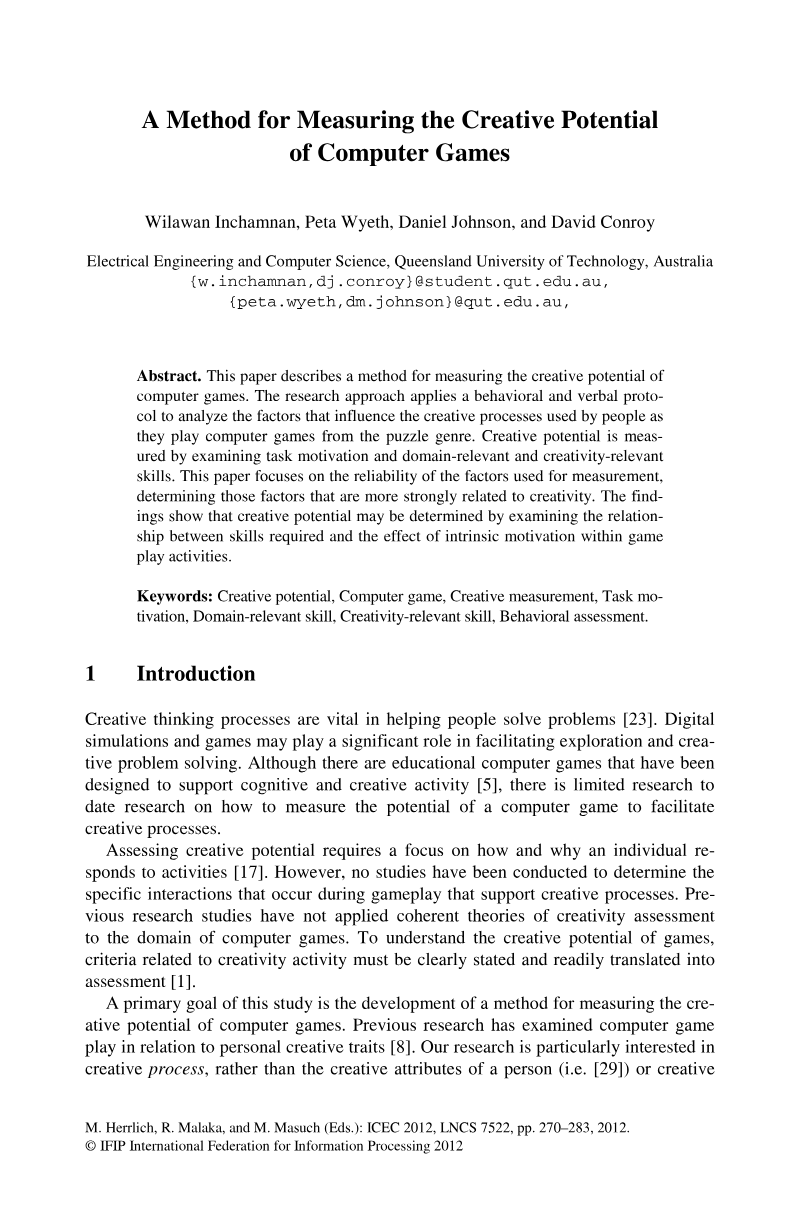
A Method for Measuring the Creative Potential of Computer Games
The creative potential of computer games can be systematically quantified by adapting a componential framework that evaluates the intersection of task motivation, domain-relevant skills, and creativity-relevant skills.
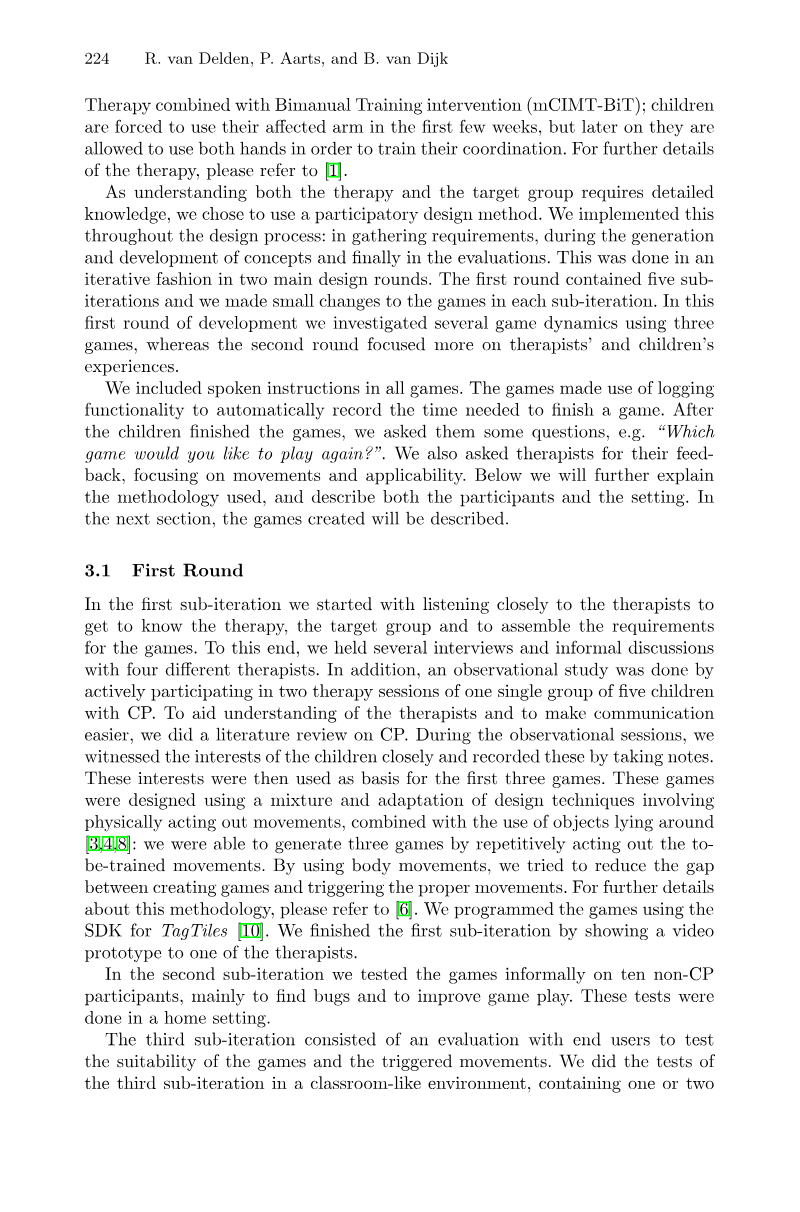

Design of Tangible Games for Children Undergoing Occupational and Physical Therapy
Tangible interactive games serve as a transformative tool for pediatric rehabilitation, specifically for children with unilateral cerebral palsy undergoing occupational and physical therapy.
Pervasive Gaming as a Potential Solution to Traffic Congestion: New Challenges Regarding Ethics, Privacy and Trust
The I-GEAR project explores the use of pervasive, incentive-based mobile gaming to mitigate traffic congestion in Luxembourg.
- The I-GEAR project utilizes incentive-based mobile gaming to influence driver behavior and reduce traffic congestion in Luxembourg without the need for physical infrastructure.
- The system leverages smartphone GPS and networking to offer a mix of social, financial, and status-based rewards, using a contextual design methodology to balance individual and group motivations.
- Real-world deployment of the project must comply with the EU Data Protection Directive 95/46/EC, which strictly regulates the collection and protection of location data, user profiles, and behavioral patterns.