More on Game Design
View all
Whitepaper
Designing an English Learning Game Based on the 'Key Characteristics of a Learning Game' Framework: An Exploratory Study of Learner Perceptions
Ludic Language Pedagogy · 2026
Presentation
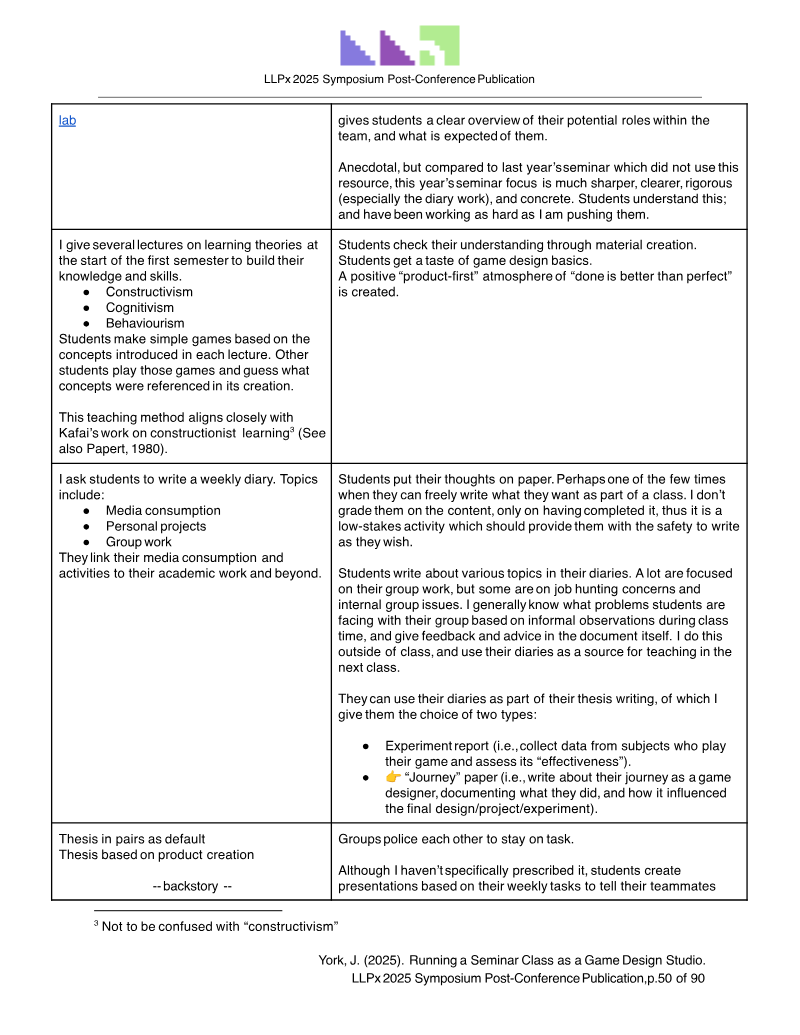
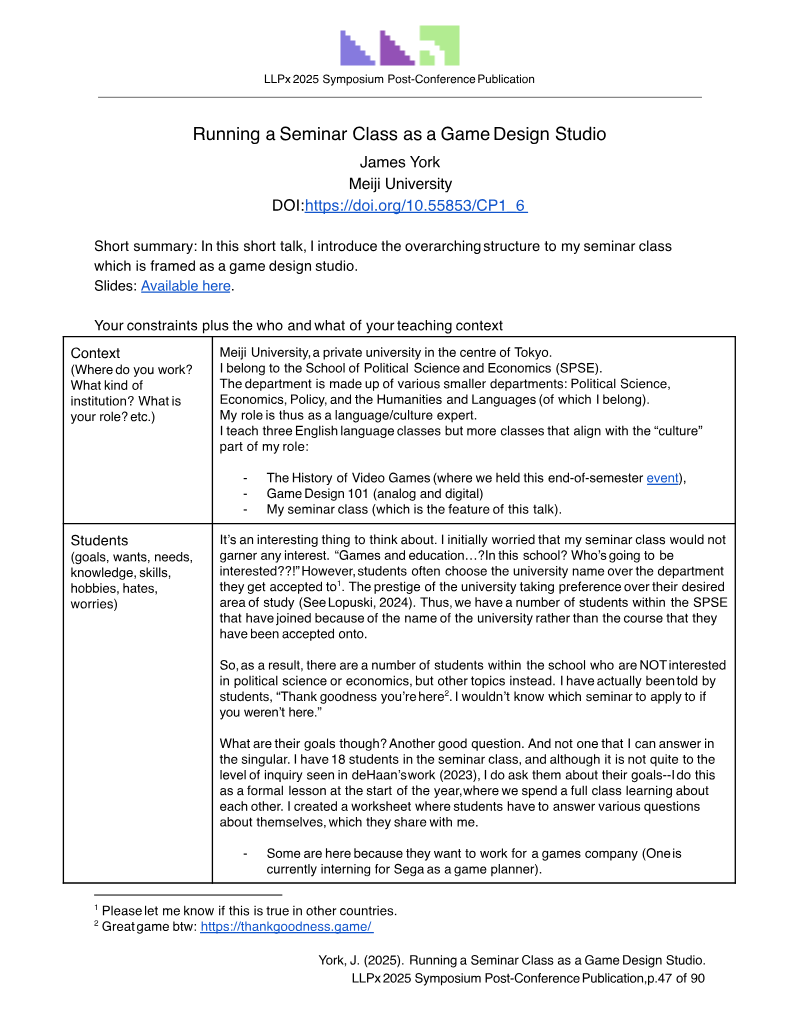
Running a Seminar Class as a Game Design Studio
Ludic Language Pedagogy · 2025

Whitepaper
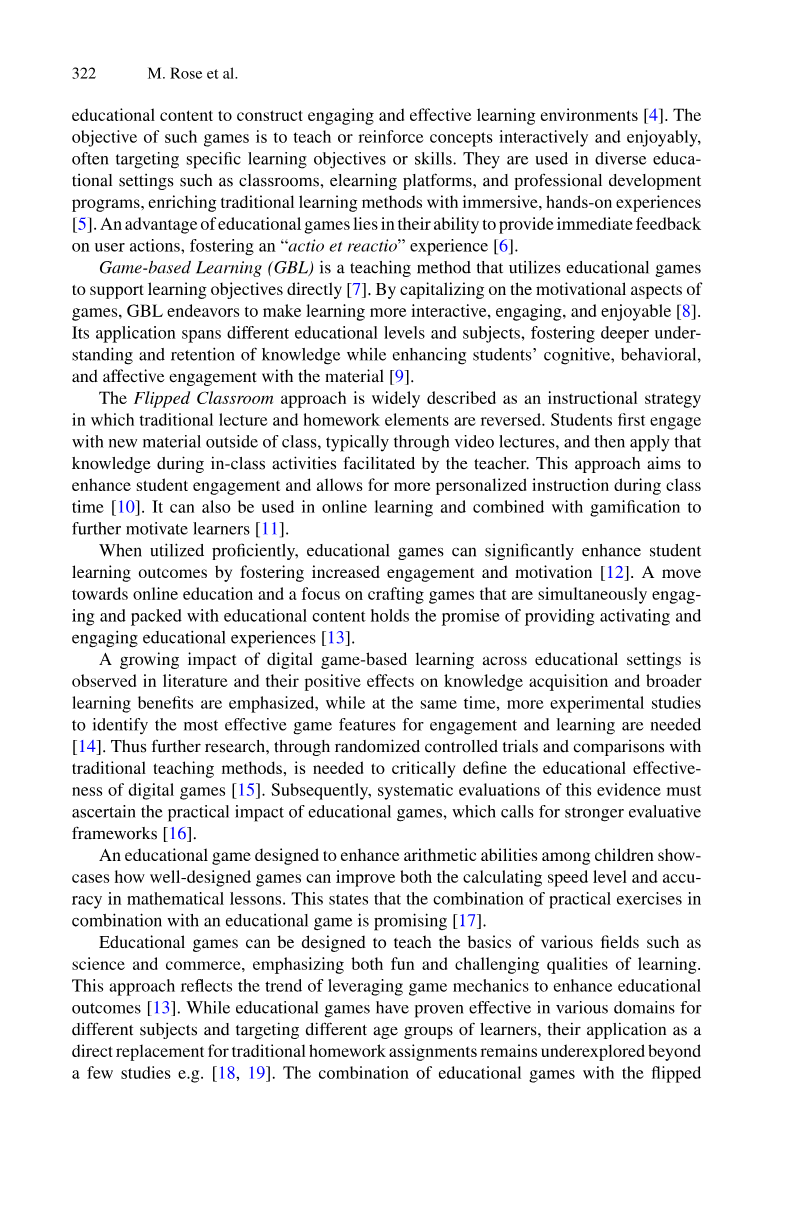
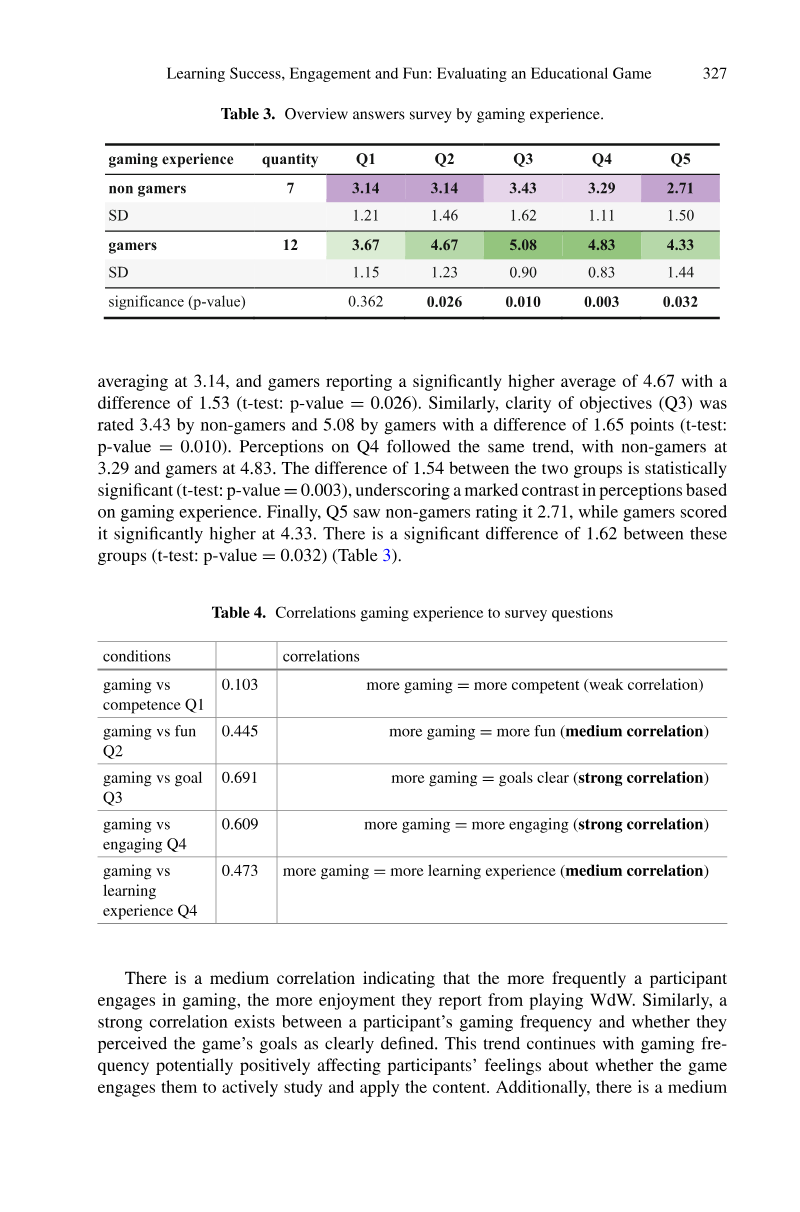
Learning Success, Engagement and Fun: Evaluating an Educational Game in Higher Education
Springer · 2025
Whitepaper
Game Terakoya Class 1 Walkthrough: Directing Students' Post-game Discussions and Academic Work
Ludic Language Pedagogy · 2020
Whitepaper
Jidoukan Jenga: Teaching English Through Remixing Games and Game Rules
Ludic Language Pedagogy · 2020
Whitepaper
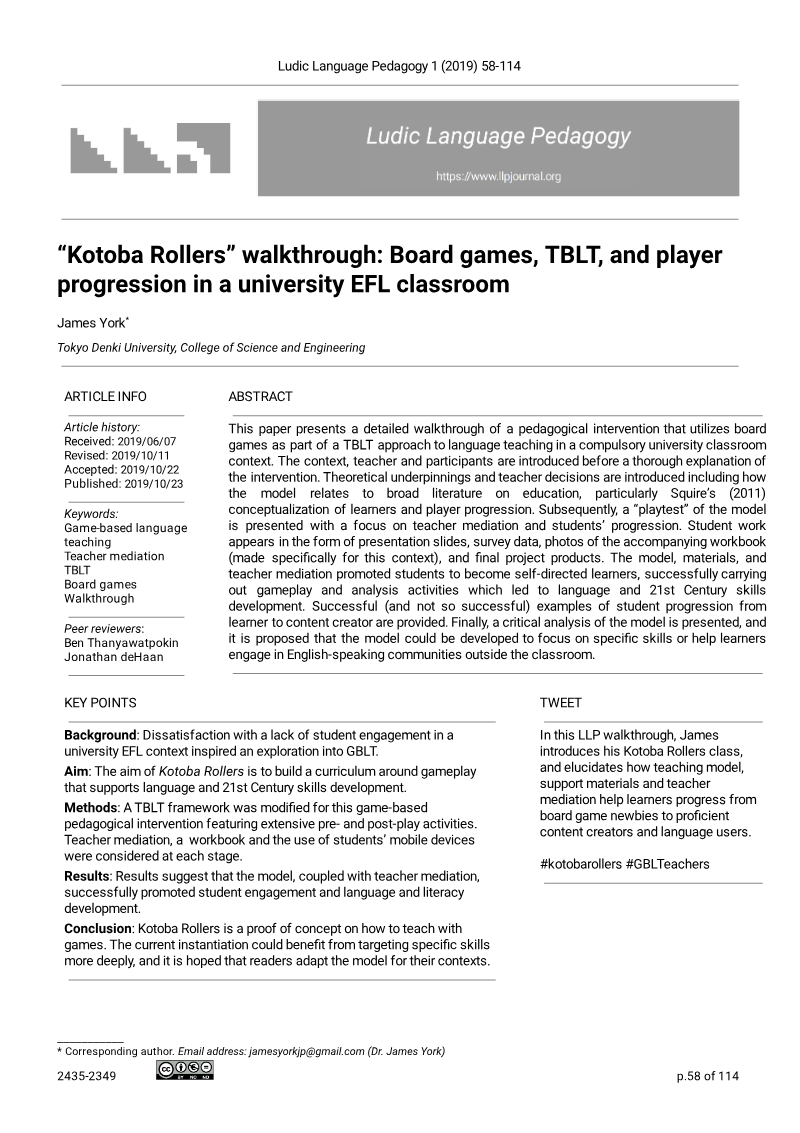
Kotoba Rollers Walkthrough: Board Games, TBLT, and Player Progression in a University EFL Classroom
Ludic Language Pedagogy · 2019
Whitepaper
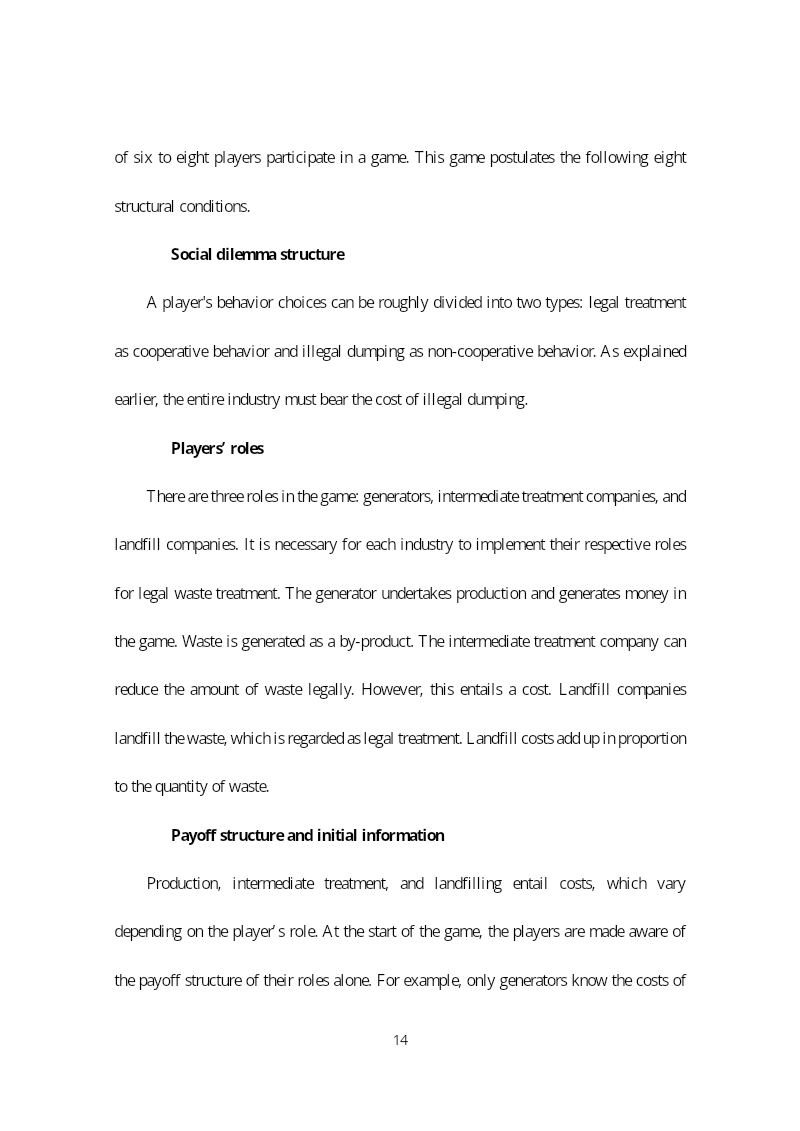
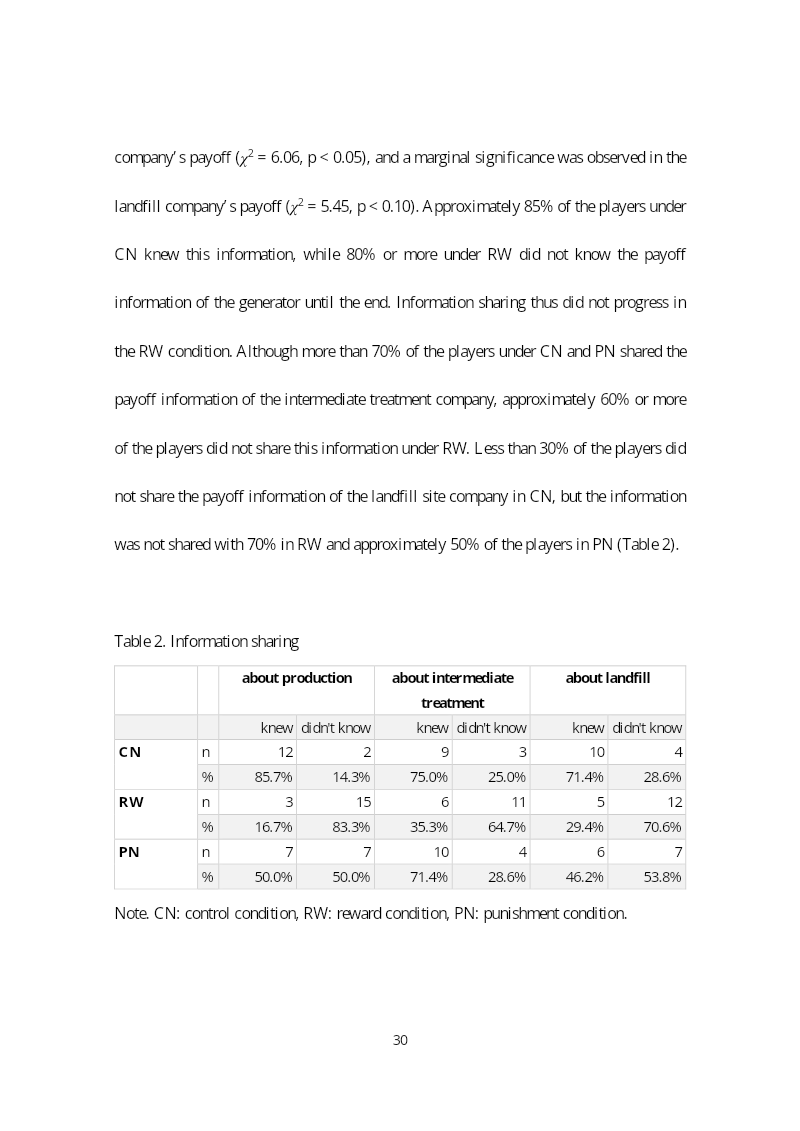
The Detrimental Effects of Punishment and Reward on Cooperation in the Industrial Waste Illegal Dumping Game
Hokkaido University · 2019
Whitepaper
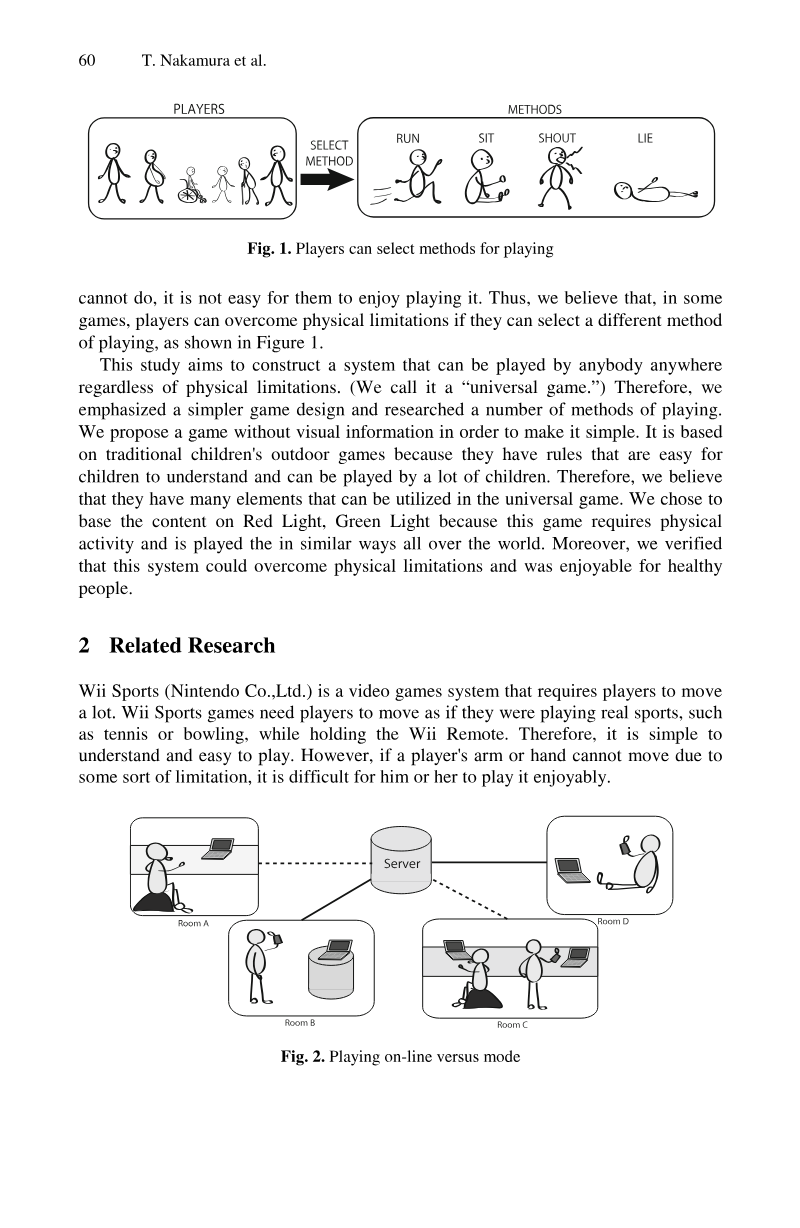
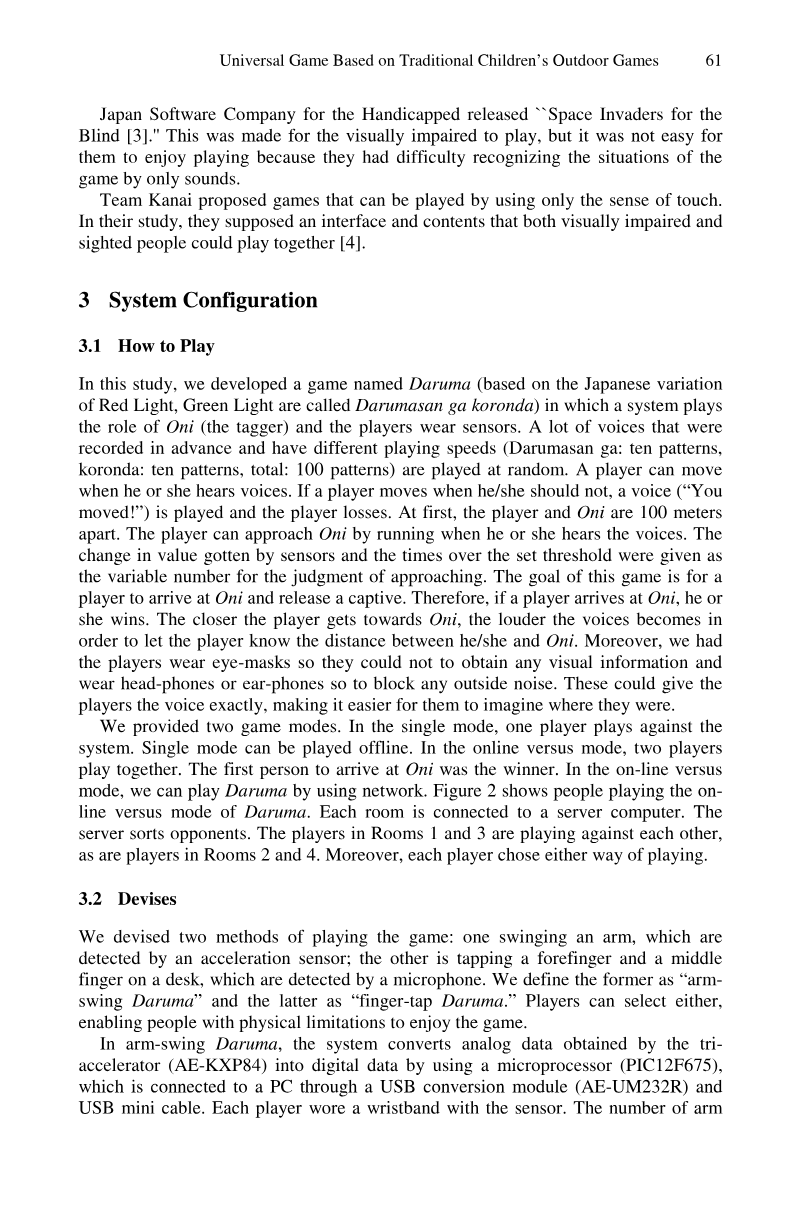
Universal Game Based on Traditional Children's Outdoor Games: Japan
Hokkaido University · 2011
Whitepaper
V3NU5: Learning Beauty – The Quantum Game Promoting Cultural Heritage
Serious Games Society · 2026



Whitepaper
Challenges of Simulations and Serious Games Embedded in Emergency Preparedness Platforms
European Conference on Games Based Learning (ECGBL) · 2026



Whitepaper
An Early-Stage Feasibility and Usability Pilot for an Immersive Serious Game to Support English Spelling and Semantic Skills
European Conference on Games Based Learning (ECGBL) · 2026
Whitepaper
TAMAGO: Full Game Art Gameful System for Animation Thesis Supervision
Institut Seni Indonesia Yogyakarta · 2026