Key insights
5 slides
New approach
Creative potential in games is a measurable outcome, not an abstract quality.
This potential is derived from the relationship between a player's intrinsic motivation and their application of specific skills within a game's rule structure.
1 / 5
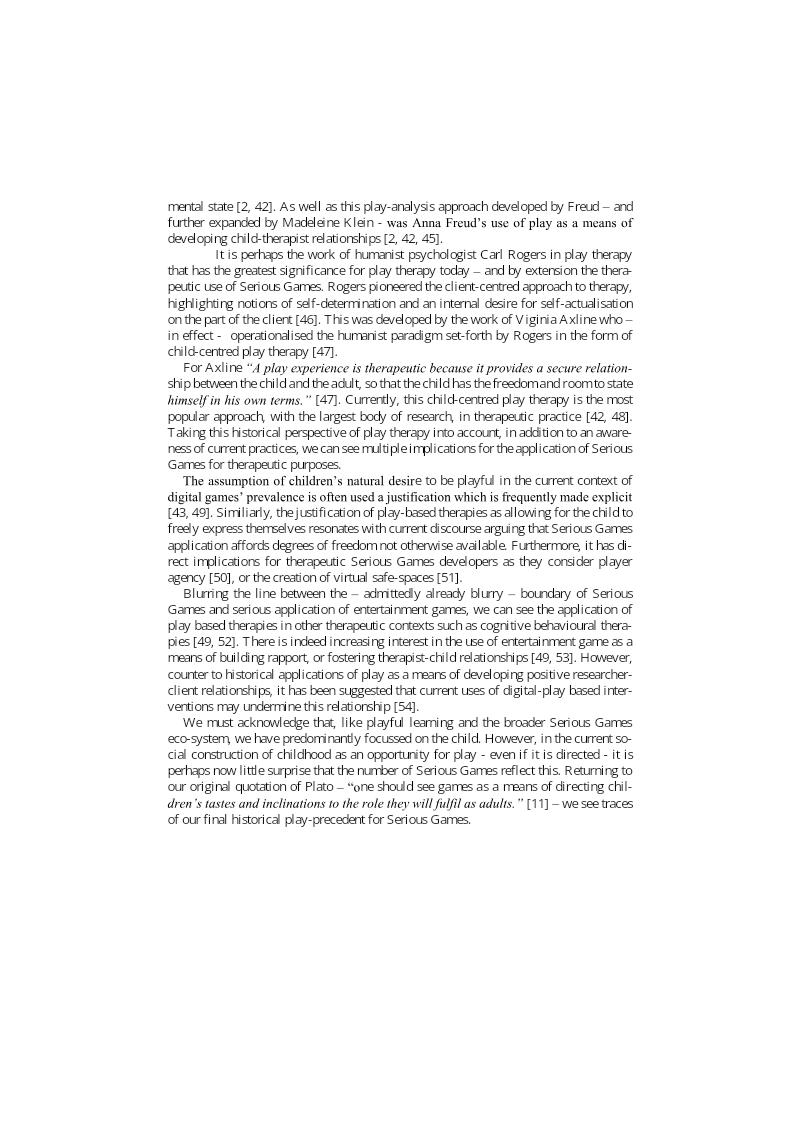
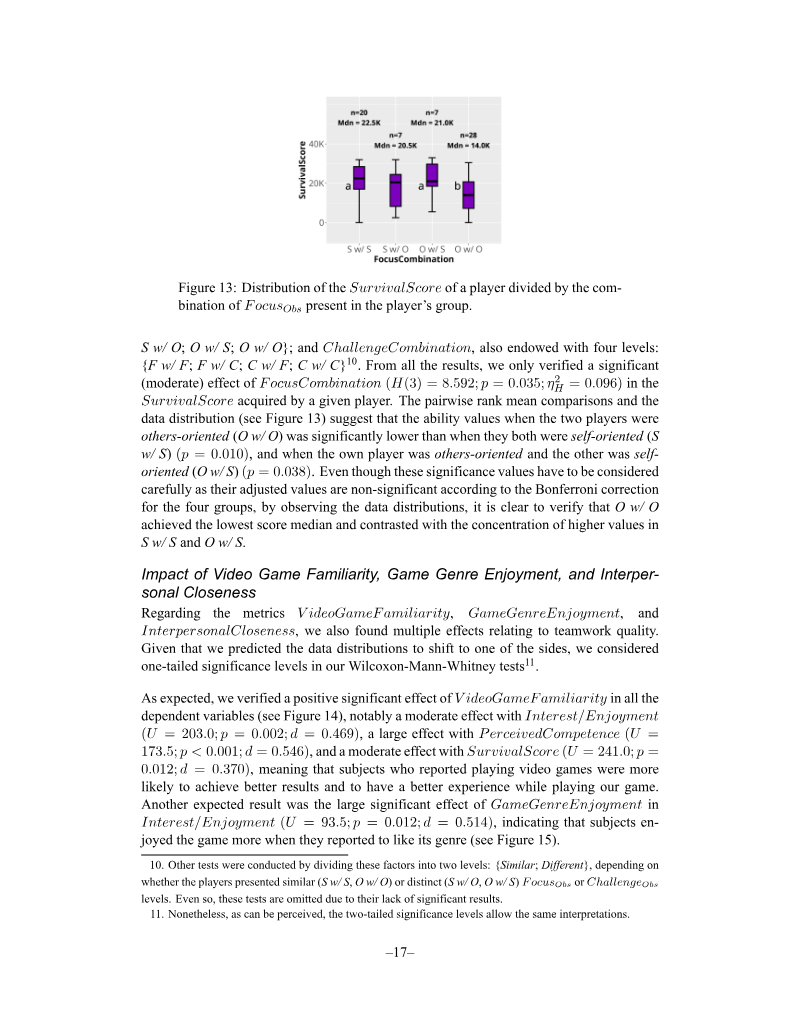
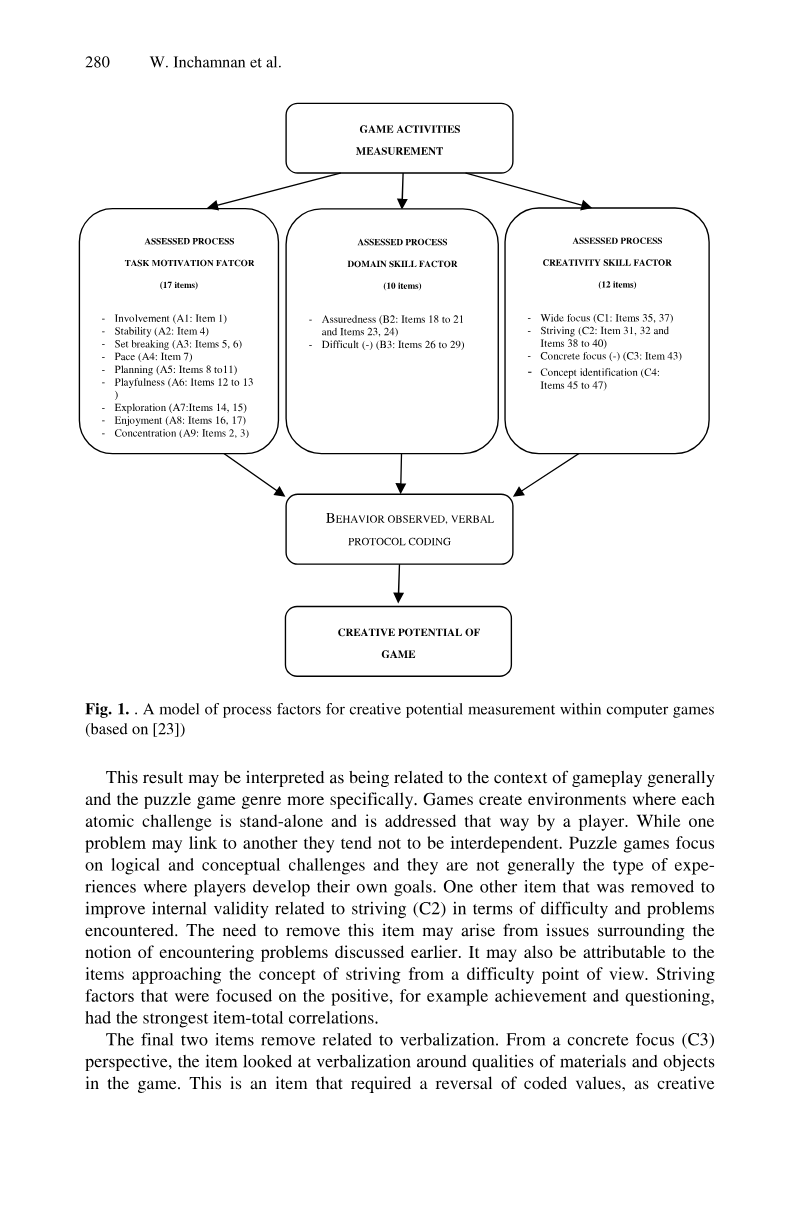
- 01Creative potential in games is quantified using a 39-item assessment model, refined from an initial set of 47 factors, which measures the intersection of task motivation, domain-relevant skills, and creativity-relevant skills.See it on page 1
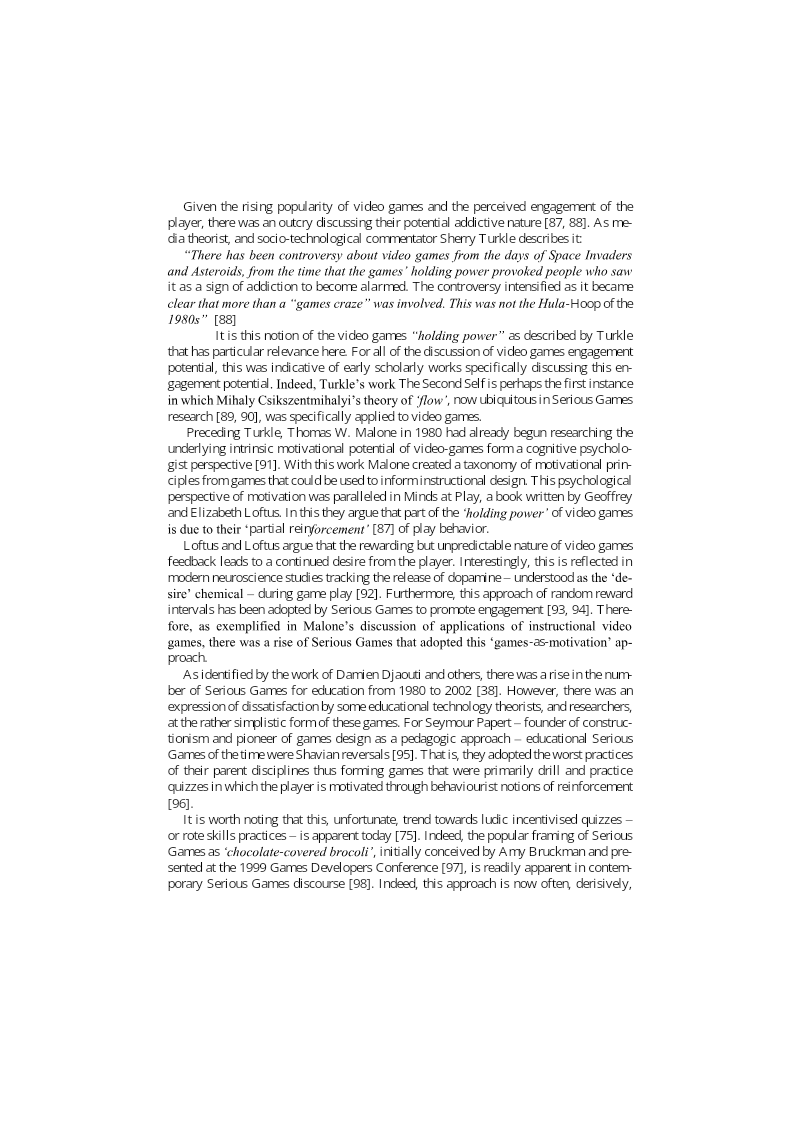
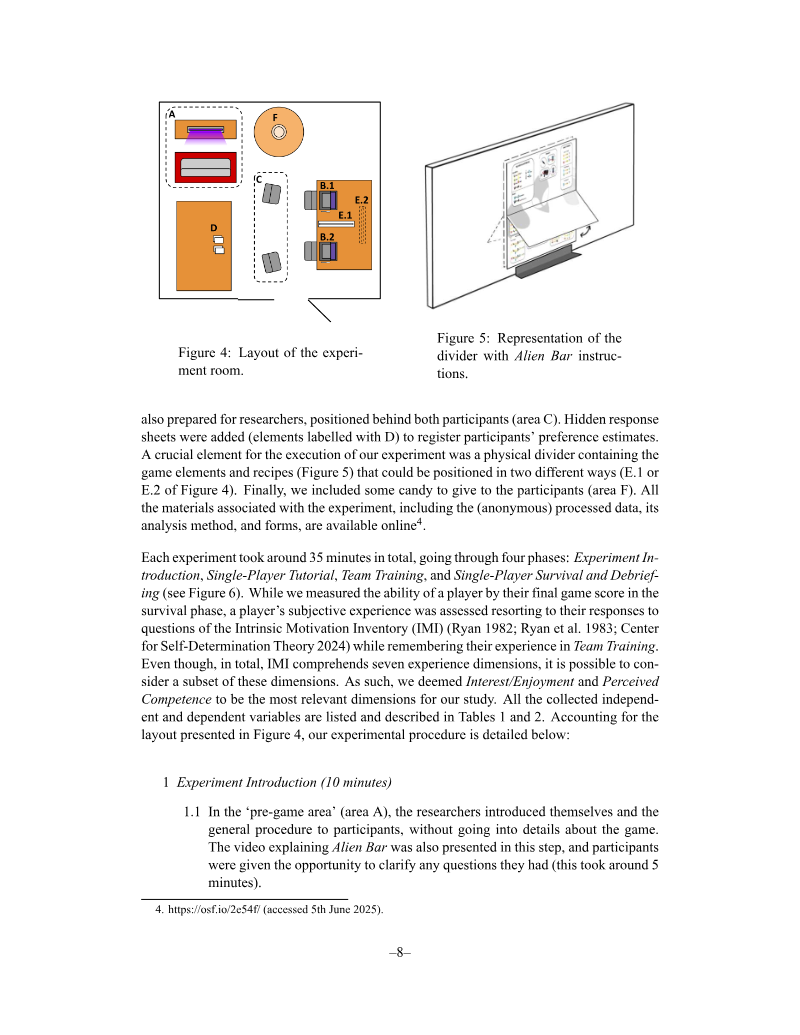
- 02The methodology identifies specific gameplay interactions—including exploration, strategic planning, and iterative problem-solving—as the primary drivers of creative cognitive processes.See it on page 12
- 03The framework posits that creative potential is a measurable outcome derived from the relationship between a player's intrinsic motivation and their application of skills within a game's rule structure.See it on page 1
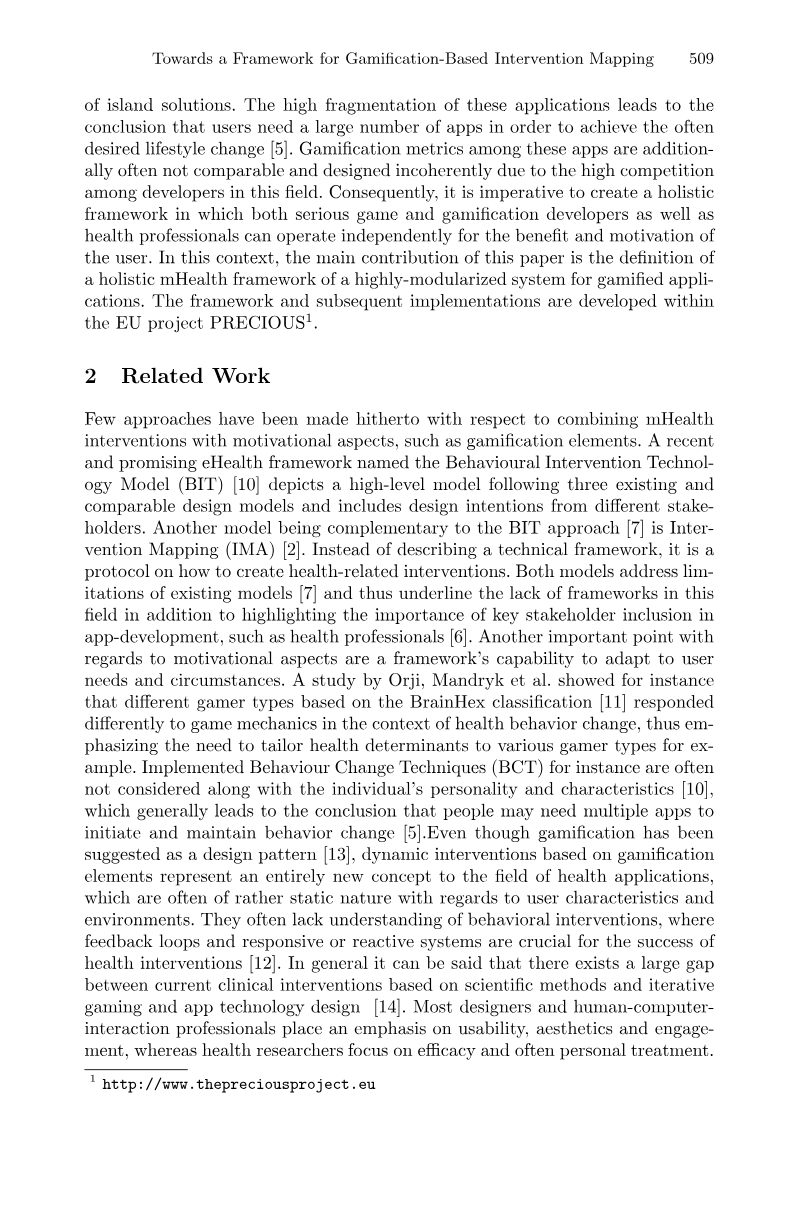
- 04Assessment effectiveness requires adapting evaluation items to the unique constraints and mechanics of specific game designs, as the model's validity is dependent on sensitivity to interactive demands.See it on page 11
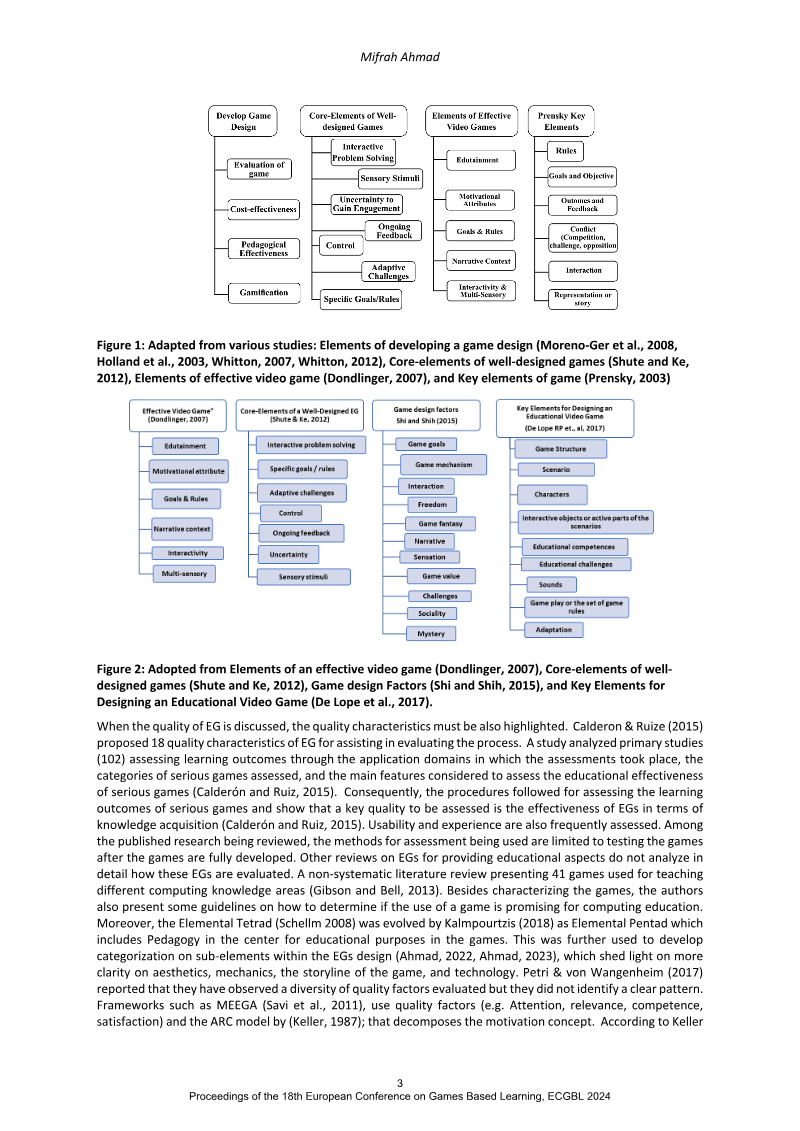
- 05Developers can intentionally integrate these identified creative processes into software design to cultivate user ingenuity and maximize creative engagement across diverse platforms.See it on page 12
- 06This approach provides a standardized bridge between psychological theory and practical game development, offering a roadmap for both educational and commercial sectors.See it on page 12
Ask AI about this report
Summary
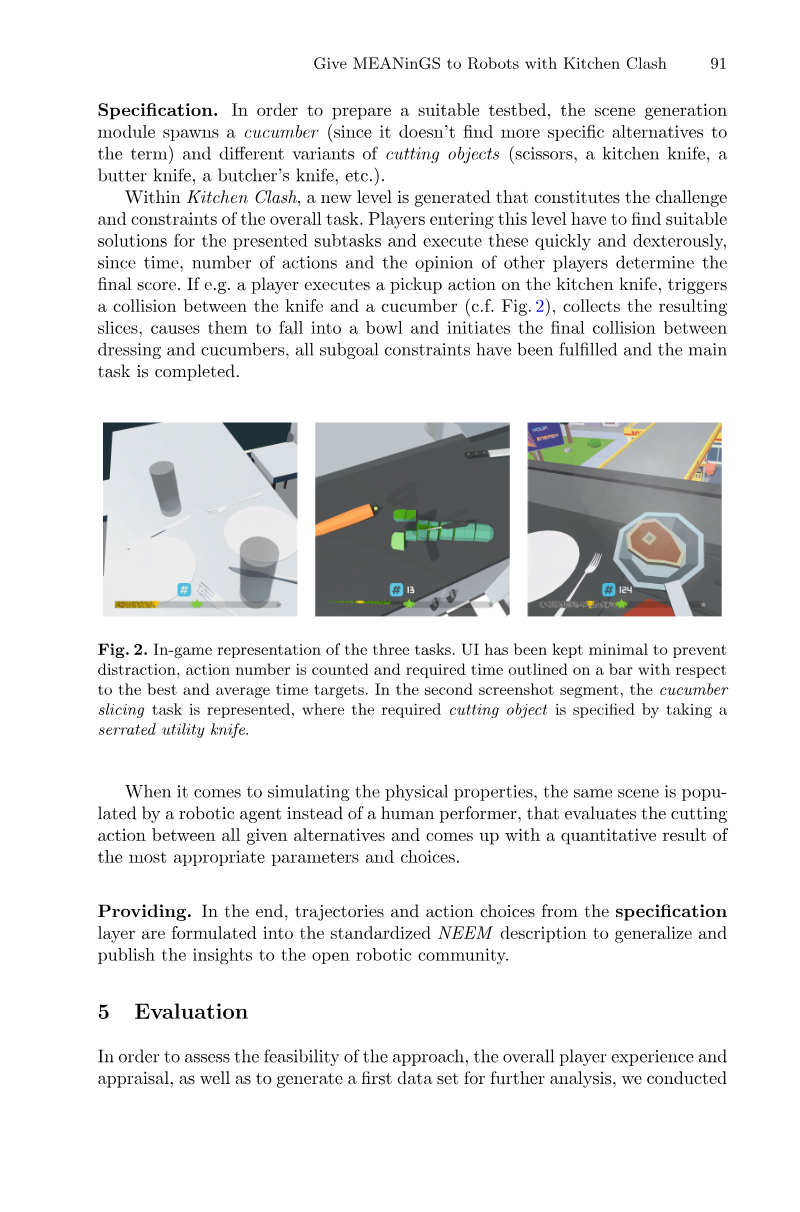
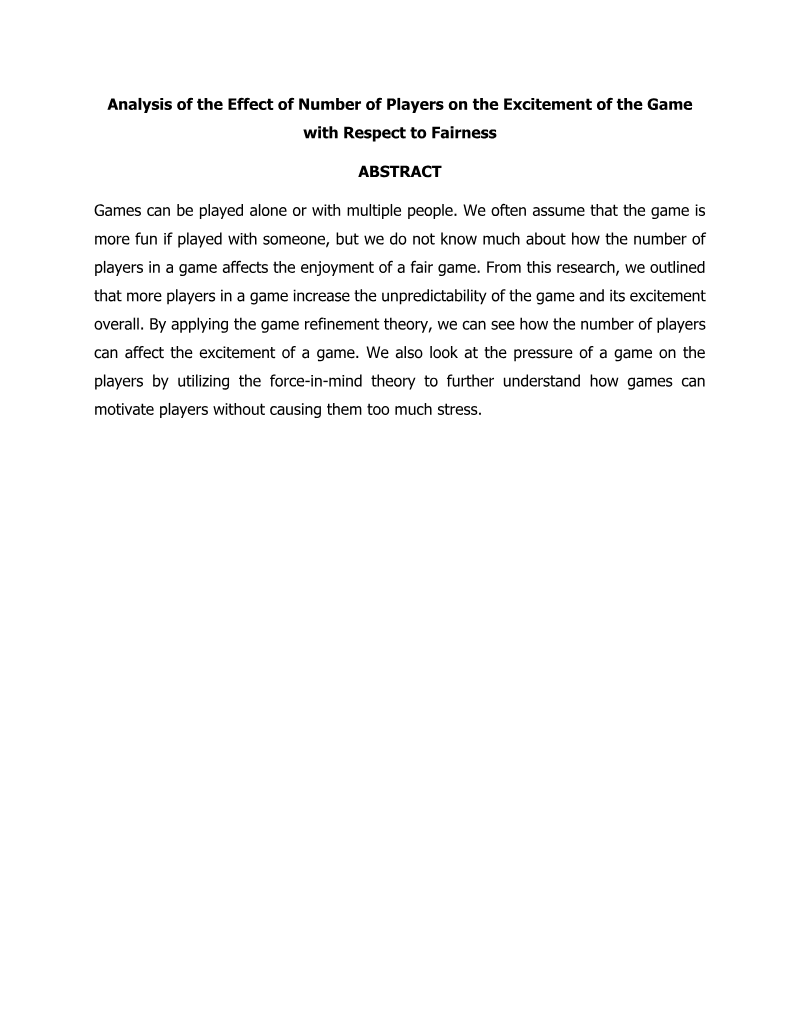
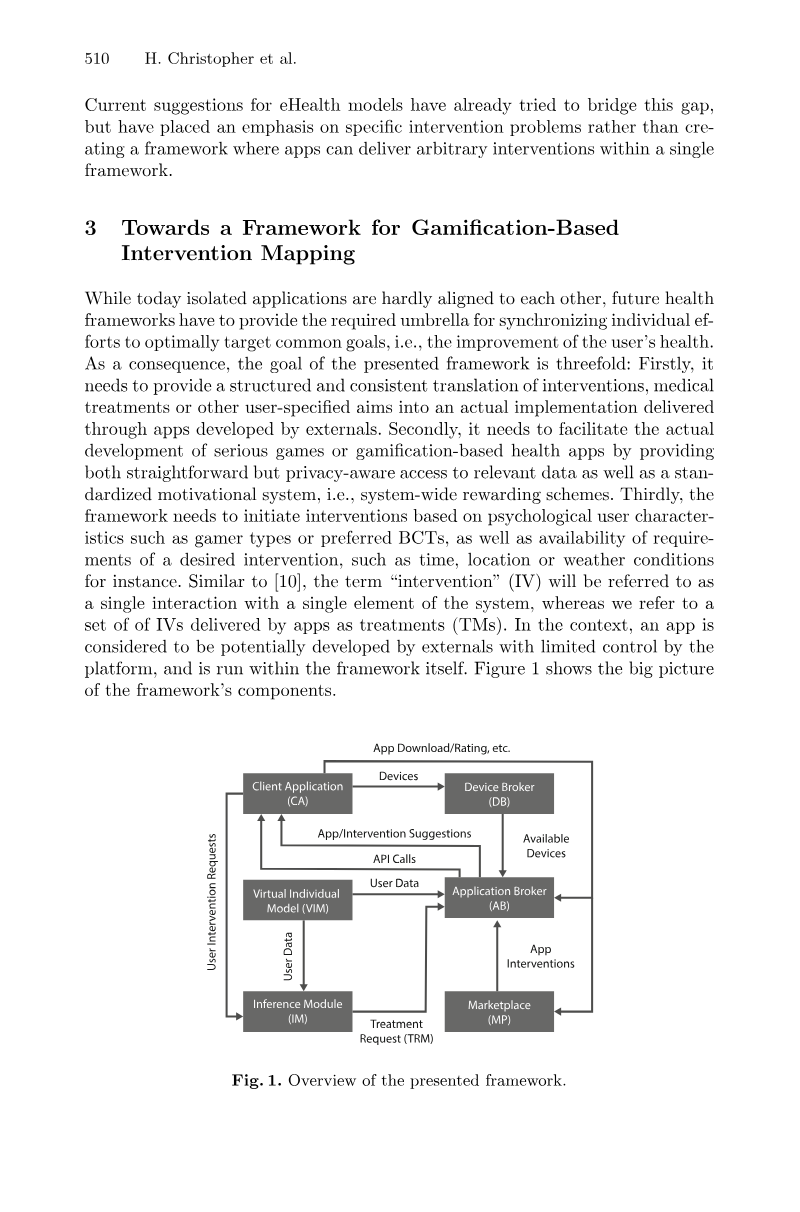
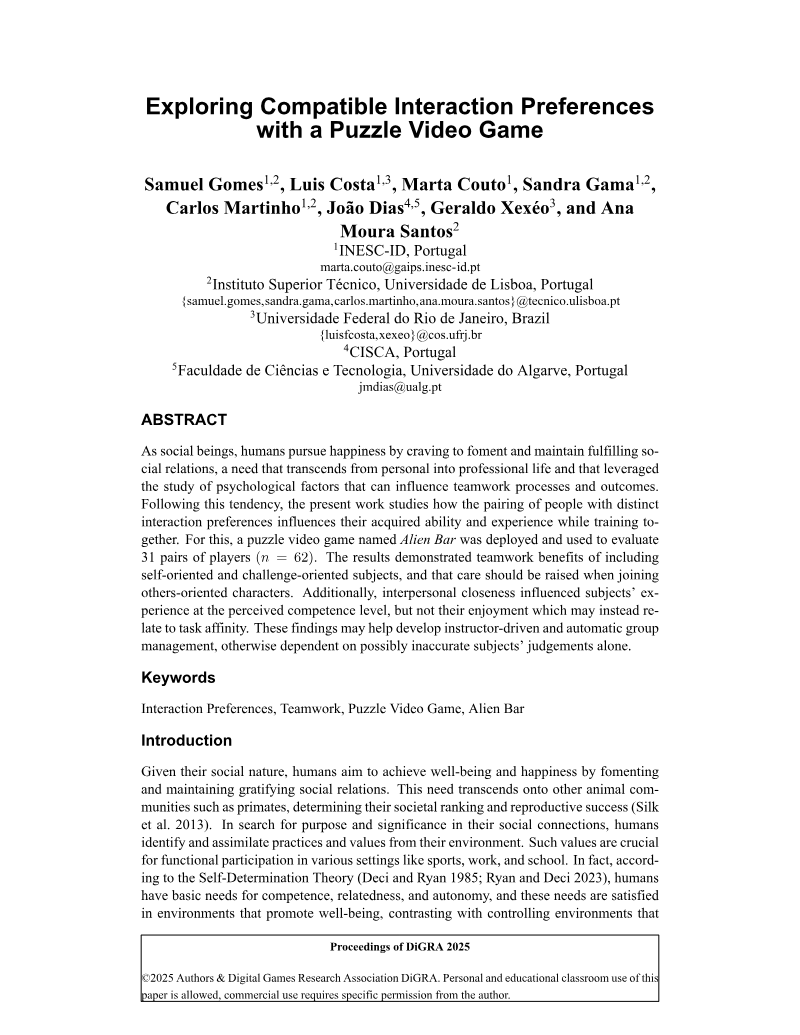
The creative potential of computer games can be systematically quantified by adapting a componential framework that evaluates the intersection of task motivation, domain-relevant skills, and creativity-relevant skills. By utilizing behavioral observation and verbal protocol analysis, this methodology identifies specific gameplay interactions—such as exploration, strategic planning, and iterative problem-solving—that actively foster creative cognitive processes. The core thesis posits that creative potential is not merely an abstract quality of a game but a measurable outcome derived from the relationship between a player’s intrinsic motivation and their application of specific skills within a defined rule structure.
The research establishes a robust, 39-item assessment model refined from an initial set of 47 factors. This framework provides a reliable mechanism for evaluating how puzzle-based gaming experiences support creative thinking. While the model demonstrates high validity, its effectiveness relies on the careful adaptation of assessment items to account for the unique constraints and mechanics inherent in different game designs. These findings suggest that creative potential is most effectively captured when the evaluation tool is sensitive to the specific interactive demands of the software.
This analytical approach offers a practical roadmap for the future of game development, particularly within the educational and commercial sectors. By intentionally integrating these identified creative processes into game design, developers can create environments that actively cultivate user ingenuity. Ultimately, the framework serves as a bridge between psychological theory and practical design, providing a standardized method for assessing how digital experiences can be engineered to maximize the creative engagement of players across diverse gaming platforms.