1 free read left. Create a free account for unlimited reading + AI research.
Create free accountWhitepaperUniversity of Luxembourg
The I-GEAR project explores the use of pervasive, incentive-based mobile gaming to mitigate traffic congestion in Luxembourg. By leveraging smartphone GPS and networking capabilities, the project aims to influence driver behavior through social, financial, and status-based rewards. The research emphasizes a contextual design methodology, allowing users to identify preferred incentives while balancing individual and group-based motivations to optimize traffic flow without requiring expensive physical infrastructure.
The core thesis centers on the complex intersection of ethics, privacy, and trust within serious gaming, particularly when transitioning from controlled laboratory environments to real-world deployment. Ethical considerations focus on the principle of informed consent, noting the difficulty of creating end-user license agreements that are both legally comprehensive and sufficiently readable for the average user. Privacy concerns are governed by EU Data Protection Directive 95/46/EC, which mandates that personal data—including location, user profiles, and behavioral patterns—must be collected for explicit, legitimate purposes and protected against unauthorized secondary use or third-party sharing.
Trust is identified as a subjective, perceived quality that depends on strict adherence to ethical and legal frameworks, as well as the assurance that the game does not compromise driving safety. The analysis concludes that while technical and human-computer interaction aspects are vital, the success of pervasive gaming in high-risk environments requires a robust interdisciplinary approach. Future development must bridge the gap between academic research standards and the practical realities of commercial-grade prototypes, ensuring that user acceptance and data protection remain central to the design process.
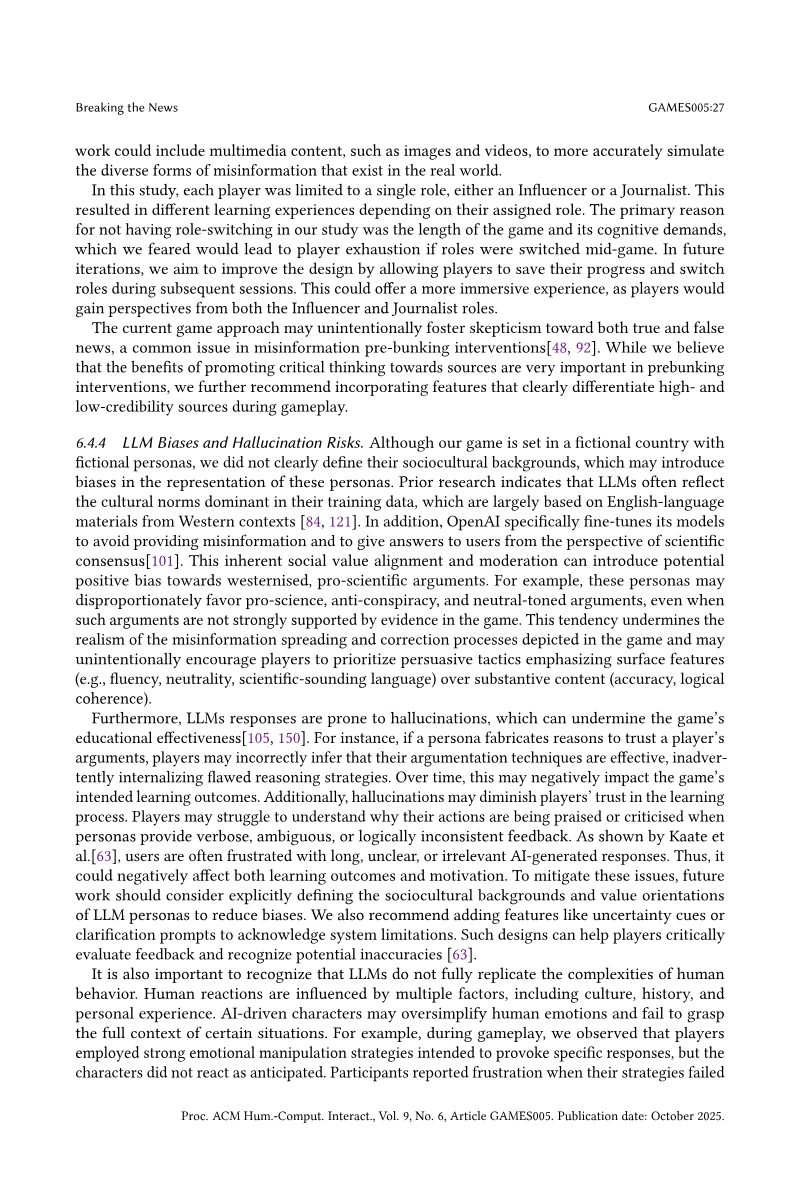
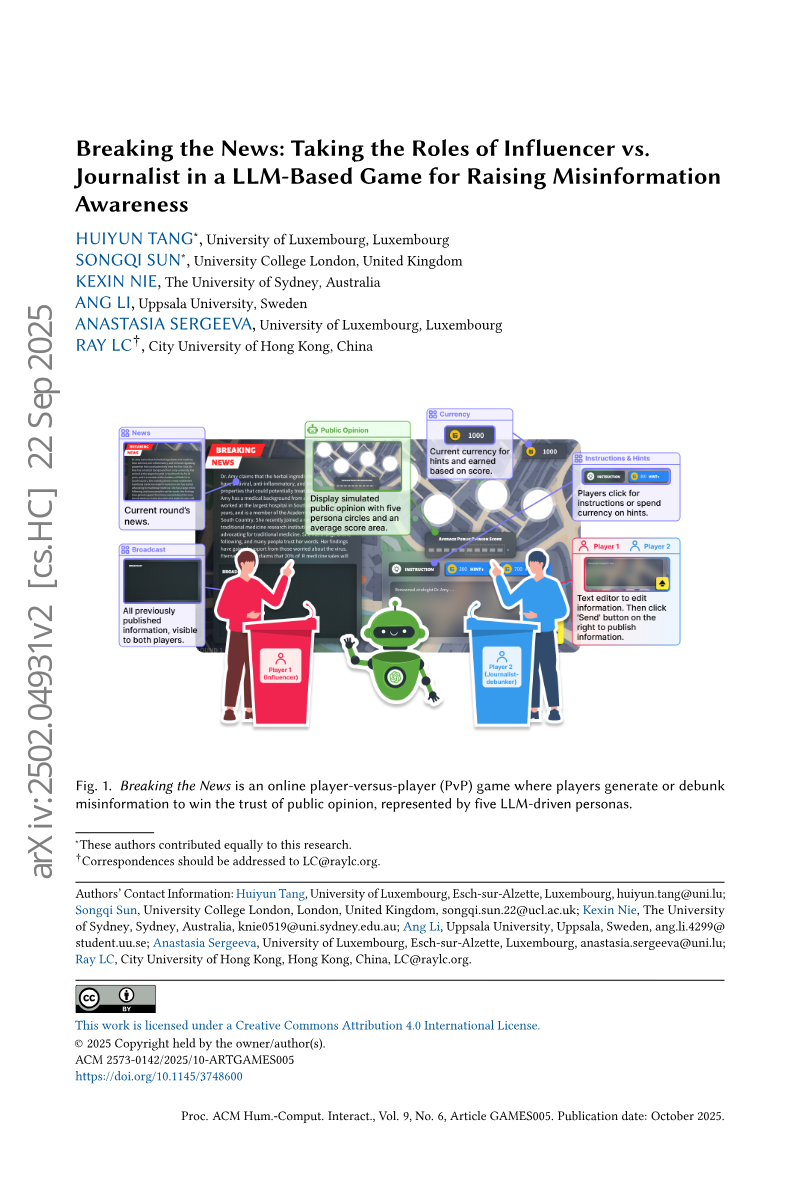
University of Luxembourg · 2025
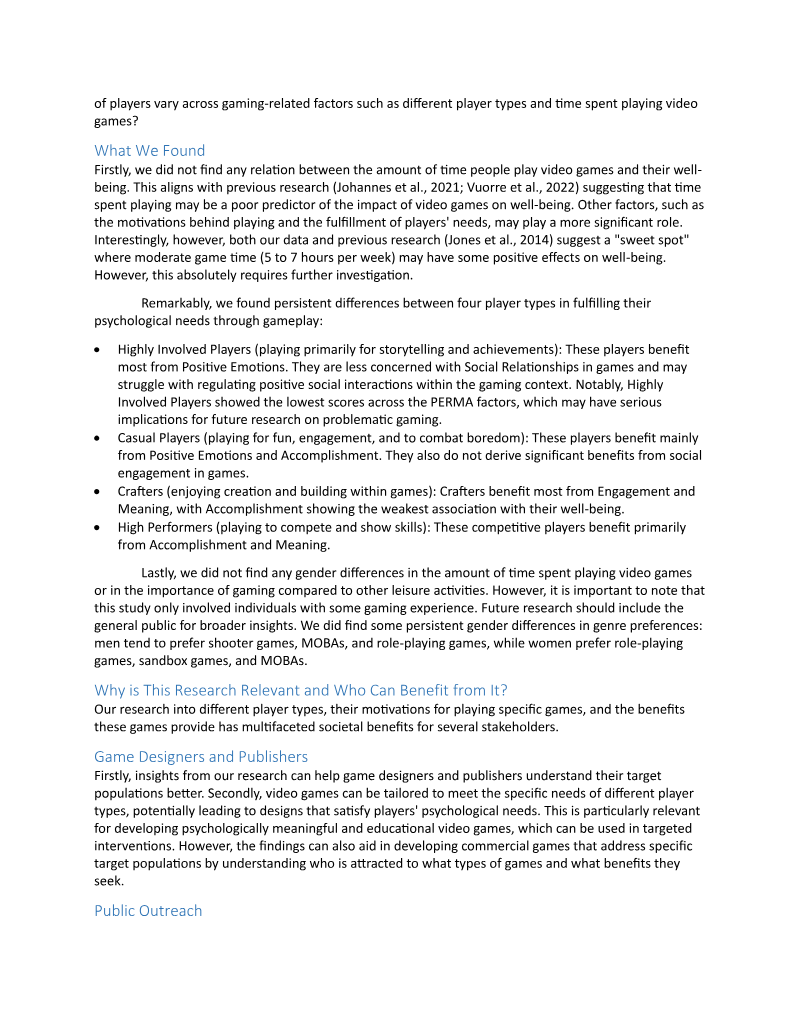

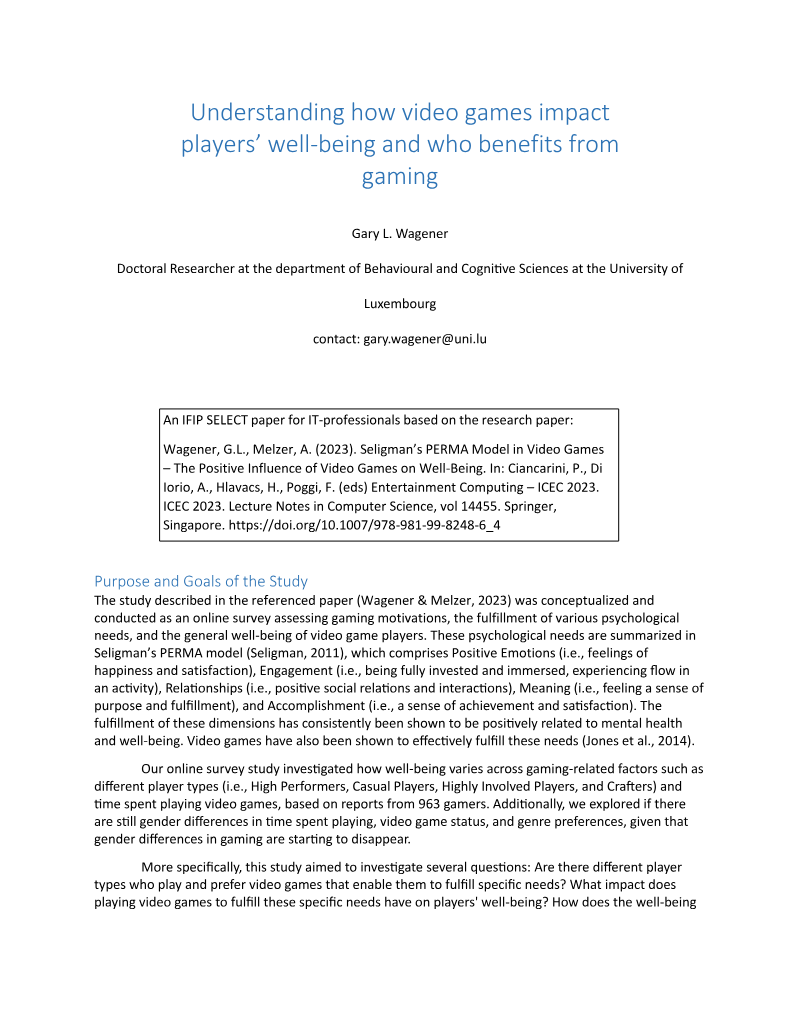
IFIP International Conference on Entertainment Computing (ICEC) · 2023
Springer · 2023

IFIP International Conference on Entertainment Computing (ICEC) · 2022
IFIP International Conference on Entertainment Computing (ICEC) · 2021

University of Glasgow · 2021

IFIP International Conference on Entertainment Computing (ICEC) · 2019
IFIP International Conference on Entertainment Computing (ICEC) · 2018

IFIP International Conference on Entertainment Computing (ICEC) · 2017

IFIP International Conference on Entertainment Computing (ICEC) · 2017
IFIP International Conference on Entertainment Computing (ICEC) · 2016

University of Vienna · 2015



European Conference on Games Based Learning (ECGBL) · 2026
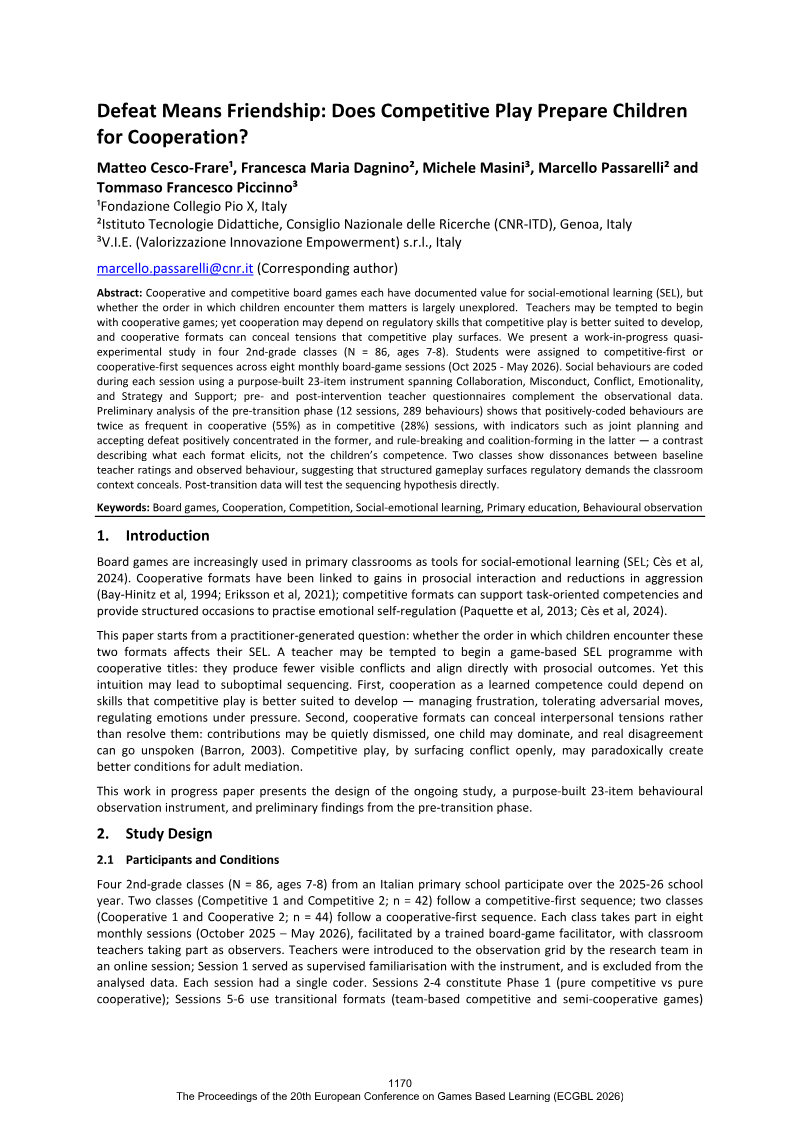
European Conference on Games Based Learning (ECGBL) · 2026
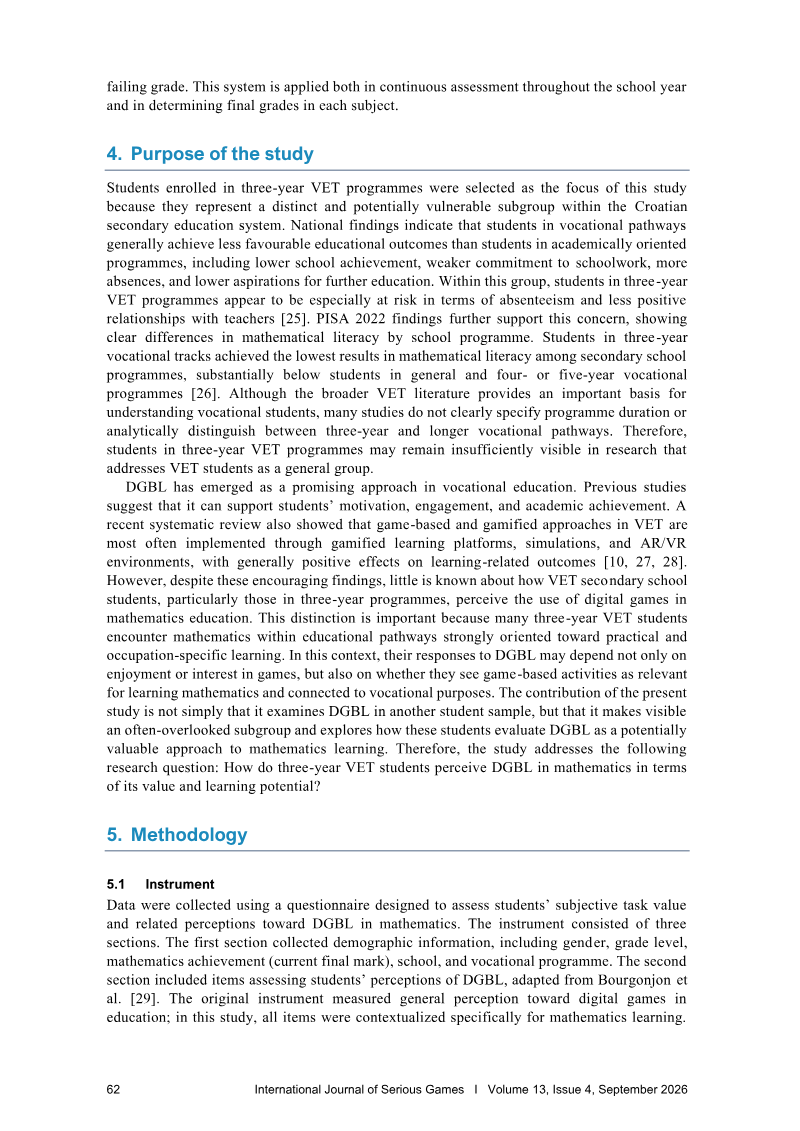
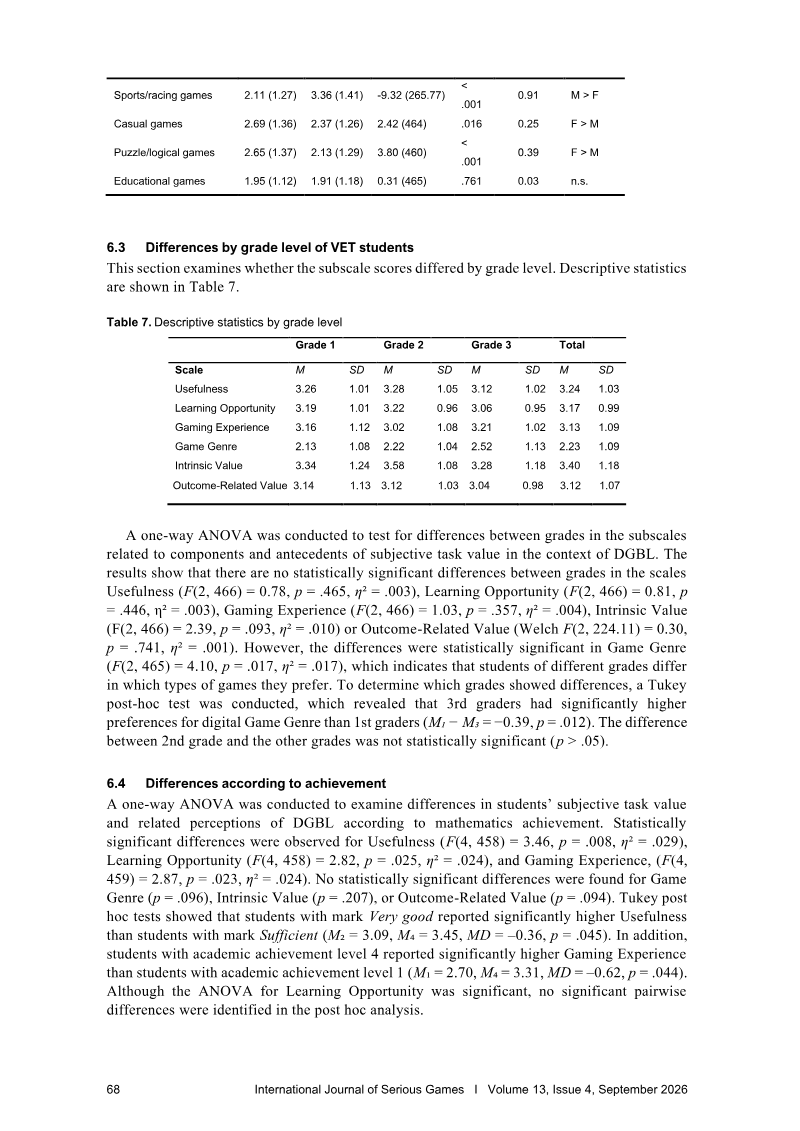

Serious Games Society · 2026



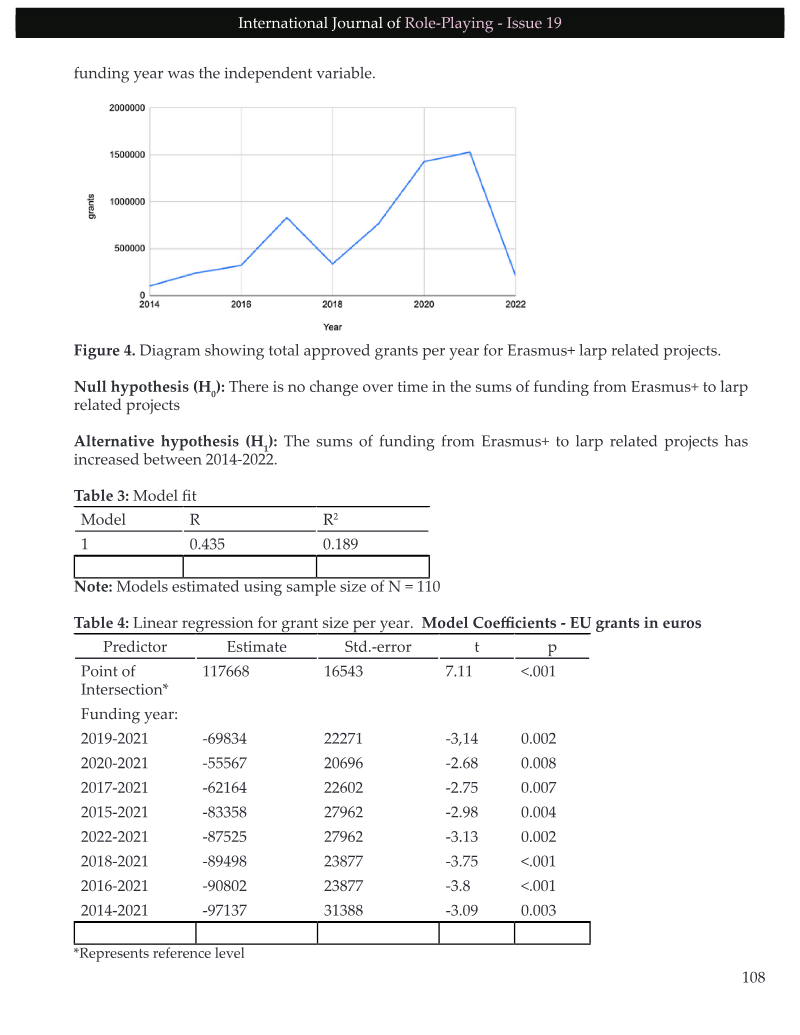






Comments