Key insights
6 slides
The core idea
Video games can temporarily alter a player's self-perception.
Players cognitively adopt character-related traits, which helps reduce self-discrepancies during gameplay.
It's like trying on a new outfit; you temporarily embody a different style or persona.
Key mechanism. Video games function as vehicles for temporary self-alteration.
1 / 6
- 01Video games function as vehicles for temporary self-alteration, where players cognitively adopt character-related traits to reduce self-discrepancies during gameplay.See it on page 9
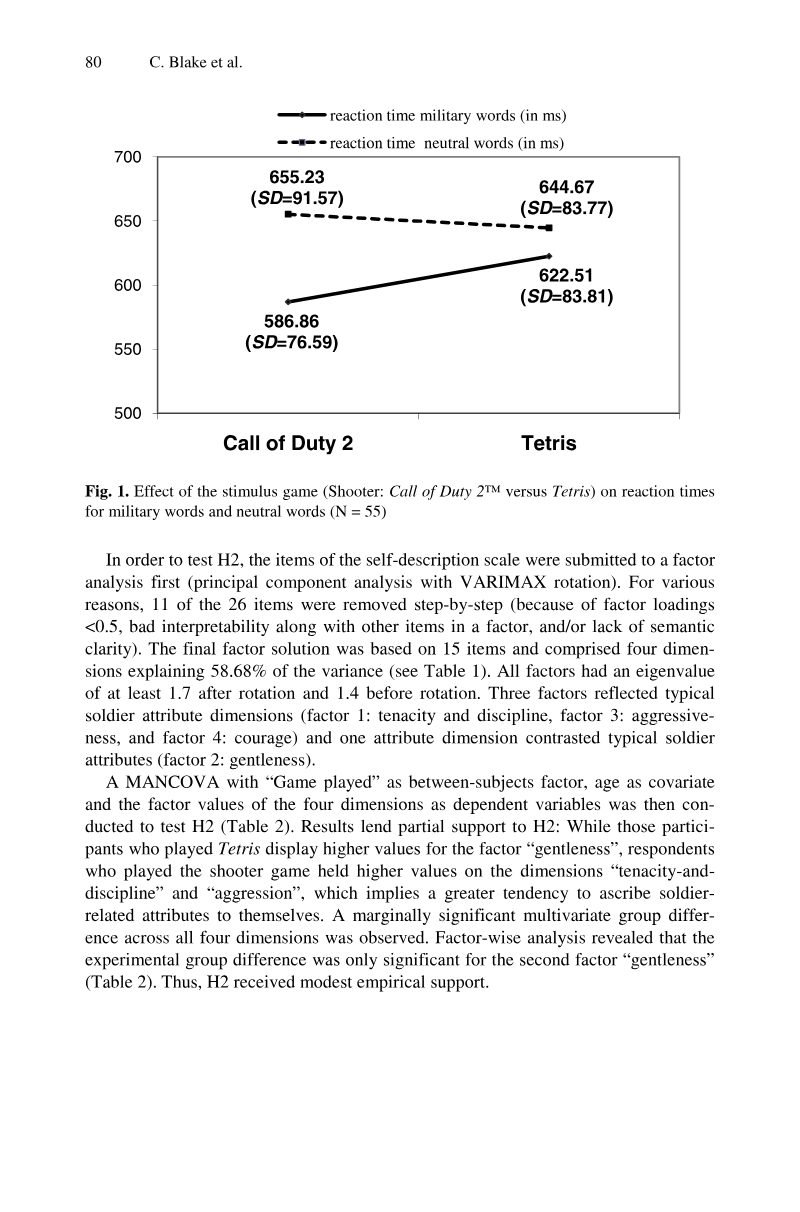
- 02Players of a military first-person shooter (Call of Duty 2) exhibited significantly faster reaction times to soldier-related concepts compared to a control group playing Tetris, demonstrating increased cognitive salience.See it on page 5
- 03Participants playing the military shooter reported measurable shifts in self-perception, specifically identifying with higher levels of tenacity, discipline, and aggression.See it on page 6
- 04The control group playing the non-military puzzle game showed a contrasting shift in self-perception, identifying more strongly with traits of gentleness.See it on page 6
- 05The study, conducted with 60 male university students aged 20 to 34, confirms that the adoption of character traits is a cognitive prerequisite for player identification.See it on page 3
- 06Researchers suggest that these temporary shifts in self-related cognition are integral to the overall gaming experience and require further study regarding potential long-term impacts on player development.See it on page 9
Ask AI about this report
Summary
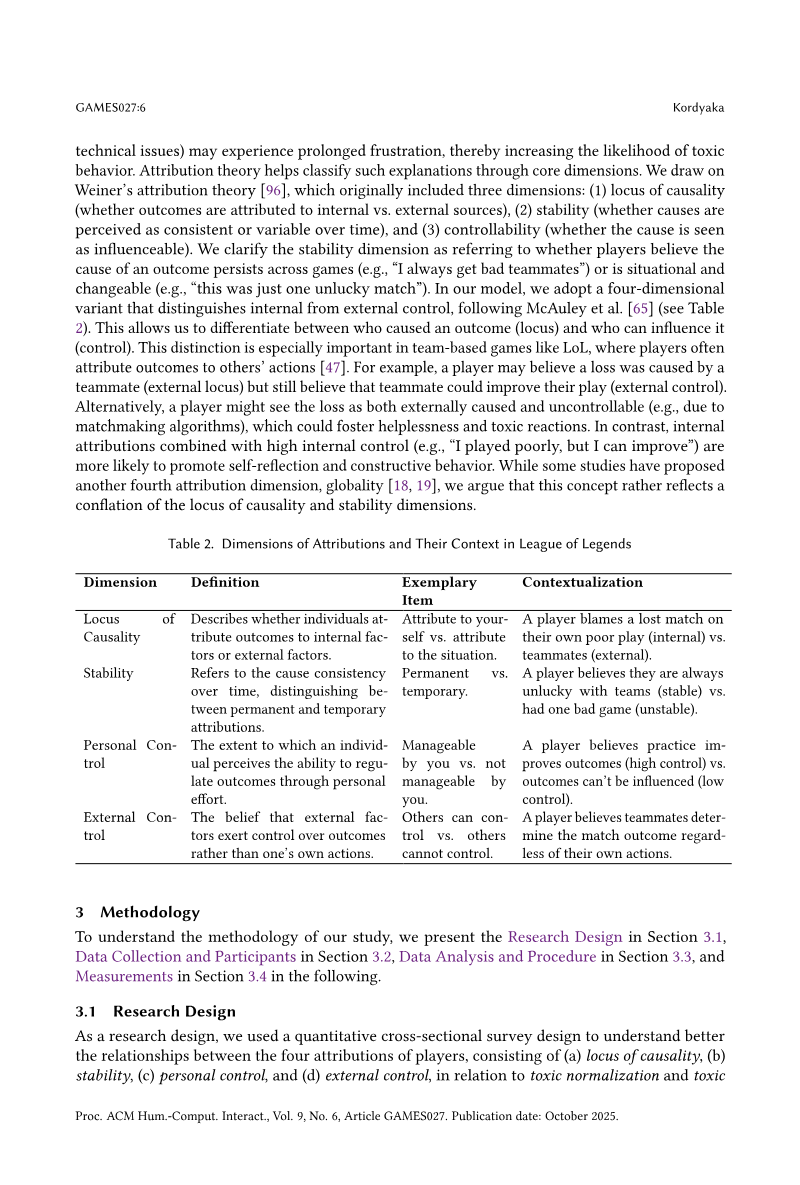
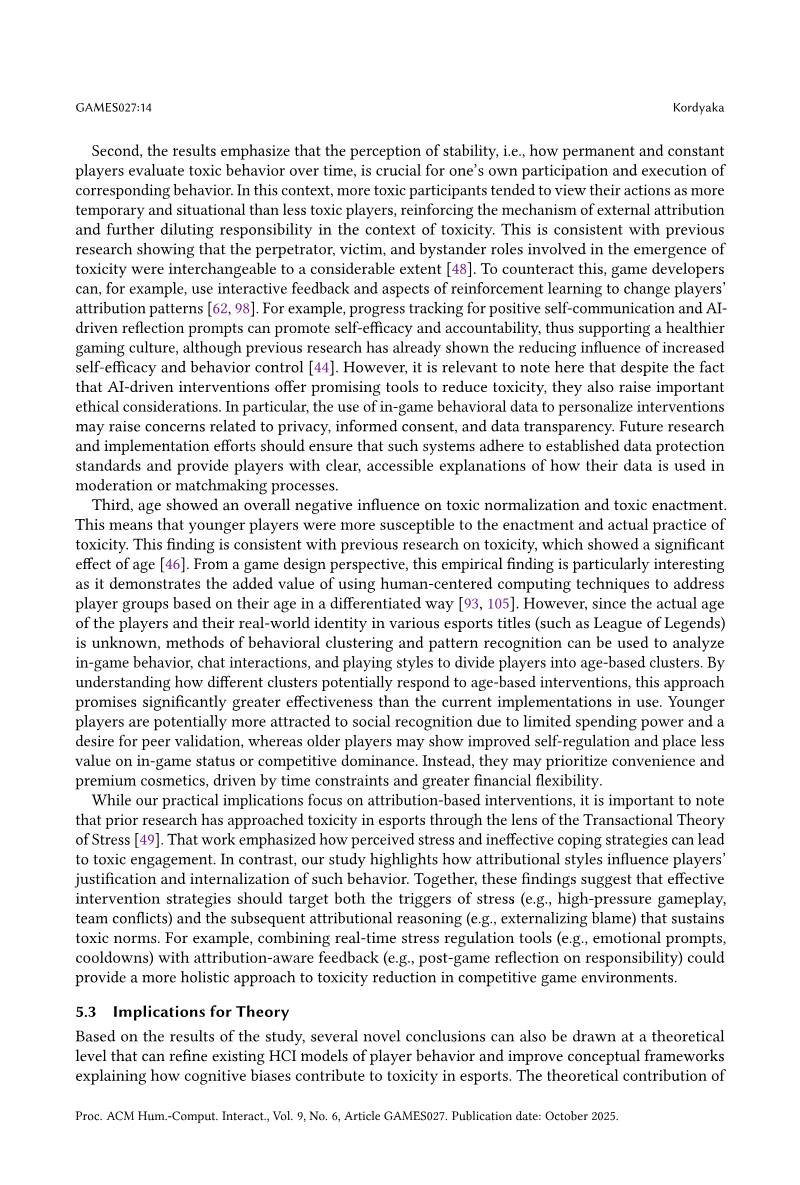
This study explores the cognitive mechanisms underlying video game identification, specifically testing the theory that identification functions as a form of transformed self-perception. The research investigates whether players adopt character-related attributes into their own self-concept during gameplay, thereby reducing self-discrepancies and enhancing the overall gaming experience.
The experiment utilized a sample of 60 male university students, aged 20 to 34, who were randomly assigned to play either a military first-person shooter (Call of Duty 2) or a non-military puzzle game (Tetris). Researchers employed a Lexical Decision Task to measure the cognitive accessibility of soldier-related concepts and a self-description questionnaire to assess shifts in self-perception. The study controlled for age and prior experience with war-themed games.
Key findings indicate that players of the military shooter exhibited significantly faster reaction times to soldier-related words compared to the control group, confirming that gameplay increases the cognitive salience of character-relevant concepts. Furthermore, the study observed modest shifts in self-perception, with shooter players reporting higher levels of tenacity, discipline, and aggression, while the control group identified more strongly with gentleness. These results suggest that video games act as vehicles for temporary self-alteration, where the adoption of character traits serves as a cognitive prerequisite for identification. The authors conclude that these shifts in self-related cognition are integral to the gaming experience and warrant further investigation regarding their potential long-term effects on player self-esteem and development.