Key insights
4 slides
The Research Goal
Visual design variables impact player performance and cognitive workload in games.
This study investigates how target and non-target size, speed, and density influence player performance and cognitive workload in a 3D railed-shooter game.
1 / 4
- 01There is a significant disconnect between objective performance and subjective perception, as players may feel unsuccessful even when their performance metrics match those of experts.See it on page 6
- 02Novices and experts exhibit different cognitive workload responses, with novices reporting higher mental and temporal demands in intermediate difficulty settings despite achieving performance levels comparable to experts in complex conditions.See it on page 5
- 03Visual cues such as increased target density or larger visual feedback can boost an expert player's perceived success even when these changes provide no measurable improvement to their actual performance.See it on page 6
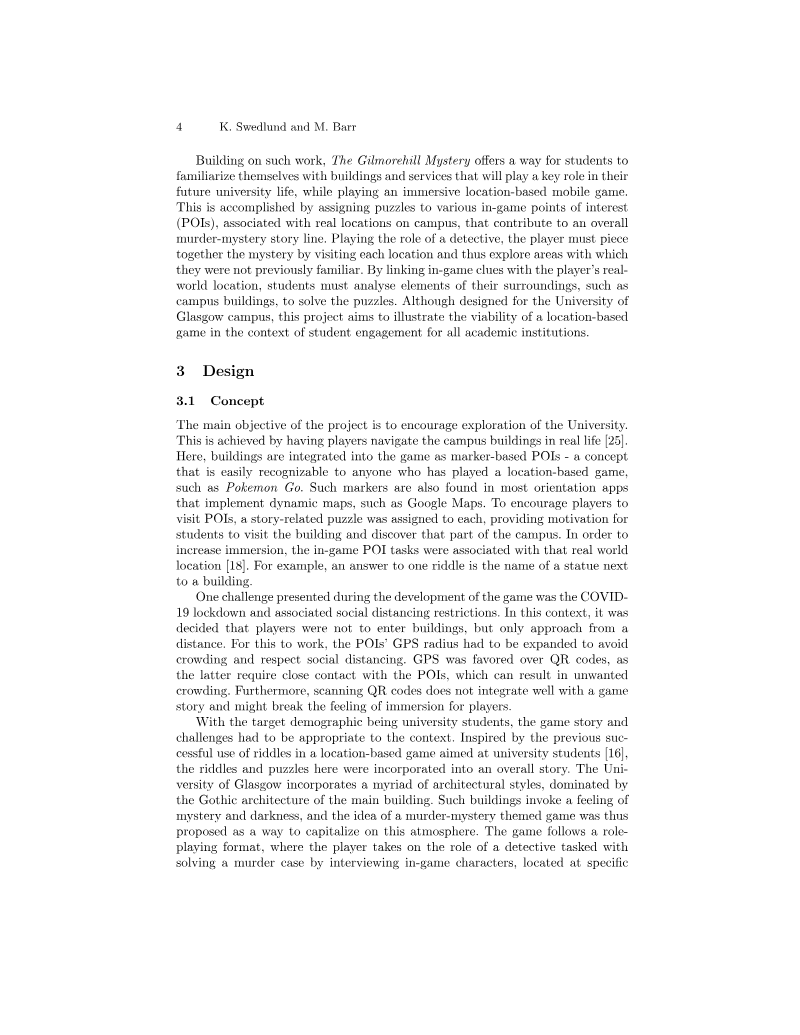
- 04The study utilized a custom railed-shooter game, EMOS, to test 105 participants categorized by gaming expertise across four distinct visual conditions involving target size, speed, and density.See it on page 2
- 05Game designers must carefully calibrate visual complexity to align player expectations with actual performance, as subjective feelings of success do not always correlate with objective gameplay outcomes.See it on page 1
Ask AI about this report
Summary
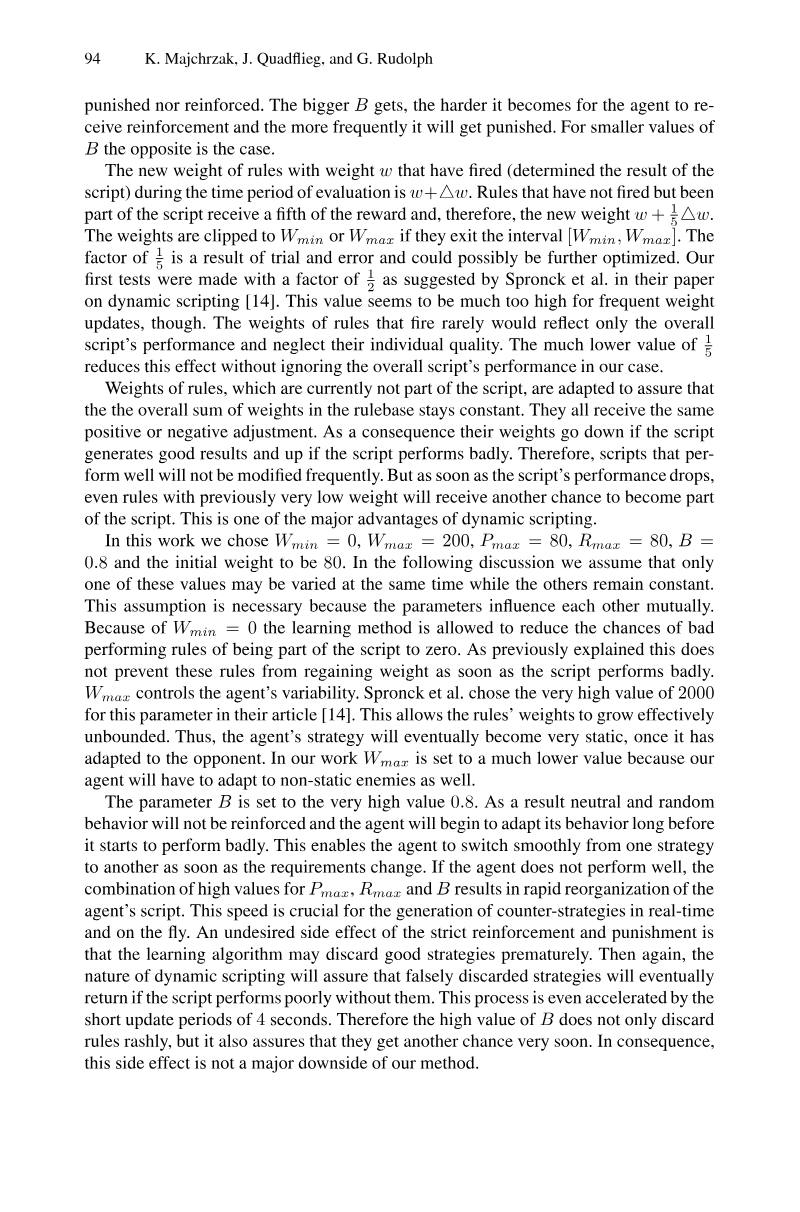
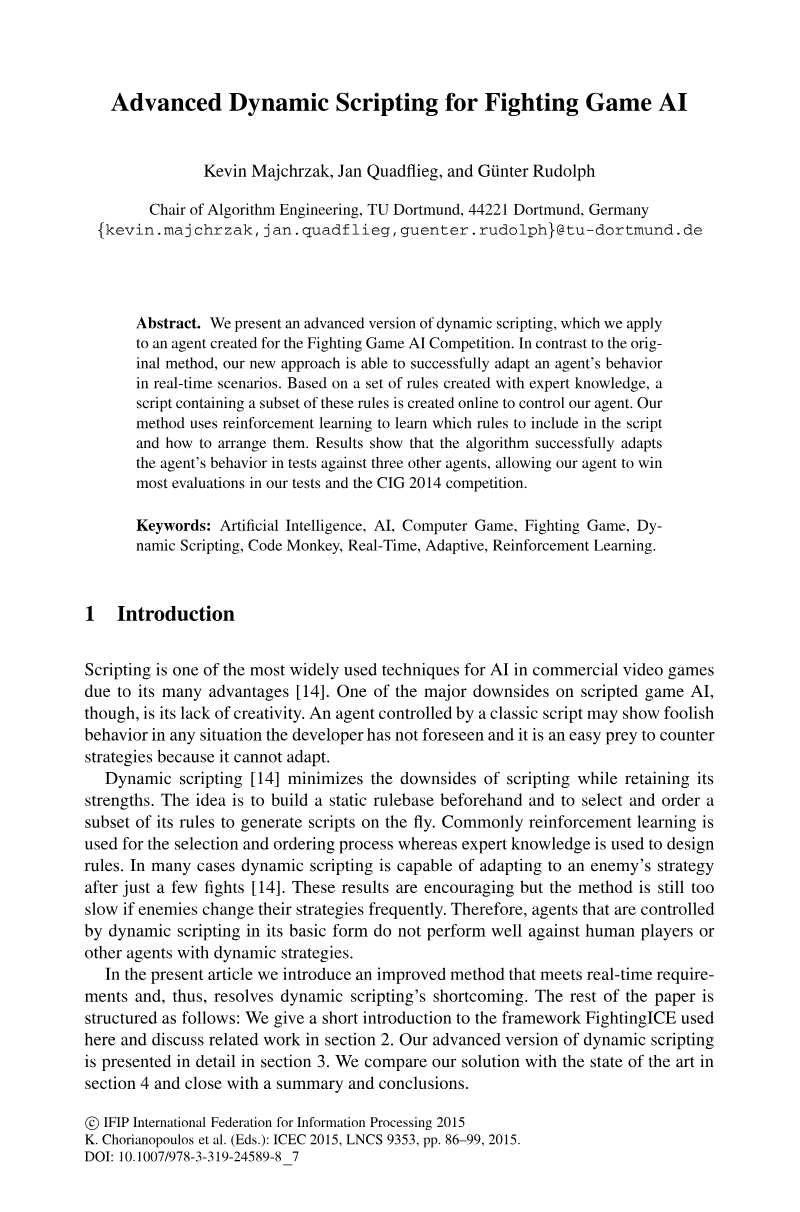
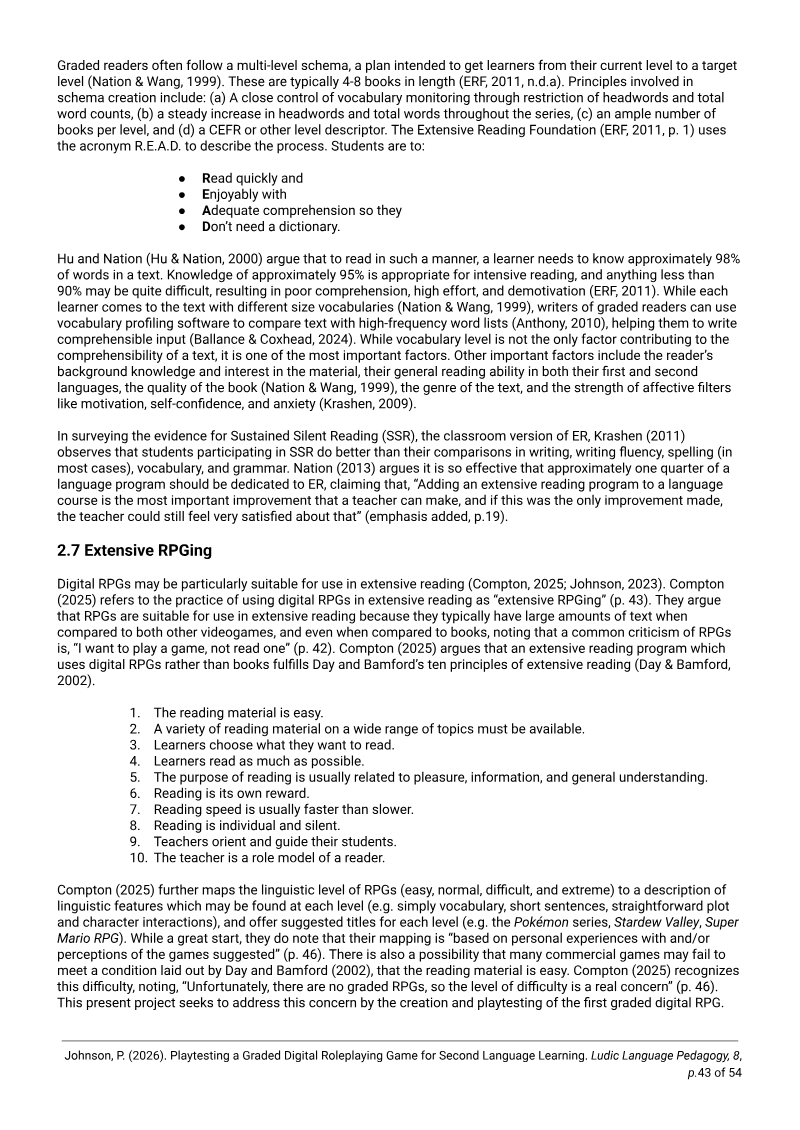
This study investigates how visual design variables—specifically target and non-target size, speed, and density—impact player performance and cognitive workload within a 3D railed-shooter game. By applying Gestalt principles and visual attention theory, the research aims to provide empirical validation for game design choices, particularly regarding accessibility and difficulty scaling. The study seeks to determine how these visual features influence the perceived and actual performance of players with varying levels of expertise.
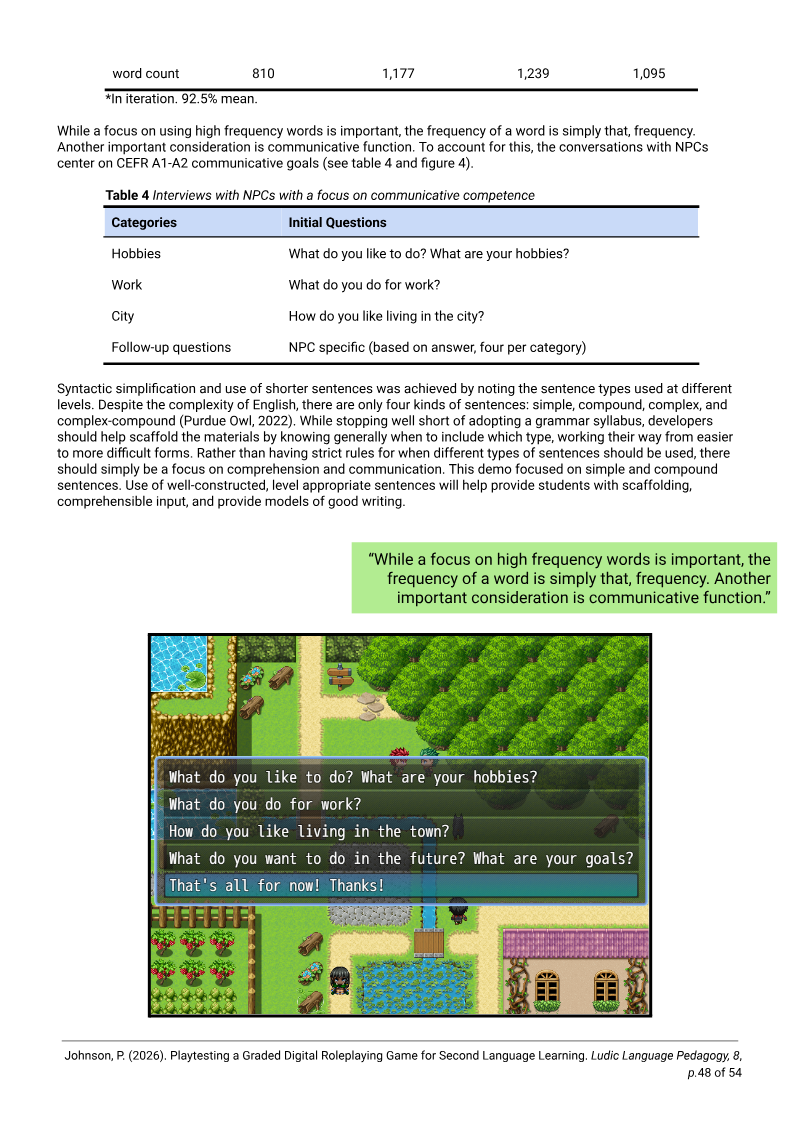
The methodology involved developing a custom railed-shooter game, EMOS, which allowed for the systematic manipulation of visual elements. Researchers tested 105 participants, categorized as either experts or novices based on gaming habits, across four distinct visual conditions. Performance was measured through objective metrics, including level completion time, number of clicks, and enemies shot, while cognitive workload and perceived success were assessed using the NASA Task Load Index and post-play surveys.
Key findings indicate that expertise significantly influences both performance and perceived workload, particularly in intermediate difficulty settings. In the initial intermediate condition, novices reported higher mental and temporal demands and lower success compared to experts. Interestingly, in more complex conditions, novices achieved performance levels comparable to experts, yet they continued to report lower feelings of success. Conversely, experts reported higher success in response to specific visual cues, such as increased target density or larger visual feedback, even when those changes did not result in measurable performance improvements. The study concludes that there is often a disconnect between a player’s actual performance and their subjective perception of success, suggesting that designers must carefully balance visual complexity to manage player expectations and maintain engagement across different skill levels.