Key insights
5 slides
Bridging eras
The design methodology combines 19th-century uncanny art with modern digital rendering.
This synthesis allows artists to translate abstract atmospheric concepts into tangible 3D environments. It bridges the gap between traditional artistic intent and technical implementation in game development.
1 / 5
- 01Survival horror design relies on a framework of seven distinct visual patterns that manipulate lighting, color, and geometry to evoke specific emotional states like anxiety and vulnerability.See it on page 13
- 02Designers can simulate a player's loss of control by using cinematic tools—specifically shifts in camera behavior, post-processing, and illumination—to disrupt security during enemy encounters.See it on page 12
- 03The methodology bridges 19th-century uncanny art techniques with modern digital rendering to translate abstract atmospheric concepts into tangible 3D environments.See it on page 1
- 04These visual patterns are designed to force players into a position of fragility, effectively turning the game environment into an active participant in the horror experience.See it on page 13
- 05The framework was validated through a study of six prominent survival horror titles, utilizing both direct gameplay observation and qualitative player feedback.See it on page 7
- 06While developed for survival horror, the standardized use of light, shadow, and perspective provides a versatile toolkit for engineering emotional trajectories across various interactive media.See it on page 12
Ask AI about this report
Summary
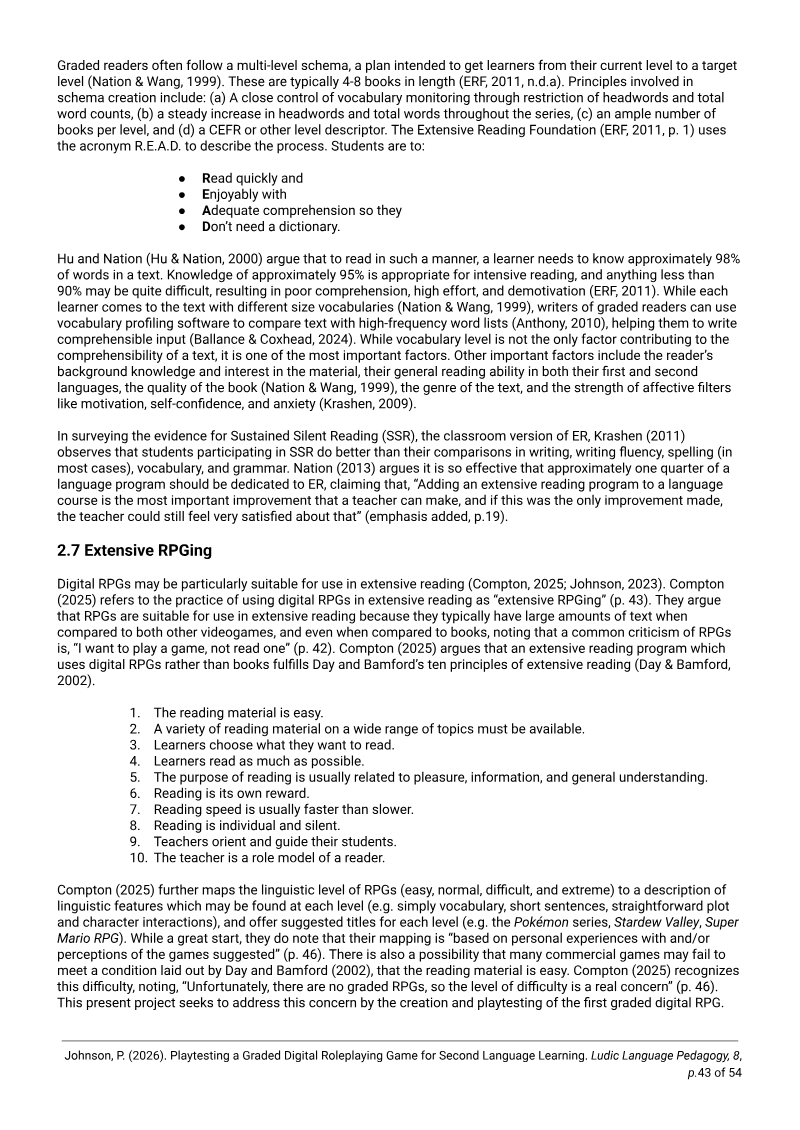
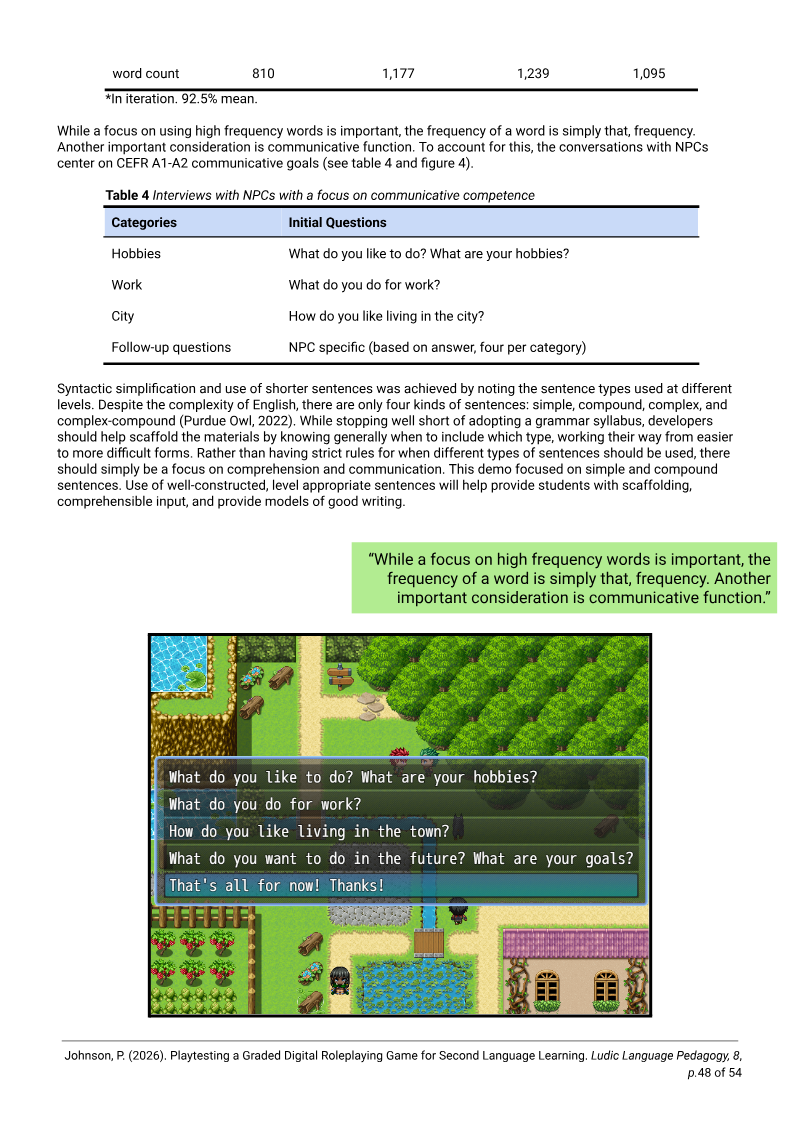
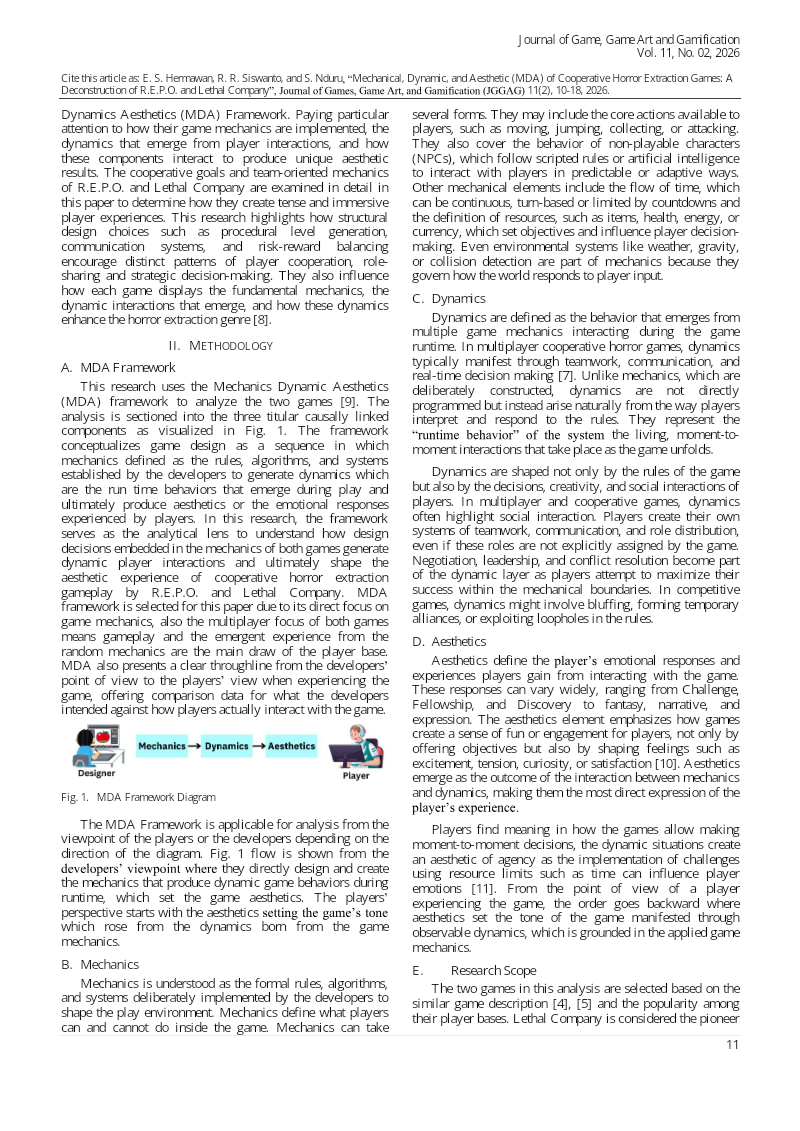
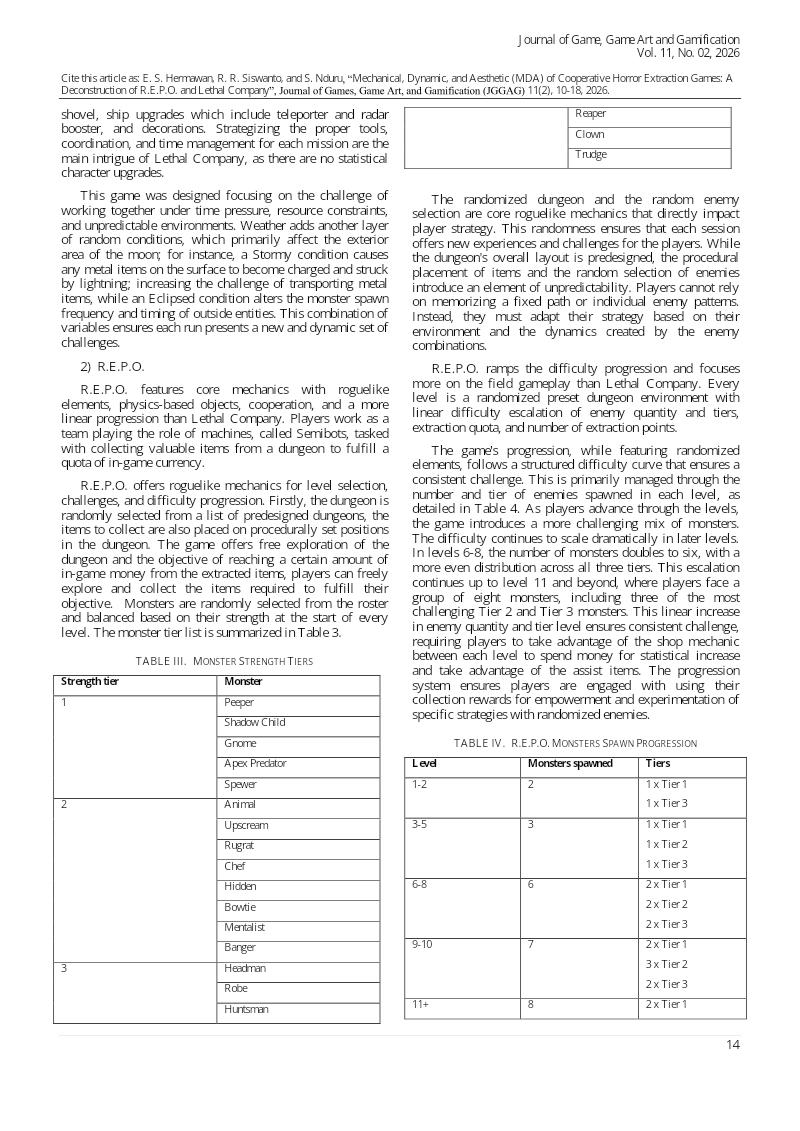
The visual design of survival horror games relies on a structured application of aesthetic patterns to evoke specific emotional responses, such as anxiety, vulnerability, and dread. By synthesizing techniques from late 19th-century uncanny art with modern digital rendering, a cohesive framework emerges that allows artists to translate abstract atmospheric concepts into tangible 3D environments. This approach bridges the gap between traditional artistic intent and technical implementation, providing a systematic method for developers to manipulate player perception through deliberate visual choices.
The core of this methodology involves seven distinct design patterns that leverage lighting, color theory, and geometric composition to heighten immersion. Central to these findings is the concept of visual contrast during enemy encounters, where shifts in camera behavior, post-processing effects, and illumination are used to disrupt the player’s sense of security. By utilizing these cinematic tools, designers can effectively simulate a loss of control, forcing players to confront the environment from a position of fragility. These techniques are particularly effective at reinforcing the psychological connection between the player and the protagonist, turning the game world itself into an active participant in the horror experience.
This analytical framework draws upon a comprehensive study of six prominent survival horror titles, utilizing both direct gameplay observation and qualitative player feedback to validate its efficacy. While the primary focus remains on the survival horror genre, the identified patterns offer a versatile toolkit for game artists across various interactive media. By standardizing the use of light, shadow, and perspective, developers can more reliably engineer the emotional trajectory of a game, ensuring that visual storytelling remains a primary driver of player engagement and atmospheric tension.