Game Publishing reports and market data
Documents
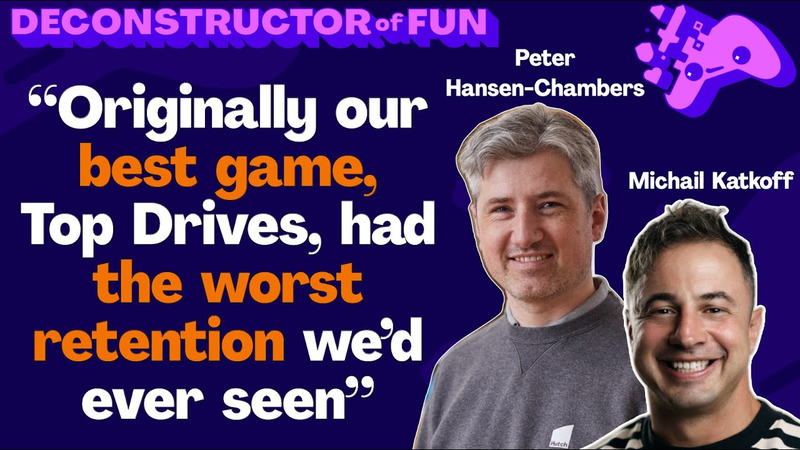
Behind the Wheel of IP Licensing with Hutch's co-CEO, Peter Hansen-Chambers
The strategic integration of intellectual property within the mobile racing genre hinges on shifting from transactional licensing to long-term, relationship-based partnerships.
- Successful IP licensing in mobile racing requires shifting from transactional deals to long-term, relationship-based partnerships that prioritize community engagement over rigid initial KPIs.
- Developers must move away from console-style replication and instead adopt a mobile-first creative vision that demonstrates how a game can expand an automotive brand’s reach to new demographics.
- Securing high-profile partnerships depends on a studio’s proven track record of reliability and creative integrity, which eventually shifts the dynamic from cold-pitching to being actively sought out by manufacturers.
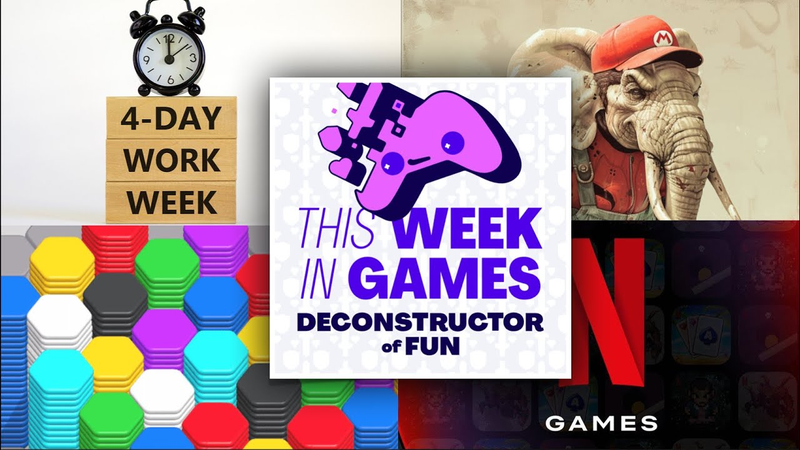
TWIG #290 Nintendo's anti-AI Stance, 4-day Work Weeks, and Netflix Games' Clap Back
The global gaming industry is currently navigating a period of significant structural transition, characterized by shifting monetization models, evolving labor practices, and the cautious integration of generative artificial intelligence.
- Nintendo is explicitly prioritizing human-led design over generative AI to protect its brand equity against the influx of low-quality, AI-generated market content.
- Hybrid-casual games like Hexa Sort are successfully leveraging aggressive ad-monetization, with advertisements accounting for up to 65% of their total revenue.
- The gaming industry is experiencing a cooling trend regarding four-day work weeks, as companies increasingly view them as an impediment to operational efficiency in a competitive five-day global market.
Vietnamese Mobile Gaming in 2024: Four Billion Downloads & Emerging Trends
Vietnam has emerged as a significant force in the global mobile gaming industry, characterized by rapid growth over the past four to five years.
- Vietnamese developers achieved four billion mobile game downloads in the past year, securing over 90 positions on global top-chart rankings.
- The industry is supported by a robust ecosystem of approximately 400 game companies and over 1,500 independent developers.
- Studios are shifting from hyper-casual titles to hybrid-casual models, incorporating deeper narratives and in-app purchases to improve lifetime value and offset rising acquisition costs.
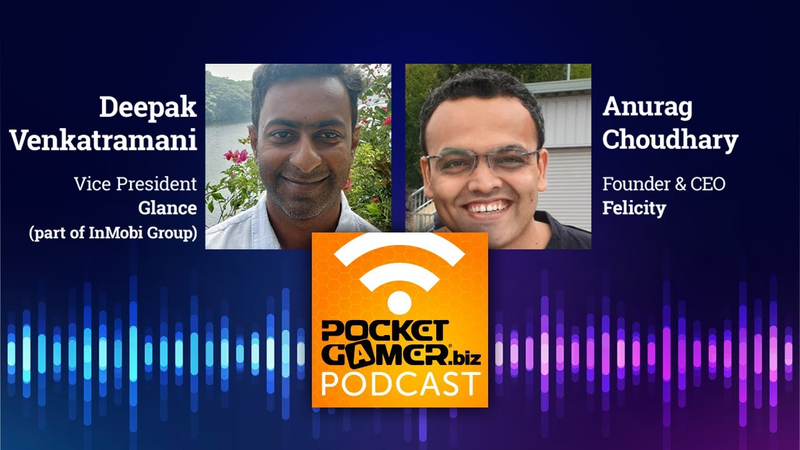
Inside Nostra's Game-Changing Lock Screen Experiences
Nostra transforms mobile game distribution by integrating instant, snackable gaming experiences directly into the Glance lock screen.
- Nostra, a platform integrated with Glance, delivers snackable, instant gaming experiences directly to mobile lock screens, currently supporting over 500 games and reaching 100 million monthly active users.
- The platform drives high engagement by targeting casual gamers who prefer short, 10-minute sessions, resulting in an average daily engagement of 20 minutes per user.
- Studio Felicity utilized Nostra to scale its operations, achieving over 1 million monthly active users with a lean team of three people and publishing more than 10 games on the platform within one year.
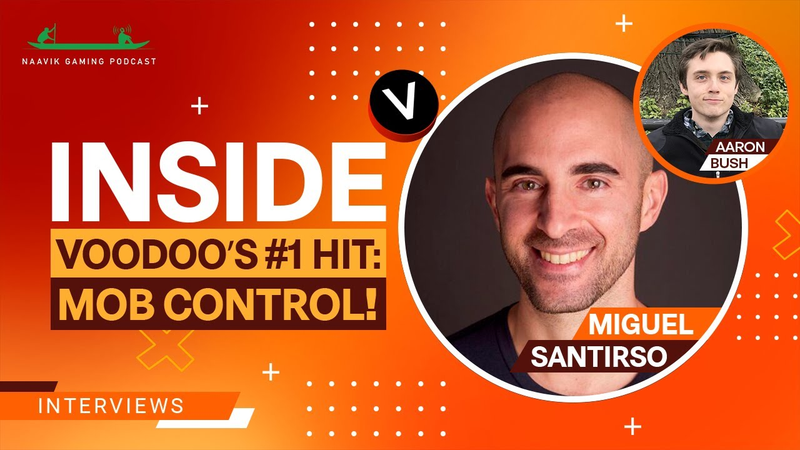
Inside Voodoo’s #1 Hit: The Story of Mob Control’s $200M+ Rise
Voodoo has successfully pivoted from a hypercasual focus to a midcore model, driven by a decentralized studio structure that prioritizes team autonomy and performance-based incentives.
- Voodoo has successfully transitioned from a hypercasual model to a midcore strategy, resulting in the hit title 'Mob Control' generating over $200 million in cumulative revenue.
- The company utilizes a decentralized, post-agile production model where small, senior-level teams operate with high autonomy and rapid two-to-three-week development cycles.
- Strategic integration of base-builder mechanics into 'Mob Control' directly resulted in a 20% increase in the game's lifetime value.
mini TWIG (#289) Eric Kress Solves ALL Netflix Games problems with a Must-See Rant!
Netflix is currently navigating a transitional phase in its gaming strategy, characterized by a lack of clear, unified direction and a reliance on what is described as a spaghetti-on-the-wall approach.
- Netflix has invested approximately $3 billion into its gaming division, yet the strategy remains fragmented between high-end AAA aspirations and a current focus on ad-free, microtransaction-free mobile titles.
- The company lacks a unified direction, characterized by a disconnect between executive leadership focusing on immersive future projects and the VP of external games prioritizing licensed and ported titles.
- Data indicates that Netflix's current model of removing monetization from existing games has failed to produce a measurable impact on platform churn or user retention.
TWIG #289 King's AI, Amazon's games strategy, Netflix's problems solved
The gaming industry currently faces a period of intense strategic recalibration, characterized by a shift away from speculative venture-backed models toward sustainable, high-quality production.
- The gaming industry is shifting from speculative venture-backed models toward sustainable production, leading to consolidation and acquisition as startups struggle to justify high burn rates.
- Major studios, including Ubisoft and Perfect World, are undergoing significant layoffs as they struggle to balance the high costs of live-service content pipelines with long-term monetization.
- While King is successfully using AI as a co-pilot for level design and bot training, the broader industry remains skeptical of 'AI-first' narratives due to a lack of evidence that these tools actually increase production output.
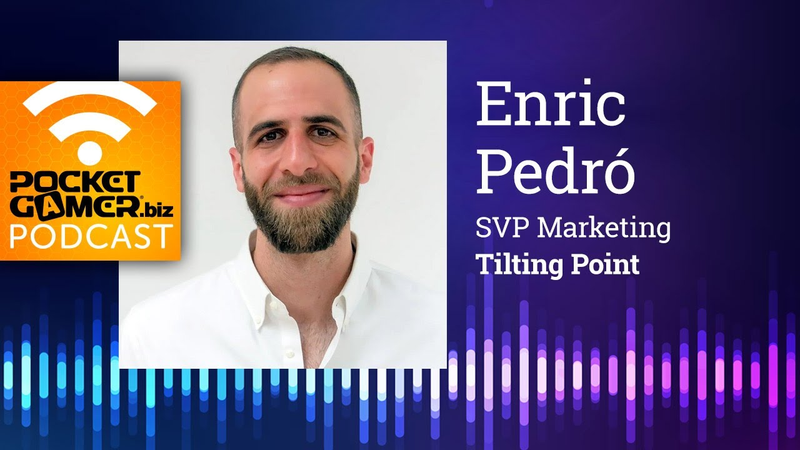
Tilting Point’s Enric Pedró On Leveraging IP On A Shoestring Budget
Leveraging intellectual property in mobile gaming serves as a powerful catalyst for user acquisition and long-term engagement, even for studios operating with limited capital.
- Studios with limited capital can lower cost-per-install and increase player lifetime value by leveraging culturally resonant trends or dormant, public domain characters instead of expensive, high-profile licenses.
- Developers should pitch IP partnerships by presenting clear metrics on downloads and engagement to demonstrate competence to potential licensors.
- To secure partnerships, studios should propose revenue-share models or minimum guarantees to make mobile gaming an attractive proposition for brand holders.

Discord Live QA for HTMAG Summer Sale
The primary objective for independent game developers is to achieve commercial viability by prioritizing high-quality, focused game design over over-engineered mechanics.
- Prioritize commercial viability by shipping smaller, polished projects in high-demand, manageable genres like horror or idle games rather than over-engineering complex titles like RPGs.
- Steam’s algorithm prioritizes revenue and sales velocity, making the initial launch window the most critical period for long-term success.
- Marketing should focus on tactical, data-driven outreach, specifically targeting hundreds of streamers and participating in festivals to generate genuine interest.
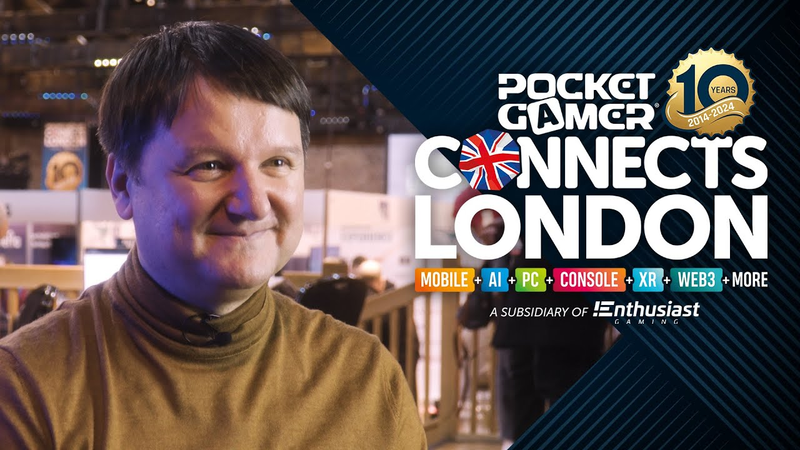
Finding your way within a black ocean | Mihai Pohontu from Amber
The gaming industry is currently navigating a period of significant contraction, characterized by a post-pandemic market dip, reduced venture capital investment, and widespread workforce reductions.
- The gaming industry is currently in a 'Black Ocean' state of market saturation and contraction, marked by 13,000 reported layoffs in 2023, though the actual impact on independent studios is estimated to be ten times higher.
- Artificial intelligence is being deployed as a tool for operational efficiency—specifically in automated quality assurance, bug testing, and concept art—rather than as a primary driver for workforce reductions.
- Developers are increasingly adopting cross-platform strategies and web-based shops to bypass the control of first-party app stores and mitigate the impact of regulatory challenges against companies like Google.
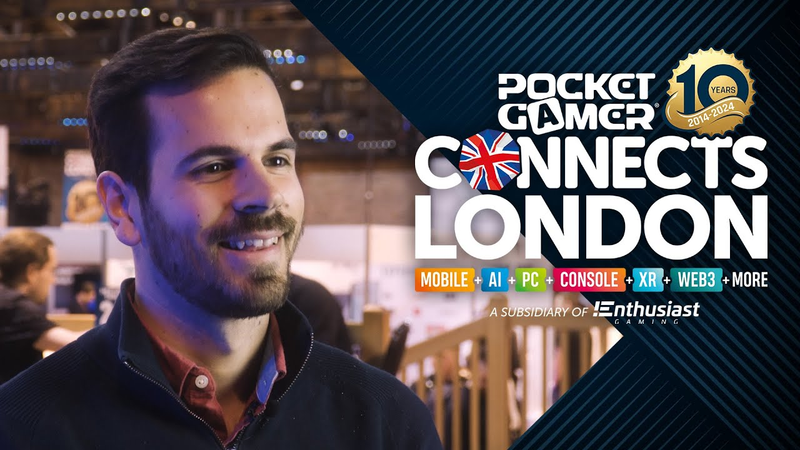
How player behaviour is changing | Gonçalo Martins from Boombit
The mobile gaming industry is currently undergoing a significant strategic shift, moving away from a primary reliance on aggressive user acquisition toward a model centered on long-term player retention and monetization diversification.
- Mobile gaming is shifting from aggressive user acquisition to a model prioritized by long-term player retention and diversified monetization.
- Developers are increasingly favoring in-app purchase (IAP) revenue over traditional ad-based models, even within casual game genres.
- Data privacy regulations and reduced venture capital investment have necessitated this strategic pivot by diminishing the effectiveness and increasing the cost of targeted advertising.
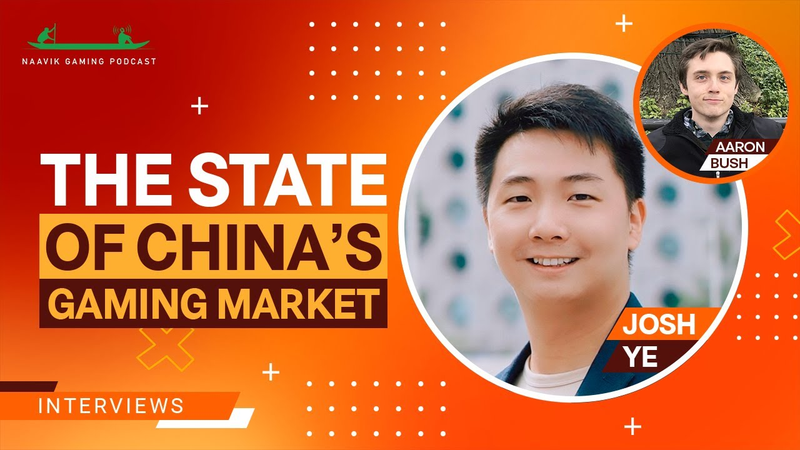
The State of China’s Gaming Market
China’s gaming and esports landscape has transitioned from a niche domestic sector into a globally influential powerhouse.
- China's gaming industry is shifting toward high-fidelity, AAA-quality production, as evidenced by the commercial success of titles like Black Myth: Wukong.
- Strict government regulations have driven industry consolidation, forcing smaller developers to align with major conglomerates like Tencent and NetEase or focus on international expansion.
- The Chinese esports sector has achieved stability by moving away from volatile sponsorship models, with top-tier leagues like Honor of Kings attracting consistent major brand investment.