Game Publishing reports and market data
Documents

The Secret Sauce of French Game Publishers with Vincent Février, CMO of TapNation
TapNation has successfully navigated the transition from a hyper-casual publisher to a hybrid-casual studio by maintaining a lean, tech-centric operational model.
- TapNation has successfully scaled to $55–$60 million in annual revenue with a lean team of approximately 80 employees by transitioning from hyper-casual to a hybrid-casual business model.
- The company has shifted its financial strategy from 30-day break-even cycles to 6-to-12-month payback windows to prioritize long-term retention and in-app purchase revenue.
- Growth is driven by a tech-centric operational model that utilizes proprietary user acquisition automation, AI-integrated management, and sophisticated lifetime value prediction models.
Gaming Growth Unlocked: Insights on Distribution, Payments, and Regulations in Asia
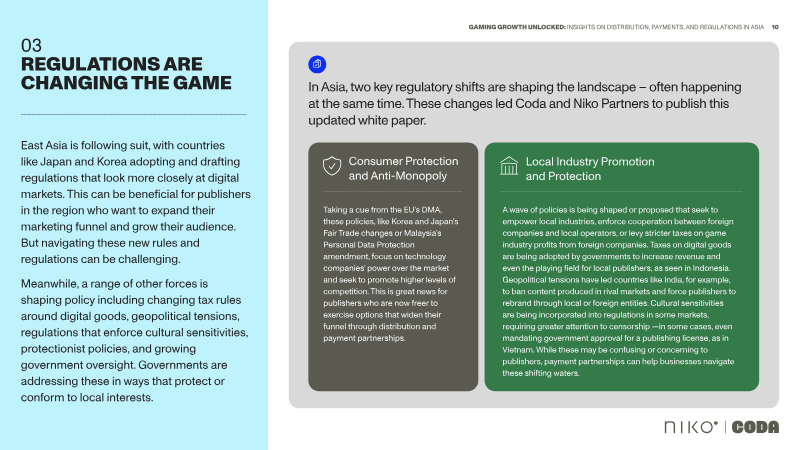
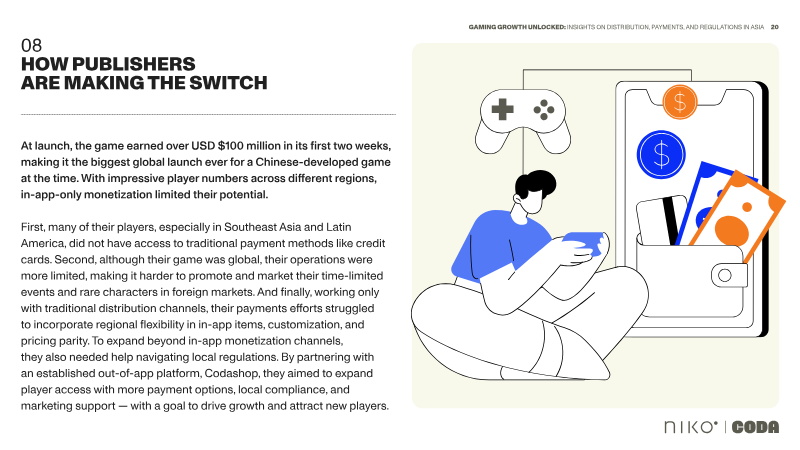
The mobile gaming landscape in Asia is undergoing a fundamental transformation as publishers increasingly pivot toward out-of-app distribution and alternative payment solutions.
- Alternative distribution channels generated $6 billion in Asian mobile gaming revenue in 2024, representing one-third of the region's total market.
- Publishers are shifting to web-based stores and alternative payment solutions to bypass high app store fees and address low credit card penetration.
- Direct-to-consumer strategies are being adopted to improve conversion rates and reach demographic segments underserved by traditional app store ecosystems.
Joint Industry Statement
A coalition of European and international industry associations representing technology, media, banking, hospitality, travel, e-commerce and fintech firms has voiced collective concern over the proposed unconditional refund right for merchant-initiated transactions (MITs) in the EU Payment Services Regulation.
- A coalition of cross-industry associations is lobbying against a proposed EU regulation that would grant an unconditional eight-week refund right for all merchant-initiated transactions (MITs).
- The coalition argues that extending this refund right—currently limited to SEPA Direct Debits—would create significant fraud risks and threaten the financial sustainability of subscription-based, digital content, and hospitality business models.
- Data from a 2024 consumer fraud survey indicates that 40% of adults experienced online fraud in the past year, while 45% of consumers believe exploiting policy loopholes is acceptable.
Taxation in the Video Game Sector: Spain
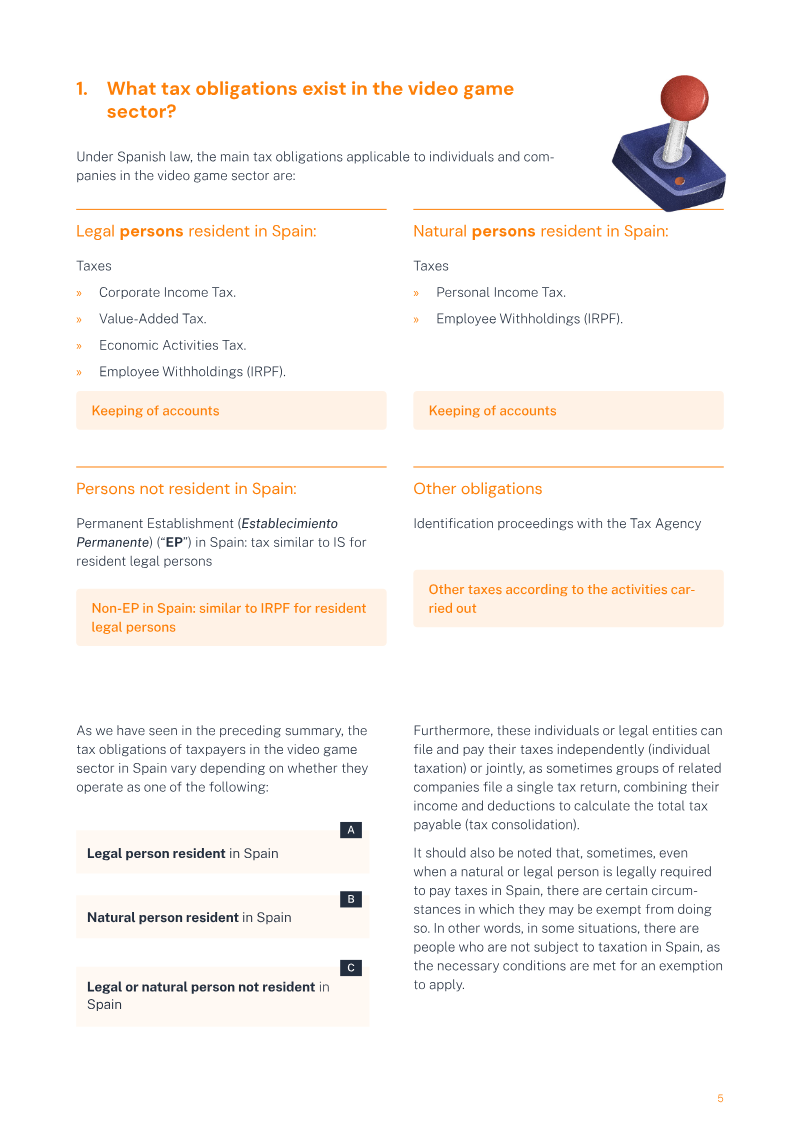
The guide explains the tax framework that applies to video-game companies operating in Spain, outlining both mandatory obligations and the range of incentives available to reduce fiscal burdens.
- Resident video game companies in Spain are subject to a 25% corporate income tax rate, while qualifying start-ups can access a reduced 15% rate for four tax periods.
- The Canary Islands offer a highly competitive 4% corporate tax rate and exemptions on property-transfer and IGIC taxes for companies meeting specific investment and employment criteria.
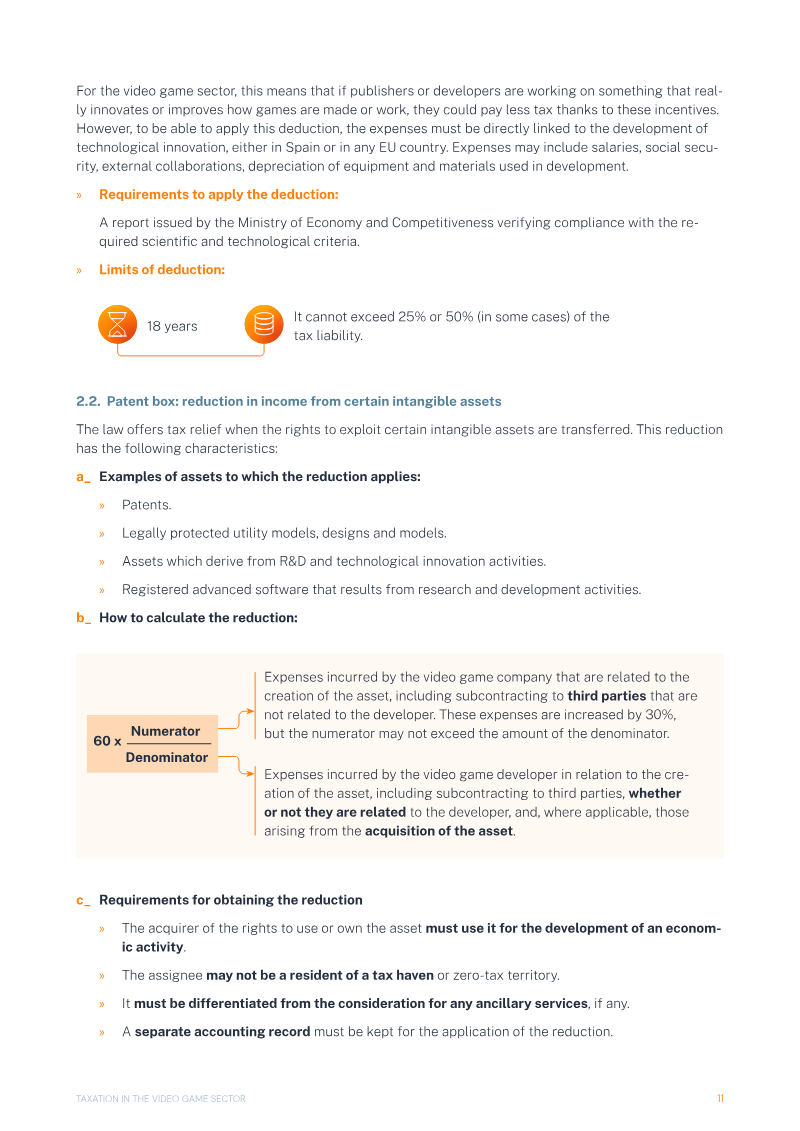
- R&D and technological innovation expenses qualify for a 12% tax credit, capped at 25–50% of total tax liability, alongside a patent-box regime that reduces the taxable base for advanced software.
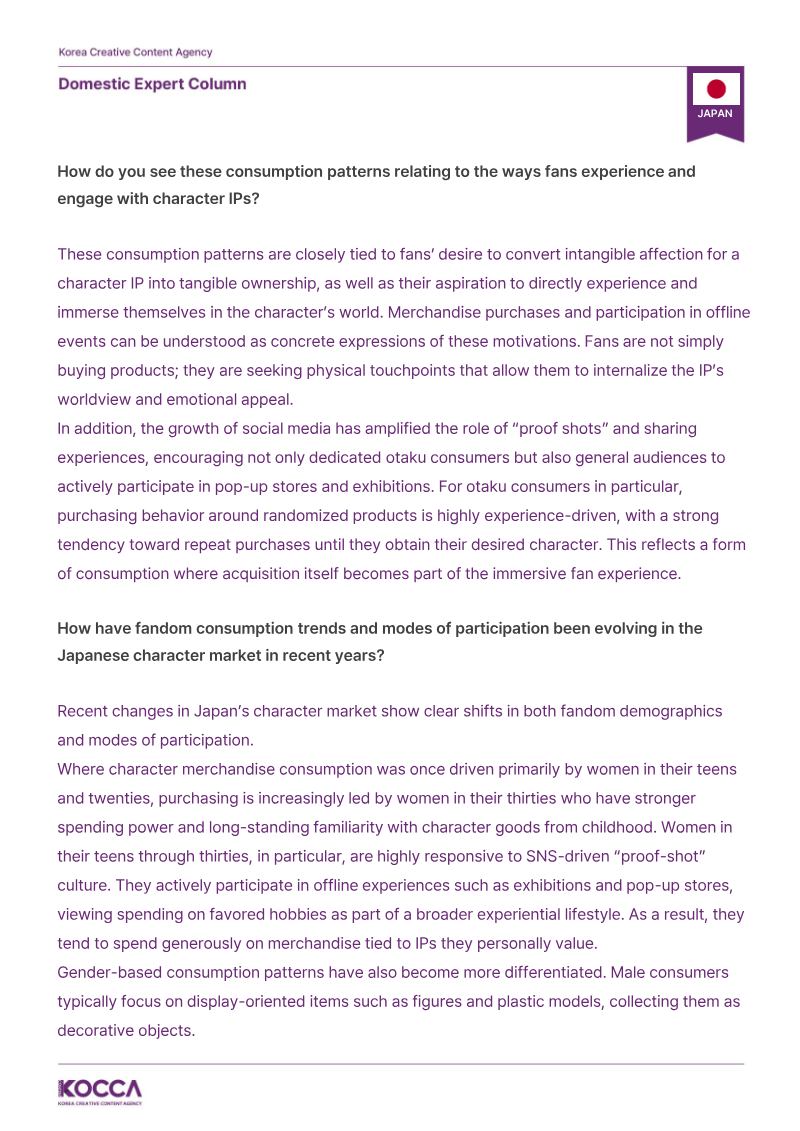
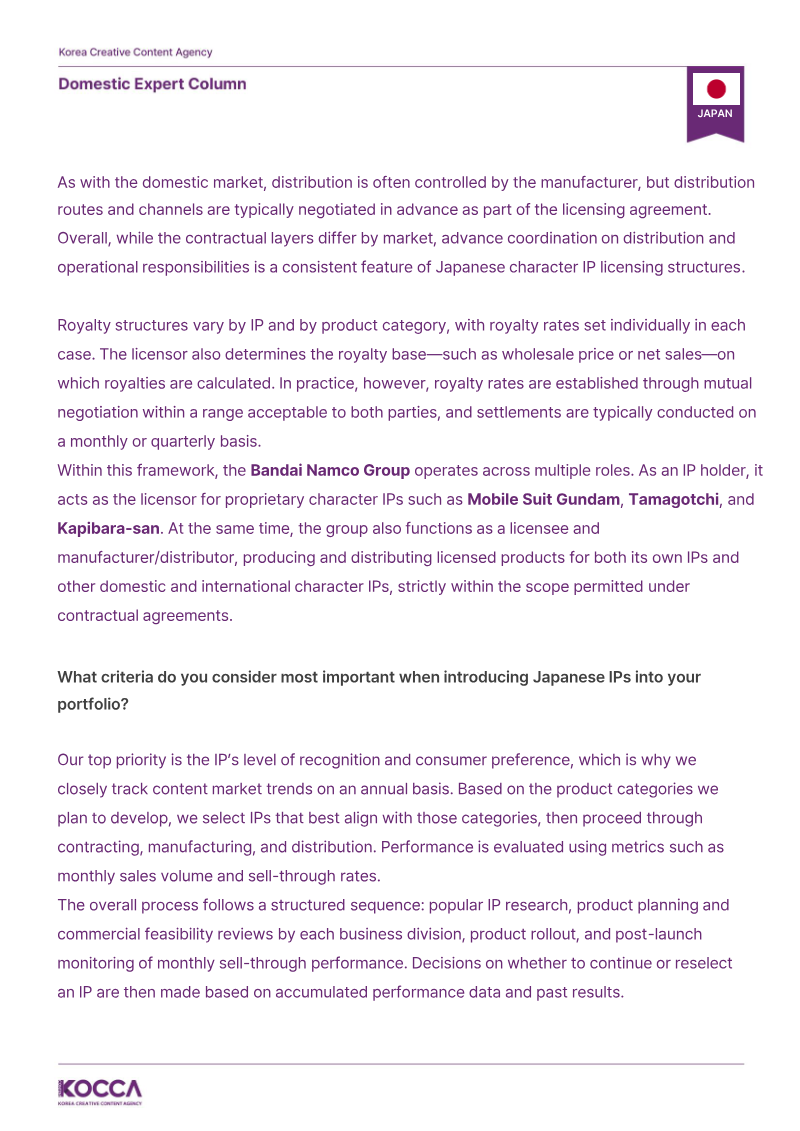

Interview with Kim Yoo, License Manager at Bandai Namco Korea
The Japanese character market has evolved from a niche subculture into a mainstream value chain driven by a diverse demographic of high-spending fans.
- The Japanese character market has shifted from a niche segment to a mainstream industry driven by high-spending female consumers in their 20s and 30s.
- Market demand is moving away from traditional collectible figures toward lifestyle goods, customizable plush toys, and content optimized for social media sharing.
- Strategic success requires a dual-track model that balances mass-market accessibility with premium, limited-edition product offerings.
How He Sold 1,000,000+ Copies Of His Game (Thomas Vandenberg) — Full Time Game Dev Podcast Ep. 030
The path to commercial success in independent game development relies on a strategic balance between creative intuition and disciplined project management.
- Publishers provide essential financial stability and de-risking for indie developers, allowing them to focus on development without the mental toll of personal financial insecurity.
- The Kingdom franchise reached a state of 'elegant simplicity' after years of development, leading the creator to sell the IP to Raw Fury to pursue new projects after a decade of work.
- Game development productivity can be optimized by using a prototype-heavy approach, such as creating 20 prototypes in two-week sprints to identify the most viable concept for a six-month production cycle.

Climbing to the C-Suite: Insights from Mission One's Gerard Miles
Executive headhunting functions as a sophisticated, relationship-driven mechanism akin to mergers and acquisitions, where the primary objective is aligning top-tier leadership talent with the critical strategic needs of an organization.
- Executive advancement requires a shift from tactical craft-based contributions to a focus on organizational health, with a proven track record of three-to-five-year tenures serving as the primary currency for C-suite eligibility.
- To remain competitive in the current market, executives must move beyond superficial AI trends and acquire formal technical literacy to demonstrate how these technologies drive measurable business value.
- Candidates frequently undermine their prospects by failing to demonstrate genuine curiosity about a firm's specific products and challenges, necessitating a transition from transactional negotiation to meaningful, prepared engagement.
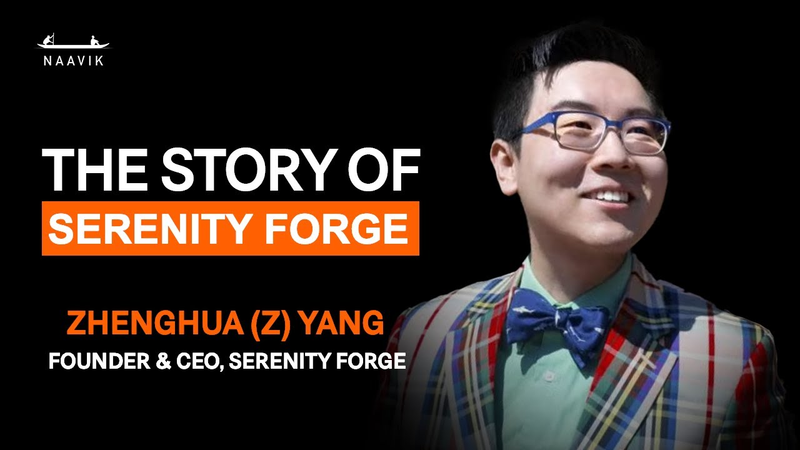
The State of Video Game Publishing (with Serenity Forge)
Serenity Forge operates as a multifaceted publisher and developer based in Colorado, dedicated to producing emotionally resonant, meaningful gaming experiences.
- Serenity Forge has scaled from a small development team to a global publisher managing multi-million dollar productions, including the 30-million-player hit Doki Doki Literature Club.
- The firm’s core business model relies on deep diversification, blending internal development with physical distribution, merchandising, and bespoke co-development partnerships to mitigate market volatility.
- The publisher rejects industry fads like NFTs, instead utilizing a tool-agnostic approach that prioritizes product quality and direct, unfiltered community engagement.

Week in Mobile Games E39 - Mobile's hot new releases and the loot box investigation unpacked
The mobile gaming industry is currently undergoing a structural transformation defined by the rise of high-fidelity, cross-platform titles that bridge the gap between mobile and console experiences.
- Nexon’s 'Dungeon and Fighter Mobile' generated over $1 billion in iOS revenue in China within six months, highlighting the massive financial potential of successful mobile titles.
- The mobile industry is shifting toward high-fidelity, cross-platform experiences like 'Infinity Nikki' and 'Delta Force' that emphasize cross-progression to bridge the gap between mobile and console.
- Investors are increasingly prioritizing daily active user counts over traditional retention metrics, seeking shorter return on investment windows of two to three years.
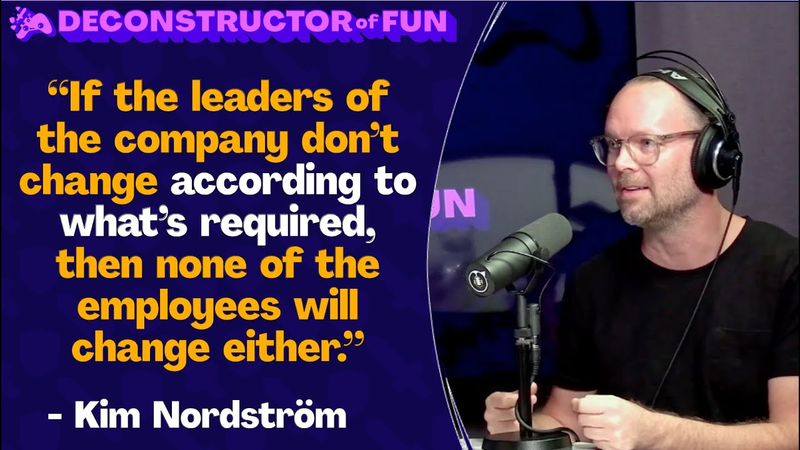
Up Down Up with Kim Nordström
Game companies navigate a predictable lifecycle consisting of startup, growth, maturity, and decline phases, each requiring distinct leadership strategies to ensure long-term viability.
- Game companies must adapt their leadership strategies to match their specific lifecycle phase—startup, growth, maturity, or decline—to avoid stagnation caused by legacy processes.
- Organizational culture is defined by the sum of consistent daily behaviors rather than static values, requiring leaders to actively model vulnerability to foster psychological safety.
- When an existing culture or leadership style fails to support a company's current phase, replacing top-level management is often a necessary step to realign with strategic goals.

Marketing For Indie Games | Land a Hit Game!
Success in the indie game market on Steam is primarily determined by genre selection and product design rather than traditional advertising.
- The Steam algorithm functions as a competitive system that prioritizes games showing early traction; if a game fails to generate sufficient interest during its initial 20,000 impressions, Valve will reduce its visibility in favor of better-performing titles.
- Marketing acts as a 'fuse' to ignite the Steam algorithm, which serves as the primary engine for long-term sales through passive discovery and recommendations.
- Genre selection is a critical factor for success, with data showing that horror games consistently outperform other genres on Steam, while linear platformers often face significant market resistance.

Week in Mobile Games E38 - Xbox and Adjust mishandle their PR and Supercell's culture revolution
Microsoft’s strategic pivot toward a proprietary mobile store has encountered significant friction, exacerbated by a U.S. court decision to pause Google Play remedies and a widely criticized communication strategy.
- Supercell is abandoning its traditional small-team structure in favor of a dual-model approach that integrates larger live-game teams and formal management to combat creative stagnation.
- Microsoft’s attempt to launch a proprietary mobile store is facing significant setbacks due to a U.S. court decision pausing Google Play remedies and a poorly received communication strategy that alienated key partners.
- Mobile measurement firm Adjust is undergoing internal instability following abrupt leadership changes and workforce reductions, allowing competitors like Singular to capture market share and talent.