Game Publishing reports and market data
Documents

How He Sold 500,000+ Copies Of His Games (Oliver Joyce) — Full Time Game Dev Podcast Ep. 036
Achieving commercial success in the independent game industry requires a strategic shift away from chasing fleeting market trends toward cultivating authentic, niche-driven development.
- Diversify income streams—such as YouTube channels, asset sales, or consulting—to mitigate the financial risk of game development and avoid the 'quit your job' trap for early-stage projects.
- Validate market interest early by building a demo or trailer before committing years of development; for example, a poor reception to a trailer with 25,000 views can signal a need to pivot or cancel a project to save time.
- Prioritize core game loops that respect the player's time, as games that offer incremental rewards and avoid tedious mechanics often perform better for time-poor audiences.
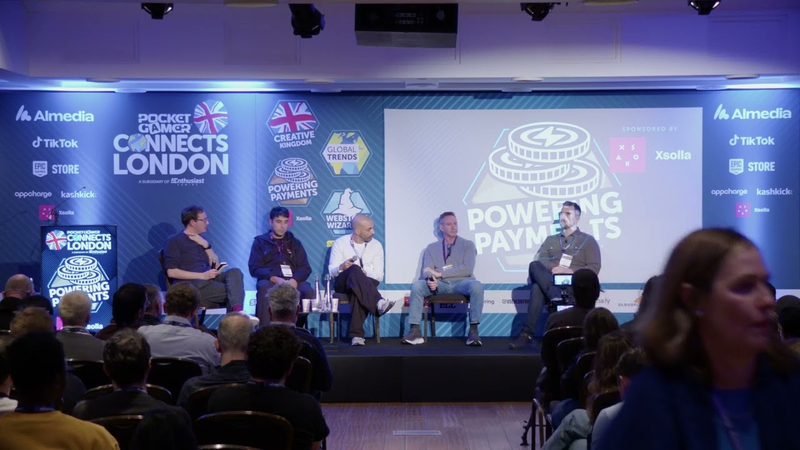
Panel: The Experts' Guide To Direct To Consumer Strategies.
The mobile gaming industry is undergoing a fundamental shift toward direct-to-consumer (DTC) strategies, driven by the necessity to mitigate rising user acquisition costs and circumvent the restrictive 30% margin pressures imposed by traditional app store monopolies.
- Mobile studios are adopting direct-to-consumer (DTC) web storefronts to bypass the 30% margin fees imposed by traditional app store monopolies.
- Transitioning to web-based platforms allows developers to reclaim ownership of customer data and implement personalized monetization strategies that are restricted within app store ecosystems.
- Successful DTC implementation requires integrating merchant-of-record services, advanced attribution analytics, and scalable communication tools to manage transactions and player engagement.
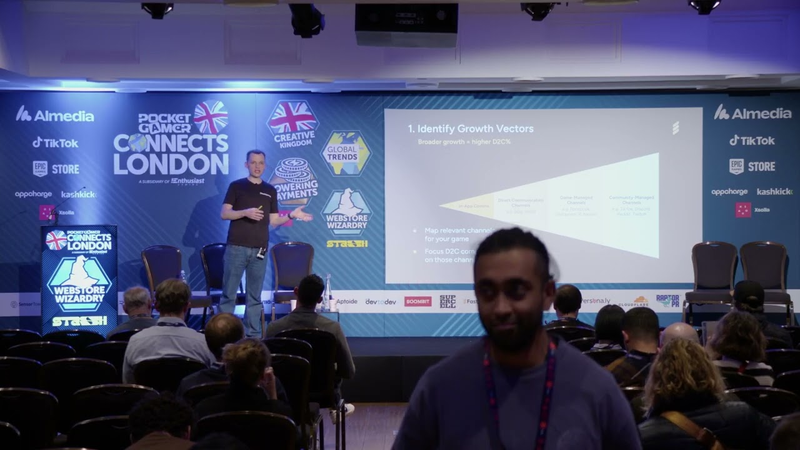
Session: Proven Insights On D2C Monetisation From The Frontlines Of Major Mobile Publishers.
Direct-to-consumer (D2C) monetization has become a standard, essential component of modern mobile gaming, with over 70% of games now utilizing web shops.
- Direct-to-consumer (D2C) web shops are now a standard industry practice, with over 70% of mobile games utilizing them and some major publishers generating nearly 30% of their total revenue through these channels.
- Successful D2C monetization requires a long-term multi-platform distribution strategy rather than a one-off project, as evidenced by consistent year-over-year revenue growth in direct channels.
- Publishers should focus migration efforts on high-value players by offering exclusive incentives such as unique currency, web-only subscriptions, or specialized items that are not available in mobile stores.

Panel: Playing by New Rules – Game Development Under the Digital Markets Act.
The Digital Markets Act represents a pivotal shift in the mobile gaming landscape, aiming to dismantle restrictive distribution barriers and foster a more competitive ecosystem.
- The European Digital Markets Act (DMA) is expected to create a more diverse and competitive ecosystem for game developers by enabling new distribution models and revenue streams, particularly within the mobile platform space.
- Publishers like Team17 and Curve Games are increasingly adopting consultative approaches, helping developers navigate complex monetization strategies and Web Store integrations to maximize the value of their IP.
- The shift toward a more open market allows developers to experiment with cross-play and cross-progression, potentially lowering barriers to entry and enabling mobile strategies for established IP like Team17's 'Hell Let Loose'.

Curated Panel: International Collaboration – Success Comes With a Global Perspective.
International collaboration has become a fundamental necessity for modern game studios seeking to navigate the challenges of escalating production costs and the widening gap between development expenses and traditional pricing models.
- Modern game development requires a distributed model, as the scale of content demands—often requiring thousands of developers for a single title—makes single-location studios unsustainable.
- International collaboration mitigates financial risk by allowing studios to leverage proven, specialized partners rather than maintaining large, expensive internal teams.
- Successful international expansion requires a core group of local, high-level talent to set standards and maintain quality, while outsourcing specific work to global partners.
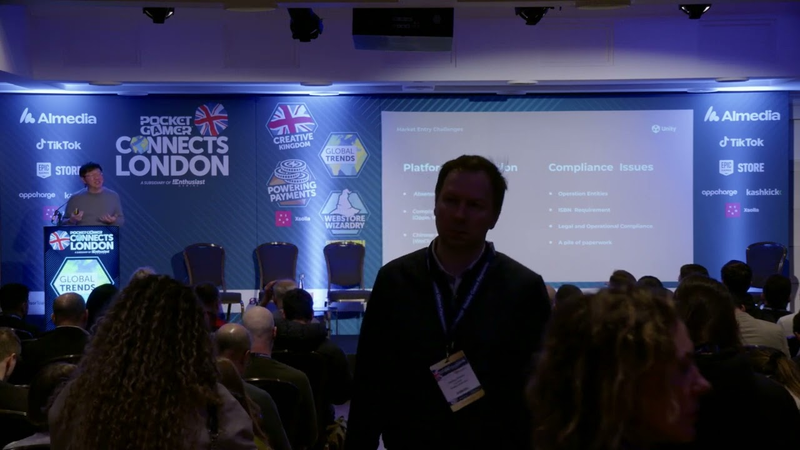
Session: Bring Your Games to China With Unity – A Pathway for Games to Thrive in China - Junbo Zhang
The Chinese gaming market presents a unique, high-growth opportunity for international developers, despite significant regulatory and technical barriers.
- Unity China provides a localized, optimized version of the Unity engine (based on 2022 LTS) specifically designed to reduce runtime and loading times for the Chinese market, where Unity games now account for approximately 50% of WeChat Instant Game revenue.
- Unity China offers a comprehensive publishing service that handles regulatory compliance, ISBN filing, and technical integration across fragmented Android channels (e.g., Xiaomi, Oppo, Huawei) and emerging platforms like WeChat and Douyin.
- The Chinese gaming market is dominated by mobile gaming, which accounts for roughly 75% of the total market, with significant growth opportunities in the Instant Game sector and high-performance hardware like smart electric vehicles.
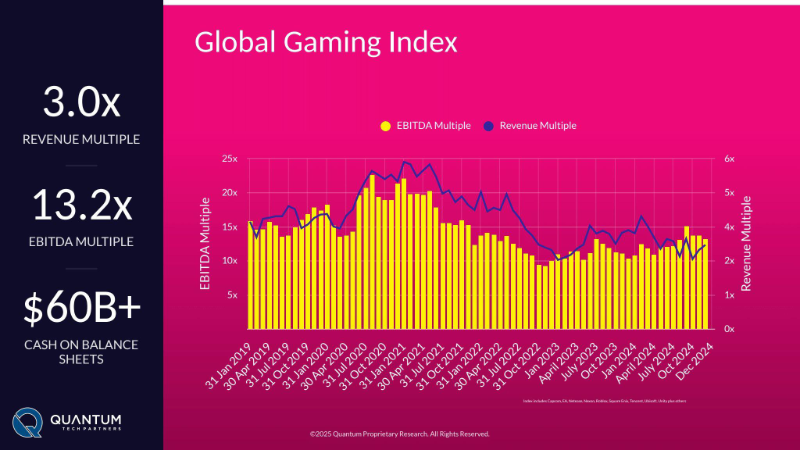
2025 Gaming Industry Report: M&A and Fundraising Update
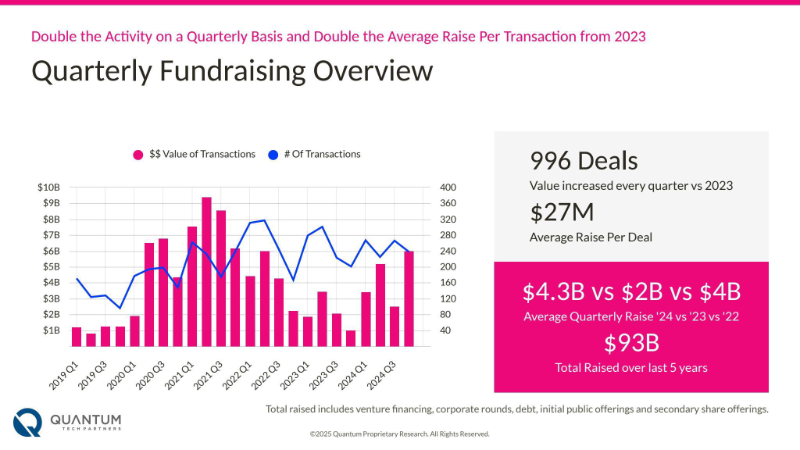
The gaming industry has entered a period of stabilization, with merger and acquisition activity settling at $11.5 billion.
- Fundraising reached $17.2 billion in 2024, a 102% year-over-year increase that reflects a trend toward larger, more concentrated capital investments.
- Merger and acquisition activity has stabilized at $11.5 billion, marking a return to pre-pandemic valuation norms following post-2022 market corrections.
- Investor capital is increasingly shifting toward artificial intelligence and Web3 technologies, while the eSports sector faces a 66% decline in funding.

Building and Scaling Communities in 2025
In the current gaming landscape, establishing a dedicated community prior to launch has transitioned from a supplementary marketing effort to a fundamental requirement for market survival.
- Building a dedicated community before launch is now a fundamental requirement for market survival rather than a supplementary marketing task.
- Development strategies have shifted from top-down, influencer-led marketing to a bottom-up approach where developers collaborate directly with players to refine gameplay.
- Studios must utilize agentic AI and advanced social listening tools to synthesize massive volumes of unstructured feedback into actionable, data-backed development insights.

2024 Global Game Policy and Legislation Research Report
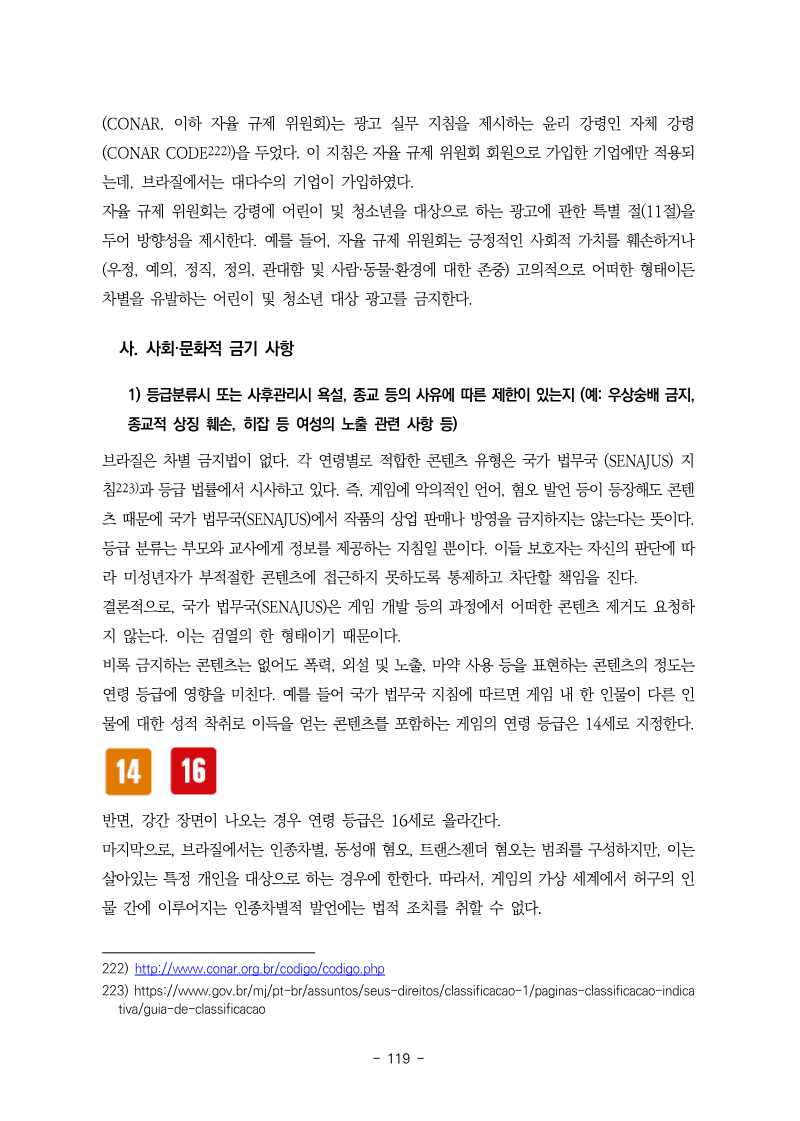
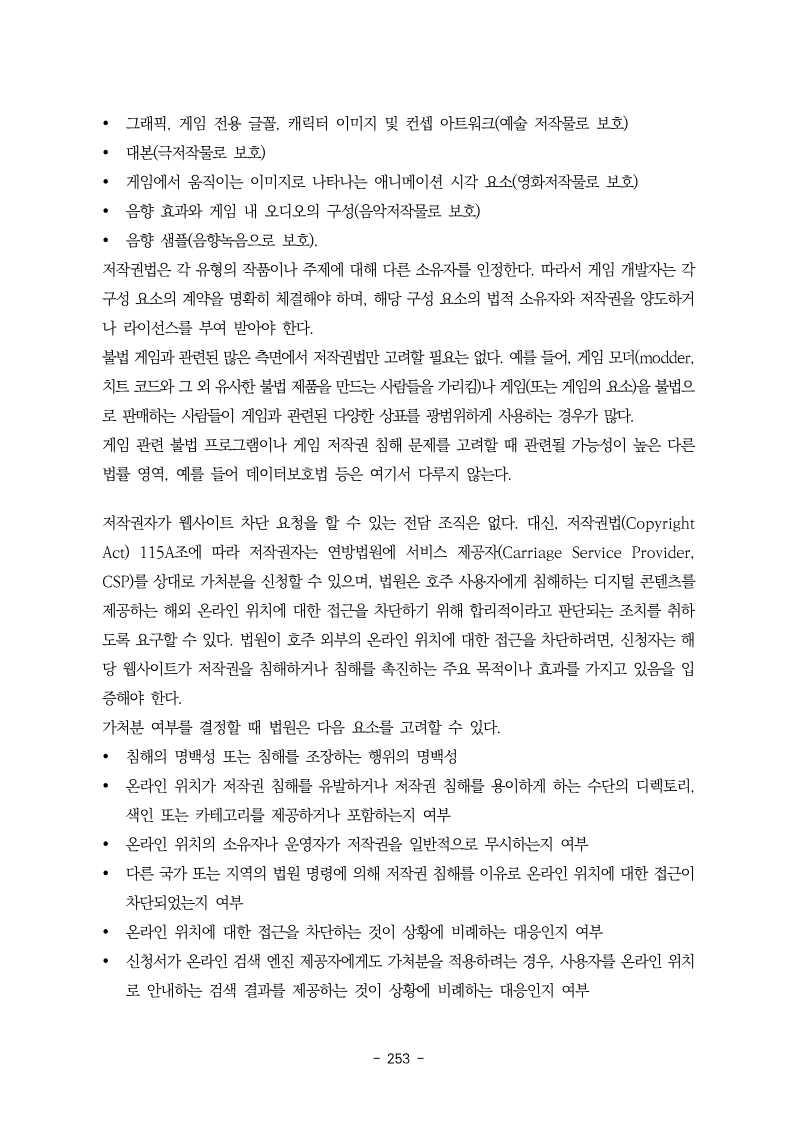
The 2024 Global Game Policy and Legislation Research Report provides a comprehensive analysis of the legal and regulatory environments for the game industry across five key export markets: Singapore, Taiwan, Brazil, Australia, and India.
- Data breach notification timelines are increasingly aggressive, with India requiring reporting within six hours for specific incidents and Brazil mandating notification within three days.
- Taiwan and Australia require foreign game entities to maintain a local business presence or appoint a local representative to operate legally.
- Regulatory oversight on loot boxes and simulated gambling is tightening, with Taiwan and Australia currently enforcing the most stringent restrictions on probability-based items.

TWIG #314 Market Predictions, Nintendo Leaks and an Award Ceremony
The gaming industry is currently navigating a period of significant volatility, characterized by a stark contrast between high-stakes venture capital activity and widespread operational instability.
- The gaming industry is experiencing a bifurcated market where speculative capital continues to flow into Web3 and metaverse projects, exemplified by Infinite Reality’s $12.3 billion valuation, despite widespread operational instability and layoffs throughout 2024.
- Success in the hero shooter genre is increasingly dependent on high-frequency content cadences, as demonstrated by Marvel Rivals successfully challenging established titles like Overwatch and Apex Legends.
- Major industry players such as Ubisoft and Embracer Group are undergoing significant reputational and operational damage, signaling a broader market rejection of unsustainable growth models and massive corporate restructuring.

Inside NCSoft: Strategy, Partnerships, and Korean Gaming Trends
NCSoft’s strategic evolution reflects a broader transition within the Korean gaming industry, moving from rigid, subscription-based PC models toward diversified, globalized revenue streams.
- NCSoft shifted its business model starting around 2008, moving away from rigid subscription-based PC gaming toward diversified revenue streams driven by microtransactions and mobile platforms.
- The company’s internal transformation required integrating data science and artificial intelligence to refine player engagement and support large-scale international expansion.
- The Korean gaming market leverages high-density infrastructure and a history of PC-cafe culture to act as a primary testing ground for global-scale mobile and technological innovations.

🏆 The 2024 Golden TWIG Awards: an Unfiltered Gaming Industry Award Show
The 2024 gaming landscape is defined by a stark dichotomy between the resilience of agile, creative titles and the systemic failures of high-capital, venture-backed enterprises.
- The gaming industry experienced a significant contraction in 2024, resulting in approximately 14,600 layoffs as companies corrected for post-lockdown operational bloat and inflated valuations.
- Despite broader industry struggles, Steam reached a record-breaking 39.3 million peak concurrent users, demonstrating that consumer engagement remains high for platforms that successfully capture market demand.
- High-capital, venture-backed AAA projects are increasingly viewed as unsustainable, evidenced by the failure of titles like Concord and Squad Busters to achieve market fit despite massive development budgets.