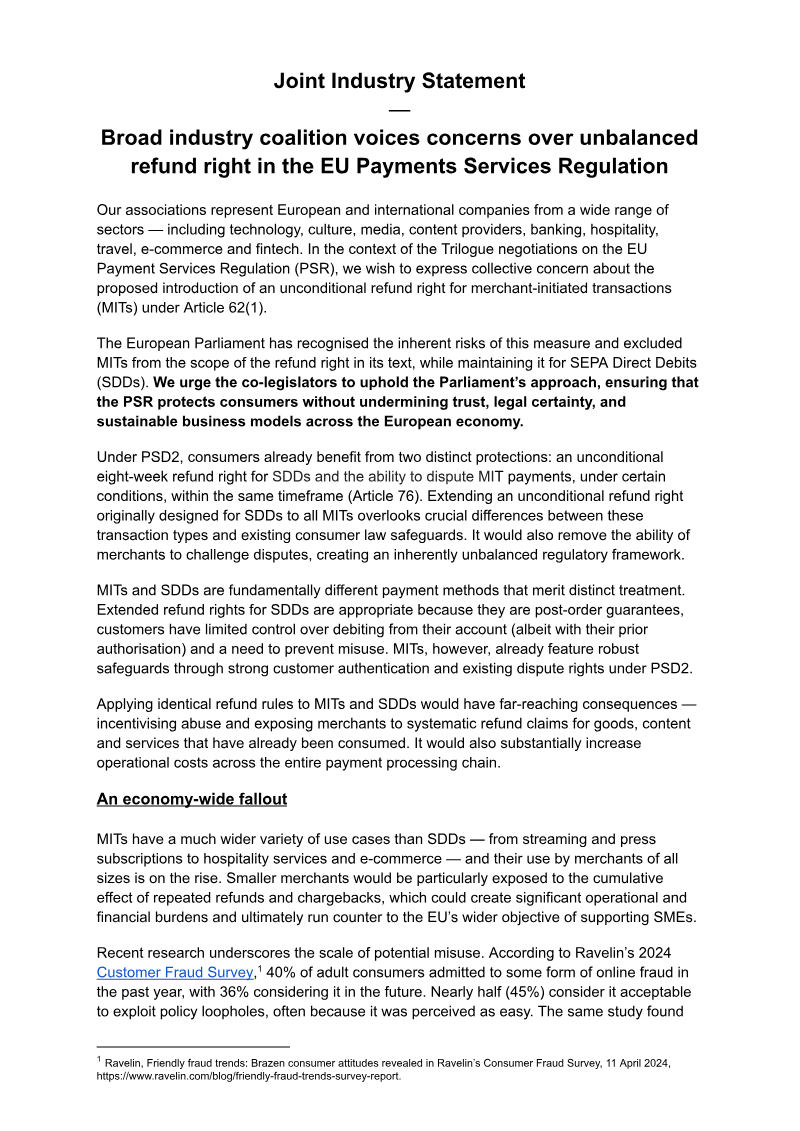
A coalition of European and international industry associations representing technology, media, banking, hospitality, travel, e‑commerce and fintech firms has voiced collective concern over the proposed unconditional refund right for merchant‑initiated transactions (MITs) in the EU Payment Services Regulation. The central argument is that extending the eight‑week unconditional refund provision, originally designed for SEPA Direct Debits (SDDs), to all MITs would create an unbalanced regulatory framework that undermines legal certainty, increases fraud risk and jeopardises the sustainability of many business models across the European economy.
The coalition points to existing consumer protections under PSD2, which already grant an unconditional eight‑week refund for SDDs and a conditional dispute right for MITs, as sufficient. It cites a 2024 consumer fraud survey indicating that 40 % of adults admitted to some form of online fraud in the past year, 45 % view exploiting policy loopholes as acceptable, and 26 % regularly use multiple accounts to obtain free digital content. Extending unconditional refunds to MITs would likely amplify these behaviours, exposing merchants to systematic refund claims for goods and services already consumed.
Sector‑specific analysis highlights heightened vulnerability for digital content providers, hospitality operators and subscription‑based e‑commerce services, where unconditional refunds could erode revenue predictability, increase operational costs and strain smaller merchants. The coalition warns that such outcomes run counter to EU objectives of supporting SMEs and maintaining a trustworthy payments ecosystem.
The position urges legislators to retain the refund right exclusively for SDDs, rely on the existing PSD2 dispute mechanisms, and await the forthcoming Digital Fairness Act before introducing additional consumer‑protection measures in payments law.
Video Games Europe · 2026

Video Games Europe · 2026

Video Games Europe · 2026

Video Games Europe · 2026

Video Games Europe · 2026

Video Games Europe · 2026
Video Games Europe · 2025
Video Games Europe · 2025
Video Games Europe · 2025
Video Games Europe · 2025
Video Games Europe · 2025
Video Games Europe · 2025
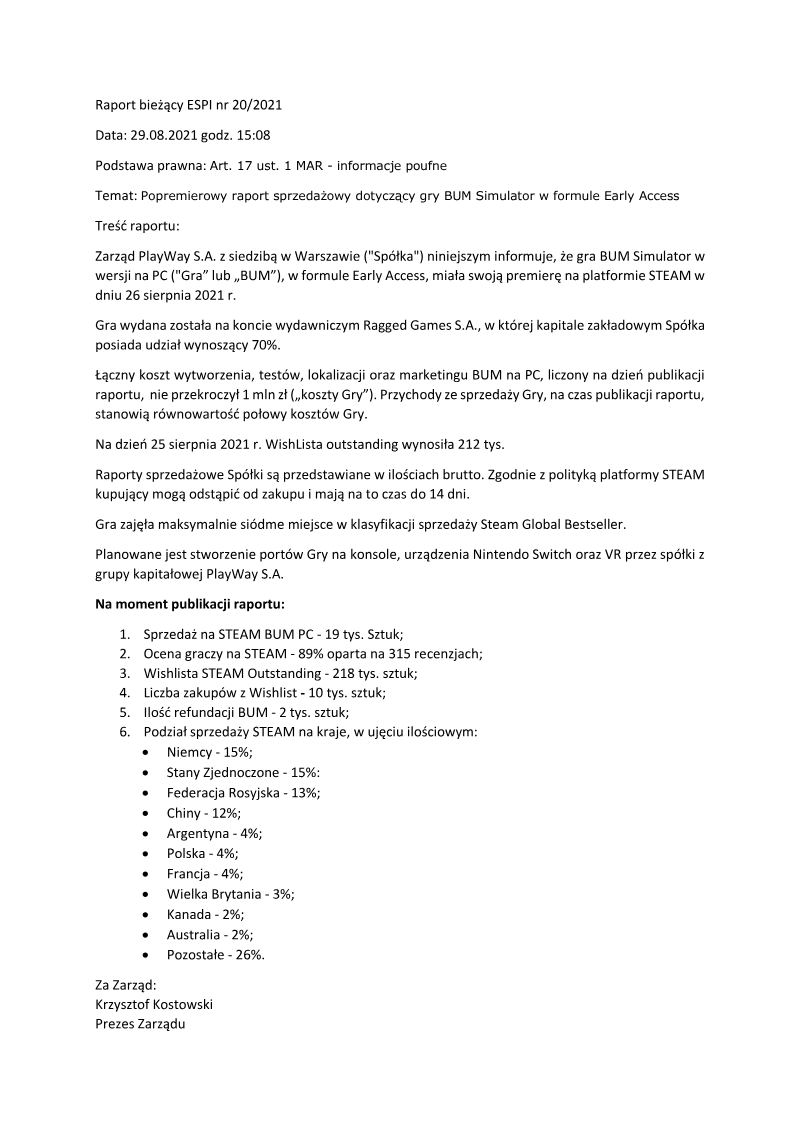
PlayWay · 2021
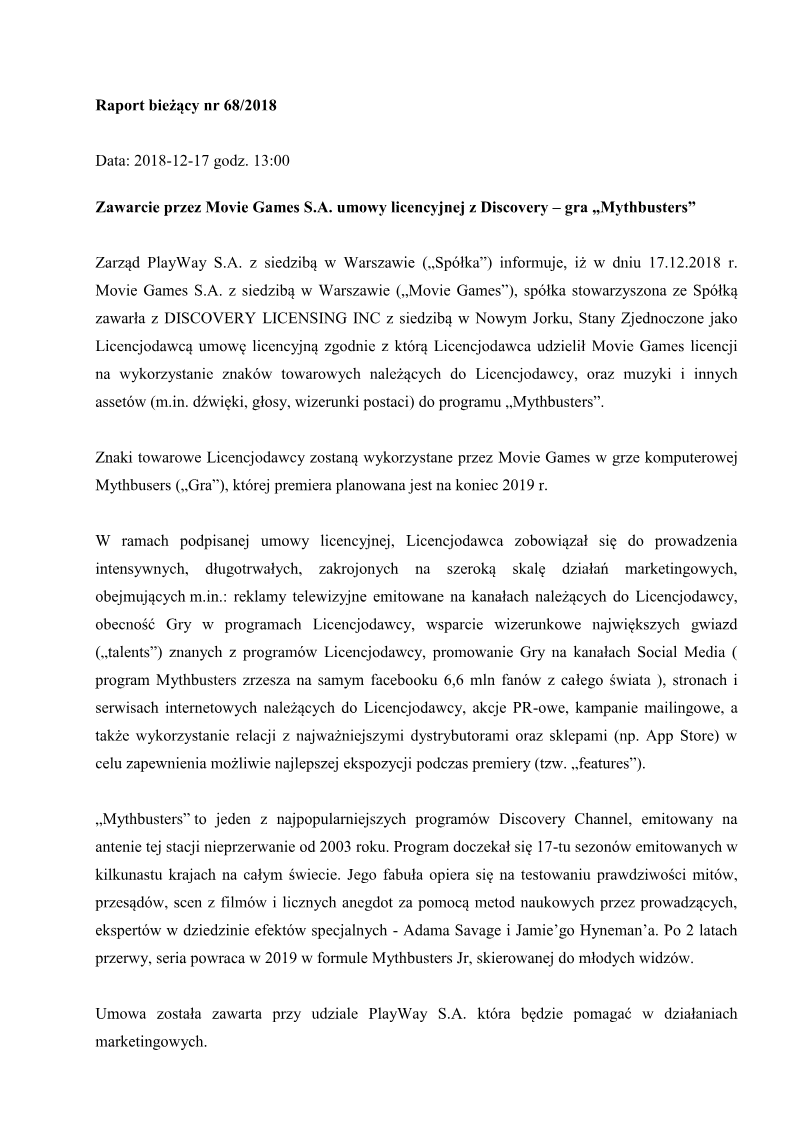
PlayWay · 2018
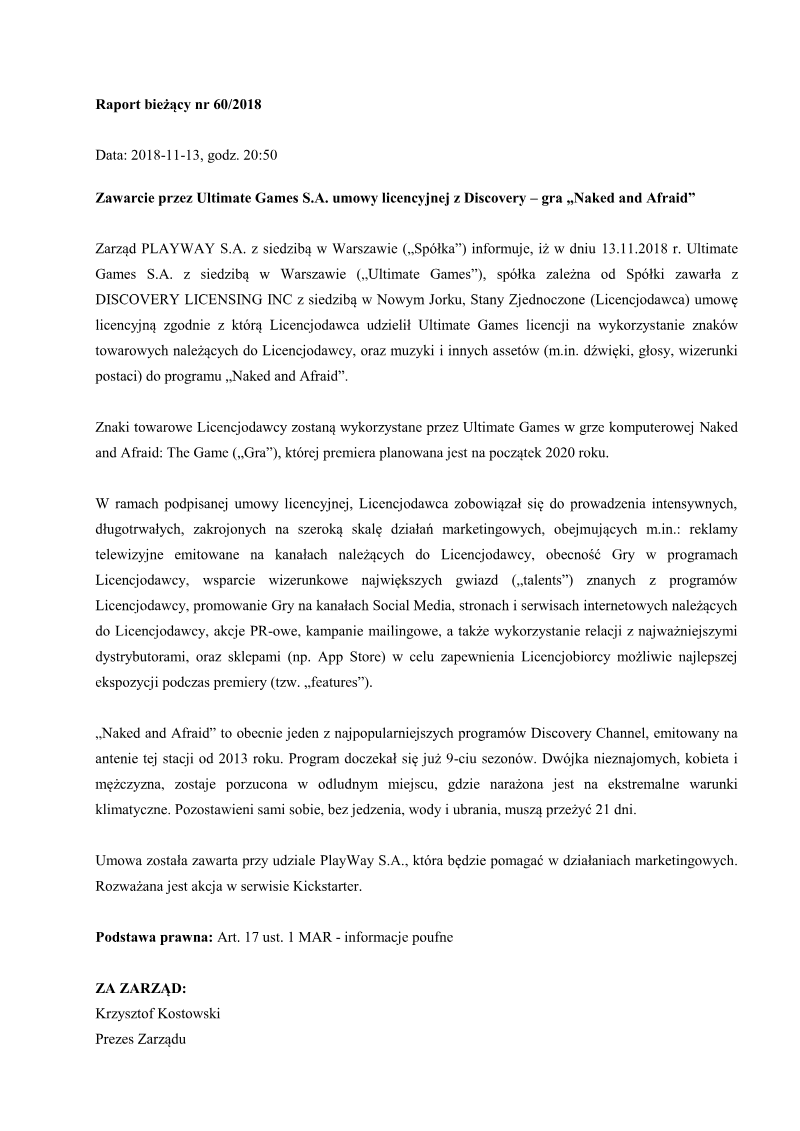
PlayWay · 2018
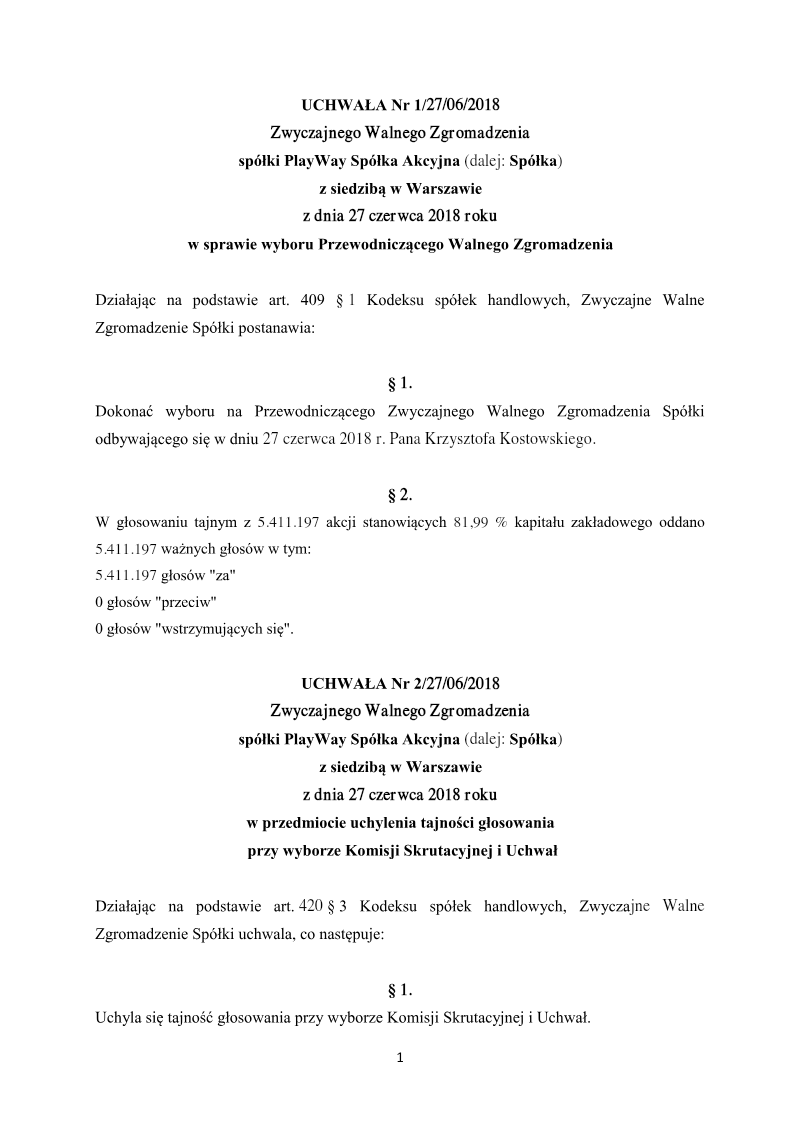
PlayWay · 2018
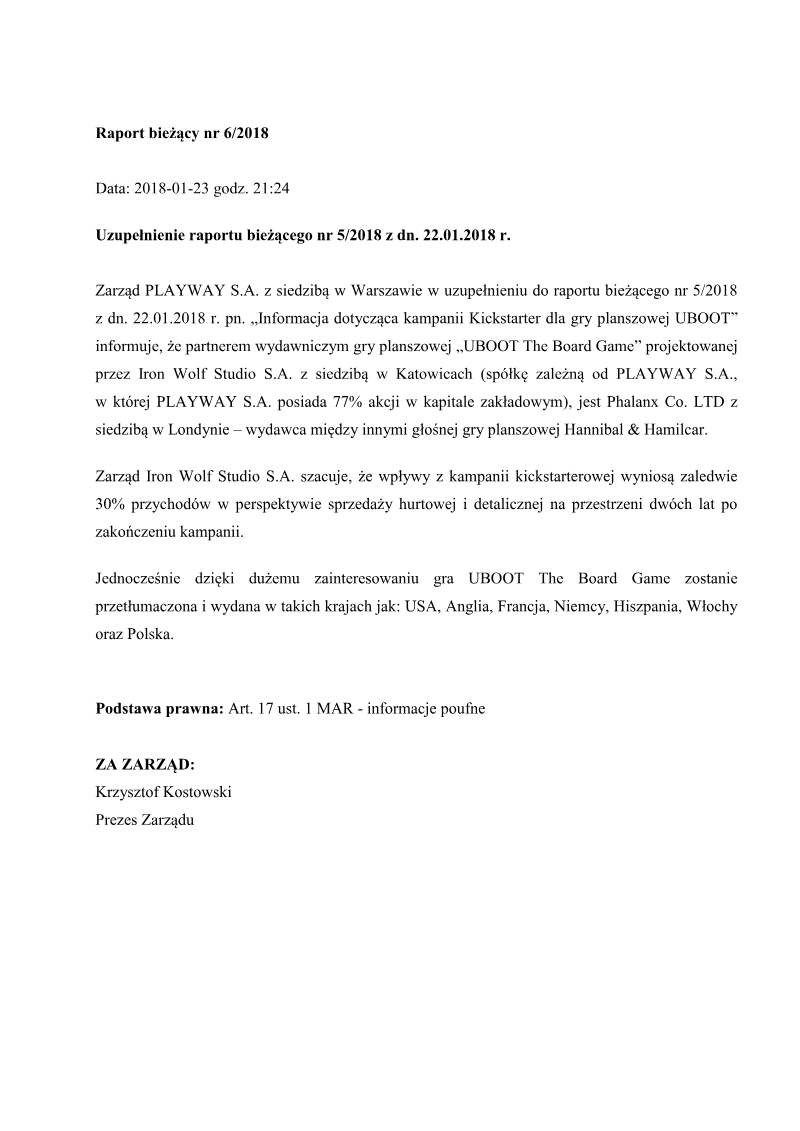
PlayWay · 2018
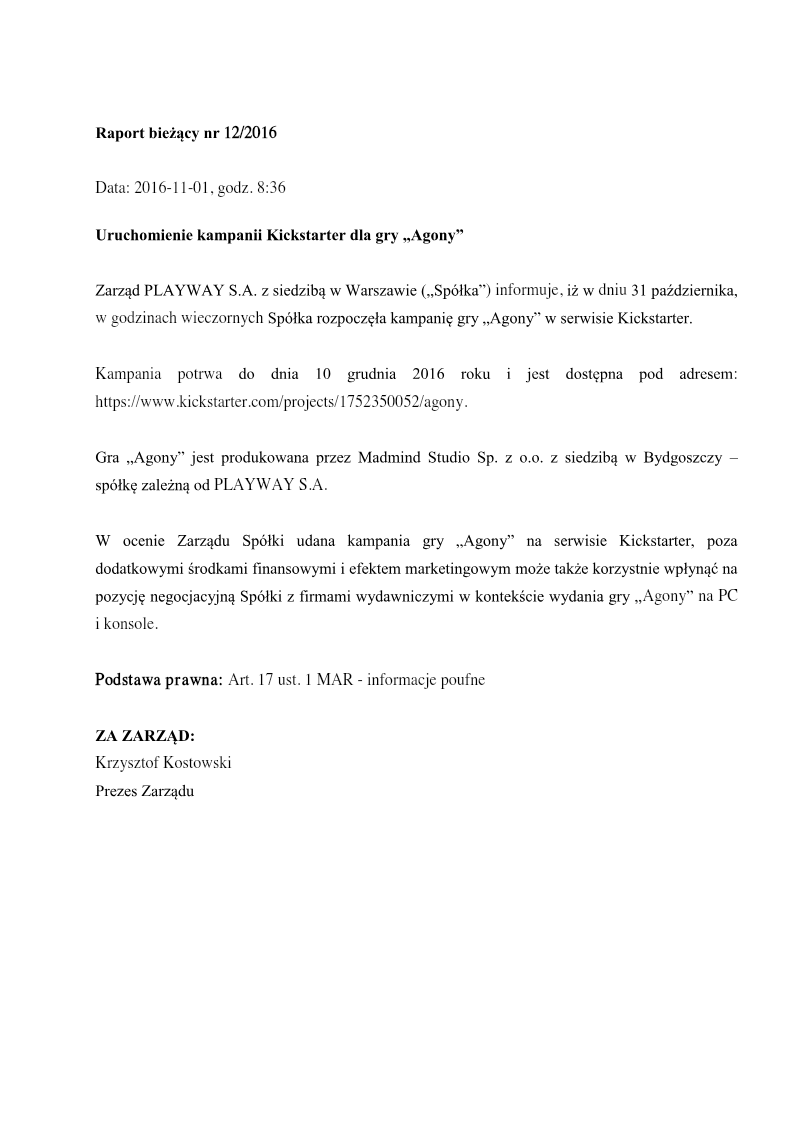
PlayWay · 2016

AEVI
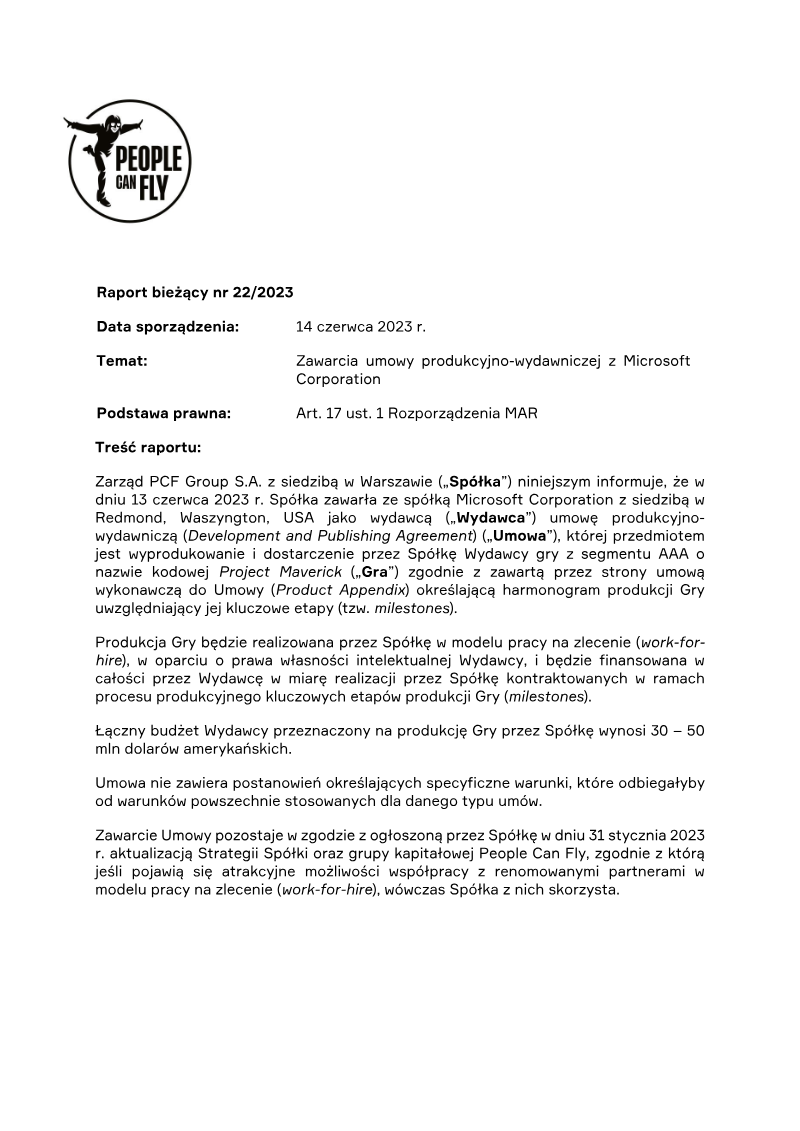
PCF Group · 2026
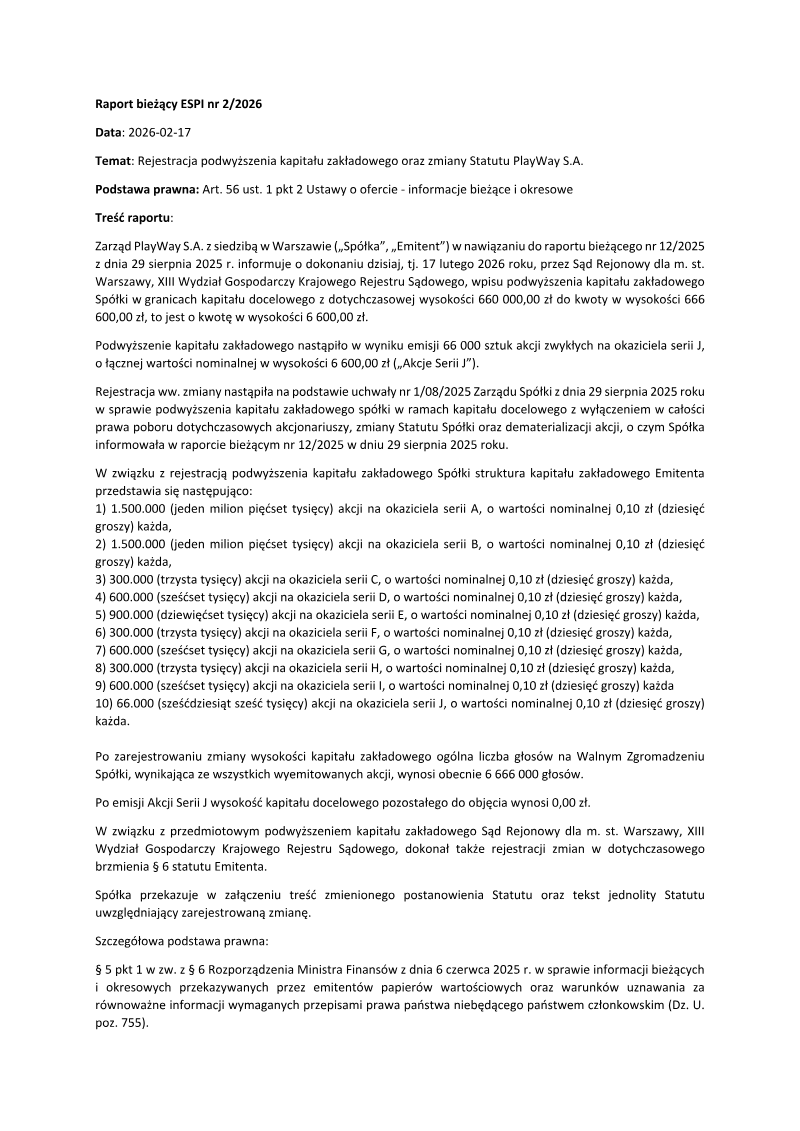
PlayWay · 2026
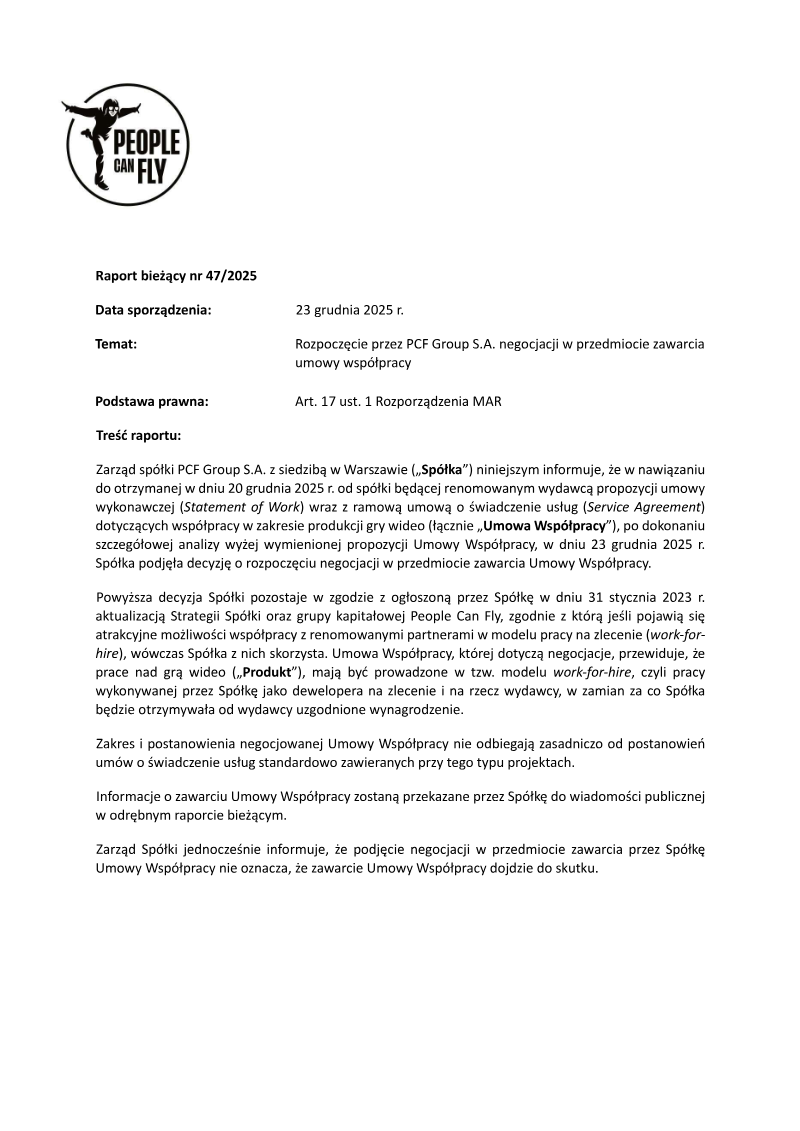
PCF Group · 2025
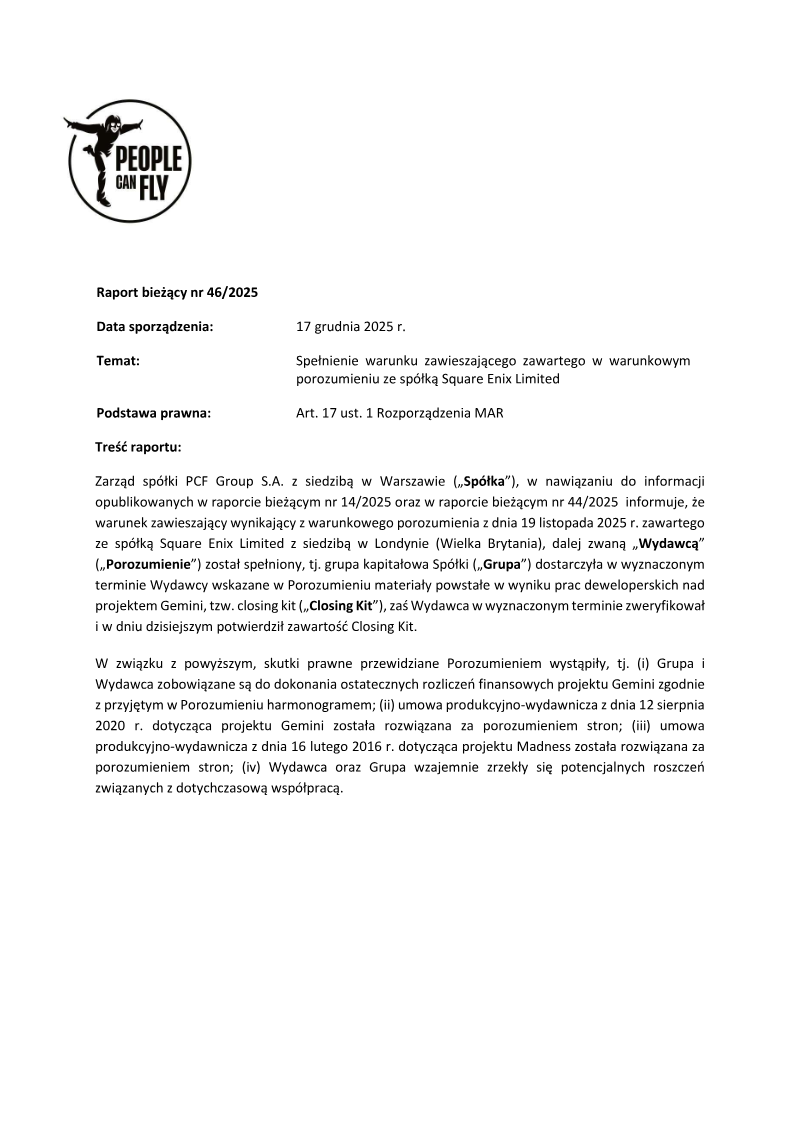
PCF Group · 2025
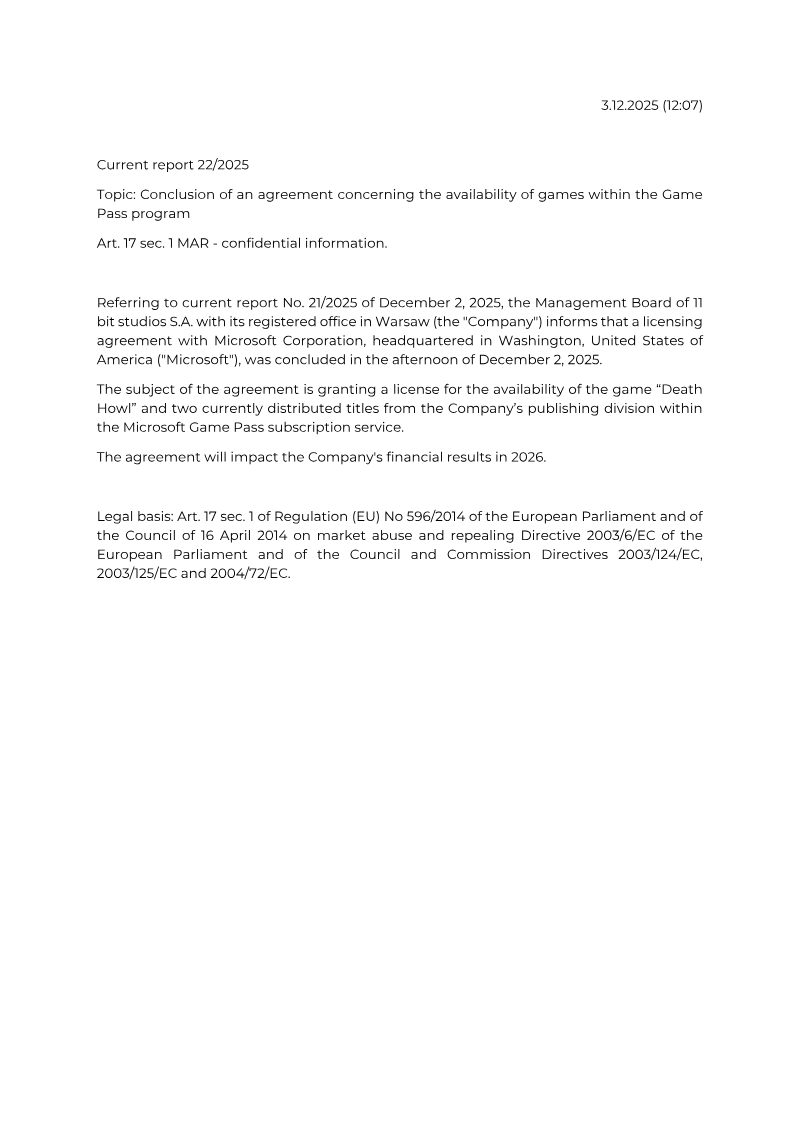
11 bit studios · 2025