The guide explains the tax framework that applies to video‑game companies operating in Spain, outlining both mandatory obligations and the range of incentives available to reduce fiscal burdens. It establishes that resident legal entities must pay corporate income tax at 25 % of profit, value‑added tax generally at 21 %, and the Economic Activities Tax, which is exempt for the first two years or for turnover below €1 million. Non‑resident individuals and firms are subject to the non‑resident income tax, with rates of 25 % when a permanent establishment exists and 19‑24 % otherwise, and must file the appropriate IRNR forms within prescribed periods. Personal income tax for self‑employed developers ranges from 19 % to 47 % depending on income level, and withholding obligations apply to employee and contractor payments.
Key fiscal incentives include a research and development and technological innovation deduction that allows a 12 % credit on qualifying expenses, capped at 25‑50 % of the tax liability, and a patent‑box regime that reduces the taxable base on income from patents, utility models, designs, and advanced software. The Start‑ups Law offers a reduced corporate tax rate of 15 % for four periods and defers advance instalments, while small entities with turnover under €10 million benefit from accelerated depreciation, finance‑lease deductions, and an equalisation reserve that can lower the tax base by up to 10 %. Companies located in the Canary Islands can access the REF and ZEC regimes, featuring a 4 % corporate tax rate and exemptions on property‑transfer and IGIC taxes when specific investment and employment criteria are met.
The guide also lists practical tools to support compliance, such as the tax‑agency’s query database, an annual calendar of filing deadlines, virtual assistance services, and a telephone help line. It emphasizes the need for proper registration, reporting of activity start‑up and cessation, and electronic filing using certified certificates, ensuring that video‑game developers can meet statutory requirements while exploiting available tax efficiencies.

AEVI · 2025

AEVI · 2025

AEVI · 2025
AEVI · 2025

AEVI · 2025

AEVI · 2025

AEVI · 2025

AEVI · 2025

AEVI · 2025

AEVI · 2025

AEVI · 2025

AEVI · 2025
PCF Group · 2026
PlayWay · 2026
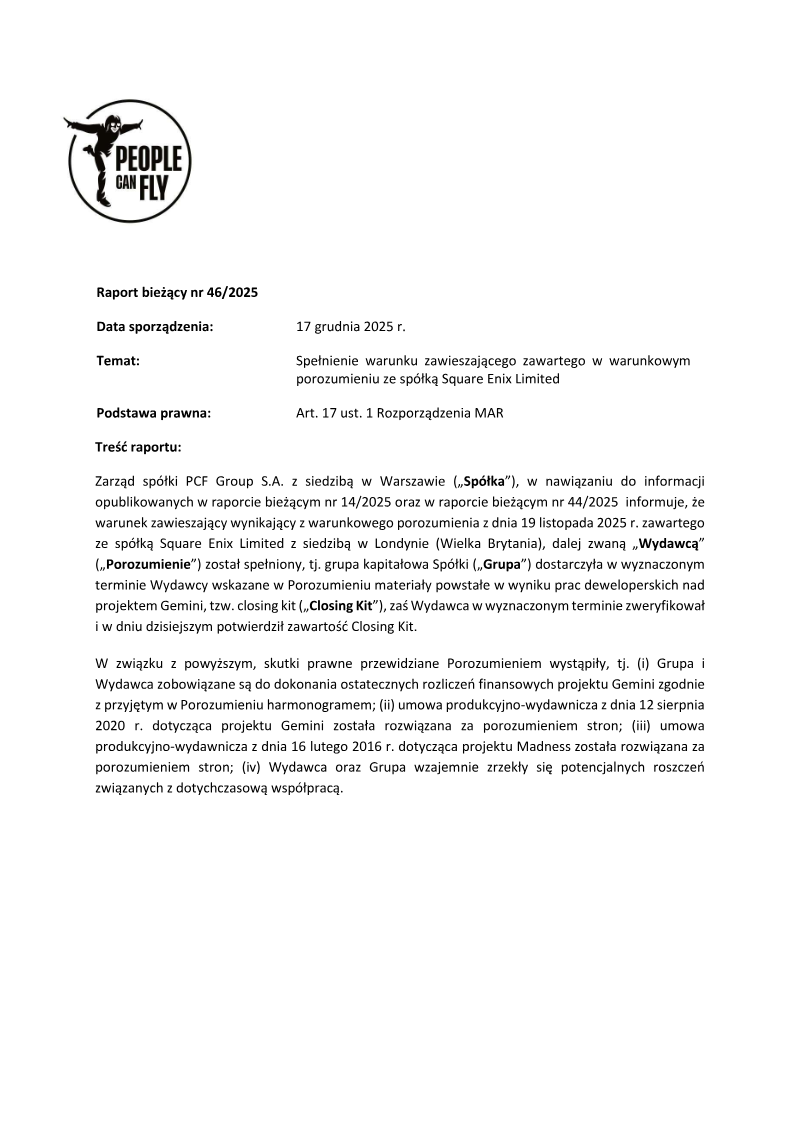
PCF Group · 2025

Direcció General d’Innovació i Cultura Digital · 2025
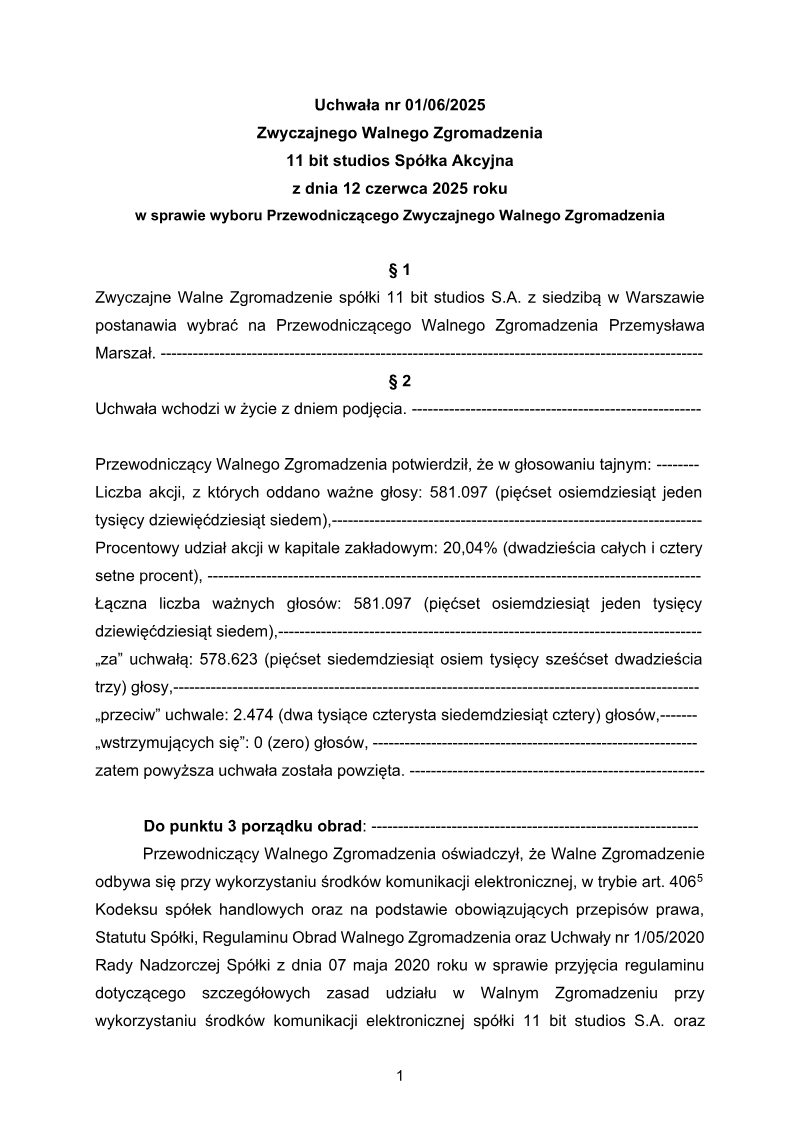
11 bit studios · 2025
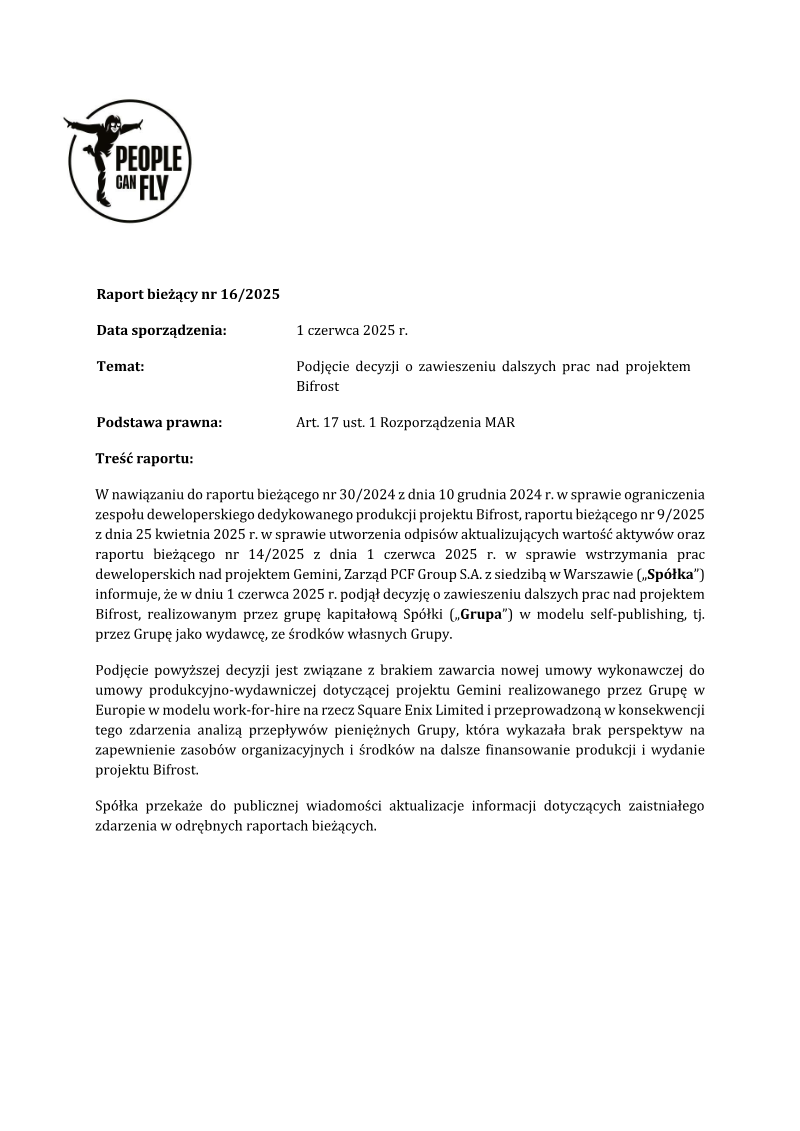
PCF Group · 2025
11 bit studios · 2025
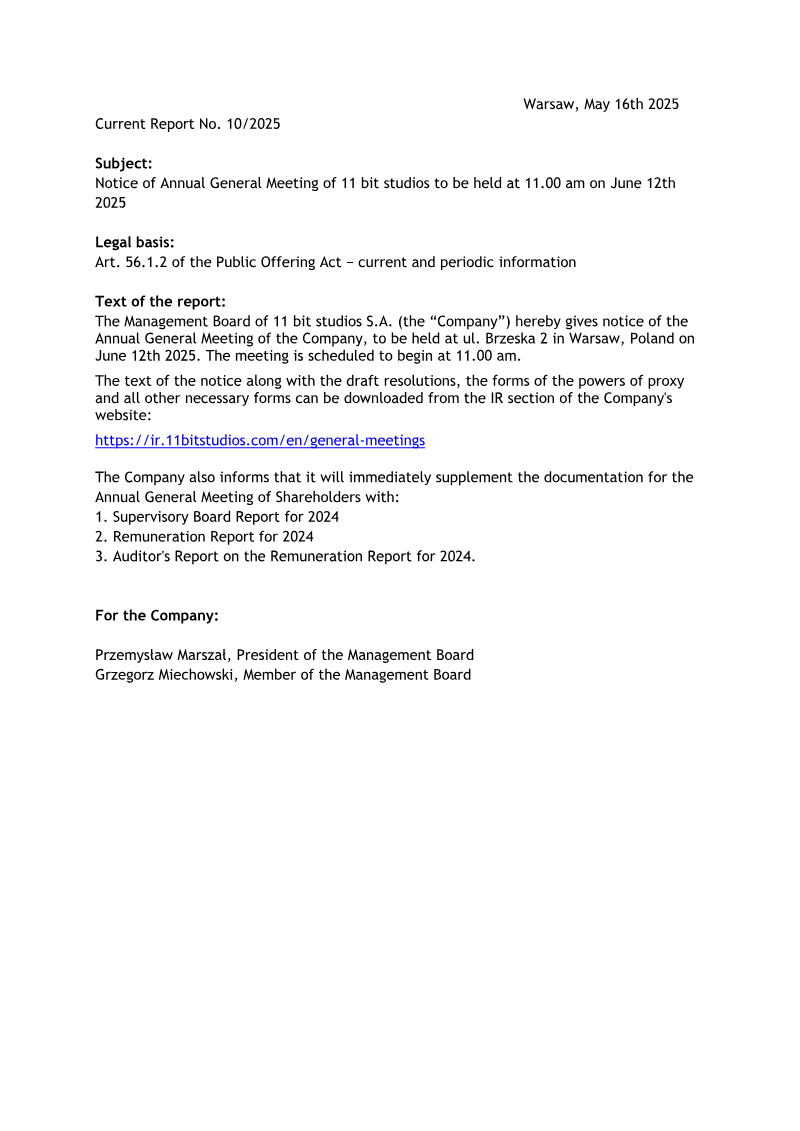
11 bit studios · 2025

11 bit studios · 2025

11 bit studios · 2025
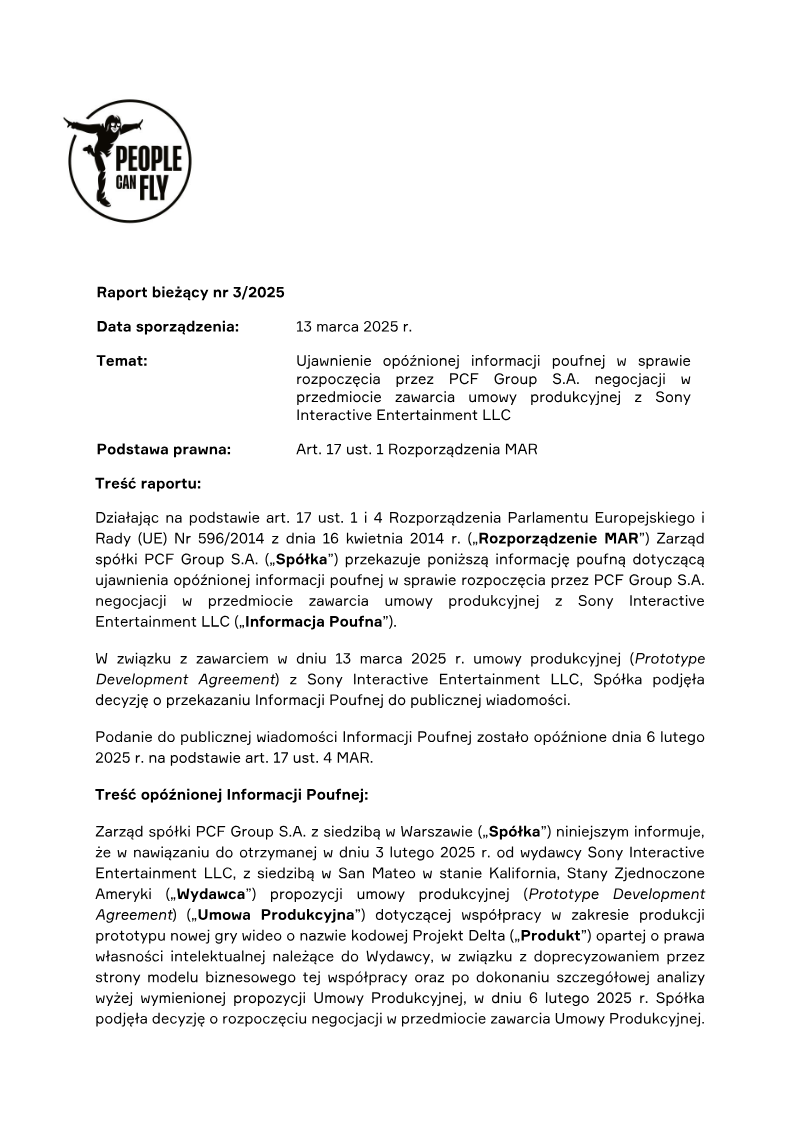
PCF Group · 2025
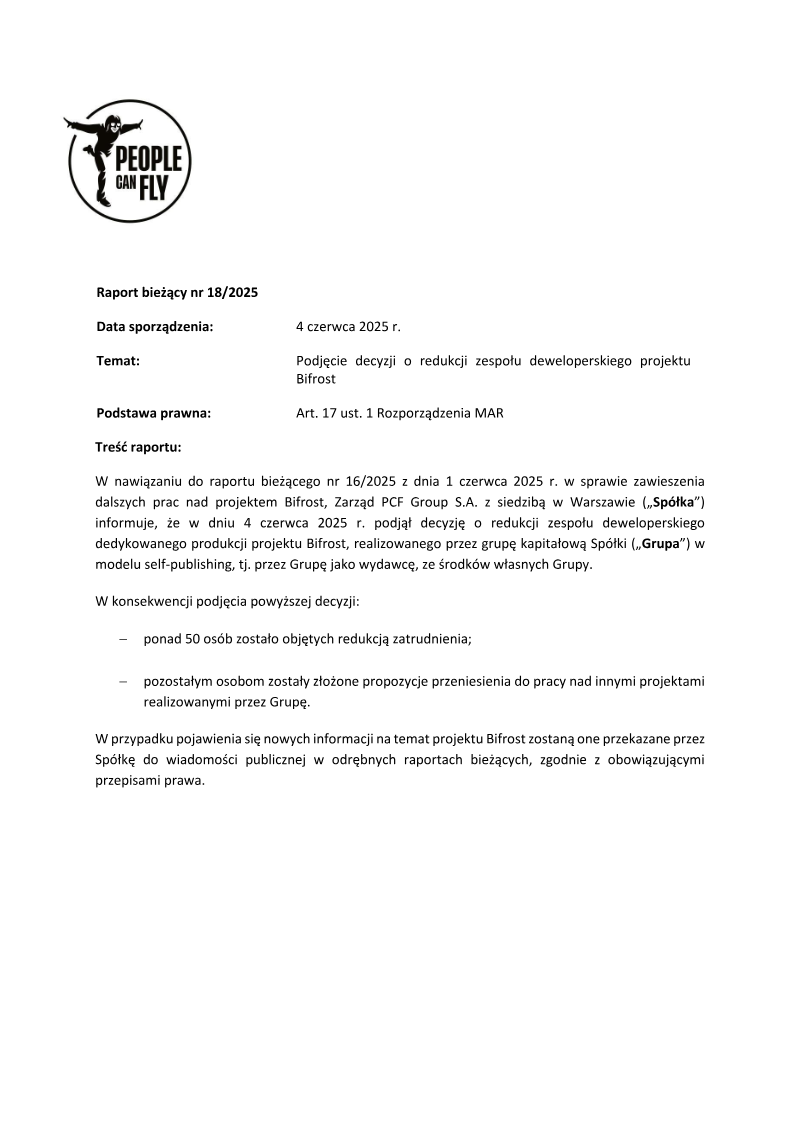
PCF Group · 2025