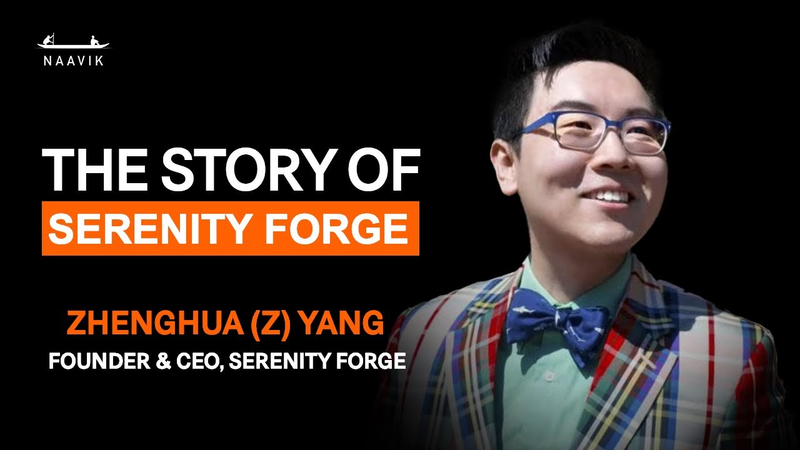
Transcript
[Music] welcome to the navic gaming podcast where it is our mission to explore the business and future of video games we bring together the industry's brightest Builders investors and thinkers to keep a pulse on current events dissect emerging Trends and games share Lessons Learned and have a great time this podcast is also part of novic growing ecosystem which ranges from free and premium research to Consulting and AD advisory services for more information visit [Music] www.nic.edu including AWS services like Amazon gamelift as well as solutions from AWS Partners to help game developers build run and grow their games these Solutions simplify how you use use AWS making it
easier to select the right tools for your desired use case this reduces the time and investment required for game developers to adopt the cloud leaving more time to innovate and Achieve faster time to Value AWS brings over 15 years of experience supporting transformation for game developers including Riot games scopely second dinner Behavior interactive and Nintendo with hundreds of millions playing games built on AWS for games thousands of AWS partners and teams of AWS Solutions architects around the world your game is in good hands within the AWS Community for more information visit aws.amazon.com slam or simply check out the link in the show notes now let's jump into the episode hi everyone I'm your host Aaron Bush and today we're diving into the world of publishing this corner of the market has seen all sorts of Evolutions
in recent years like the rising number of games being developed a changing marketing and media landscape the emergence of subscription services and much more and to help us figure out what's going on here and what it takes to win as a publisher in today's market I'm delighted to welcome Z Yang the founder and CEO of Serenity Forge to the podcast today we'll dig into all things Serenity Forge plus the present and future of publishing but Z it's great to have you here welcome to the Pod yeah thank you so much for having me really glad to be here yeah I'm really excited about this conversation but I think the best place to start is with your story Z When I Was preparing for this interview I saw a touching YouTube video that tells the story about how you got into gaming and how that eventually led to the creation of your business Serenity Forge so would you mind sharing that story with our audience today yeah absolutely so so I'm I'm Z I mean I started off uh as a a kind of a first
generation immigrant I suppose uh from from China moved to the US when I was 10 years old and uh and really kind of what what got me into gaming was being a gamer you know I played a ton of video games as a kid uh and as it turns out maybe played a little too much uh what happened was that uh when I was 18 years old I was diagnosed with a very serious illness uh I was actually told uh on that day that I only had just a couple hours left uh to live um so it was a it was a very difficult moment um I ended up having to go through a lot of treatment obviously I survived the night uh but as a result I had to drop out of school I had to kind of be hospitalized for two years uh going through chemotherapy and all sorts of experimental treatment um so you know as a teenager that was a really difficult moment in my life and uh and also if you think back to your teenage years it's a very easy way for you to just fall off the the face of the planet I mean how many people you can think of in your high school college day is that like where are they now who knows right and and that's just of I was one of those
data points in someone's life um so what happened is that while I was going through a lot of treatment uh I kind of had to turn to other ways to kind of stay around and then stay alive and stay okay uh so I started playing all sorts of video games again uh you know I was playing all all these single player games games like Final Fantasy it made me feel like a hero going out there saving the world uh games uh multiplayer games games like League of Legends or Minecraft you know making all these friends online friends from all over the world who like barely spoke English Eng but they're able to check in with me every day to see whether or not I'm taking my medicine whether or not I'm getting the proper amount of rest and eventually I was even able to be connected to some of the world's best hematologists through my friends through some MMOs that I was playing uh who kind of worked in their offices uh and I was able to fly out to you know Seattle to visit these hematologists who gave me critical advice and and very important uh information on how to to be okay and uh and you know ultimately you could certainly say that video game GES saved
my life uh about two years into treatment I was able to kind of get better enough to go back into school and uh so I transferred back to to CU Boulder in Colorado uh but I was thinking to myself in my first year of school you know these games like League of Legends they're not made to help me right but in the end they saved my life yeah what if I start designing and creating video games with intention to help other people what kind of power would that be able to unlock so that's when I started getting into making games when I first started I literally just started sitting into the back of programming classes that I didn't want to pay for started taking notes borrowed books from the library learn how to make my own games and my first year of school I was able to release my first video game that I made uh which was a visual novel nonfictional story based on my personal illness and experience going through it about a month after I released the game just for free online it's like a 40-minute story it's very short about a month after I launched the game um I got a email from a kid uh in Spain uh he was a teenager and he was
emailing me to thank me he apparently it turned out that he has been struggling with depression his whole life and he has been actually uh planning for his own for taking his own life um and while he was doing research online he came across my game he played it and inspired him so much that he decided to put a stop to his plans enroll into a game design school so that he could start making games to share his own experiences um as a freshman in college I did not make a million dollars overnight but I thought to myself maybe I saved someone's life by making a video game maybe I I'm on the right track and I should keep doing that so basically then throughout the rest of college I kept on making games I dragged other friends into working on games together graduated school in 2014 kept on doing the same thing and this year is our 10 year anniversary making video games you know really doing the same thing but on a much larger scale obviously uh so that's kind of how all of this started u but yeah I mean it's a it's kind of a interesting way to kind of start a company um but obviously it's very personal and definitely very much fuels
our current Mission and Ambitions well congrats on 10 years that's a big milestone and also I mean just a lot of respect towards your ability to go through a hard time yourself and find a way to almost jiujitsu move it to uh figure out how to turn it into something that also helps other people it it really is inspiring um could you also maybe just tell the next like of the story of you know you you have this this business now you've been developing games um how did you go from making your own games um to deciding to turn it into a bigger business that now includes publishing how did all of that come together yeah yeah absolutely this is actually a really cool story so so when I was a senior in college my last year of school at that point I was already putting my games onto then the Wii U and Xbox One and you know some of these consoles out there uh you know being able to it it was literally just like us taking a call in the basement protect we're real business in front of Nintendo
trying to get yeah giving us but we were able to do it and we already started putting our games on there um so one year uh so so so basically that year for um for packs uh we were we we submitted our game for packs for Indie Mega Booth uh it was accepted but then we realized the fees were way too expensive we're just just a bunch of college kids living on Ramen there's no way that we could fly out to Seattle show our games buy a booth all of that stuff um so at the time we thought okay well it's was cool that we got selected too bad we can't go but then we randomly received an email from another game developer uh his name is David bour uh and he basically said hey you know just wanted to let you know I'm gonna pay for your booth because I think you guys are cool so come on out to Seattle let's hang out wow I thought wow that was that was really neat uh so basically we we went out showed our game for the first time at pa uh and had a great time there ended up you know really kind of building out the team from that perspective but also that meant we got connected Ed to uh David
who who now goes by aen um so so aen and I had had dinner and as it turns out that they had a really difficult time uh working with their publisher uh for their game at the time lifeless Planet uh so they said well if you are currently already putting games on consoles why don't you just Port our game and put it on consoles and press the launch button for for me because I don't want to deal with that myself I said sure yeah why not I love the game really appreciate you sending us out here so we ended up working together we p and published lifeless Planet which was the first game that we published for another developer uh the game ended up generating $34 million in sales I think uh to date uh ended up uh you know I I think we reached somewhere around 10 million uh you know downloads at this point across all the platforms so it ended up doing really well especially for a college kid uh so that's basically kind of how the publishing got started uh we realized that maybe we're onto something there and we should keep on helping our friends you know release their games do the marketing thing and and get the the word out there the
really interesting part of the story is that over the next 10 years we continue to work with them on all sorts of different games lifeless Moon being one of the games that uh we released a few years ago and actually we just announced this about a month ago that we have acquired uh their Studio entirely and alen is actually now a full-time employee working on some new titles here at Serenity Forge so it really kind of came full circle after these 10 years how all of this stuff got built that's awesome well let's Zoom forward to today I could talk about all all of the various history and games you've worked on for this entire hour but uh let's go ahead and zoom forward to to right now what all does serenity Forge currently do and maybe you can help us better understand the type of games or publishing deals you currently focus on before we recorded we were struggling to you know Define this exact corner of the market you know we don't really like triple ey as a definition like it's you know right below double A but you know maybe without even putting a title on it maybe you can just explain like what you
focus on in the range of what you do at Serenity Forge yeah absolutely I think I think we can talk about sizes you know that's always an easy way to start uh Serenity Forge is about 40 to 50 people currently uh we primarily are located in Boulder Colorado but we actually just started a new European Branch last year in Budapest Hungary there's just a ton of talent uh in the Eastern Europe and and we we realize that that's just a great way to have a stronger Global footprint I was a first immigrant from China so I'm fluent in Chinese so as a result a lot of the things that we do are actually very Global despite the fact that we are uh you know uh kind of more more American to to start um so with that said in terms of games that we do uh the the serenity Forge vision statement is that we create meaningful and emotionally impactful experiences that challenge the way you think so what that really means is that the the anything that we do has to be very meaningful good for society pushing the world forward making a strong positive difference for our world if a certain
product is not really designed to make a good movement I guess for for society then we're generally not interested in engaging with it the second most important part here is that we also uh need strong emotional impact uh you know like I usually tell people a dialysis machine is very good for the world but there's not much emotional impact there it's not quite entertainment it's not quite what we do so whatever it is that we do has to generate strong emotional impact whether it may it be uh you know comical hilarious really funny or it be traumatizing sad or depressing either way it has to be something that's strong um so those are really the kind of the main points now when it comes to actual project size it could be all over the place uh you know honestly it ranges from you know $5,000 projects all the way to multi-million dollar almost you know eight figures in terms of size so so really could range quite a bit because for us it's not necessarily about uh funding or whatever it's more about the core message of we're trying to tell because even the smallest games
out there could reach very large audiences in fact the our most well-known title doky DOI literature club uh we just announced uh yesterday that the game has received uh we have reached 30 million players around the world uh as of as of you know just a few years after launching the game uh and uh and we have an even more exciting announcement coming pretty soon which by the by the podcast uh it would already be live which is that we are going to be releasing the game on mobile for the first time so so we we were able to reach 30 million players even without the mobile platform and we're now going to be pushing it to even larger audience so so over and this is a game that's basically developed by one person so so it goes to show that it doesn't need to be a you know big budget game for to have a l huge reach now lastly to kind of talk about the the pipeline operations as you can probably see behind me uh at least on video uh there's a lot of games toys merchandise statues characters books uh yeah we have there designed and created all of these
and distribute them globally uh so not only do we make video games from scratch we release and publish and Market games to support it we also do physical publishing distribution uh and and kind of merchandising around the world um one of the main things here is just that because we want to create meaningful games for everyone in the world we have to first make sure that everyone in the world is able to consume it so you know the people who are Grandmas buying games at Walmart for their kids we want to be able to support that we want to be able to support uh kind of the you know games being gray imported into China or maybe you know people who are playing games because they don't have even though they don't have wireless internet access to download them these are all uh audiences of Serenity Forge so uh as a result we also really much uh very much focus on kind of mass retail distribution selling games on the stores uh sore shelves U so yeah that's kind of in a nutshell what Serenity fores that's awesome and yeah you guys are cranking out those Milestones left and right lately which is which is awesome um we'll dig much
more into the specifics of Serenity Forge how you think about your own business um but I thought it would be smart to and helpful to just ground our conversation a bit more in your broader views of this publishing landscape right now um and I guess the big picture question to to kick this off and then we can get into more detail is just when you look back over the past decade what Market shifts have impacted the way that your team develops and publishes games the most like what what in your thinking and way of working has has changed the most yeah yeah I think I think from anyone's perspective it's very obvious that the game industry became more you know quote unquote competitive um and I think I think that would be two two surface level of of an analysis of what's actually happening personally coming from the Creator perspective because we're we're creators we are game makers at heart um one of the most obvious things I think that is that is making the careers in the game industry more
dangerous is that uh people are just better at making video games now you know a lot of times you kind of see video games launching on Steam uh random Indie Games you know being launched 40 of them per day uh and if you look at each of these games and imagine that this game launched 10 years ago that would be like the game that everyone would be talking about for the next two months and everyone's going to be going crazy about but now it's just like some small project that no one's going to care about anymore that's kind of how the game industry is now and a lot of this I feel like you can compare it to other Industries you know early days of you know how books were handled in early civilization and and then event really kind of post Dante I would say like around the the Renaissance Era that's kind of when books became a form of entertainment you can kind of see how that eventually became where it is today more recent example obviously would be film the film industry how in the beginning was kind of seen as an art form and has a lot of experimental uh you know of distribution and kind of
people trying to figure out the details and now it's just like put on Netflix you know watch some stranger things and then you move on um so so I think the game industry is kind of going through its own version of Reckoning now the the difference though between the game industry and anything else is that a book's technology never changes a film's technology is always going to be one frame after another one that you're seeing on your screen but the game technology is always changing and so it doesn't really play fair by the rules like the other mediums and I think that's the thing the game industry continues to struggle with how is it that something like League of Legends and G home are in the same uh category of of entertainment the truth is that it's not but but game the game industry professionals and marketing professionals have to end up marketing it to the same people so then you have some really weird wacky situations uh kind of competing in that same space so so I think ultimately that's kind of my answer is that uh we are we are lucky in the sense that we're able to use history to kind of discover where we're going to be but also I guess similarly Lucky in
the sense that history is not really fully written yet for the game industry because we are in a very special circumstance special spot um so yeah it's a very exciting place to be and uh it's a great place for someone who is looking for Unique opportunities to really Thrive yeah change is the only constant in the bar is constantly getting raised but I'm curious from you know like a publisher standpoint how do you view operating in that challenge like like how are teams maybe yourself uh you know positioning yourself or making decisions in a way that you know you still feel confident about discoverability and people seeing what you're building when the market is increasingly competitive and better as you were saying yeah I think um I think as Serenity Forge one of the one of the things I always obsess about is diversification and I know everyone says that but like the way I think we diversify is a lot more um it's a lot
bigger uh it's a lot bigger wider view I suppose um you know when when typically when you talk to a game publisher their version of diversification is typically oh we're gonna sign a you know MMO but we're also gonna sign a you know Rog like to make sure we diversify um I mean sure that's that's great but ultimately every single game is a different product and your Rogue like is probably not going to be dead cells so so it's not actually all that easy for you to just say that that version of diversification diversification actually even matters I mean you might just be wrong in selecting the wrong teams or products it's not actually making things that much safer sure it's better than putting all your money into one video game obviously but it's like good job you're trying but I I think the way that we approach it is always kind of this looking at the medium looking at the society and then seeing what is being demanded out there and then we kind of focus back onto our company vision of meaningful and emotionally impactful experiences and then thinking about how we can deliver that because ultimately
meaningful emotionally and emotionally impactful experiences are Timeless and they're always going to be demanded because we're human so as a result as long as we're able to support those core pillars then we don't necessarily need to just do one thing so for example we are a developer game developer and publisher we're able to make games that's funded by other partners we're able and and we are actually several um personally directing some of them we are able to create games which then we can self-publish that's also really interesting because were able to now have the pipeline to fully support something without any Partners involvement now we have that Avenue we're a publisher we're able to sign other Talent talented people's games without having to be you know fully invested in the pie but invest enough so that we have a certain amount of safety and capitalize on something that's that ends up being strong that's really good but then we also go into being a physical publisher we're not just selling games to people who have steam accounts we're selling to Grandmas we're selling to people in China we're selling to everybody around the world and that is a totally huge Market that not a lot
of people are really taking advantage of besides maybe some of the larger companies and then lastly that's not it you know we do merchandise you know we sell vinyl records in stores we we do art books we do little figures that people in Japan are collecting I mean there's just so many different things that we're doing we're designing and creating and selling that makes it so that as a studio we're so much safer I'll give you an example of kind of where we're right now right I mean that's kind of in everyone's Minds right now where the game industry is doing poorly uh everyone is doing layoff studios are shutting down uh this year is actually going to be the second best year that we've had as a studio uh and and you know a lot of it is very came from diversification you cannot pinpoint one product or one game or one IP that made us to have a successful year it's a really the combination of everything that I just mentioned that kind of made it into a more holistic a more sustainable operation so yeah I mean that's that's kind of how we how we really treat treat the game industry now yeah that's super interesting I want to dive deeper into your point about
physical and merchandise because your take you know it it sounds contradictory to like the common narrative that I think most people think about with you know physical is dying all the Gamestops are shutting down uh you know uh the Shelf space is being reduced um I'd love for you to just explain a bit more like how how do you think about the current state of physical um and you can throw merchandise in there too because I I think that's a like a interesting uh fresh vantage point to to look at this um and like where do you think that that's going and you know how Publishers should generally be thinking about it yeah absolutely so so I I have kind of two answers to that I'll start with the more pessimistic answer and then I'll talk I'll talk about what is actually happening in the world so so one of the things about this idea of like physical is dying that I always found very interesting is that you have to first ask yourself dying for who right sure maybe physical is dying for Ubisoft but
is physical really dying for serenity Forge um much like how so so one of the one of the reasons why I got into physical uh a few years ago was actually I was I was looking at a very specific event in the game industry and that is undertale um ironically if you think about undertale it is basically a continuation of the Earthbound Earthbound series mother a series from Nintendo and it's very obvious that Nintendo has bigger fish to fry right like they got Zelda Mario and you know all these other big IPS that they can capitalize on Pokemon they don't need to go out there ramp up a whole new studio make a mother game sell it to some indie you know crowds and then and then move on it's just not really worth it for them and I get it they they want to do the top five most lucrative things as a business but that kind of opens up a spot in the market for Toby Fox to come in here make another undertale or make another Earthbound rather uh and now suddenly becomes the biggest indie game and for a solo developer or a relatively small team it becomes a very lucrative
Financial investment um obviously I'm removing a lot of the art from this conversation but purely from a finance perspective that's kind of what happened so that actually inspired me to think more about the physical space because when you think about physical spaces it is dying you know all these big companies are kind of exiting out of the spot but GameStop is still there and Walmart is still there and Target is still there these companies are still going to try to make their money on selling physical games somehow they want to be able to at least stay relevant in the game Space not necessarily compete if not necessarily complete so I thought to myself that and I started just you know working with people to try to get things going and lo and behold uh there actually is a much larger physical audience out there than people realize especially for a smaller team I mean for a company of 40 50 people selling physical games is extremely lucrative uh you know for for something like Ubisoft maybe it's not quite there because they got they got bigger money to make but for us that's kind of where our bread bread and butter ended up being um when we released doy DOI literature Club on uh physical for Nintendo uh switch XBox
and and Playstation uh on day one of releasing the physical version we sold we shipped 200,000 units globally of that game within one day right uh and ended up being the best selling video game on Amazon that summer yeah so as a result uh you know these retailers realized this is actually where uh the company is at this is actually where uh the the money is for a lot of these retailers that haven't really been maybe stocking the the correct games since then we continue to to run that operation and it's just been doing really well for us um and I guess the final thing I'll end on is just that people say that physical is dying but without disclosing any confidential information what I can say is that uh on PL on certain major you know console platforms physical still accounts for the majority of game sales actually uh you know like downloads are are only a minority still for a lot of platforms out there so you know yeah take it with a grain of salt when you hear people claim stuff like that yeah um cool well
I have a couple other areas that I want to hit on just in terms of how the the market has changed and we talked about discoverability you know uh being challenging and how you have to think a bit differently about that but I guess connected to that is everything around marketing and media which is a core function of being a publisher and over you know the past several years we've seen all sorts of different changes in what the media landscape looks like what all the social apps are like where people are consuming video content where they would run across um games uh like how's the the role of being a publisher uh changed when it comes to to marketing like what are the new realities that everyone is trying to to to Grapple with yeah I think I have the stupidest answer for this question because I was actually thinking about this and we've been discussing this quite a lot over the past few months so so I think you know kind of walking through game history I think in the beginning of the game industry it was it was like just launch a game and then people will buy it because people are interested in the technology and there's not a lot of content and then I think we got into a
part earlier maybe earlier a decade ago or maybe you know five years ago where we got to a spot where there's starting to be more games out there uh and you kind of need to stand out somehow so then the marketing conversation became more uh more of a like especially these small games right like it's more of a a conversation where you know early early days you run some TV ads you throw some money at it and you're done and now you have to like actually use brain SS to figure out how you can sell your games oh I'm going to trick Reddit into like a a voting my thing about how I'm a solo Dev or you know I'm going to try to make a Tik Tok video that could go viral there's a lot of these things that kind of like came uh over the past few years so I think I think we're now kind of getting into even late stages of that where that is not quite working anymore right this this idea of like oh I I just get Markiplier to play my game that's how I'm going to sell the game that doesn't work anymore like Markiplier unfortunately doesn't matter as as much anymore because there's too many
YouTubers and and their views don't actually translate to sales anymore um press you know that has not been relevant for a while and continues to be less relevant people writing articles doesn't matter anymore so so I think we're you know obviously like stuff like showing at E3 or whatever it's it's all just now it's it's messy and I think there's really kind of two different answers to this number one I think marketing strategies are becoming a lot more complex than new want which means that it's not one thing anymore it's usually a hundred of hundreds of things that you have to do like getting Markiplier to play the game like showing the game of packs and all of them somehow coinciding with each other to kind of create a strategy uh for example doyok literature Club I sorry I keep on talking about this game it's just an easy one to talk about because there's a lot that went through with this IP anyway so earlier this year we put the game in uh uh the ps+ essentials deal in October you know giving away to millions of people right um which is great we got
a big paycheck out of it but that wasn't the only thing we thought that could happen so not only do we do that it was Halloween so we ended up kind of doing a big Halloween promotion for the game released a lot of merchandise to go with it little cute keychains and a big blanket that we're selling for premium prices uh so now that not only is there a million of people getting the game for free they're now becoming big fans of the game now they're looking for more ways to spend money to to capitalize you know to become a bigger fan so stuff like that is like a strategy that is uh very much there's a lot of synergy between marketing strategies and production strategies to kind of go together to make it more of a comprehensive plan and and ultimately really I think at the end of the day now making a good video game is actually more important than ever be so if you really think about it in the past it's like you can make a good game but if you don't sell it then no one's going to be able to get it so then you fail but now it's like no one can sell their games so so in a way you could almost argue that you're actually have playing on a more even Level Playing Field uh where a solo
Dev in a way sometimes has more opportunity than others because you're relying on Steam algorithms to be able to you know recognize your game more so than PewDiePie would so so then now I guess the really the biggest trick is that you just got to focus on making a good game I I think I think a lot of games now are on the same playing field and it's easy for your easier for your game to actually be discovered as long as your game is actually better than everyone else's so that's kind of the way I say it again like I mentioned the stupidest answer I can probably give good product but that's it probably matters now more than ever yeah it makes a ton of sense to me you also mentioned PlayStation Plus as part of that answer and these subscription services like ps+ like Game Pass they're a newer wrinkle and the you know the game plan of figuring out how to to monetize um games and I guess are especially important for more Indie style um games where it could you know make break uh budgets or or
such you you have a much clearer Insight uh into this than I do like like how do you view the role of these subscription platforms when it comes to the the type of games that you work on and I guess the the Indie is uh landscape more broadly is it overrated is it underrated yeah so so I think I probably have the most weird answer which is I'm actually pretty neutral about the whole situation okay because I think most people are either really against it or really for it right so so the the way I see it is that anytime there is a shift in technology more specifically in this case distribution it yeah it will change the product but it doesn't need to fundamentally change the meaning of those products um again I kind of tend to go back to our company Mission which is that we do meaningful emotionally impactful experiences those experiences will Thrive regardless of how it's distributed whether if it's in a box or on a Game Pass platform um and so so we have worked with these uh you know uh services in the past we have also worked
uh chosen to not work with the services in the past for some products it really kind of just depends on the situation maybe maybe the real problem here is that people are too rooted in a product delivery method than an actual purpose for creating the product I think maybe that's actually the problem where if you are a creator that is only able to be creating products that is distributed in a specific way uh it is very difficult when that specific way disappears for you to Pivot into something else right and I think for serenity Forge we've just never been that we only do physical because we wanted to spread meaningful and emotional experiences to more people it's only a tool for us to achieve certain rule uh certain goals as opposed to the goal itself so I think that's why we're able to operate a lot more flexibly and be open-minded about the situation now as a consumer and I guess more educated consumer than some uh my personal opinion regarding the the the situation is that it was kind of bound
to happen in fact I was actually surpris I'm actually currently surprised that game pass isn't uh being pushed more um maybe that's you know more to come next year but regarding a lot of uh kind of what's out there Game Pass is also a really phenomenal tool even for the kind of the smaller artists if you think about it there's probably a lot of movies and TV shows that you never would have watched if it's not on Netflix but you were just kind of scrolling by one day and you see something and then it really changed your life and now you know who the person is and kind of you know how what that whole thing is about um I think the same thing is really kind of there for the subscription Services where it is a major part of discoverability me I just mentioned millions of people redeemed a doy DOI literature Club on on PlayStation that otherwise probably would never spent money on on the game otherwise right uh so that is now a much larger fan base we're able to rear now global fan base because of these services and we're able to capitalize on that in other ways kind of on top of just giving them a free
game so so I think there's just a lot of nuance here and ultimately yeah I I have to say neutral because there's just too many pros and cons on both sides yeah it depends I I I get it um so it also wouldn't be a podcast in 2024 if I didn't ask about artificial intelligence and in some way um obviously the rising wave of AI improved llms and everyone trying to figure out how to make tool for for different parts of game development um with them it seems to be a rising force that everyone is thinking about and everyone's trying to contend with I'm curious how um you know you think about it for your own business and how you think about it for publishing more in general like does it is it starting to change the way that you think about how teams are making games or what you'll be looking for in the future like I imagine like you know you'll still be dialed in on your mission you're still looking for great games with everything else AI like any like anything uh is is a tool that maybe
can help teams create better versions or uh new interesting uh uh versions of what they're trying to um you know bring to the world but how is it like tangibly affecting things yet if at all and where do you see that going yeah I mean honestly you hit the nail on the head there uh with one of your comments um the way that Serenity Forge looks at te technology is that it's always going to be a tool and this is actually as a result of me working at Wells Fargo at one point and that was very much kind of the founder of Wells Fargos methodology is that you never chase technology only use tools to actually Chase what your what your goals are um since we started that's kind of what we've always seen I mean we we kind of started in the game industry in a really interesting spot where technology technological changes kind of just kept on happening left and right when we first started freet to play it kind of became a thing Mobile gaming was kind of On The Rise smartphones became a thing um so then
the question was all right do we Chase freeo play everyone was talking about how freeo play is the only way to game going forward we kind of see where that is now today but man for the longest time that was really The Firm belief that everyone had right in the in the game industry and then after shortly after that we kind of got into this VR AR craze where OC Oculus Rift kind of came around and he had a big Kickstarter everyone started caring about it and you know VR is the future and you know everyone get in now and start making VR games we also now kind of see kind of where where that is we're maybe Yet to Come who knows right like that we're we're early adopting for a few decades at this point maybe we'll keep on early adopting maybe we'll finally get there so a lot of these things kind of come and go um you mean whether if it's crypto blockchain right nfts is another thing uh there's just so many different things that kind of come and go and AI is kind of I guess the newest iteration of a lot of this stuff um when Serenity Forge looks at each of these things we we think about what does this particular tool bring into our our um operations to be able to help us achieve the goals um
when we look at stuff like VR we recognize that VR is actually really great it's way more immersive to do an VR experience than you could possibly do uh you know on a flat screen but also there are challenges regarding distribution because you can't really sell that to everyone people you know in in Vietnam probably won't be able to experience our our VR experiences therefore we won't be able to share our meaningful messages to those people so we approach it with caution we think about the moments where that could be useful and we use it when we think about moments that we won't be using it and we don't uh same goes with stuff like freeo play we release freeo playay games we release some not freeto playay games um crypto nft technology is great there's a lot of interesting moments here in here but maybe the Market's a little messy uh and certainly nft is not quite not quite interesting for us in terms of what it's able to actually contribute so we kind of step away from it and I think by the time we got to AI this is it's weird in the sense that I actually don't think AI is a thing so Al but more so that it is a concept of how tools are built so so
the way that we approach it is less like we are AI Studio or we're not a AI Studio it's more so that we look at what tools are out there actually using this particular thing and whether or not that tool is useful chat GPT is great for me to you know brainstorm some stuff and help me you know uh write some stuff that I don't really want to write or at least get a draft started and then there are certain AI tools where you input a prompt and that makes a whole video game for you I don't know if that's really helpful I mean obviously not for me right so so I think that's really the the nuanced answer here of how we engage with this idea of AI currently out there is that we don't look at AI holistically we look at AI uh we look at tools that might utilize AI but fundamentally still tools that are individually whether or not they help with what we do okay well let's go ahead and zoom back out a bit and talk about Serenity Forge and your journey and kind of what you've learned along the way um and I guess one one
question here is I'd love to just learn more about how you went about originally bootstrapping this publishing business and and growing out your team because you know having 40 50 people uh you know bootstrapped is is impressive and obviously you know it took 10 years to to get to this point but I I imagine you've learned a lot in your journey and so i' just love for you to share May some of what you've learned as an entrepreneur as a business Builder uh maybe some lessons you've even learned the Hardway would just be curious to see what what pops out in your mind as you look back yeah I mean I think I mean I'm trying to avoid giving a generic answer or generalized answer but I mean yeah it took time uh it was not easy there are moments when man you really don't know what you're doing and whether or not you should be doing this right um there's a lot of highs and lows I think the I mean I think I think the
main thing here is that uh you know I'm I'm very lucky to have met really good people to work with from from early on finding amazing friends that I can trust uh you know it's ironic that people always say don't start a business with your friends because you know that's going to get messy I don't think I have friends outside of my business because I just couldn't I don't I don't care about people really outside of work because I'm a workaholic and I only hold relationships that are are beneficial for the business right so a lot of times I think uh maybe the the main thing for for me is is really just being able to find something that I'm passionate for um when I was uh in school I actually had an opportunity to work very briefly uh with at the Federal Reserve doing Economic Policy uh and while I was there there was a super coincidental and very lucky moment where I was able to have lunch with the then chairman of the FED Dr Ben Bernan uh and and during that time uh during that lunch one of the things I asked them was hey so you know
what kind of advice do you have for kids like us you know like early 20 year olds like looking at life thinking about going to the world uh what do you what should we do to be to be successful and this is the story that he told me and I think his story is probably better than what I can say anyway and this is the story that he told me he said that a lot of people in the world are actually very unfortunate if you think about it people who are in Africa people who are in rural China you know these people are so unfortunate they have to walk four hours a day just to get drinking water to feed their families and it's very unfortunate that they they live the life uh that they do uh he said that if you're one of the few people in the world uh the very lucky select individuals who are able to choose what you do in in in the world rather than be forced into what you have to do to survive that's how you truly make a difference in the world that's actually how you find true happiness he told us about how when he was working in fast food he would be spending most of his time doing market analysis or running spreadsheets you know just as a hobby because because he just that's what he's passionate for he loves it right and eventually channeling that
passion he was able to get to where he was in the world uh so I thought about that I was like yep makes sense I quit I'm gonna go make video games uh and and and that's really kind of how I am here so I guess in a way it's like you know you only live once right like YOLO might as well give it a try might as well try something big uh and just don't be afraid to fail and and go out there and do it and and you're probably going to fail like if following stats you're probably going to fail but at least you tried it it's okay uh and uh and you learn from the experience and you do something else there you go um the we have a a mutual friend that connected us and through him I learned that Serenity Forge has a history of having a very high accuracy right in terms of the games that you back succeeding and being profitable and as we kind of hinted at above many people think that this corner of the market right now is filled with a lot of randomness and luck because of how competitive and crowded it is but I
would I would love for you to speak to how you've been able to to Buck that Trend be consistent and have high accuracy what's what's the secret here I mean the secret is not something that's just like I just know and other people don't um the secret is that I just put in the work uh so so uh to to to just so you know you're you're aware I play around 400 to 500 games a year uh and and I judge for a lot of awards shows out there and I really have my ears to the ground like you know a lot of times I would just hang out in our public Discord Channel filled with thousands of of fans and jump on a voice chat and start start chatting with you know random teenagers in Alabama who played our games and giving me feedback about what we're doing I know it sounds dumb right because there are literal like research firms that could provide that information for me but by doing it this way I get first you know firsthand unfiltered experience on exactly what we need to be doing as the studio um it always baffles me how little games video
game CEOs tend to play and and a lot of times I feel like these Executives they're just kind of there because they're trapped into working in games because they've always worked in games and they don't even know how to get out of it anymore because they don't know any other industry right so so I feel like I thought to myself earlier on that you know when we started publishing and we started publishing a lot of games I thought to myself well if I'm GNA put my company's logo on a video game I need to at least beat that game because I don't like I wouldn't feel comfortable for me to put our brand on something that I don't even know what it is right so I I don't know if this is going to scale you know obviously as the company gets bigger I don't think that's going to be realistic but I do really do my best to try try to achieve that so that I know what I'm doing so ultimately I wouldn't say that I'm just like a genius that's able to identify things way better than others and quite frankly we have some big failures too you know it's not that we have we pick everything right um a lot of times even if everything checks out and everything does make sense something happens outside of everyone's control and then you you don't have a
choice so so I think that's just kind of how it is I think when it comes to game production you just have to embrace a little bit of that chaos and know how to control and tame it uh it's less about you know it's it's less about just being completely resistant to the chaos of society but more so about knowing how to surf in it I guess so that's that's kind of how how we approach a lot of this yeah I mean it's a very good answer but uh I guess just to even dig a layer deeper like what does put in the work or you know playing 400 games a year uh like unlock for you that makes it easier to make decisions or how do you sort of like build a culture with a team uh that you know kind of has a similar mindset where you can kind of work together to make the best decisions here would just love some more detail on like what exactly that work enables you to do that people who maybe aren't putting in that level of work like they're just not seeing yeah yeah totally so so one of the stories that really inspired me to kind of be who I am in terms of being a
taste maker is uh Johnny Depp uh when he was playing uh Pirates of the Caribbean he chose not to brush his teeth for like a year or like eight months or something like that so I did not know that yeah so so it's because he wanted to be genuine but a part of it was also called method acting so basically the idea of like if you want to be in the head of some character you want to be that character you literally become that character right like you have a nasty mouth and you think about how that feels like as a pirate so that really inspired me and I realized that in order for me to really do the artwork I have to first understand the consumer so a lot of like for example when we started doing physical publishing the first thing I did was I I literally spent like $340,000 just buying like all these collector's edition things and getting excited about them wow look at the Statue the craftsmanship is great and just really becoming a consumer I forced I I didn't like much own much physical games beforehand but I forced myself to find passion and then once I did that kind of snowballed into real passion
that I'm able to channel into the work and now I know oh yeah remember that one company that did this one thing in this one package uh remember that thing that means that we should you know do it this way too so so it just makes it so much easier for for us to really do things obviously that is a really straightforward one where I just kind of threw some money at it and became a fan obviously a lot of people would say that they love to do something like that but playing something like four or 500 games a year I'll be honest I don't think I enjoy more than 10 uh every year so most of the games I mean once you play so many games you just kind of hate most of it um and I really do despise a lot of that experience but I it's just part of the work I mean I I think about how this is probably still more fun than working at McDonald's so you know ultimately who am I to complain I'm sitting here being annoyed playing video games um so really it's about putting that work uh really understanding the audience connecting with the fan base uh becoming that method actor to know what these like why do people actually like Among Us you know like why do people like vampire survivors I think those are some of the
bigger games that's easy to get into but like why would a game like 1,000 times resist win an igf award why right you got to spend 20 hours playing that really indie game made by three people from from Canada and really understand what kind of messages and political statements they're trying to make and then from that point I know okay that's what the world needs right now and we can probably try to find more products like it got it um one other big topic of conversation similar to AI I suppose is the idea of distribution advantages uh as the market has become more competitive um and I guess Venture funding has even pulled back a decent degree there's just been like this Rising wave in the investor community and the startup Community talking about how maybe creating a great game isn't you know always enough and sometimes you need to think about like a unique strategy to better set set your game up
for success in terms of How It's distributed um I'm curious how how you think about that like when you're looking at games to to make or to back like how does the distribution strategy fit into that and how important really is that to Serenity Forge yeah I think I distribution is a loaded term because it could mean a lot of things U for us I think distribution is always kind of selling it to as many people as possible or sorry uh at least exposing it to as many people as possible right uh kind of like what I said earlier not only we support digital soref fronts we support physical soref fronts we support every console we support every language you know we try to translate our games into 10 different languages so that everyone around the world can play it but we don't just do that blindly it's not just about selling the game it's also about selling collector's items it's about selling them other games that we're going to be releasing we're really going to capture these people um with the games that we do I think one of the interesting
advantages that Serenity Forge has that other people don't and and this is not really by Design but it just kind of came from it is that because our games are so emotionally engaging they are remember forever like people are going to remember this stuff forever people are telling their friends all the time the first thing you look up doy DOI literature Club if you ask anyone about it their first answer is going to be just play it don't look it up it's it's always going to be this type of stuff talking about our games as a result makes it really easy for us to have super dedicated and hardcore fans as of today we have 2.8 million newsletter subscribers from around the world and that's you know a a pretty Global number too about 500k from China about 400k from America you know it's just all over the place around the world very Global fans so when it comes to distribution it really is building that large community large fan base that we're now able to push more games to we can keep on releasing games like doky DOI we could release new games and they'll at least take a look at it but at the very least the games that are kind of fundamental to our core beliefs to our core pillars
these people we already know are going to like and they'll keep on checking it out it's not I don't think it's super different compared to something like you know we're just a game company that does shooters or we're a game company that does pixel art games or whatever it's just that the way that we identify our audience and our fan base is a little bit more complicated and not not as obvious to the eye as soon as you see it it's not it's it's less rooted in a genre it's less rooted in an art style but it's more rooted in a fundamental human experience got it yeah that's really really interesting and uh probably tough to to replicate you know for for many um so so yeah nice work to you and your team for I also will say you know adding on to that I don't know if it's even real you know like a lot of this stuff is is I would still argue even 10 years down the road it's pretty experimental I think there's a very good chance that 10 years down the road I'm sitting there homeless thinking well I'd really up right likeing does not make sense so so I think I mean I I you know there are Trust Ed advisers and and professional individuals who have told
me that this is not real Z like I don't think this is this is true and and I think you know they might be right who knows but ultimately I think that's kind of what the com a company is right like you have to have a core belief and you just go with it you know Steve Jobs felt like music can be downloaded you don't have to buy CDs and he decided to you know run a whole company off of that methodology and you know sometimes we you know people just kind of have to do the same thing and stick with it yeah well uh one other question I want to ask before we start wrapping up is uh just around like deal making um we uh I guess I would just like to you know open the hood of your your business a little bit if you're game you don't have to share details about specific examples but I'm curious like these days like like what does a typical Serenity Forge deal look like you know like what are the mechanics at play like is there anything in your deal Mak that you try to make unique compared to others or how is that you know evolved over time as you've become
better at serving this Market would just love to learn a bit more about the deal making side of things yeah I mean once I tell you my answer you you can see why I'm always worried about scalability um but uh I'll be honest we don't have a standard deal so so Serenity Forge deals are actually 100% but spoke uh we don't have templates in fact we're we're struggling right now because one of our business directors is like can we at least get like some templates so that I have something to work with cuz this it's so annoying every time having to write something new uh but we don't we don't have templates um I come from a Dev background and and we are now doing all sorts of stuff the way I describe it to our partners is that as as a company we can come up with game ideas original game ideas all the way to selling games on the shelves of Walmart and everything in between so really we're kind of like a buffet for a lot of people to work with uh if you need a lot of times if you look at our games it's very unclear what part of that game we actually a part of some games were you know porting the game onto Nintendo switch but also doing some artwork because their artists quit and then also we're you know
manufacturing physical copies and just like all sorts of random things throughout a whole production process that we're we're a part of um as a result it's impossible for us to actually have a standard anything uh because you I just never know what people want but in turn that's actually kind of why we're so successful is because I can always go to a partner and say what do you need tell me and the answer is always going to be sure we can do it but give me this to make it work and then now we a deal because it's always going to be an exact fit to what we're looking what they're looking for um so that's probably the the easiest way to at least have kind of umbrella look on things I mean I think practically obviously there's like more common deals than others you know obviously a developer coming over here they're going to be looking for your typical porting localization stuff uh as kind of the big blotches of what you need and we are very much you know working with the more indd rates I guess from a publishing standpoint the low deal we' signed is that we we would take something like a 20% cut on the game
sales or something the highest goes all the way up to 50 60% so it ranges quite a bit uh meanwhile on the dev side similar I mean honestly I mean these numbers are kind of interchangeable uh and then we would work with an external publisher or you know funding partner uh even if it's you know major platform or whatever uh so so there's you know it ranges quite a bit but you know when I say these numbers that doesn't really mean anything because you know for for a smaller number maybe we don't have to put anything in it it's $5,000 game for a bigger number you know we're investing a lot and you know we're manufacturing stuff and then we're basically making the game with them because it's a co-development effort too it's it's all sorts of wacky right so so that's really kind of to I'm trying to give you as much specifics as I can in a generalized way that's probably the best way to look at it okay oh yeah and that's still really interesting to to learn about I guess uh last question about sity Forge for today is what are you excited about for the future like like how do you envision your future and what you're building long term here yeah absolutely
so so um I think over the past couple years past one year specifically like I said the industry has been struggling a lot for a company that has been doing okay relatively okay uh during this time um it actually means a lot to us uh in terms of opportunities you know we're seeing a ton of opportunities right now in signing new games in hiring new Talent uh in you know acquiring Studios uh and because I started off as a as a developer that's something that is actually really passionate for me uh so so as of right now about half of our staff still focus on development we're working on some internal projects on real five games on announced and some smaller you know two three person team uh tiny indie games too um so there's some there's some cool stuff going on already I personally am directing a couple of new games so I'm able to kind of get back to the drwing board and do some more creative work so that's a lot of fun um so I think for me it's really interesting that Serenity Forge is able ble to kind of continue to shift and pivot and Thrive kind of in this weird
moment where when Publishers are doing well we're doing well when Publishers are not doing well where we're doing well as a Dev anyway so we're able to kind of change around quite a bit um so going to really the next couple years I think there's a couple of really interesting projects that I can't wait to talk more about um we're also going to be focusing a lot more on internal development working on some new original IPS that'll be really interesting kind of capitalizing our exist existing fan base bring them new new games that are kind of like like the next level of what that would be um and then lastly I kind of alluded to this earlier but you know the ever shifting technology makes us so that there's always opportunity for us out there um I think you we touched on stuff like game pass but you know what is the next iteration of something like Game Pass um we tou you know where 2025 is also going to be a new year for uh new hardware new console Generations right there's a lot already in the works and we're going to be able to kind of see what that does for society I think as a long-term fan of gaming uh everyone knows that Nintendo usually is the company that kind of leads a lot of the
Innovation and kind of the understanding of what the game industry is ranging from the robotic you know Rob right like back during the NES days all the way to the Game Boy to the Wii right like to the Nintendo switch you know that we know today there's so many different things that the mean the world basically changed the idea of gamer basically disappeared when the Wii was invented it's really interesting to kind of think about how that would continue to change um you you know with the next console iterations so for us that's kind of where for me at least that's kind of where the excitement is um you know there's a there's a really well-known quote in Chinese uh during the Three Kingdoms era and that is chaos creates Heroes and I'm sure you understand from an investment background that volatility is actually how you make the money right so a lot of times you know for from my perspective I feel the same way when there's greater volatility there's actually greater opportunity in the industry and that's kind of what we're excited for awesome well we've spent the past learning all about Serenity Forge and it's been awesome but you know as we
wrap up here what else in the industry right now are you excited about kind of beyond your own Serenity forge walls anything stand out um I mean I'm excited to kind of so I'm one of the dice judges the dice gaming award judges so I'm they the the submissions just closed I got my list of games to play so I'm excited to really dive into it there's a lot of phenomenal games this year uh so I'm excited to just give that a try uh there's also just uh I've been I I got into manga reading for the first time in my life this year and that's actually really fascinating it's surprising because it took me so long but that's really interesting so I'm excited to kind of spend the holidays kind of diving more into that Community again the method acting really understanding know how some of these uh some of these communities work um yeah and then lastly just uh being able to kind of do more creative work uh being able to direct uh directly work with a lot of creative stuff I think that's that's really interesting so yeah I mean overall I'm there's there's cool stuff coming from the company there's cool stuff
happening in in this industry uh and uh you know cool stuff uh just all around and and just overall really really stoked about everything cool and last question for you we have a lot of Builders um in our audience and you know people that might be interested in learning even more about Serenity Forge um if anyone wants to get in touch with you or Serenity Forge in general where should they go yeah I think the easiest way to do it would be some something public like Twitter you know send me a DM jinguang just my full name spelled out uh I recently made a blue sky account as well just to make sure I'm you know on everything in case you know it pops off uh zyang dob sky. social or whatever you just find me um you can join our Discord I'm actually Super Active in our Discord like I said chatting with our fans hanging out at night sometimes uh so if you join this or any for each Discord you'll find me very easily there uh so yeah I mean I'm usually very open to answer questions whenever I'm available um might not get to every single one that's out there but you know I'll definitely do my best
awesome well let's go ahead and wrap up here Z it's been an absolute pleasure to learn from you today and I wish you and the team all the best um and what you're building at Serenity Forge and to everyone who tuned in to this episode thank you so much and we'll catch you next time if you enjoyed today's episode whether on YouTube or your favorite podcast app make sure to like subscribe comment or give a fstar review and if you want to reach out or provide feedback shoot us a note at podcast nov. or find us on Twitter and Linkedin plus if you want to learn more about what novic has to offer make sure to check out our website www.nic.edu and advisory Services again that is www.nic.edu [Music]
Auto-generated captions from YouTube — names and numbers may be misheard.


















Comments