Transcript
[Music] Kim Nordstrom with com wh B tuck all right there we go and switching from the beautiful Swedish language the language of kings and queens to another language of kings and queens English uh Kim great to have you on the podcast finally we made it I'm such a fan you know it I've this uh up down up is such a great book I've read it a couple of times I've bought it two times I have the original copy and I'm waiting for the audio book but today we're going to talk about some of the topics that that that are interesting about the books that may or may not have changed or or you know worth a discussion I have a feeling you're going to challenge me a bit yes hopefully I'm going to challenge you with the first one uh the when you turn the book in the back it says Kim Nordstrom set out to explore what it takes to build a successful game company who is Kim Nord and why is he
exploring this w w it's it's a good start so um some level of credibility I actually released my first game in 1995 on a Commodore 64 I was a pixel artist back then but in all the coding I did was a machine code so pretty hardcore stuff um bunch of studios in the studios uh I think my claim to fame was probably not from any of those IND the studios I I probably learned from failing more than anything um but a bunch of console like1 $15 XA PSN types of games for a long time I worked at PlayStation in the US US R&D PlayStation that was fun so I was there to build hardware and software PlayStation 4 that was pretty cool then I was head hunted to King so I moved back to Sweden I was a gmvp uh King malma studio uh for a couple years and I'm part of the whole growth Journey with King pet Hero Saga Pet Rescue Pet Rescue Pet Rescue yeah it was a small game I think it peaked on 16
17 million mhm small for King yeah small for King everything was King it's like everything at King was small compared to Candy it was crazy it was so big right but I think that game made a like 550 million not you know Euros dollar you know during those years I was there so was big and then uh I joined I shifted a bit and I joined Paradox uh so I went from one public company PlayStation to King that where I was there through the IPO and the selling to actor and blizzard blizzard and then I joined Paradox just when they became public company but that I shifted towards business Innovation so I led a lot of transformational things you know trying to get the company to do a lot of new things uh and eventually got promoted to Chief strategy officer fancy right so being a studio guy my whole life that was like okay I I like this but but you know SE level in a public company you know pretty respectful company and that such a good
company both companies King King and Paradox I have so many good things to say so the story of the book is uh I decided to take a leave you know I was in a position where I could not work for a while and decided to do so and decided to reflect a bit about my journey and and started think like when I joined King it was a growth Journey like crazy in all aspects and and also that cost the company quite a bit when I joined paradox it was a similar company different but similar but it also went through an enormous growth journey and and not long after I left I we've been through a bit of a decline phase with Paradox so I started looking like I've been in two growth Journeys MH and the patterns were pretty similar so in my head I wanted to understand because at King I didn't really know what's going to happen but when I worked at Paradox I could compare a lot of things to King I like I I don't think we should be doing this I didn't really know where it was coming from but I had a sense of feeling
like if we do this I think it's going to break if we do this it's going to go right right so I became a bit obsessive of trying to figure out like is there a pattern here because in my head I want to do a third one at some point right and maybe hopefully I am right so I want to be well prepared so in my head it's like I have time I'm very interested let's explore this a bit so I started calling around friends and asking and and and that translated into a number of interviews and then that that became a set of Articles and then I realized like who doesn't have a childhood dream writing a book many people don't are you sure I think a lot of people do but I think most of them don't in the end so yeah what makes up down up such a unique book is that you have so many interesting different people that you interview and there's quote after quote after quote and then that's uh that's it makes it an interesting and and quite engaging of a read I'll give
you a bit of a secret what I realized actually when writing the book was I realized that my credibility in my kind of claim to fame wasn't enough to actually write the book and I wanted to learn so when I started interviewing people that was for me tapping into wisdom because as a guy who's writing a book I wasn't looking to get some money or get hired or you know I was nobody in their you know line of organization so I could ask some brutally hard question question to some very successful people and for every interview I learned so much and what I also realized throughout it was so much more compelling in a good way to uh explore the patterns of all these interviews and the book got so much better you know so it was in the beginning it was supposed to be like a Kim say book and that became pretty lame pretty fast but when I turned it to a book where hold on there's a pattern of all of these successful also you know a lot of them failed then that being very
very interesting suddenly and also much more useful yeah exactly so it's not your like many of the books creativity Inc or uh 0 to1 or you name it are usually or you know the hard things about hard things like these quintessential management books are usually from the perspective of that Superhero founder yes and this one is the perspective of many it's like your it's like your cratic experience told by like hundred executives I was looking for patterns right so that's after King and Paradox I was like what's the pattern here what's the journey what is it they all go through so my book isn't about it was never about like I'm going to expose a hidden truth that is out there that I'm going to find and tell everyone like this is what you're going do you're going to be the secret sauce exactly this is the opposite this is collective wisdom from hundred something of the most successful people in the industry with a with a thought through process on who is who so I intered so many different people from so many
different types of disciplines aspects backgrounds just to get that multitude and the the the score sorry the the kind of the the goal of the book is collective wisdom yeah right it's not the secret Source it's the opposite if you follow this book it will help you not to fail it won't give you the complete recipe for success but I guarantee you if you do these things it will help you it's a book of what and why but not how exactly there's very little how in this book so if you if you're the entrepreneur the CEO or sea level and you read this book I guarantee that you will read it and have your company in mind and it will give you because you you're going to take your own company view while reading it and that will you so you'll fill in all your problems and the book starts giving you some level of recipes on like think like this you know this is what they did and it worked really well for them and not only a few of them a lot of them so if you're not doing that you should probably do some with that all right
last thing last good things I'm I'm going to say multiple good things but last thing about your book and that is what makes it in my opinion such a important part of your bookshelf is the fact that you will return back to it and read about different state because in your career you'll be going through different stages or part of a company that is growing through different stages and then you go back you open up the book it's like okay uh are we still in a growth phase or are we entering the mature phase like what are the description what are the other Executives who went through this or are the leaders are Founders what were they talking about and that's why this book is so useful because it's not read it once and you get it but it's like you'll find yourself in these situations and what these Founders and executives are talking about is kind of always true because there's so many different viewpoints so a couple of things on that first on I think if no one knows anything about this book the book is structured so it's four phases so you start in startup then you go into growth and there's mature and Decline and and the the the thesis of the book is that
any game company goes through these faces at one or you know a few times you you only start in startup once obviously but the other three you a successful company will go in and out of these companies over time I think the other thing is the book is written so there's no Trends in it it's supposed to be a Timeless book so as you said like if you pick up this book when you start up like you're an entrepreneur you're a Founder then you probably only read that part of the book yeah but then maybe 5 years later and you're in growth or you know you're even past growth you're you're in mature phase you're not growing anymore you pick up this book and you read another section of this book right and I think this is what I want from the book over time is that it becomes one of those books you know my dream would be it's a Timeless book where people 10 years later go you know what this all still still holds true right and then I'm going to be very happy and I tried hard to not make a book about Trends right and I a lot of people comes like oh you want to write a book about this about AI yeah whatever and it's like that's great but I don't want to write
anything that is very specific right now that doesn't interest me I want to I want to figure out the patterns I want to see the bigger picture and this book is about that well you you made it um let's talk about some of the concepts you had in the book or like larger not Concepts not phases because people can listen to the book or or read it but one of the aspects that I wanted to talk about first was culture and culture is in many way a Cornerstone of this book like it starts very deeply and it and always kind of reference back back to it um I think it's important like like like what is culture I think it's important to start there like I remember cybo CEO has the description of a culture but there's so many descriptions what do you see as a culture so I mean a bit of a backstory when I when I started writing the book the intention was to have these four faces that was everything I wanted to and I actually said in the beginning it's like I'm not going to touch on culture because honestly it's like I don't know how to describe it so if I go three four years back in time and someone asked me to describe culture I I would probably be all over the place
right but what I realized pretty quickly is like I cannot write this book and cover these four faces because the culture part or as I call it in the book the foundation it is really truly a foundation it's like if you build a house and you get the foundation wrong doesn't matter how you build the house the house is going to be a bad house you need to get the foundation correctly so culture is that that foundation and it was in a meeting with so I talked you know all the many people all the many brilliant people Matias who's the CEO cybo he he's like I spend time on this I spent a lot of time so he he he came to me and he said culture is in the one sentence is um culture is um patterns of behaviors over time that's it that's the summary so essentially is you know a collective Behavior across your company if it's 550 500 people they collectively behave in the same way way and they stay
consistently as that change together over time that is your culture and as the leader on the theoretical side your assignment is if there's behavior that actually isn't what you want then you have to work with that you have you have to actually kind of weed that out and go after and say there's people here there's teams there apartment they're behaving in a way that is not the way we want to behave to achieve the success of the company whatever the direction and goal is and on the other side if people are behaving according to the way you want them to behave because it is your company in the way then you should reward them like great this is amazing keep this up this is great that that's the theory but obviously it's it's very tip of the iceberg right yeah but but for me I use this heavily it's like I I look at everything as behaviors collectively and then I look at change those are the those are the things I look for everywhere so currently I run a company of 60 people behaviors consistently like as the collective mass
of those 60 people behaving roughly the same and obviously there's subcultures so works the goals then I'm doing pretty good there's always some people who don't right I'm not saying that that's the case in our studio but statistically they're always someone your job is to find those and and not say you're bad work with them yeah help them tell them what's wanted and why and and and get them to change their behavior in such way and honestly if they don't want to maybe they should work somewhat else and that's fine this podcast is brought to you by apps flyer in today's Digital World understanding your apps Journey from Discovery to download is more than just insightful it's essential enter apps flyer the leader in Mobile attribution and marketing analytics that allows you to measure the full potential of your marketing efforts making every ad dollar work smarter with apps flyer that's your
new reality dive deep into Data driven insights that reveal exactly where your users come from and how they'll interact with your app app sler where your app's potential meets performance do you do you think there's a this a fascinating topic do you think there's a right type of culture for certain type of people that can be also the wrong type of culture for certain type of people like meaning like there's no good culture culture there's different culture I mean there can be but there's technically a culture that two two successful cultures at the same time that are vastly different but still both are successful definitely 100% I mean this this is super important so actually if you think of it if you build let's say you know it's very vaguely but if you start a new company you want to Define your culture you should focus on everything that you also don't want from people that you don't want in your culture because when you recruit and hire people if people if you know even
at the first stage that you're not going to connect with them in such way that you know I'm going this direction I want to achieve whatever your ambition is and I want to work in a specific way if you hire people who you know by default will not work like that or don't believe in where you're going then you've done something wrong so it doesn't matter what your culture is as long as you believe in it as the leader and people around you who work for you believe in you then what the rest of the world is actually saying obviously there's laws and ethical things and there's stuff that you shouldn't be doing that it's terrible but it's up to you it's your company right so you are free to run it in more or less anyway again going back to laws and ethical stuff right but as long as you know where you're going and you consistently deliver on you know your behaviors people around believe in you and they want to go where you go I'm not saying I mean counts might sound a bit cultish Yeah I think that's fine
yeah to have a and and that's that's the point because there's a lot of time like I would I would talk to people from highly successful companies tech companies let's put it that that way like from the biggest anyways not not naming names uh and some of them would come out and say oh yeah that was a horrible toxic culture and I'm was like you know because let's say they would work you for 80 hours a week and it's like this and that like Elon Musk opens up constantly about the importance of hard work and that for some people just sounds absolutely horrific and then for the others sounds like a winning culture and video had I think the same type of principles I mean I I guess if you want to make it a bit abstract like how do you measure what's good and bad culture right because people have their I you know I have an opinion you have an opinion but if you actually try to put some type of measurement I would go if employees are happy in whatever way you measure that in engagement survey or whatever that would be and the company delivers
results who else in the world you know they can have opinions but if if you know if you're if you as a company 5 550 500 people if they you know almost all let's say majority of them like a large majority of them are overall happy and believe in what they're doing and can learn and grow and be part of something and the results is there great then continue right but I I think what's what's fast fascinating is always and going back to the book is that startup growth mature and decline are so vastly different types of faces and the culture often needs to adopt through these phases and that's for me where I always see some of the problems where companies have to change because a company in startup and and a company in growth behaves differently because you know startup there's no Revenue there's no audience there's no stakeholders you don't need to deliver anything to anyone you can work in complete silence of not
saying a word to the world when you're growth it's the opposite it is about communicating and engaging with the players at the best way and suddenly you know before in startup it was all about building the coolest stuff you can do growth is equally much about marketing and reaching and communicating and building a community right completely different way of building running leading a company yeah the culture needs to adopt to that right so and and also the leadership needs to adopt to that like that's very fascina thing because you have you know a lot of people who you talk to started that company and throughout even decades went from you know leading small team to Leading a larger team to leading you know hundreds of people to Leading thousands of people have you like have you witnessed that type of a growth and like what can you talk about the the growth of a of a leader that has to be essentially totally different person throughout the uh the company Journey again that's why the book is structured according to these four
phases each phase starts with a chapter that I call the characteristics of that phas that tries to map out very high level what the difference is but honestly this is why the book is called up down up right because a first time founder if they do everything right they go up right they go growth they achieve their dreams you know they build their audience their revenue whatever stuff but usually there's a lot of mistakes you know maybe they peek out their leadership isn't enough or whatever the stuff is and they go down right it's the second up or maybe the third up that's where it get really really really big so you know and that pattern is fairly consistent right so you know you can take number of companies either the founders have done a journey or two before and learn from it then when that's when they do the really really big up so that's why the book is called up down up is that my theory you know there's patterns in it is that become really really really great and be the biggest of the
biggest you have to do a few Downs because that's when you learn right and and and and to make it a bit more pragmatic it is when you go through these phases yeah because you know a leader is usually very good like the entrepreneurs model would be great probably in startup and growth might be terrible in mature and decline there there's a reason why usually the CFO becomes the CEO in the decline phase well actually I'm interested in talking about now you reference to something and I have a I have a note here about some of these articles that have been circulating during the last couple of months which is this founder mode and when I read so the founder mode is is it was like a little not little uh so Paul Graham who's the founder one y combinator um he has I call it a Blog and then he sometimes writes these quite insightful writeups and in this one write up or an essay he wrote about the founder mode and in short it was uh
about the learnings from a founder and a CEO of Airbnb Brian chesky who came to give a speech at Y combinator and the theme of of Brian's talk I'm G to explain this a little bit bigger you know of course the the founder Mo but for the listeners so the theme of Brian's talk was that the uh the conventional wisdom about how to run larger companies is mistaken as Airbnb grew well-meaning people advised him that he had to run the company in a certain way for its scale their advice could be optimistic summarized as hire good people and give them room to do their jobs he followed this advice and the results were disastrous so he had to figure out better way on his own which he did partly by studying how Steve Jobs ran Apple so far it seems to be working Airbnb free cash flow margin is now among the best in Silicon Valley so this kind of a excerpt is from that blog post or that essay by Paul Graham and in your book I felt that the perception was that
that you're promoting a very different management model um something that you would you could consider conventional familiar um and something that you had in a book you had a quote from Ray doio so I'll read the quote and and that's how I feel like the type of model that that you like to use and and was vastly used in your book and Ray Doo who's a famous investor and a founder of one of the best hedge funds in the world said great managers orchestrate rather than do like conductors of an orchestra they they do not play instruments but direct the people so that they can play beautifully together so my question long-winded question do you see the contradiction between up down up and the founder mode actually actually I don't I don't um so a couple of things first of all I mean the book is written in such way that I've seen all the patterns right so uh I have a perspective that is my own and most of it resonates with a book but if I run my company in my way
and sometimes I break my own book because I want to do certain things in a certain way that's more about ownership I think Founders mode for me is more about as we talked about before like same as culture I don't think it really matters what model you use or what principles you set or where you go after as long as you truly believe in how you want to do it and you believe in want it and people around you MH will follow you and I'm not saying you know there's a master and a slave or it's just they believe in you and what you want to achieve you point to something and they want to be part of it and they believe you can get there most of these things I I think Founders mode would work perfectly well I would wonder about you know uh scale over time that that would be my thing like Founders mode for me Isn't about being a dictator or micromanagement I think it's about being very very close to the product and very close to the audience and making sure
that the core of the company is that and you're on top of that every day and then everything centers around that I think that makes perfect sense um but then I would also question like when you're like Airbnb is like 7,000 employees gig something like I wonder how that guy actually you know manages his sleep yeah exactly like I I would question a bit you know that if that really works in reality you know I I I imagine that there is a set of 10 20 people around that person who's very very good on what they do right and they take care a lot of the business so I'm pretty sure that you know I think if you were the founder and you built that game and you really there and built that first game on the second game and the third game and that's who you want to be that's the leader you want to be and everyone in the company thinks you should be there that's where you need to be but then you also make sure that everything else that needs to be managed around this compan is taken care of that
is also your job and it's pretty easy to kind of leave one out and say you should do this yeah but what about the other things right so you need to facil facilitate all of that so I would imagine the funder mode is about being very close to the product sitting on top of it and being very adamant on maybe following your principles and being the you know the top leader of that but also making sure that the rest of the company gets what it needs to have right because you can't really forget about that well we're going to talk about principles in a moment I wanted to just point out with the founders moment it kind of came to my mind as well because like first of all when when Paul Graham writes an essay and they are pretty short they're not a book they're quite short and it leaves a lot of room for interpretation and because it's so powerful so easy to read because everybody's reading and sharing it whether it's the best investors or best Executives and it kind of gives you the perception like that's true I don't need
to be a professional manager I need to be back the the same old like the Savage me of a of us small startup who just didp things and and kind of find that thing and and I I agree with uh with your point that you made is um is what I think the Brian was talking about is being very detailed focused on the product side and it's funny that you said you said these things because you said like just make sure that all the other aspects are covered when you focus on what you feel you're best at and what's the most important thing on the company this is exactly how uh you know I I get to work with with some of the CEOs as well and Fs and they all work in so different ways they're from different continents and they have different organizations and that's my I'm happy that you said it so I'm not not wrong that's how I approach as well I'm like let's build around you EXA and not not force you to do something different because I feel like that was the impetus of the essay it's like CEO were forced to be something different what they were
and they were not succeeding in the new role that they had to take that professional manager role and they needed to go back to who they were the detail focused Builders rather than the peacetime leaders the the executives and and I think that was the impetus but what happened was is that we got a bunch of founders of larger compan companies happily becoming micromanagers after reading this essay and saying Paul Graham said it I need to go back to being a micromanager but I I think uh one of the biggest learnings I had from this book was that with the four faces obviously there it's not like a a shift from one day to another there's a there's a transition bit between these the biggest expectation of the CEO or the founders or the management team is to do these types of transitions because in the end as an individual you're very focused on a set of few things that you are set out to do and entrepreneur people you know they in one way a big time 10,000 manager and you know CEO
behaves in a different way I think it's more what is it the company actually need in certain faces it would be completely fine to shift people out as long as that's the right thing for the company but if you're the CEO let's say you're great at building that first uh you know first game and that becomes successful and suddenly you're 500 people and that game is now huge and you have 200 people on it and you loved it when it was a 10 people team and you just want to build that game maybe you can still be the CEO but you can have a extremely powerful CEO and that a lot you know take care of all the day-to-day stuff and the line management and the organizational stuff and all of these things and then you could be the CEO it's like I'm still the CEO it's still my I I make the big jots and calls but I'm actually sitting over here with this team and building this new game because that's where I feel the most happy and also deliver the most value to the compy cuz that's what I started this company to do great do that
but some some people also go no actually I want to learn I want to transition I actually want to be you know I want to figure out what this and transition as the need of the company is I think both are fine it's just don't leave the other parts out yeah just don't expect them to be taken care of or or NE neglect them yeah you you know it that is your job too to make sure they get taken care of in the end yeah however you orchestrated you have to orchestrate it exactly H um kickass liveops need kickass tools that's where heroic Labs comes in they just released a massive update to their sator liveops platform and having done my research I can say with confidence that it's second to none in a single product you get everything you need including event captured player segmentation feature Flags remote configuration AB testing experimentation live events calendar messaging retention graping analytics and so much more if
you're serious about running live services in a game get serious about the tools you use connect with heroic labs and make some serious cheese with your live Ops um all right I want to switch uh to another topic that he had in the book which was around psychological safety and Team Dynamics I wonder if if we can play um the um there was a interesting soundtrack you had from if we can play that one from from the audio book one of those I would call them like enablers or foundations that has to be in place is psychological safety and what I mean by that is that each member of a team may feel completely safe to talk about anything in front of everybody else but obviously like you know so much comes down to like who's the leader of the team in being very practical like what we what can so what can the leader do to make the the team ecologically safe and I think the number one thing that the
leader can do is to talk about her own mistakes make you know herself vulnerable I mean that's that that that would be the very first thing I would do as as a lead of the team because I mean if you do so then it makes it safe for everybody else as well yeah I mean so what's just a thing here so any CEO like ilka so he talk about psychological safety now I know it's it's one of the like cornerstones on how they build teams within supercell for him and the closest people this is immensely important because he has also experienced the the other side of this where it didn't work so for him it's it's almost a personal thing like we need to have this environment I've seen the bad side when I get this wrong and I feel personally responsible for it so for him it's it's you know hugely important thing to have psychology
safety for the team to be able to to speak up and he is trying and probably done so successfully over the time to practice this because he believes fundamentally but then again you know that that's very important for him I think I think the topic is immensely important for all game companies but I would imagine that this is one of the few things that actually has been part of his success story is to be able to establish that environment because he truly believes and is seeing the downside when you get it wrong yeah he like it's interesting how he describes it and especially how to achieve it is by being vulnerable by being but basically by talking openly about your mistakes as a leader and that's the way you achieve it uh the way like psychological safety is described is uh one will not be punished or humiliated for speaking up with ideas questions concerns or mistakes I feel like people don't quite understand what psychological safety means I always felt that people have a perception what it is
so let's put it this way psychological safety means you can come up with an idea and Kim if you're you're a CEO you'd be my boss I could say hey I have an idea and I can say it even though I'm a trainee or I'm a junior and I wouldn't be afraid to to say something out loud and that's really important for our organization because you want to know what's happening you want to have all kinds of ideas you want things to flourish and and especially you want the idea is to flow upward not only coming from the top down so I perfectly understand the reasoning behind psychological safety do you feel that that people are a bit unclear of what it is because like with ilka's descriptions just like talk about your failures but that also is not really it because like if I'm a leader and all I do every Monday or every Friday in all hands I'll come in front of everybody and talk about my mistakes people would be like that all the time only mistakes like
there's a there's a limit of course there's a like there's Nuance with everything and there's Nuance with this but but just the short question is like do you feel that people understand what psychological safety it really is that is a hard question for me to answer it for you and if I believe if if if people do but no but I I I would go that there's a lot of misunderstandings in it I you know like many other things like on the topic of culture if you ask 500 people to Define culture you'll get 500 different types of answers I think this is one of them as well right I think ilka is trying to be vulnerable as part of his leadership style and I think it comes natural for him and for him I think that is a way to promote people to be able to speak up and say I [ __ ] up yeah and uh and then the company ilka's job is actually here to make sure that no one punishes anyone to say I [ __ ] up okay his job is to say let's learn from that I think he's also saying don't repeat it right so there are a lot of nuances with this type of vulnerability
like any other culture you need to build a certain framework around it right because if you fail over and over and over again depending on you know how you measure that then you're not learning that's bad exactly so and also if the company has set you up and say try it's fine if you fail and then you try and fail and then the company says what the [ __ ] yeah right then then the company's doing wrong but if the compan is saying you not fail on this you need to get it right and then the person or the team comes back and said we failed it's not right so this is where the principles and the culture comes in there's a certain leadership that needs to be established where these boundaries comes in and I think those are pillars for psychological safety as well right so there's always a a box there's always boundaries and borders for everything there's always too much and too little yeah psychological safety is the same thing for me as well like you know there's a boundary where I move in
between where we think fine you know failing is fine or you know speaking up doesn't mean that I can call you out in you know in a racist you know provocative you know you know attacking when you speak up you also need to learn how to speak so it's it's in a pragmatic you know solution driven not attacking so there's there's learning to that as well right yeah actionable good intent all of these things right so there's a language but that's the same as you know every company should do feedback trainings it if you do good feedback trainings then you will also be better of mastering or going actually hold on I don't feel safe here right now let me explain why this happened I'm not attacking anyone but this happened and it made me uncomfortable you know what next time maybe we should do like this yeah then people would go I hear you I feel with you that was a good example and if someone would say was like you [ __ ] you know you uh undermine me and it's your fault and you should leave
it's like that's not that there's you know there there's there's language that needs to be taught within the boundaries of these things yeah it's it's just so hard in practice because as Leaders it's it's I think it's easier to take accountability to to be vulnerable uh especially in in a situation like let's say ILO or similar type of people who are incredibly successful really really like world class and what they do and when they make a mistake which seldom happens then them talking about it is like wow uh but of course if you are new person to a team that's a totally different position you can't be like oh Monday stand up time to get vulnerable it's like but when I wrote the book there was Ila that made me to explore this because when I asked him like what's the most important thing for you in team composition this is was was one of the first thing he went after like psych and then I was like explain it to me like what what is it and then he referred to Google did in 201 12 I think
they did a study onal yeah so they spent a couple years exploring and trying to find you know patterns from a psychological standpoint and it came back to a set of things but one was a simple thing if there's a team you have to make sure that everyone gets heard and speak evenly enough like it sounds super weird but I think there's truth into it so if you have a team of five people in one person's 80% of the time that that's really bad right so it needs to be evenly and it's the team's responsibility to make sure it's like hey Mishka you haven't said anything I hav nothing to sayh I I want to hear your opinion because we don't want to be in a situation where you actually have a lot of opinions and then it comes back later on let's talk about it now right so foster that thing and I think the second thing was also that the team needs to collectively take responsibility for everyone's well-being yeah if I see that you're struggling or in a bad shape or
you're you're unfocused I I you know it's my responsibility within the team to go hey what's up and you're like oh it's nothing I was like dude I see it's something like talk to me and you're like oh I don't want to it's like actually for the sake of this team like talk to me right and here we go I think that that's where you have this the safety where people go you know what you know I have trouble at home or you know whatever the stuff is like I'm you know I'm I'm concerned about this produ let's talk about that and those things are apparently you know big big foundation for this safety the we put in a lot of like the the word psychological safety I'll give again an example as a supercell which is really good about the culture but il's example and maybe like he actually has a couple different examples in the book he talks about I think he talks about in The Book of how brutal the feedback for the games is inside the company does he peer so they do a lot of peer Rie used to at least exactly and and that like when when I was there back in the days that was most
brutal feedback I've ever seen like people would you know I wouldn't say like [ __ ] on a game but close to it like they were as ruthless as possible because everybody was sort of a guarding the line of what is a supercell game and what is a supercell product and that is actually a culture of psychological safety but we but the way it's portrayed is not like like that type of example is not put in it is the example of you can like you're expect it to say when something is wrong it's not toxic positivity that you're looking for where everything is great and you're trying to you know um help somebody and make sure that the The Quiet One speaks that that's also part of it but the other part of it is it's it's a feedback of of brutal direct culture exactly as s I've been told is the same you know King King was partly the same but it's the thing is like the find balance like if you're going after someone just to go after them yeah yeah exactly job of the leadership is to weed that person out and go hold on this is not constructive
but if if you see flaws and going you know we we can back this up with data or experience saying you know if you go this direction probably going to be bad so you know you should have a plan for it or I can help you and if someone sees that happening over and over and over again someone needs to step in and kind of help guiding I think that's more constructive but I think this is hard for a lot of people and I think there's a lot of training and this this again is part of culture if you want to have that company culture where if I teach you to be brutally honest and I know that but it's done in such way it's I don't feel attacked you know it can benefit the company a lot if everyone does it the problem becomes if if you know if if it's company 20 people and two do it and the other one 18 hates it you know then those two people will eventually leave or get out because again it goes back to patterns of
behavior the collective behavior is is what and if you are as a leader are happy with those behaviors and you think it will take you to the result in the success that's what you should do right and I think for for supercell or Singa or king or or a bunch of other companies from a business standpoint like if you put the very smart people in the room and they're not allowed to voice their concern or opinion I think that's a problem so you know I would like that but that's up for anyone like whoever runs the company they should do it in whatever the way they think will take them to that success yeah yeah Netflix book is definitely really good on on that that aspect the the no rules rules shows uh really interesting examples of how juniors are being like thanked in in the meetings for challenging the VPS and uh and that's uh that's a pretty unique element of a culture uh regarding culture I wanted to listen to one more sound piece uh and ask you after that so can we listen to the sound piece with Christian say Stoller culture is fundamentally made up
by actions not words what matters is what people do and do they do it so consistently that it becomes what they expect other people to do as well and is that doing an expectation of doing which is culture and the ultimate aim however like in my career I guess what I've always been pretty obsessed with is this how teams work together and how you get to that place where the actions that people take are fundamentally in the interest if you like of the project of each other of a happy workplace of a productive workplace and ultimately a successful product yeah Christian SEO so for those who are maybe unfamiliar kind uh kind of founder of glue part of the the SEC the two parts that came together founder of playfish that was acquired by EA and then found not founder but the executive director and CEO of Super Evil Mega Corp um an early investor in supercell and I think he he was very present with with il and the founding team in the early
days of super he was he was very active I remember him I have uh some memories as well uh and um and I have an interesting question about about that one and it's like is the only way to change the culture by changing management or the leader so I think it starts there that that's the evidence I got from the book because I wasn't sure before I started writing the book but but for me I think culture starts top down which I think some people find controversial but leadership needs to somewhere come from people who you believe in you know if you're a company 100 people maybe there is a a set of official leaders influencers that people follow there's always a set of inofficial leaders as well if they're aligned and they they go after you know a certain direction that is not giving the result for whatever reason or gets poisonous or or something you know either they need to change or
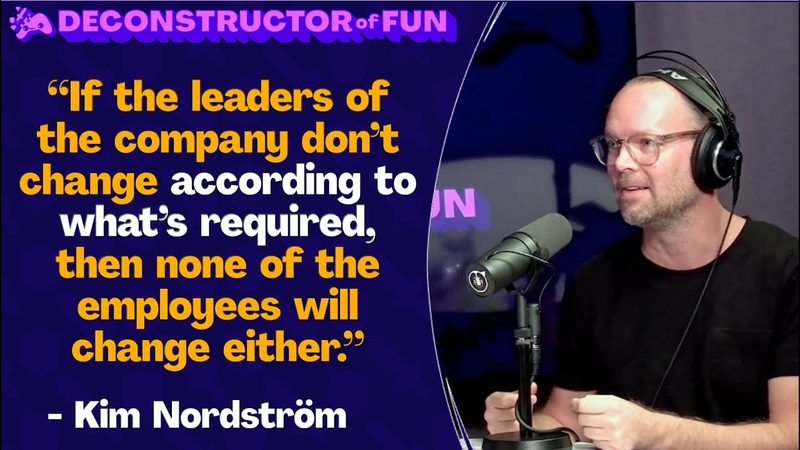
they need to leave right for the sake of the company it might sound very brutal yeah so and and you know people follow people and usually if you're a founder or you're top level you have a stronger voice right depending on the size of the company of course and if you're leading in what could be you know qualified as the wrong way that person needs to change so everyone else can take a decision and say do I believe in this change or not right maybe half of the company goes I don't believe in this new person comes in and then then maybe they leave and that that's a mess right but if the leaders of the company don't change according to what is required essentially changing the culture then none of the other people will change either and and you'll get a mess I think yeah that's that's my experience as well like in order to change the culture that's the only way if you want to make a switch then you have to make it from the top just like in a sports team you change the coach first and then then the new person who
comes in can work with the team and change it and maybe they change some players or something and obviously once the fundament of that culture is there everyone has an impact everyone's helping evolving it but someone needs to kind of set these fundamental pieces yeah there's a there's an interesting example that came to my mind you know the um the Seal team like when you try to enter SEAL Teams they have the hell week uh where where essentially you don't sleep for 5 days and they make you do really tough physical things uh one of them is is they you know take these carriable inflatable boats into the ocean and it's a hard work and so forth so back and forth and and anyways like that's the exercise uh and then the last one the last team who's able to take the the boat to the ocean and go through some boyu and come back um has to do an exra rounds and so they get punished and they have tried this interesting leadership change test and what they did is what if
you if you change the captain of the ones that come in last the losers with the captain of the winners What Happens do you know what happens no I don't so the losers become the number two and the winners still win despite having the worst captain now could considered the worst captain so winners keep winning but the losers become significantly better with one change of of the team and that is the change of the leader but that that makes sense for me so if I would take that and then I would apply it on a on a game team I would say as long as that team stays the same yeah right without the leader that that team can probably consistently for a long time follow those principles and that culture within that team as they strongly believe in it but if you would double the size of that team who you know then then they have to teach the new people and that that's you know
they've been students and probably they can be teachers but they can they be as good what if you four double that team or 10 double that team it's water down they water down right so it's the change over time and it go back to to your Matias like you know patterns uh behaviors of patterns culture is pattern I can't say it now patterns of behaviors over time there we go right the over time is the important part here as the company change and goes back to the book for the four faces every pH requires a change yeah so it's the overtime that I think is the tricky part right and that's why also like in the book side topic is when people start hiring a lot of people that's where I pull out a huge warning flags because if you haven't had that seal training and really like jelled every piece of it and know how to get that well functioned team that truly believes in what they do how are you going to scale that that's uh that leads me to another question that I have here is like one of
the elements um that you talk a lot about is the principles and values and and many of the leaders that you interviewed emphasize very strong guiding principles um and I've read the book twice so the first time I was very inspired by everything and the second time you're always like more critical because you're like thinking about you've gained more experience and you're trying to find what it like the nuances and and what is being told told and the perception that I that I got of of the first time and is that only like the very successful people are interviewed and that creates um a Survivor bias uh in a way that that these are the people these are the leaders that I've taken like like oh I'm I'm the CEO of supercell we're making billions of dollars and we're scaling now from 300 to 500 from 500 to 1,000 1,000 to 3,000 and and where I really like screwed up is I didn't write the principles of the
company the values and there were too many and like ilica describes them it's like yeah sure that that that you can consider that as a problem now because that was one of the things you didn't do but but you also found an incredible product Market fed built these amazing companies your companies superbly profitable filled with extreme Talent like I get that that's your kind of like what you consider a mistake but what would have happened if you focused on that on writing everything like creating the the the book that they have now the employee handbook and Etc versus being focused on psychological safety that he was instilling um all the Strategic moves he made selling the company twice and and stuff like that like like what I'm trying to go like understand is is when does this element should come in like when do you need to put in your focus on principles and values uh because when you focus on one thing you leave other things at a little bit of buy side that could be even a
product Market fit yeah step into the future of game monetization with exola the premier partner for game developers seeking to expand their reach in Revenue exola provides a robust Suite of tools designed to enhance user acquisition maned subscriptions and streamlined Payment Solutions worldwide unlock new markets and maximize profitability through their customize secure pay architecture and dedicated support team exola powering game developers to achieve Global [Music] success Chicken and the Egg the exactly which one comes first so exactly so I think a couple thing I mean the Diplomatic answer is always a balance right you know I'm not saying it needs to be in in in between or anything I think again just my simple answer to take away you know heat from me yeah is that it all depends on who you are as a
leader right so um you know whatever is important for you when you start your company you run your company you should go after that and you feel confident and get backed up and and run with what you're good and skill skilled on all these kind of things with with that said I think going back to you know the up down up um I would encourage people who is doing things for the first time essentially not really knowing what they're doing to first you know surround yourself with people who know but I would try out a lot of things with the you know um a big possibility that you'll fail and learn so you know not a huge fan of the fail fast kind of thing but that that's essentially what I'm saying start you know so I think you should spend a lot of time trying to figure out what type of company you want to build and why and you know and and all of these things but if you never built the company you never built a game You' never done any of the things but for some reason you're
compelled to do it I would probably say just dive in but be very prepared to you know to Pivot and learn and iterate and so on and go through a lot of grit and fail a lot because you have to learn if there is a more experienced let's call it an older person who's done this a couple of times then I would probably go you know dude you've done this a couple times like you should probably sit down and think like no I'm just going to build the next thing like I would really encourage you to try to formulate who you are why you're doing this what you stand for and so on and get it right right because in the end most of these things is a factor of timing now people talk about luck I always try to get the conversation to be about timing instead so if you if you haven't done anything first time you do anything doesn't matter what it is your ability to actually evaluate the situation is by default low right you might be the smartest person in the world or whatever the luckiest but you know your probability is still low it isn't until you've done something many many many
times you know the 10,000 rule or whatever you want to call it yeah then you have an understanding where you like I can predict my own probability or predict my prediction that's where I think that you should invest but then timing is the thing if you if you do everything right of a company you build the best game and the best culture and the best people but you're still going into what people would say red Ocean Market you know it's like no no no that's that's the most crowded and no one would ever because marketing just going to be silly expensive and you don't have the money then you're doomed anyway so timing is always going to be these things but um young iterate fail fast with the intention to learn and probability of failure and build up that wisdom and the more senior again up down up I would encourage people just like take the time right take this and and spend the time like I want to do a startup well that's not the reason you
should do a startup you should figure out what's in the startup and why is it so important if you've done it for the four fourth time fifth time sixth time or even second time yeah exactly I mean the the first is the the most brutal all the experience say so and I think everyone will witness to it right but it it's humans like we like to have uh everything is relative so we compare so when I run Studios and I talk to Studios I look at everything like there's a firsts so a studio who's never shipped anything where the teams never work together everything is a first the job is almost to get it over to the finishing line so we can start calling it second yeah because that's when you done one Loop right then obviously you have to quantify like what's the risk level and cost and time and all of these things but i p i I prefer to push fast so we get into we've done this once because then everyone in the team can relate to it and then suddenly the conversation so much easier because we can go what did we do last time was that
good or bad yeah we can learn from that first time you do something everyone's all over the place so time becomes a huge Factor so if someone says like let's make a game in three years I'd be a guy like can you do it in 12 months and they're like no you can't of course you can and they're like no it's like and then we end up 18 month and after after 12 month they go oh right get it right that was good that we put forward because we thought we're going to build certain things in a certain way and that was bad yeah now we know so time is the most valuable currency I think and that is where you get you know all the timing and seniority and all these things but it's side topic yeah basically so so if I summarized basically what you're saying is like if you're doing something for the first time just just get it over with just put your effort work hard and your your eagerness and your speed will correct against the possible mistakes that you do if you do something for the the second or third time at that point you have to be much more methodical
that's when you write things down that's where you plan or plan to fail I mean if you want to simplify it I mean I expect you to be smarter over time learning from the stuff you've done right so in the beginning I would expect myself you know if something I've never done I would expect me to fail on it yeah but you know with wisdom being older my expectations is that you should be able to be smarter more Tactical more wiser about decisions huh it's it's crazy because like when I reflect CU like I didn't even reflect when I was thinking about this but when I reflect now it's like this is exactly how I approach a lot of like new business ventures is like oh no no no I get it we're both excited let's just spend a weekend together and plan everything let's spend time let's do all the plans and then after that one it's like I still like you but we're not aligned on what we really want to have and how we really see this going that's why there's no point in continuing forward because our goals would be different and the company would be disjointed and like I guess that's
called maturity where previously would be like [ __ ] yes let's go no but I think also when you jump into it especially if you do it with a founding team that you don't know each other tell me about yeah oh well you know right and a lot of people would relate to it so you want to know I in the book I call it like look at it as a marriage yeah you know it's like I I think I even write like are you dating to get laid are you dating to get married like if you want to build a company you have to date to get married yeah how do you do that find a partner yeah or and spend a lot of time and and you know learn how to get to know each other and there there's ways to do that or do an arranged marriage that works that's for the next podcast yeah not with me by way but um okay so we talked a lot about the culture this and all the elements of it I wanted to just cover another topic that that is I think is really important in the book and that is the end of a growth phase and start of maturity phase
and I'll read a quote from you and says the first clue that a company has peaked often comes with hubris uh huis meaning excessive Pride there's a level of arrogance that comes with success a feeling that you're invincible and that you can achieve anything so how do you characterize growth and maturity phases so um long a story so when you're in you're in startup you have this dream this Vision this ambition of something you want to build and you know you get the right team together the product Market fit you get the timing the talent and you build that game and in growth you take it to the market and you scale it in whatever way you do it through Community organically or paid or you know whatever whatever it is right startup and growth are pretty exciting faces of a game company it's like you're chasing the dream right it's scary in so many ways but it's a positive thing right startup is you know you run high
on the motivation of what you're doing because it's so amazing to fulfill your dreams or something whereas whereas growth is like adrenaline and grit like we have more players coming in and they're loving it and you know obviously there's you know downsides in it but end of growth and into mature usually simplistic I usually say like whatever you used to do so well before what you know that used to work so well is Now not working anymore like you know the growth that you got from all the effort and Machinery you put into it isn't really working there's a peak in your your game your your games your portfolio or something as as a company they not there's no immediate growth anymore and and this is one of the hardest shifts I've seen for leaders because you've been in this Positive Growth it's a fun period and no one wants to hear someone say dude you peaked like this this is
this is how big as you get if you're very successful you have this you know grit of you know this drive to get there usually those people don't accept this they're like no no no no next release is going to fix it and it's like oh but didn't work like no no but the next one now we got it right so the common pattern is that they try to look look for this Silver Bullet like no no no no it's just it's just a period right whereas people who are not as emotionally connected to the journey could come in I do um with some companies I call it the brutal fact sessions like you know it's an endless powerpointing they hate it but it's just pointing to the facts like here here here here there's no growth guys so um and for the leader and the founders and the CEO to accept the reality of the the you know the growing this product is probably going to be too cost full time money marketing spend and
maybe too distraction in Focus because you know you want to serve players in the in the end of the game middle of the game you know you want to build new games what do you want to do right you can't do it all so um it's just too painful for most people to realize especially if this enormously potentially successful journey to then go into oh crap now what and very few leaders plan for the peak I think I think I you know I would even say that they kind of I don't actually don't know this but I would imagine that the VC Playbook is like don't plan for the peak just grow grow grow grow grow I I I don't know this right my my learnings from the book is that you want to stay in growth for as long as possible but you got to keep it real as well and and you know there will be a peak every company every company Peaks at some point and maybe you shouldn't pay too much attention to that
it it's growth is the thing but you got to stay realistic and this is immensely hard this is my learning from the book and everyone into and all the CEOs and management team I coached is that this is the hardest shift of the four phases for go from mature to decline you're already in that mindset like this is probably you know this can this can go wrong I accepted that it could go wrong but startup into growth is super exciting but from growth to mature is definitely hardest shift and what happens is that there is a sense we we talked about the word h is right like I'm successful we are going to continue to grow yeah yeah but the data point doesn't support it we are going to grow yeah but dude reality right so this is a super hard shift yeah and despite the growth like you could get a year growth but you're still much smaller than when you peaked and it could be years that
the that the that the CEOs are thinking that they're still in the growth phase or the growth is just around the corner yeah exactly and so that's for me the the the naivity of the leadership and it is a very very hard shift you know I said before like the the hardest thing for the CEO and the the leadership is to transform their leadership through these faces and this is the hardest one so I don't think we should you know make it too brutal because it is very very hard but the longer the time it takes for them to accept that there's a certain reality that they probably need to change certain behavior in their leadership they have to approach this in a different way uh the longer they get to that realization the the bigger the risk is that the company actually Peaks and goes into Decline and if the leadership of the company is still searching for a silver bullet whereas the data is just falling down then then you're in really really a bad point because operational growth mode means you're starting new things you're investing a lot into new things and
things are going upward and you can do that everything is around growth or Revenue versus maturity means everything is about iita how profitable can be we be by focusing on what we're doing rather than seeking that magical growth that could be around the corner let's just be better than we were last year more profitable so I think of it I have two concept one is um like all the efforts you put in in mat company could always be you're just defeating gravity yeah that's that's the best thing getting old sure yeah know but I mean all the effort you put in yeah and you know you look at your kpis and they're flat after all these efforts it's a typical sign where mat your company but a friend of mine Matias Leia who's the deputy CEO at Paradox say he said like there's a you know uh there's a time in a company where you create value and there's a the time member company where he capture value and he uses Disney as the classical example like Disney created a
lot of value that was he was really really strong at and after Disney there was there was decades where Disney did really really well but just capturing the value but they stopped creating value so over time it becomes really really poor yeah and then they had to reinvent themselves a company who joins goes into the mature phase also remember if you're peing it probably means you have the biggest audience you have the highest revenue you know the value of the company is probably at you know the best place you can be if you can maintain that you know depending on how is high high it's not bad thing it's just you need to accept that maybe that game isn't getting bigger but now you have talented team you might you you might have a lot of money on the bank right you have a lot of you know wisdom KN how and so on so you know if that's one game or several games but it's a period where you need to maintain that and as you said like now profit becomes very important in a different way and
that's why you know there's a huge change in leadership you know the behaviors again need to change quite a bit but it you know ideally you could be an immensely profitable High valued you know well performing all the employees are super satisfied but it it comes down to if you're chasing growth where there's no growth it's going to cause problems so you need to get over this shift and understand this and if you're in that position you you can figure it out again you know there's there's new ways obviously how to get to the next level but you have to start with understanding that there's a difference in behaviors between growth and mature Faith so you work with many companies I know you work with many leadership teams and you give these brutal sessions to them what then like let's say everybody accepts that they're in a that they've passed the growth phase and now they are in maturity phase is that when most of the leadership changes happen normally in a company where those who have built those who are
you know starters and I wouldn't say that necessarily is about uh changing the leadership it it do happen quite often that that you are you know you might have the right people but they could be in the wrong positions yeah because in growth you know there's a certain behavior and Dynamics within the team to get a certain speed and moment and and pacing mature phase is now more about predictability and stability like if if you if you start going into profit mode then you should start looking like how can we already now predict that in one two three four five years can have certain stability so we get a war chest and you know so you operationally start building for long term in a different way so I think it's more about systematizing the ways are working processes processes is one word it doesn't necessarily need to be but but you know clearing you know broasting budgets all of these things they they
they they come right you become a normal company a mature company yeah no but it it is in the end yes it is it is about that it's not those should be there as a tool to help you to get this predictability so it again just very different from the growth phase or the startup face that's fascinating I wanted to listen to uh to at least one of the the audio clips that we had uh one is with Lars uh so CEO and founder of uh embracer embracer the uh the the company that has went through a lot they've been through stuff you take new steps every day utilizing your success or learnings is it a risk that you lose that control because you believe everything you do will become successful I think it's a it's a great risk and I think it's one of the most important experiences or things you can
have in a entrepreneur is self-control reflecting on yourself reflecting on on on what you do and how you go about I always been trying to do that well here you have a person who's um been running his company for a couple of decades and and embracer had a pretty big good run growth frenzy yes crazy right and and you you know yes they they bought they acquired I mean that was their model but the past couple two three years it's um it's been harder so this is like the other snip it's it's from the audiobook and I asked LS like you know what have you learned from the past couple of years and and you know what what's your main takeaway from you know working in what I would classify as decline of a company like as the leader founder CEO of the company what do you do like and what do you take away and this is what he said that's
that's very interesting especially since since the type of a frenzy that they had it's almost like uh intoxicating the speed at at which they were growing through Acquisitions so I think what what he's saying is that one of the biggest risks is that the leader of the company isn't self-reflecting on its own ability to kind of lead the company through these different phases uh another sound clip that I wanted to listen to was lean and this is about trying to build something new within Riot so this is a company that was growth mature but then looking for the second up right so Le Leanne is currently VP external games at Netflix and she spent five years at dryon trying to build well trying but she she did pretty well but building uh a publishing part within Riot to publish new games and and the topic here here was about how do you build something completely new within an existing company who was
built for a very specific purpose I mean Riot is all about legal Legends right and then they built a you know success they tried multiple different things they tried Riot Forge but this this was her view looking back on her time working at Riot and not every single company has the patience to wait for that and that I think is the most challenging part of trying to do something new at a company that is so on their Wheel track so on that track so hard to get them off but if you slightly fear and then you start building a new track that could end in you know finding gold but you just have to keep going and have that patience and so my experience at Riot I think that was the the challenging part one trying to educate a company that had never done this in a completely new space and then two reassuring the company that if we continue to invest the return will come you know we will get to the point where
we can make the League of Legends last of us and then we'll all be looking back and saying how amazing we are but that's going to take a few iterations to get there and if the company's not willing to do that then that's a that's a challenge so in the book I have a chapter that I called um deep Wheel tracks and my metaphor is that if you drive a car back and forth on the road you know know uh and using exactly the same same road eventually the deal track Wheel tracks gets deeper and deeper and deeper and you actually don't need to steer like the car will follow these Wheel tracks and my metaphor is that the game compan is the same like once you perfect the the type of game you do and you work with the same T type of game with the same genre towards the same audience you perfect it you become very very good and people can do it so well and it's great you should do that once the company is suddenly need to start building something completely new and you take this car and you want to turn right somewhere the car is still going
to continue go forward even if you're trying to turn right or left it's just still going to continue forward because the the Wheel tracks are just so deep and this I I've seen in essentially almost every game company and even the most successful ones there's a few on who managed to turn right or left but most companies they don't right in my experience my own experience with both par and King is that they've done a set of number of successes that's been really their success story and they try to build many many many other types of game I mean I was there to try to build completely new stuff of games but what comes back is the Wheel tracks the core business that that's the one where they still maintain success because in the end everything in that company from the top of the leadership all the mentalities all the principles all the ways are working from every single person from you know from the most jior to the CEO is built around
building those types of games and whenever you want to build something new they have to change so much yeah and that's just so hard for most people yeah and I I work with with some of the teams that are you know trying to do something new in existing uh organization uh I don't know if what you feel about this but I I try to help them to find the the sort of a Milestones the winds that they can show off because in that Leon's quote she's kind of she's looking for the organization to commit to finding something new but it doesn't happen that way we know that leadership changes time changes there are good times there are tougher times and the first thing that you're going to cut is something that is um that we don't know it's different and we don't know if it's even going in the right direction so I always focus on where the team is like what are the wins that we can get that clearly show that we're making progress rather than saying hey company you commit to us for years and years and in the end we will deliver
but you just have to believe I find that such a uh a raw deal and like what if not then it's my head on the Block not yours I mean you will be gone but so will I because I believed in you and you didn't show me anything during this time it boils down to it so this is the classic innovators dilemma yeah right so I had an opportunity to discuss with Justin walren one of the co-founders Singa right and I asked him about the story like the inside story about Su and mobile and he's like we invested a lot into Mobile very early and and they did pretty well but the end of the day if they just look at Revenue like mobile was a few percentage Yeah compared to their and they put even more people into Mobile if I remember correctly than on Facebook side and eventually what happened was that it just didn't take off and it goes back to timing I think like it just didn't take off so in the end the leadership just like why are we spending time with this mobile stuff right I mean we have an immensely engaged audience on the Facebook side
yeah right and it's the Kodak story and so on and so on so I I think it boils down to like the this and this is what lean is saying like if you actually consistently over time stay on something you will get it but it is a business risk I mean at Paradox it was very simple like should we build something new or should we build a DLC for the next game like we know exactly how it's built it and we know the audience will love it in most cases and it's going to be great and it's really you know a company's done it for 20 years and can probably do it for 20 more years you're going to take the next DLC in many cases right it's the same way but there might be a day the Kodak scenario right Kodak actually built the first digital camera yeah but since they made most money on selling uh films to existing cameras it was disc continued right eventually it will come back and and hit that and it always looks from the outside like it came out of nowhere
but it never ever is and most of these companies have seen it and invested into it and and decided to probably not for us and then eventually and and I think over time now that that getes faster and faster and faster but the story comes back over and over again yeah it's it's a it's just a challenging conversation of that like because we know that the companies can find a second win they can find a growth like Facebook or meta is probably the best examples um of of that where it feels like almost like an infinite growth but if you start zooming in it feels like there's a lot of UPS overall a lot of downs I mean and then overall big up but the Downs are pretty significant there's huge risk but I think also in the end like if I built a company oh will take Paradox again as an example with with you know Fred being there for 20 years the CEO he knows every bit PS of the types of games and he enjoys them so much like like so in
tune with the company and the product and the audience and everything and know so much about it he would love to do a lot of other things but in the end this is his safety you know he goes back to this right and and I think a lot of companies do like they they built it around something that made them very very very successful and now you're going to do it again it's it's a hard ask when you've done something so successful uccessful to go back and start small and rethink and find that passion again and commit on the eal level it's very hard ask Paradox just did it by the way they just closed down like like not just but like a year ago they closed down a bunch of different games they tried to do that were very different of what they were doing before and there was that huis apparently that came again where they're like you know what I think we can do simulation game I think we can do this and then only two years after realize like no it's crusader King Crusader King Iron have been around for not not
not a decade but almost a decade and it's twice as big and concurrent player today that it was when it when it launched exactly I mean Paradox again you know like it's not for lack of trying they've invested heavily into these and it's not that they give them six months you know years years I mean these games usually takes five years to build so it's a pretty heavy you know investment and and they also reckon that some of these will not pay off but if someone would break down 20 years of history of which games that actually made it it's not easy you know sorry it is super easy to say exactly which games are going to be the biggest one and it is the grand strategy games right and I think we you'll see that pattern in most companies like King casual games like you know what other games did they actually successfully build in comparison right it's and I think you go could go at almost all game companies in the world and you'll find experts in one type of game and it's so immensely hard to break outside of that and so your takeaway is just focus on your strengths
yeah exactly that that's it that's it I mean it's it's simple in theory yeah but I have a chapter in the book people hate when I come and it's like what should we do is like build the same game again yeah like if you want to be best at something you have to do it over and over again like everyone in sports would do this you know in a heartbeat like what does it take you have to do it over and over and over and over again and every variation will obviously there's a lot of creativity Innovation within that boundary yeah but it it's a creative driven industry and everyone's dreaming about the next big thing and they want to try something else and that's completely fine but the risk for a company is immense so if you want to build a long-term successful game company you know build up that muscle become the best at something and then become even better at it and then that that's how we also protect yourself from from everyone else but then there's companies like epic so there are
outliers right I mean that that people would point out it's like well look if they would have been focusing on engine there' be like nothing but but you know there's like I don't know three four five of these companies in the world has successfully managed to actually shift genre shift business model shift audience shift platform it's like it is supercell epic blizzard you know there there's there's a few more of them depending on how you measure it but most other you know even the most successful companies outside of that don't they build within a genre on a specific platform towards an audience that is more than enough I have the Sims as an example in the book right they've done tremendously Sims 4 is the biggest of all of them and it's still growing and now they're building the fifth one it's going to be awesome but they're not building a shooter for moath right they would I actually I
don't think you know I wouldn't recommend it if if I was the one leading it I wouldn't do it right I mean it depends on who you know then I I would have them to build this types of game because there's the best in the world on it yeah you're like a conservative uh adviser because you come in and like you know what I'm going to say because it makes sense but people want to hear like hey let's go let's let's party let's go into some new genre that is not that competitive as your current one and find New Growth triple the value of the company so I I would be I'm all up for it but to be honest you know most companies are just not ready for right so I have a I have a chapter in the book that I call the Horizon model whose purpose is to slice your core business versus new business and how you operationally do that and what you know how how you put uh a company in the position where you can build something new the biggest problem I've seen is that the people on the top will try
still try to treat the new shiny cool thing in the same way as the old you know Core Business they will apply all their success learnings and in the end they you know they will be a part of hindering that because that's what they are good at they know that and they want to be in there in that cookie Y and fix and and so of course it can be done but it is a tremendous ask of leaders who's been successful to change their behaviors yeah well okay you've talked to 100 different super successful leaders who went through hard times who found success who had their ups who had their downs um you're back in the driving seat uh CEO of player unknown do you feel pressure good one uh actually no I don't um I don't so Brendan who is the guy who founded player rown production the
father of the Battle Royale the player unknown yeah the player unnown that guy so he started the studio and he needed someone to operationally come in uh he's amazing in some way so many ways I mean I I don't know where to start and I'm super attracted to people who there to be who they are and stand for what they are and not fall into normal convention mentions that's why I'm super attracted of it so we he allows me to think a bit outside the box I can use a lot of stuff from the book but he loves me to uh follow my own gut um and uh super happy to be back in Studio 60 people super talented we're building some really cool stuff over there I always tell everyone's like it's going to be amazing but probability for failure could be very high because he's aiming for the biggest and most badest you could even imagine right but we have a we have a good plan and I believe in the people so that's good
um but thanks to spending time taking two years writing the book I mean I I've always been in studios but I feel so much more confident in myself because I had this opportunity to you know talk to all of these uh it's wisdom really yeah and now I believe stronger in myself so it's good to be back in the studio and also a bit practice as I been preaching you know to go back to you know do I do I feel pressure I maybe the pressure should be that you know I I released this book whose purpose is to tell people or help people run their successful game companies what if I failed this company you know does that mean I was wrong about the book I don't think so I mean it's it's the book is about patterns um but that part yeah maybe some pressure but I I like it that's so you said wisdom I immediately thought about um the last quote but this
is not from you this is surprisingly from the Bible but there's this interesting story about Solomon and the god comes to him and says ask me anything you'll get it like the type of a wish thing and do you want riches do you want to be honored by all men and he said no give me wisdom and knowledge that I may go out and come in before these people for who can judge this great people are yours basically he's saying that give me wisdom and the rest will follow and that gives you the confidence well I mean the way I looked at it when I so I interviewed 103 people kind of officially um and it became a you know in the end I really wanted to be more than 100 necessary and for the audiobook I interviewed 28 more but imagine that you would get on average three hours with hundreds of some of the most successful people within their you know resp field and you get like a you know a freedom to ask them essentially anything
and and you come in prepared because you have a book to write so you know I took every opportunity to ask some some pretty deep and hard questions to these to these people and in the end of course it end up on the book but for me it generated wisdom because I feel very lucky that you know first of all that they opened up to me which was amazing but since I had to write the book I also had to think very hard what does this all mean and that generated what I would call a certain level of wisdom that's made me much much more confident on how to run studio um than than I used to well amazing can't wait to play what player unknown uh makes can't wait to listen to the audiobook that should be launched at the time of this podcast and just have to thank you once again for writing this book it's it's a it's a powerful book it's something that I will keep going back to because you always learn new things and you always realize
the wrong things that you've done by reading this book and understanding that you're not the first to make this mistake so thank you Kim well thank you you did it you made it to the end of the episode as a fan of the show it would help us out if you'd subscribe and leave us a review on the podcast service of your choice those stars and likes while a small action on your part mean a lot to us and help to grow the show more importantly are you a member of the deconstructor of fund slack group if you have five years or more of games industry experience go to deconstructor of fund.com SLS slack and apply to join during the games industry best professional Community filled with peers always willing to lend a hand or subscribe to our newsletter to get all the latest insights from the deconstructor of fun content creators thanks for listening
Auto-generated captions from YouTube — names and numbers may be misheard.





















Comments