Game Development reports and market data
Documents
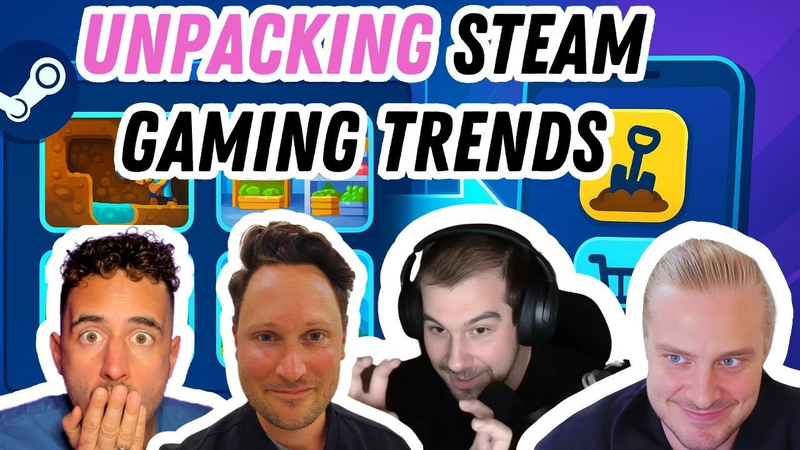
Full Steam Ahead: How Steam trends influence Mobile games?
The mobile gaming industry is increasingly leveraging Steam as a primary incubator for market validation, utilizing successful PC titles to identify engaging mechanics and creative loops for mobile adaptation.
- Mobile developers are increasingly adapting Steam hits into mobile titles, with some 'copy-paste' clones generating significant short-term revenue, such as one title that earned $1.3 million in ad revenue within 90 days.
- Successful mobile adaptations often involve 'remixing' Steam mechanics into established mobile genres, such as integrating survival or idle mechanics into 4X strategy frameworks, rather than performing direct ports.
- Genre-specific mechanics like digging simulators, Plinko-style roguelites, and idle RPGs show high potential for mobile conversion due to their simple, repeatable loops that align with mobile play patterns.
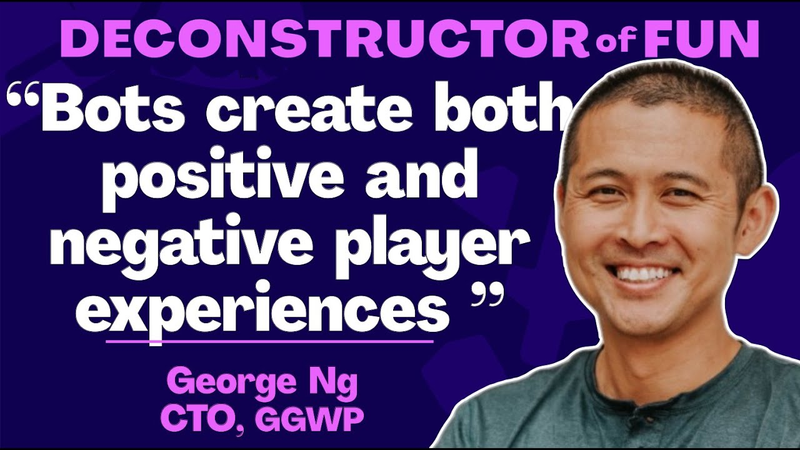
Bots in Gaming: The Good, The Bad, and The Future with GGWP's George Ng
The integration of bots in gaming represents a complex, evolving landscape that balances player experience, game design, and security.
- Bot impact is defined by origin: developer-created bots enhance onboarding and immersion, while player-created bots drive anti-competitive behavior, toxicity, and player churn.
- The industry faces a resource-intensive 'cat-and-mouse' game where studios must balance the high cost of sophisticated anomaly detection models against the scale of their player base.
- Cheating trends are regionally distinct, with North American markets primarily seeing competitive-focused exploits like aimbots and boosting, while Asian markets are dominated by gold farming and real-money trading.
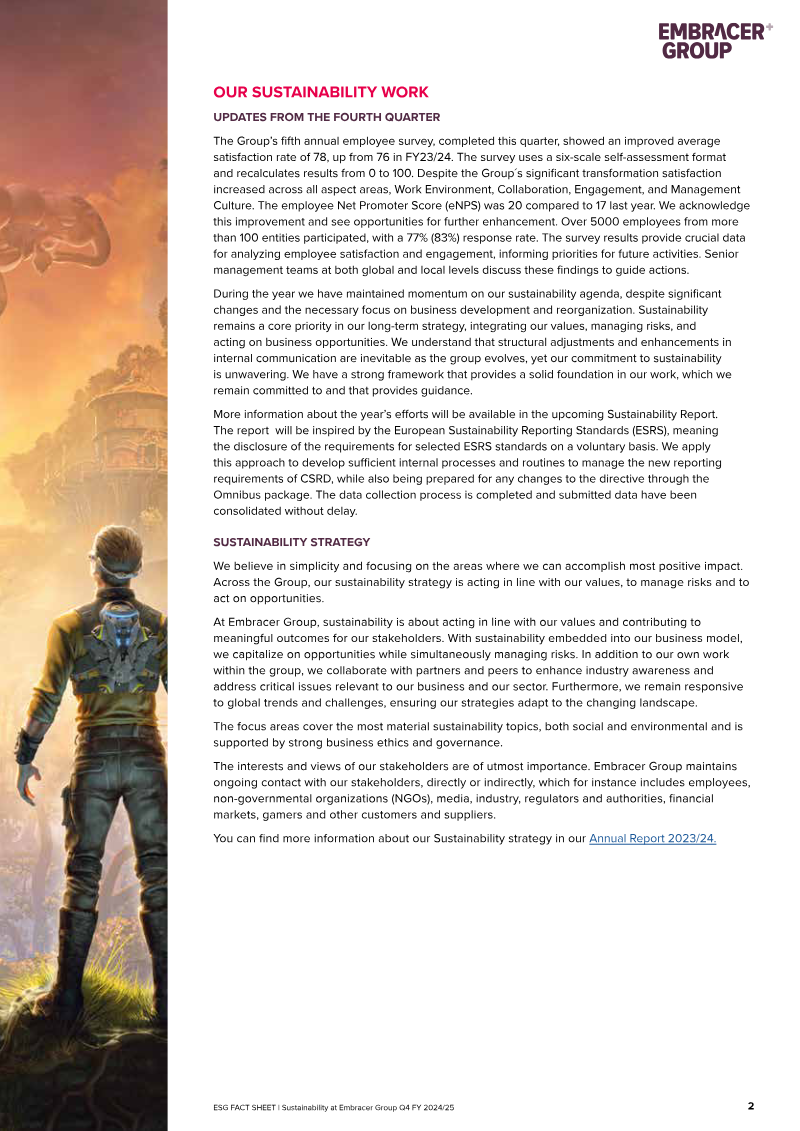
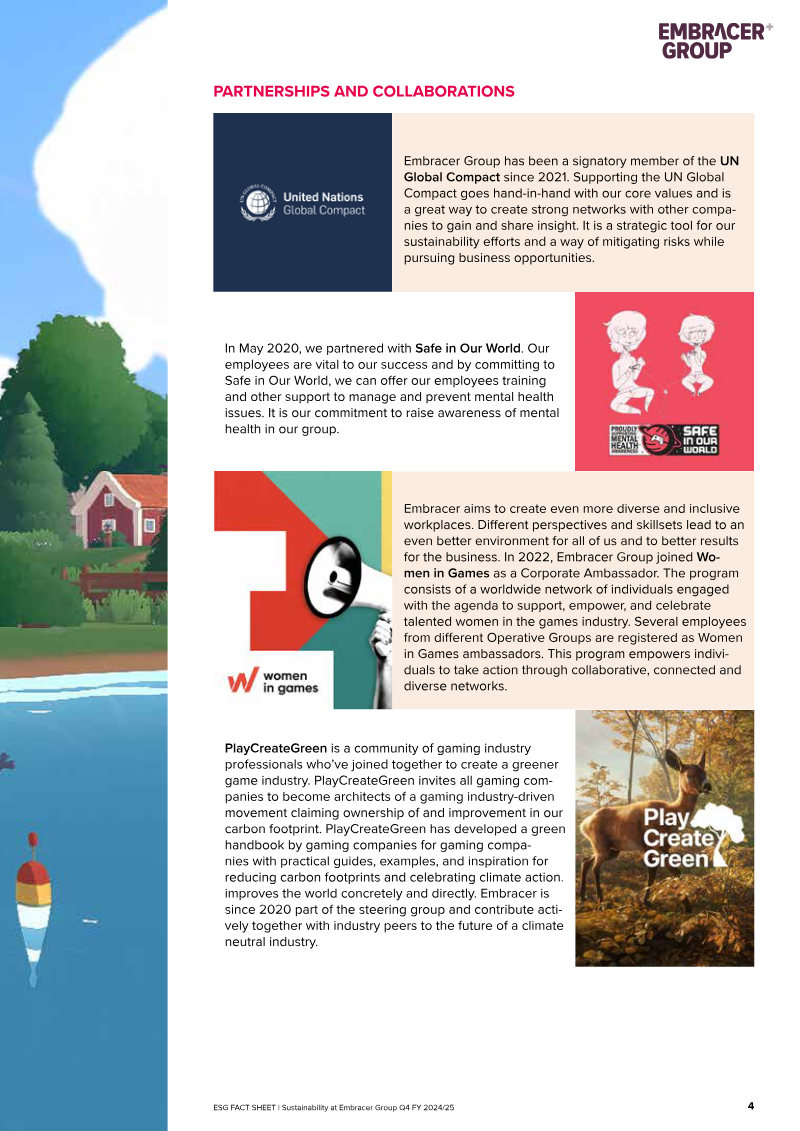
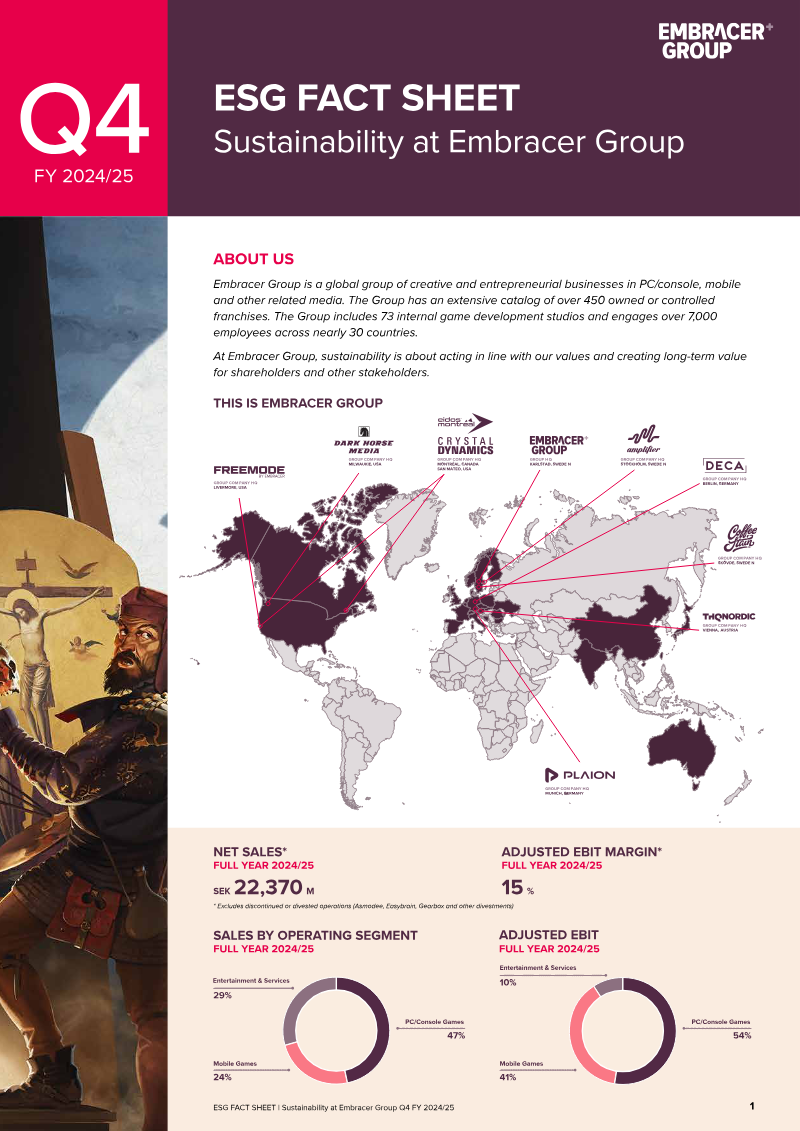
Sustainability at Embracer Group: FY 2024/25 ESG Fact Sheet
Embracer Group's FY 2024/25 ESG Fact Sheet outlines its commitment to sustainability, integrating environmental, social, and governance principles into its business model.
- Embracer Group reported net sales of SEK 22,370 million and an adjusted EBIT margin of 15% for the FY 2024/25, a period marked by significant structural transformation and divestment.
- Employee satisfaction improved to 78 out of 100, up from 76 in the previous year, with a 77% response rate from over 5,000 participants and an employee Net Promoter Score of 20.
- The organization manages its sustainability and governance through a framework of 17 group-wide policies and 17 instructional guidelines covering anti-corruption, privacy, and AI ethics.

Rebellion: “We don’t gamble wildly. We’ve a responsibility to our people”
The independent studio Rebellion prioritizes long-term stability and fiscal responsibility over the volatile, high-stakes development cycles that currently characterize much of the gaming industry.
- Rebellion maintains long-term workforce stability and avoids mass layoffs by prioritizing fiscal responsibility and eschewing speculative, high-stakes development cycles.
- The studio utilizes self-funding and proprietary technology to retain creative autonomy and mitigate the financial risks associated with external investment.
- Rebellion focuses on mid-tier titles that balance high production quality with controlled budgets to compete effectively in a saturated market.
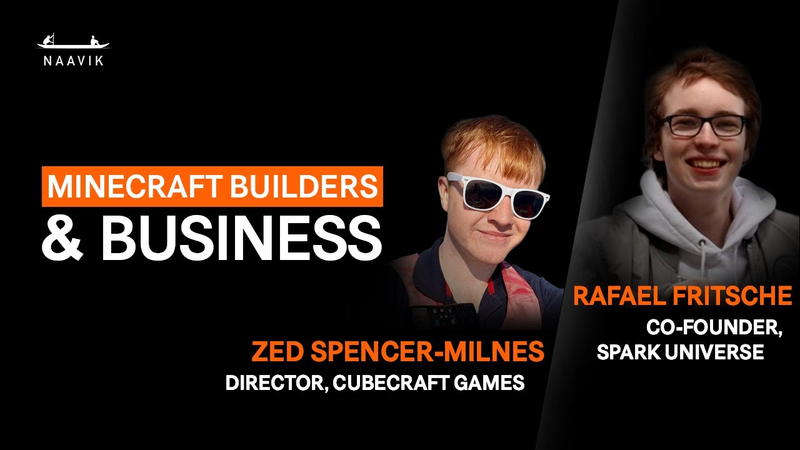
Exploring Minecraft's World of Builders & Businesses
Minecraft has transformed from a grassroots hobbyist community into a sophisticated commercial ecosystem, supporting professional studios that manage millions of monthly active users.
- The Minecraft creator ecosystem is split into two primary segments: the formal, partner-driven Bedrock Edition and the decentralized, community-led Java Edition, which features tens of thousands of independent creators.
- Spark Universe, a major Minecraft studio, has achieved over 50 million downloads and maintains nearly 2 million monthly active users through its Essential Mod platform.
- CubeCraft Games, a prominent multiplayer server launched in 2012, has reached over 100 million players by focusing on fast-paced minigames and long-form experiences like Skyblock.
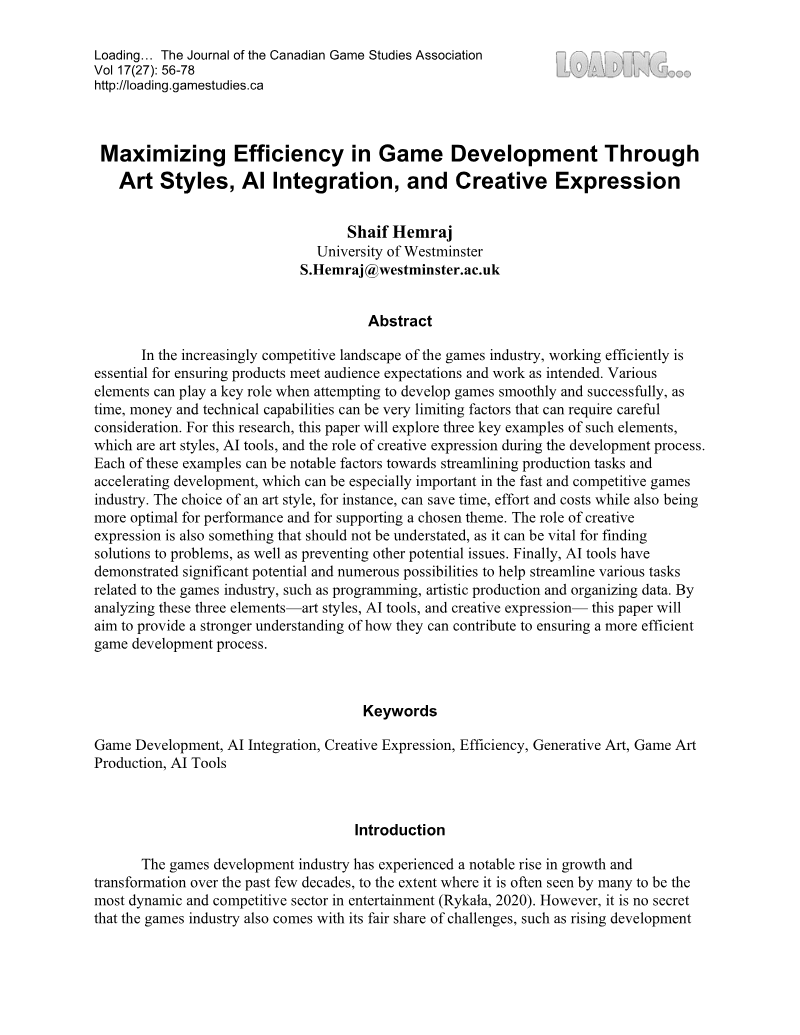
Maximizing Efficiency in Game Development Through Art Styles, AI Integration, and Creative Expression
The modern game development landscape faces a critical tension between the necessity of operational efficiency and the preservation of artistic integrity.
- Strategic selection of art styles—ranging from minimalist to photorealistic—directly impacts production costs and hardware performance, allowing studios to align visual aesthetics with limited technical resources.
- AI tools such as Promethean AI, Artbreeder, and Ghostwriter significantly reduce development overhead by automating repetitive tasks in 3D environment generation, character design, and dialogue scripting.
- Creative expression serves as a functional optimization strategy, exemplified by the use of 'transparent loading' (e.g., elevators or narrow paths) and environmental fog (e.g., Silent Hill) to hide technical limitations while enhancing narrative immersion.
Six Figure Game Idea Workshop - Day #2
Securing funding for independent game development requires a strategic, multi-faceted approach that balances community-driven crowdfunding with professional publisher partnerships.
- Steam wishlists are a primary driver of success, with a conservative conversion rate of approximately 10% from wishlist to sale.
- Publisher funding tiers are generally based on projected ROI: small indie titles typically receive $50,000–$250,000, while medium-sized titles secure $250,000–$400,000.
- A successful 60-day launch plan for crowdfunding requires preparing a high-quality trailer and campaign page in private, followed by building an email list as the foundation for all marketing.
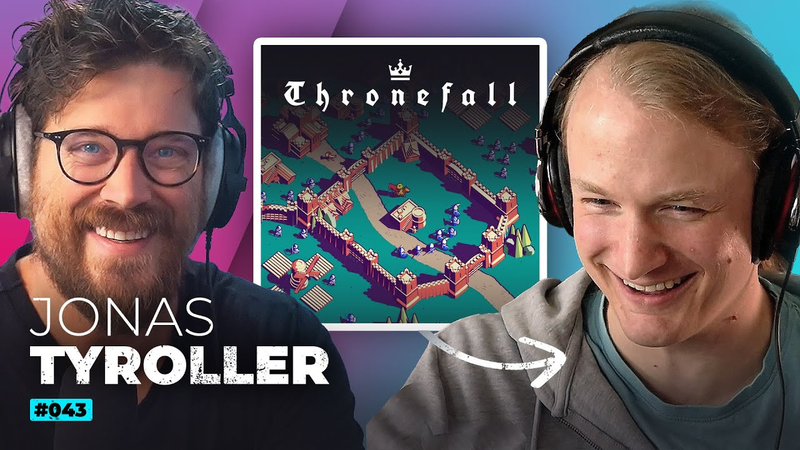
Jonas Tyroller: Making Games Alone Again, Project Overload, Profitable Game Ideas | Ep. #043
Solo game development requires a disciplined approach to project management, where the limited number of major releases in a career necessitates rigorous commercial validation before long-term commitments.
- To achieve full-time indie success, developers must prioritize efficiency and validate ideas rigorously before committing years of development, as the ROI on long-term projects is often not guaranteed.
- Working with a team can be more cost-effective than working solo; sharing royalties is a secondary concern compared to the necessity of partnering with people who improve the project's quality and output.
- Game performance can be significantly optimized by using scripts to merge individual meshes into single objects at runtime, which reduces draw calls and improves frame rates.

GOAT: Jani Torppa aka Fashion FRIDAY
The mobile gaming industry is currently navigating a critical transition, moving away from a period of stagnation toward a more dynamic and experimental future.
- The mobile gaming industry is shifting toward a decentralized model, with a positive growth outlook projected for 2025 driven by the integration of data-informed creativity.
- The Turkish market is emerging as a high-potential ecosystem for mobile gaming due to favorable government incentives, lower operational costs, and a high volume of agile startups.
- Finland’s gaming sector is currently undergoing a structural renewal, moving away from rigid legacy operational models to regain its competitive edge in innovation.
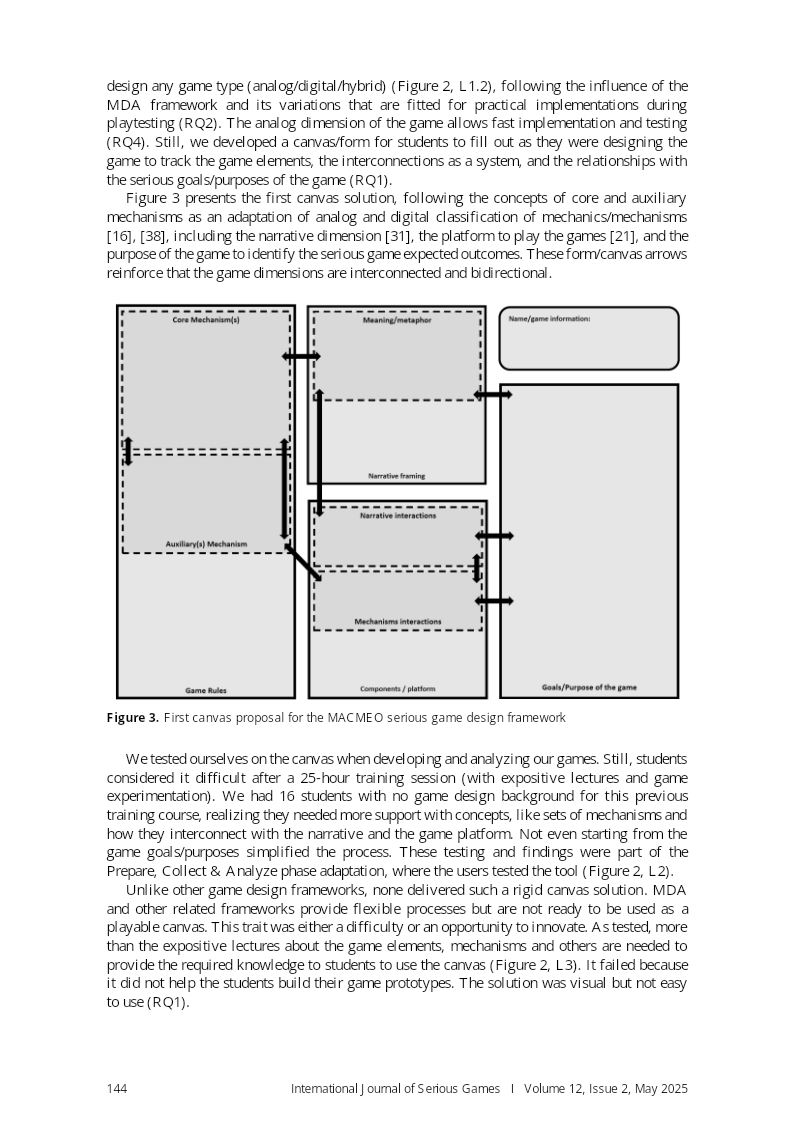
MACMEO: Playable Framework for Analog, Hybrid and Digital Serious Game Design
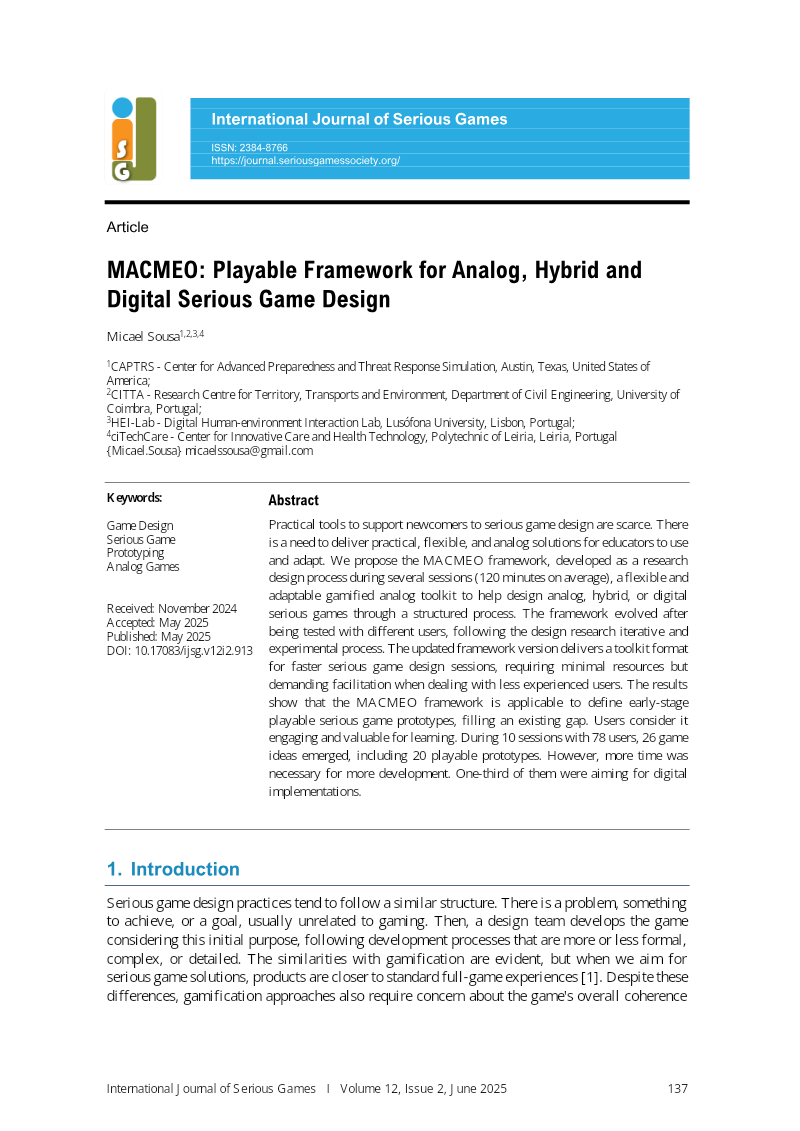
The MACMEO framework functions as a structured, analog-based toolkit designed to democratize the creation of serious games.
- The MACMEO framework enables 77 percent of design groups to move from initial ideation to a functional, playable prototype within a two-to-three-hour window.
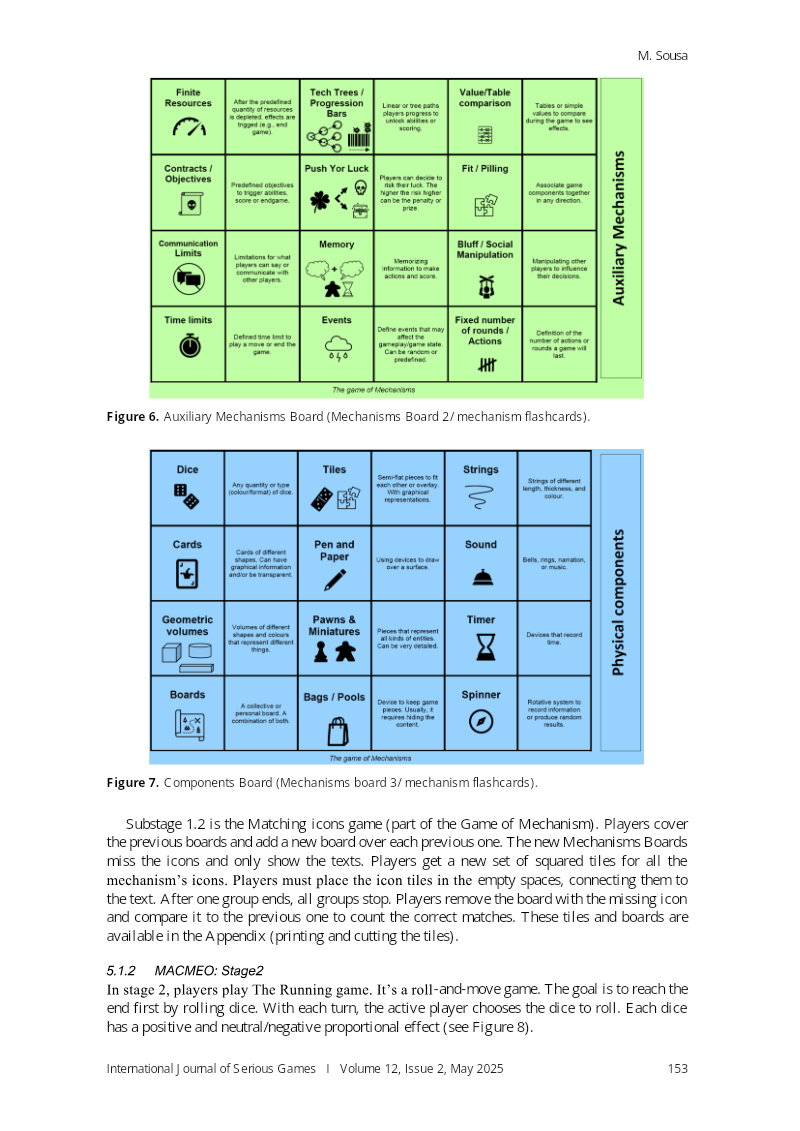
- The toolkit utilizes a structured system of mechanism tiles, a canvas template, and simplified documentation to democratize serious game design for educators and professionals.
- Rapid analog prototyping serves as the core methodology for the framework, acting as a scaffold for developing games intended for analog, hybrid, or digital platforms.
Six Figure Game Idea Workshop - Day #1
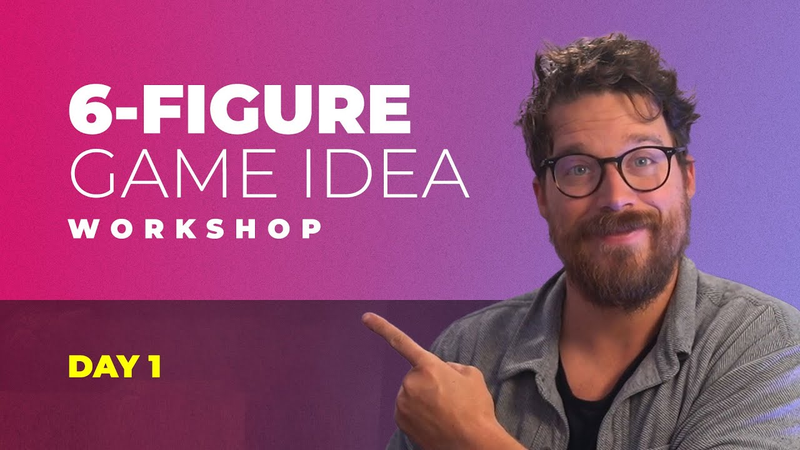
Achieving six-figure revenue in the independent game industry requires a strategic shift from creative experimentation to a disciplined, market-validated development model.
- A successful game concept relies on a 'hook' that differentiates it from oversaturated genres, such as realistic story-driven horror or standard top-down action-adventure games.
- The 'Big Butt' method involves creating a unique pitch by combining a familiar genre with an unexpected twist, such as 'Bioshock but with Willy Wonka' or 'a dungeon crawler but with rhythm.'
- A game's value is derived 99% from the strength of its core idea and only 1% from the actual production, emphasizing that a compelling hook is more critical than mechanical innovation.
If You Want To Make Games Alone... WATCH THIS
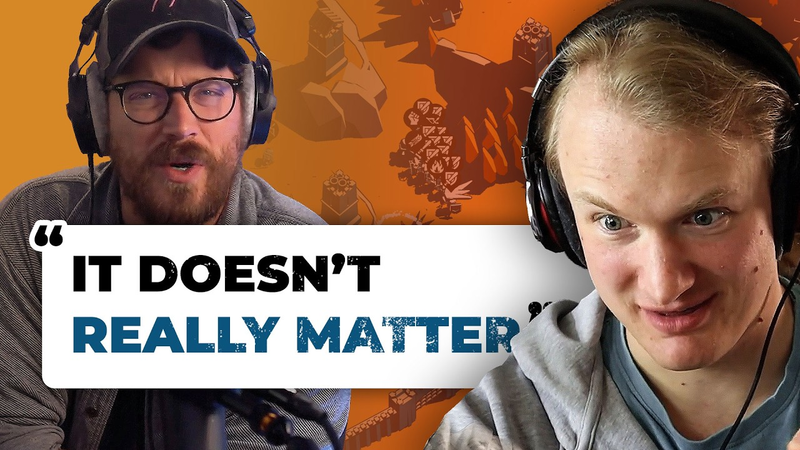
The decision to pursue solo game development versus team-based collaboration centers on the trade-off between creative autonomy and the increased probability of commercial success.
- The primary goal of team composition should be 'talent density,' where you only bring in partners who can perform specific tasks better than you to improve the overall quality of the final product.
- Revenue sharing with partners or publishers is largely irrelevant to financial viability because game success follows an exponential distribution, meaning you are either far above or far below your break-even point regardless of a 50% split.
- Partnering with others increases the likelihood of a project's success, often providing a greater net benefit than the cost of splitting royalties.
Writers
Games and companies
Games