Transcript
[Music] Welcome to the Navit Gaming Podcast, where it is our mission to explore the business and future of video games. We bring together the industry's brightest builders, investors, and thinkers to keep a pulse on current events, dissect emerging trends and games, share lessons learned, and have a great time. This podcast is also part of Navik's growing ecosystem which ranges from free and premium research to consulting and advisory services. For more information, visit [Music] www.navic.co. This episode is brought to you by Reforged Labs. In today's crowded market, it's harder than ever for mobile games to get noticed. Studios spend thousands of dollars and weeks sifting through data to find ad creatives that work. It's just too expensive and timeconuming. And that's why Reforge Labs exists. Reforge Labs uses AI to
rapidly create video ads for mobile game studios like yours, helping you test and find a winning creative without breaking the bank. In 24 hours or less, Reforge Labs delivers ads that capture attention and elevate your game above the noise. Make marketing easy and fast with Reforgel Labs so you can focus on building the game you love. To learn more, simply visit reforgelabs.com or check out the link in the show notes. This episode is brought to you by HeroicLabs, which powers some of the world's biggest games with its heroic game stack. Its composable products are Nakama, the open- source back-end game server, Hero, the game development framework for all your live service game features, including the complexity of managing offline mode. Satori, the worldclass live ops product for maximizing monetization and retention. And lastly, the heroic cloud to provide massive scalability. After nearly 10 years of operation, thousands
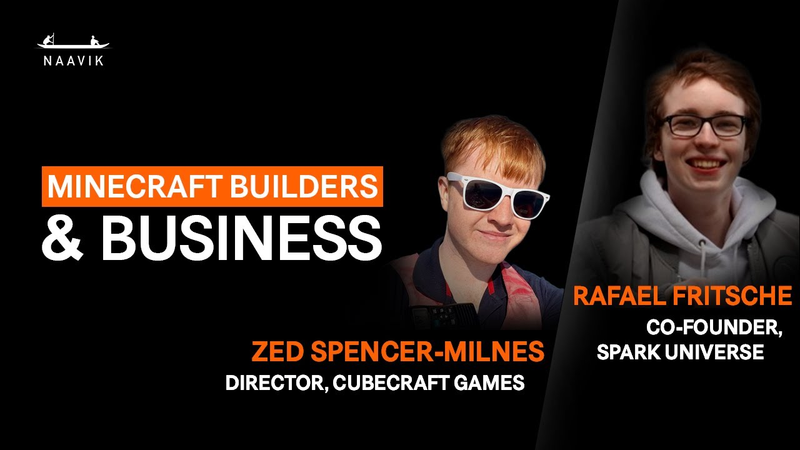
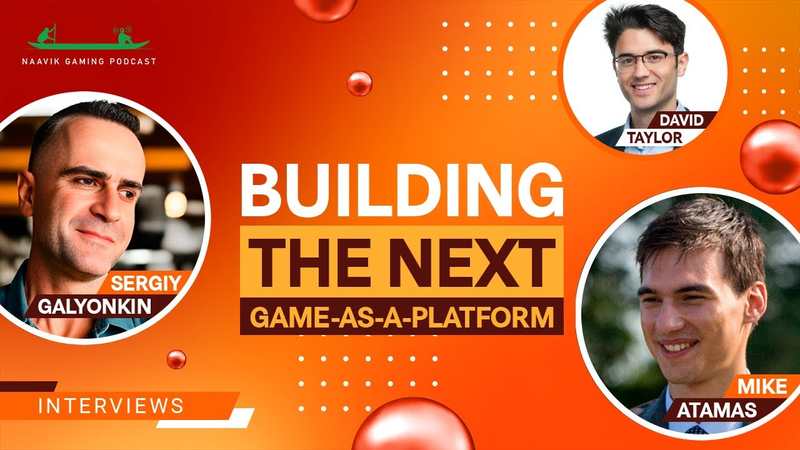
of studios trust Heroic Labs to help them focus on their games and not worry about game tech or scaling for success. To learn more and reach out, make sure to visit heroiclabs.com or check out the link in the show notes. Now, let's jump into the episode. Welcome to the Navic Gaming Podcast. I'm your host, David Taylor, and today we're diving into the world of Minecraft. Not just the game, but the massive creator ecosystem that's grown around it. To help us unpack it all, I'm joined by two of the most influential creators in the Minecraft ecosystem. Raph is the co-founder of Spark Universe, the Minecraft UGC studio behind Essential Mod, a live services platform connecting millions of Minecraft players with over 50 million downloads and nearly 2 million monthly active users. Spark Universe led the development of all official in-game content tied to the Minecraft movie, including a DLC add-on and live event, and are the minds behind RealismCraft, a first of its kind overhaul of vanilla Minecraft. Joining him is Zed, director of CubeCraft Games, one of the most popular Minecraft multiplayer servers in
the world. Since launching in 2012 and becoming a Minecraft partner in 2017, CubeCraft has reached over 100 million players and is known for fast-paced uh combat miniames as well as long- form content like Sky Block. Together, we'll walk through their journeys as top Minecraft creators, explore the evolution of the Minecraft UGC ecosystem, and dig into what it takes to succeed as a creator on the platform today. Welcome to the podcast, guys. Hi. Yeah, nice to be here. So, just to kick things off, maybe we can start with Raph. I'd love to hear your story of how you got here today uh as a top Minecraft creator. I think I think my story starts how how most people's story starts ended up in any place in this industry, which is I was a Minecraft player when I was a kid at this point over 12 12 13 years ago. Um and very early on started creating worlds and content in Minecraft just as a hobby. So, uh, like I I made a server with friends, I think in in 2013 as my first real project and then kind of branch out of that and for years and
years just made projects for the fun of it. And then, um, when I got a little bit older, um, I think it was around 2015 or 2016, we started having some opportunities to work for YouTubers, make a little bit of money, nothing big, but when you're when you're a kid, you you'll take it, right? and and had then the opportunity straight out of school to found a company with friends that that we called Spark Universe and which turned into a pretty major player in the space. Awesome. Uh and just a follow-up question like would love to understand sort of the journey of Spark Universe too of like you know you you founded it but was it all you know did you immediately become the top creator uh or did it take some time to get there? We we did get pretty lucky on but we definitely weren't weren't the top creator from day one. We we really when we started our goal I think was to make a little bit of money and and see if we can make a living. We didn't start with with really any idea of how far we could go. Um but we did have some opportunities very early on that allowed us to take it very seriously like I think half a year after we found it
commit to it full-time with a bigger team and started growing it. So so we had a lot of privilege there early on to actually say let's let's go all in on this. Let's grow the team and let's make this something serious. Awesome. Zed, how about you? Love to hear your story as well. Uh yeah, so I'm slightly different from Raph. Uh I was a bad Minecraft player. Uh so uh I quickly found uh I went into the server side uh running the Minecraft servers and SMPPS with my friends at school. Uh and then from there, that's how I got more into the the dev and tech stuff. Um similar um I did a bit of work for YouTubers and smaller servers. Um, and then I met uh my friend Rubik who had founded CubeCraft in 2012. Uh, and I joined the team uh towards the back end of 2014, start of 2015. I think I was about 14 or 15 at the time. Um, and that's where I kind of really sunk my teeth into uh the tech of CubeCraft and building out the uh the server some more. Um, and we we
were seeing some pretty big player counts even back then uh on the Java version of Minecraft. We used to be used to be quite large in Europe. Um and uh yeah, kind of escalated uncontrollably from there and and here we are now. Awesome. I'd love to just take a moment to like when you say you started a server, like what does that entail exactly? Like what what does it mean to start a server and uh what's sort of the the pieces you need to pull together and then how does a player experience that? Yeah, I think so. One of the great things about Minecraft is actually the story of how CubeCraft starts and the story of how is very similar to how the story of how any Minecraft server starts. You start kind of with an idea. Um, you find plugins on Spigot forums or Bucket forums or whatever it was back then. Um, or or mods if you're doing kind of a modded experience. you you put them all together in a way that you think works and you you put it out into the world and people like it and come and play it or they don't and you try again. Um and you know we're we were
very lucky that we we got it right and we we got players. Um but you know we started there you know at the the the start of CubeCraft we were downloading plugins. We then got into writing our own uh code for for the the server software. Um, and now obviously we are a much more complex technical operation. Um, but our our origins is the same as as every other every other Minecraft server. And just uh just so that I can sort of better understand or in the audience as well like what is a plugin and what is a mod and how do you think about these different uh you know product types? Yeah. So I mean that they're pretty similar. Plugins just within Minecraft generally mean server side. So you'd you'd be on a normal Minecraft client and then you join the server and the server's got a customized experience with plugins. Uh mods generally refers more to client side. So uh well we've got a client model on the call with Raph who who runs a who runs Essential. Um
and that's usually customizing stuff within the the game that you have on your computer. Um which may or may not have a multiplayer component as well. Got it. Got it. All right. Thanks for that just initial. I think it's important to level set on like all the different things that need to come together to create an experience for the player. Um, before we get deeper into that side of stuff, I just want to ask like uh on the Minecraft movie side, did you guys see it? What was what did you guys think? Uh, also and then also just curious like how did that affect your respective audiences? Did you see a massive spike in players? Like what's what's been the effect of that whole moment? I think I think anyone that works in the Minecraft industry will have have seen the movie. It's pretty impossible not to. Uh definitely had a fun time. I think it's a it's a great moment for the franchise and just generally bringing it to more people's minds. The amount of people that have started talking to me about Minecraft now that know I work in Minecraft but previously never had any understanding of what it was, I think um has has significantly increased. So,
it's definitely doing something to kind of bring it even more into the mainstream and and make people understand what Minecraft is that maybe aren't gamers themselves. So, I think that's a really nice impact it's having. And then from an audience perspective, we've definitely seen it um an increased interest and and people playing Minecraft. I think lots of people that used to play Minecraft maybe years and years ago are coming back to it now out of nostalgia. And I think that's something we can see reflected across all of the things we're we're working on. I think more so even like most so for essential where we're a platform for players to play with together with their friends. So that's really been powerful for us. Awesome. Zen, how about you? Yes. So I mean uh I'm a big fan of School of Rock, which is a very famous Jack Black movie. So I I really enjoyed it. I thought it was good fun. Um uh you know it was we went as a team and watched it. It was, I guess, somewhat of a surreal experience to see this franchise that we've been working with for for over a decade up on
a up on a big screen. Um, but uh yeah, I mean, phenomenal moment for the brand. Uh, we've definitely seen really actually on our kind of legacy and nostalgic content is where we've seen the the resurgence as well. So, uh, that's been on our Java network and some of our older content where people have played with friends years ago, uh, either aged out or moved on to different things and are now coming back. And, um, yeah, I mean, I I still meet lots of people who don't really understand what my job is, but they're definitely more more likely to recognize what Minecraft is now. Awesome. So, it sounds like the movie sort of did a good job of of um embodying the Minecraft legacy story IP. Uh you guys are pretty happy with how it was how it was portrayed. Absolutely. I think I think um there's something that that Minecraft keeps saying about the movie, which is that it's not the canonized story of Minecraft, but it's just an adventure or a story told within
the the universe of Minecraft. And I think that's that's a great reflection of of what the Minecraft community is all about. And I think they did a great job. So very much loved it. Awesome. Cool. All right. Well, let's dive into the sort of the um UGC side of things. Could you give us, you know, you talked a little bit about your histories, but as you see it, could you give us a brief history on the Minecraft creator ecosystem, how it's evolved over time, the different platforms that existed and that now exists today, and how that has shaped, you know, your respective roles in the space. I I think um you're asking a very very complex question there which is like a general interesting thing about the Minecraft ecosystem and is it's a big reason why people struggle understanding it is there's two different versions of Minecraft. There's the Bedrock version which runs on mostly used on consoles, mobile and all of that. There's Java edition which is the original version of the game. Those are two pretty separate ecosystems and then within those ecosystems there's another layer of
separate ecosystems that exist and that makes it incredibly difficult to talk about what the history of it all is where where it's coming from. Which part specifically want like we are working on or someone else is working on. Um well let's let's start. So you got Minecraft bedrock you've got Minecraft Java. Yes. Are there any other versions that you know existed and no longer exist or should we just focus on those two and then you can give us sort of like the different segments of those uh platforms as well? Uh so that there used to be a pocket edition that then was retired and replaced by bedrock. I'm not sure was was there something that was story. Yeah, there was also raspberry there was the raspberry pi edition which had some like educational uh parts of it. There's also a whole Minecraft education edition is a whole separate thing as well. Um yeah, I mean I think from from my side, you know, Minecraft is the story of UGC before it before it was called UGC. Um you know, even when uh in the very very
early uh Moyang days, um before Minecraft was a household name, it was released and people started modding it uh or tweaking it and making it their own. uh you know, you can trace back some of the the the the origins of some of the projects that are still used today to as early back as kind of 2010, 2009 and and and even earlier. Um and I think that's what was always special about the Minecraft brand was that um it had that flourishing ecosystem of you had the content created by the studio and then you had the content created by the creator ecosystem uh around it. Um, and and it's only really been in the past four or five years that we would use the label UGC. Um, uh, it it was just we were just modding and, uh, making making cool content. Awesome. Anything to add there, Raph? Yeah, I I think that summarized it really nicely. And Minecraft has definitely been a UGC
ecosystem for as long as it existed. Um, and I think I think Roblox is also very old now, but I think I think Roblox really had its big big moment and it its big jump into relevance much later than than Minecraft had its big content ecosystem already. And um, especially with with servers and mods in the early days, Minecraft has always had this massive community of people, lots of which are doing it as a hobby, just creating this amazing content that people people love to play. Got it. Now, so, so going back to the original question though, like like how has the platform evolved, right? Like Minecraft Java I believe was the earlier version. What was happening on that? What was the creator experience like on Minecraft Java? What were they built? What were creators building? And then how did that transition to Minecraft Bedrock? And how has that changed what a creator does on the platform? I I think there's um there's a few
things that happened. Creating content in Minecraft has always been scrappy. I would say it's still scrappy today, but in very different ways. And that's that's maybe very difficult to explain, but I think when we started out, um we had to build all all of the like all of the custom server like integrations and technology from the ground up. Nowadays, there's lots of community tools for that. there's also lots of support that Microsoft is giving and lots of lots of tools that they are building. Um what's what's happening nowadays is more so pushing the boundaries of that and kind of trying to go further than what the technology should be allowing and trying to find ways to do things that nobody else has come up with and and pushing the boundaries. So I think the the scrappiness has shifted from originally we had to be scrappy just to build content at all and now we have to be scrappy to push the boundaries of what content we can build. Um, so that's a very positive development. I I think another thing that's that's really happened is that it's become a bit it's become easier to build a commercial
operation on top of Minecraft, which um not everyone loves that, but I think the reality is is that lots of creators started as kids and then grew up and and started um having to to make money and earn a living. So, so nowadays I myself I wouldn't be able to still be making projects in Minecraft to the extent I am now if I wasn't being paid for it if it wasn't earning earning money for us. And I think that that goes for thousands and thousands of people creating content on Minecraft every day that they can now do it as a job because the ecosystem uh is enabling monetization to a much greater extent than originally where we had to do everything ourselves and we're also limited to some extent than what was possible. Got it. Yeah. I I I I unfortunately have bills to pay as well now. Um you know, I think the big difference with Minecraft compared to Roblox and Fortnite is that in those ecosystems, you the creator tools are given and packaged and you're constrained by the platform a lot more. I think the culture within Minecraft has always been well, what do you want to
build and find a way to build it. Um, and the the level of modification and uh, you know, Raph would call it scrappiness, I'd call it hackiness, you know, whatever. Um, that that's always been inherent of the creator culture in Minecraft. We break the game in ways that Moyang never envisioned. Um, and that creates brand new experiences for players. you know, the difference in, you know, the difference visually, um, from a gameplay perspective, from a tech perspective, from the the base vanilla game, and some of the experiences both on Java and also pushing the boundaries in marketplace and on the Bedrock Edition are are are so vast and and really unlike what you see in in Roblox or Fortnite or any other UGC platform. Okay, you just laid out a couple of different terms that I think the audience may not know. I did. So, we had So, so I think we need to define a few things. Minecraft Bedrock, Minecraft Java, Minecraft vanilla version. Uh I
what else? There might have been something else, but I can't remember what the what the fourth was. Yeah. So, uh vanilla is how we refer to the base game. So, that's if you download uh Minecraft from the Microsoft Store or wherever wherever you get it. Um and you you play the game, the single player version of it. Uh that's what we kind of call the vanilla base. Um, and then when we add stuff onto that, whether that's through servers, whether that's through marketplace packs, we that's generally referred to as non vanilla content. It's not it's not part of the default flavor of Minecraft. Um, with Bedrock Edition and Java Edition, it's really just a thing of history. Um, when Minecraft was first released, it used a programming language called Java. That's why it's called the uh the the the uh Java edition. Unfortunately, it's not based on coffee or an island. Um, and uh, that's the one which had the biggest modding ecosystem around it. Um, Bedrock Edition came later. Uh, that was a rewrite of the Minecraft engine from
scratch. Uh, so that it could run on consoles, so PlayStation, Switch, Xbox, and also on mobile devices, Android and iOS. Um, and that's a to almost effectively an entirely different title and game engine to the Java edition of of the game. Got it. So Minecraft Java is PC only. Uh Minecraft Bedrock is every other platform plus PC as well. Yeah. Um and then sort of segueing into the to the next question around, you know, business models. You know, you guys have two very different businesses. Could you sort of contextualize the platforms themselves in terms of the business models and and how you guys make money as creators? Yeah. So I I think with with Spark we're a bit unique as to we have actually two separate things we're doing that are two entirely independent business models. Um and I'll just talk about both of them. I think the the first one and the one we started with is creating content for Minecraft Bedrock Edition. Um where
there's an official Minecraft marketplace which is powered by Minecraft and it allows us to create content and sell to users. And that content ranges very wide. We can create skins for people to wear. We can create cosmetics for people to wear. We can create like big expansive story DLCs that w with hours of content. We can create mods that just change the Minecraft um vanilla gameplay experience. Uh we can create texture packs that um make the game look a bit different and then change the textures of the game. So there's lots of things we can do there. Um and that's a really big part of our team. Um, and and where we started is just creating content that players can buy and hopefully have a better time playing the game with. And then the other side of our business is the essential mod, which we also already briefly talked about, but that's a a mod we make for Minecraft Java Edition. And it's effectively a quality of life and social platform that people can add to their game. And we have in-game integrated friend system, chat system,
um letting people play together um in in their worlds with just peer-to-peer hosting without having to buy a server somewhere else. Um having an in-game screenshot manager and editor and all these kind of things. And the idea was kind of to make Minecraft Java Edition more accessible to casual players and also players that may be coming from Bedrock and now have a PC and want to switch to the the more prevalent version on on um on PC, which is Java. Whereas like Zed said, Java, the Java edition is the one that was started at this point 16 years ago. Um, and it still kind of runs like like software from 16 years ago in in some ways where it's just not all that easy to use and we're trying to to bridge that gap a little bit with with our project. Zen, you want to take us through the Yeah. So, so CubeCraft is a server. Uh, we monetize on top of it with uh ranks and cosmetics mainly. Uh, so ranks are kind of like battle passes. you can uh buy uh a rank for a certain game or for for the network and that
will give you the ability to vote for game options. Um allows you to um you know fly in a lobby and a few other like non uh we're not pay to win. We're quite small on how we do our commercial model to be fair. And then we we do cosmetics uh which is um you know skins, pets, whatever that might be uh within the within the um uh game itself so that you can customize the look and feel um of your game play uh depending on what you want. Um I think for for us and our business model is is we have a pretty pretty simple one which is uh quite a player first centric approach. Uh, I think our general idea is that if we have millions of players, um, it doesn't really matter if we're quite bad at the conversion into the the actual dollar amount per player because, uh, even if you're doing it on fractions of a penny, you're probably going to be all right at the at the end of the month. Um, and I think that's a big reason of why CubeCraft has been around for, um, well,
over 10 years now is that we've never really optimized for for revenue extraction. It's always just been play count. Um, and then, uh, somehow it all adds up at the end of the month with with the stuff that we do sell. Um, and hopefully it continues to do so. So, so could you give us a little more color on like what what are the um like what are the different game modes that you've created? Uh, are you creating new game modes within a single experience? Are you creating entirely new experiences? like how does how does the how do you like manage your your content so that you're continually keeping players engaged and what is also I just curious to get like if you could give us the user experience of how uh a Minecraft player engages with your content. Yeah. Uh so I think for for CubeCraft um you effectively join us. Um, so on the Bedrock editions, we're we're pre-listed when you install the game. On the Java
edition, you type play.cupcraft.net into where you want to join. Um, and then you're effectively connected to our infrastructure and and we then take control of your client. Um, uh, and what you see and the worlds that you're presented with. Um, so the best way I could explain it is we treat Minecraft as a game engine in its own right. Um, so on top of Minecraft and the mechanics and the graphics that are already there, we add new game features, uh, we're quite well known for what I call islands in the sky, um, game modes. So, Skywars, Egg Wars, Bedw Wars, um Lucky Islands, where uh you're in matches of uh anywhere between 8 to well, some of them are 50 50 v50 uh you know, but you're in matches with um other players, uh usually team- based or sometimes solo, and you're battling through PvP um to um uh you know, win. Yeah. Yeah. I I think I think for us with with our bedrock content um we
create separate experiences where where every time we release something is its own name, its own brand and its own type of content. Um, something that we've seen shift over the last um, few years is that I think when the marketplace ecosystem started, you had to release new content all the time because content stopped being relevant a few months after that was released and it would just go to absolute zero and it wouldn't make you anything and you couldn't sustain a business on top of it. Um, that's shifting nowadays where we can when we create something really cool that people really want, we can keep it relevant for a lot longer and it's become a lot more viable for us to have a product come out and then maintain it, update it and and build a brand around it, which is a really awesome development because I think as as a content development team, it's very exhausting to do something new every 3 months and it's much more fun to build something really big and then update it and keep it relevant. So, that's really awesome. Um, and then I think I think the way we generally approach creating content, um, especially on Bedrock, is that we're not really trying to make
games in Minecraft, but we're trying to make Minecraft games. And what we mean by that is that we're trying to not just use Minecraft as an engine for whatever we come up with, but that we're trying to leverage the features and the the brand and the experience that is Minecraft and just build on top of it instead of just replacing it. Got it. So, what's an example of something that you and and I know that there's items and there's experiences like what's an example of and and if you've done both like would love an example of of the actual like experience you created or the items that you created in to help clarify that. Yeah, I mean I can talk about realism craft which also was was briefly mentioned in intro. It's a project we released at this point around about a year ago. And it's a complete overhaul of the vanilla Minecraft experience where we just did a lot to change the atmosphere of the Minecraft world and and to kind of overhaul the visual feel, but also the gameplay of of what Minecraft is in a way that that we would like it to be, in a way that we would imagine it to be.
Um, and that's really hit enough with players, and we're actually working on a really big update to it right now that will um take it another step further. So, so that's a really cool project that's that's been going on for us for the last year or so. Cool. And um and so Zed, you mentioned sort of, you know, my ears perked up when you said bedwars cuz you see bedwars on, you know, Fortnite and and Roblox as ecosystems as well. Uh, I'm curious like how do you think about like actually not even how do you think about I'm I'm just trying trying to understand like the the origin of those of those IPs or of those game game types like where did they come from? Do you have a perspective on like on how these um different types of game play get translated across different ecosystems? Yeah, I mean so it's it's quite interesting really. Bedw Wars is a great example of how ideas iterate and bounce
around the Minecraft um creator ecosystem for uh years and years really. You can trace you trace it back probably to um I guess survival games is probably its origin which was kind of you know inspired by the Hunger Games series. Uh you then have a you that came into Minecraft. Someone then had the idea of putting it into the sky. Um and so that you were spawned on these islands. Um um and then that probably evolved and another server span that and had a I think a cake to defend. I think my HD were one of the first ones to had the had the defense point. We then spun it with egg wars on our server which is kind of one of our precursors to bedwars which is which probably was one of the main reasons we we grew so large on uh originally. Um, I think uh a few other networks then uh took that into bedwars style. Um, and that then exploded into other kind of Fortnite and roadblocks and we've now got a an iteration of an
iteration of an iteration that's been kind of passed through, you know, generations of of game concept it of of game concept iterations. Uh, and that's that's quite common actually throughout throughout the Minecraft space is that there's a lot of um um uh ideas which one server will do, another server will do a spin on. Um, and you know, in in in some ways that's quite controversial. You know, it's it's quite hard when you've released a game and then someone does a very similar version of it and then it gets more players. But from a player perspective, I actually think that's that's, you know, it's the better game if it's got more players. So, you know, it's you've got to you've got to keep up and and and stay competitive with it. So, from a game design strategy, uh would love to hear how you approach um both on the new new game side, like do you are are you looking to uh innovate on an existing game game style or have you do you ever think
about doing something entirely new that hasn't been done before? And then the other side of that is when you have a successful game with a lot of players in it, how do you think about protecting yourself from, you know, somebody coming in and and adding a an innovation that sort of steals all your players away? Like are you constantly trying to anticipate what those innovations could be and make sure that your existing audience has them? Like how do you think about, you know, keeping that audience when you when you have it? Yeah. So I I guess uh with with CubeCraft uh we run a lot of internal pitch sessions. Uh that's been one of the big big things. So almost every week actually we will kind of throw ideas out. Um some will be based on a you know oh we've seen you know this big game on Roblox or Fortnite or I've been playing this game over the weekend and does this translate into Minecraft. Others will be totally original concepts or narratives uh that we we take on. um we'll we quite
we we quite like to prototype something quite quickly and just to see if it works. You know, I think Raph talked a bit about earlier the importance of um acknowledging that you're a game within Minecraft. U you know, Minecraft has some innate mechanics, mining and crafting and other other options are are available. Um and and playing into those helps. Um, and we found that when we've tried to do something which isn't um too comfortable or or is too far out there, it's it's it's too disjointed for the player, you know, they don't get the the um the kind of intuition. Um, you know, you have to remember our player base is is very young. Um, they're playing lots of different experiences. They're probably playing lots of different servers. Um, and so it needs to be an intuitive experience. So, we want to make sure that it feels natural to them. um we keep a good eye on um like what's what's going on and trending out outside of the server space, whether that's in marketplace content or just kind of
YouTuber content. Um we we um have had quite some success of kind of talking to YouTubers quite informally. We we don't ever do really paid partnerships, but often if they've got a cool content idea, uh sometimes we'll kind of work with them and prototype it into a game and and get it out there. Um um and we've had existing games that we've created that YouTubers have come and played and then we kind of help them make cool content around that as well. In terms of the protection of IP, um you know, ultimately there's there's not a lot you could you could do other than make a better game. Uh, I think that's kind of the the response that that we have. You know, you know, we obviously protect our core trademarks. You know, CubeCraft Games. If you go and release a a a world on marketplace called Cubecraft Games, I'll probably be quite upset at you, Raph. But, you know, if you if you if you um if you're spinning one of our game modes or doing something interesting with it, um then to be
honest, that that that's that's part of that's the competitive process. um you know, we're not going to go and send out uh send out kind of uh angry tweets about it. We'll look at what you're doing and we'll figure out why we've not done it better sooner. To be honest, I mean, I think that's uh very honorable of you. You know, you see in Fortnite in particular, a ton of DMCA strikes against people who create similar game modes. Uh you see it a little bit in Roblox as well, but it's just, you know, sort of anti-competitive behavior on game modes that have been invented long before, you know, the the creator who is claiming to have their IP infringed against uh thought of it. So I think that's really, you know, good perspective to have that's healthy for the ecosystem. It and it's it's it's healthy for players as well. Like ultimately um you know, players want games which are fun. Uh, and players don't really care about your dramas and your DMCAs or anything like that. Um, you know, if if if you're in an
ecosystem, you're you're serving the players and so you need to be making experiences that they're wanting to play and the way to do that is to make better experiences, not try and legal your way out of it, I think. So, we're talking about the competitive dynamics. Raph, I want to throw it over to you on the bedrock side. How does your, you know, how does your competitive uh set look and how do you think about, you know, being, you know, how do you maintain your your position as like a top creator? How do you think about your competitors? Yeah, I think it's it's in a very similar spot where I think there's there's lots of themes that that reoccur all the time that everyone's trying to make content for. Um, and and we always keep an eye on what's going on. We we of like we we try to bring new things to the marketplace sometimes but obviously we can't we can't always make something that nobody has done before. Another thing we try to do is and when we when we adapt the theme that already has popularity is to push it further than it has been pushed or do something with it nobody else has done. And um
that's that's a general strategy for us as well to just do things at a at a scale um or or with a level of innovation that we don't think someone else can match in a in a in a quick time frame. Cuz if it takes someone like 6 months to a year to reproduce what we've made, then it's probably not worth for them to go and take the risk of reproducing it. Um and we have the the benefit of being probably the largest studio in in the Bedrock ecosystem. Maybe maybe one of the largest, probably the largest. So we we have the ability to just make content that's that's quite big and expansive and we have an ability to do a lot of research and development to do a lot of polish and and to just push things further than most other studios could and that's that's a big protective strategy for us. Generally speaking, um most most content on the marketplace, if not all content on the marketplace in its themes and principles is like super simple and and nobody can really own the idea of uh like an over like a overhaul of Minecraft with with like a realism theme to it, right? That's not a thing that that we can say uh that we can we can or want to own
sort of thing where we expect everyone else to stay away from. I think we're just trying to do it in a way where we have given it our own spin that nobody else can replicate just as just as we have made it. Got it. And and just on the note of competition, how many creators are in on the Bedrock ecosystem and how many on the on the Java? I I think for the Bedrock ecosystem, like it's definitely thousands of individuals that that work on content for Bedrock. um and I would say hundreds of studios, but it's difficult to put exactly if it's the lower hundreds or the higher hundreds. I think um none of us have have that overview at the moment. And then for Java, Zed probably knows a lot better than me. Yeah. So the the Java ecosystem is quite thriving really. Um it doesn't have the formal partner program that uh you have in the Bedrock side. Um, and so, um, there's tens of thousands realistically of kind of small independent creators doing interesting things, whether that's
on the server space or within the, uh, within the modding space. I could probably, yeah, I can I can probably think of hundreds off the top of my head of of of companies and, uh, you know, commercial organizations within the Java space. And, um, there's definitely thousands that I've not heard of doing interesting stuff. Um, uh, so yeah, it's it really is quite quite thriving. Got it. Okay, cool. Um, and both of you mentioned sort of having worked on YouTube, uh, with YouTube creators in the past. How how does that all factor in? I know that like Minecraft is the most I think Minecraft is the most streamed game on YouTube of all time. Um, and I can't remember the numbers, likeund over 100 billion views or something like that that they announced about 3 or 4 years ago or something. But, um, yeah, I'm just curious to get your guys' perspective on how you leverage YouTube creators or what their role is in the whole ecosystem. I I
think I think YouTube plays a really key role for popularity of Minecraft. First of all, I think that's pretty clear to see for everyone that Minecraft is, I think, the biggest game on YouTube. Maybe I'm wrong about that, but at least it it used to be for a long time and it's driving a lot of the popularity of of the game. I think other than that, it's also um the YouTube ecosystem is a great starting point for people like Zet or myself to get our host wet with content creation because I think there's a there's a very different thing to create content to be shown in the video versus having to create something that hundreds or mill hundreds of thousands or millions of players will play. there's a very different level of just tech tech required of of considerations to make. So, it's a great place to start. It's also, I think, a place where lots of people start making a little bit of money and realizing that Minecraft is an interesting ecosystem. Um, an interesting thing that I think is happening in Minecraft community is that very little of the commercial organizations like us directly work with with YouTubers. Um, at least not in a
commercial sense. Um, it's it's something I I've always found found a bit curious. um but never really really put much much thought for thought to as to why that isn't the case and why there aren't more relationships between YouTube creators and operations like our our own ones. Yeah. So from our side I mean CubeCraft's spread in its early days was basically driven by big YouTubers. Um you know we made games which were both fun to play and made good content. Uh which is kind of a bit of a golden goose egg for for for growth. Um, and you know, I think we, you know, there's definitely been times where our relationship with YouTubers has been better and more busy and times where we've been more separated and that's part of it. Um, you know, we generally take the approach that uh we want to do content collaborations and creative collaborations. Um, you know, realistically from a commercial side, these YouTubers can just get uh way much
more commercially lucrative deals on out of gaming brands uh doing, you know, I don't know, whatever whatever cleaning product or, you know, I saw someone advertise sausage rolls on on YouTube once and I was like, you know what, if it works for you and or sources, that seemed to be the latest craze as well. But, you know, that that that works for their commercials and and actually what I'm interested in is are are we making games which make good content for them and uh what what can we do to to to to help? Uh we've tried running like for formalized partner programs before and it's it's just never never quite worked. We think the kind of informal and um you know viewer demand driven uh response from our side is is is is what's better. Um, I think we are a live server operation and so we have had quite a few funny incidents in our history when we've had in incredibly large YouTubers just come and play us and and again no existing relationship. They just hop on and and they say to their 50,000 viewers, oh, let's go play
CubeCraft. And then uh I see a vertical player count going straight up and all of our all of our servers uh well, it's it's it's it is the dream. And then you have the the the technical problem of making sure you can still support all of those players uh because it's all running on our infrastructure and all of our servers. Um and wait, so what does that look like? What do you have to do when that happens? Um yeah, I mean so I guess uh this this is going to be a bit of a tangent, but I guess a big thing with Minecraft is on the server side, uh we run all the the infrastructure. Um, if you look at Fortnite or Roblox, you uh and I guess for the marketplace as well actually is you make a bit of content uh and then you give it out to uh the platform and they distribute it for you. They put it in front of players um and they handle that technical distribution. Um the process of making that content is obviously still incredibly involved and and uh difficult. Um but for for us uh as a server on on Java Edition and Bedrock
Edition. Um when you are connecting to CubeCraft, you are connecting to our server infrastructure. Those are servers that we manage. It's uh code that we've written that you're talking to. Um you know, we have, you know, it's something like three or 400 active uh uh kind of code projects which which make up CubeCraft. It's it's it's tens of millions of lines of code. um uh and um you know hundreds of actual physical uh machines um sat in data centers worring away uh letting people hit each other with swords. Um um but like that that is obviously um some some of it's elastic resource. So if we have like for example a load of people come join us then uh we basically dynamically scale into um clouds um as well as our kind of base level bare metal provision. Got it. So this is maybe a good segue to um you know talking about the cost associated with running a studio.
curious from both of your guys' perspective like what are the what are the biggest costs associated with with operating your your games and content? I I can say for for us at Spark and this is across both both of the things we do it's people we we have very little operational cost like we we have we have some servers we have a little bit of infrastructure we have tooling we pay for all those things happen but I would say 90% if not more of our cost is just paying the salaries of the at this point I think 60 to 70 people that are working on our projects and wow um that's that's really where we spend all of our money is that same for you uh we have definitely much higher infrastructure costs. Um so obviously just because we are running it um it's it's a a cost of success I guess if you're a really small creator then you know you could get away with um you know it's it's only 40 50 quid for a server or or whatever. Um
we're obviously running at um uh quite large scale with quite complex both operation technical operations uh and commercial arrangements with kind of the actual providers and data centers and stuff like that. So uh that that means we do have a bit more overhead and just like corporate function to make to make that all work. Yeah, I was going to say if you have multiplayer games, I would imagine you can't just have a single like server location running all these games. We have uh presences in uh Asia Pacific, um Europe, uh North America, we're looking into South America as well. Um and we do a lot of network engineering around that to make sure that, you know, es with multiplayer gaming, every millisecond counts. um you know people are very sensitive about uh about a lag and actually you know trying to get a stable connection to all eight billion people in the globe is is apparently quite complicated. So uh is is a is a continuing struggle for
our team. Awesome. Uh so I want to change the topic to be more a little bit more forwardlooking. Um I'm curious to know like from your guys' perspective do you see opportunities for growth? Um, I wanted to ask about Minecraft China. I'm curious what if you guys have a perspective about the ecosystem over there. Um, but what are the things that you're also excited about for the future? Yeah, so I I think first of all that Minecraft is is definitely still a growing brand. Um, I I think people always talk about Minecraft sty and I think that's that's not at all what what we see in in our projects and our what what we're doing. It's it's always growing. It's just sometimes it's growing a bit quicker and sometimes it's growing a bit slower and that's that's the difference that we see. So, so we definitely love the ecosystem. Um, I I Minecraft China is is an interesting interesting question because honestly I have very little insight into it and um I'm curious what what Zach will have to say but it's it's really quite obscure I
think for for like at least a marketplace creator what's actually going on over there and um if there's any opportunity for us which I I am not aware of if there is. Yeah. So, I I guess just picking up on the Minecraft China point, it's something we've we've uh would I think most of us would be interested in doing, if we can get um if there are more people out there who want to play our games, then we're happy for them to play them. Um I think it's quite complicated the arrangements between um um like how the brand operates in China cuz I don't think it's operated directly by Microsoft. Um, and so, um, I think there's usually we've had some preliminary conversations in the past, but, um, yeah, I I don't know what the the current deal is. Um, it it'd be interesting, um, I'm sure. Uh, but I think there's quite a lot of other emerging markets coming into the in into the space, uh, as well. Um, you know, we've got all across kind of, uh, um, uh, South America and and the Asia Asia
Pacific and kind of the African continent as well. Um, I think these are all quite up and cominging uh places that we're seeing pockets of Minecraft activity. Yeah, I actually actually want to expand on what I said earlier as well, which is that um like we said earlier, we think that that Minecraft is the earliest real UGC platform, but I also want to say that I think it's it's the best one. And I think that's that's a bit obscure because Minecraft has so many issues and is so complicated and so difficult to explain. Um, and probably from a business perspective, it isn't the best, but I think from a content creation perspective, um, Minecraft is fun. We have fun. Yeah, Minecraft Minecraft has a has a great foundation for creating content. Much much better than I think the other UGC ecosystems out there and has so much. What do you mean by great foundation? So, I I think Minecraft I don't want to draw direct comparisons cuz I don't want to dig into any other ecosystems or hurt anyone's feelings. Um, but I think I think Minecraft has an awesome brand and I think the the just simple pixel art voxal style of Minecraft lends itself
for to be really accessible for creating content, but that can still to be really awesome because I think you you can't you don't have to be um someone with years of like modeling and art experience coming from uni to be able to make a really good-looking asset in Minecraft because of the simplicity of the art style. And I think similarly because like like we established earlier, Minecraft has its foundation of mechanics you're building with. You don't have to build every mechanic for for making game content. You have a very um very strong foundation to build on top of. So, and I think these two things make Minecraft a really great um great foundation for anyone to build content. And I think that's something that has a head of any of the other UGC ecosystems I'm aware of. Well, that makes me like that makes me think it's more like it's more of a mod, right? when you have an existing game that you're building on top of it, it's more of a mod than a UGC platform. Um, and mods are UGC, I would argue. Well, they're definitely UGC. I just wouldn't necessarily describe it as
a UGC platform where so like like I would think of it more of like, you know, uh, you know, Balders's Gate mods, right? Where you're you're building new experiences on top of the existing one. Um, but in any case, I I I I get your point on the on the the foundation. Zed, on your end, is there anything like you're excited about when you think about the next few years? Like what do you see coming down the pipe? What's sort of the big opportunities you want to pursue from a business perspective? Um, yeah, I mean, uh, again, we are just just want to make games that play that players want to play. We've got some quite exciting uh projects in the works uh that we think players are going to want to play and and enjoy. And so we we want to get those out into the open. Uh I unfortunately I don't think I have an exclusive that I can share with you, otherwise I'll probably get something thrown at me in the office for for leaking. Um but um yes, we we we've had
some pretty successful game releases this year and we've got some uh bigger stuff in the works upcoming. Um, I think just to kind of expand on the the the point you were making there with with the with the modding and what is modding and what's UGC, I think one of the unique positions that Minecraft's in is to actually take the modding ecosystem and and put that UGC platform around it. You know, third parties have done that. If you kind of look at what CUR is doing and the in the modding space, um, it's it's it's really quite interesting on on how they've done that. Um, and and you know, I think I I'd quite like to see a situation uh where where Minecraft looks at those, you know, modding fringes and and looks to bring them into into the house. Awesome. Um, Raph, you brought up that you didn't want to go into Roblox and Fortnite. Uh, but I'm curious, have you guys ever thought about building on those platforms? I we actually we we've we've built a Roblox game before and and failed with it. Um, but I I I think a
thing we realized through that process is that that we're a Minecraft company. Like our we started as Minecraft players um 12 13 years ago. We've been building on Minecraft ever since we can remember. And Minecraft is in our DNA and we don't necessarily um like we I think we probably could adapt to our platforms, but when we've tried going to Roblox, we kind of tried to make content the way we want to make it. And that's not what the platform wants. And I think that's that's the thing we realized is that what we're what we're looking to make, what we're passionate about making um and and how we want to build content works on Minecraft and nowhere else. And that's why why we love Minecraft and that's why we're going to stick with Minecraft with with Spec Universe. Yeah, that makes sense. I mean, I think that a lot of you've seen like some of these other platforms trying to recruit creators. I don't know if they've reached out to you, like I don't know if Fortnite has reached out to you to see if you want to make Fortnite maps, but uh you see them doing this and I think that there is a lot of a lot of friction around creators changing platforms because, you know, they've been building
on these platforms for so many years and they understand the audience on those platforms and that's what's made them successful. To go and try and do that somewhere else is, you know, it doesn't really make a lot of economic sense for them. And I think it's it's even more than just the the audience. I think um like we said earlier like it's not as switching from making Minecraft content to making Roblox for content is not like switching a game engine, but it's really about like like you're changing the DNA of what you're building on top of because we're not just building a game that is independent of the platform it's on, but we're building a game that's building on top of the platform we're operating on. Um like it it's really a much bigger shift to go and and work on another platform. I think there's a culture to it really like there's a culture to all the different platforms which is which is quite intangible but um you know the the way you know we the way that Roblox and Fortnite creators approach their work and the the their history you know like the Minecraft ecosystem is a 16 17 year old story. Um
you know uh Raph and I are absolute massive Minecraft nerds. We're not Fortnite nerds right? um you know and and we we're not as engraed in the in the culture and the uh the history of of of their ecosystems and and so authentically moving. I think, you know, I think we're we're talking about, you know, I know we're this is kind of a business podcast, but, you know, it's you have to be creatively authentic with what you're building. You know, you have to believe and be passionate about it. Otherwise, players can tell. Um, you know, there's no mechanical formula to to making a a viral or great game. It it has to come from a a creative spark that you believe in. Yeah. I I think nobody should ever go into Minecraft to to build a career, to build a business with that being the reason they're going into the ecosystem. I think it's like it's really a place where you have to be a passionate member of the community. You have to be building out of passion and then have the opportunity to turn into a business and not the other way around. Otherwise, you like you will not succeed
in the Minecraft ecosystem if you're coming in um just for the sake of of building a business. You have to there's easier ways to make money. There's much easier ways. Oh, yeah. This this is not a good place to come if if you're trying to maximize maximize revenue. Uh this is the I mean this is the challenge of of industries that are really fun to be in. Uh you know, they're they're more saturated because people are willing to accept less money in order to do them. And so if I guess if you're trying to make money just in general, you should avoid gaming altogether because it's so much fun to operate in this, you know, in this industry that uh that you're going to have people who are willing to do it for for free or for very little money and that makes it extremely competitive and and hard to to break through and and and that leads into questions about what you're wanting out of work and you know much bigger life life podcast but you know it's it's quite a common in a lot of industries. I work in the events industry as well and and there it's very similar. You've got a lot of passion driven um uh
individuals in in that industry and it's the same you know in sporting as well like you have that um and so you know we're we're incredibly privileged to be able to have work that we we love doing and build stuff with teams that we enjoy spending time with uh and do cool things which uh you know uh was not on the careers pathway when we were in school and 12 years old, right? like you know if if if we wanted a something like that you know we can I don't know go join a public sector organization or something which you know is is a very different approach to work and and and balance you know yeah it's almost it's almost a bit uncomfortable talking about the business of Minecraft cuz I think we're like nobody that's successful in Minecraft is inherently a businessdriven individual or someone that that's here to to squeeze revenue or to make the most money, but we're all just we all had a vision for something cool we wanted to make and then we were lucky enough to to turn it into a business. I don't have a Lamborghini. I
don't know if you do, Raph, but No, I mean I I wouldn't want to, but No, I don't think um I mean you guys have, you know, 60 person companies, so clearly you you have some business acumen to be able to to operate uh at that scale. But I I catch I get your point. Um, anyway, I think it's been I mean, it's been awesome to have you guys on the podcast. I feel like if you could ask your uh if you could ask your 12-year-old selves like what they thought about what you're doing today, what do you think they would say? Oh, they would love it. Yeah. I think I think I think they'd be pretty much on board. Yeah. Yeah. They'd be like, "Are you kidding me? You're doing this for your job for for like almost 10 years? What?" I mean, it's, you know, I think it was it was you joke that you're doing it for the job, but actually, if you go back to that the Minecraft of the early 2010s, and uh it was a bunch of like under 16
year olds basically running that entire industry. And, you know, when when we started CubeCraft, you know, I was I was 14 when I got involved. Rubik was about 13 when they started it. and you know, you try registering for paying tax when you're 13 and making uh not insignificant amounts of money and and the the they weren't ready for it, but you know, like from the start, you know, had that that feeling that it could it could go somewhere and and we chased it. I I sat together with a tax advisor once as a kid with my mom and tried to explain what we do and they just told me to stop. Yeah. Yeah. Stop making money. You're too young. Yeah. Been there. That's awesome. Well, thanks guys for joining the podcast. It's been awesome to have you here educating, you know, our our viewers on on the ecosystem as it stands today and you guys are obviously very um you know, very knowledgeable uh very talented individuals. How can people uh follow you and uh follow your your your
respective journeys? I I think for for me it's the best to just follow the essential mod and spark universal socials. I don't really use social media all that much anymore. Um, but all the awesome work we do is posted on both of those accounts and they're on basically all platforms. So that's where you can find what we do. Uh, yeah. So for me, all of our kind of consumer gaming stuff goes through our CubeCraft brand. Uh, and the socials on there for that. Uh, and then kind of our B B2B or behind the scenes stuff goes through um our our kind of parent ZAX brand. And uh you can find me on LinkedIn as well if you really wanted to to find out more. Both Raph and I have plenty of war stories to share about about Minecraft over the years. Yeah, plenty of war stories that couldn't be shared on this podcast uh for for various reasons. Um anyway, thanks guys. Really appreciate you coming on and um hope everyone enjoyed it. If you enjoyed today's episode, whether on YouTube or your favorite podcast app,
make sure to like, subscribe, comment, or give a five-star review. And if you want to reach out, or provide feedback, shoot us a note at [email protected] or find us on Twitter and LinkedIn. Plus, if you want to learn more about what Navic has to offer, make sure to check out our website, www.navic.co. There you can sign up for the number one games industry newsletter, Navic Digest, or contact us to learn about our wide-ranging consulting and advisory services. Again, that is www.navic.co. Thanks for listening and we'll catch you in the next episode.
Auto-generated captions from YouTube — names and numbers may be misheard.
















Comments