Game Development reports and market data
Documents
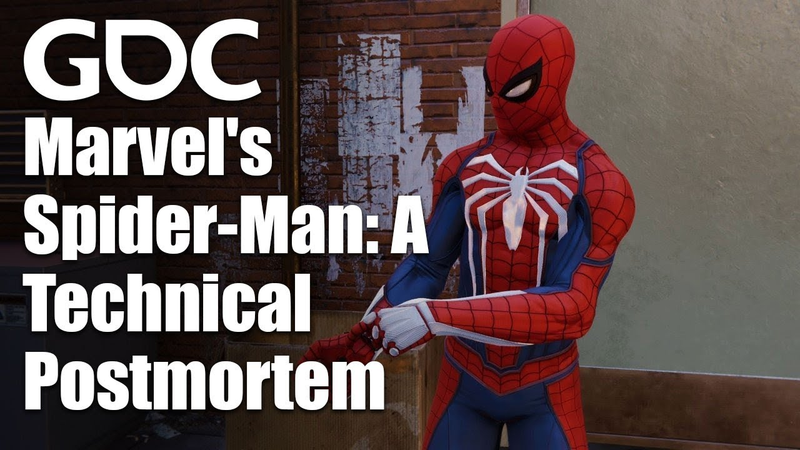
Marvel's Spider-Man: A Technical Postmortem
The development of Marvel’s Spider-Man centered on the challenge of rendering a dense, high-fidelity Manhattan while maintaining a consistent 30 frames per second.
- The development team reduced the memory footprint per city tile from 20 megabytes to under 12 megabytes by implementing advanced asset management and runtime calculation techniques.
- Engineers utilized a grid-based streaming system that loads geometry and textures based on player proximity and velocity to maintain a consistent 30 frames per second.
- The engine manages 600,000 city objects using a 'hibernate' system to ensure visual density without degrading performance.
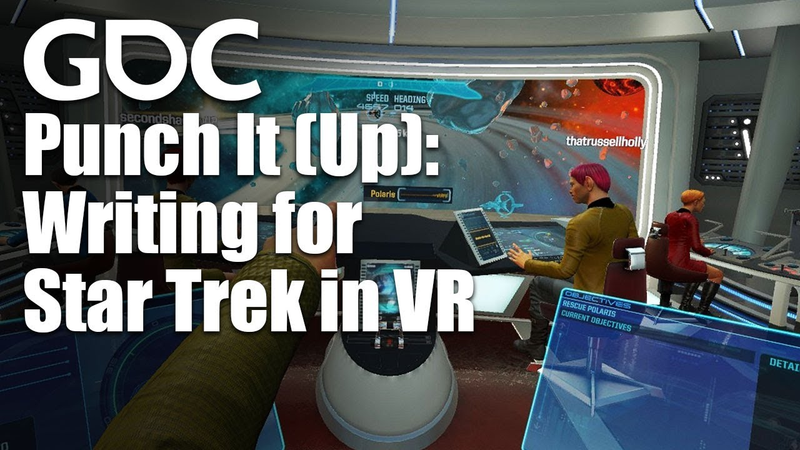
Punch It (Up): Writing for Star Trek in VR
The development of Star Trek: Bridge Crew serves as a foundational case study in adapting narrative design for virtual reality, prioritizing the psychological phenomenon of presence over traditional cinematic pacing.
- VR narrative design must prioritize the psychological phenomenon of presence over traditional cinematic pacing to avoid overwhelming the player.
- Effective immersion requires providing space for users to inhabit the environment rather than relying on constant action or static, disruptive mission briefings.
- Star Trek: Bridge Crew successfully integrated narrative context by utilizing franchise-specific tropes like the Captain’s Log to maintain the flow of cooperative play.
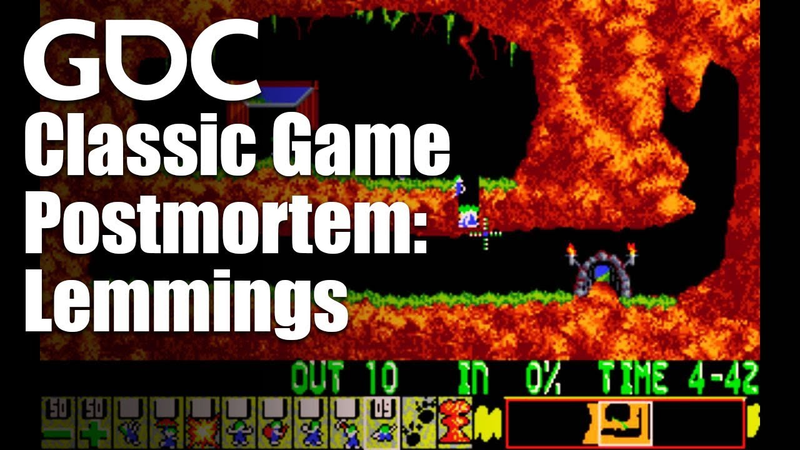
Classic Game Postmortem: Lemmings
The development of Lemmings represents a landmark achievement in early 1990s game design, originating from a desire to create humorous, sprite-based destruction within the severe technical constraints of 8MHz hardware.
- The core gameplay loop of Lemmings was built around the ability to manipulate terrain in real-time, allowing players to use brushes to edit bitmaps and create paths for characters to navigate.
- The game's broad appeal was driven by a carefully tuned difficulty curve, which allowed players of all ages—from five-year-olds to adults—to engage with the content at their own skill level.
- Technical constraints necessitated the 'nuke' feature, a point-cloud animation explosion, which served as a functional way to abort levels while providing a satisfying visual reward for the player.
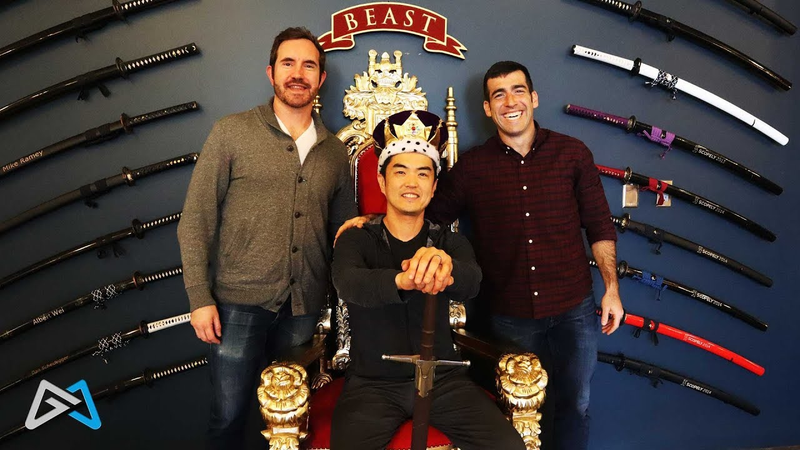
'Star Trek Fleet Command' - Scopely | Ft. Game GM Steve Huff and SVP of BD Henry Lowenfels
Star Trek Fleet Command, a mobile free-to-play title developed by DIGIT Game Studios and published by Scopely, represents a strategic entry into the 4X march-battle genre.
- Scopely and DIGIT Game Studios partnered to develop Star Trek Fleet Command, aiming to expand the 4X strategy genre by integrating RPG and simulation elements to reach a broader audience beyond hardcore players.
- The development team scaled significantly since the project's inception in 2015, growing their staff fourfold to support the game's ambitious scope and content roadmap.
- The operational structure features a collaborative model where Scopely manages product strategy and live operations, while DIGIT handles core development, with overlapping roles to ensure consistent feature prioritization.
Games You Might Not Have Tried - ep 21 - Game Jam "Cycles" Edition! - Extra Credits
Game jams serve as a vital incubator for experimental game design, providing developers with a constrained timeframe—often around 100 hours—to prototype and refine unique mechanics.
- Game jams function as effective incubators for experimental design by forcing developers to prototype and refine unique mechanics within constrained timeframes, typically around 100 hours.
- The 'Cycles' theme demonstrates how developers translate abstract concepts into diverse genres, including puzzle-platformers, precision-based challenges, and social commentary.
- Limited development windows do not preclude high-quality output, as jam submissions frequently feature polished mechanics, effective tutorials, and cohesive aesthetic experiences.
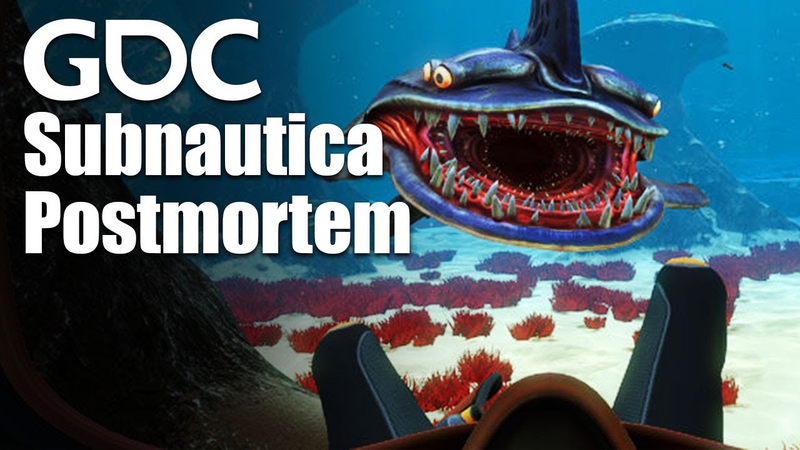
Subnautica Postmortem
The development of Subnautica serves as a definitive case study in the efficacy of transparent, iterative production within the survival genre.
- Unknown Worlds Entertainment utilized an 'open development' model for Subnautica, releasing daily experimental builds to the public to facilitate free, continuous playtesting and rapid bug fixing by thousands of users.
- The development of Subnautica spanned five years with a team of 25 people and a total budget of $10 million, significantly exceeding the original scope and timeline.
- The studio prioritizes 'designing for emotions'—such as wonder, fear, and tension—as a core principle, using these feelings to guide development decisions rather than relying on traditional market research.
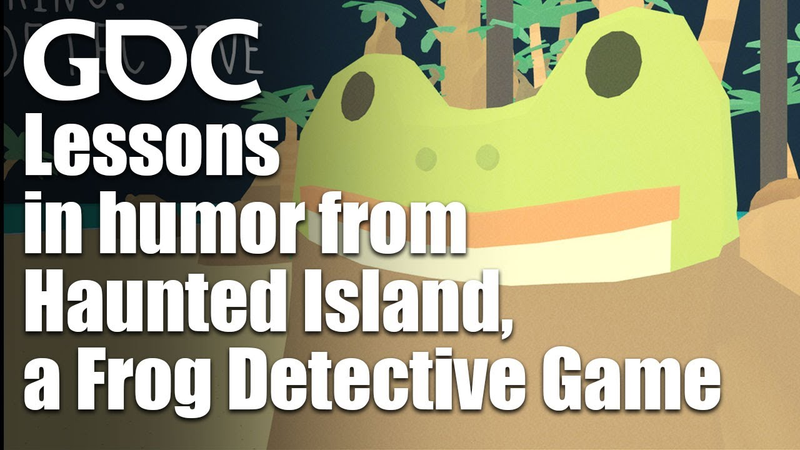
Building Games Around Humor: Lessons from The Haunted Island, a Frog Detective Game
Effective comedy in video games relies on the strategic subversion of established genre tropes, utilizing familiar aesthetic markers like noir cinematography or musical cues to ground the player before introducing absurd or mundane narrative twists.
- Subvert established genres by maintaining their visual and structural tropes—such as episodic formats or specific music—while intentionally misaligning the tone to create comedic friction.
- Base character writing on authentic, personal traits, including negative ones like anxiety or impatience, to ensure characters feel believable rather than relying on offensive stereotypes.
- Manage player expectations during marketing to avoid negative reviews; if a game is marketed as a detective genre, ensure the core gameplay loop actually includes detective mechanics.

Why going 2D to 3D was an epic challenge in Risk of Rain 2
The transition from a 2D to a 3D environment in Risk of Rain 2 serves as a primary case study for the technical and design challenges inherent in evolving a successful indie franchise.
- The developers maintained the franchise's signature high-intensity chaos by utilizing a unified base class for players, enemies, and AI, which ensures consistent movement and inventory logic across all entities.
- To manage the computational load of dynamic lighting during combat, the game employs deferred rendering, which calculates lighting based on screen resolution rather than individual vertices.
- The transition to 3D movement necessitated a sprint mechanic and a lowered camera height to prevent the gameplay from feeling sluggish compared to the original 2D iteration.
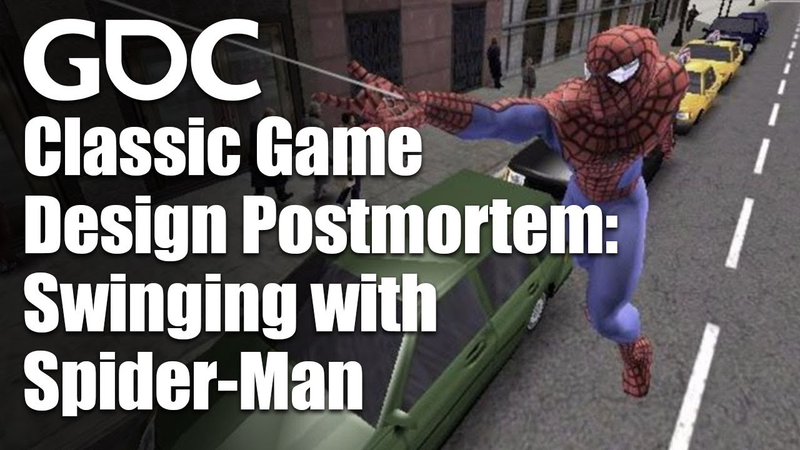
Classic Game Design Postmortem: Swinging with Spider-Man
The development of the Spider-Man 2 traversal system centers on the philosophy that intrinsic motivation—the inherent joy of movement—is the primary driver of player engagement.
- Prioritize intrinsic motivation by designing core movement mechanics that are inherently enjoyable, ensuring the act of traversal itself induces a flow state rather than relying on extrinsic rewards.
- Implement high-gravity movement and mid-air steering to favor the superhero fantasy over strict adherence to realistic physics, allowing for a more dynamic and expressive player experience.
- Utilize invisible 'feelers' to automatically attach to surfaces, which removes the need for precise aiming and prevents the frustration of velocity-canceling stops.

How We Made a Game in 72 Hours! - (Devlog)
The development of the game Pew Pew Crew, created for the Ludum Dare 44 game jam, serves as a case study in the challenges of rapid prototyping and scope management within a 72-hour timeframe.
- Prioritize polish over feature density to elevate a project from merely functional to excellent, as over-scoping during a 72-hour development cycle often compromises final balance and quality.
- A robust core mechanic—such as the 'life as currency' system in Pew Pew Crew—allows for significant content variety and diverse level design even when using limited assets like a single enemy type.
- Inconsistent art direction, specifically mixing disparate styles between backgrounds and foreground assets, introduces unnecessary production complexity that hinders rapid development.
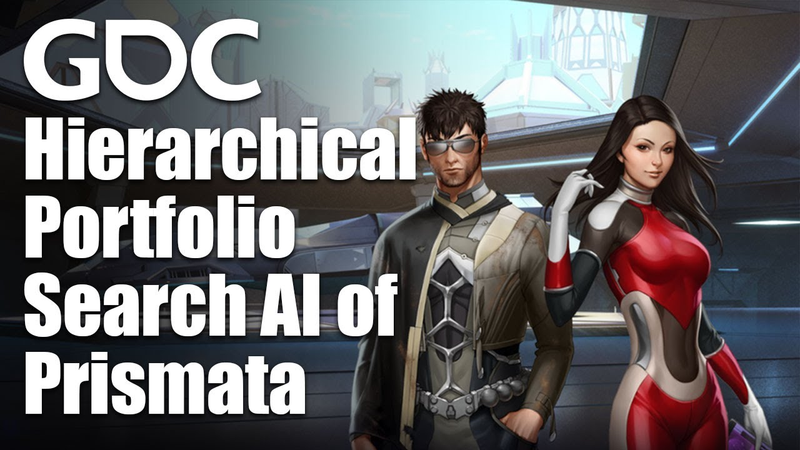
Playing Your Cards Right: The Hierarchical Portfolio Search AI of Prismata
The Hierarchical Portfolio Search system provides a robust framework for managing complex decision-making in strategy games like Prismata, where massive state spaces and multi-unit control requirements render traditional AI approaches insufficient.
- Hierarchical Portfolio Search (HPS) solves the state-space explosion problem in complex strategy games by decomposing game logic into a 'portfolio' of tactical algorithms, which are then combined and evaluated by a high-level search algorithm like Alpha-Beta.
- The HPS system allows for modular difficulty scaling by adjusting the search depth or the complexity of the tactical algorithms included in the portfolio, enabling developers to create everything from random-move bots to expert-level AI.
- By restricting the AI to a predefined set of tactical moves rather than allowing it to generate arbitrary actions, designers can prevent 'emergent' but undesirable behaviors while maintaining high-level strategic intelligence.

Here's how I stayed motivated for 5 YEARS while making a stupid game...
This analysis addresses the challenges of maintaining motivation and leadership within the game development industry, specifically focusing on independent projects and long-term career sustainability.
- Long-term project completion depends on treating development as a professional obligation with firm deadlines and external accountability rather than relying on fleeting creative inspiration.
- To prevent team attrition in unpaid or independent environments, leaders must establish clear goals, define revenue-sharing models, and foster a sense of shared purpose.
- Maintaining momentum in independent projects requires balancing financial incentives with non-monetary engagement, such as planning for industry showcases or public recognition.
Writers
Games and companies
Games