Game Development reports and market data
Documents
European Game Industry in 2018
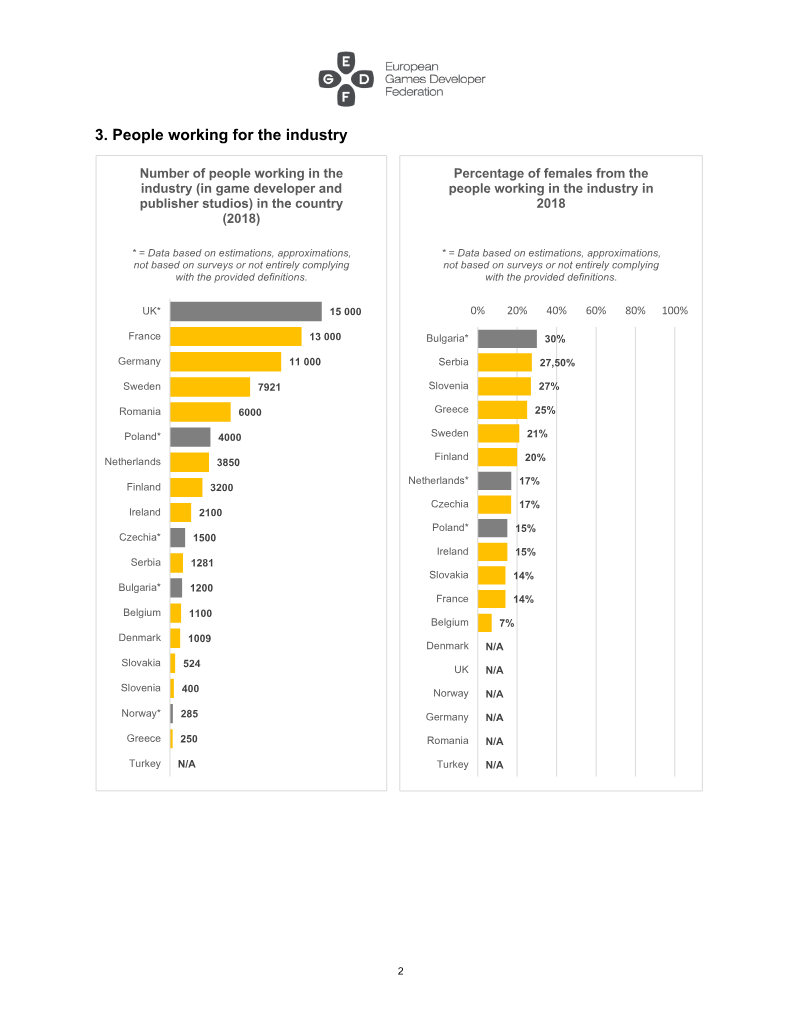
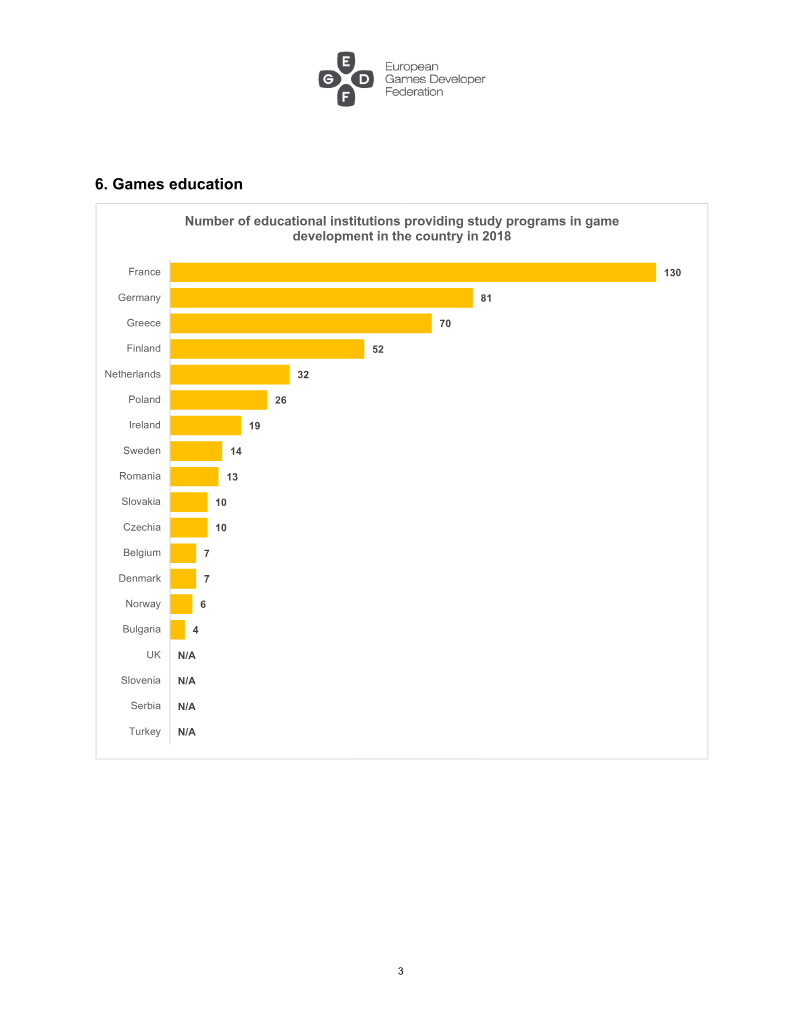
This report by the European Games Developer Federation (EGDF) provides an aggregated overview of the European games industry in 2018, drawing data from 19 European countries: Belgium, Denmark, Poland, Slovakia, Sweden, Finland, UK, Netherlands, Norway, Germany, Czechia, France, Romania, Slovenia, Serbia, Bulgaria, Turkey…
- The European games industry comprised 4,906 studios and 137 publishers in 2018, collectively employing 77,916 professionals across 19 nations.
- The United Kingdom, France, and Germany serve as the primary hubs for the industry, hosting the highest density of studios and the largest workforces.
- Revenue generation is highly concentrated, with the top 10% of studios accounting for nearly all industry earnings in countries such as Slovenia and Denmark.
GDC Summer Live Podcast - Day 1
Game accessibility functions as a critical design philosophy centered on the removal of barriers to play, ensuring that all users can engage with challenges in ways that accommodate their individual needs.
- Accessibility is a design philosophy focused on removing barriers through granular, customizable options rather than simplifying gameplay or compromising creative vision.
- The U.S. market for accessible gaming includes 46 million potential players with approximately $21 billion in discretionary income.
- The Accessible Player Experience (APX) framework advocates for integrating physical, cognitive, and mental health barrier mitigation early in the development cycle through iterative, data-driven testing.
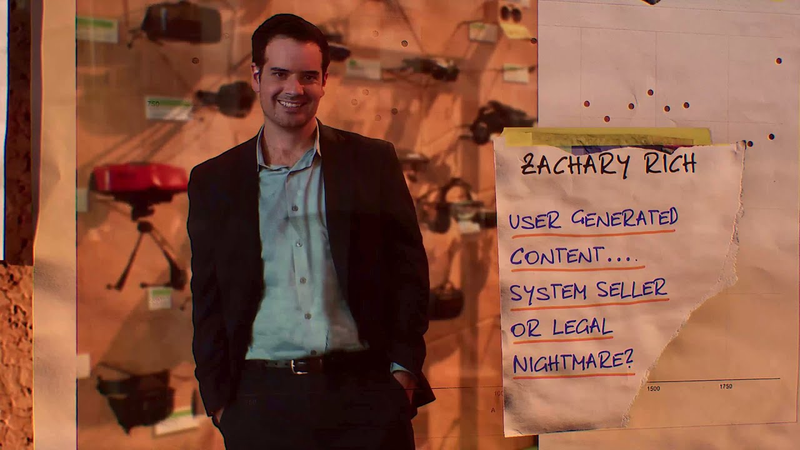
User Generated Content System Seller or Legal Nightmare with Zachary Rich
User-generated content serves as a transformative force in the modern gaming industry, enabling creators to build careers and fostering innovation within platforms like Roblox and Minecraft.
- User-generated content (UGC) platforms like Roblox and Minecraft act as critical hubs for talent discovery and the creation of new game genres.
- Studios must implement robust terms of service that require users to warrant ownership of their creations and confirm the absence of third-party intellectual property violations.
- Developers should secure broad, royalty-free licenses to reproduce and distribute user content to ensure they retain rights to derivative works within their ecosystems.
Destructible Environments in Control: Lessons in Procedural Destruction
The development of destructible environments in the game Control focused on creating a reactive, cinematic experience within the game’s primary setting, the Oldest House.
- Remedy implemented a procedural destruction system in Control using a three-layer approach: rigid body simulations (RBDs) for large chunks, mesh particles for smaller debris, and material-based decals for surface-level damage.
- The destruction pipeline relied on metadata tagging for all environmental assets, allowing the engine to apply specific physics rules based on material properties like concrete, wood, or metal.
- To manage performance, the team utilized collision delays, high sleeping thresholds for physics objects to prevent unnecessary movement, and Signed Distance Fields (SDFs) for efficient particle-to-environment collisions.
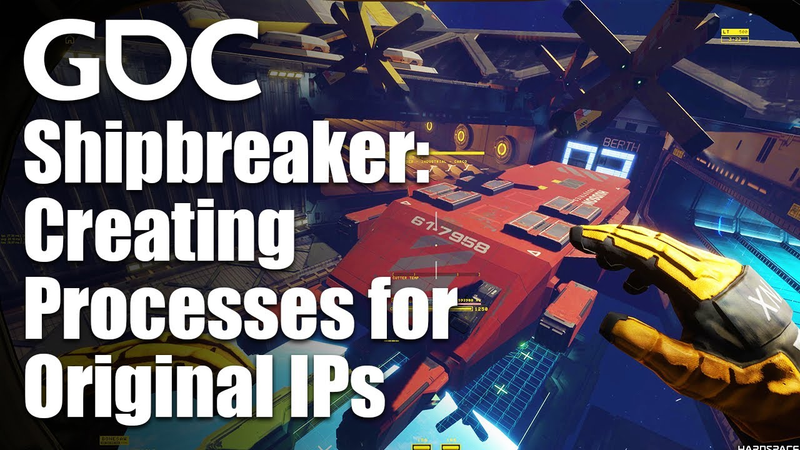
Forging Hardspace: Shipbreaker: Creating Processes for Original IPs
The development of Hardspace: Shipbreaker demonstrates the strategic necessity of balancing creative experimentation with rigorous production discipline when building original intellectual property.
- Blackbird Interactive maintained a small, stable core team of 10 to 15 members during the early development of Hardspace: Shipbreaker to ensure the game's core mechanics were fully validated before scaling production.
- The studio utilized a 'breadcrumb' iterative process, where successful mechanics from failed prototypes—such as the grapple gun and cutting tool—were retained and repurposed across multiple project pivots between 2016 and 2020.
- To avoid the 'clearance rate' trap where teams avoid difficult but necessary design changes to protect their metrics, the studio prioritized systemic design over handcrafted content, allowing the game to generate unique experiences procedurally.
How This 20 Yr-Old Went Full Time Game Dev!
The transition to a full-time career in independent game development is increasingly achievable for young creators by diversifying revenue streams rather than relying solely on game sales.
- Achieving full-time independence in game development requires diversifying revenue streams beyond game sales, utilizing a mix of YouTube ad revenue, Patreon support, and educational content.
- Aspiring developers should treat game development as an entrepreneurial venture, layering multiple smaller income sources to ensure financial stability during the time-intensive production cycle.
- Building an audience by documenting the development process through video logs creates a sustainable brand and income stream that can support a developer before their games achieve commercial success.
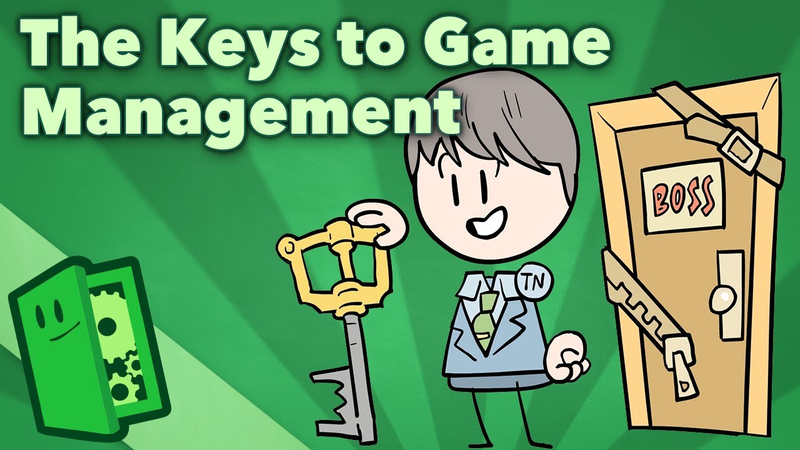
The Keys to Game Management - Management Culture Around the World - Extra Credits
Effective game studio management requires an understanding of diverse cultural frameworks, as leadership styles vary significantly across global regions.
- Effective game studio management requires synthesizing diverse cultural methodologies rather than relying on a single, universally applied leadership style.
- Middle Eastern management often follows Theory X, positioning the leader as an authoritative teacher who provides structured pipelines and protects the team from external interference.
- Western management typically utilizes Theory Y, which emphasizes individual autonomy, personal responsibility, and a collaborative, non-hierarchical structure that encourages learning through trial and error.
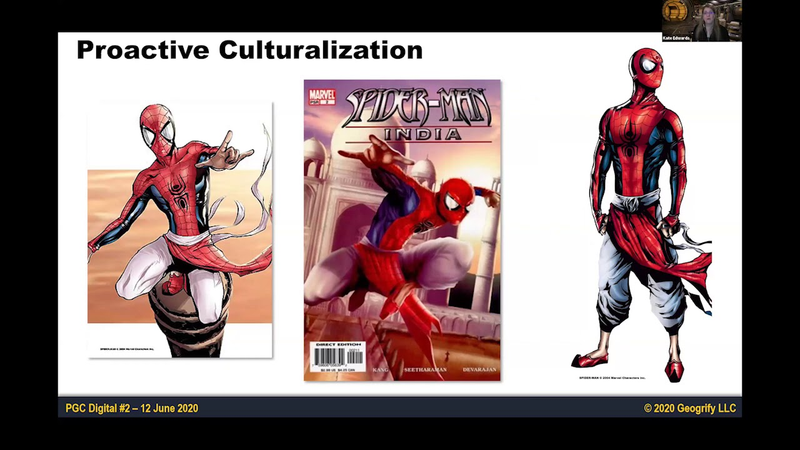
Maximizing Your Game's Reach - A Quick Primer on Culturalisation PG Connects Digital # 2
Culturalization serves as a critical strategy for game developers aiming to maximize global reach beyond traditional North American and Western European markets.
- Culturalization is a proactive strategy that aligns game content, themes, and assets with the specific worldviews, legal regulations, and cultural values of international markets to ensure global resonance.
- Unlike localization, which is limited to language translation, culturalization involves surgical design adjustments—such as modifying character armor or replacing incompatible assets—to avoid market bans and public backlash.
- Developers should integrate culturalization early in the development cycle to avoid the high costs associated with post-release modifications.

Panel: Maintaining Your Culture While Working Remotely PG Connects Digital #2
Company culture in the game development industry functions as a foundational pillar that relies on leadership, employee empowerment, and the collective values of the team rather than top-down mandates.
- Company culture in game development is driven by employee autonomy and a sense of impact rather than top-down mandates, serving as a primary factor for staff retention.
- Maintaining a cohesive identity during remote work requires balancing formal operational processes with the informal, creative vision established by founders.
- Effective remote culture relies on leadership prioritizing mental health and well-being through flexible, empathetic management styles rather than rigid structures.
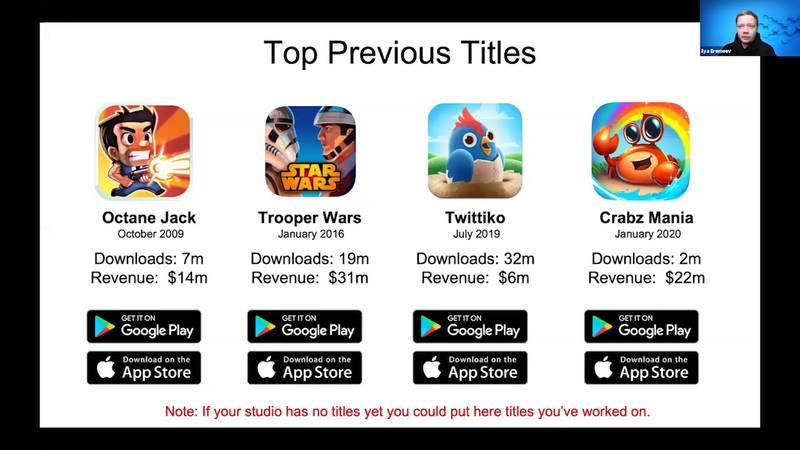
The Perfect Funding Pitch Deck PG Connects Digital #2
Securing venture capital in the gaming industry requires a disciplined, ten-slide framework that prioritizes transparency, team pedigree, and data-backed business logic.
- Investors prioritize the founding team as the primary asset, evaluating candidates based on previous industry experience and their ability to articulate a clear company mission.
- A successful pitch deck requires a disciplined ten-slide framework that balances technical game mechanics with professional maturity and operational strategy.
- Financial rigor is mandatory, requiring detailed profit and loss statements, burn rate analyses, and precise capital requirements to establish credibility.
AMA: Composer Q&A with Winifred Phillips
Game music composition demands a departure from traditional linear scoring methods, requiring a modular approach that responds dynamically to player agency.
- Game music composition requires a modular, non-linear approach using repetitive musical building blocks and subtle motifs rather than static, expansive melodies to accommodate unpredictable player agency.
- Composers must prioritize functional, adaptive scores that reinforce the game’s atmosphere subconsciously, preventing listener fatigue during long-form interactive experiences.
- Professional success depends on the ability to blend diverse genres, such as orchestral and electronic elements, while conducting deep historical or cultural research to ensure thematic authenticity.

Ask Me Anything: Working Together, Apart, In Dynamic Times. Q&A with Robin Hunicke
Successful game development in a remote or hybrid environment requires a fundamental shift toward prioritizing employee well-being and psychological safety.
- Prioritize psychological safety and employee well-being as the foundation for successful remote and hybrid game development to mitigate the cumulative stress known as allostatic load.
- Implement flexible communication frameworks, such as time-boxed meetings and designated no-meeting days, to protect deep work time and prevent burnout from constant digital connectivity.
- Shift leadership focus toward empathy-driven support systems during periods of external crisis or social upheaval rather than relying solely on productivity-focused metrics.
Writers
Games and companies
Games