1 free read left. Create a free account for unlimited reading + AI research.
Create free account
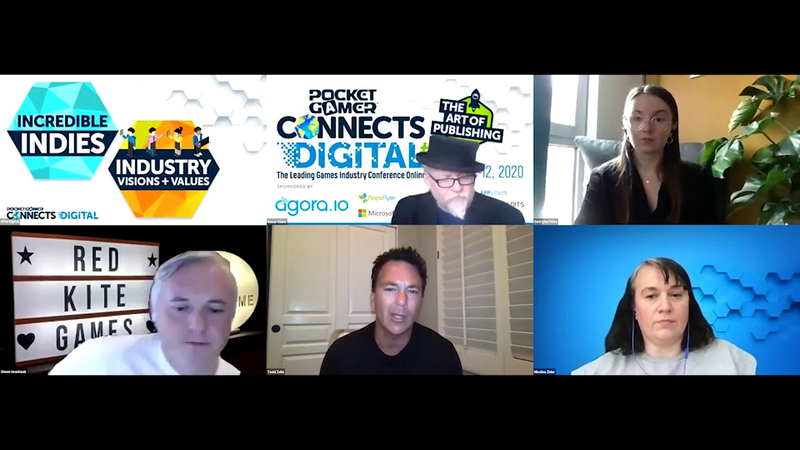
Panel: Maintaining Your Culture While Working Remotely PG Connects Digital #2
Key insights
6 takeaways- 01Company culture in game development is driven by employee autonomy and a sense of impact rather than top-down mandates, serving as a primary factor for staff retention.
- 02Maintaining a cohesive identity during remote work requires balancing formal operational processes with the informal, creative vision established by founders.
- 03Effective remote culture relies on leadership prioritizing mental health and well-being through flexible, empathetic management styles rather than rigid structures.
- 04Digital tools, including virtual social spaces and structured recognition programs, are most successful at emulating physical office dynamics when they are staff-driven rather than forced by management.
- 05Leaders must foster an environment of vulnerability and open communication to bridge the isolation and potential gaps in collaboration caused by distributed work settings.
- 06Sustaining creative collaboration in a remote environment requires leaders to remain agile and empower team members to take ownership of their own professional and social interactions.
Ask AI about this video
Transcript
i'm going to invite the panel uh to come on up and and join me so um you know we've got nicolina from unicorn pirates uh we've got georgina from big pixel we've got simon from red kite and todd from bitfry uh hopefully they'll come on in a second or two um so my my aim is really to sort of chat to your chat to you all about uh uh what in this case we're talking about um how you maintain your culture so we're kind of moving away from the charity side of things and moving well we'll see may or may not be the case but now talking about what it takes to kind of keep our business in the context of you know everything that's going on and also more generally so um thank you for joining me guys um
what we'll do is let's start by getting you all to introduce yourself actually georgina do you want to start by saying who you are and what you do yeah sure hi i'm georgina i work at big pixel studios as the operations manager that covers people operations too i guess the ultimate aim of my job is to make sure every single one of our employees is happy and well working with us and if not how we can achieve happiness and wellness inside our studio well this has become a big word in this context i think yeah so simon do you want to explain what you are sorry who you are and what you do yes sure um so i'm simon i'm the studio director at red kite games um as the founder of red kai and one of the most important aspects of my my role is helping to define spearhead and protect red kite studio culture and day-to-day i run the studio and and i guess similar to georgina in a lot of ways but simply it's my job to ensure that red kite is a great place to work full of lovely people
and has great projects and that's pretty much me that's good and todd for yourself are you the same or or is there a little kind of uh twist on what you do yeah there's a bit of a twist here i'm the uh i'm the person that's out of uh you know who doesn't belong here um no i'm technically i'm the director of uh strategy chief strategy officer for bitfry game studios which is um based in portsmouth new hampshire and um we are essentially um a startup that's not a startup anymore and we've launched our first game on apple arcade uh ultimate rivals the rink and so we've um we've been remote i'm in california the teams in portsmouth new hampshire and uh we can get into all the details as we get going here that makes sense and nicolina how you doing um tell us obviously i know everything you do but please tell everybody else hi everybody my name is nicolina i'm a co-founder and ceo of unicorn pirate
studio uh beautiful pirate studio is quite unique gaming studio we actually found it on the values um so this is really important uh it's kind of a backbone up for a studio and of course from being a co-founder i'm a person and a ceo i'm not only doing the you know the ceoing i'm also kind of let's say spiritual policy leader as well so kind of making sure that uh our guidelines um are developed and followed by everybody and uh that we are also adopted to the challenges we have right now with uh with pandemics and working from home so i'm quite actively involved in everything that's happening within the company yeah spiritual policy there's an interesting area and i'll be interested to just explore that i mean for me the kind of idea that you know you found a game company on culture really uh hit home when um with ilka uh and supercell and what they were trying to do back in the day um you know is that is it still true that culture is a driving force
because it's so easy i think that game developers just fall into making a game georgina for you guys how important is culture and what does it mean to you um i think culture's probably probably for especially our employees equally as important um we rake i think our studio is kind of built on having just a really nice working culture people like coming to work i think that's definitely changed um from when we were hiring is that people don't just want to work on cool games anymore they want to work in a nice studio with nice people and feel like they're a valued member of the team so it's important that your studio recognizes that and you are supporting your team and like in the workplace as well but i feel like it's it's not just about being you know nice and unhappy i think to me is a profound part to it which is about meaningful impact the you know the autonomy the authority to act uh is that is that fair or am i being a
bit too extreme no i completely agree with you yeah no i think it's um employees having uh yeah like the white autonomy having autonomy over their own work not feeling like they're just a a tiny cog in a big machine that they are driving that machine as well um i think more and more now people want to feel like they're actually making an impact on the game and the studio that they're building as well and of course with big picture growing so much over the last couple of years i can imagine that's been a challenge but we'll come back to that so simon what about for you guys i mean uh this is culture meaningful for you in what does it actually mean in terms of practical activity and and behavior it's definitely um meaningful oscar i think that um for myself personally um when we when when i went about setting up red kite i had some strong ideas on what i wanted the studio to be and how we would you know having been in the the games industry for for a while and learned lots of them good things to do
and also some bad things not to do um is then putting those into practice and i think that you know my opportunity to do that as part of red kite was was very much a driving force behind what is red kite's culture then and and and now and going forward so um i do think that it is um a very as you i think the word users like you know to have an impact on on on kind of how you go about making games how you grow your studio the teams that you build um and i think that the studio culture is massively important in all of that and i think as well um it's a funny thing studio culture it's like the more you try and define it the more that it's harder to define and the more you kind of try and put words against it the the more almost like false or um just just unnatural it feels um so it is it is a tricky um thing to try and contain or to try and or put into a box in some respects but
um i i feel that at red kite it's something that we do one very well but two i actually think it's the most important thing that we do as a business and as a company well shaheed who used to be at sony uh a lot of the indie side into playstation uh did a great talk uh in uh game jordan last year and he said that basically culture is what the senior management do and i think that's i mean it's a bit reductive in some ways but i think it's a really powerful kind of way to think about it is rather than necessarily trying to explain it it actually is realizing it's a reflection of who you are as a leadership team and how you empower people below you to act does that resonate with you definitely i think it's interesting and she had saying that i think that for me um and it might be something we touch on a little bit later but um at red car i feel that this there's a collective responsibility to grow and protect what is red kite's
culture whatever that might be it's not just about me it's not just about the leadership team as you said there it's you know if you really want to protect it grow it nurture it and certainly from you know being an indie studio of however many people to then grow into larger studios is that you need that collective responsibility amongst the team otherwise that culture is going to be really hard to maintain maintain so um i get that completely absolutely and todd for yourself i mean obviously you're working remotely it sounds like your team and mo well prior to co-fit of course it sounds like your team were mostly in the same place um how has that affected your ability to sort of build and manage your culture and what does culture mean to you as well well i think one of the things that you guys touched on was that culture really comes from senior executive team and we're a bit unique in the sense that um yes i am working really remotely but from march of 2019 to march
of 2020 uh we went from seven employees to then signing a deal with apple to then uh completing a game that we had to get out by december to then ramping up from december to uh march again to get ready to complete another game and so we went from seven employees to now we have over 60 employees we've been we've been making that um that adjustment and we've been making those additions um a when we were trying to consolidate the team so that they could all work together and then immediately once we sort of got this new office and we had guys working side by side um then the pandemic hits and we had to figure out how to go back to remote surroundings so um we were very dispersed in the early times of production on our ultimate rivals release and so i think because of that we fell back into it relatively easily and i think the the key to us has been some
key hires during that first sprint phase between the time we signed the deal with apple and had the first release and our production head our engineering head our art leadership they are all heads and lead their own team um and have a lot of communication but they are very communicative um on a daily basis uh within the uh the executive structure so i i think to your point that executive team passes that culture down and i think we're a very contrarian uh type of studio at least and that comes from the very very top with the ceo and the founder and he tries to instill that with the rest of the guys and i'm excited and actually i think you tap into a really kind of difficult problem i think managing and maintaining a culture when it's a small number of people is relatively easy but the scale of growth that you're describing is something i think any team would find difficult i remember being at unity
and how much effort and time was put in to try and sustain the identity of unity internally uh you know when we went from like 400 odd people to i think they're like best part of 2000 now it's an incredibly difficult process but even just going from like seven to sixty seems to me a massive challenge um it sounds i think you hinted at it it sounded like mostly it's about delegating that kind of um cultural responsibility is that is that fair summary yeah i think that is fair and i think um you know i i think one of the things that you look behi under the hood of any indie company it usually goes back to that vision of the founder and then that culture i think at least in our case was really um built by the founder and he's very driven he's very hands-on he can write code as well as negotiate license deals and we were jumping into a field that was heavily licensed i p driven we have licenses with the nba and the nhl and the nfl and the mlb and
so it was something that you had to have sort of this corporate front to be able to navigate that world but at the same time he was really a a game builder himself and he wanted to instill that sort of indie culture everybody has some um voice in the uh the process and so it was hard i think for him to delegate at first and when we started growing um at a point that we knew we had to to be able to build up our development team to be able to reach our milestones to make our game get to the marketplace then it took a lot of trust and i think that was the most difficult part originally was putting the right guys at the lead positions that he could trust and feel like they could be delegated and still maintain that same level of communication and that same level of uh you know trust and culture um especially when we're in multiple time zones and multiple continents and that that was the biggest adjustment
and it's it started to operate um relatively smoothly and then we had to go back to this remote practice yeah exactly it's always an adjustment absolutely so and nickelodeon you talked about being the sort of spiritual kind of um visionary for this sort of stuff and does that idea of delegating the kind of cultural mindset you know empowering your team to to live the culture is that key part of what you do and i wonder though does it i think a lot of your team are quite experienced they've got a lot of track record as i recall um has that made it easier for you to be able to maintain your cultural view um in a way it was well uh yes and no uh we have our team is mixed we have this kind of senior senior members and then we hire lots of juniors as well because i don't know if the audience knows that we are mostly female and a non-binary team about 80 of our employees are women and non-binary people and we are over 50 lgbtq plus and it's actually very hard
to find uh you know lots of senior people who are from these backgrounds um so we kind of took it as also as our role to um change the you know landscape of the gaming industry to educate the young generation so to give an opportunity to kind of step into the gaming industry uh and to get the chance to work on uh on uh on on commercial games so in that way it was kind of easy and hard because you know uh it's it was very easy to maintain we were all senior and we were all relatively small but when the company started to grow and start to hire more people then the first problems came as well um and we realized that uh you know first we had to kind of a little bit look into our hiring practices and really define those uh but uh the bottom line is whatever management decides if the rest of the team doesn't want to embrace it just ends up usually as a debt letter on a paper uh and we might live in the illusion that everything is great because we believe
in it but if the your team doesn't live it it's not really the culture that the company have the culture company culture is the one that the most of your team actually embraces so in that way we actually did lots of work uh together about explaining uh the culture and really go to the bottom of including everybody in it so that kind of every employee is also champion of the of the company practices and company culture um and that you know we don't need to kind of supervise if the company culture is maintained but the people who work there kind of fully embrace it and they kind of can take you to the next survey that without us telling telling them hey you know you know you should do it like this and that so i think in a way yeah whereas the company grows you're kind of seeing like more kind of putting let's say his spiritual path so where would you like this culture to develop and what to embrace and how to respond to challenges as well from the inside and from the outside but i think the real carrier of the
company culture are the teams themselves no having been in did telcos i've seen how badly it can be done really badly um lots of good good intent but yeah i mean for us we have two values uh curiosity and tenacity uh which is kind of what drives what we do um anyway let's talk about the elephant in the room um or the the one that's keeping us to our rooms uh the kobe 19 locked down um you know what was the sort of um the biggest challenge that you had uh or did you have any challenges because obviously we're a dish to world surely there's no challenges so nicole let's start with you on this you know uh what was the the challenge you know what was you know was it all smooth um i should you know this would be like i i promise to try to keep it as short as possible our experience was absolutely horrible um i had personal challenges so i had to go for emergency surgery
and i was hospitalized for three weeks during the covet 19 not related to covet something completely different um and i also work you know as a product manager my own company so kind of like product was being a little bit like let's try to figure it out we had a key member of our team our lead producer could be hired from vancouver stuck in vancouver so they are higher they're working for us but they're in vancouver via and helsinki you can't be worse when it comes to time zones and they are producers so they're leading the team which is physically helsinki so we were hit by that so and of course we used to have uh quite relaxed working from home policy we used to do it two times per uh two days per week uh but right now of course it turned into being fully like the whole time uh it was very tough as well because some people didn't have an appropriate setup at home they didn't have appropriate chairs to work seven and a half hours per day at their computer it's different when you're doing something you know in
your evening but then you actually have to work at home so from kind of a physical setup of course with the mental anguish and i see you know insecurities um there'll be the whole situation affecting people you know i'm like uh i'm in my late 40s uh i've been through a war for me i was like oh yeah okay this is tough but that means you're worse but for lots of people in the 20s they were like you know they were panicking it was really hard even just to this kind of fine line how to encourage them how to give them the time to process the emotions but also kind of not to encourage them to completely be swallowed by the you know the panic as well the enormity of it all yeah yes yes exactly of what is happening so there was i'm coming from a space where we we've been working remotely for like nine years and uh we we actually closed our siege round just at the lockdown uh so we've hired two people who i've never met in person and they've been brilliant
but it's because we've had that kind of like unique value where we've always been remote and and i'll come back to you on this nicole in a bit less georgina so obviously nickelodeon is describing a very not good situation how i mean obviously you're not a small studio nowadays yeah so how how is big pixel dealing with this um our transition was uh relatively smooth um we all work on max so um in terms of uh sending everyone home it was a matter of unplugging uh grab your cables and we'll see you on zoom uh uh the and we're incredibly proud of our employees for the way that they've handled it as well um we haven't really seen any drop in productivity um we were able to i think uh echoing what nicolina said it was about just making sure everyone had comfortable setups which of course like being a london-based studio not everyone's uh houses can accommodate a separate working space as well so um we've had a couple of our employees move home move back to their home countries just to make sure they're
comfy and they were they could work healthily rather than like in a room by themselves uh so um yeah but they've adapted really well i think it's just making sure that um we could be as accommodating as possible um so we've been able to um send equipment and making sure people have got chairs uh we've adjusted kind of our working hours to accommodate people in different time zones and such as well yeah no i think that's really key i mean we've changed a few of the way we do communication we'll come back to that later so simon um you know what about yourselves was it a smooth transition or did you have something a bit closer to nicolina's almost war story and fortunately it's closer to mgr genus than um no it was it was very smooth i think that um at the point where we decided that we were going to um close the studio and get everybody home and it took us probably about three days
to just get everybody back everybody up to you know back up and running and being able to be effective on projects but um i think that obviously we benefit as well from the fact that being part of a bigger organization and now under the the sumo group so and we had a lot of support from from sumo to help us get back home up up running and all those things so um we were we were luckily um it was smooth and quite positive um just just to see those those kind of wheels and those motions kind of turn to to get us back and and up and running i think something you touched on at the start of the question oscar was when you mentioned about recruitment is i'd say like the challenging side to this was that so you know reese red tight for ourselves we recently relocated and we we moved to leeds in in november last year um seems about 10 years ago now but yeah you know november wasn't that long ago
um but part of that was then you know we were very much looking to you know as an ambitious studio to grow the team and and recruitment and all those kind of things and and obviously kobe 19 has an impact on that and i think that again like the biggest adjustment for us wasn't necessarily about getting home and working i think it was getting home and working but then also and continuing with our just strategy for what we wanted to achieve for 2020 so particularly that that need for collaboration and design i think you know creating tools and uh finding tools and creative working practices that mean that you don't lose that value of the face to face i think it's going to be quite a difficult thing do you have any particular kind of processes that you use to sort of support that um not so much at red kite and it's probably because of just the way that we work anyway and how we work with our partners is that you know with red kite doing a lot of
work for hiring co-development is you know we we we're very used to working with external partners so we're very used to these kind of conversations these you know video conferences scrum's talking to our partners whether it's in the states or europe and things like that so all those aspects weren't really um unusual to us um i've you know i i'd be wrong in saying that it hasn't meant there's been a much heavier emphasis on those aspects of communication but it was something that um we were still you know very good at very well versed at as as a studio and and what it is that we helped to deliver for our partners so i don't think it was um i don't think it was a particularly big step for us to have to to to have to make that adjustment um which ultimately obviously is that's a that's a good positive for us so no exactly and todd you've already already hinted at kind of having to sort of like pull back from what you're kind of like getting people into one space into the more
remote working and and it does it sounded like you really kind of uh went back to your roots almost in in terms of the remote piece but were there any particular challenges that you could share with us yeah i think a couple of the things that um hearing everybody i think there's a lot of similarities to everybody's story at some level i think what might have been a little bit unique in our case is as i described uh we kind of hit the ground running in march and then it took about six months for us to find a proper studio to where we started consolidating our team and i think it was really important for our founder and ceo to consolidate the team in one place or at least as much of them we had um you know certainly some dispersed team like everybody does but we were um just getting into an office in about september october their bodies were starting to build up we were adding to the team the guys were shoulder by shoulder and there's some camaraderie and some team chemistry that's built in that environment and then um as i
said we were also still hiring pretty steadily at that point so then when the pandemic hit and we had to go to remote what we found at least is that we had a lot of young whether it be engineers or art design guys that had moved they relocated to a new location they were single they weren't necessarily with families and they were enjoying the camaraderie of sitting next to their counterparts and their team members and being on a daily basis in this sort of new growing social environment and then they had to go to what was a new apartment in an unfamiliar territory without any family without those friends and so there was an isolation that i think existed that might have not existed in in the same way had they already been at the home that they were already familiar with so yeah um i think that was a challenge for us and our head of production i think has done a great job in recognizing that he was one of the guys that transplanted himself with a young family
and so he recognized what that could mean and so he created online social events virtual social events whether it be a happy hour and drinking together where they could all see each other like this so they could feel some bonding and closeness during this time of of isolation i was gonna yeah that's that's exactly where i was gonna go next actually i think it's fascinating you know that you've already highlighted that creating this social moments for people who may have just moved you are now in different territories and now stuck in a room uh they can't easily go back to their family um i think that that's a profound problem um and i also imagine there's issues with working relationships there's that um you know there's a lot lots of evidence that shows that whilst we can get great value from sitting and looking at people on the screen we miss out on a lot of the verbal cue the non-verbal cues we miss out a lot of the emotional connection and the tactility of being in the same
space as someone um so what was it about those uh the choice of using sort of social events and activity online that that really helped your team what was it that really i think it was the fact that as we said we were so adding to it and as you had mentioned we've made hires a number of hires during the last three months that have never met the rest of the team personally but they know him um as they see him in a box on the screen but i think part of what you alluded to is conflict resolution i think there's some level of resolution that has a way of either solving itself or being resolved in a face-to-face environment the the um the heads of each of the departments can have a one-on-one with guys or can bring guys together and work through some things in real time and i think that became a challenge because when you're working remotely and they weren't sitting next to each other to be able to maybe present the problems that they felt like were arising
then it went through a back channel or through slack and then there was you know miscommunication based upon the the written word versus the spoken word in person and so with that i think our a couple of our leads set up a conflict resolution channel and then thought you know what that's not enough we have to let these guys see each other in a more uh relaxed environment and they they felt that you know some of it was around game play too so that they could they could express the things that are pat they're passionate about not just sitting in a room having a drink with somebody but playing online tournaments of games that have nothing to do with the game that they're designing or the game that we're making but things that they love themselves so you can learn a little bit more about those other people and those are the things that they just started evolving into where you got the sense that hey these guys are really gravitating to it and you get more it started out 15 guys and 20 men and women and then now it's like literally 40 to 50
uh men and women you know come in and participate in all of these social events so so we recognize that there's been some value to it yeah i think that's absolutely fine i mean when i talk about conflict resolution i don't just mean fisticuffs in the back office i mean you know actually the passionate debate around why does that gameplay matter and i think it's actually a critical part of the creative process uh i i have a kind of like um not a rule but it's like a way of thinking i know i can trust somebody i work with when i can round with them and then go and have lunch with them or have a beer with them because we know it's not personal it's about the the role it's about getting the job right and i think uh seeing the passion of people being expressed constructively can be incredibly powerful the issue is when it goes in the back channel when it's to do with loss of um you know the the missing information that happens when you're dealing with uh sub-optimal
communications you know when you don't have them in your face talking to you um i think those things it's very easy to think of people as other when they're on a screen it's a lot harder to think of that when you're in person so nicoline so um i mean todd's brought up some amazingly useful things so you know things like social interaction the water cooler moment as i like to call it conflict resolution both you know you know not necessarily extreme but you know day-to-day um resolving issues um what's been the trick for you uh to help your team kind of communicate and work with each other to resolve those things uh there are two main things that helped uh first one was something that we started almost immediately when you know we kind of decided to work from home which is also by the way uh recommendation from the finnish government so there's not much choice about it so even if you wanted to stay well it wouldn't really be feasible um one was to actually recognize that
people are uh do have mental anguish about the situation and just ignoring it or telling them to suck it up it's going to make things much much worse you know this is not this is not time to practice stuff a lot of this is time to be supportive and uh help your team but how to do it the best way when you are remote yourself so we started with the daily check-in and through the working hours it was open meeting for everybody where people could really just express their emotions how did you feel they could talk we talked about a coffee situation about you know they could say if they heard some gossips or crazy theories they could express them uh and uh everybody participated everybody was equal and the whole leadership was there and rather than being telling them you know this is stupid we kind of really gave them a platform to express their um um you know frustration and fears and insecurities and it worked really really well because they felt very supported and heard it was kind of almost like a relief you know you got it out
and uh you were not ridiculed or you know scored or anything you are supported and accepted and people could have found strength to kind of move on and you know go back to work and calm down um so this is really really important and we still practice this it used to be daily now we do it once per week it's not uh obligatory it's voluntary so people can take between you know half an hour even an hour if they want as long as somebody has something to share and it's open supportive space for everybody to express themselves and the second thing was we actually we use slack in a daily communication but as todd mentioned sometimes when you write something there are many ways to read it um you know you can always read it from your own perspective and then you read something that wasn't there and you can have a conflict which it might be even about nothing because just you kind of read something so we embraced actually uh discord and we use discord on aside from slack at least mostly because you can make the groups
we're trying to emulate working rooms so that people could actually just have it while they're working and if they have a comment or something actually heard by the rest of the team and we had different of course with the game team who works in our game they had their own group but the designers had their own as well so they could kind of really have the simulation of being in a working space where people could hear each other out or just kind of passively listening what's going on and this really helped this kind of feeling of unity and people working together because it wasn't scheduled beating it wasn't something we have to talk about something it was more like i can just be in the room silent or i can crack a joke or i can comment on some on you know some art i'm making or on code and everybody hears it in that room so this really made lots of difference in efficiency of people and uh comfort how they felt like they felt a little bit less uh alone or isolated uh having this um this kind of way they were working
yeah i mean i think tools are a kind of key thing i mean we tend to do all that stuff in slack um but we also found notion to be profoundly you know game changing for us because we've got one shared space for projects and miro as well um i tried mural which was great but then miro just topped it for me um the ability to have digital uh whiteboards so we can have conversations and communications and people can change things instantly and share that instantly so george um how big is uh big pixel nowadays uh we're at 38. so how does that affect doing things like nickelodeon i'm saying the daily stand-ups and things like that or these social groups like toddlers yeah so we do daily stand-ups but um the uh teams are split into um pods so we do like pod stand-ups um at the end of each week we do a show and tell which is um nice for people to kind of bring what they've been working on and it's just everyone grabs a fear uh it's like this nice social point um we are kind of trying to work on at the moment where um we understand that a lot of this is kind of aimed at
extroverts and people that are quite comfortable and talking in big spaces and online uh yeah and things like this are quite scary uh especially when you've got a group of like 38 people it can be quite daunting to talk so um we haven't got the answer to that yet we're just very aware that we're starting to see the same people which is fine it's it's great that people are engaged engaging with it but we're starting to see some people that aren't necessarily as comfortable with that so i think it would be great if anyone's got any advice on that but um uh yeah so but we do um daily check-ins uh with stand-ups uh and at the end of each month at the moment we're doing like a monthly update which is just highlighting other things that are going around in the studio as well we've also got a something we did in this uh in the studio which transferred actually better online um in the studio we had this pillar of praise which is where someone if someone's done something like nice someone or great and doesn't normally come up in stand-ups or whatever they go grab a post it goes on the pillar of phrase but this is now a channel of praise in
slack um which is really nice because it just means that like it's cons and it's actually used more uh people can just go in and they'll tag that person it's just like this constant channel of positivity going on while all of this uncertainty and stuff is going on outside it's quite nice to see that everyone's kind of uh and it kind of brings in loads of different people as well it's like someone will say oh that person does something really great and then they'll kind of spur on a load of other things especially when it's backed up with some action it's just a meaningful kind of component to it it's not just oh i really like what you did there it's actually this is what i liked about what you did there i think is kind of key making it um empowering yeah it is yeah and it i think it's also just great when it's a great feeling when someone else notices something that you've been doing as well especially now that we're all quite isolated in our own houses uh it can be difficult sometimes to feel uh that your work is being noticed and it's something that we've definitely uh used uh the leadership team to empower as well because um
i think they've got to drive it so simon i mean about yourselves what how has the process worked for you in terms of these tools and creating of the wider connection yeah i think um i mean everybody said some you know i think to be honest has covered lots of positive um aspects of what i think a lot of certainly conscientious um game developers and game business businesses are doing to be fair and i think um it's great to hear those and um i mean for us i don't think we're massively too different to what's been said i mean we we um tend to use teams at red kite for for what it is that we do and which has pretty much all the same features as the things that people are describing i think um you know it's interesting talking about the the the isolation and the the mental health side of things which i think is obviously a big impact and i don't actually think we properly comprehend yet what is happening because we you know you can't do it while you're
living it um but like for myself was um it was something i was quite interested in and um before um the lockdown in kobe 19 um i and took part as a mental health kind of first aid course to be able to just better support my team and my um you know and red kite in general so i'm really pleased that i did that it was actually quite um um fortunate really in in regards to then obviously what's unfolding and that that's been quite a a positive thing i think is is being able to to have that confidence and that and that knowledge to support the team and you red kite we are of i mean it's a funny thing to say but you know um we're a very social bunch and you know when when we interview people um it all it quite often makes me laugh when and we ask people like you know don't come to red kite if you don't want to make friends um it's a silly question to ask somebody when you're um
thinking about hiring them but it's it's true and you know we've we've got you know we've got the red kite pub and we've got the red kite cafe they're open 24 7 and um you know and i think that a positive sign of where those things are working as part of the team is that we actually have people visiting those at the weekend it's not just monday to friday they get together at the weekend they'll have a beer with each other we've got you know guys playing um board games on a sunday and um on uh tabletop simulator and things like that and and guys setting up you know um we've got like the red kite supers which is um the kind of a well-being and fitness and where people can come and and talk about you know going out for their walks and their runs and all this and i think it's just as much as you possibly can is just bringing people together and having as much opportunity where they can just talk and um you know and do what they would normally do and i
know that nothing is normal at the moment but um as much as you can kind of try and emulate that i think um helps helps massively so um you know i don't think we're necessarily doing anything that other businesses studios are probably trying to do um but i think it does also go back to one of my one of the first things i said which is that collective responsibility within the team is that you know you i don't know you might be lucky enough to have a an officer of fun at um a business that where their job is just there to to try and bring everybody together and make them happy and and you know the kind of and that's but you don't generally have that what you need is you need lots of different people that have lots of different interests and they bring those to the table and they just try and um just you know drive that kind of and collectiveness forward and
um you know i think that the longer that this kind of situation goes on the more that those people are just key and critical yeah i know totally agree so uh i mean todd you kind of covered a lot of this stuff for obviously feel free to chip anything out extra in but i'd like to sort of see if you can share the one thing that you'd like people to take away from this you think would be the most useful to help people maintain their culture remotely well i i think the one thing that um i think has helped us maintain the culture and i've alluded to a few things but something um that simon just mentioned about um sort of the individuality of the people that are also a part of a team um and then to your point georgina about um you know some things that can add to that uh i think feeling of belonging on our on our we we do daily stand-ups we have uh leads stand-ups with maybe five to ten people a couple days a week but then we have
um you know a full company stand up they're short for the most part but two days a week um we've been doing a highlight and what that means essentially is that we uh one person um of the team is the highlight our uh our chief of production has specific questions kind of like an interview so for the people that wouldn't normally interact at all they're on the spot but then you see there's a lot of things that are brought out of them what their favorite game was growing up what games they still work on what got them um into gaming and some some things that you'd learn about them if you were sitting next to them or standing at the water cooler but you wouldn't necessarily learn about them in just a regular daily up so we've been highlighting two people a week for the last um ten weeks or more maybe three people a week now we've actually added it because it's been something that everybody's really resonating they can't wait to hear about who's next and that's followed um suit because some of the people that
you didn't really know about have then become connected with some other people because they found similar social interests or um gaming interests or they find themselves playing on things online so um that has been i think the key to us maintaining some sentiments of culture and unity in this very sort of dispersed world yeah i think like you say i think finding ways to help uh highlight people who maybe get missed out uh you know particularly those who have a more introverted or maybe have social anxiety when it comes to using visual screens i think giving them a safe way to be uh kind of celebrated is is really kind of important so nicolina what's the one thing you would uh want people to take away from this talk um i would like to say that first um it is an extraordinary situation this is not something that it's normal and don't be afraid to do things differently um don't be afraid to experiment with different tools um and i think also especially if you're
coming from the leadership position that there there should be some kind of genuine genuinity coming from you as well to really reach out to your team and to your people and it's okay to show vulnerability as well um because i i realized that you know of course we are here to be tough and to provide the framework but it just makes it easier for them to open up as well about their own uh challenges that they have if we do it ourselves as well so i would say that this is something that's really really important and you know don't be afraid to try something new if some processes that you used to before now they don't work or if you try them out and you see that they're not really giving the results you want change them uh and ask your ask your own team what do they need because that's because we also ask them what do you need help us help you tell us what you need and we'll provide it for you and i think that's really really important well listen to people i mean come on what is this world so georgina uh what's the one thing that
you would add to that um yeah uh so it's kind of echoing what the colleen said but i also think that just empathy with everyone like it's okay to not be okay during these times because no one's really ever experienced it but it's also okay to be okay so it's just kind of uh just echoing listening to your employees and just making an extra effort to check in on them um it's easy to go a week without talking to anyone but as a leader you kind of need to make that extra effort in your day to make sure that you're not just checking up on your employees and how they're doing with their work but also how they're doing emotionally and uh how you can best support them in this time as well yeah and absolutely and human life goes on doesn't it i mean we've had uh uh you know a couple of people uh fall ill not not not kobe i don't think well one of them might have been but um unfortunately no no issues um but it's about kind of making sure that you know you give them the space and put their lives first you know
actually them as people matters because if they are not being treated as people how can they do their jobs i think also just highlighting that uh like mental health is also like an illness too like i think that's something we've tried to hit home with our employees is that you can take a day off if you don't feel mentally well as well um and it's okay to take that time back exactly i mean i think people forget that you know depression is a real thing and it's just as debilitating to people as breaking a leg yes and it needs to be treated appropriately you know you know i think in context with that uh and obviously you're not just depression but social anxiety is a real thing it doesn't mean that no that person can't do their job it just means that you've got to find ways to support them they you know you would find ways to help somebody who had limited hearing you'd find ways to help someone who had limited eyesight um doesn't mean they can't do their job it means that you've got to provide them with the tools i think yes exactly simon what's the one thing
you'd uh ask to take away from him um i think focusing um kind of on the word you know culture and part of this of this panel is i'd say that um it's really important not to try and force it when it comes to culture um i feel it's quite a natural thing that's mentioned at the start about that the more you try and define it the more it kind of escapes um i think that you know whether it's in the studio or remote working um is that you know letting that kind of be a fairly natural and you know flowing um aspect of what it is that you're trying to achieve as a studio is is really important but um for me that it's probably that really is um you know that the more you try and um force a studio culture i think the more that it just won't take um and
um even more so now and i think that those studios that have had strong studio cultures before what we're going through now i think um are the ones that probably are the ones that are weathering that you know the storm a little bit better because um again you've just got that that support structure which is essentially it's about the team and and and those people and you know looking out for each other and looking after each other and um so i guess i guess yeah that would be my my kind of um takeout would be you know don't don't don't try and force these things and certainly on on your team and individuals because um you know it it'll either happen or it won't i think uh yeah i think i'm with you there i think team teams that had a callous attitude just to crunch uh i think uh probably not going to be doing quite as well as those who had a more proactive view uh anyway that's just me i'm biased on that one uh so i'm gonna thank you very
much uh or one tool i think was really interesting this is something that steel media team have been doing internally there's a thing called spatial.chat uh it's i mean i i miss the virtual world i'm i used to run a playstation home i love walking around work towards but i thought spatial.chat was really interesting it's basically a kind of flat plane you've got a picture of yourself a video of yourself in a bubble and the closer you are to someone else's bubble the louder they are so you can choose to move yourself around the space and talk and i think it's a really good uh environment for people who maybe have different levels of extroversion because what you end up having is a much more networking style experience we did talk about using it for a party here in pocket gamer in the aim we chose unusually for chris he chose not to act on adding one more thing uh thank goodness because we have so much to do um but it is a really uh interesting tool and like i say i found great value in using slack and using notion using mirror there are so many tools out there
that can make our job easier but at the end of the day i think as we've all said it's about maintaining your culture and empowering people to be able to do what they do best and on that note thank you all for joining us thank you so that's us for the morning uh i am uh you know thanks for everybody who's spoken and particularly the the guys in this panel um i have to thank uh uh our sponsors because without that we couldn't have a panel like this you know we couldn't focus on in in um incredible india's we couldn't focus on industry values and visions um so we have to thank agora dot io we have to thank unity uh who are platinum sponsors uh microsoft gamestack appsflyer on facebook also platinum sponsors we've got our gold sponsor about loving and our silver sponsor of credex nutaku and game analytics there's more going on today of course um but that's me for the show i trust you've had an amazing a pocket game edition as i have please feel free to comment on um
twitter using the hashtag pgcdigital or go check out the discord channel i've been trying to do updates all day in each of the tracks i've been hosting and so obviously feel free to comment and and you know join the discussion
Summary
Company culture in the game development industry functions as a foundational pillar that relies on leadership, employee empowerment, and the collective values of the team rather than top-down mandates. As studios navigate the complexities of rapid growth and the transition to remote work, the primary challenge lies in preserving a cohesive identity while balancing formal operational processes with the informal, creative vision of founders. Success in this environment is increasingly defined by an organization’s ability to offer employees meaningful autonomy and a sense of impact, which serves as a critical driver for retention and engagement.
The shift toward remote work, accelerated by the global pandemic, necessitated a fundamental change in how studios foster social connections and maintain team morale. To combat the risks of isolation and communication gaps, industry leaders have moved away from rigid management structures in favor of flexible, empathetic approaches. By prioritizing mental health and well-being, studios have successfully utilized digital tools—such as virtual social spaces and structured recognition programs—to emulate the dynamics of a physical office. These initiatives are most effective when they are not forced, but rather supported by leadership and driven by the staff themselves.
Ultimately, maintaining a healthy work environment in a distributed setting requires a commitment to vulnerability and open communication. Leaders must remain agile, experimenting with new collaborative technologies while empowering team members to take ownership of their social and professional interactions. By fostering a culture that values individual needs and adapts to changing circumstances, game studios can sustain unity and creative collaboration, ensuring that the human element of development remains intact despite the absence of a shared physical workspace.



















Comments