Game Design reports and market data
Documents
Crypto Skepticism: PC Blizzard Dev vs. Free to Play Web3 Game Designer - The Metcast by Naavik
The integration of blockchain technology into the gaming industry remains a contentious subject, defined by a fundamental divide between traditional development philosophies and emerging Web3 business models.
- The fundamental divide in the gaming industry centers on whether blockchain technology provides genuine player empowerment or functions as an unnecessary, speculative layer that complicates established free-to-play mechanics.
- Skeptics argue that core Web3 features like item trading and virtual economies are not unique innovations, as they have existed for decades within centralized gaming systems.
- Mainstream adoption of blockchain gaming faces significant hurdles, including poor user experience, security vulnerabilities, and a core conflict between prioritizing fun-first design versus speculative asset management.
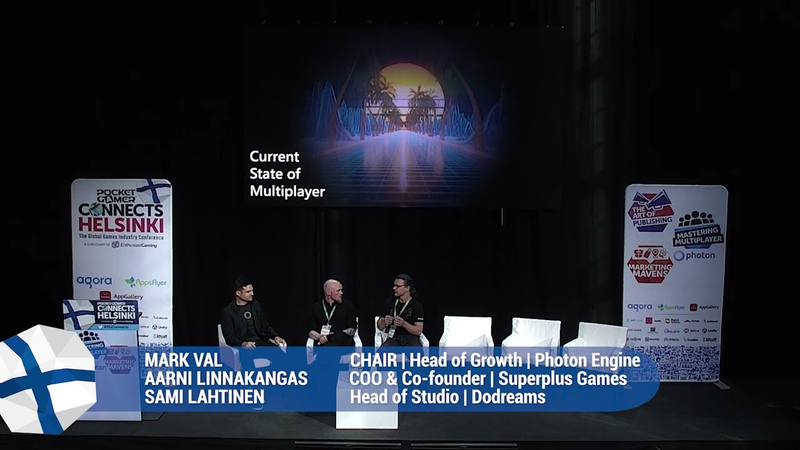
Panel: The Master of Multiplayer Panel
The mobile gaming landscape has undergone a profound transformation, with multiplayer functionality evolving from a niche feature into an industry standard.
- Multiplayer functionality in mobile gaming has surged significantly, with the proportion of top-grossing titles incorporating these elements rising from 12% to 78% over the past five years.
- Developers are shifting focus from purely competitive play toward cooperative and casual social experiences to lower entry barriers and improve player retention.
- Technical infrastructure for modern multiplayer games requires deterministic physics engines for cost-efficient replays and advanced server-side security to mitigate cheating.
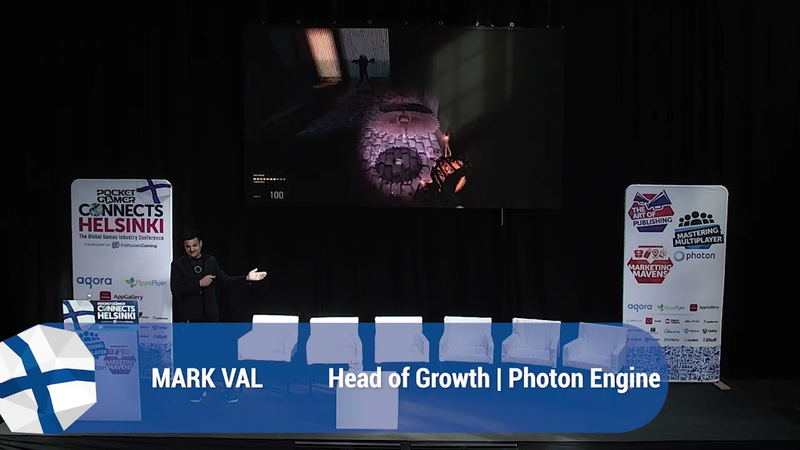
Physic Multiplayer Reaching the Top of the Charts
Physics-based gameplay serves as a powerful tool for game developers to drive player engagement and retention by leveraging intuitive, brain-based predictive systems.
- Physics-based mechanics drive high engagement by leveraging the human brain's natural ability to predict physical interactions, which reduces the need for complex onboarding.
- Deterministic networking engines like Quantum are essential for overcoming the technical challenges of synchronizing physics across distributed mobile clients.
- Stumble Guys achieved top-chart status in over 30 countries by utilizing a deterministic engine to create a low-friction, intuitive multiplayer experience that requires no traditional tutorials.
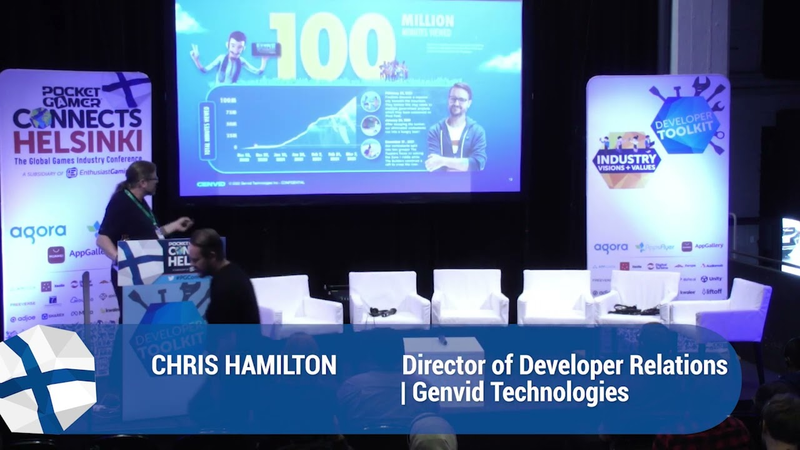
Audience-Driven Entertainment as the Next Frontier in Gaming
Massively Interactive Live Events represent a transformative evolution in digital entertainment, effectively bridging the divide between passive television consumption and active gaming participation.
- Massively Interactive Live Events (MILEs) bridge the gap between passive media and active gaming by using AI and physics engines to allow real-time audience influence over narrative and character development.
- The 'Rival Peak' project demonstrated the commercial viability of this model by generating over 100 million minutes of engagement through integrated viewer voting and mini-games.
- Cloud-based streaming is the essential technical enabler for these experiences, as it removes hardware barriers and local download requirements to reach users on low-end devices.
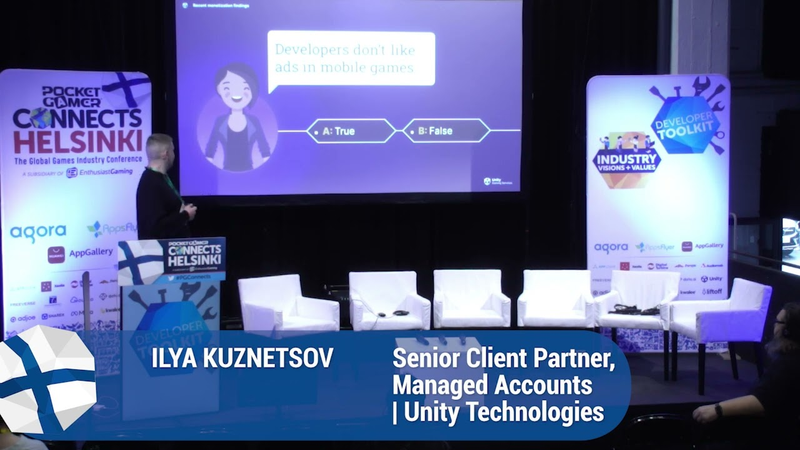
Creating Impactful Player Experiences With Monetisation
Hybrid monetization models that combine in-app purchases with strategic advertising represent a sustainable approach to game development, effectively serving the vast majority of players who do not engage in traditional microtransactions.
- Hybrid monetization models combining in-app purchases with strategic advertising create sustainable revenue streams that support long-term content updates for non-paying players.
- Well-implemented ad formats like rewarded videos and interstitials do not negatively impact player retention and can actually enhance the user experience by providing a democratic path for progression.
- Success requires a data-driven approach that analyzes specific performance metrics including eCPM, ARPDAU, and impressions per daily active user to isolate the causes of revenue fluctuations.
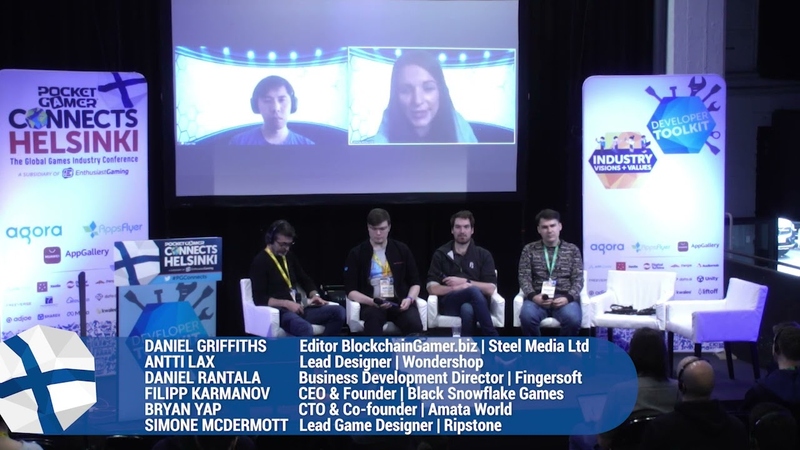
Panel: Failing Fast: Stories From the Front Line of Prototyping
Prototyping serves as a fundamental proof-of-concept mechanism essential for validating core gameplay mechanics and ensuring that development resources are directed toward viable, engaging ideas.
- Prototyping is a universal necessity across all game genres, serving as a critical proof-of-concept mechanism to validate core mechanics and mitigate the risk of investing in unviable projects.
- Development teams should utilize time-boxing to maintain iterative flexibility and prevent stagnation during the prototyping phase.
- Physical, non-digital methods like paper and board-based testing are highly effective for validating player behavior and mechanics before committing to expensive digital implementation.
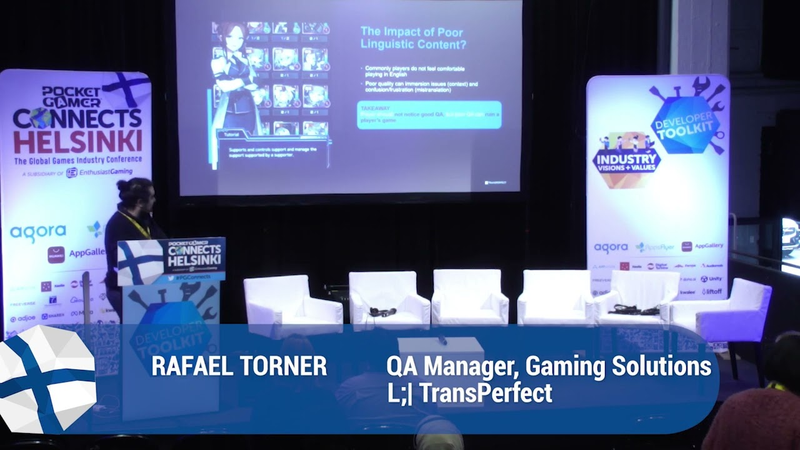
Superstar Session: Why QA Input During Development is Critical
Quality assurance (QA) serves as a critical, often undervalued component of game development that directly influences a product's market success and player retention.
- Integrating QA early in the development lifecycle is essential for product quality, as 90% of games are currently released without a formal 'green light' from internal QA teams due to schedule pressures.
- Poor quality control carries a high financial risk, with data showing that 20% of players abandon a game after a single negative experience.
- Proactive testing can significantly improve market reception; one case study demonstrated that addressing technical debt and hardware compatibility issues raised a game's rating from 1.5 to 3.8 stars.
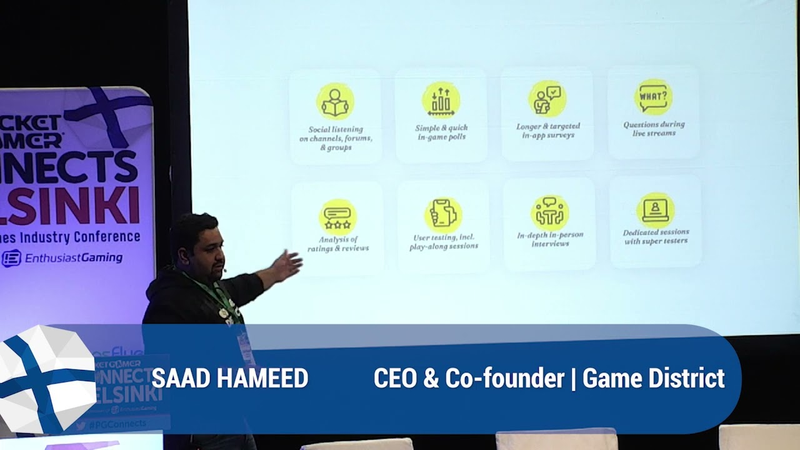
Recognising the Value of Games That Retain
Mobile game developers operating in increasingly saturated markets must move beyond basic data analytics and churn detection to prioritize habit creation as the primary driver of player retention.
- Developers must shift focus from basic churn detection to building habit-forming loops that transform casual play into consistent daily engagement.
- Retention strategies should be segmented into three distinct lifecycle phases: short-term (days 1–7), mid-term (days 8–30), and long-term (post-day 30).
- The MENAP (Middle East, North Africa, and Pacific) regions represent critical emerging markets that require localized content and specific regional adaptation strategies.
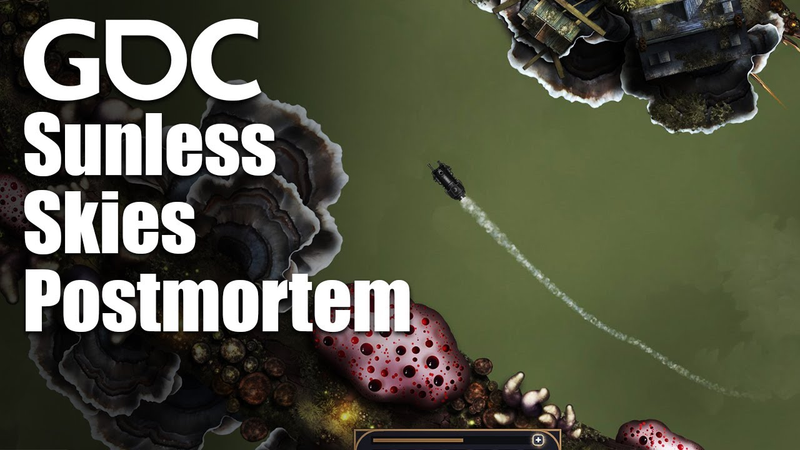
'Sunless Skies': A Narrative Postmortem
The development of Sunless Skies demonstrates a sophisticated approach to managing large-scale interactive storytelling within a pre-existing lore universe.
- Failbetter Games managed the narrative complexity of 'Sunless Skies' by distilling the game's tone into five core pillars, which served as a framework for team-wide communication and decision-making.
- The studio utilized a 'one thing in, one thing out' policy regarding lore to ensure the game remained accessible to new players, preventing the 137-page 'Fallen London' universe bible from overwhelming the experience.
- To maintain distinct identities across the game's four regions, the team assigned two specific narrative pillars to each area, ensuring that gameplay and environmental storytelling remained consistent with those themes.

I Lost Motivation for Game Dev
The primary purpose of this discussion is to address the pervasive issue of demotivation and the feeling of failure among independent game developers.
- Feeling like a failure is an inevitable, universal experience for independent developers and should be reframed as evidence of pursuing ambitious, boundary-pushing goals.
- Developers must distinguish between minor technical frustrations and significant professional risks, such as poor critical reception or failure to recoup investments, to maintain an accurate perspective on their progress.
- Building psychological resilience requires consistently pursuing small wins, such as participating in game jams, releasing assets, or publishing devlogs, to prime the creative process.
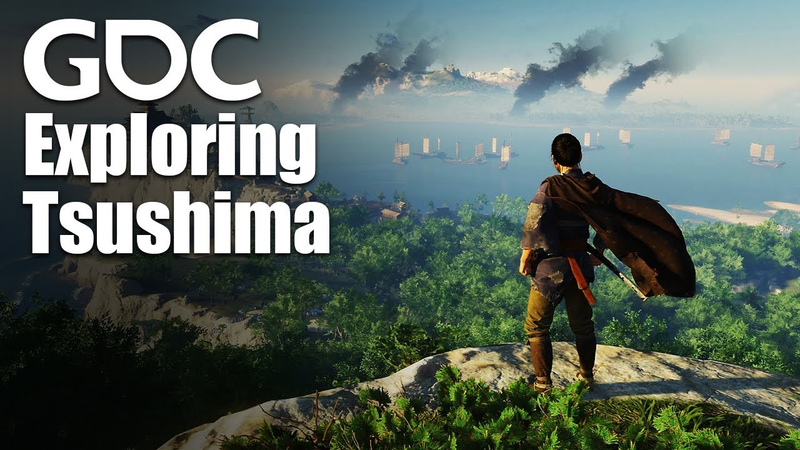
Exploration in 'Ghost of Tsushima': Letting the Island Guide You
The design philosophy behind Ghost of Tsushima centers on fostering deep player immersion by replacing traditional, intrusive user interface elements with diegetic navigation tools.
- Ghost of Tsushima replaces traditional UI elements like mini-maps and compasses with diegetic navigation to maintain player immersion and focus on the game world.
- The environment is designed to present a new point of interest or 'weenie' to the player every thirty seconds to sustain curiosity-driven exploration.
- The Guiding Wind mechanic uses natural environmental movement to direct players toward objectives, drawing inspiration from the cinematic language of Kurosawa films.
I Was Wrong About Making A 3D FPS (Apology Video, 2 Years Of Learning)
Developing a 3D first-person shooter (FPS) presents significant technical and creative challenges that often exceed the complexity of 2D game development.
- 3D FPS development requires significant technical overhead, specifically regarding lighting bakes, complex navigation meshes, and multi-camera configurations for gun clipping and UI.
- Relying on modular assets and real-time lighting without proper optimization leads to severe performance degradation and technical debt that often necessitates rebuilding entire levels.
- Constructing environments from thousands of individual cubes instead of optimized meshes creates unsustainable performance costs, particularly when targeting hardware-constrained platforms.