Funding reports and market data
Documents
Once Upon A Coma Official Kickstarter Video
Once Upon a Coma is an ambitious indie adventure game developed by Thomas Brush, the creator of the previously successful title Pinstripe.
- Once Upon a Coma is an indie adventure game developed by Thomas Brush, the creator of the 2016 Kickstarter-funded title Pinstripe, which raised over $100,000.
- The game features a unique core mechanic requiring players to learn the soundtrack on a piano, integrated alongside traditional exploration, puzzle-solving, and combat.
- The narrative follows a boy named Pete navigating a surreal, parentless world to find his missing sister, spanning environments from the fields of Reddington to the peaks of Ashcliff.
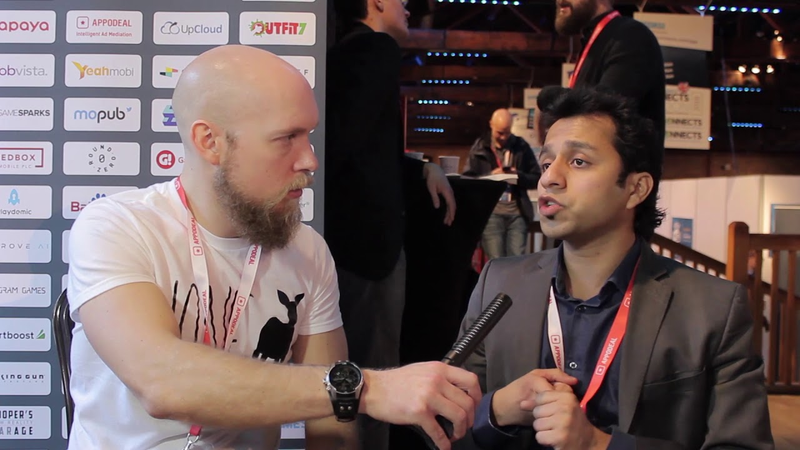
Why V2 Games is investing in blockchain companies through the Future Fund
V2 Games has launched the Future Fund, a $10 million investment vehicle dedicated to supporting game studios and projects that represent the next evolution of the gaming industry.
- V2 Games has launched the $10 million Future Fund to invest in game studios and projects, with a primary strategic focus on integrating blockchain technology.
- The fund views blockchain as a fundamental infrastructure upgrade that replaces centralized databases with decentralized ledgers to enhance security and transaction transparency.
- A core investment thesis is the creation of non-fungible in-game assets, which provide players with verifiable proof of ownership that distinguishes items from mass-produced assets in traditional gaming.
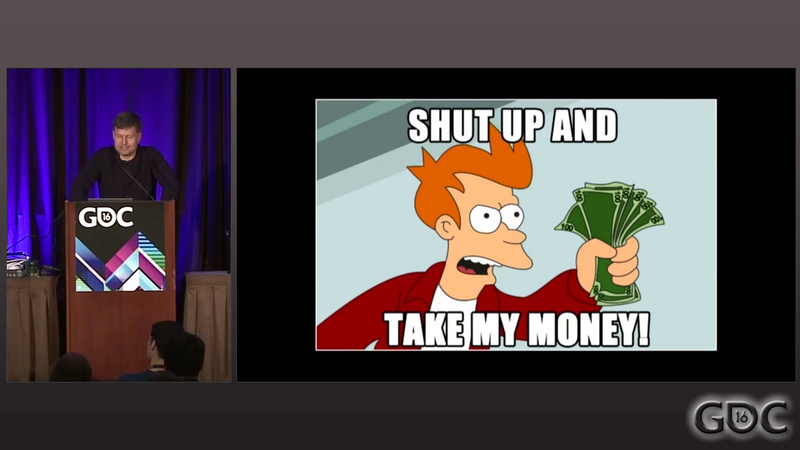
Open Production With Sunless Sea: Kickstarter, Early Access and After
Open production serves as a transformative strategy for independent game developers, enabling studios to transition from financial instability to long-term sustainability.
- Open production models like Kickstarter and Early Access provide financial stability and a diagnostic feedback loop that allows developers to refine design and marketing before full release.
- Developers must maintain final authority over creative vision, as relying too heavily on veteran player feedback can skew development toward niche preferences and alienate broader audiences.
- Sustainable financial planning requires that crowdfunding stretch goals remain low-cost and high-engagement to ensure early capital builds a foundation for future projects rather than serving as a temporary fix.
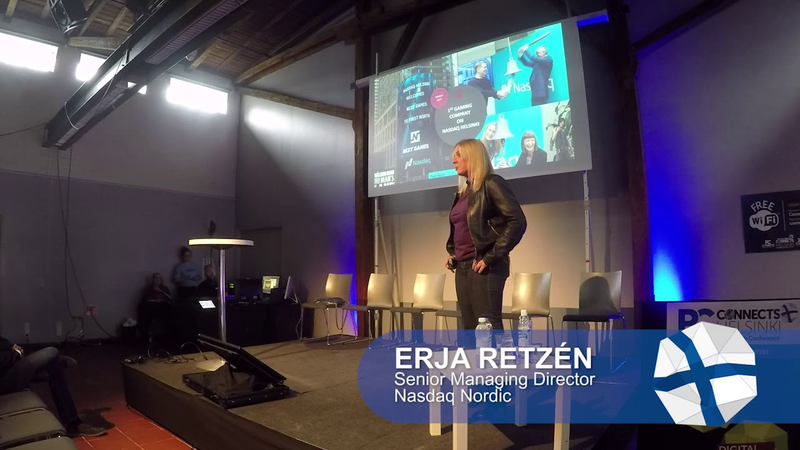
Nasdaq Nordic on access to capital and visibility for games companies
Nasdaq Nordic serves as a primary hub for gaming companies seeking capital, visibility, and international growth through public listings.
- Nasdaq Nordic has surpassed London as the leading European venue for IPOs, with companies raising nearly 8 billion euros through the exchange in the previous year.
- Gaming companies like Paradox Interactive, Remedy, and Nitro Games have successfully utilized the exchange to secure capital, with Remedy’s offering notably oversubscribed by a factor of 8.5.
- Public listing on Nasdaq Nordic provides gaming firms with a 'quality stamp' that enhances international negotiation leverage and facilitates future acquisitions.
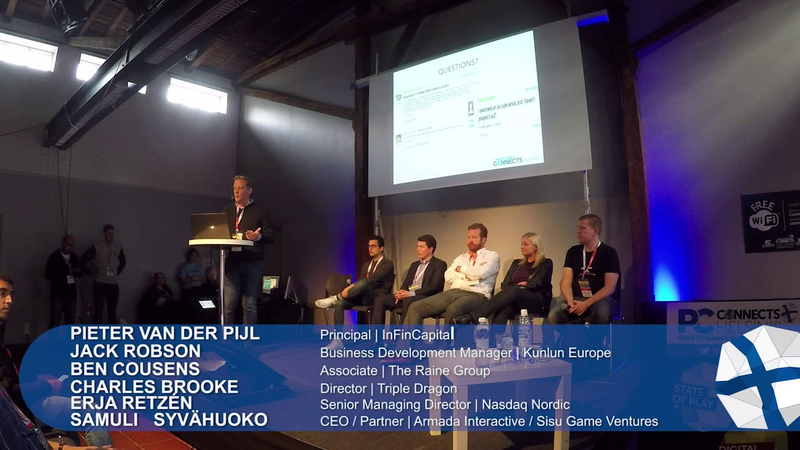
Meet the games investors and discover what they look for in developers
Securing investment in the gaming industry requires a disciplined approach that balances creative vision with rigorous business acumen.
- Investors prioritize developers who demonstrate a balanced capability to manage both creative game design and the commercial realities of the marketplace.
- Pitch decks must be grounded in verifiable performance metrics, specifically focusing on cost per install, lifetime value, and day-28 retention to prove long-term sustainability.
- Funding strategies must be stage-appropriate, shifting from a focus on prototype strength and team experience at the seed stage to robust financial performance and monetization strategy for later-stage growth.
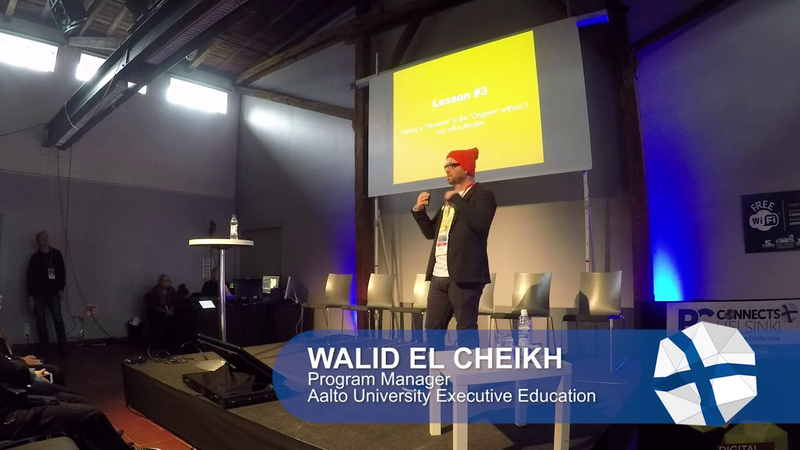
Pitching is scary, networking is hard
Effective communication, whether for securing game industry funding or navigating personal interactions, relies on mastering the art of persuasion through structured, persistent, and adaptable messaging.
- A successful pitch must follow a structured progression: start with a concise punchline, define the problem, present the solution, explain the business model, highlight team strengths, and conclude with a clear, actionable request.
- Effective communication requires brevity and clarity to overcome limited human attention spans, which are often compared to those of a goldfish.
- Pitching success depends on tailoring the message to the specific audience and context rather than relying on a single, universal presentation.
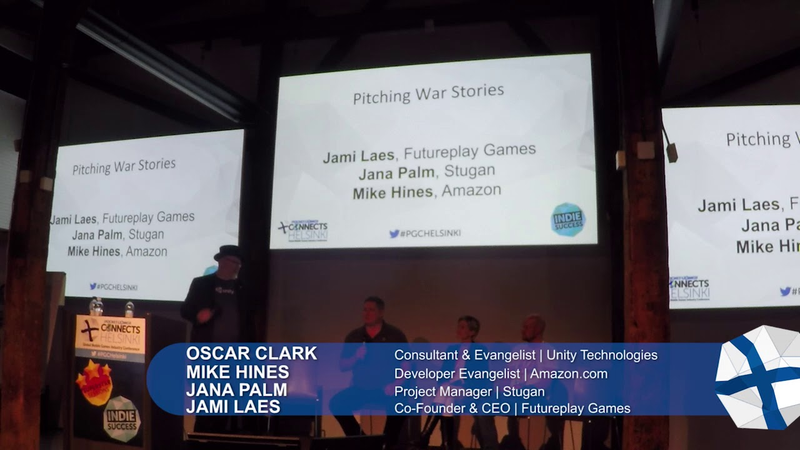
Games pitching war stories
Securing investment in the video game industry requires a departure from traditional tech startup models, shifting the focus from solving specific functional problems to demonstrating entertainment value, team capability, and distinct market positioning.
- Investors prioritize the development team's track record and vision over rigid product roadmaps due to the inherent volatility of game development.
- Successful pitches require tangible proof of concept, such as high-quality gameplay footage or a functional, polished prototype, rather than relying on verbal descriptions.
- Developers must articulate a unique value proposition that clearly differentiates their project within the saturated global market to establish credibility.
A Crash Course in Business and Leadership for Indie Game CEO's and GM's
Financial stability serves as the foundational pillar for independent game studios, where the preservation of capital is the primary determinant of business longevity.
- Financial longevity depends on treating only liquid assets as capital, while ignoring speculative revenue to avoid cash flow gaps.
- Studios should adopt a conservative, late-stage spending mindset from the start of a project to mitigate the risks of contract negotiations that often exceed 90 days.
- Operational processes like pipeline management and post-launch planning must be designed with the same rigor as the game development itself.
Games mergers and acquisitions market 2017 – Recap and predictions
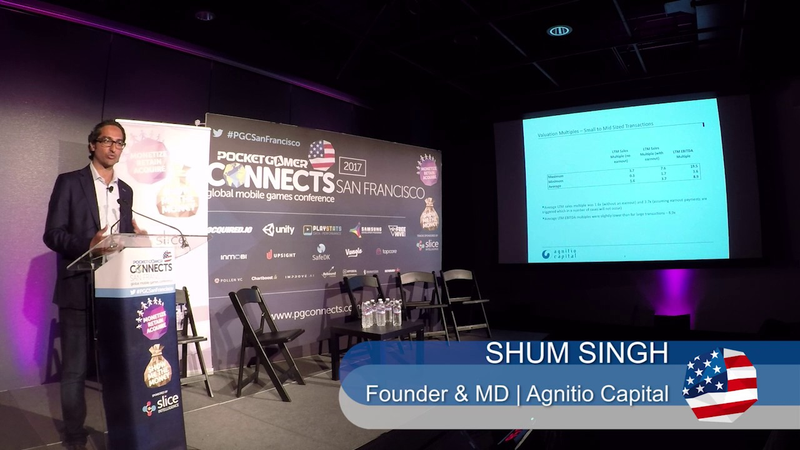
The games industry mergers and acquisitions (M&A) market experienced a record-breaking year in 2016, with $24.1 billion in announced transactions.
- The 2016 games M&A market reached a record $24.1 billion in announced transactions, with large-scale deals consistently accounting for over 80% of the total annual volume.
- Large public-market acquisitions currently command average valuation multiples of 3.2x revenue and 10.3x EBITDA.
- Smaller private studios typically receive lower upfront valuations of 1.6x revenue, though performance-based earn-outs can increase these multiples to 3.7x.
Unlocking capital for your studio in a mature market
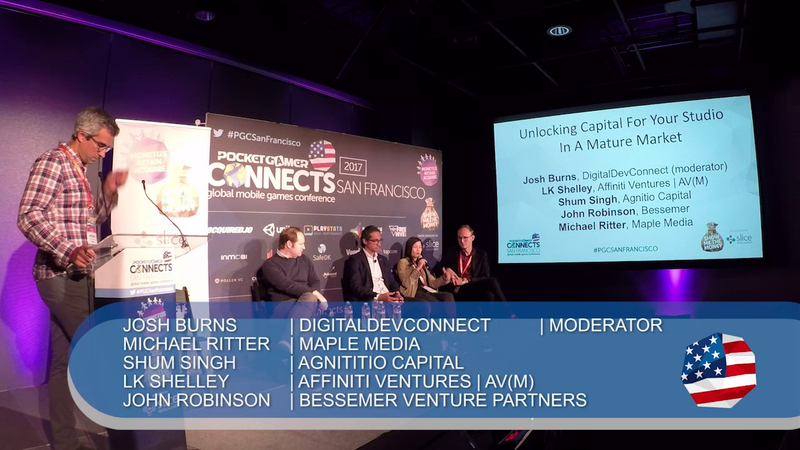
The mobile gaming industry currently operates within a mature market characterized by consolidation rather than a high volume of new entrants.
- Investors are prioritizing studios with proven live operations, genre-specific expertise, and sustainable cash flow over those seeking funding for user acquisition on unproven titles.
- Studios should prioritize deep specialization in a single genre over broad diversification, as high-level proficiency is the primary driver of investor interest in a consolidated market.
- Selling legacy or underperforming titles to larger publishers allows studios to generate non-dilutive capital for new development while offloading the operational burden of older games.
Arts Funding - Helping Games that Help Us - Extra Credits
The video advocates for the preservation of federal arts and humanities funding in the United States, specifically targeting the National Endowment for the Arts (NEA) and the National Endowment for the Humanities (NEH).
- The National Endowment for the Arts (NEA) and National Endowment for the Humanities (NEH) receive a combined annual federal allocation of approximately $296 million, representing only 0.002% of the total U.S. federal budget.
- Federal arts funding is essential for the development of non-commercial, educational, and historical video games that would otherwise struggle to find support in the traditional commercial market.
- Projects like 'Walden,' which explores Thoreau’s philosophy, and 'The Pox Hunter,' which examines public health history, serve as primary examples of how government grants enable games to address complex, high-level subject matter.
UK games tax relief: How do you get it?
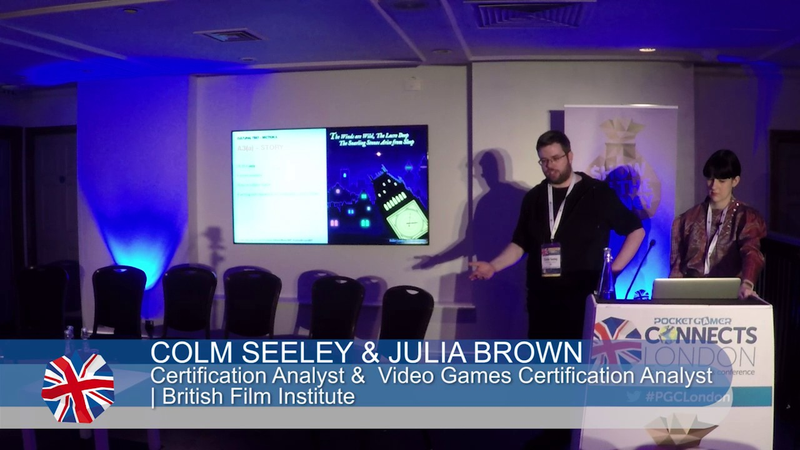
UK-based video game developers can access significant financial support through the creative industry tax relief program, which allows companies to recover approximately 20% of their core development expenditure.
- UK-based game developers can recover approximately 20% of core development expenditure through the creative industry tax relief program.
- The relief is calculated by applying a 25% rate to core development costs, which are capped at 80% of a project's total expenditure.
- To qualify, companies must obtain a 'British' game certification from the British Film Institute (BFI) by scoring at least 16 out of 31 points on a cultural test.