Funding reports and market data
Documents
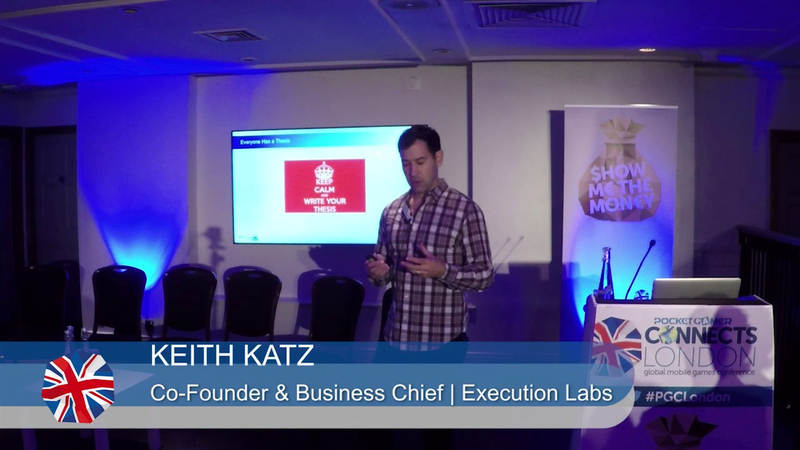
Why investors say “No” to game studios when they come asking for investment
Securing investment for game studios requires a clear understanding of the fundamental differences between equity investors and publishers.
- Equity investors prioritize the long-term scalability and exit potential of the studio as a company, whereas publishers act as royalty investors focused on the commercial viability of individual projects.
- Studios often face rejection by misaligning their funding requests, such as approaching equity firms for project-specific funding or publishers before a project reaches the beta or soft-launch phase.
- Equity investors view business models based on CPI arbitrage as unsustainable, preferring studios that build technical or IP-based advantages through a 'scaffolding' series of projects.
Games Accelerators for the Arts, Not for Monetization
The Stugan game accelerator, established in Sweden in 2014, serves as a non-profit initiative designed to foster the artistic development of independent games rather than prioritizing commercial monetization.
- Stugan is a non-profit Swedish game accelerator founded in 2014 that prioritizes artistic innovation over commercial monetization by taking zero equity from participating developers.
- The program hosts 20 to 23 global developers for an eight-week, distraction-free residency in the Swedish wilderness to focus exclusively on creative project development.
- Operational costs for the inaugural year totaled approximately $150,000, funded through a mix of private sponsorships, regional grants, the Swedish Innovation Fund, and in-kind facility donations.
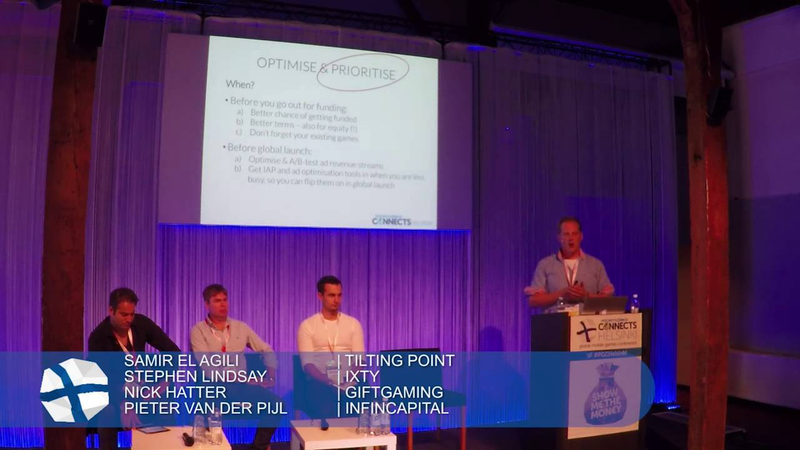
How to optimise your revenue and user acquisition funding
Securing user acquisition funding in the competitive mobile gaming landscape requires a rigorous focus on revenue optimization and the demonstration of robust performance metrics.
- Prioritize Average Revenue Per Daily Active User (ARPDAU) as the primary metric before global launch to ensure campaign profitability and secure better financing terms.
- Shift user acquisition strategies from focusing on install volume to prioritizing the long-term retention of paying users to combat market saturation.
- Implement automated, global price localization and continuous A/B testing to identify optimal price points across diverse international markets.
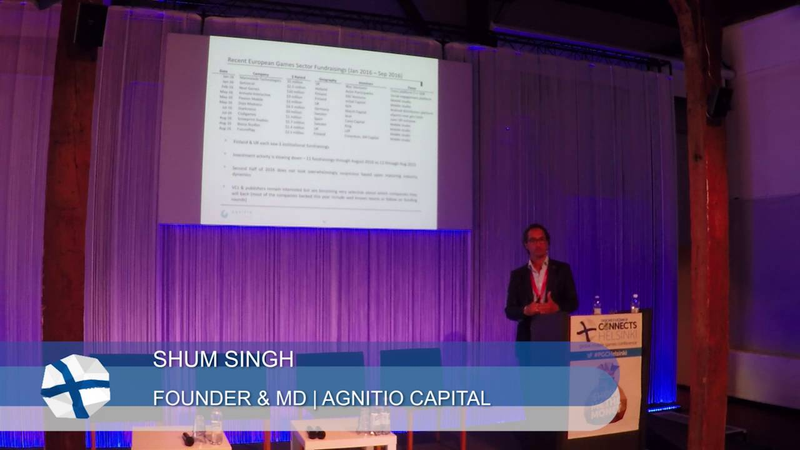
The Golden Rules for games developers looking to raise funding from institutional investors
The mobile gaming industry has reached a state of significant maturity, characterized by high barriers to entry, rising user acquisition costs, and intense market consolidation.
- Institutional investors have shifted from prioritizing growth at any cost to requiring a proven track record, a world-class management team, and strong soft-launch performance metrics.
- Securing Series A funding now mandates a dedicated senior leader focused specifically on monetization and revenue generation strategies.
- The current investment climate is highly risk-averse, making professional financial documentation and a history of successful game operations essential prerequisites for capital.
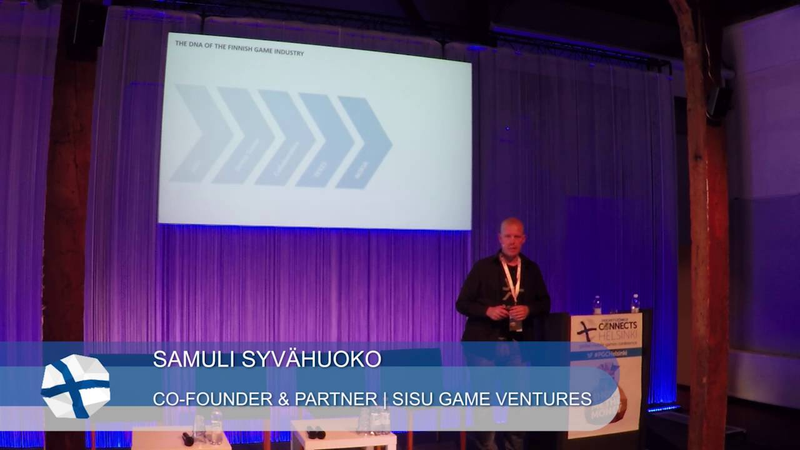
The Finnish and Nordic games industry from an investor’s perspective
The Finnish games industry stands as a dominant force within the Nordic region, underpinned by a mobile-first strategy that leverages a unique cultural heritage of collaborative development.
- The Finnish games industry generates over €2.6 billion in annual revenue and commands approximately 3% of the $90 billion global mobile gaming market.
- Industry revenue is projected to grow significantly, reaching between $4 billion and $6 billion within the next five years.
- The ecosystem is driven by a mobile-first strategy and a cycle of entrepreneurship where alumni from established companies like Rovio frequently launch new ventures.
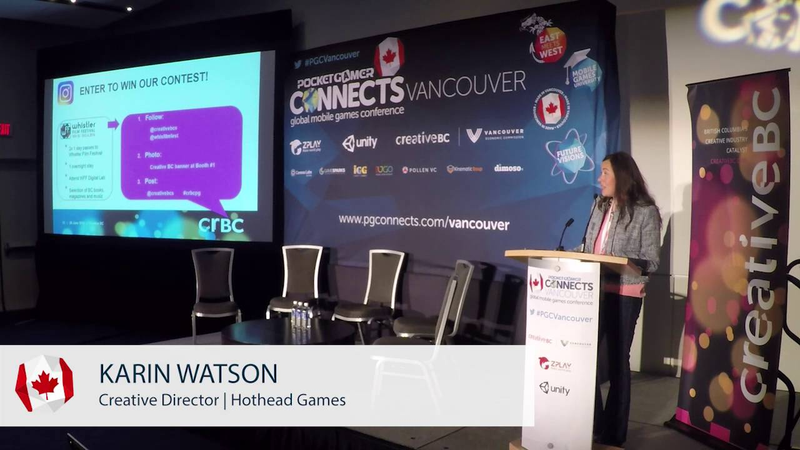
How Creative BC is supporting British Columbia's local games industry
Creative BC serves as an independent agency established by the provincial government to catalyze the growth and global competitiveness of British Columbia’s creative industries, including interactive and digital media.
- Creative BC functions as a provincial agency that drives industry growth through direct funding, tax incentives, and global market promotion for interactive and digital media companies.
- As of 2016, the British Columbia gaming sector consisted of 168 companies, supported 5,500 full-time jobs, and generated $576 million in annual expenditures.
- The Interactive Digital Media Tax Credit provides a 17.5% credit on eligible labor expenditures for products designed to educate, inform, or entertain.
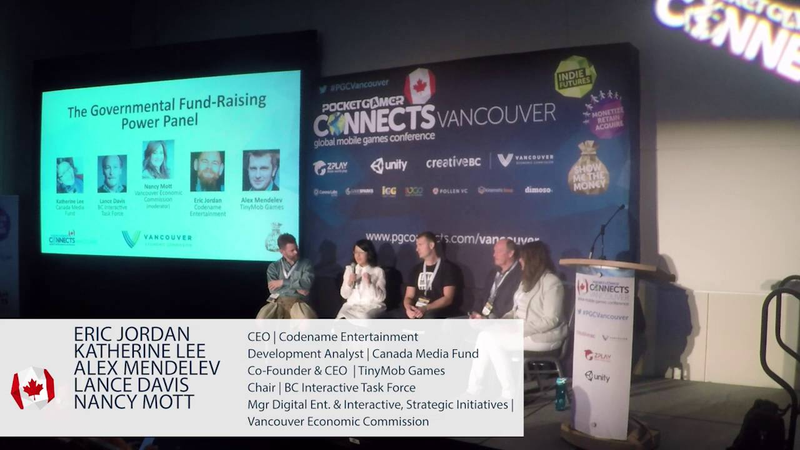
How to get funding to set up a games company in British Columbia
British Columbia offers a robust ecosystem of financial support for game studios, centered on a strategic combination of federal grants, provincial tax credits, and specialized labor incentives.
- The Canada Media Fund offers competitive grants of up to $1.2 million for innovative projects, contingent upon the studio providing 25 percent in matching funds.
- Studios can claim a 17.5 percent Interactive Digital Media Tax Credit on eligible labor costs to reduce operational expenses.
- Fiscal stability can be enhanced by stacking the Interactive Digital Media Tax Credit with federal Scientific Research and Experimental Development (SR&ED) tax credits.
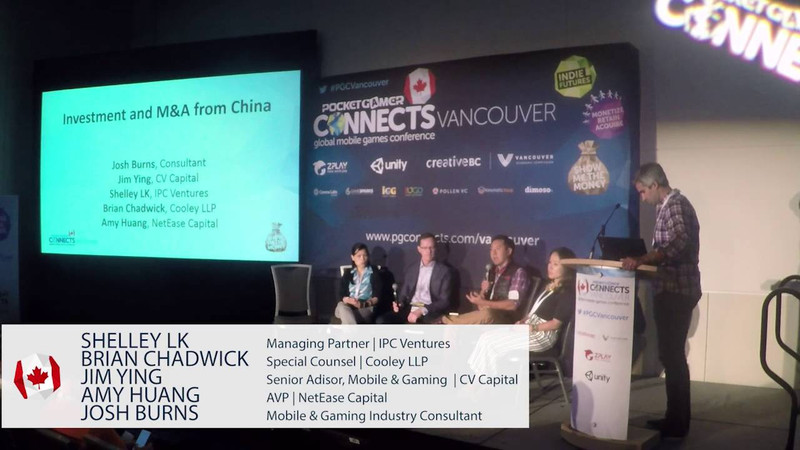
How to raise funds from Chinese investors
Chinese investment in Western mobile gaming is primarily motivated by the pursuit of strategic synergies, the acquisition of specialized talent, and the exploitation of financial arbitrage opportunities.
- Chinese investors primarily target mid-to-growth stage studios that demonstrate consistent profitability and a proven track record to facilitate regulatory approval for international transactions.
- Acquisition deals typically feature an upfront cash payment of approximately 30 percent, with the remaining balance structured as earnouts and share-based incentives to align management with long-term growth.
- Due to a lack of local Western expertise, Chinese firms generally adopt a hands-off management approach, preferring to retain existing leadership to operate the business independently.
Trends in mobile game investments
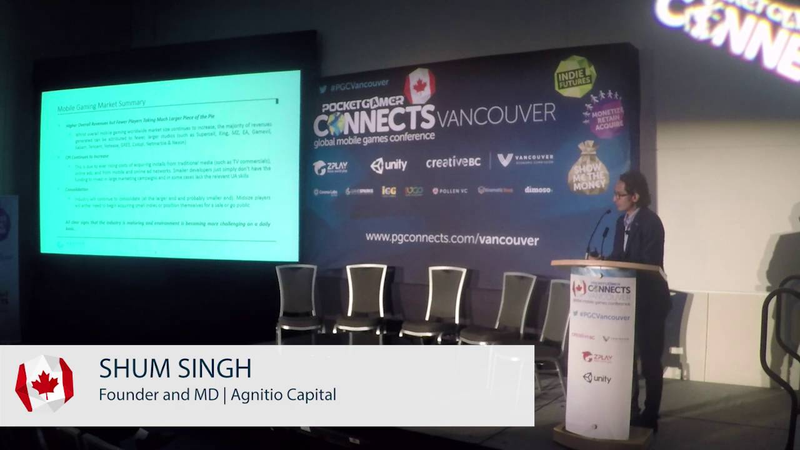
The mobile gaming industry is currently defined by extreme market saturation, where a small number of dominant players capture the vast majority of revenue.
- The mobile gaming market is highly saturated and dominated by a small number of major publishers, making it increasingly difficult for new studios to break into the top 100 grossing charts.
- Rising user acquisition costs, particularly for loyal users, have made sustainable growth a more viable strategy for emerging studios than aiming for immediate blockbuster success.
- Institutional investment has shifted away from pure content development toward platform services, analytics, and virtual or augmented reality startups.
Trends in mobile game funding
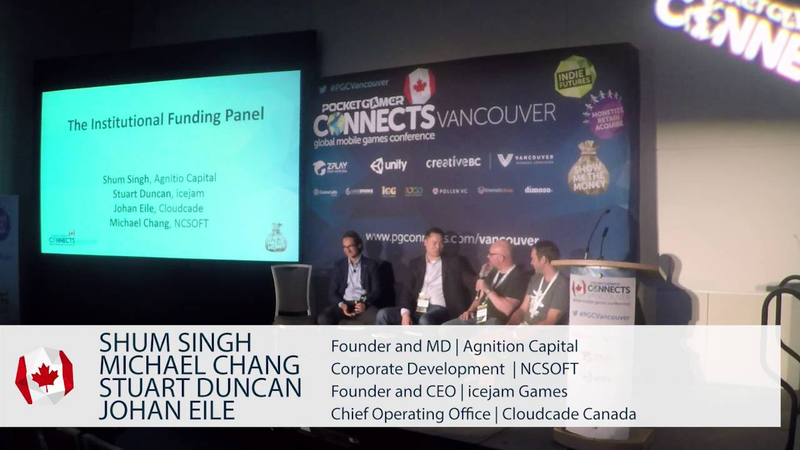
The panel discussion at Pocket Gamer Connects Vancouver 2016 explores the evolving landscape of institutional funding for mobile game studios.
- Top-tier mobile titles now require substantial marketing and development budgets ranging from $20 million to $40 million to achieve and maintain chart positions.
- Institutional investors prioritize studios that demonstrate a proven track record, technical expertise, and the ability to pivot based on data-driven execution.
- The mobile gaming market is characterized as a highly competitive 'red ocean,' necessitating defensible intellectual property and clear competitive advantages to secure funding.



Faith: Investeringar i globala digitala innehållsproducenter
Intellectual property serves as the fundamental engine for investment and growth within the global digital content sector, particularly within the Swedish and Nordic gaming industries.
- Intellectual property is the primary driver of industry transactions, accounting for 68 to 77 percent of all analyzed deals between 2015 and 2017.
- The core value of gaming companies has shifted from technical infrastructure to intangible assets, specifically creative content, brand equity, and proprietary game design.
- Long-term commercial viability for studios now depends on the rigorous legal protection and active management of copyright and trademark assets to prevent cloning and unauthorized distribution.
How to get funding and/or a publishing deal
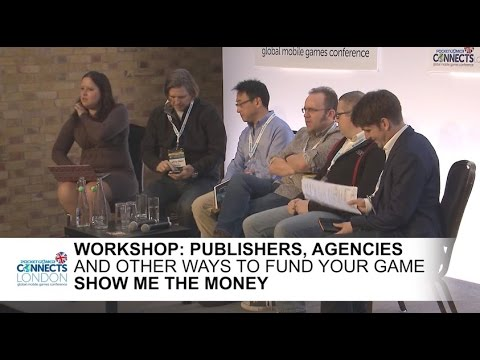
This panel discussion, held at Pocket Gamer Connects London 2016, explores the complexities of securing funding and publishing deals within the independent game industry.
- Securing funding requires more than a concept; developers must present a high-quality prototype, a clear business roadmap, and evidence of their team's ability to execute.
- Publishers provide value beyond capital by offering marketing expertise, user acquisition support, platform-specific technical optimization, and strategic monetization guidance.
- The funding landscape is increasingly competitive, with a market shift toward higher production values and a greater necessity for visibility in saturated storefronts like Steam.