Funding reports and market data
Documents
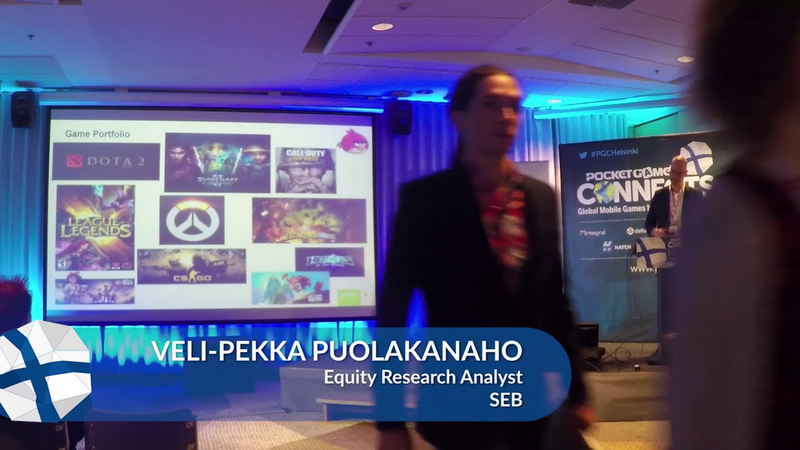
Speaking 'investor': How to communicate and interact with money managers
Equity analysts serve as critical intermediaries between game companies and institutional investors, such as pension funds and asset managers.
- Equity analysts bridge the gap between gaming studios and institutional investors by translating complex performance data into actionable financial models.
- The evaluation of a studio’s sustainability relies on three core pillars: the strength of the game portfolio, the efficacy of monetization and user acquisition strategies, and the studio's long-term growth trajectory.
- Transparency regarding key performance indicators—specifically monthly active users (MAU), average revenue per paying user (ARPPU), and UA spending efficiency—is essential to manage investor expectations and reduce stock price volatility.
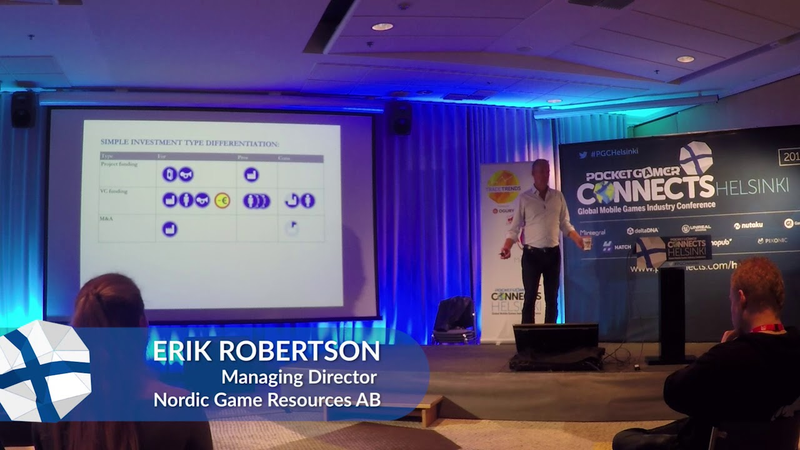
Venture capital and other investments for Nordic games developers
The investment landscape for Nordic game developers is characterized by a strategic distinction between project-based funding and equity-based venture capital.
- Venture capital is a long-term partnership focused on building studio sustainability and operational stability, rather than simple project-based funding for individual titles.
- Investors typically target approximately 25 percent equity stakes in early rounds, intentionally avoiding majority control to ensure founders remain incentivized.
- The Nordic region maintains a consistent deal flow, with Sweden and Finland serving as primary hubs and the industry recording roughly 10 to 12 major exit or acquisition deals annually.
PlayStack Helsinki - The new publisher and fund in the Nordics, Baltics and Russia
PlayStack, a global publisher and funding entity, has established a new regional office in Helsinki to support game developers across Finland, the Nordics, the Baltics, and Russia.
- PlayStack has opened a new Helsinki office to provide publishing, capital investment, and marketing support to developers across the Nordics, Baltics, and Russia.
- The firm targets 12 to 15 publishing projects annually, offering up to $1 million in funding per title.
- The organization operates through a tripartite model: PlayStack for publishing, PlayFund for capital investment, and PlayIgnite for user acquisition and marketing.

"Indie" Is A Stupid Word
The term indie has become an increasingly imprecise and potentially damaging label within the game development industry.
- The term 'indie' has become an imprecise label that fails to reflect the professional reality of modern game developers who operate as legitimate businesses rather than hobbyists.
- Developers should transition to identifying as professional studios or startups to avoid the restrictive stereotypes associated with indie games, such as amateur production values or limited scope.
- The industry's persistent focus on the financial struggles of small-scale developers, often reinforced through self-deprecating social media content, is damaging to professional morale.

How To Get Screwed By A Game Publisher
Navigating game publishing agreements requires extreme caution to avoid predatory practices that can strip developers of their intellectual property and revenue.
- Prioritize gross revenue deals over net revenue models to prevent publishers from eroding profits through vague overhead deductions and recoupment strategies.
- Retain full ownership of intellectual property and merchandise rights by granting publishers only a license to sell the game rather than selling the IP outright.
- Mandate that the only allowable deductions from gross revenue are the standard platform fees charged by storefronts such as Steam, PlayStation, or Xbox.
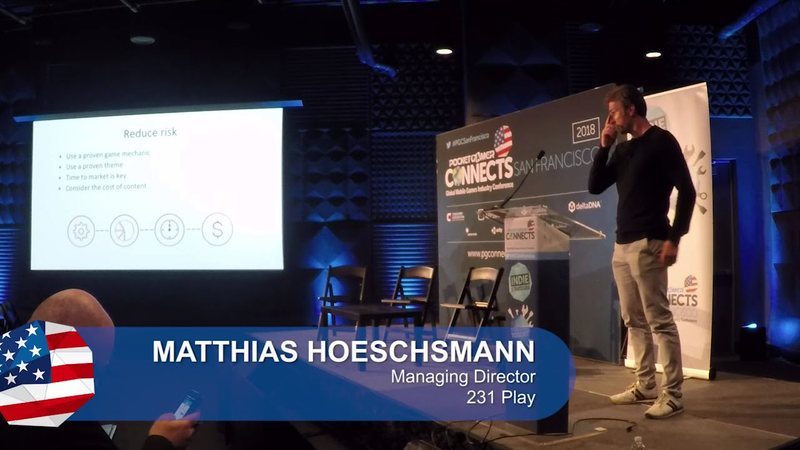
Games company bootstrapping
Bootstrapping a successful free-to-play (F2P) games company requires a disciplined, analytical approach that prioritizes operational efficiency and rapid market validation over creative experimentation.
- Prioritize rapid market validation by targeting a 12-week soft-launch cycle to test retention and engagement metrics in low-cost markets like the Philippines.
- Treat game development as a series of hypotheses by using established engines like Unity and proven genres to minimize technical risk and development uncertainty.
- Allocate financial resources primarily toward user acquisition (UA) rather than expensive market research tools, relying instead on public store data and social media metrics for competitive intelligence.
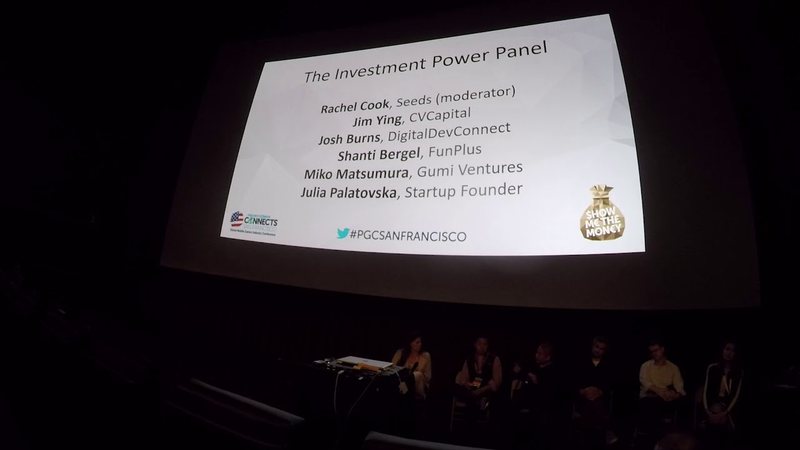
The games industry investment power panel
The modern gaming investment landscape is defined by a strategic tension between traditional venture capital models and the experimental integration of blockchain technology.
- The games industry is shifting toward 'crypto-fueled' platforms where tokens act as the connective tissue across diverse gaming experiences, potentially replacing traditional user-base-centric distribution models.
- Blockchain technology offers a solution to international payment friction, enabling developers to create low-cost referral networks by issuing micro-payments to streamers and influencers globally.
- Decentralization in gaming aims to block 'economic free-riders' who extract value from communities, instead incentivizing users to contribute to a self-inflating, value-driven network.
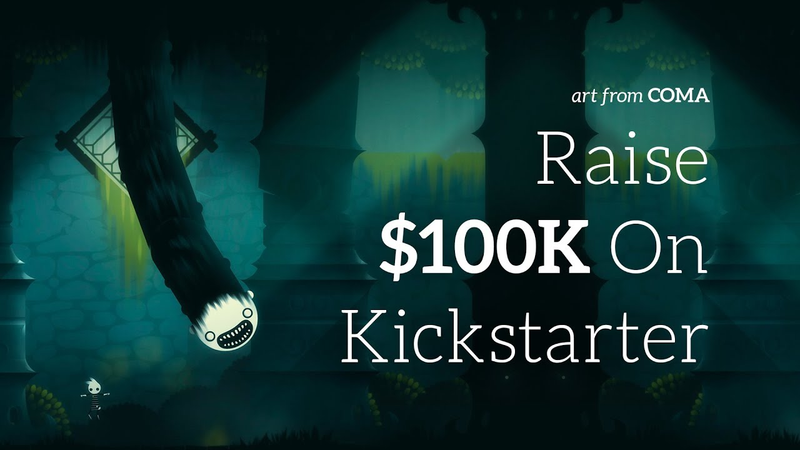
How To Raise $100,000 On Kickstarter
Achieving a six-figure crowdfunding goal for video game development requires a strategic blend of technical preparation, rigorous research, and emotional transparency.
- Successful crowdfunding relies on emotional transparency, where creators build trust by sharing personal struggles and vulnerabilities to foster a community-supported endeavor rather than a simple transaction.
- Campaigns require a two-to-three-month preparation period dedicated to rigorous research and outreach to creators of previously successful projects.
- Developers must produce a highly polished, small-scale prototype before launching to demonstrate technical competency and establish professional credibility.
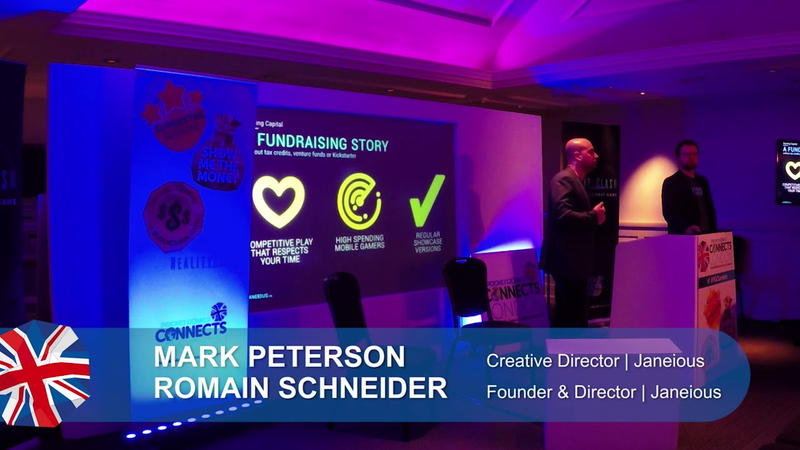
Succeeding with community investment
The founders of Janeious, Romain Schneider and Mark Peterson, detail a strategy for securing over one million pounds in development funding by bypassing traditional venture capital, Kickstarter, and tax credit routes in favor of direct community investment.
- Janeious secured over £1 million in development funding by bypassing traditional venture capital and crowdfunding in favor of direct community investment.
- The funding model relies on a core group of approximately 20 high-net-worth investors contributing between £50,000 and £100,000 each.
- The company utilizes a hybrid 'investment unit' structure, which functions as a loan repaid through a share of future profits rather than traditional equity, allowing founders to retain control.
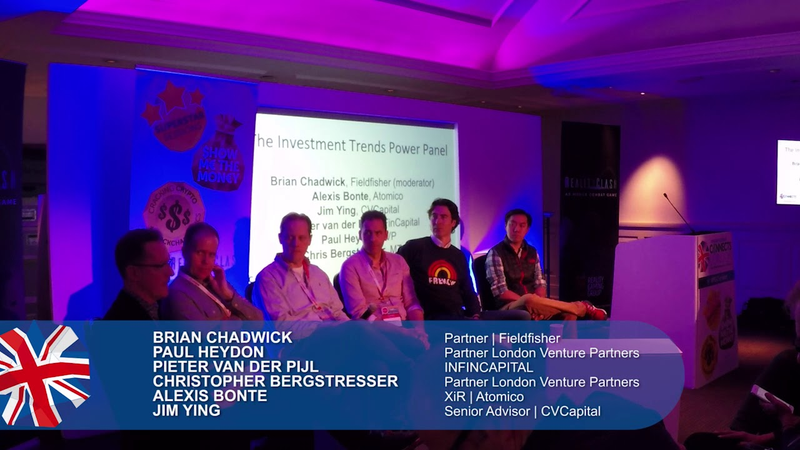
Panel: The investment trends power panel
The global gaming industry is undergoing a strategic recalibration as geopolitical tensions and heightened regulatory oversight, particularly from bodies like the Committee on Foreign Investment in the United States, reshape cross-border mergers and acquisitions.
- Geopolitical tensions and increased scrutiny from the Committee on Foreign Investment in the United States are forcing a shift away from aggressive, arbitrage-driven M&A toward deliberate, strategic investments by established industry players.
- European markets have become primary hubs for talent acquisition and asset consolidation due to attractive valuations and sustained liquidity as Chinese investment activity faces heightened regulatory barriers.
- Investors are prioritizing founders with deep technical expertise in vertical stacks, specifically those capable of developing proprietary engines, distribution systems, and 3D processing capabilities.
The good, the bad and the ugly around launching and running a successful ICO
Initial Coin Offerings (ICOs) represent a transformative, high-growth mechanism for capital formation, functioning as a decentralized alternative to traditional equity-based funding.
- ICOs function as a decentralized capital formation alternative that bypasses traditional banking intermediaries to provide faster liquidity and direct access to a global investor base.
- A successful ICO campaign typically spans three to four months, structured into a pre-sale phase, a 30-to-60-day public sale, and a final token distribution period.
- Core infrastructure requirements for an ICO include a well-defined white paper, a transparent smart contract system, and a clear utility proposition for the issued tokens.
Show me the public money – Tax breaks and grants
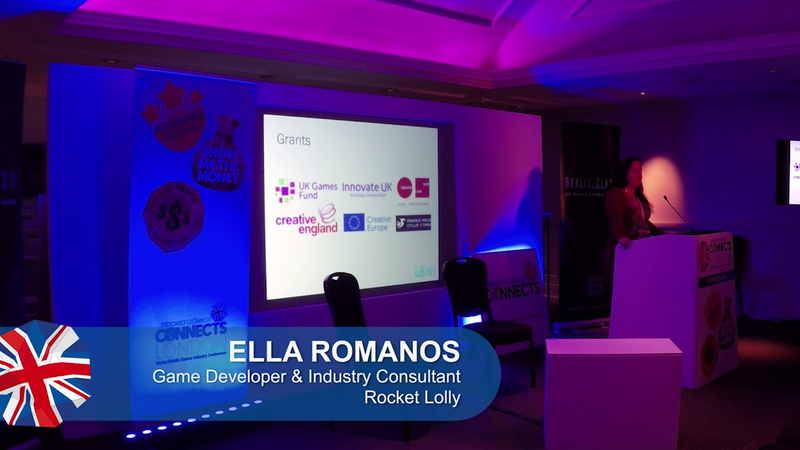
Accessing public funding and tax incentives is a critical component of financial strategy for UK-based game developers.
- UK game developers can claim 20% of qualifying development costs back through the Video Games Tax Relief (VGTR), which remains accessible even for unreleased titles.
- Because VGTR is paid in arrears, developers frequently utilize bridging loans against their claims to maintain operational cash flow.
- Engaging accountants with specific VGTR expertise is critical, as general R&D tax credit experience is often insufficient and can cause significant processing delays.