Finland reports and market data
Documents
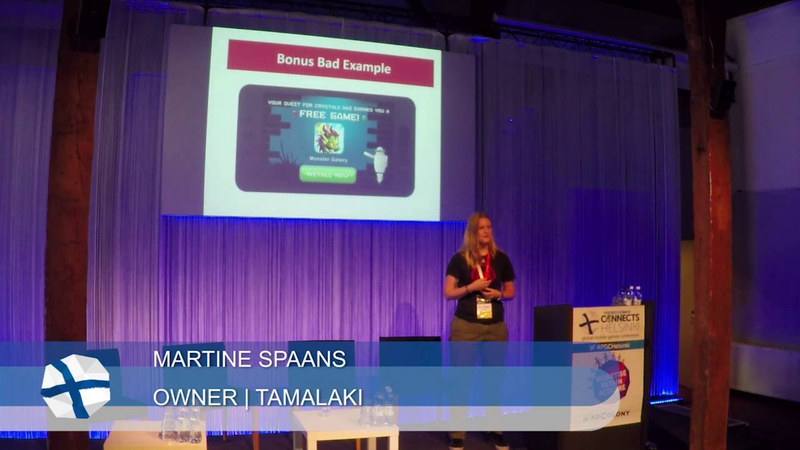
Best practices for mobile game ad monetisation
Mobile game monetization requires a strategic balance between in-app purchases and advertising to maximize revenue, particularly within the casual gaming sector.
- Advertising is a critical revenue stream for casual games because 80% of users churn within the first few days, and those who do convert often wait up to two weeks to make their first in-app purchase.
- Rewarded videos are the preferred implementation method, as they transform ads into an optional exchange for meaningful, immediate rewards rather than relying on intrusive, forced interstitials.
- Offering a combination of consumables, currency, and power-ups in rewarded videos significantly boosts conversion rates compared to offering currency alone.
The 10 Commandments of free-to-play
The free-to-play model represents a fundamental shift in the gaming industry, functioning as a service-oriented business rather than a traditional product sale.
- Free-to-play games must be treated as long-term services rather than one-time products, requiring efficient content pipelines to support a lifespan of several years.
- Technical optimization, specifically reducing loading times and memory consumption, must be prioritized during pre-production to directly improve player retention rates.
- Monetization should focus on a 'million-dollar storefront' that allows high-value players to invest without limit, rather than selling overpowered items that artificially cap spending or shorten game longevity.
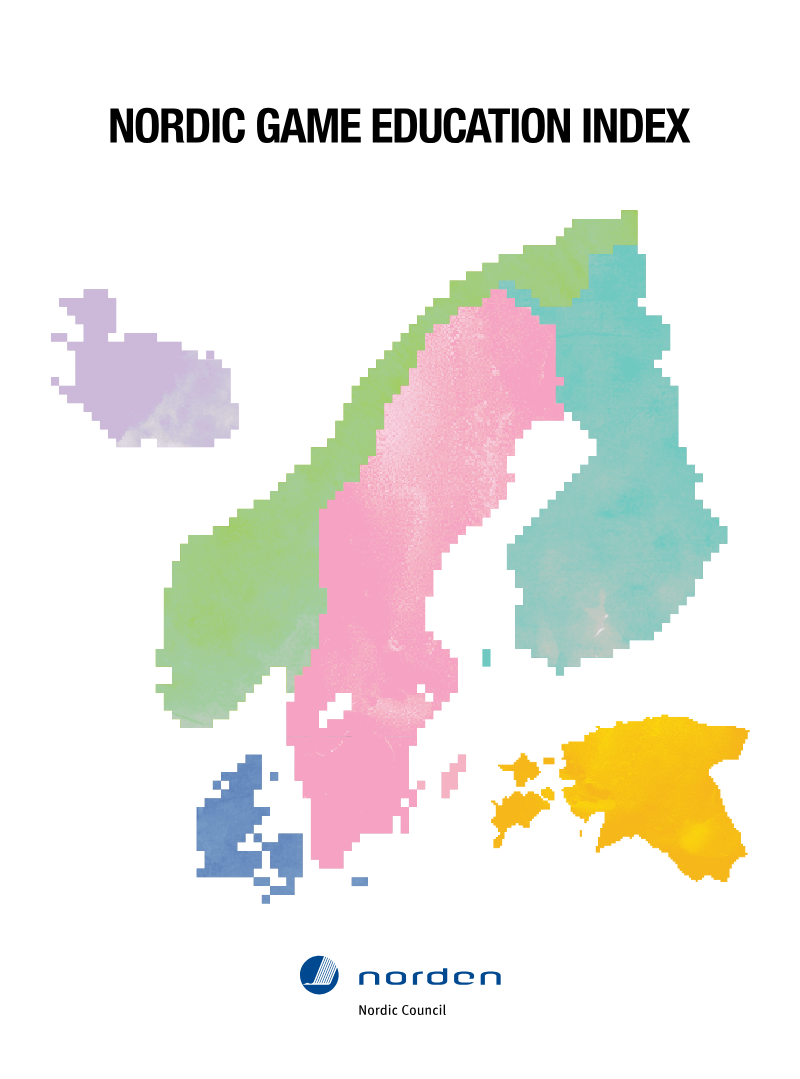
Nordic Game Education Index: 2015
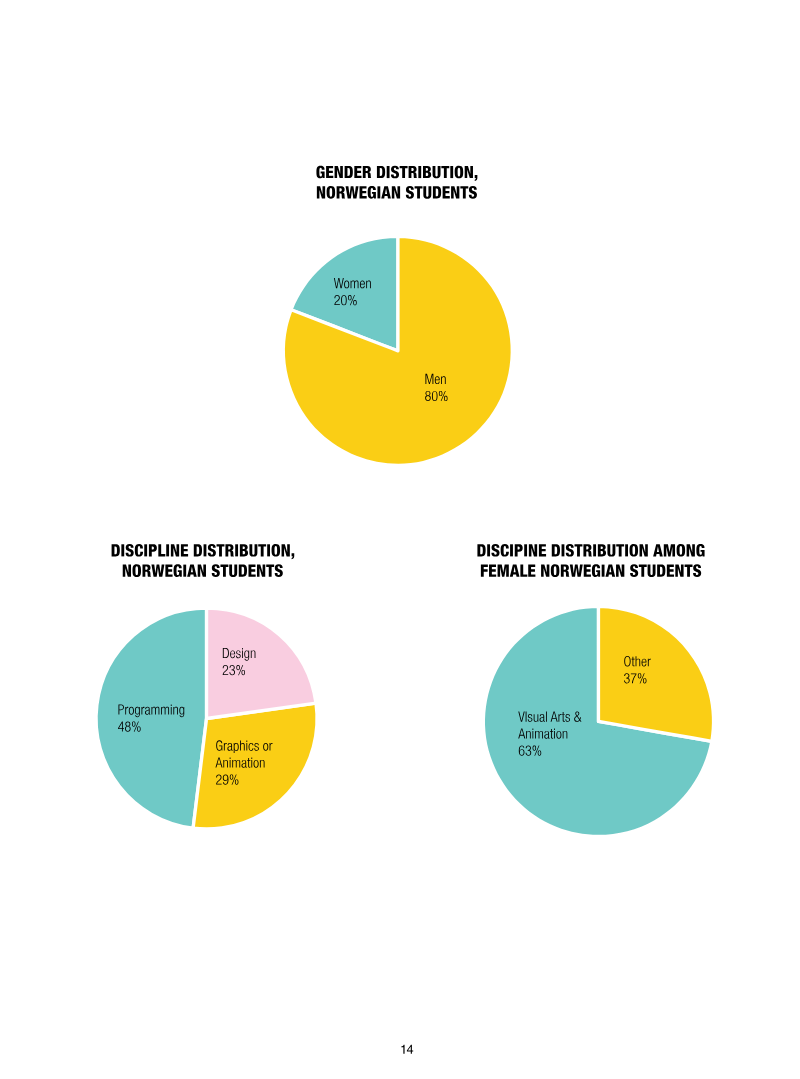
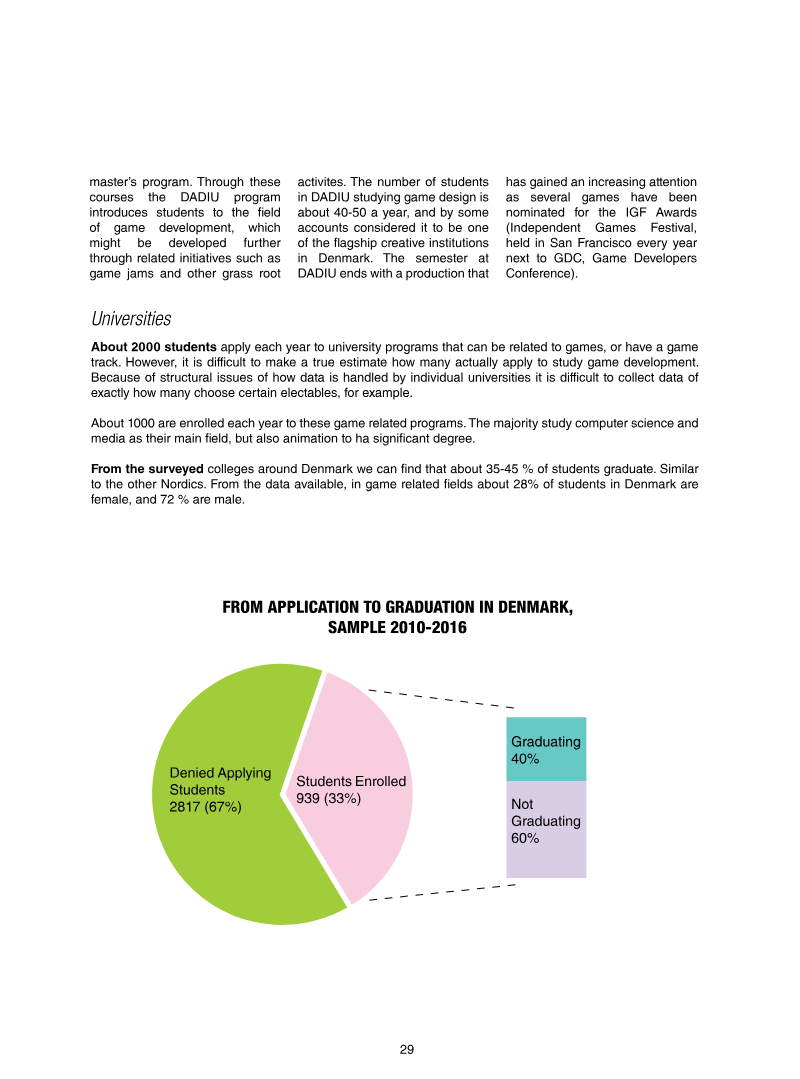
The Nordic game education sector functions as a mature, highly specialized ecosystem, comprising approximately 65 distinct programs that attract over 6,000 annual applicants.
- The Nordic game education sector consists of approximately 65 programs serving over 6,000 annual applicants, focusing on project-based learning to simulate real-world studio environments.
- Swedish higher vocational programs demonstrate high industry integration, with 80 to 87 percent of graduates securing roles within six months of completion.
- Finland leads the region in academic efficiency with a 60 percent graduation rate, significantly outperforming the broader Nordic average of 40 percent.
How Rovio spent five years making The Angry Birds Movie
The Angry Birds Movie represents a significant milestone in Rovio’s strategy to expand its intellectual property beyond mobile gaming.
- Rovio successfully transitioned its business model from premium games to a free-to-play, service-oriented approach between 2014 and 2015.
- The Angry Birds Movie, developed over five years with expertise from Marvel Studios veterans, opened at number one in 52 countries and became the third-highest-grossing imported animated film in China at the time.
- The company now utilizes a data-driven strategy for live operations, prioritizing key performance indicators and rigorous soft-launch processes to refine gameplay before global releases.
Appodeal on the best types of mobile ads and what the future holds for the ad space
Appodeal provides a programmatic monetization solution designed to simplify mobile ad integration for developers.
- Appodeal’s programmatic mediation platform uses a single SDK to aggregate over 35 ad providers, automating the selection of the highest-yielding ad networks in real-time.
- Dynamic mediation replaces manual 'waterfall' processes by analyzing geographic and user-segment data to ensure optimal fill rates and revenue performance.
- Rewarded videos are the most effective format for long-term monetization, as they allow users to sample premium features and increase the likelihood of future in-app purchases.
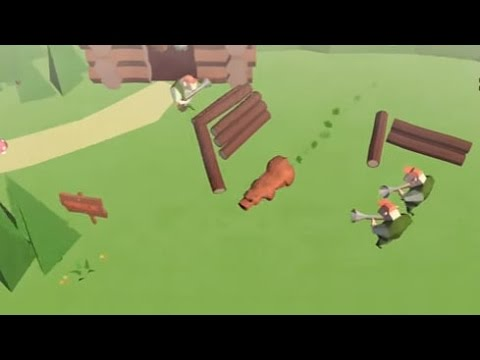
FTUE: Crashing Season
Crashing Season, a debut title from Finnish developer Koukoi, is an endless runner-style destruction game featuring a low-poly aesthetic.
- Koukoi’s 'Crashing Season' suffers from high user friction due to a disjointed onboarding process and unclear level objectives that risk early player abandonment.
- The game restricts character upgrades behind level-based experience thresholds, preventing players from utilizing earned gold and gems until specific milestones are met.
- Physics-based controls are inconsistent, causing unintended failure states and making environmental navigation difficult for the player.
FTUE: Winterstate
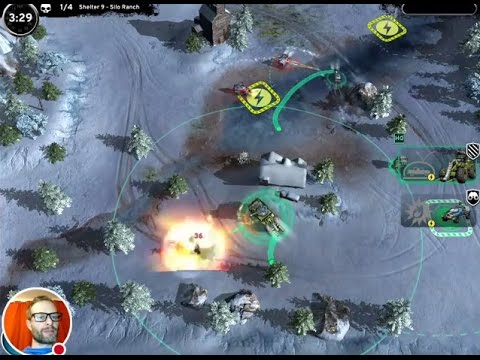
Winterstate, a mobile vehicle combat game developed by PlayRaven, utilizes a post-apocalyptic arctic setting to deliver a tactical, line-drawing gameplay experience.
- PlayRaven’s Winterstate utilizes a line-drawing mechanic that shifts mobile combat from automated systems to player-driven tactical movement and positioning.
- The first-time user experience employs a gradual difficulty curve, transitioning players from basic target destruction to complex scenarios involving multiple vehicles and defensive shielding.
- The game’s core loop balances mission-based combat with a metagame focused on vehicle management, including weapon upgrades, driver attribute assignment, and resource allocation.
The Game Industry of Finland 2015
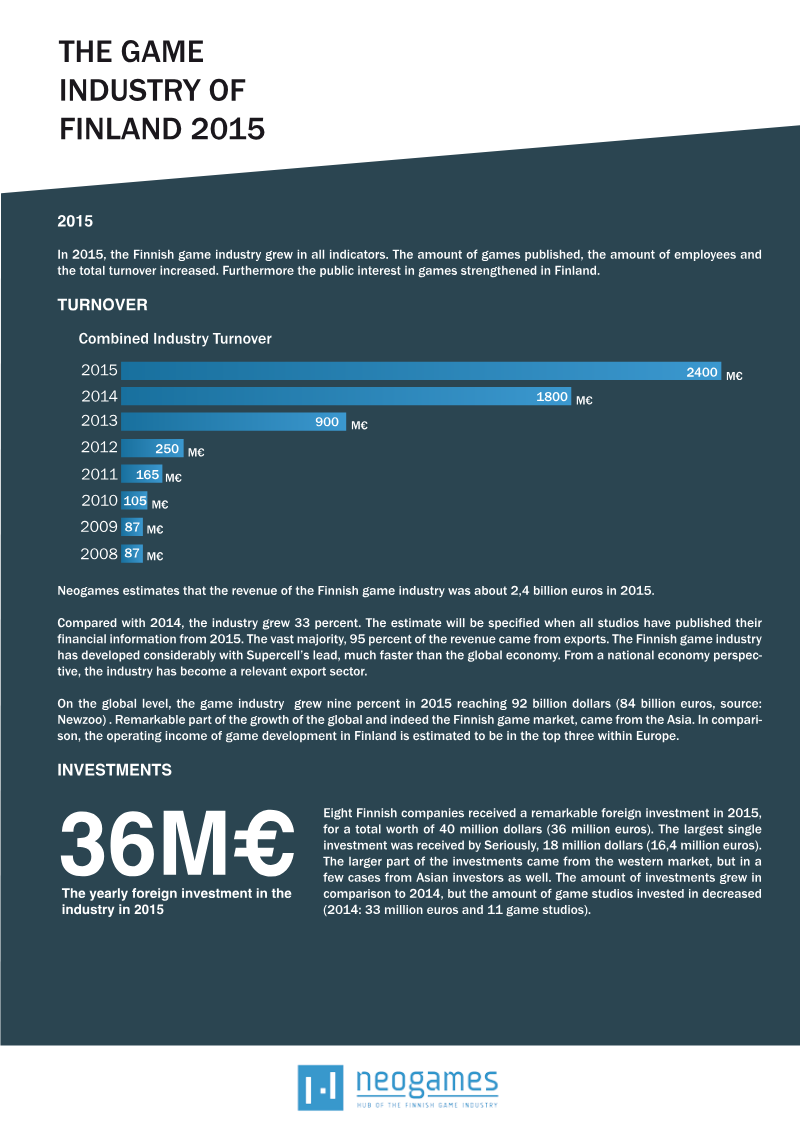
The Finnish game industry experienced significant expansion throughout 2015, characterized by robust growth in turnover, employment, and output.
- The Finnish game industry generated 2.4 billion euros in turnover in 2015, marking a 33 percent year-over-year growth that solidified the country as a top-three European hub for game development.
- Exports are the primary economic driver for the sector, accounting for 95 percent of total industry revenue.
- The industry employed 2,700 professionals across 290 active companies, with the majority of talent and operations concentrated in the Helsinki metropolitan area.

Is Helsinki still a great location to set up a games company?
Helsinki maintains its status as a premier global hub for game development, driven primarily by an unparalleled concentration of high-level technical and creative talent.
- Helsinki remains a premier global hub for game development, primarily due to an unmatched concentration of high-level technical and creative talent.
- The Finnish ecosystem provides a sustainable competitive advantage through deep professional expertise that is difficult for other international markets to replicate.
- The region's industry infrastructure is built on a proven track record of success, significantly influenced by the global impact of companies like Supercell.
Zemeho's Kimmo Kuusipalo explains music streaming plug-in Valinta
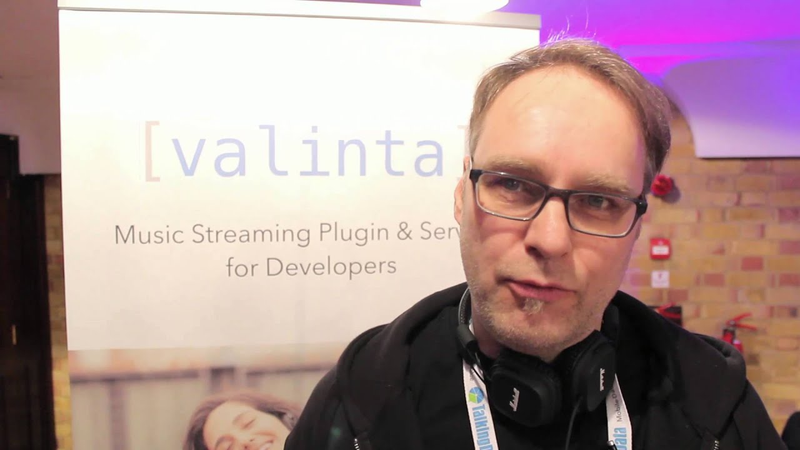
Valinta functions as a specialized Unity plug-in designed to integrate customizable music streaming directly into mobile game environments.
- Valinta is a free Unity plug-in that enables developers to integrate interactive, user-driven music streaming from a library of indie artists into mobile games.
- The tool allows players to select specific genres and tracks, shifting game audio from static soundtracks to personalized, interactive experiences.
- The mobile game Pale Harder, available on the Google Play store, serves as the primary live proof of concept for the plug-in's functionality.
Why is Finland so successful when it comes to mobile games?
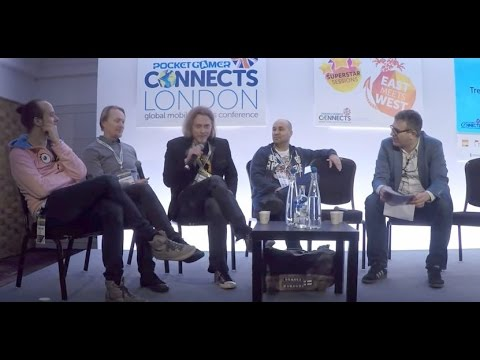
Finland maintains a position as the most successful region globally for mobile game production on a per capita basis.
- Finland leads the world in mobile game production on a per capita basis due to a unique convergence of historical industrial influence and a robust educational system.
- The decline of Nokia acted as a primary catalyst for the industry, releasing a large pool of skilled technical talent and established business networks into the mobile gaming sector.
- Finland’s mobile gaming expertise is rooted in a long-standing technological foundation that dates back to the 1980s, including early mobile innovations like Snake.

Is Supercell's success good or bad for the Finnish game industry?
The rise of Supercell has served as a primary catalyst for the Finnish mobile gaming industry, acting as a source of inspiration rather than a disruptive economic force.
- Supercell’s lean organizational model has prevented labor market overheating and wage hyper-inflation, allowing small-scale independent studios to remain economically viable.
- The success of major firms like Supercell has established Finland as a premier global hub for mobile game development, significantly improving the local investment climate and access to capital.
- The Finnish gaming industry maintains a sustainable ecosystem where global leaders and independent developers coexist, rather than the former displacing the latter.