PocketGamer.biz
1 free read left. Create a free account for unlimited reading + AI research.
Create free account
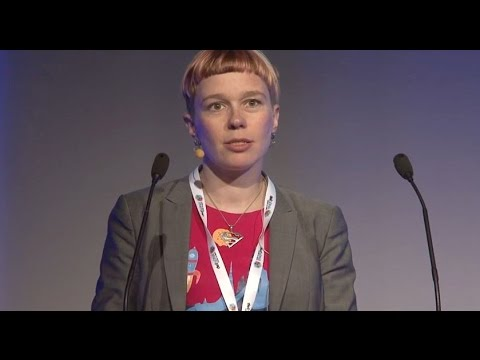
uh I was actually quite SL I'm saying is it like is I was actually quite worried about that that when somebody comes super successful and we saw Rio take up there I was worried that now all the salaries will triple and whatever and then there's no going to be no room for Indies with limited funding uh anymore but that didn't happen I don't think that happened no I don't know why well uh super also isn't trying to grow into thousands that's true so because they stay small but but personally you it more an inspiration rather than any sort of any you know obviously you've got your in charge of size of your business as well absolutely an inspiration I mean we we I think we maybe at one level is a little bit of the unique community community in sense we actually do share quite openly with with each other what's going on I think we're pretty much all part of each other's B programs of games that are not even soft launch yet um we we share openly and and and what super
Surly has done has inspired many developers to to do their own thing and has also I would say um further uh put light on Finland as a as a serious uh country the mobile games industry and and probably helped all of us on on the HR and recruitement front certainly helps the investment fund yeah absolutely absolutely um
The rise of Supercell has served as a primary catalyst for the Finnish mobile gaming industry, acting as a source of inspiration rather than a disruptive economic force. While initial concerns existed regarding the potential for hyper-inflated labor costs and the displacement of independent studios, these fears did not materialize. Instead, the industry has maintained a sustainable ecosystem where small-scale developers continue to thrive alongside global leaders. Supercell’s strategic decision to maintain a lean organizational structure, rather than scaling into a massive workforce, has prevented the market from overheating and preserved opportunities for smaller entities.
Beyond individual company performance, the success of major Finnish firms has elevated the nation’s global profile, establishing Finland as a premier hub for mobile game development. This heightened visibility has yielded tangible benefits in human resources and recruitment, making it easier for local studios to attract talent. Furthermore, the increased international attention has improved the investment climate, providing broader access to capital for developers across the region.
Collaboration remains a defining characteristic of the Finnish gaming sector, with companies frequently engaging in open knowledge sharing. Developers often participate in peer-to-peer testing programs for titles still in the soft-launch phase, fostering a culture of transparency that benefits the collective industry. By prioritizing community-driven growth and shared expertise, the Finnish market has successfully leveraged the success of its largest players to strengthen the entire ecosystem, ensuring that the industry remains competitive and collaborative on a global scale.

PocketGamer.biz · 2026

PocketGamer.biz · 2026

PocketGamer.biz · 2026

PocketGamer.biz · 2026

PocketGamer.biz · 2026

PocketGamer.biz · 2026

PocketGamer.biz · 2026

PocketGamer.biz · 2026

PocketGamer.biz · 2026

PocketGamer.biz · 2026

PocketGamer.biz · 2026

PocketGamer.biz · 2026
New Zealand Game Developers Association · 2026