1 free read left. Create a free account for unlimited reading + AI research.
Create free account
The 10 Commandments of free-to-play
Key insights
7 takeaways- 01The ultimate success metric for a free-to-play title is achieving a sustainable balance where the lifetime value of a player consistently exceeds the cost of acquisition at scale.
- 02Free-to-play games must be treated as long-term services rather than one-time products, requiring efficient content pipelines to support a lifespan of several years.
- 03Long-term engagement is best sustained through social interactions and multiplayer challenges, which ensure that every session provides a unique and fresh experience.
- 04Technical optimization, specifically reducing loading times and memory consumption, must be prioritized during pre-production to directly improve player retention rates.
- 05Monetization should focus on a 'million-dollar storefront' that allows high-value players to invest without limit, rather than selling overpowered items that artificially cap spending or shorten game longevity.
- 06Live events must be carefully balanced between monetization and player retention to provide short-term goals without alienating the user base.
- 07Soft launches are essential for data-driven optimization of tutorials, game balancing, and store conversion, though they often require significant extensions to development timelines.
Ask AI about this video
Transcript
hello everyone good morning and thanks for the introduction NASCAR so here to talk about ten commandments are free to play I have a hundred slides so I will go through them quickly first one sometimes see free to play like this it's scam right or even this it's a fad something that going away eventually but if you think about free it's everywhere it's not only on mobile platforms it's all gaming platforms it's not only particularly in games when you use a Google Doc you're actually using a free model but even when you go to Starbucks and use internet for free you're still leveraged in the same business model that free to play starts
so but it also offers great opportunities for developers and that's one of my favorite charts this is consumer products now consumer revenue in the US over time and what happened after free-to-play was introduced so it's up to you whether you want to use free-to-play or not but there is one thing you should never try to do you should never try to fix it you either do it or you don't but don't go halfway or don't think that you're gonna be there and you're gonna be easier on the players or you don't go and try to monetize as well because you end up not making anything this is what happens when you make a free-to-play play product so you make most of your money in the beginning the first two or three months
you see sparse updates here what you want instead is that it's a revenue curve that grows over time and that relies on constant and frequent updates of your game right so in order to do that you have to think of a game as a service from the beginning right you can't consider making the service after your game is to release you have to think from the get-go on that because rest assured you need to keep walking harder after the games lounged soft lounge is just the beginning for you but sometimes it can be tricky because you think of players like that they do stupid things right from now and then but when it comes to put their hands in the pocket and spend money they act more like that right it's
quite hard to monetize players one of the most important things is that we don't on earth eyes on expo disposable experiences they don't spend money if they don't think the games going to last long they also don't stuck around stick around so the key success to both monetization and retention is a long list in metagame that's where most of the play is going to spend time and that's exactly where they spend money so you have to plan carefully your content creation you either you know in the development phase you develop a game that don't need a lot of content or you make content creation quite cheap and fast because you shall support your game for two years and your gameplay in your meta game should be able to support a game for at least two years I would say ideally five
but meta games they don't mean anything if you can't find the fun so the core of the game the core core gameplay is still where the fun is and there is not shortcut to that there are a few tricks though you can invite your players to try to experiment your game in different ways there's some good examples like heroes charge the main campaign the regular mode it's a battle game turn-based but they used exactly the same core mechanics in the crusade mode but they don't regenerate the HP of the players right so it's exactly the same mechanics but it's slightly different roles and you can leverage that and we use they do the same is the time rift which means every day they
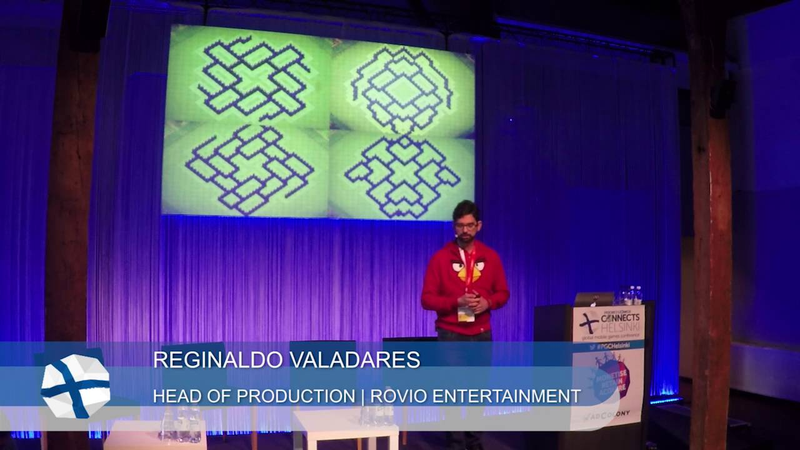
change the world a little bit in one of the days for instance the enemies don't take physical damage right so you have to change a different kind of enemies or characters to attack them more precisely and also they have PvP in the arena so all that's saying is to steal the same core battle mechanics reuse over and over with slightly changes in the rules and that make that keeps the game played according play fresh but I think the most important the more relevant way to keep your core gameplay fresh and interesting for a long period of time is social interactions so this is just a small sample of potential based variations in clash of clans every time you go into a fight or battle in clash of clans you find a different challenge it's unique every time so relying the
multiplayer is the best way to keep a core core gameplay entertaining for a long period of time but there is no shortcut for fun you shall still be creative whatever you do so one piece of advice be careful with 3d it's not only expensive but takes a lot from the devices so you should always start measuring your games performance particularly technical performance early on what I mean is that in pre-production you have to take in consideration loading times for instance so we have a good example shown of our games just by improving loading time we managed to have 20% our was 20% increase in the won retention in one of our games and that's huge and we tend to forget that we focus so much in you know KPIs and retention that we forget how important this can be
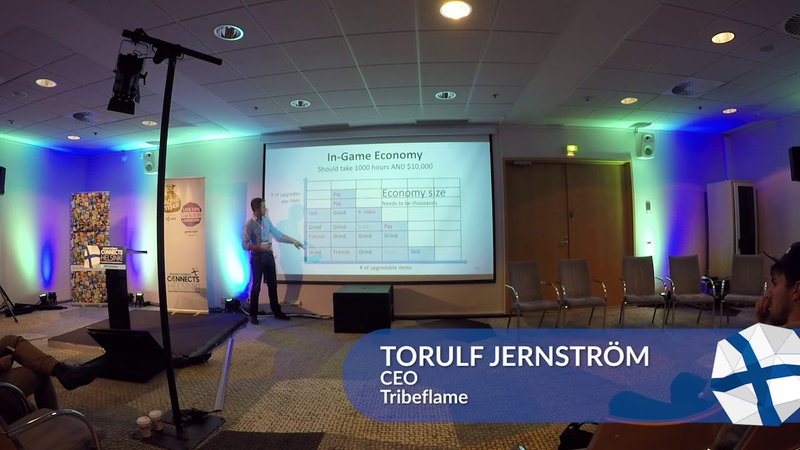
this is another example now in all of our games as well we got roughly 5 percent increase in retention here so things to keep in consideration during pre-production yes memory consumption bandwidth disk size in all matters we tend to forget those and you shall never forget the basics folder famous last words of a junior free-to-play designer if I get $100 out of a player I'm happy right we used to sell games for $1 so if I get a hundred these kids then you kind of creates the sword of doom and awesomeness and that kills anything in the game one-hit kill right but in fact you're kept in how much money won't play against pain in the game right how do you know he was not going to spend a hundred thousand or maybe ten thousand what's worse you
limit the lifespan or that which is your best player by the way in your game so here we're gonna finish the game quite faster than he would otherwise so whatever you do never sell an Opie item in your game that's a bad idea that you can do the back of the wars idea actually so some people have a lot of money let's never seven and that's okay if they spent a lot of money in your game there are rumors of this guy in Dubai who spent a million dollars in game before right that's fine your job is to enable that is to have things for them to buy so when you start walking in your game from the concept phase you have to think about a $1,000,000 storefront so if the player wants to spend 1 million dollars in your
game it's your job to have enough things for them for you by never be afraid of making money so social features if you want them poor if you want to do a/b testing we're gonna have frequent updates be it content update or balancing updates or maybe even a feature updates you shall be the back ends 2016 you can't get away with free to play game without the backend system I know Apple submission time is now two days roughly it's much better but still you want to be keeping update your game much more often than that right number nine events so I went to GDC this year when everybody was talking about events was like a common subject about the Asian Games are doing
this for quite a long time now right it's been like I think four or five years they're focusing on that so I think they're quite smart and it's important because events they bring a lot to you came right they offer a different way for the players to experience your gameplay so remember when you talk about core gameplay variants events are the best way to do it because they also offer the opportunity for players to interact if orders and they give you short term goals which are super and meet them goals as well super important for the players another very positive side effect it tells the players that the developers are still fully behind the game and that gives in them even more incentive to feel engaged and keep playing in a game right one advice though is don't over do with monetization events you always want to
try to rotate one monetization event with one retention event otherwise you're gonna be squeezing so much money out of the players that they will figure it out and they will understand the games going to be paid to win and we quit so pro tip 1 monetization event 1 retention event interchange those but always keep in mind you shall rely on game events when I say game events I'm talking about tournaments short term competitions things are a part and side to the game but you can even make them part of a core gameplay if you want to and the last one is soft launch a lot of people jump quickly into soft launch and I get it right it's super valuable to have real data from players early on so they the faster you go into that the more you can start tweaking your game right but the thing is your priorities change when you go into soft launch and
it changed quickly you have a lot of new stakeholders to manage everybody in the company is going to start paying attention to your game and follow your KPIs and and expecting a lot from you not only that but you're gonna start receiving reveals in the App Store reveals that won't go away right and you have to leave a tab and that also means that Apple and Google is gonna have a fresh look into not only your game but also the reveals that your players are giving to your game so you have to take care about of your games and reputation and in order to do that you have to be super careful with the live events oh sorry the the I just realize I have a lot of time left so I rushed you have to keep your game up and running that means if you have a live issue for instance do you have to stop
everything that you're doing and fix it right and if you combine all those it translates into slow feature development the plan that you had to you know I'm going to soft lounge and then I'm gonna finish the game in the next three months it's going to be translated into six or nine months that you can actually finish everything that's it just a fact of life so keep in mind that the resort lounge you can only improve retention of your game if you fix something that's broken right so retention is part of the DNA it's the x-ray of your game if you have a broken tutorial or bad balancing or if you have if you don't have a late late retention feature in your game then yeah you can improve retention but after that you only gonna have marginal improvements right so it's going to be
very hard and if you look at these sort of retention it's even harder because you need a month to have valuable data right so you better start of having those features in already and the last piece of this is everybody knows this equation and TV needs to be higher than CPI that's the curse of our industry nowadays right but the real curse is that it needs to be at scale it's actually easy to get a handful of players in your game at locate CPI its numbers but try to get a million and then you're gonna see that the quality of the players going down dramatically and the cost of acquiring them is going up dramatically as well you got wants to figure out this equation during soft lounge but you don't want to start over every time you change rules when you introduce a new game-changing
feature let's say late game retention feature that's gonna take again all the effort to realize how to get players to the game any don't wanna do that so you'll be far better off explaining time during soft lounge optimizing your game balancing now that we have real data from players your target offers there's a lot of a be testing you can do on that regard your tutorial so acquisition funnels that that's brilliance time to do that and also sometimes neglected app store conversion it's also very very important it's the right moment to do so right so you shall not rush into soft-launched and that was it thank you
Summary
The free-to-play model represents a fundamental shift in the gaming industry, functioning as a service-oriented business rather than a traditional product sale. Success in this space requires a total commitment to the model, as half-measures often lead to poor monetization and failure. Developers must view their games as long-term services from the outset, prioritizing constant updates and a robust metagame to ensure player retention and sustained revenue. Because players are often hesitant to invest in experiences they perceive as temporary, the game must be designed to last for several years, supported by efficient content creation pipelines.
Technical performance and core gameplay are the pillars of a successful title. Developers should prioritize technical optimization—such as reducing loading times and memory consumption—during pre-production, as these factors directly correlate with improved retention. While core mechanics provide the initial hook, long-term engagement is best sustained through social interactions and multiplayer challenges, which create unique, fresh experiences for every session. Furthermore, developers should avoid selling "overpowered" items that cap a player's potential spending or shorten the game's lifespan. Instead, they should build a "million-dollar storefront" that allows high-value players to invest as much as they desire.
Strategic use of live events and a disciplined approach to soft launches are essential for long-term viability. Events provide short-term goals and social opportunities, but they must be balanced between monetization and retention to avoid alienating the player base. During a soft launch, developers must manage stakeholder expectations and technical stability, acknowledging that this phase often extends development timelines significantly. Ultimately, the goal is to achieve a sustainable balance where the lifetime value of a player exceeds the cost of acquisition at scale. By focusing on data-driven optimization of tutorials, balancing, and store conversion during the soft launch, developers can establish a stable foundation before a full-scale release.













Comments