Employment reports and market data
Documents
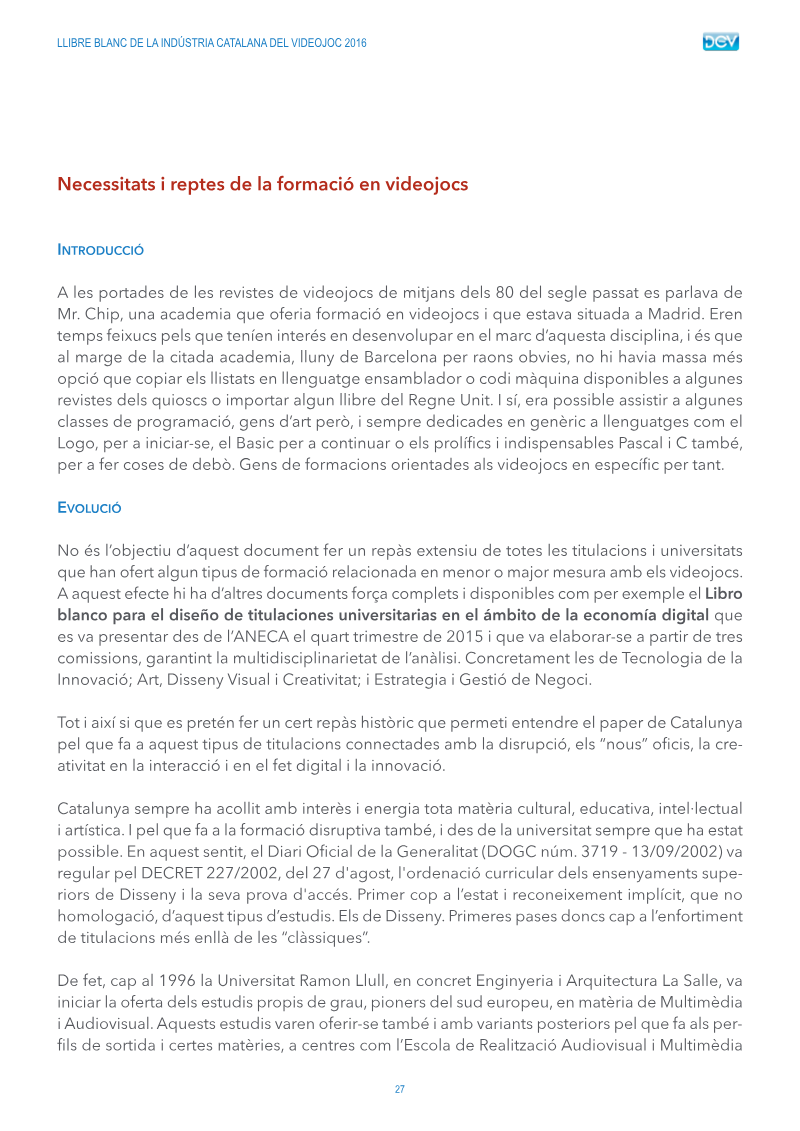
Llibre Blanc de la Indústria Catalana del Videojoc 2016
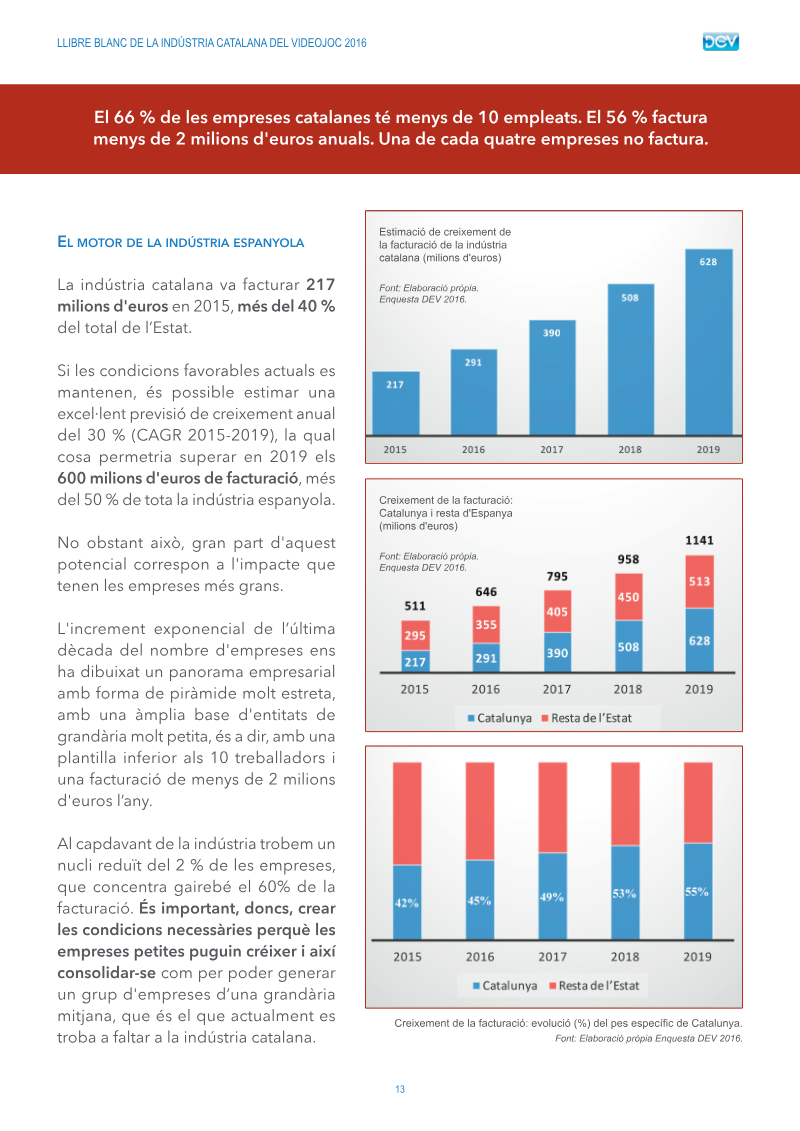
The Catalan video game industry serves as a primary economic engine within Spain, representing 25 percent of the nation’s companies and generating 42 percent of its total revenue.
- The Catalan video game industry is a dominant national force, accounting for 25 percent of Spanish companies and 42 percent of total national revenue.
- As of 2015, the sector comprised 120 firms generating €217 million in annual revenue, with 72 percent of earnings derived from international markets.
- Industry projections for 2019 target significant expansion, aiming for over €600 million in annual revenue and 4,600 direct jobs.

Indie Advice - Fire Early - Extra Credits
Effective project management in the indie game industry requires the difficult but necessary willingness to terminate underperforming team members early.
- Delaying the termination of an underperforming team member prioritizes one individual over the collective success and morale of the entire project team.
- Procrastinating on personnel decisions creates compounding technical and operational debt that forces remaining team members to work at reduced efficiency.
- Addressing a poor fit within the first month of a year-long project limits the negative impact to 8% of the development timeline.
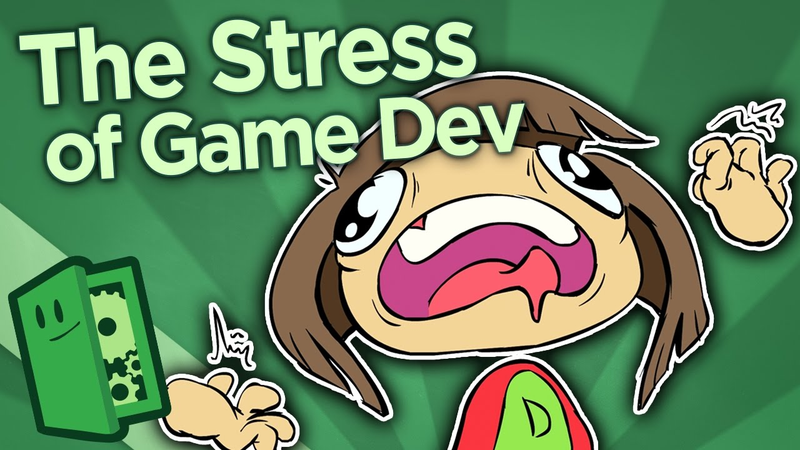
The Stress of Game Development - Tips for Survival - Extra Credits
The process of game development is inherently stressful, requiring developers to navigate significant mental and professional challenges throughout the product lifecycle.
- Game development must be treated as a sustainable, iterative marathon rather than a series of high-stakes gambles to avoid project burnout.
- Market saturation on platforms like Steam and mobile marketplaces is extreme, with hundreds of new titles released daily, making commercial failure the statistical norm.
- Developers should prioritize realistic scoping and rapid iteration over perfectionism to avoid the common industry pitfalls of over-promising and exhaustion.
Office Space: The Dos and Don'ts of Game Development Workplace Design
Modern game development environments frequently rely on outdated factory or laboratory models that prioritize rows of desks, often at the expense of developer productivity and well-being.
- Successful studio environments are shifting away from rigid, one-size-fits-all floor plans toward flexible, zone-based designs that provide distinct areas for both high-intensity collaboration and deep, quiet focus.
- One-third of the game development workforce views excessive office perks with skepticism, often perceiving them as a subtle pressure to extend working hours rather than a genuine benefit.
- Conventional office layouts based on factory or laboratory models frequently fail to address critical developer pain points, specifically excessive noise, inadequate lighting, and a lack of privacy.
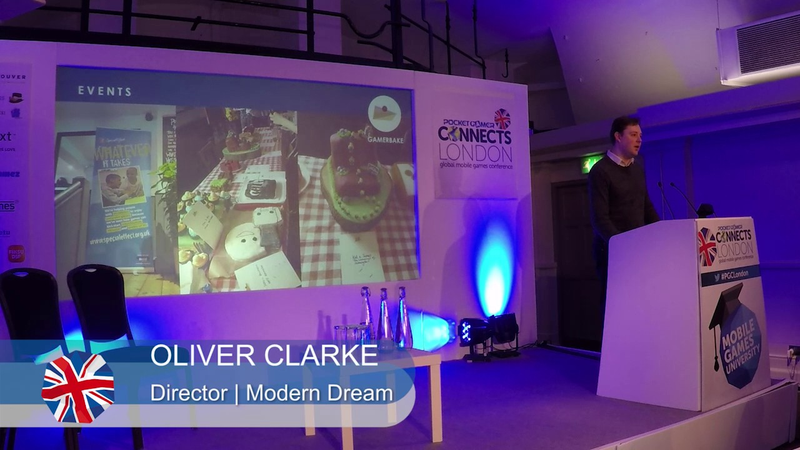
Game Hubs: A quest to revolutionise game production
Game hubs—specialized co-working spaces for game developers—have emerged as a critical infrastructure for fostering innovation, collaboration, and cost-effective production within the European and global game industry.
- Game hubs provide critical infrastructure for SMEs by offering shared resources and flexible environments that significantly reduce overhead costs compared to traditional studio models.
- Approximately 95 percent of UK game companies are SMEs, yet they face a structural funding gap that prevents many from successfully transitioning from prototype to commercial product.
- Hubs are implementing innovative, flexible business models like 'zipper blitz' pay-per-minute access to help developers manage limited budgets and high burn rates.

Recognizing the Health Risks of Game Development - Beyond Carpal Tunnel (Sponsored by the IGDA)
The game development industry faces a critical health crisis that extends far beyond common misconceptions of minor repetitive strain injuries.
- A survey of 420 international game developers indicates that industry-wide systemic issues, including extreme stress and normalized 'crunch' periods, are leading to severe, life-threatening physical and mental health outcomes.
- The industry's operational model frequently discourages essential breaks, despite data suggesting that consistent physical movement is a critical factor in mitigating long-term health risks such as cancer.
- The prevailing culture of job insecurity and the glorification of crunch create significant barriers to seeking help, as employees often feel pressured to sacrifice their well-being to demonstrate professional commitment.
The Unsatisfied Mind: Grappling With Depression in Game Development
The pursuit of professional validation within the game development industry frequently fosters a destructive cycle that prioritizes external acclaim over personal well-being.
- Professional validation in game development is frequently conflated with self-worth, creating an addictive cycle where external accolades fail to provide genuine personal fulfillment.
- The industry culture normalizes the sacrifice of mental health and personal stability, leading to severe burnout, depression, and potential substance abuse among developers.
- Defining personal identity exclusively through professional output creates a disconnect from core values, leaving individuals vulnerable to profound emotional instability.
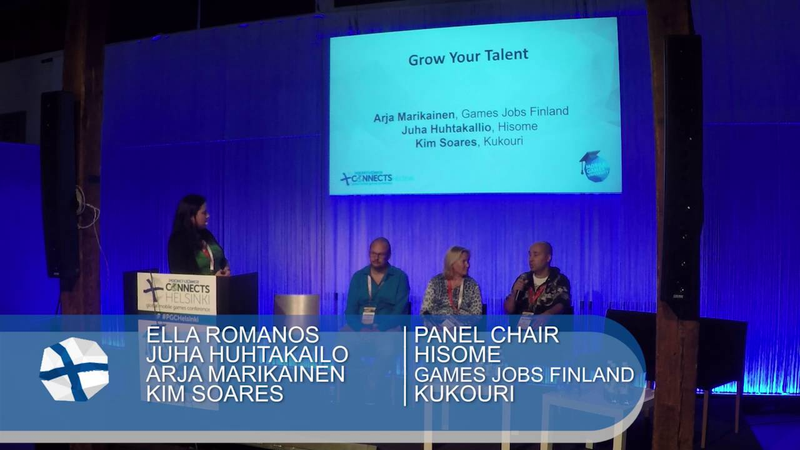
The hows and whys of talent acquisition and nurturing a successful team in games
The Finnish game industry operates on a recruitment model that prioritizes personal networks, brand identity, and rigorous cultural vetting over standardized hiring practices.
- Hiring managers prioritize cultural alignment and value-fit over technical proficiency, often choosing to leave positions vacant rather than compromise on team cohesion.
- Small studios compete for senior talent by emphasizing team chemistry, self-motivation, and passion for the product rather than relying on standardized hiring practices.
- To bridge the talent gap between seasoned developers and entry-level applicants, studios are shifting toward structured internships, active mentorship, and project-based learning.
Games performance management and career models
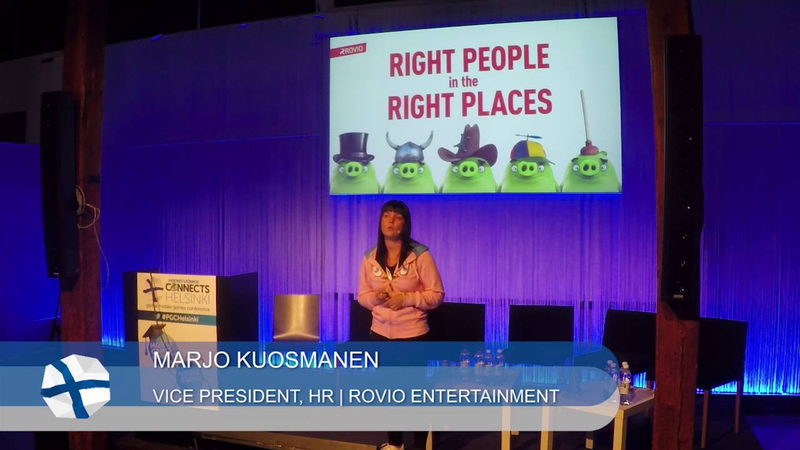
Rovio Entertainment’s approach to performance management and career development centers on the philosophy that individual growth should not be tethered exclusively to management roles.
- Rovio Entertainment utilizes a dual-track career structure that allows employees to advance as either specialized individual contributors or leaders, decoupling professional growth from management roles.
- The company manages a global workforce of over 400 employees, with a demographic profile of 70% male, 30% female, and an average age of 35.
- Annual performance reviews are used to align individual contributions with the financial and operational targets of specific game business units.
How to successfully work remotely as a team
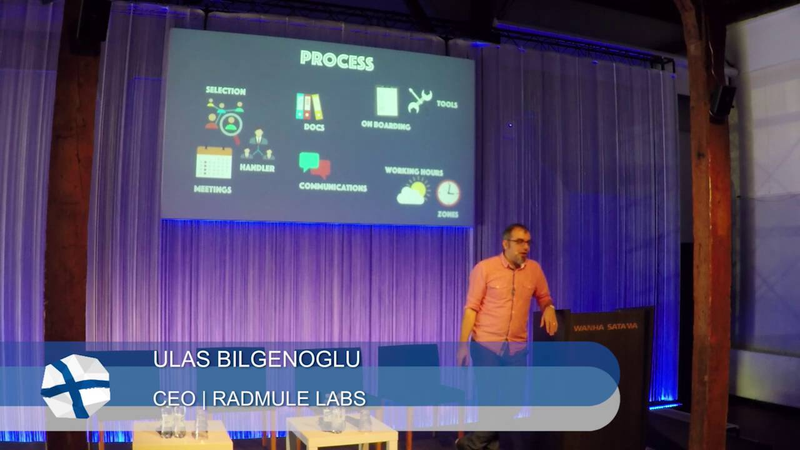
Managing a successful remote team in the game industry requires a shift in focus from tracking hours worked to measuring tangible output.
- Shift management focus from tracking hours worked to measuring tangible output to ensure productivity in a remote environment.
- Prioritize hiring candidates with prior remote experience, a history of freelancing, or an entrepreneurial mindset to ensure cultural and operational fit.
- Utilize trial projects as a standard assessment tool to evaluate a candidate's technical capability and cultural alignment before committing to long-term employment.
Killer Portfolio or Portfolio Killer? Industry Artists Weigh In
Securing a position within the competitive game art industry requires a strategic approach to portfolio development that prioritizes quality and specialization over sheer volume.
- Prioritize quality over volume by rigorously self-editing your portfolio, as recruiters evaluate candidates based on their weakest piece of work.
- Tailor your portfolio to the specific artistic style of the target studio by replacing student projects with professional-grade original designs or interpretations of existing intellectual properties.
- Demonstrate deep specialization in areas like character art, visual effects, or technical art to stand out in a competitive market where a single opening often attracts hundreds of applicants.
Game Developer Index: Sweden 2016
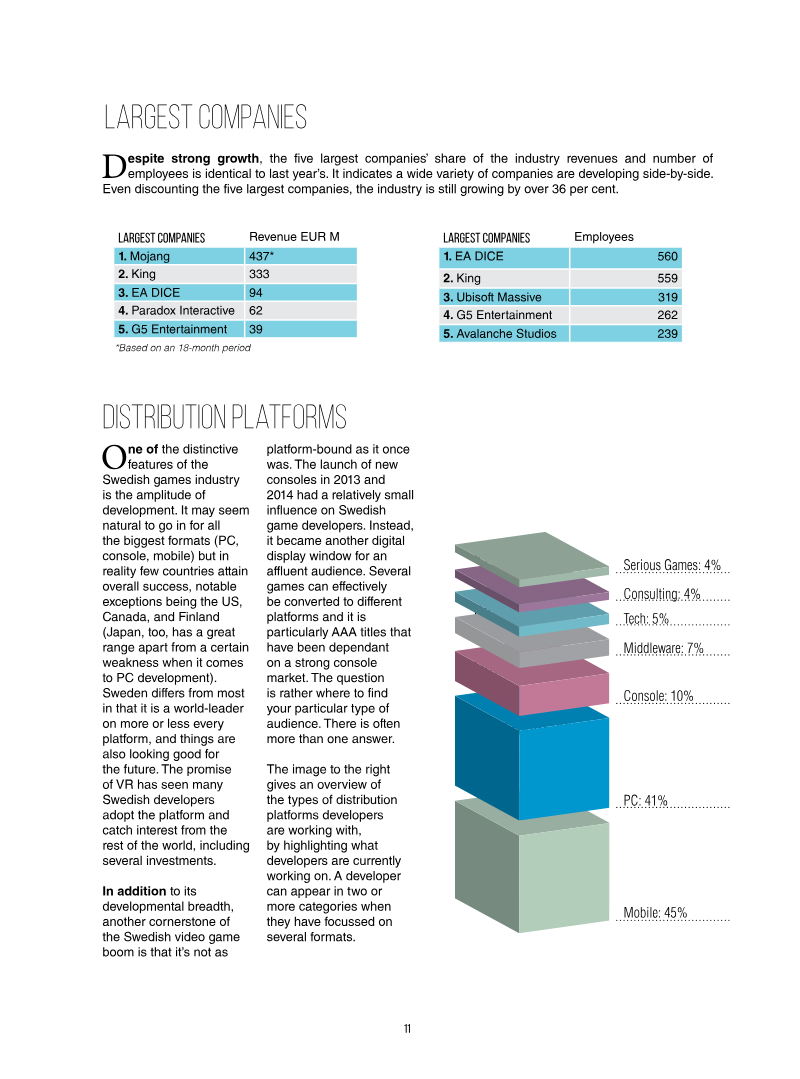
The Swedish video game industry demonstrated robust expansion throughout 2015, cementing its status as a vital pillar of the national economy.
- The Swedish video game industry generated EUR 1.3 billion in revenue in 2015, marking a 41 percent increase over the previous year.
- The sector has maintained a compound annual growth rate of 39 percent since 2006, with the workforce expanding by 19 percent to 3,709 full-time positions in 2015.
- Industry growth is hindered by a persistent shortage of qualified personnel, restricted access to capital, and a regulatory environment that lacks competitive government support.