1 free read left. Create a free account for unlimited reading + AI research.
Create free account
Game Hubs: A quest to revolutionise game production
Key insights
6 takeaways- 01Game hubs provide critical infrastructure for SMEs by offering shared resources and flexible environments that significantly reduce overhead costs compared to traditional studio models.
- 02Hubs are implementing innovative, flexible business models like 'zipper blitz' pay-per-minute access to help developers manage limited budgets and high burn rates.
- 03These spaces function as essential networking nodes that connect developers with publishers, educational institutions, and government bodies to facilitate investment and industry growth.
- 04Beyond physical space, hubs serve as platforms for political advocacy and international business development to foster a cooperative rather than competitive industry culture.
- 05Approximately 95 percent of UK game companies are SMEs, yet they face a structural funding gap that prevents many from successfully transitioning from prototype to commercial product.
- 06The long-term health of the creative economy depends on the strategic expansion of these hubs, supported by senior industry leadership and more accessible funding frameworks.
Ask AI about this video
Transcript
[Music] all right little my background I'm a game developer started making games around 2000 to professionally and I'm going to be talking today about hubs which are games co-working spaces if you're not familiar with them I'll go a little bit about them but hopefully you'll be aware at least aware of them at least on some level this is essentially arts-based it's based in limit inspire it's about an hour north of here on the train and we have room for around 30 developers we currently have two active teams plus outsource was working from the space we established it in May 2014 it's set up as a not for profit so it's not designed to make money in itself what it's designed to do be adaptable flexible and allow game makers to make games in ways that require new ways of thinking we facilitate the production of games and
we we also take a serious role on the hosting events connecting developers together in interesting ways and I'll go it still found that more later but and its most basic a hub is a place where you plug in a place with internet deaths and coffee that at its basic that's what it is and hopefully you will very familiar with hubs as it is already but when I was doing the research for this talk I started looking at hubs around the world and the last three years they had literally exploded they're all over the planet now most recently I think their conduct in Argentina and I saw when I opens up in Jordan as well so it's an idea that's caught on it is working and hopefully kind of a couple of these places like the arcade in melbourn the Sweden game arena they stretch all the way down to New Zealand in the in Wellington they are literally all over the world and developers are using them as places to collaborate to share ideas as ways of getting their games made in a very cost-effective way I'll go talk a little bit about the cost later as we're in the UK I share a few of them that are here if you're from a
husband I've missed your hubs or apologize but these are the ones that I found in the UK there are more rocket desk in Guildford one of the more recent hubs of becoming note successful we see studios like line take closing down a lot of developers are going to work out rocket discs and they're starting to set up successful studio it was crazy they closed down at studio because they lost their talent but now that talent is making the next exciting games in these adaptive flexible spaces they're doing interesting things on new platforms to go into a little more detail as the loading bar in London is you're familiar with the loading bar it's just a few about her what a 30 minute walk of the road from here and James dancer he's an entrepreneur he set up the loading bar he runs it as a bar and developers can go there and start working in their games in the basement there and he runs a special events he works with companies publishers like devolver for example to host in advance that promotes their games and he's making that work profitably for him while still attempting game developers at the same time and recently he hosted an event
with Warchild they did a game jam which we took part in and there were lots of develop that turned up there and again collaborated they shared ideas and did something positive for the society to go to the other end of the spectrum we have set up in Berlin called factory and they are more of a high-end how they look at matching companies like Twitter and SoundCloud and the developers that meet there in specialized way so they they filter out they are very selective with the people but they led in there and then again switch over to the other end of the spectrum we have setups like stewin which is about bringing creative people together as everyone heard of Robin down gardeners line wobbler is an incredibly talented developer but this is more arts-based and these are creative experiences that are coming out of games co-working spaces like this so there's there's a very wide spectrum of what a games hub can be and that's because at their core has very adaptable and they allow for flexibility why is
this happening and Thomas Rawls insulation jointly funded up what you're saying because they work the things are happening hope you've seen from the last few slides that games are getting made innovation is happening products are getting produced wealth is being created jobs are being created it works and I think Clara Reeves is the president hipster well in the last paragraph there she says developers here are working together not competing against each other and we're all stronger for it when people are successful they're sharing that successful knowledge and we're seeing that consistently happen from house to house the hub but people are sharing the success of their finding and benefitting as a result not only themselves but each other it seems that the the markets are out there for games that are innovative there isn't a saturation of great games what there is a demand for is unique experiences and again this is where hubs are helping in the face of huge change at helps with facilitating game production they're addressing the skills requirements we often have students
visit us in the arch and they learn how games are actually made and they're also going to the other hubs and universities themselves are setting up games hubs the administration overheads are significantly lower than when you're working at a studio if you've ever worked for the studio you often have a large HR department which has restricted rules which limit your very creativity which as creators of games experience which is counterproductive in the long term the cross over heads are significantly lower I've been meeting with publishers the last two days and talking about our burn rate how much we cost per month journalists okay I'm really yes that's like one of us and per month so our cross over heads are incredibly low and importantly we're enabling those collaborations the image there on the right of the screen is our facebook group which for the local area are spaced host 30 people but the facebook group hosts 256 people who are sharing jobs they're sharing so I'm we're off talking about a ganger and he's hosting there and we were collaborating through the internet at the same time so it's not just about the physical space if it's also how we're
connected over the Internet at the same time again just to go over the cost briefly so my collection studios that cost around 6,000 permanent attack / at 6000 per month and I've heard estudios costing as much as eight and a half thousand rooms of studios that cost more if we were charging we're not if we were charging 275 / desper month we could feasibly run at three and a half K turn out not so you can see our burn rate is much much lower and we looking when we're looking at the funding options that are available they are quite limited so we have to make the most of what we have if you're interested in looking further at the geography of pubs there are two links their games mac UK will list the hubs that are in the UK but the link above takes you to a develop article that will point out where where the house is based around the world so that in a nutshell where we're at with hubs is it happened is working we're making great stuff how we made it happen we had our founding
principles when we decided really that when we were setting up we didn't want to set up the studio we're interested in collaborating with other developers we had five directors we shared responsibility and legal advice is very important if you're looking to sell puppies it is expensive but it is well worth ensuring that you're covered legally because there are things that could come back back and bite you such as insurance but if you don't have you could be a lot of trouble for so it's well worth spending on the the legal advice that is out there and that's some great people in this industry who can help you initial funding was kindly provided we work with the work district counts on the warrick county council who often councils have buildings that are not in use and if you go to someone in the council and say we're part of the games in the street would you like a thriving games industry in your area they will bite your hand off and we've seen that consistently happen in our area they already recognized that they had a thriving games industry and they wanted to support us so they gave us some favorable rates on a space that we wanted to rent and also the industry
itself we were very kindly supported by Sega hardlight who gave us six thousand pounds to start working with and the initial budget we started with was 8,000 pounds so with 8,000 pounds use of could set up against co-working space we had a wonderfully naive motto to start with let's put smart people in a smart space and see what happens a lot of things did happen we made mistakes that we learnt a lot but that's literally what we started with arch one our co-working space as it was back then it was a labor headquarters that's why it had the horrible red carpet with the way we got momentum with the space was to start having open door sessions where developers could meet each other and we were surprised by the attendance that we got from each event that we Hosting they range from 30 developers and grew to 60 70 80 developers turning up to these events so okay we've got something here let's but it's bill our chips down and essentially make it happen we started decorating again limited budget but it's amazing what you can do with trestles kitchen worktops and the flooring and this is how the
space looks we had teams working there they were doing a game German this this one and we had people from teams all over the the region's competing and when so well we found that we could expand and we moved into a large double the size and because we'd managed to find SaaS investment through the games who produced an arch one we had more money to put into arch to 10,000 pounds and with 10,000 pounds we managed to make this space put in ikea lights and lamps and you can see on the bottom images there that's typically what it looks like on a working day on the bottom right that's of having a Friday review and that's where we're collaborating together and looking at each other's games pulling the part insulting each other with the hard work that we've done over a week and saying this is how we can do it better and that's so important for the co-working space that that ability to collaborate the other aspect that is so important to hubs and we see happening all over the UK or the events that are hosted is so these are some of the events that we've just hosted in our space and there have been many great events hosted at hubs all over the UK
we've worked with yuki the BFI about tax credits autodesk about Maya LT the Affordable version of Martha making James with escape technologies we've had posted a Sony event these are these have been high profile events and people from as far afield as Switzerland have turned up to the events that we've hosted Chinese delegation came by we work with Yuki a lot of Chinese published is saying well we've seen London we want to see outside of London because to them traveling part and traveling outside of London's not that far we were lucky enough to host this event and the business that started to generate there is still the benefits of it is still being felt today in the local region developments that have met with publishers in China building great relationships are making great games and find a success in there and we also tied in with that's our local MP in the middle so we've begun to get political backing and support from our local enterprise partnerships and these are all important thing but it's always important I think to remember why we do these things and
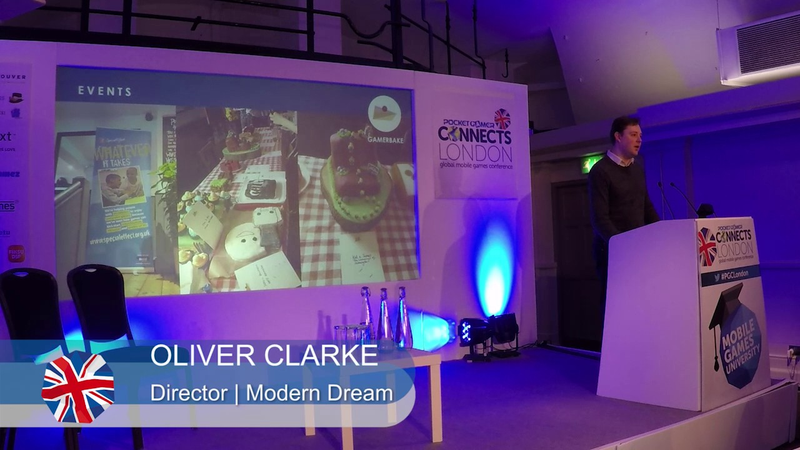
George Osborne's event game make that he runs all over the country were lucky enough to help him host an event and it was a fantastic success we saw some great cakes made and it's supported special effects which is a great charity and these are the positive things that we can do with co-working spaces at the other end of the spectrum again look at you Katie I were sponsoring companies to go out to GDC and we hosted the event where companies could sign up and you Katie I paid for them to go out there introduce some philosophy company and they came back with four million pounds worth of actual investment so that's four million pounds worth coming into the region I think it actually covered the northern powerhouse in the Midlands engine but that's still that's a phenomenal amount of money just from one trip and since then you katie is in with the ideas they call Val has been the great supporters of what we're doing so this is all great it's hopefully a thing that this is working we're making great stuff what's happening in the industry is growing we're seeing that the
industry itself the demand for the products we're making is growing and the tools that we have within huge product productivity increases agile methodologies it's working pretty well at the moment it's one of the better methods we have it's allowing for games to reduce more effectively more efficiently the tools that we have including my engines like unity essentially what i'm doing today was a team of four would have taken 20 people five years ago literally just five years ago now it's possible for just four people remote working has become normal with these studios like slightly mad they're very happy to work remotely so we can have people in our hubs and other hubs around the UK working together even though they're working remotely but it's great to have that space away from home where you can comfortably sit down and not feel like you're tied to it you've got a growing market as I mentioned there and great opportunities coming and think last year Sean teaching to suck eggs but our industry was worth around 90 billion dollars and is set to grow again stealing you key figures there and there are great opportunities coming
up a service AR market forecast just the other day and ok 23 years from now they're going to be some really exciting opportunities for us not just in games with the technology reproduced to really benefit from all the hard work that we've put in so what's the problem we do have a problem and if you look at what the majority of UK companies are they are small to medium enterprises around ninety five percent according to the blueprint for growth so it's somewhere around that big which is a heck of a lot of companies and we are finding that the funding is there but it's not quite set up to benefit the people that are it's not quite unlocking the potential that it's available to us in Europe as game developers so the studio is struggling to form the funding that's there they're struggling to gain the traction that they need to find even find a good publisher and they struggling to find that momentum since your back gap of success and failure and become sustainable ideally successful studios I think I stole this idea from simon Sinek
but essentially we've got this hopefully you can see this gap that we're all trying to get across and it starts you've got some some money for the way you're putting your own time it so you might be doing a day job and making your games and then you might find that there's a grants and I think UK games kind of doing some fantastic work but they're also mine mine field for grants that require that you hire people but you don't spend the money that you're given on those people and they can they can trip you up essentially if you're lucky you might find an investor that will give you a seeded enterprise you can work with a seeded enterprise investment scheme which gives you around 150,000 but in my experience that is a large sum of money but it's not quite enough to get you where you need to be to get that momentum to get across the gap people do make it people do make games in their bedroom and find that success don't get me wrong but I think we're not quite unlocking the potential of the talent in Europe with the funding that's there for example eif which is the larger version of SCIF is not widely
available if at all to game developers in Europe right now I'm setting on the UK both those sums of money about half a million if we could I think the sweet spot would be 300 250 thousand with which we can do a heck of a lot including user acquisition and show that publishers are interested or would or should be paying attention to what we're doing as small studio again ninety-five percent of the studios in the UK are around that that size but we're trying to get across to that sustainability if you go to the other end of the spectrum if you do find that success there are lots of people out there like the British growth fund for example they can provide if you can show your doing 1,000,000 revenue they can they can provide you with the money that you need significantly grow so we've got this gap at the moment what's my points are we need to fix like that but that's going to take time we're collaborating with the government the government adds very interested in what we're doing in Europe and across the UK we need I think we need competitions for
that for that funding it's not just about giving people money it's about finding the best people and unlocking their potential and we need to have competitions for those sa is those a is funds and encouraging people to take part and recognizing excellence and we need senior industry leadership it is out there but they're often very busy people we need more than we need time we need to further adapt to the environment and this is where hubs can help significantly I think they are helping but there's still more to do house are beginning to talk to each other and we'll talk about how we can have roadshows of companies like unity or autodesk traveling around the country supporting each other as they go and we can lower running costs at the same time often when we have Studios come in that just got their grant they're saying right but 25k what can I do here well we charge you want to keep her desk per month for saying ah I don't really want to risk that 150 / desper months on this because because I've got 25 k to make my prototype and really when you look at it at that scale that is fair enough what we're doing those failing to unlock that
potential so I guess what we're going to try in the arch next is the zipper blitz is anyone familiar with the zipper blacks so this is a relatively new idea it's a Russian word that means clock face and essentially you pay per minute in this case you're paying six pence per minute when you're in so you come in as if we're at Hotel you check in at the front desk if you're there for one minute you say you pay literally sixpence whilst you're there you can use one you want now I've gone through the figures on it and I figured certainly for our areas the rates how much of course we could charge nine pence per minute for you to come in and you could use the space very flexibly very acceptably you could have your meetings you can come and go as you will if you're saying there permanently you will end up paying about 800 pounds per month but at that point we can have a conversation and say well wait a minute you could call to your cross here and just pay 200 per month and i think the conversations that we've had with potential developers this would be the key to helping to unlock their potential in the current environment in time I
think the funding situation will sort itself out regardless what's happening politically there is a lot of goodwill behind what we do but right now I think this was something that we're going to try going forward I think I just want to finish on remembering that supercells started with five people they are one of the most successful it's not being my successful studio in the world and ill component in the hood get big by thinking small clash of clans and hay day we reach developed by teams of just five developers even now they are global smashes each team has a team no bigger than 15 so we've got ninety five percent of developers just in the UK are small teams 125 third potential in there that needs unlocking and I think hubs are a part of that solution and what I propose there is going to be what we try next but there's still work to do with great opportunities but I think it's a continent we need to work on unlocking that potential that's it for me I want to say thank you very much for your time [Applause] [Music]
you
Summary
Game hubs—specialized co-working spaces for game developers—have emerged as a critical infrastructure for fostering innovation, collaboration, and cost-effective production within the European and global game industry. These hubs serve as flexible, adaptable environments that allow small-to-medium enterprises (SMEs) to operate with significantly lower overheads than traditional studios. By providing shared resources, hosting industry events, and facilitating knowledge exchange, these spaces help developers navigate the challenges of modern game production, such as high burn rates and the need for unique, high-quality content in a competitive market.
The industry currently faces a structural funding gap that prevents many talented small teams from reaching sustainability. While grants and seed investment schemes exist, they are often difficult to navigate or insufficient to bridge the transition from prototype to commercial success. Approximately 95 percent of UK game companies are SMEs, yet current financial frameworks often fail to unlock their full potential. To address this, hubs are experimenting with innovative business models, such as "zipper blitz" pay-per-minute access, to provide maximum flexibility for developers who are managing limited budgets.
Beyond physical infrastructure, these hubs act as vital nodes for networking, political advocacy, and international business development. By connecting developers with publishers, educational institutions, and government bodies, hubs help secure investment and foster a culture of cooperation rather than competition. As the global gaming market continues to grow, the strategic expansion of these collaborative spaces, supported by senior industry leadership and more accessible funding competitions, remains essential for sustaining the next generation of game creators and ensuring the long-term health of the creative economy.























Comments