Employment reports and market data
Documents

Where it all starts: Episode 1
The modern game development landscape is undergoing a fundamental shift, moving away from traditional, high-cost academic degrees toward specialized, accessible online learning.
- The game industry is shifting away from traditional academic degrees toward specialized, accessible online learning due to a misalignment between formal education and practical technical requirements.
- Career sustainability is threatened by high burnout rates, frequent layoffs, and a systemic industry preference for hiring junior talent over retaining experienced staff.
- The 'magic management math' approach—attempting to increase productivity by simply adding more personnel to AAA projects—is failing, leading to rigid, repetitive roles and stunted professional growth.
How to Cut the Tether and Work from Anywhere
Transitioning to a remote career requires a strategic, long-term approach centered on building trust, maintaining high visibility, and establishing rigorous professional boundaries.
- Financial stability in remote work requires setting aside 50 percent of all income for taxes and maintaining a six-month emergency fund to buffer against market volatility.
- Independent remote professionals should expect to dedicate approximately 50 percent of their total working hours to business development, networking, and operational administration.
- Success in remote roles depends on alleviating management anxiety by providing consistent, measurable output and maintaining high visibility through digital project management tools.

Been There, Done That: Industry Vets Share Experiences and Advice
Professional success in the game development industry requires a strategic balance between technical proficiency, adaptability, and the cultivation of robust interpersonal networks.
- Long-term career sustainability in game development requires setting firm boundaries and declining non-essential tasks to actively prevent burnout.
- Professional success relies on a strategic balance of technical proficiency, adaptability, and the cultivation of robust interpersonal networks.
- Career pivots between disciplines, such as engineering and production, are best managed through proactive shadowing, mentorship, and demonstrating value in the new role.

Play Your Way to Higher Pay: What Leaders Can Learn from Game Designers
Employee disengagement remains a pervasive challenge in the modern workforce, with data indicating that approximately 70 percent of employees feel disconnected from their roles.
- Approximately 70 percent of employees currently feel disconnected from their roles, highlighting a critical need for new leadership strategies to combat disengagement.
- The ARMS framework—Autonomy, Relatedness, Mastery, and Surprise—provides a structured approach to improving employee well-being and productivity by applying proven game design principles.
- Leaders can foster autonomy and maintain high performance by avoiding micromanagement and using 'rubber banding' to adjust task difficulty, keeping employees in a productive state of flow.
So, You Want to Be a Game Professor?
Transitioning from the game industry to higher education requires a nuanced understanding of the distinct structural and cultural demands of academia.
- Securing a permanent, tenure-track position in academia typically requires an advanced graduate degree, as formal accreditation standards often discourage institutions from hiring based on industry experience alone.
- Academic roles are defined by a tripartite mandate that requires balancing classroom instruction with the production of peer-reviewed research, grant acquisition, and institutional administrative service.
- Industry professionals looking to transition should build a portfolio of thought leadership through conference presentations, creative exhibitions, and collaborations on university-led research initiatives.
Remote Working at Spry Fox
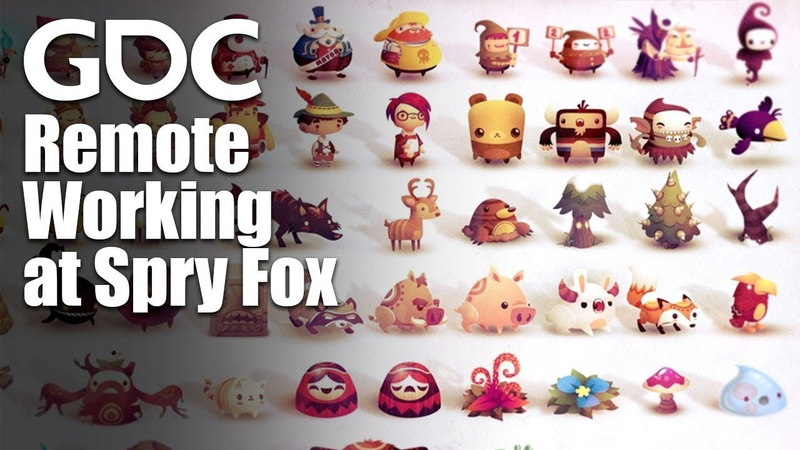
Spry Fox operates as a fully distributed, remote-first organization, leveraging a global talent pool to cultivate a highly productive, distraction-free development environment.
- Spry Fox operates as a fully distributed, remote-first organization that relies on hiring senior-level professionals with high levels of autonomy and self-awareness to eliminate the need for bureaucratic oversight.
- The company structures its development around small, agile project groups of two to five people to maintain high individual accountability and creative cohesion.
- To ensure effective project management and collaboration, the organization utilizes a standardized toolset consisting of Google Docs, Trello, and Dropbox.

Our Games Are Not Linear, So Why Are Our Careers?
The traditional concept of a linear career ladder is fundamentally incompatible with the volatile, fast-paced nature of the modern games industry.
- Abandon the traditional vertical career ladder in favor of a 'career lattice' model that prioritizes lateral moves and the accumulation of diverse, transferable experiences.
- Prioritize the development of soft skills such as ego management, decision-making, and influence over purely technical mastery to ensure long-term professional viability.
- Treat your career as a collection of experiences rather than a rigid hierarchy to maintain agility and self-reliance amidst rapid technological shifts and market volatility.
Still Grooving: Game Dev Life Set to Live Music
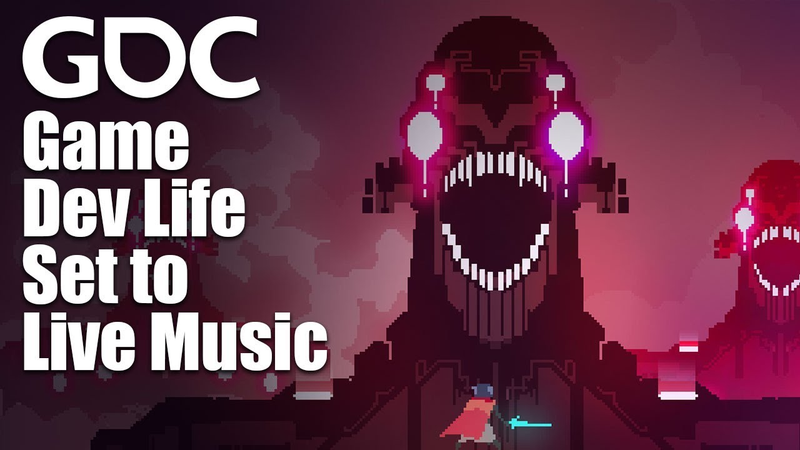
This presentation explores the emotional and professional realities of independent game development, focusing on the lifecycle of the title Hyper Light Drifter.
- Developers should prioritize creative 'love' and thematic resonance over exhaustive perfectionism, as the core player experience is defined by atmosphere rather than just mechanical systems.
- The labor invested in game development acts as a value multiplier, where thousands of hours of team effort can generate hundreds of years of collective engagement for the global player base.
- A sustainable career requires rejecting rigid work-life balance models in favor of a fluid, rhythmic approach to productivity that emphasizes intentionality and variety.
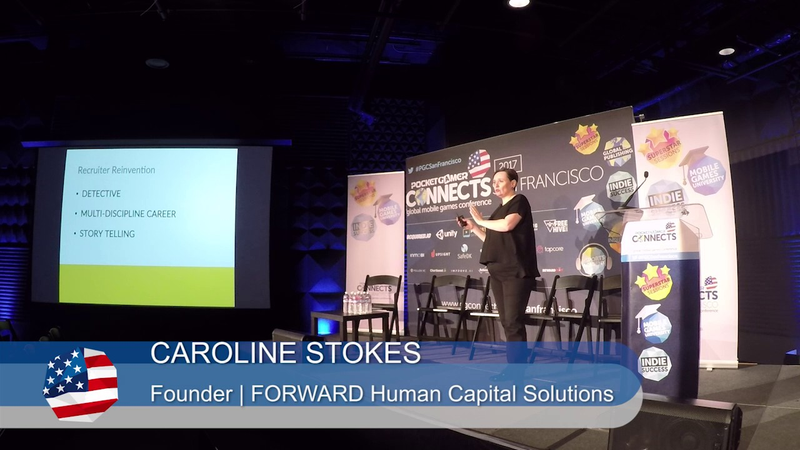
The talent acquisition masterclass
The talent acquisition landscape is undergoing a fundamental transformation, shifting from a transactional, volume-based model to a strategic, relationship-driven discipline.
- Talent acquisition must transition from a transactional, volume-based model to a strategic, relationship-driven discipline integrated directly into the C-suite.
- Recruiters must evolve into brand ambassadors and storytellers who possess deep knowledge of company culture rather than acting as simple resume processors.
- Organizations should adopt a 'care to win' model that prioritizes emotional intelligence, professional development, and honest, constructive feedback for all candidates.
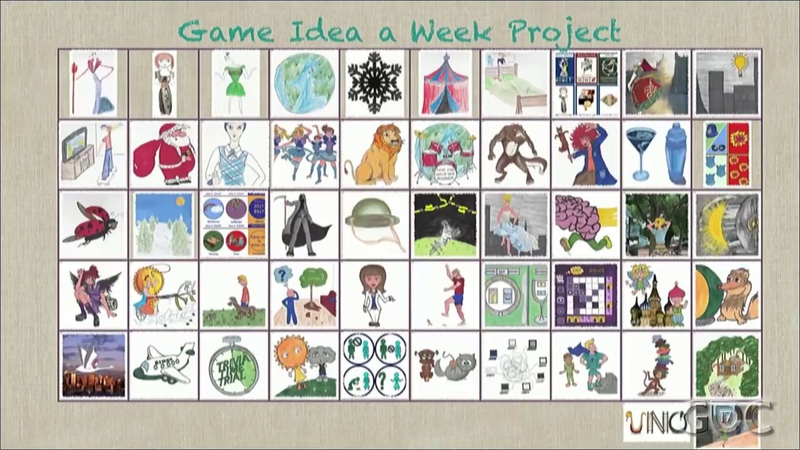
Friendship, Curiosity & Challenge: Focusing Your Career as an Indie Dev
The career of an independent game developer is often defined by a lack of structure, which can lead to professional stagnation or burnout.
- Independent developers should define a concise set of three core values to serve as a decision-making framework, preventing professional stagnation and burnout caused by a lack of structure.
- Core values act as a filter for all professional activities, including feature implementation, marketing strategies, project selection, and team collaboration.
- When evaluating potential projects or features, developers should discard any options that do not align with their established core values to ensure resources are focused on personally fulfilling work.
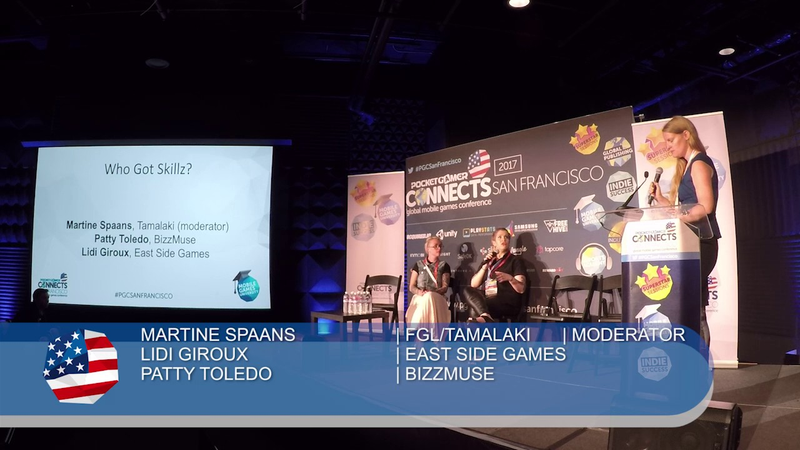
The most important skills in the games industry
The games industry faces a significant skills gap, particularly regarding the intersection of creative development and business acumen.
- Developers frequently lack essential business literacy, specifically in marketing, data analytics, and monetization, creating a disconnect between creative output and commercial sustainability.
- Successful game development requires a holistic understanding of the entire product lifecycle, including user acquisition and performance metrics, rather than a narrow focus on isolated technical disciplines.
- Soft skills such as 'emotional grit,' strong work ethics, and the ability to operate within cross-functional team structures are increasingly prioritized over technical proficiency alone.
Getting Started as a Game Journalist - Practice, Prepare, and Pitch - Extra Credits
Entering the field of game journalism is best approached through freelancing, which allows aspiring writers to build a portfolio while maintaining financial stability.
- Freelancing is the recommended entry point for game journalism, allowing writers to build a portfolio while maintaining financial stability through per-article commissions.
- Effective pitches to editors must be concise, ideally under 200 words, and feature a unique hook that distinguishes the story from generic industry coverage.
- New writers should focus on pitching features such as developer profiles or analytical pieces on indie games, as these are the most effective entry points for securing commissions.