1 free read left. Create a free account for unlimited reading + AI research.
Create free account
Indie Advice - Fire Early - Extra Credits
Key insights
7 takeaways- 01Addressing a poor fit within the first month of a year-long project limits the negative impact to 8% of the development timeline.
- 02Waiting three months to address an underperforming hire triples the amount of broken code or assets that a replacement must eventually untangle.
- 03As a project progresses, the onboarding process for a replacement becomes increasingly difficult, further jeopardizing the quality of the final product.
- 04Procrastinating on personnel decisions creates compounding technical and operational debt that forces remaining team members to work at reduced efficiency.
- 05Delaying the termination of an underperforming team member prioritizes one individual over the collective success and morale of the entire project team.
- 06Early termination often benefits the struggling individual by sparing them the prolonged stress of failing in a role that is a poor professional fit.
- 07Retaining ineffective contributors erodes team culture and fosters resentment among high-performing staff who are often making significant personal sacrifices.
Ask AI about this video
Transcript
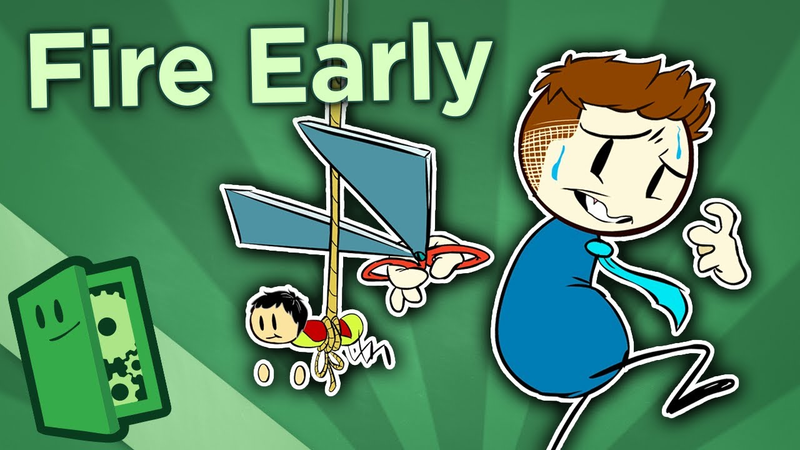
Firing somebody is hard. It's uncomfortable. It feels mean. And in some ways, it can feel like an admission of failure. Not just for the person being fired, but for the person doing the firing, the one who's supposed to lead the team and hold it together. But as harsh as it sounds, ripping that band-aid off early is often the best thing you can do. [Music] Whether you're an indie developer or just working on a project for school, if somebody on the team is not working out, it's actually better for everyone, yourself, your team, and the person being let go if you fire them early rather than letting things drag on with the hope that things will change. I know that sounds rough, but I have seen too many small teams die just because they're hesitant to let someone go, especially if that someone's a friend. Imagine you have one year to ship your game and instead of firing someone after the first month when it's already clear that they're going to be a problem, you keep giving them another chance and kicking the can further and further down
the road. But then two more months later, your whole team has had it with this person and either they mutiny and demand you get rid of this person or it just becomes clear that you have to. But instead of losing 8.3% of your project time, now you've spent a full quarter of your development with a team running not at full efficiency and with an underperforming team member. Most teams never recover from that sort of setback. And this is compounded by the fact that the later you bring on somebody new to fill that spot, the harder doing so becomes, the longer it's going to take to get them up to speed. In our hypothetical scenario, instead of just having one month of spaghetti code or broken art assets for your new hire to untangle, now there's three. And in the meantime, the rest of the project has moved forward, too. So, there's more of everything else for them to get up to speed on. Risking your project success and your team's future just because it's really hard to let someone go is downright irresponsible. Now, this isn't to say that you should never give somebody a chance to improve. You
absolutely should let somebody who's struggling know that there's a problem. Let them know as early as you can and explain what they need to do to fix it. But don't downplay the consequences that'll come if things don't improve. Being fired should never come as a surprise. But you can't put off starting that process. Each day you delay, the further your team's morale will drop, the further their productivity will drop, and the more resentment will build. And morale on an indie project is hugely important. As much as I would like to say that we can always get everything done without ever having to crunch, sometimes on a small team, especially if you're new to game development and stumbling into a lot of those beginner pitfalls as you go, passion is what's going to carry that project through. You can't afford to lose that espree decor that's going to make everyone want to pull together on long nights. I mean, chances are a lot of the folks on your team could be making a lot more money working on some other job. So, maintaining morale is crucial. If you have one person who's dragging the project down by not firing them, you're basically choosing to
prioritize that one person who is failing the team over all the other people who are pouring their hearts into this project. Worse still, you're jeopardizing those people's hard work. They are all making real sacrifices for that project, and you're denying them the chance to have the best possible version of their work seen. Heck, by not wanting to fire anybody, you may end up denying the rest of the team the chance to get their work seen at all. I know how tempting it is to keep giving the person failing another chance just out of kindness. I know it's easy to let yourself find excuses to not make that hard call. But if you are faced with this difficult decision, think about the rest of your employees. They deserve that kindness, too. They deserve a good work environment and a chance at success. And the truth is, though you may not be aware of it, letting somebody go early rather than keeping them in a job where they're clearly struggling is often the kindest thing you can do. For one thing, the very fact that they're struggling enough for you to consider firing them probably means that they're not happy being there either. After all,
nobody enjoys struggling at a job that they clearly can't do or being a part of a team that they clearly don't fit in with. But on top of that, if you wait to fire somebody and just let the rest of your team quietly stew for months, once things hit a breaking point, friendships will end. If you let someone go when you first notice that they're a problem, you'll often find everybody wishing them well and telling them that they hope they find a team that fits them better. But if a person, even without realizing it, has been making your team's life hell for months, there is going to be none of that. These are those bad breakup sort of situations that end friendships and leave people with bitter feelings for a long, long time. And you don't want to do that to anybody on your team. So, I know it's harsh, but firing early is often the best thing you can do in a bad situation. Sometimes the person you're letting go will even express their relief when you do because they were feeling so much stress trying to perform a job that one way or another they just couldn't. They won't have to keep going to work each day feeling like they're letting the team down. And if
you're a project lead, you owe it to your team, to all the people who are putting their hearts and souls into the work to ensure that the world gets to see the best possible version of their work. If you jeopardize that, if you risk the success of that project just because you felt weird about letting someone go, you're doing your team a disservice. Fire early. As hard as it is, it is often the kindest thing you can do. See you next week. [Music] [Music]
Summary
Effective project management in the indie game industry requires the difficult but necessary willingness to terminate underperforming team members early. Delaying this decision often stems from a misplaced sense of kindness or a fear of confrontation, yet it frequently leads to project failure and the dissolution of team morale. When a team leader keeps an ineffective contributor, they prioritize one individual’s position over the collective success and hard work of the entire group.
The primary risk of procrastination is the compounding nature of technical and operational debt. If a team member is identified as a poor fit within the first month of a year-long project, the impact is limited to roughly 8% of the development timeline. Waiting three months to address the issue triples the amount of broken code or assets that a new hire must eventually untangle, while simultaneously forcing the rest of the team to work at reduced efficiency. Furthermore, as the project progresses, the onboarding process for a replacement becomes increasingly difficult, further jeopardizing the final product.
Beyond technical setbacks, failing to act decisively erodes team culture. Sustaining morale is essential for small teams, particularly when members are making personal sacrifices to bring a vision to life. Allowing a struggling individual to remain creates resentment among high-performing staff and can lead to permanent damage to professional relationships. Conversely, addressing the issue early allows for a cleaner separation, often sparing the individual the prolonged stress of failing in a role that is not a good fit. Ultimately, project leads have a responsibility to protect the team’s collective effort, ensuring that the final output reflects the best possible version of their work.
























Comments