Employment reports and market data
Documents

WFH Orders, Magic Leap Selling, Naughty Dog Crunches, Gamestop | Game Dev Unchained Episode 219
The global pandemic served as a catalyst for a forced, rapid transition to remote work, exposing significant infrastructure vulnerabilities within major AAA studios.
- The gaming industry is transitioning toward a service-oriented model, yet remains hindered by traditional development habits that prioritize short-term output over long-term workforce sustainability.
- Systemic crunch culture at high-profile studios like Naughty Dog persists because commercial success and critical acclaim are used to justify unsustainable labor practices.
- The rapid shift to remote work during the pandemic exposed significant infrastructure vulnerabilities in AAA studios, specifically regarding VPN security and hardware shortages.

Coronavirus Good for the Industry? | Game Dev Unchained Episode 218
The COVID-19 pandemic serves as a critical stress test for the global game industry, forcing an immediate and widespread transition to remote work.
- The pandemic acts as a stress test that forces a permanent transition toward flexible, hybrid work models, potentially reducing the industry's reliance on traditional office-based crunch culture.
- AAA studios face significant productivity declines and technical hurdles due to their historical dependence on centralized office infrastructure and specialized high-end hardware.
- Indie developers face existential threats due to the loss of industry conventions, which serve as essential platforms for marketing and title visibility.
California AB5 Affecting Game Devs with Zac Rich | Game Dev Unchained Episode 216
California’s Assembly Bill 5 (AB5) has fundamentally altered the operational landscape for the state’s game development industry by imposing rigid employment classification standards.
- California’s AB5 legislation mandates the 'ABC test,' which effectively prevents game studios from classifying core developers and engineers as independent contractors because their work is central to the firm's business.
- Studios face significant financial and legal risks under AB5, forcing them to choose between absorbing the high costs of employee benefits and overtime or facing potential reclassification lawsuits.
- To mitigate regulatory risk, many California-based studios are actively shifting hiring and contracting activity to states like Washington, Nevada, and Arizona, or increasing international outsourcing.
Panel: What Needs to be Done to Guarantee a Harrassment-free Company
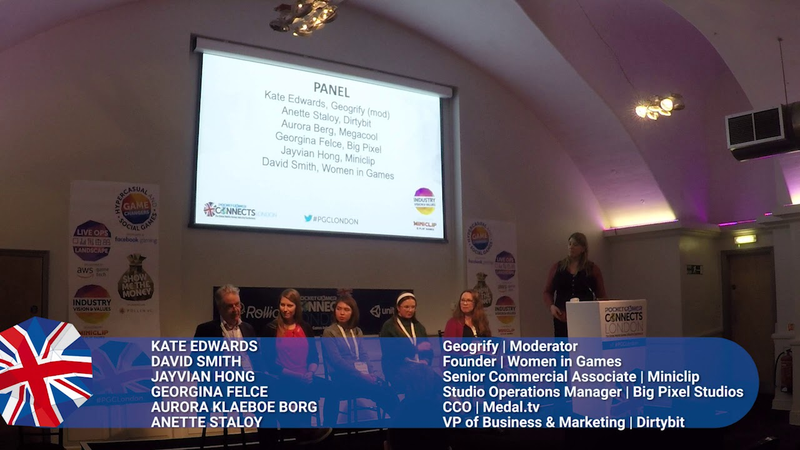
This panel discussion, held at Pocket Gamer Connects London in January 2020, explores strategies for fostering harassment-free environments within the video game industry.
- Companies must move beyond passive policies toward active, transparent, and inclusive leadership to mitigate harassment risks and ensure accountability.
- Data indicates that 75% of disruptive online behavior is attributed to men, highlighting a specific demographic that requires targeted intervention strategies.
- Effective anti-harassment frameworks must be tailored to specific company cultures rather than relying on generic templates.
Staying on Target - How Mental Health Affects Game Creation
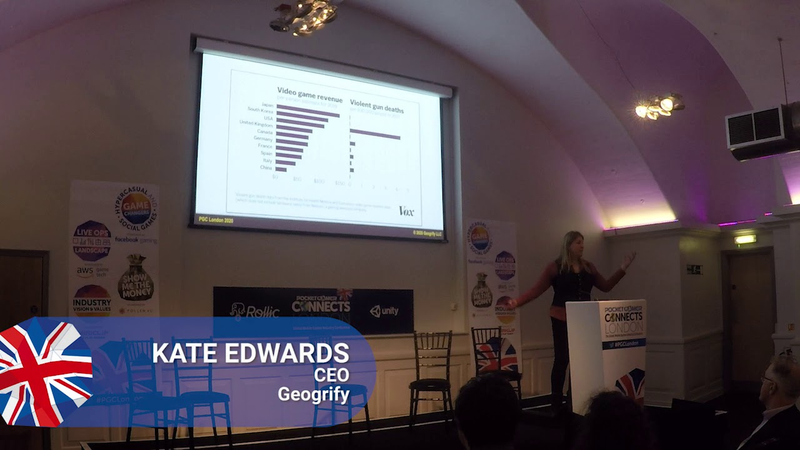
The game industry faces a significant mental health crisis driven by systemic workplace pressures, including chronic overwork, job instability, and a lack of diversity.
- One in five game industry professionals is diagnosed with a mental health issue, such as anxiety or depression, during any given year.
- Excessive overtime and crunch culture are negatively correlated with game quality, often resulting in lower Metacritic scores.
- Systemic workplace pressures, specifically chronic overwork, job instability, and a lack of diversity, are the primary drivers of the industry's mental health crisis.

Fireside Chat: Sustainable Diversity - Women in Games
The industry-wide challenge of fostering diversity and inclusion in the games sector requires a dual approach that combines internal corporate initiatives with broader societal education.
- Diversity initiatives must be treated as long-term strategic investments rather than short-term fixes, requiring a multi-year commitment to achieve meaningful demographic shifts.
- Corporate diversity efforts should extend beyond gender to encompass neurodiversity, accessibility, race, and socioeconomic background to drive product innovation and employee retention.
- Securing leadership buy-in for diversity programs is most effective when utilizing data-driven advocacy that links diverse team composition to increased commercial profitability.
Keynote: Miniclip The Importance of Having Relevant Values to Ensure a Happy & Productive Workplace
The mobile gaming industry holds significant global influence, reaching approximately 2.4 billion people and accounting for 74 percent of total app spending.
- The mobile gaming industry reaches approximately 2.4 billion people and accounts for 74 percent of total global app spending, necessitating a focus on ethical organizational structures.
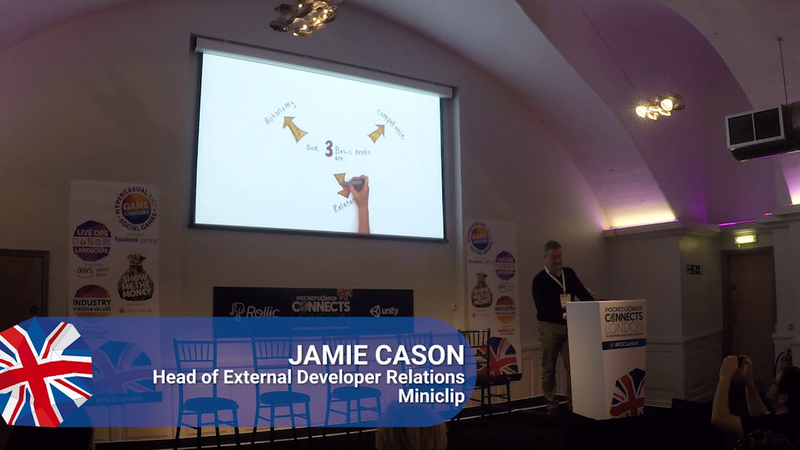
- Corporate culture should be aligned with the three pillars of self-determination theory—autonomy, competence, and relatedness—to drive both employee engagement and player retention.
- As gaming companies scale beyond the startup phase, they must transition from informal, founder-led cultures to formalized, consultative processes to maintain purpose and prevent workplace toxicity.

Panel: Is Esports Ready to Mature?
The esports industry currently stands at a critical juncture, transitioning from a volatile, high-growth phase toward a more sustainable economic model.
- The esports industry must transition from speculative, high-cost franchise models toward sustainable, grassroots infrastructure to ensure long-term economic viability.
- A lack of formal education and professional development pathways for players, including life skills and post-career planning, contributes to behavioral instability and limits the sector's maturity.
- The absence of an independent governing body to standardize professional conduct and player treatment remains a critical structural hurdle, especially as publishers retain total control over their intellectual property.
The Reality of Esports Teams
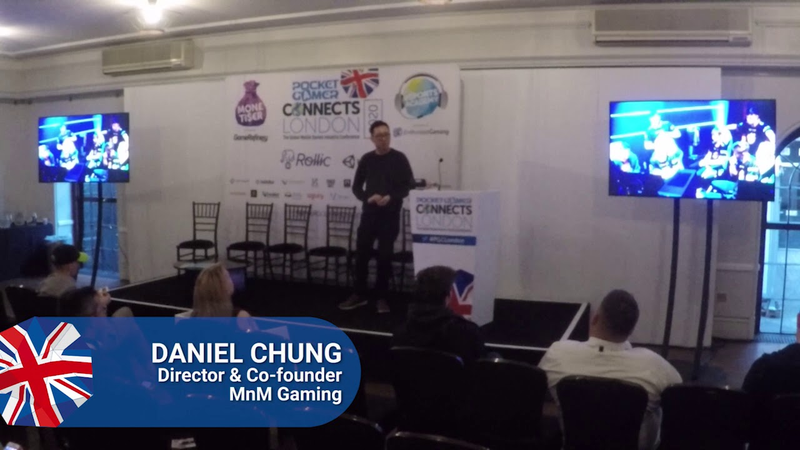
The esports industry functions primarily as an entertainment sector, where the core value proposition for teams lies in audience engagement and storytelling rather than purely competitive success.
- Original graphic and video content production is a primary driver of engagement, increasing audience interaction by 50% compared to non-original material.
- The esports industry functions primarily as an entertainment sector, where long-term viability is driven by audience engagement and storytelling rather than competitive success alone.
- The market currently suffers from fragmentation and a lack of consolidated data, creating a 'market for lemons' scenario that makes it difficult for stakeholders to distinguish high-quality organizations from ineffective ones.
Diversity and Inclusion Starter Kit
This presentation outlines a framework for establishing sustainable Diversity and Inclusion (D&I) initiatives within small to medium-sized game development studios.
- Avalanche Studios New York achieved a near-doubling of female hires and a significant increase in the representation of people of color between 2016 and 2018 by implementing a long-term, incremental D&I strategy.
- Successful D&I initiatives require a dual-track approach that simultaneously fosters an inclusive internal culture and implements structured improvements to recruitment processes.
- Studios can improve recruitment outcomes by training interviewers to mitigate bias, adopting gender-neutral job descriptions, and expanding outreach to diverse professional and academic organizations.
Frag You, Pay Me: Getting Started with Salary Negotiation
Salary negotiation serves as a fundamental career competency, yet professionals in the game industry frequently undervalue their labor due to the pervasive "dream job" narrative.
- The 'dream job' narrative in the game industry often leads professionals to undervalue their labor, resulting in systemic pay inequality and significant lifetime earnings losses.
- Candidates should reframe salary negotiation as a proactive career-shaping tool rather than a hostile confrontation to overcome self-limiting beliefs like imposter syndrome.
- Hiring managers are highly motivated to fill vacancies to mitigate operational risk, which provides candidates with essential leverage to advocate for fair compensation.
State of the Game Industry 2020
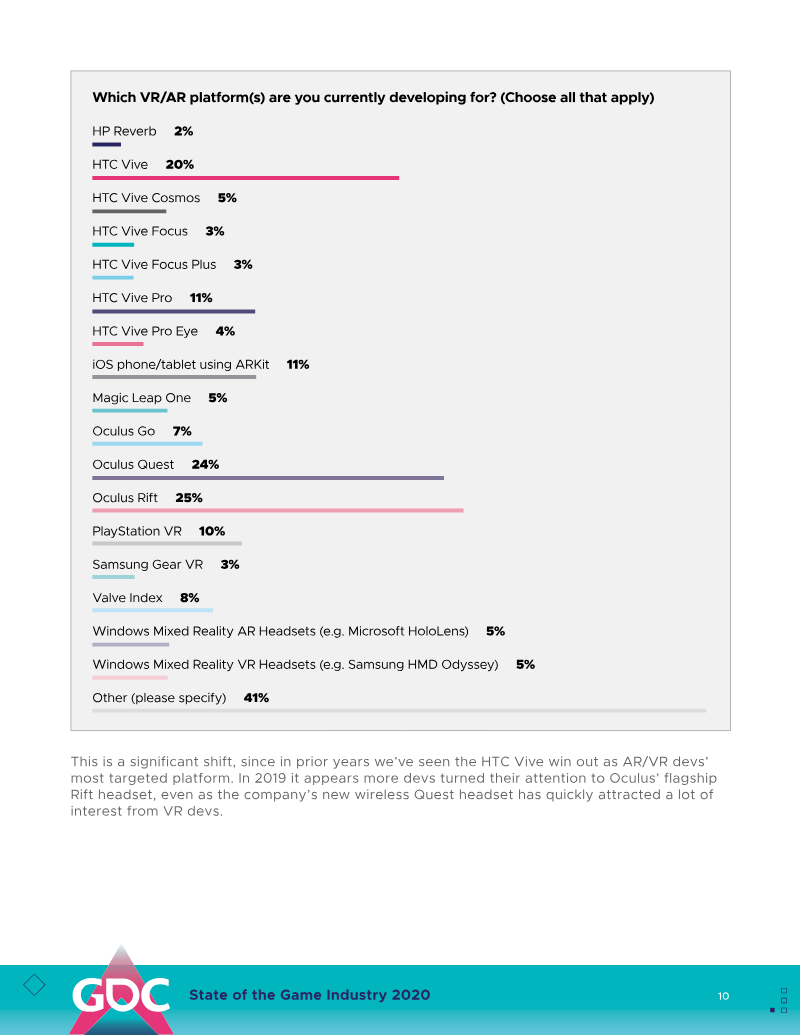
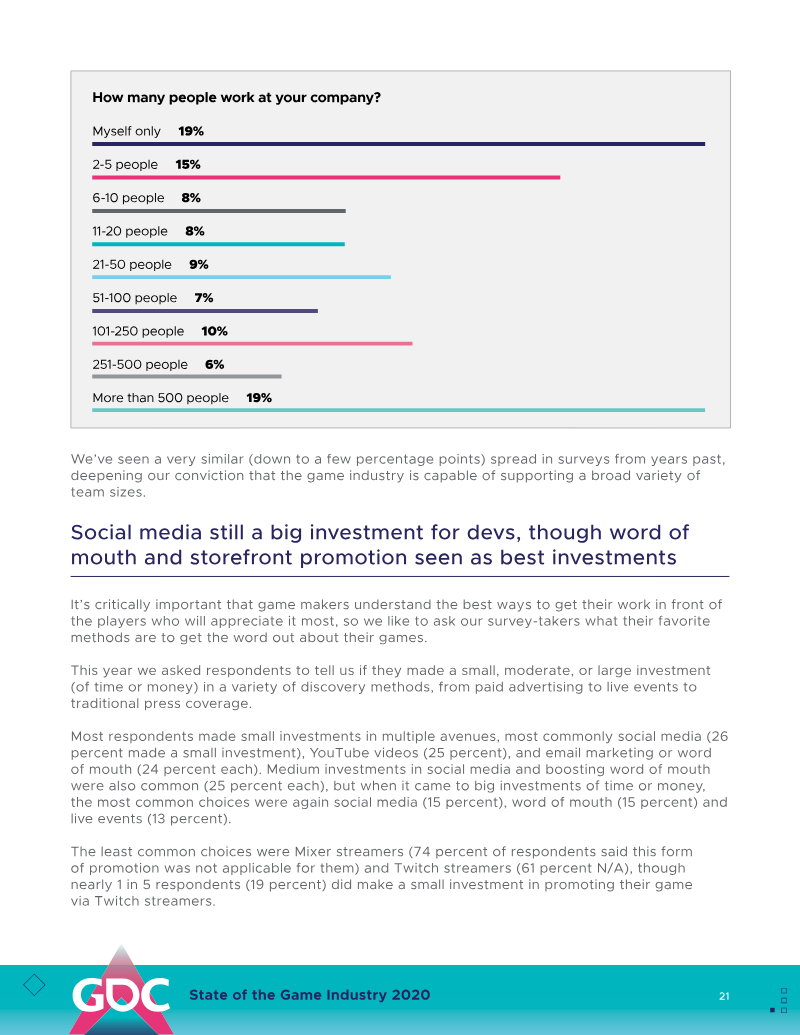
The global game development landscape in 2020 is characterized by a transition toward next-generation hardware and a diversifying array of digital storefronts.
- The industry is experiencing a significant shift in revenue expectations, as most developers reject the standard 30% platform fee in favor of a 10-15% revenue split.
- Workforce demographics remain stagnant, with 75% of professionals identifying as male and nearly 50% of studios lacking formal diversity or accessibility initiatives.
- Labor concerns persist as workweeks exceeding 40 hours remain common, and while a majority of developers support unionization, there is widespread skepticism regarding its near-term feasibility.