1 free read left. Create a free account for unlimited reading + AI research.
Create free account
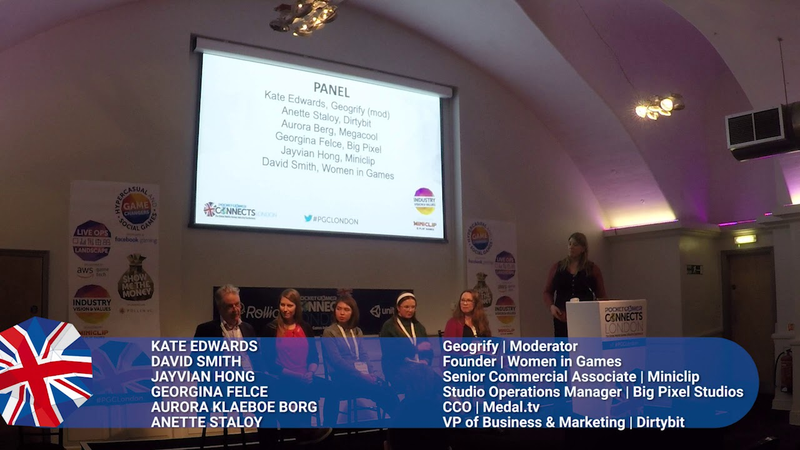
Panel: What Needs to be Done to Guarantee a Harrassment-free Company
Key insights
7 takeaways- 01Companies must move beyond passive policies toward active, transparent, and inclusive leadership to mitigate harassment risks and ensure accountability.
- 02Effective anti-harassment frameworks must be tailored to specific company cultures rather than relying on generic templates.
- 03Practical workplace safety relies on implementing clear codes of conduct, conducting regular anonymous employee surveys, and prioritizing emotional intelligence during hiring.
- 04Establishing psychological safety is essential, as employees must feel empowered to report concerns without fear of retaliation.
- 05Legal requirements are intensifying, with regions like Norway and California now mandating formal anti-harassment and unconscious bias training for businesses.
- 06Cross-industry initiatives like the Fair Play Alliance are critical for facilitating the sharing of moderation data and best practices across the gaming sector.
- 07Data indicates that 75% of disruptive online behavior is attributed to men, highlighting a specific demographic that requires targeted intervention strategies.
Ask AI about this video
Transcript
[Music] cool so we're gonna have a panel I want to introduce the panelists so we have Kate Edwards who you already saw a round of applause for Kate Annette styloid from a dirty bit welcome we have a cool welcome we have Georgina felts fence look at that she want to know je viens hyung
welcome all right and last but not least David Smith from women the game welcome [Applause] you just heard me ramble on for 20 minutes so I don't need to speak much so my my job as moderators not really tamada and it's going to kind of shepherd so basically the way we're gonna do it here because we are a short amount of time talking this is about diversity inclusion by the way if you're in the wrong room but basically what we wanted to share some of the best practices and and you know good good things that you can do to promote diversity inclusion in your company and so each person's going to go down the line and basically give a little you know mini speech micro talk so to speak about their perspective on the issue then we should have a little time left where we can do some Q&A and discussion so there we go coal's we can start right here I have a lot to say so interesting to
every company guarantee that if we wanted to what we can guarantee is that as a manager or leader you can guarantee that working Prospectus yeah oh there we go so yeah you cannot guarantee but you can guarantee that you will be taking a harassment seriously and implementing some policies so in our company we have been working a lot with company culture and then we realized that even though we have guidelines we have internal guidelines for employees and contracts we were applying for some funds from the Norwegian Film Institute and they started requiring that all companies applying or getting funds they need to send a copy of their anti harassment policy so we started working on that and then I saw some posts in facebook group say oh does anybody have anti harassment policy to share so we
can submit it so that's not the way to do it so I think that there are lots of resources online so even if if you're not in management in the company you can initiate making an anti-harassment policy in some code of conduct and I don't want people to just copy someone else's because that Dennis will not be in forest and it will not be taken seriously so making something that's very simple and even at events it's because it's not only in our companies it's also in our partners it's at events like this so making sure that this is the code of conduct and there is no such thing as common sense so it has to be explained what do we mean with harassment what is our code of conduct it has to be easy so that you don't have to send your team on a training for three days to understand the code of conduct being part of that in the IT industry previously and making sure that if someone experienced something that they know
where to go who to talk to and that the people who are the contact person actually also know how to address and how to receive any notifications and in Norway the laws are changed right after New Year's so it's actually even more responsibility for companies to enforce to have policies and to enforce and there was also a lawsuit so a company was convicted for not following up on on harassment so also very important but then again we yeah cannot guarantee but we can guarantee that we will talk about it at events talk about it in the companies and yeah we need to talk about this all together at the whole industry yeah great thank you perfect timing yeah so I can't have two beliefs regarding and kind of building harassment free companies and ultimately I think one of them is psychological
safety we're in the workplace which is basically creating a space where your employees feel that they can be heard and express their thoughts of opinions on whether the game you're making or just their views without feeling like they're gonna be embarrassed or punished for that and ultimately we kind of need to rethink for three others as you would yourself that should be kind of treat others as they want to be treated so especially in terms of like leadership you should be asking them like how what their communication styles are so kind of adapting to every single person in your workplace how they like to receive feedback how they want to work and I think this needs to start with your leadership teams they need to believe it first they can champion it can triple down to the rest of your teams and then my second point something the big pixel and were realized when we started growing
quite quickly is that culture interviews are really important it's not just enough to interview someone their technical ability you also need to understand if this employee is going to work well within the good team and believe in your core values so we kind of cited assessing them on emotional intelligence and how they if they understood their own emotions and how they dealt with other people's emotions in the team and if they even cared this was something that was really important to us and I think when it came to deciding on a candidate it almost outweighed their technical abilities because I think if it's really easy to hire people well is it easy to hire people but it's easy to have overlooked their culture fit for that they're amazing coder and it can have really detrimental impact on the team if you hire someone who isn't a good culture fit and it can kind of suggest to the rest of your team that you're not really putting their psychological
welfare first hopefully I can hear me well it's okay so very actually very very pleased that Miniclip is is the sponsor for this track I think this is very important that we all like Katie said voice are a lot of these things together so together can build a better and safe community for all of us who are working here as well so Miniclip very fortunate for my team especially my colleagues my my leaders in our company are very very vocal and protective of the employees internally we do a survey every six months and we ask employee employees how do you feel about working and Miniclip you know why are you working with Miniclip and what can we do better to improve this working environment for people for many purpose and if there is any issue that came about that's slightly close to harassment because again I'll talk a
little bit about types of harassment we take it very seriously all of these feedback and all of these surveys are done announcements so employee employees feel very safe to voice out the opinions whether or not you know they feel mouthy and secure secure about what they do so that's a really good way of voicing because they know that actually thinks steps will be taken if they do make a comment about things and externally because of our role as base stuff we come up to a lot of these conferences a lot and we meet a lot of different types of people and obviously we I want to naively believe that everyone who works here nice they're the kind people obviously sometimes they are bad apples among us and I've been very fortunate myself because our leaders I'm gonna clip out very protective if they see that you know any sort of bad apples are roaming around female employees they always make sure that the female employees are very protected they always feel like you know you would never feel embarrassed to go back to your team to say I think something went wrong in that conference
you know if you do say I think someone just did something inappropriate right certain actions are taken to protect the employees to make them feel like you know you're representing us and we're behind you it's one team in terms of types of harassment I think sometimes we we forget that you know jokes things that you say can be a type of harassment as well you know a slight comment of oh you know why are you wearing like this today or why does your hair look like this or even things like oh I'm you know you your accent feels a bit weird and funny you know some people take this as a joke but it's not it's not very nice to say things like this to to your colleagues often times it gets rushed office or she's overthinking it he's overthinking this is too much and by but I think if we all said these kind of clear boundaries each person and just know okay actually it's not okay to be saying this things like this will take little steps to prevent harassment from happening in the world around us yeah yeah so my company is
working out of California and we recently got acquired by a bigger company and so I'm now learning like we were a small company primarily Nordic people and so we're like culturally were very much aligned and since we're small we were able to understand everyone and much better but now that we're bigger I'm also learning a lot more about the rules and in California specifically but like there's a new law that is coming into play like generator first next year and it's about that everyone every company more than five people has to prove that they've taken their own place through harassment training and so like with my new role I'm now also like responsible for making sure we're doing that so we're planning both for us men training and unconscious bias training anything personally especially around
unconscious bias there's so much to be learned and just because when you grow up especially within a small culture the things that you consider common sense isn't necessarily common sense and the jokes made during college are not as appropriate and now and so just like going through the self-reflection has been really powerful and like from from my standpoint I just try and make a make a dialogue around it when possible because I think there's so much to be learned and so much to be put out there and one thing I learned last week was like we're not it she didn't talk about age even look like when you're young you don't really think about that but well you as you get older it's a it can be more sensitive and so there's like there's a rule against talking about H so yeah so I think it's what's good that
we're having this conversation not Q to the oldest person in the room so in preparation I thought if I'm the last speaker on a panel of seats everyone will have said everything interesting up until now so widened the subject ever so slightly to talk about harassment in gabey's itself and what the industry is doing about it because we obviously as as an industry have have the responsibility for the irassman that does take place in gaming online games in particular and if you've not come across the Fair Play Alliance then you need to check out and you have your company sign up I go to Fairplay Alliance org I've just got a list of over a hundred and twenty gaming companies who are represented in this Alliance it launched at GDC in 2018 they're held a conference
in London at the back end of last year for the first time he's come across to Europe so at UK companies are concerned Green Man gaming jagex space eight other big names that are involved so if you don't work for one of those three companies from the UK you should sign up the cup is involved and they include all the most of the big hop online games companies do share a massive amount of information internally within the Fairplay Alliance so who's talking so temper for example in London there was a speaker over from China from $0.10 talking about what their their system from moderately what goes on in their 23 online games that I think they have so they have a system where not only do have systems in place to detect the bots
appear in online games immediately to someone take them out Jim job but they credit players for good behavior and everything that a player does is monitored and through from systems and it has it had a big positive effect on player behavior throughout all their online games now that Chinese are very open about it it's all on the website and available to all just has to be in Chinese so unless you're gonna convert it but it's a very powerful system that I guess works in China because everyone has to work register online when you log on online you can log on them like anonymously you have to prove who you are but that works in China in there's a big report that was circulated amongst a large from Electronic Arts which you can't really talk about because its
internal but one of the figures that I'm going to say now which I thought was interesting is that seventy five of disruptive 75% of disruptive behavior is from men so gives a target to aim at so there's a Fairplay alliance women in games as an organization now in 28 countries worldwide ran a workshop on on harassment at the women against European conference in September we're working with an organization called brighter research and we are working on it with this information on currently to publish something in suit course so women in games are on the case and baby games are not working directly on harassment but I want to give a shout out to an organization is hosting meetups across London that companies like Sports Interactive twitch Media Molecule
Samsung roll certain big pixel unity Square Enix we've got an event in her be endless month at google deepmind's where you can still sign up to come along and there's nothing more interesting as a white male and to see a roomful of men and women of color just to realize that there are huge there's a huge talent pool out there that we can invite to join our industry and there's nothing more impressive than that scene a room of people like this who are very willing and eager and want to join the games industry well great so a lot of fantastic responses and answers here so I wanted at a higher level obviously there's a lot of great stuff being done there's a lot of great initiatives some of that involves actual local law where
they're helping the case and other times it's being reinforced internally at companies so to bring it back to our higher question do you think we're on the right path in general I mean we know that getting to a place of no harassment it's probably never going to happen unless you actually change human behavior which good luck but the creating that buffer whether it's a technology buffer but even better human behavior buffer so that we don't have to deal with it as much I mean when you're perception are we on the right path at this point or we still you know are we still struggling to kind of get it because I know and I I'm saying this in the context if I recall all the discussions we were having five years ago at this time which was right at the very height of gamergate there was a lot of you know angst over like you know the industry doesn't get it and you know what it's trying to understand what was going on and now in the wake of that five years later we've seen a lot of great stuff happen but then it's like but is enough happening
and I'm kind of curious on your your opinions on that I mean are you are we where you are are we where you expected us to be or when you wish obviously be nice if we were much further along but I guess in a way I'm asking do you have hope I hope absolutely but still hearing so many stories both here and people I meet it's so much about not being taken seriously if something happens and not seeing there are consequences or or even people having the experience of not being heard so they just keep it to to themself and I think that's probably me heard lots of stories earlier today as well so well yeah maybe I don't think we're there no I think there's definitely a lot to be done especially on giving people hopefully I don't want
to use the world Victor but maybe victim is the right word to use here maybe more opportunities or more like a safe place for the victims to be able to channel their fears and to be able to just report what a anonymously or not at their choice of things that have happened to them because I think if we talk about it there will be less of it if there are enough people who voice out against it if they're people who condemned it slowly becomes a behavior that we don't accept collectively and all if you're all of us stand together and say okay this is this not acceptable we should stop doing this then write it hopefully there'll be less less of this happening by right now it's less a thing we're on a path and we're heading in the right direction whether you can call it a single path that you know how you're going to get down there two or three years ago there was nothing happening so the fact that people have come together
to form cross industry Alliance and the fact that there is legislation happening in just about every country and that there is good practice that some developers in in each country that can obviously be spread across other developers yeah we've got a massive way to go and you know every case of harassment is too many and personally I think we we can speed up and do more but you know let's be grateful for what we've got and and encourage the powers that be to do more and more quickly yeah so let's we see something - I just wanted to add it I know that in Finland that they have I created a task force that's for sexual harassment specifically so that there is a contact point and they pledge to follow up so
it's something like that it's also important just a quick point really and as someone who's faced discrimination in the workplace do you think that it's quite important that education takes place because why I find personally there are a lot of times sometimes people don't know what's the appropriate thing to say or inappropriate thing to say and end up mistakingly saying something out of innocence which could be quite discriminatory or hard setting to somebody yeah almost feel like but like myself I said before sometimes you think it's common sense but people have different barriers and respect for common sense and I suddenly think that you know not I wouldn't use the word education but let's have a sit down maybe like a guideline of or here at the boundaries
of you know this is a professional working place I would like to keep this safe and professional and make everybody hopefully feel comfortable enough working here and maybe here are the XYZ that we should refrain from doing PC culture as well yes that very fine line between what's appropriate for a bit yeah but to be safe Ryan's looks like I just as example in the culturalization work I do on the other side of my brain the I often deal with game content created for example in Japan which is very which we would perceive as extremely racist or offensive to a religion or whatever but you know in the case of like some of the ethnicity issues I've seen out of Japanese games like you're dealing with a culture that's 98% ethnic Japanese and so like even in fact in the 90s when I was still at working in Microsoft I had to go to Microsoft Japan and give them lectures about what diversity means for Western perspective to help me understand that there's certain things you can't do and so it's like it didn't excuse their
behavior because it's like well you still should do your research and you should ask the questions but in some cultural context it's like you don't even have the context to ask the question because it just doesn't come up and so it on our part we have to be a little bit patient but we also I totally agree with you you have to kind of have some patience for their situation but you also need to be willing to educate and you don't want to underestimate the scale of the problem I mean there's maybe ten twelve fifteen thousand people working in the UK games industry there are twenty thousand schools yeah you know tryna educate and everyone every school in the UK led across let alone across the UK across Europe across the world yeah the games industry you know might have a small number of people that go out and speak in schools but it's you know there are societal issues here that cut a big part of the problem yeah so I
look really forward to the training I'm gonna go through both from a manager perspective but also from Mike's human being you know and I I think there's been a shift even though like gamergate was five six years ago like the metes youth movement was definitely an eye-opener for a lot of people and i think this isn't like just gaming it's like like I said it's a society as a whole but I do feel like we've come further when it comes to harassment in our communities like the game community that we manage because it's been I feel like it's been addressed more earlier but and now we're foing like we're a little bit behind on when it comes to the company side yeah yeah I think we could do more to make to be making these materials more accessible as well because I know that especially if you're new who are you're going through a lot of training
it can be quite a hefty document you can go through this is like harassment training and I think you'll be more beneficial for us to kind of break it down just to educate the employer as to why it's important we are there doing this and maybe just to make it a bit more accessible as well yeah it's like a scalable challenge right and with like there's more VR training programs that's being developed like just efforts like that if you can go in and and mercé herself and in the training I think that what technique worked at one company is they and it's it's not gonna work for everything but they actually got someone who was you know a victim of harassment within the company itself and they dealt with it it was all dealt with and all that but they you know the person was willing said I want something good to come out of this so I'm willing to be an example so when they did like internal workshops on this
she would come in and basically tell her story because it's like well everyone knows her it's like how that happened how could that happen to you here there's you know and but it kind of opened up they were really open up people's eyes cuz they had no idea cuz obviously everything was handled with hush-hush and all that and the fact that she was willing to talk about it which is a risk to herself to do that but you know she was willing to do it for the benefit of other people was pretty cool but like I said it's not for everyone all right thank you lunch and yeah I think setting ambitious goals is important I mean we can't guarantee harassment free environment but I think we should strive for it so thank you thank you very much
you [Music]
Summary
This panel discussion, held at Pocket Gamer Connects London in January 2020, explores strategies for fostering harassment-free environments within the video game industry. The primary thesis is that while companies cannot mathematically guarantee the total absence of harassment, they can implement robust cultural, structural, and educational frameworks to mitigate risks, protect employees, and ensure accountability. The discussion emphasizes that addressing harassment is a collective industry responsibility that requires moving beyond passive policies toward active, transparent, and inclusive leadership.
Key findings highlight that effective anti-harassment efforts must be tailored to specific company cultures rather than simply copying generic templates. Panelists stress the importance of psychological safety, where employees feel empowered to voice concerns without fear of retaliation. Data points mentioned include the observation that 75% of disruptive online behavior is attributed to men, underscoring the need for targeted interventions. Furthermore, the panel notes that legal landscapes are shifting, with new regulations in regions like Norway and California mandating formal anti-harassment and unconscious bias training for companies.
The methodology for creating a safe workplace involves several practical pillars: implementing clear codes of conduct, conducting regular anonymous employee surveys, and prioritizing emotional intelligence during the hiring process. The panel also highlights the role of cross-industry initiatives, such as the Fair Play Alliance, which facilitates the sharing of moderation data and best practices among gaming companies.
Ultimately, the participants conclude that while the industry has made progress since the height of the GamerGate era, significant work remains. The consensus is that education is vital to bridge the gap between intent and impact, particularly when addressing cross-cultural communication challenges. By fostering open dialogues and ensuring that leadership remains vocal and protective, the industry can move toward a more professional and inclusive future.













Comments