Employment reports and market data
Documents

Boss Mode: Making the Most of Your Manager
Effective management within the game industry often suffers from a lack of formal training, as many leaders are simultaneously tasked with complex technical or creative responsibilities.
- Maintain a consistent, detailed log of individual achievements and project impacts to provide objective evidence for performance reviews, promotions, and salary negotiations.
- Adopt a proactive approach to career development by treating professional growth as a collaborative partnership rather than waiting for top-down guidance from managers who may lack formal leadership training.
- Solicit specific, actionable feedback during interactions to ensure critiques are treated as strategic data points for improvement rather than relying on vague assessments.

Breaking Down Barriers: How Great Mentors Become Even Greater Leaders
Effective mentorship functions as a primary catalyst for leadership development within the game industry, transforming individual contributors into empathetic and strategic managers.
- Effective mentorship requires active listening, which involves paying attention to non-verbal cues, avoiding distractions like phones, and resisting the urge to prepare counterarguments while the mentee is speaking.
- Managers should avoid micromanagement by using guided questions to help team members reach their own conclusions, which fosters a sense of ownership and improves the decision-making process.
- Mentors must proactively discuss industry realities, including potential discrimination, harassment, and microaggressions, while ensuring mentees are aware of the legal and mental health resources available to them.
Massive Layoffs | Roundtable News | 334
The global gaming industry is currently navigating a period of severe contraction, characterized by widespread layoffs and a pivot toward conservative fiscal management.
- The gaming industry is experiencing a widespread trend of layoffs, with companies aggressively cutting HR and recruitment departments, signaling a significant reduction in hiring plans for at least the next six months.
- Epic Games is facing internal instability and reputational challenges, evidenced by the dismantling of its Enterprise team and the failure of its metaverse-related initiatives to gain traction despite the acquisition of assets like Rocket League and Fall Guys.
- User-Generated Content (UGC) platforms like UEFN (Unreal Editor for Fortnite) are being criticized for their complexity and perceived lack of innovation, with some industry observers comparing the push for these tools to the speculative nature of the NFT and blockchain booms.
Catching up with the Game Industry with Brian Canary | 333
The modern gaming industry is currently navigating a complex transition defined by a tension between traditional creative values and the aggressive demands of digital content production.
- Major corporations are increasingly training proprietary AI models on internal intellectual property to meet production quotas, creating a structural threat to human creative labor.
- High-quality, single-player experiences remain commercially robust, challenging the industry's long-standing reliance on live-service models and microtransactions.
- Subscription platforms are enabling mid-tier gaming titles to thrive, providing a viable alternative to the traditional volume-driven production models favored by media conglomerates.
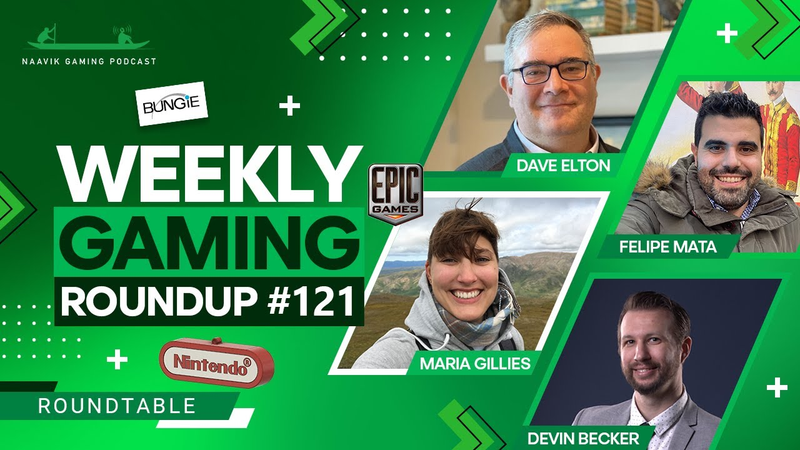
Bungie Layoffs / Live-Action Zelda / Epic v Google / FC 24 Sales
The gaming industry is currently navigating a period of significant structural adjustment, characterized by a shift away from hyper-casual mobile models toward sustainable, long-term engagement strategies.
- Bungie implemented layoffs following a 45% revenue shortfall in Destiny 2, highlighting the financial instability of relying on a single aging live-service title.
- EA successfully transitioned its football franchise away from the FIFA brand, retaining 14.5 million active accounts by prioritizing gameplay quality and existing licensing agreements.
- Epic Games achieved record-breaking engagement by leveraging nostalgia through Fortnite’s 'OG' season, signaling a shift toward using the Unreal Editor for user-generated content to reduce internal development overhead.
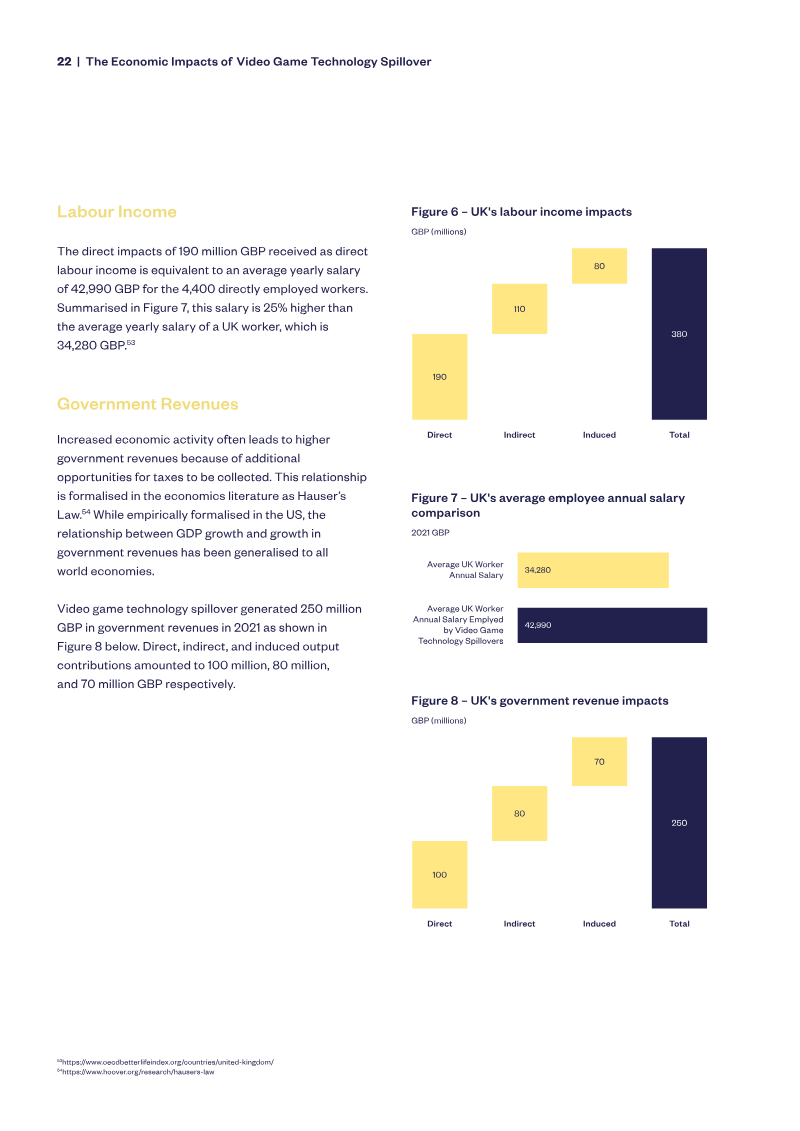

The Economic Impacts of Video Game Technology Spillover: UK and Nordic Economies
The analysis quantifies how video-game technology generates measurable economic benefits beyond the entertainment sector, arguing that spill-over effects constitute a significant engine of growth for advanced-technology economies.
- In 2021, video game technology spill-overs contributed £1.3 billion in total output and £760 million to UK GDP, while sustaining 9,900 non-gaming jobs.
- Spill-over activity from the UK games industry accounts for 13% of the sector's gross value added and 19% of its total employment.
- Non-gaming roles supported by game technology—primarily in IT, business services, and energy—command average salaries 25% higher than the UK national mean.
DIARY OF A (retired) CEO with Carol Miu
Leadership in the gaming industry demands a sophisticated balance between creative vision and rigorous market discipline.
- Women occupy only two percent of CEO roles in the gaming industry, necessitating that female leaders prioritize authentic management styles over conforming to gendered stereotypes.
- To mitigate the risks of market saturation, studios should prioritize maintaining small, highly skilled teams for as long as possible rather than scaling operations prematurely.
- Effective leadership in distributed environments requires replacing traditional oversight with structured communication and intentional, periodic in-person collaboration.

How to Deal With Negative Feedback, a conversation with Sophie Vo of Rise and Play
Managing professional visibility requires a systematic approach to negative feedback, as increased public exposure makes criticism an inevitable component of leadership.
- Leaders must manage negative feedback by first identifying internal emotional triggers to prevent defensive reactions and neutralize hostility through curiosity.
- Professional resilience is built by ensuring leadership alignment with personal values, which prevents the organizational failure often caused by conflicting motivations among founding teams.
- Organizations should proactively invest in external coaching or facilitation to serve as a neutral mirror for team dynamics and surface hidden power structures early.
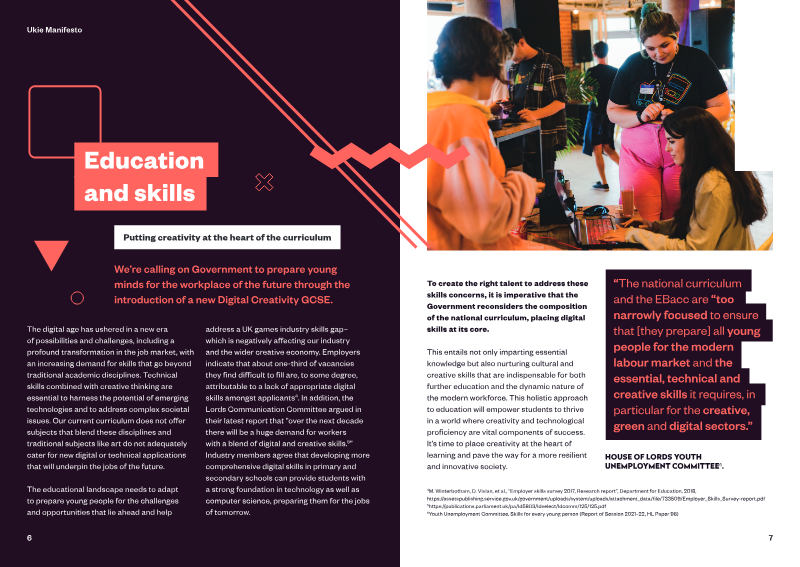
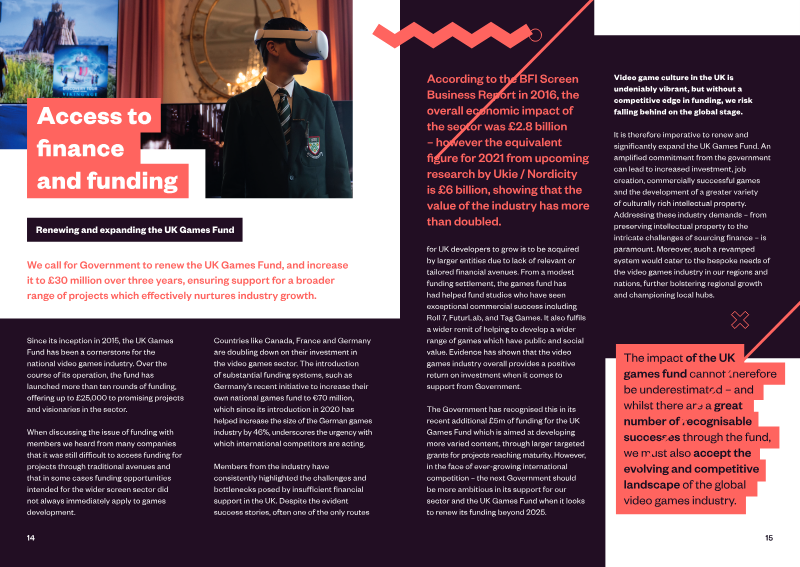
Video Games Industry Manifesto: UK
The United Kingdom video games industry serves as a vital engine for national economic growth, having doubled its total impact to £6 billion between 2016 and 2021.
- The UK video games industry doubled its total economic impact to £6 billion between 2016 and 2021.
- A persistent skills gap has resulted in an 8% vacancy rate, threatening the nation's status as a global hub for game development.
- The industry is calling for the creation of an industry-specific skills body and a modernized national curriculum to address the workforce deficit.
Microsoft’s Done Deal / Predicting Holiday Hits / When Will Layoffs End?
The gaming industry is currently navigating a significant strategic reset following the finalization of the Microsoft-Activision Blizzard acquisition.
- The Microsoft-Activision Blizzard acquisition marks a strategic shift away from mega-deals toward internal studio integration and operational efficiency.
- Macroeconomic pressures and the end of cheap capital have triggered widespread industry layoffs and the cancellation of long-term projects to focus on proven, high-performing titles.
- Future consolidation is expected to focus on smaller acquisitions and private equity-led streamlining, with EA and Capcom identified as potential targets for media conglomerates.


Spelutvecklarindex 2023: Swedish Games Industry
The Swedish games industry serves as a powerhouse of global digital entertainment, characterized by rapid revenue expansion and a vast international footprint.
- The Swedish games industry generated 86.5 billion SEK in global revenue in 2022, representing a 47% year-over-year increase driven largely by acquisition strategies.
- Swedish-owned studios now number 392 across 59 countries, employing 25,000 people globally with 8,445 staff based domestically.
- Swedish-developed titles have reached a massive scale, accumulating nearly 7 billion downloads and engaging approximately 25% of the global population.
Riccitiello Resigns / Diablo IV On Steam / FC 24 Scores
The gaming industry is currently navigating a period of significant structural and leadership volatility, characterized by executive turnover, widespread workforce reductions, and shifting distribution strategies.
- The gaming industry is undergoing a significant contraction, marked by over 6,100 layoffs in 2023 at major firms like Epic Games and Embracer Group due to inflation and rising capital costs.
- EA Sports FC 24 successfully navigated its rebranding, reaching 11 million players in its first week and demonstrating that exclusive licensing remains a powerful barrier to entry against competitors.
- Activision Blizzard’s move to bring Diablo IV to Steam indicates a strategic shift toward broader accessibility and a likely future consolidation of Battle.net into the Microsoft/Xbox ecosystem.