ReportUkie
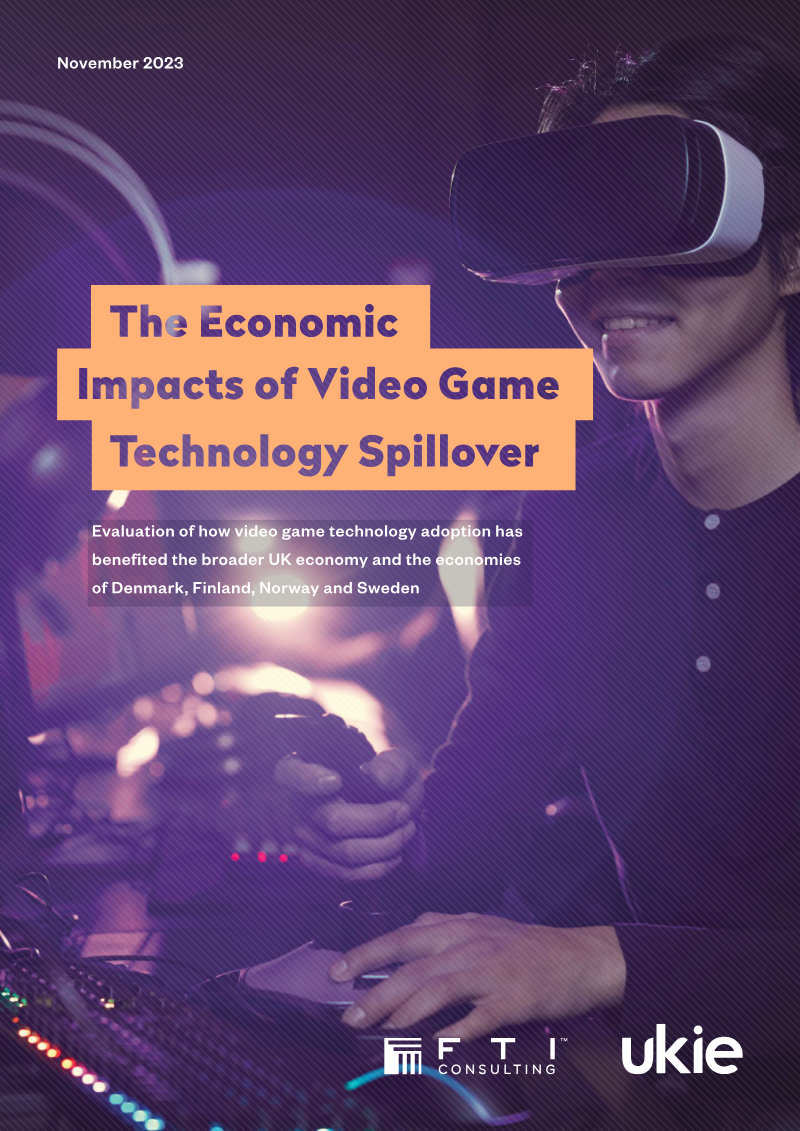
The Economic Impacts of Video Game Technology Spillover: UK and Nordic Economies
1 Nov 202368 pages~87 min full read
The analysis quantifies how video‑game technology generates measurable economic benefits beyond the entertainment sector, arguing that spill‑over effects constitute a significant engine of growth for advanced‑technology economies. By applying the IMPLAN input‑output model to 2021 data, the study estimates that spill‑overs contributed roughly £1.3 billion of total output and £760 million of GDP to the United Kingdom, delivering £380 million of labour income and £250 million of government revenue while sustaining about 9,900 non‑gaming jobs. These positions are concentrated in information‑technology, business services and energy extraction, with average salaries 25 % above the national mean. In the Nordic region, comparable effects amounted to £190 million of output and £40 million of GDP, underscoring the broader relevance across Western Europe.
The research situates these figures within the wider UK games ecosystem, which comprises approximately 2,600 firms and 71,400 jobs across direct, indirect and induced employment. Spill‑over activity accounts for roughly 13 % of the industry’s gross value added and 19 % of its employment, highlighting the sector’s pivotal role in supporting ancillary markets. Sectoral case studies illustrate how real‑time engines (Unreal, Unity), VR/AR headsets and haptic devices are reshaping healthcare, oil and gas, architecture, horticulture, furniture design and automotive safety, delivering faster, lower‑cost visualisation, enhanced training and new revenue streams.
The findings extend to the United States, where about one‑fifth of software‑job growth in 2016 and $0.5 billion of software output are linked to game‑technology diffusion. Collectively, the evidence demonstrates that video‑game innovations act as a cross‑industry catalyst, generating substantial fiscal, employment and productivity gains across multiple high‑value sectors during the 2021‑2022 period.

Ukie · 2025

British Esports · 2025

Ukie · 2025

Ukie · 2025
Ukie · 2025
Ukie · 2025
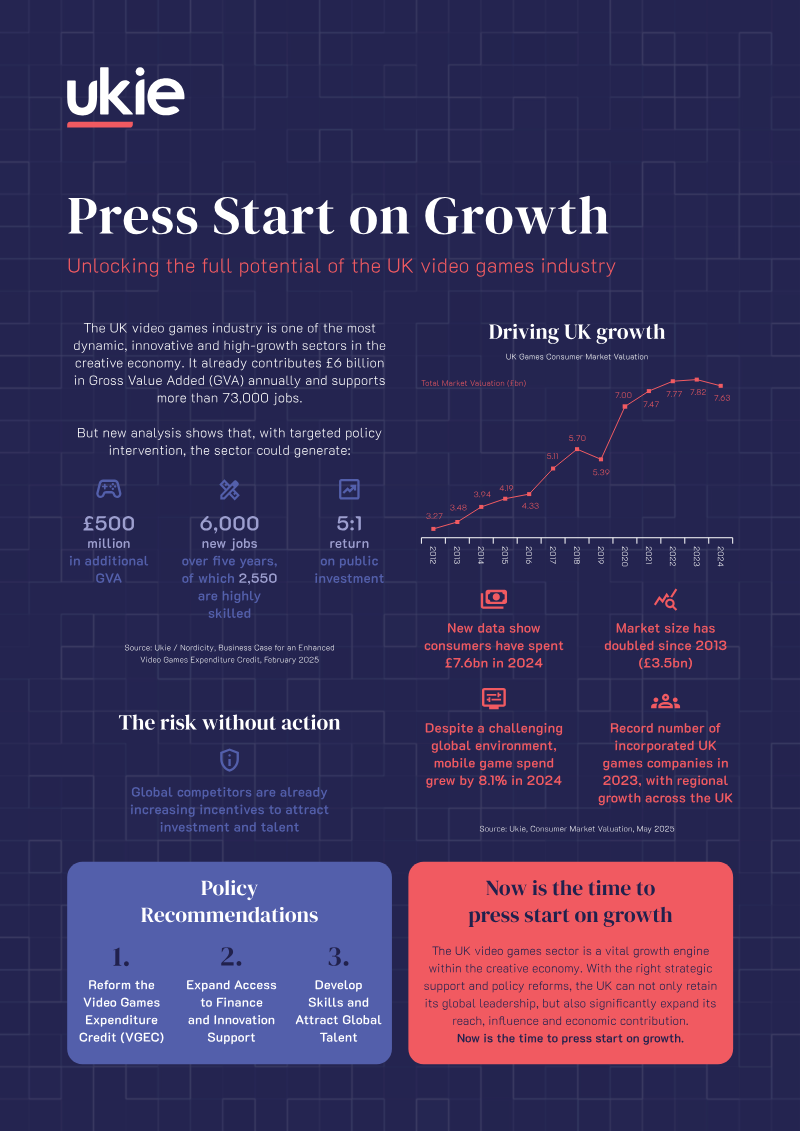
Ukie · 2025

Newzoo · 2025

UKIE – UK Interactive Entertainment · 2025

Ukie · 2024

Ukie · 2024

Playing for the Planet Alliance

Direcció General d’Innovació i Cultura Digital · 2025
Polish Agency for Enterprise Development · 2025

DEV · 2023

Asociación Española de Empresas Productoras y Desarrolladoras de Videojuegos

Asociación Española de Empresas Productoras y Desarrolladoras de Videojuegos
8Bit · 2026

Values Value · 2026
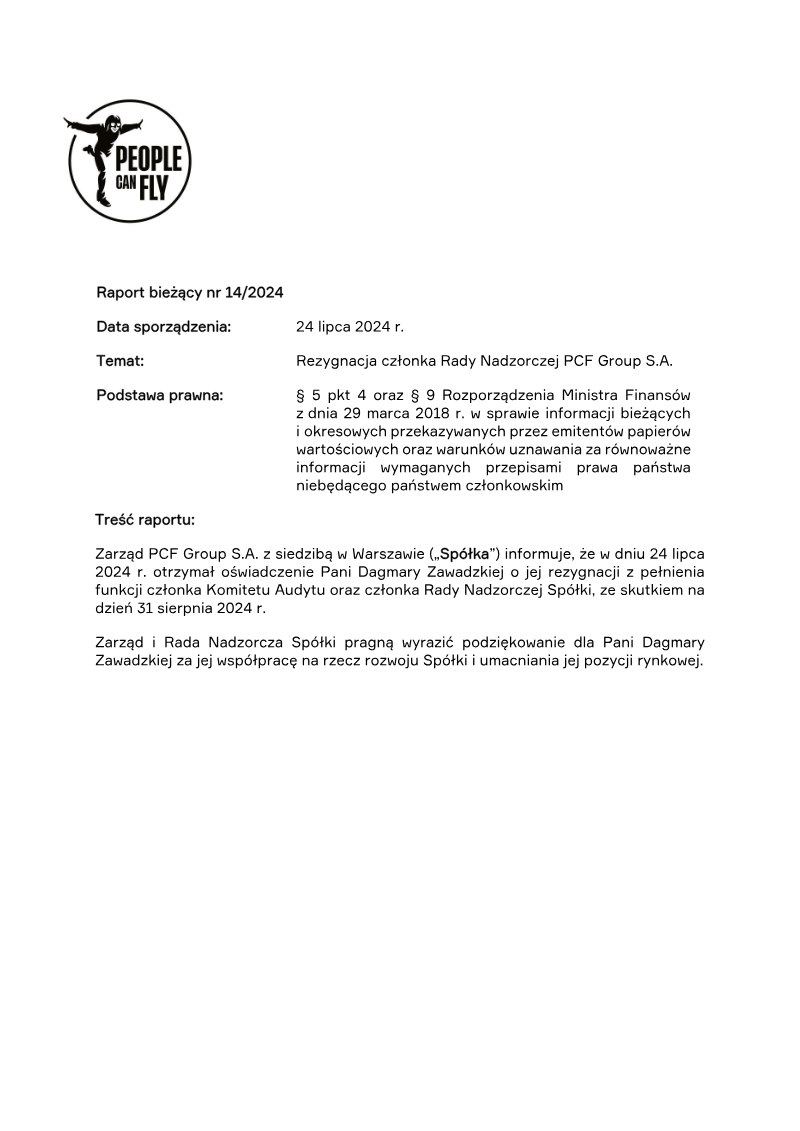
PCF Group · 2026
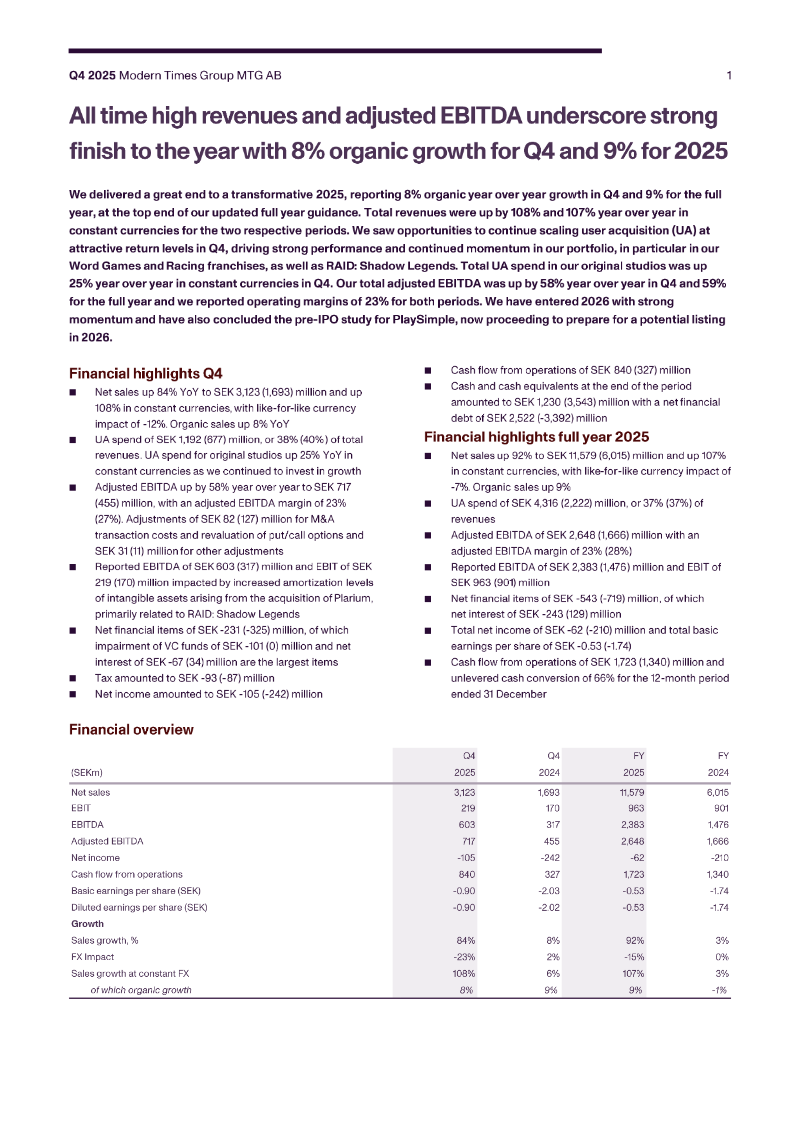
Modern Times Group · 2026
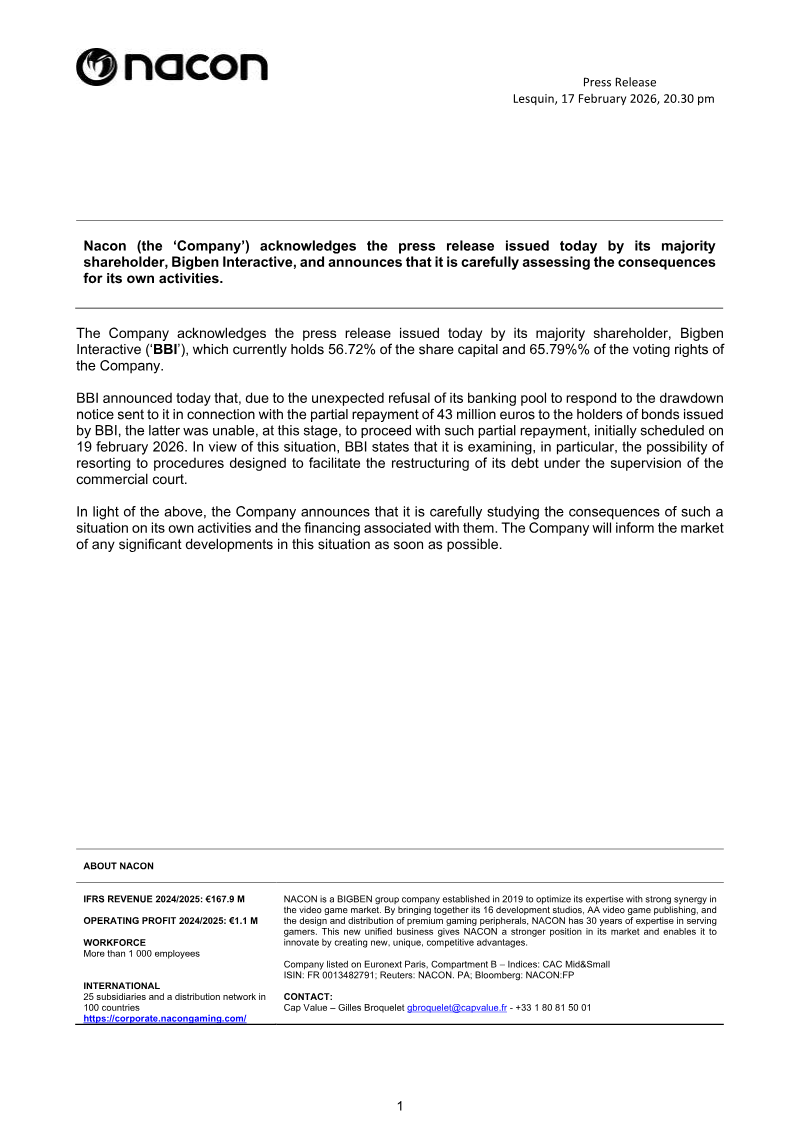
Nacon · 2026
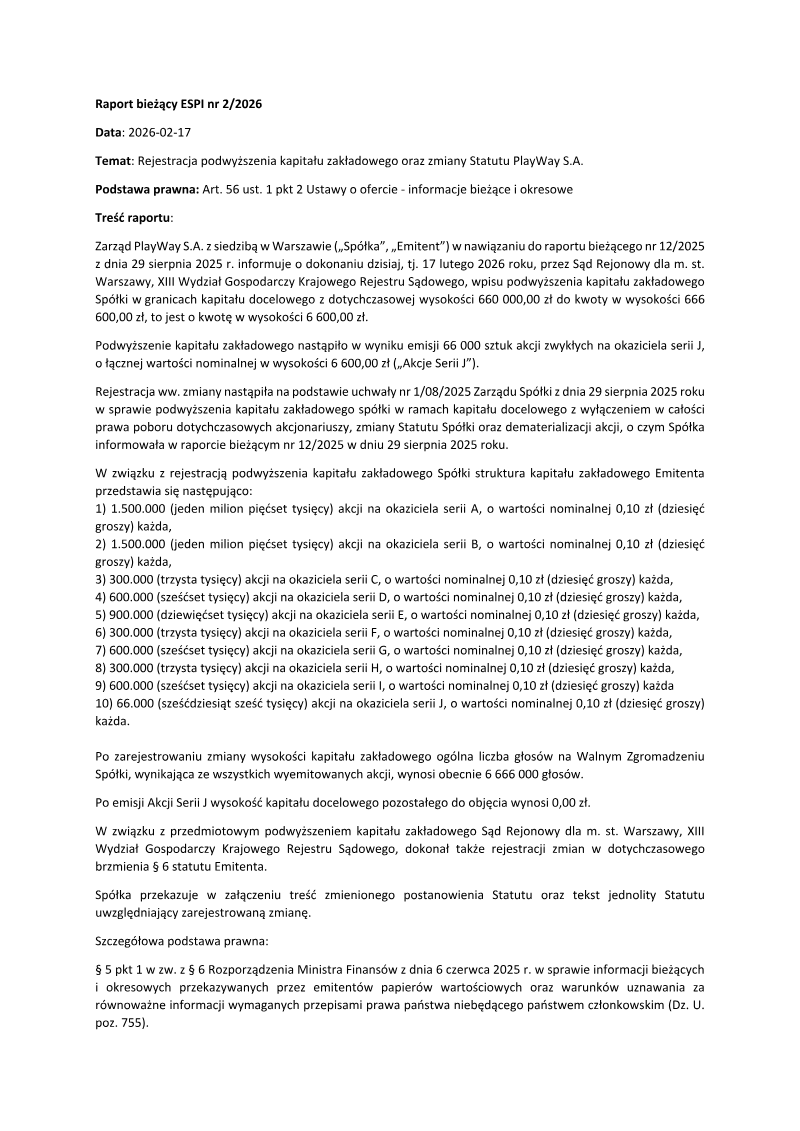
PlayWay · 2026

Stillfront Group · 2026