Transcript
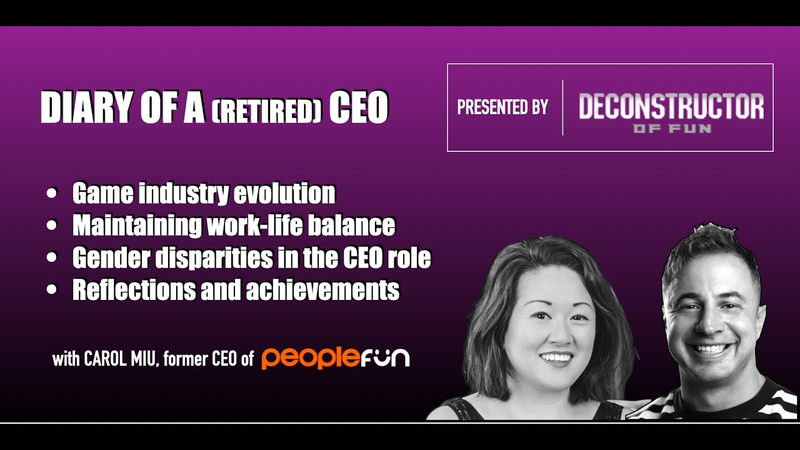
[Music] welcome welcome welcome everybody to the deconstructor fun podcast I've got a great guest today Carol Mew welcome to the podcast thank Misha thank you for having me excited we've been we've been chatting for a long time before before actually starting to record I I really enjoy the uh the the pre-recording pre-recording chats but uh yeah the warm up yeah the war the warm I really enjoy the warmup the stretch out all that part but uh I wanted to I wanted to introduce you can I introduce you to the uh to the audience of course thanks so much all all right so Carl mu uh you were previously the CEO of people fund during your time as a CEO the company scaled from 100 million in Revenue to about 300 million in Revenue with a very stable profit margin looking just at the revenue numbers I would I would estimate the uh the the price of the company below above 1 billion but we're we're
not talking about that uh be before people fund you were you were you worked in uh in products director of product at sculley before sculle you worked at boss fight um dungeon master Dungeon Hunter dungeon box the block the the RO BLX yes yes yes what isn't but but yes I remember that game I remember an RPG with uh with Roblox looking characters right yeah and it was cute like this little 3D RPG um we really like tried to make the characters lovable and very distinct from each other that was a fun project I mean as somebody who's been a fan girl of RPGs since 1985 so it was it was a really goodlooking game uh and before bus fight you worked on the attech side of things so you work at at Colony uh and before at Colony you started off your your gaming career at a startup called evolver that was acquired by ad colony and I think I believe you were doing data uh data lead at at
Colony if I'm correct yeah I was Chief data scientist at evolver and when we got picked up by ad Colony uh Wonder of Wonders they let me keep my title so two two of us awesome um and uh Bill Jackson who was an investor at evolver and of course founder at boss fight uh spoke with me and then picked me up to be head of product uh on dungeon boss so and the rest is history but before that I used to teach marketing at the college level uh before that I was in Litigation Consulting for a decade so I've really jumped all over the place and I think it's safe to say I'll continue to jump all over the place for the rest of my career yeah yeah and so currently as a retired CEO you're you're doing m&a consulting advising as every retired CEO is probably doing uh you're traveling another uh hobby of retired CEOs and but something that is very unique about your
your retired life is you're learning physics if I'm correct right that's right so um my personal life I think dictates a lot of my career choices and when my dad got sick and subsequently passed of brain cancer I really missed him and he loved physics but I used to hate physics and I discovered after he passed that if I studied physics I would get this warm fuzzy feeling inside like oh well this brings me closer to my dad otherwise he'd be Out Of Reach and so I actually decided to do it for real and I've registered for classes at the University of Washington for a Physics degree yeah so you you've had a really really interesting career so with & with with uh with Litigation Consulting marketing and social media teacher at a university of d d Dallas uh then the whole gaming sector um and and what I wanted to really ask as as a first question was is it easier to be a female CEO than a male of course you would know what it's like to be a male male CEO but
what do you feel that it's it's being easier to to be a female CEO or is it tougher to be a female CEO what's your perception I would guess that it's tougher because um only a small percentage of CEOs are a female want to make sure I get this right I believe it's 2% and this is from a report by McKenzie so it's it's tough because we don't have that Network and that camaraderie right so if you are a male CEO there are plenty of other male CEOs that you can talk to when you're trying to make a decision handle a situation when you're a female it's a little bit more disconnected maybe you don't know that many other female CEOs certainly I made efforts to try to find more so that I would have a network I could talk to when I had um any challenges and bounce ideas off of each other um but more often than not uh they were not present or or not available in my network and so
I would have to reach out to some of my guy friends and ask well how would you handle this situation or how do you see the situation and I would say that um as a a female first of all I may see a situation a little bit differently um but in solving problems I may choose a different uh solution that is either more suited to what I believe is right or allows me to lead with authenticity so um it might be distinctly different than a solution uh a typical solution that your typical male CEO might choose so I I would say that it's uh it it's harder on a bunch of different fronts but representation is a big one like having a network so it's not so lonely and you can bounce ideas off of others and try to make the best decisions I never thought about that to be honest uh naturally because you know again I have guy CEOs everywhere so so it never even
crossed my mind that that would be actually the case and that's a that's a really interesting point yeah yeah only 2% that's that's tough huh and and the advice from from men would just be you you mentioned non-authentic like like it didn't feel like it would it would be the path that you would take like is there a distinctive uh difference it's just or different than my personality so I think that % is actually like Asian female CEO so narrowing it down a little bit more but like people like me that I would identify as like they're like me they come from the same background as me and something that like when I say something there is trust and they can relate to me and they know exactly what I'm talking about and what I'm feeling when I'm talking about it right um when it comes to like different responses and different authenticity I think just by Nature communication Styles tend to be
different right um and they're layered on top of that if I'm super excited about something and I'm animated um sometimes people are like well why are you so angry and I'm like I'm not angry I'm excited right um and so I think anytime we show um above the Baseline like volume or energy it can accidentally be misinterpreted just because there's so little representation like have you had like hours and hours watching female CEOs talk and being able to map a style of communication to an emotion like we don't we don't have it we don't you know it it it's very new I would say also from my experience especially working with Sophie um I noticed that there's just a different set of expectation that you have for a female lead uh and um and it and it's a lot of
the time it's it's based on looks like if you have a smaller stature and you're a woman and especially if you have uh you know like in Sophie's case it's a lot about a conscious leadership and and so forth that that she's very passionate about somehow people translated that that she must be very soft as a as as a leader and and and I don't it's it's so weird and then when that doesn't um like it's not that she's hard she's she's just a normal leader and and and when those those expectations don't come together then it becomes this sort of a um I don't know like like misunderstanding and and almost like a anti-reaction it's like she's not what I expected her to be and and and I think feel like that is the most unfair thing towards women leaders is that there's this preconceived expectations of how they should be how you should be acting how you should sound how you should
behave um that is quite often unrealistic and I don't think there would be similar type of expectation towards a male CEO I I think a lot of that is by personality but you're right that people are comparing against expectations all the time that's our nature as as people I would say that I have also seen with um certain males that rise up to leadership who perhaps are um more in verted more technical that the same expectations also apply to them right so there are preconceived notions about what type of leader you're going to be um how you'll communicate the decisions that you'll make um and I don't like this categorization but whether you'll be a weak leader or a strong leader right um and I would like for people to just step outside of that and for them to work with their leaders whoever they they are and um try to grow the business
which is what we're all here to do to learn to grow the business but um I do see a lot of what you're saying in the sense that if you are not the typical um Alpha leader um that everyone is used to seeing on TV when they say oh it's the CEO of s such and such a company there are people don't know what to expect right so they kind of create this expectation in their own mind and when you don't match up against uh you know 99% of what's out there and you don't match up against further the expectation that the person had for you um it it can become difficult it can create a lot of dissonance with their their expectations yeah when you don't match against the pr of that person uh did you uh did you try like I'm I'm curious about this did you try to to change your behavior to match the expectations or were you just hard on and like no this is this is who I am
and I'm not going to change based on the the expectations of somebody else my goal is to make a successful company and to you know to to keep growing as a company and not cater to um a set of random expectations so I would say I was flexible on that point um prior to becoming CEO I was head of product and head of Studio at people fund uh for four years and so they already knew me and they knew me as a leader and so they knew that I was on the tough side and I expected excellent performance and I expected their hearts to be in their work and to really be passionate about what we're building together so they all knew that about me um but I think it was the opposite for me they didn't know yet that I could also be soft and have like a full life like um I think they they knew knew that I was nerdy and
introverted but they didn't know hey I socialize and I really care about my team like of course my product managers all knew that I really cared about the team but I wasn't managing engineering art um design uh at the time it wasn't all my org right um and so I think a a lot of The Descendants was well here we have this person who we've known for four years and is a really tough product leader and um demands and then works together with us to achieve these improvements um and I I'm not shy about demanding improvements right and then as a CEO it's a different story because first of all uh managing up is important people fund belongs to applen and uh those guys are great you know uh it's
been amazing working with their leadership team and uh Adam especially just has been uh such a great mentor for me this whole time U but of course there's a managing up aspect to it and then there's a managing your org and there it's hard and a lot of times you're not supposed to right um let all information flow freely both ways right there uh is confidential information that can't be shared with employees uh about what a company may be trying to do strategically uh in the long run um but likewise there are issues and hiccups that you have at the studio buggy releases um and you fix them and you fix them quickly uh but of course your management doesn't expect that you're going to run to them and Report every single one right so um knowing what to communicate and how to communicate um is really important um so learning how to do that uh and do
it in a very constructive like um positive way is important for a CEO to be able to do because everybody's morale depends on you right so um and it is really tough to figure out like what can be shared that improves morale and allows us to achieve our goals and improve the business right like uh as a public company financials are very important all of our stakeholders the board everybody is very very important um and we want to make sure that everybody is satisfied uh but at the same time there's a certain level of uh you know transparency in the decision-making on decisions that haven't been made yet that for those who don't understand the full context it could upset them or it could SPO them when really everything's going to be fine yeah yeah this is a great point that that you're making and uh this has come up with so many different CEOs and in so different so many different
companies whether there startups or scale-ups or others the conversation that I've had is is um there are often like quite often situations where you as a CEO cannot share the full context and I know we like to talk about transparency which I don't like because in practice you can't be transparent you should be clear but you just can't be transparent there are things that are going on negotiations different types of deals that you just can't tell legally to to to the uh to the rest of the team and there are also situations where it doesn't make sense to to talk about them because they're in in air something can happen something can not go that the right way and kind of like raising false hope is also um something that that you shouldn't engage with so a lot of the times I I've seen the situation kind of experience myself as well is like uh we're almost having a um we're kind of like working outside the company company while being inside
the company it's like there's so much external going on that you can't talk about and it's kind of like a weird situation and and that in in in in you know prior conversation before the recording without any naming like there has been situations where the CEOs had to focus so much on the external aspect on on some some big deal that took months and during that time the team felt that they were absent that they're not interested anymore in what they're doing and and sometimes even the public PR was was not or the public U word was was kind of steering away that the the CEO is interested in other things whereas in fact they were really working to to get a very very important deal done for the company and and that's they care so much about the long term that's what they were investing in exactly exactly and and when I see these things and I know what's really happening it's so unfair I'll give another like a more concrete example there was the company that uh that had a had they launched a pretty big game like we're talking about able a triaa and that didn't really
succeed and so they had to either raise additional funding which is difficult in in current scenario or do or sell the company or go into a co-development and uh you know the leadership was really working hard on all these three options and at the same time the company was very transparent and they were showing you know they were showing how much money they have on their their bank account and so forth and what happened was that that the employees saw the money going out they saw the game not succeeding and they felt that the leadership team wasn't acting when in fact they were working day and night to get these deal done and they started losing people because they felt the company was going bankrupt and there was a lot of word on the street of like this company the leadership is not working correctly like our game is down nothing is happening we're losing money and again I have the information through com common investors and so forth when I know what's happening and it was just so sad to see this and and that kind of let me to this point of like transparency
doesn't work Clarity Works transparency doesn't because they were so transparent that it was detrimental to the company right and it's like coming full circle to where we started it's about managing expectations right so it's like maybe I can't be completely transparent with you but I'm going to try to manage your expectations so that you are expecting the right thing no um but a lot of times that transparency is detrimental it can spook people it can um actually give them the wrong expectation if they don't know how to interpret the information right um and all of that can hurt the company rather than help the company grow uh yeah in like in the example you just mentioned yeah I wanted to kind of turn this into a more positive because it's unfair to talk about the CEO's role as just a negative thing because there's so many positive things you're at the midst of all the decision-making your your perspective of the whole business and and the uh the business environment
and the market and the uh the investment side and the boards is is just totally different like the vantage point is fantastic and there's the the compensation elements and all these things like there's it's a highrisk high reward type of a job so I wanted to ask you is like what were some of the memorable successes or any achievements during your tenure CEO that that do you think fond about um well certainly like in my time as head of product and CEO people fund was a rocket ship it through fantastically um one of the things that we had to learn that I'm actually very proud of us learning is how to fail the right way and to fail quickly right so there's no such thing as you start an idea and you just keep at it and you continue to sink money into it for years and years and it doesn't become anything like um we learn to fail the right way by checking all of our kpis like giving ourselves appropriate time frames so for all of this to happen all of the
different disciplines at the studio need to be balanced and they need to be working together well and you need to know when to call it so you're not wasting money right so you're investing in the right things and um another thing that we really learned was well how do we create games for the available addressable markets that are out there right like where is their demand um and that's very different than the old way of doing things which is somebody has a passion project like since I was 13 years old I always wanted to make this type of game and so I'm GNA go ahead and take my studio and sink like $10 million a year making it even though nobody wants this game but 13-year-old me right so um making sure that doesn't happen is actually a really important thing I would dare say that in the industry we still see that happening in many many places where they're not checking to make sure that there's High market demand for the product that they're making right so being able to have the
right balance between like this has to be profitable because the profitability of this game is what's going to ensure the longevity of the studio right this is how we're going to be around in 10 years because our games are profitable um but we're not going to sacrifice on on creativity right creating that balance is important like you see a lot of Studios out there cloning other Studios games like nobody's that successful like you know maybe make enough to get by but nobody really talks about them and um it's nothing big and it it the lack of creativity hampers them right you can't just copy other people's stuff and expect to become wildly successful and you know uh have a a company as successful as people fund that's impossible um but what you can do is well what are the best elements of these games and does everything fit together um to be something that the
market highly demands right so can we tweak things can we improve things can we take a different angle on a design can we change the mechanics a bit um and can we do it better and then steal market share right so that's definitely possible um but you know a CEO you're thinking about all these things all the time like what's the right balance um I I would say that something that comes up a lot that your listeners might find useful is a lot of times when um you're the CEO you don't want to engage too much in a debate because suddenly you'll find everyone just sides with you right so you want to let the debate unfold in front of you and nudge a little bit and think about it and then come back with a decision later um but what I found in a lot of situations not just as CEO but even prior as head of product is that you have a debate and it's got like 10 to 15 people in it and they
immediately choose either end of the spectrum like um there's only two answers and only one of them is correct right and so a lot of the value that a leader can bring not just the CEO but any leader is to enter that debate and say well um it's not just these two you know polar opposite like dichotomous solutions to the problem you actually have a whole Spectrum of solutions you could choose from but our job is to figure out which one is the optimum right so while you're debating two different solutions that are as different as different could be you know at opposite ends your best solution is actually right here here's the optimum right and that's a lot that a leader can bring to the conversation because a lot of times those debates do devolve were there ever situations where you felt that the uh the decision making was going towards the wrong direction or
even the decision made was wrong and as a CEO in the end you are still responsible it and and kind of like what I'm what I'm trying to understand is like how did you find the balance between the creativity and the product mindset uh because because let's be honest like like a team that is passionate about what they're doing tends to do better products assuming that they have the correct product strategy that sets the ra of what they should be doing and how they should be doing that so uh so I'm just curious like how did you how did you steer away from something that you felt uh wrong direction like how how did you do that as a it depends on the cost right so if it is a high cost mistake uh I would go in and after the decision was made um uh by the team uh they would need my buyin and I would go in and explain kind of like narrative storytelling like
gather around like let's listen to the stories of how what you've just decided to do has gone wrong every single time it's ever been attempted right um and generally that would get them to reconsider and come back to me in a few days with a different approach that um had better upside uh and less cost so it it depends on the mistake right and a more costly mistake you want to prevent it before you're sinking the cost that's going to take a lot of money it's going to waste a lot of money um different kinds of mistakes if a mistake is like very low cost in terms of time and money maybe you let them make it because if you're ruling with an Iron Fist and you're not letting people try new things or make mistakes you're going to burn away the trust right and you can't burn away the the trust and also you have to have that Curiosity in you we've not tried this before I also want to know how it's going to turn out and it's not costly we could fail and nothing super bad happens so let's go do it and let's go take a look at the data and there's that
scientific wonder about it too um but I would say like in terms of choosing right like um you take a look at the data you want to be data informed if people who have tried this approach have by and large failed every single time and uh have sunk tens of millions of dollars in it you probably don't want to do it the same way um but if it's a lower cost mistake and you really want to teach someone uh something and how to f properly then you go ahead and you let them do it and they they'll come back to you and say oh yeah it turns out it was a mistake you don't even have to say anything yeah that's that's the tough one the the balance between the Iron Fist and and total aiz Fair life where you can do whatever you want just keep prototyping for five years and something good will eventually come out that's a that's a tough one and and like like my you know I I can't say that I I was able to to find the the the perfect medium I think I've gone for through both of the sides I've been uh an iron fist type of a person is like I
know what we should be doing this the right way only to learn that not not the best way and going like all the way to the other side where where I'm just here to support and the team can you know can find the uh the perfect solution I think that's not the best way either it's like as you said it it has to be a very clear clear rules for the decision-making I think the storytelling part is good because in the end you as CEO take the responsibility of that investment and so it's really important for the team to understand also your role it's not not your role is being right it's your role is to be responsible of of these things that that are being made and that's why getting your Buy in is absolutely crucial to move the the the the product forward so yeah probably I would say my role in being wrong is also important right because um serving as the example having a CEO who can admit when they made the wrong decision when they made mistakes
is really important because what we really want to have is a studio where everyone feels psychologically safe and they can um be really candid with other people right like constructive feedback isn't resisted um people don't have confirmation bias right like it's human nature to have all of these things right so if you're consistently working towards a really healthy work environment uh in which you can give constructive feedback and people aren't like um defensive about it where you have to set the example where if nobody is criticizing you and the way you're handling things you have to come out and say like oh well I decided this and look at the result it actually turned out not well so that was the wrong decision um or to come in and and say like oh well during that conversation I might have been a little bit too quick to make a a
judgment um or even to excuse yourself In the Heat of the Moment when someone is talking and uh you're debating uh and you just say I'm sorry I just interrupted you in the middle of a sentence it helps right it helps everyone understand what the desired behaviors are and that nobody is above them yeah yeah 100% um kind of like zooming out and and really talking about your career as a whole you know in in games um how have you seen this this industry evolve and what kind of like the major Trends and shift you've observed and that really influenced uh and influenced your career and were either very positive or or less positive during during that time yeah I would say that my time in gaming on the whole has been very very positive it's been amazing like uh going into gaming in 2014 and really watching mobile will take off and be a part of that um all
the way up until now where um we're really seeing this like uh crossplatform but also cross-pollination where a lot of uh PC on Console games are saying to themselves well we wish we could monetize like mobile let's figure out that piece of it so um I would say that things are getting tougher like whenever an industry matures right it becomes tougher and tougher to have a successful business there's a lot of saturation there's a lot of competition um layer the current economy on top of that and um the competition is very very tough right now and um I would say that I've learned so much not just about running gaming Studios but just how to be a good manager um in all of the balanced ways right you're there's so many competing goals that you have where you're trying to drive the results for the business you're managing the team you're trying to keep morale high you're trying to skill people up um and I've
just had so many friends along the way who have taught me so much on that front so um you know sometimes with my personality um I uh when I'm training people and they seem to have stalled in their growth right I really struggle with like how do I knock them out of this stasis and keep them growing if that's what they really want in the first place right right um and so I've had a lot of help on that front just from like outside friends giving me pep talks or ideas of things to try and um you know will Brinkman from scopely is one of them like when I come to him and I'm like okay so I have somebody in product or I have somebody in marketing or I have somebody in engineering and they're Junior to mid level and I'm trying to like imbue in them like the joy The Passion of having this job and being able to work in gaming um and to make the most of it but it seems like they're stuck in this place he'll give
me lots of ideas of things to say and things to try and they like have them try to work on this so that they can see like you know the good the bad and ugly and then do they come away with a different impression like does that light the fire right so um really it's all of that joy and saying well is this um all a mystery and there's all this this mysterious box and there's all these different locks on it as I become friends with different people different leaders in the industry and as I also gain experience um in product in management uh working on my technical skills as well in programming um does this give me more and more keys so I can unlock more of the locks on this mysterious box and like finally open it and get to see what's inside and as you're taking the layers of the locks off of this box there's just been you know so many amazing learnings from the early days at evolver trying to come up
with TurnKey VIP and Mission achievements uh solutions for mobile games like the thinking was in the right place right um but executing that and trying to execute that as part of AD Colony uh perhaps was not the right combination uh and then moving on to boss fight where we were just first learning about what players wanted to engage with and monetize and like what will they buy and at what price and um do we do uh gacha boxes and how do we do them so that players are still happy do we do a subscription um in those early days to working on The Walking Dead Road to survival at scopely which was a different animal because we had um the scopely the publisher in LA and then iigo the developer up in Vancouver and so there were all sorts of communications challenges and a history and changes in leadership uh and can I
get a hundred people to work together really really well from two different locations and be really really happy about it and this is in the preco days when really when you were working in gaming we didn't do remote back then right we didn't do that many distributed teams back then it's a whole different world now right and then managing a studio during coid and watching that transform uh hire ing all over the world' got um you know just amazing talent all over the world um and being able to actually hire from anywhere is is special and I'm glad that we're at this point now in the industry so uh oh that's actually leads to an interesting topic do you do you think that remote work is uh is uh positive uh negative or is it uh a necessary evil like how do you see uh remote work as a as a whole I see it as
a strong positive right because it gives us the flexibility to work from where we want um and to manage our outside of work lives which are you know very much our lives right um and to approach the balance that we think is best and for the companies your best employees will put in extra time you allow them to work remote because all that time that they would have spent commuting or trying to figure out how to deal with child care um they're investing it right back into their work right um and your your best performers who are really really passionate about the work will always find ways to contribute more to their work how about um how about the the effect on just building a team culture values like talking to a lot of investors um in the beginning like remote work was not the a couple years
ago remote work was totally fine but now talking to a lot of investors they're saying if you're a new team you have to be in the same location or spend at least few days a a week in the same location so you can start building those relationships and and jelling together as a team uh and that you shouldn't start remote off the bat I would say that more training is necessary for for managers and teams to develop team cohesion and to know how to do it remotely um I remember back in the days before coid people were debating whether we should allow remote work and the general consensus was like well you learn so much from just eavesdropping or uh chilling with somebody in the lunchroom or bumping into them at the water cooler and you can't do that remotely so we don't like remote work but as someone who managed distributed teams over slack for many years even
before coid I know that it works as long as you know how to manage the teams and how to invest right um in training training people how to work remotely so I'm a firm believer that it can work okay I'm I'm on the I'm in the middle I'm I'm definitely like my my point is more on the hybrid I've I've seen too many challenges there are far and few Studios that I see that are good remote work and most Studios that I've I've seen and witnessed myself are are challenged by by fully remote work and they're actually working better in a more of a hybrid hybrid um situation where there is face- tof face time during the week but if everybody's fully remote it's it's been uh it's been quite challenging and then you're absolutely right when you mentioned that the top performers were able to put more but also what you would find is top performers are putting more than they can actually handle in a full remote set up so they're working even too much and that causes a lot of a lot of issues and
then the low performers are working even less and so and so there's kind of like a like um a weird separation between between the two uh that that I've I've personally seen again these are just my my anecdotal experiences and discussions with uh with other Founders well I I 100% agree with what you just said right um but certainly as CEO there is some leeway to handle the situation with low performers certainly yeah and um just found in my uh prior experience that if you're investing in getting people to gel remotely and then you bring them together four times a year so like once a quarter uh four out of 52 weeks like uh everything works really really well like surprisingly well but I think a lot of managers who are accustomed to managing the old way it's almost like being um floor supervisor like a foreman at a factory like they don't know how to
manage remotely they think that good management is like being able to see everything your employees are doing but it's not yeah there's different leaders for different situations I would say this is not a black and white uh sort of a thing to me it's like as you mentioned in the debates you can be on the both sides but the truth is all tends to be in the middle in the middle so that's kind that's kind of how would I see this um so so kind of like is when you when you look back at your career in games is there something that you wished you had done differently uh wished I had done differently I mean I go through so much of that like every day with everything that I do right it's in my nature to always question myself and uh revisit decisions and be like well what if what if I did things differently um I would say that uh early on in the days of of people fund with the success of wordscapes uh we grew the staff a little
bit too fast uh and needed more of a strategic plan for long-term growth so um I was still a bit early on at the company then so if I had to do things differently I think I would have pushed a bit harder at that point for um when you know you go from one to 10 it's very different than going from you know 10 to 100 and like scaling with mindfulness and making sure that the structure is appropriate because you know now you have a lead and the lead's got to do their job and they've got to train five new people how's that ever going to work right so uh I wish that I had been a little bit um more vocal about that and gotten my hands a bit dirtier in planning um at that stage uh I would say that I wish that at some point I had this is a silly one that I had an opportunity to work for nint Nintendo that never materialized but I've been a
Nintendo fan girl since 1985 and you know had the power glove and the trackpad and everything else uh up to Wii U and I was a national finalist at the 2010 uh Nintendo Wii games so super into that went to Nintendo live in Seattle a few weeks ago so I I I'd say one of my regrets is uh not having worked at Nintendo in the 10 years that I devoted to gaming but every 10 years I tend to change my career so going to attempt to be an astrophysicist next yeah and talking about that like you change your career attempt and and it's not like it's changing towards something easier like you're not I don't know if being a barista is easier but I would assume it's a might be a little bit easier than being a CEO it's hard it could be it could be hard I mean if you like coffee a lot then then like it depends but but it seems like you're going to to difficult quests all the time and I wanted to kind of ask you was
like how how do you maintain a work life balance especially as a CEO and leading a game game company like like what kind of a I'm sure that the work life balance wasn't always there and so how were you able to uh to to find that or were you able even to find that during your tenure as a CEO in all honesty I was terrible at that and that's one of the reasons I left right so um I'm a workaholic not in a good way like I I think work really helps me focus on something productive otherwise I'm all over the place right I'm like a very high functioning ADHD and so um otherwise I'm just bouncing off the walls and I'm all over the place work really focuses me and it's something that I could sit there and do for like 18 hours straight or 21 hours straight much to the detriment of everything else in my life so I I would say that I don't think I I really found that balance and
I think that my choice in leaving is an attempt to try to find that balance for myself like uh when I I was joking around with Tony Goodman and John B scottt and I said like I think I worked 12 years in the last five years and um John was like I don't doubt it but like don't be in a rush to finish the astrophysics degree either like you know take something slowly for once um and when I was running the numbers my son he's 5 years old now he just started school I had spent fewer than half of his days with him because I was working so much and even of the days that I was physically in the same house with him I was glued to the computer and um I can do better than that right like uh I really think that your life should be in service to the people that you care about and to be able to strike the right balance there is really important to me
um but selfishly I wasn't able to do that before because um it's just so much easier for me to just zoom into the computer for 18 hours and be super productive and be like yeah whatever I just did just made tons of money and meanwhile there are other things that arguably should be more important in my life and um when I said that a lot of my career choices are governed by what's happening in my personal life like these wakeup calls I think really have saved me um right about the time that I decided to retire at people fund I was feeling a bunch of different things like diminishing returns having been there for five years and um I found John Lee who is the new CEO and I was like I really think that within a year this guy can do my job better than I can so let's go do that and I'm going to spend more time with my children um my mom was diagnosed with stage four cancer at exactly the same time so it it was definitely like a a wakeup call um I
would say that delegating your job as CEO is like the ultimate delegation but for the different stages of the company and what the company needs like I made a lot of changes really quickly in my year as CEO in terms of restructuring teams um and you know I'm firmly of the belief that when the studio is profitable and you have like high performers um and they're passionate about their work um you never let anyone go there's no need to you could always put them on a different project right but it's a different story when um people are starting to run out of their passion or um you need them to operate on a particular level that requires a lot of skills training and um you know there's some difficulty with them in acquiring those skills uh or um you know there could be a variety of different reasons where their particular skills they could
be highly skilled at at what they're specializing in but that's not what your game needs right now right so there are a lot of different scenarios unfortunately but um certainly uh I I would say like passionate high- performing people you do what you can to keep them right and keep them happy keep them working on what makes them passionate and and generating results for the business but for me when I was evaluating myself I felt like oh well I I feel like I'm hitting diminishing returns at five years like we uh grew the revenues of the business like trifold in the time that I was there um feel good being like the 10 to 100 person but there's a lot of stuff that I neglected in those five years and so at some point that calling comes and you have to to to make that switch um you yeah do you feel that there's a bigger expectation or that you put a bigger expectation towards yourself as a as a
mother uh versus if you would have been you know versus what a man would put on on on himself like as a CEO because you could kind of say that I'm a bread winner I need to do this you know it's kind of more okay to uh to just be you know um at work a lot if you're a dad compared to a mom I think it's a really personal decision in this day and age like um we're making strides towards equality yeah um the way you view yourself though of course is always a tricky thing um and with all the love in the world to my mother who is battling stage 4 cancer right now she had no choice um my father you know who was a very loving father um had some issues that prevented him from being able to work so here's my poor mother for 30 years as not only the
breadwinner but the single earner in a family with three children in New York of all places right so she was away from home all the time and like if I could even you know recount to you how much I missed her when she was gone and then to turn around and realize I was doing it to my own children so I would say that for me it wasn't governed by any preconceived notion of like gender Norms or what Society expects of me but very personally from my own childhood and the change I wanted to make ah I totally understand that yeah she had no choice I have a choice so like you know I'm not blaming her she's great I'm I'm asking because like I I I see my my wife you know she's uh she's also an executive at a at a tech company and um you know having two kids and so forth I can see the two sides and I can see the
uh the you know the challenges of of of uh you know working hard long days evening calls you know a worldwide organization and then at the same time like you know uh at some points there Comes This counter reaction where she's like I need to be with my kids and everything else can wait and so forth so uh I don't know if this is gender Norms or or other things but uh but defin I can I can see it uh I can I can see it in her as well and and I I have the I have the similar things but um now I can balance my days much much easier yes and I feel that way now too in fact I signed up to be my kids art teacher at their school because they don't have a dedicated art teacher and now I have the time to do that now so um but for me I think I was so much a workaholic right that that switch that was supposed to turn on at night that's like now it's time for me to spend time with my family it didn't turn on right so um I really needed to be more Mindful
and like make a stricter decision about all of that I understand um all right uh the last one is is advice for the future Generations or the Future Leaders not not necessarily generation aspiring leaders entrepreneurs anybody looking to get into the gaming industry or who is already in the gaming industry but who's looking to get into those leadership positions like what kind of advice would you have and then again like we've talked a lot about the challenges of being a CEO but it's a net positive of a job even in a case of a fa yeah in a case of a failure which happens a lot in a in a CEO's position you're still moving forward you're still learning at a at an incredible velocity and and the Vantage points that I was talking about is is unrival like you arrive on on a whole different level you see the market in a whole differently you understand you know the the Investments the boards that that part of the business that is
very crucial as crucial as itself right it's like you have the electron microscope and you're like whoa right like yeah there's the moon and then you have your so you have your electron telescope and you have your electron microscope and you're just like what the heck is going on here like exactly exactly it's just a it's next level in many ways and and so you you know there are challenges there are failures high risk High rewards most people don't even get the opportunity to try it once right so exactly exactly I I would say it's definitely special and definitely positive like my advice is keep things small for a long time right like uh work in you know that one to 10 phase with the most skilled people your most trusted people for as long as you can before you need to scale to reach that next level of success U I've seen um a lot of issues at orgs where they really
scale too too fast um and uh without minding well the structure who's going to manage whom who's going to work on skills training for the juniors um all of this needs to be planned and it needs to be in place I would say also like try new things and fail and fail often like um successful startup CEOs don't just have like one idea and stick with it forever like um they might be failing for 5 to 10 years with thousands of ideas before they come up with the idea that's a hit that makes them you know multi-millions um or more so uh I I would say patience is important when it comes to dealing with other people and being um you know a mentor and a manager always be authentic to yourself but realize that like um really there's more than than one version of events there's more than one
reality because uh and this is also the physicist in me speaking you have um really all of these different viewpoints and all of these um situations that people see contextually so what's really real is it the way you saw it or is it the way that I saw it right um and to keep an open mind and keep those communication lines open because you might see a situation one way and think that everyone agrees with you and these are just the facts but when you get people to trust you and open up you actually understand that they all interpreted the situation differently and they also all interpreted your reaction differently yeah that's that's actually a great Point again something I've been I've been talking about and kind of listening up to to lately is is we is that um every time you you experience certain thing it's your side of the story and every time you hear
somebody else telling you something that is a subjective thing it's their side of the story and that's also a challenging in in the job of a leader is like not to cling on to these sides of the story but understand the whole picture and always seeking the other side of the story and and if you're if you want to become a leader in in in in any industry in games industry especially which is pretty small it's like you have to be also careful with with sharing your side of the story if you if you're sharing it in the from the perspective as like this is the truth because it's it's uh there's very little that's objective right anything is subjective yeah so so I I for example when I whenever I talk about to to other give feedback I always say hey this is how I see it I know it could be totally different but from my perspective even now I give today advice to my SE to a to a friend of mine who's a CEO and he got upset and I'm like sorry I did I did really didn't mean that this is like my side of the things how I see it you can accept or reject
the feedback we're still boys I love you like like listen but uh but you know we we had a we had a conversation about engine it wasn't that serious but but engine choices but switch engines or not that's like a really big conversation right now and you know yeah people will make their own decisions about it either way exactly but I definitely get what you mean because it you know I I would say that this advice is for all levels like be really really open to constructive feedback because it's human nature when we start hearing a criticism of ourselves and our work right to be very very hurt maybe to be defensive right um and I I would say that that's a natural response but the response that indicates like growth mindset that's really going to get you places in your
career is when you're a good listener and like let people say their peace and realize they can say their peace that's their interpretation you take that back and try to your job is to try to distill that into the most constructive action possible and work on yourself right yeah but I think often times and in our prediscussion we touched upon this a lot of times um in the workplace now people don't handle it well when you say something that hurts their feelings like if the work did not meet expectations or they need to learn a skill faster or the way that they handled a debate did not allow voices to be heard when you bring this to them and you're kind of hoping that they're going to really think about it right and change their behavior so that everybody body could be like um a more cohesive team so touching upon that topic as well and also more productive
as a team um it it can be hard because what they hear at first is just like you don't like me and you just want to complain about me I'm going to turn around and I'm going to complain about you right which is the least constructive response possible um but I think still it happens because people misunderstand why you're giving them the feedback um and also they've not been previously trained on how to handle feedback yeah yeah it's um you know it's a challenging thing to lead people uh but I I think I think in the end like what what has worked in my case I think it will work with with other cases I'm sure people do this it's like have a close group who know you both as a person and as a as a professional and use them as mirrors you will be getting different types of feedback uh and a lot of most of the feedback is subjective and so it's very important to go to the
people who you trust and ask them hey is this true am I really like this and those are the people The Trusted ones that will tell you whether that's true or not because you can also overcorrect based on all the feedback you're getting and the more you move into leadership position the more you feel the need to please people but fact is you can't please everybody and you shouldn't be pleasing everybody it's important that majority majority is happy with you but they're always going to be you know as as my Army captain always said 20% of the people in your platoon will hate you no matter what you do and and that's but the 80% is the key like when you reach that 80% you're doing great never go for 100 and so that's kind of important to to keep in mind again those are not those are just what a what an army Captain would say but it's good to keep in your mind when when you when you feel that some you're not clicking with somebody and not working you be like okay that person's not that 20% it's not going to work but the 80% that's the
most important part yeah and like you find that trying to please the 20% you lose your authenticity but you also lose your Effectiveness as a leader if you're trying to please everybody it's impossible um but also coming full circle when you talk about that tight-knit group of close leaders that you trust to really give you feedback and you know tell you if you have egg on your face or broccoli stuck between your teeth um it can be harder for certain um demographies on that front too so um I would say um different genders uh different races different religions because if you're looking for that trusted group of advisers that your org there may not be anyone in that group um who matches your demography so um that can be a little bit tricky as well right so um it's interesting and I I think to think about like okay well who do I
treat as as self and um there is trust and you can trust anybody right from from any background um but is there enough understanding of my experience that they can actually like understand how I feel in a given situation yeah you just have to have people who have been close to you for for a longer time so I I think that that kind of you know um is is the way to get get out of that but but yeah you're Absol right it's like if the same stuff hasn't happen to them right there's that little meme where it's like uh the eagle family is like I don't understand why the mouse family is so afraid of Mr Hawk like you have no idea what they're talking yeah it's it's more like the mirror group is more like when you get feedback you bring that feedback to them is like about yourself and you bring it to them and say hey is this is this valid like how could I improve on this if this is valid and they will give you uh a a good good
perspective on things so um not not perhaps on on like you know other cases but but I I definitely have people who I who I confide in and and talk about the the feedback that I've been giving and and they help me to uh to course correct or just even say this is actually not how I see it I've worked with you you're not like this so I'm like okay cool thank you so so I me the best for me on that front I think bar nun has been John B Scott like he always just tells me the way it is and yeah uh he's always very even Keel very balanced and it's like well other people may be seeing this or um you know you might be very excited but people don't know how to interpret your excitement or he might say like oh well uh they meant that as constructive feedback so next time listen all the way through before like you know trying to any of the statements like get the whole message first like he's been incredibly helpful to me like uh throughout the
entire time at uh people fun before he retired all right yeah well for a while you're gonna be you're gonna be back in in space force anytime now so CEO space force yeah give me five years well we talked a lot about about a lot of things we talked about um different sides of a stories we talked about Clarity and transparency we talked about um oh we talked about everything we talked about a starting your career and then how you should stay as long of a time in that smaller mode before moving to a larger we talked about how it's important not to scale too fast because there's so many mistakes that can happen there and most importantly we talked about that the job of a CEO um let's not kid oursel it's an excellent and fantastic job that that every not everybody but people shouldn't be afraid to strive for if they want to strive for for that job and it's a highrisk high
reward chances are you're going to retire in one year or quit but neveress it's a rare opportunity but you should go for it I bottom exactly it's a it's a mountain top that that if you want to get there just go for it uh and it's going to be hard but everything that is good in life is usually hard to achieve so so um and and you know it's uh what can I say it's a it's a good experience so and you'll learn the most from that experience like I I think all life is about learning and um yeah the the job definitely taught me a lot exactly so thank you Carol so much for uh for taking uh time off your retired life to talk about uh game being a CEO in the game industry and um I know you're not going to continue in the game industry full-time still advising still Consulting still helping out friend brands in the industry but uh but I think you'll be moving to a to a more uh more other other type of interesting
adventures in your life after after this this phase yes and thanks so much Mishka for inviting me and speaking with me and looking forward to this next phase of my Evolution all right thanks to everybody for listening and you can connect with with Carol um on LinkedIn um I don't know if you're a deconstructor fun slack Channel but if you want to get there you can be there there's about two thousand something people now all senior professionals so I'm on it but it's been months since I've logged on it's been month exactly you're you you shouldn't be logging retired people don't log in on slack so so if you want to connect with Carol just connect through Linkedin she probably checks that a little bit more often and um you're probably open for some advising some Consulting but we talked in pre-recording that you're trying to even limit that one uh as well um just to get yeah just reaching good balance um more time to myself yeah yeah but but uh any questions to Carol and
thank you so much for listening and thank you Carol so much for sharing thank you Mishka appreciate you
Auto-generated captions from YouTube — names and numbers may be misheard.














Comments